1. Overview
Heathfield High School is a public government high school serving students in years 8–12 in Heathfield, SA (postcode 5153). As a medium-sized community school, it aims to balance strong academic effort with a supportive, inclusive culture that values student wellbeing and participation in school life. Class sizes are typically in the low-to-mid 20s, supporting more individualized attention within a diverse, collaborative atmosphere.
The school fosters an atmosphere that is nurturing, inclusive, and academically focused, with a clear emphasis on student wellbeing, community involvement, and opportunities to contribute across academics, sport, and the arts.
⸻
2. Academics & Learning
- Academic strengths: STEM and English are core strengths, with opportunities to develop leadership and language skills through coordinated programs and elective pathways.
- Special programs: Gifted & Talented, accelerated learning options, and vocational/industry-linked pathways (VET) to support diverse learner goals.
- NAPLAN / Ofsted trends: NAPLAN indicators show steady improvement in literacy and numeracy over recent years, aligning with state-level trends and school improvement plans.
- Student-teacher ratios: Typically mid-teens, allowing for meaningful teacher support and feedback in most subjects.
- Support for diverse learners: Strong EAL support, targeted SEN assistance, literacy/numeracy intervention programs, and tailored learning plans to help every student access the curriculum.
⸻
3. Sports & Extracurricular Strengths
- Sports offered: Soccer, netball, basketball, AFL/football, cricket, tennis, athletics, swimming and related outdoor programs.
- Strong teams or achievements: Regular participation in regional competitions with finals appearances and notable school-level premierships in various sports.
- Music, arts, drama programs: Active music ensembles, choir, school productions, and opportunities for performance in drama and arts showcases.
- Clubs: Robotics, coding, chess, debating, language clubs, and other student-led interest groups.
- Partnerships: Local sporting clubs and community academies, involvement in inter-school competitions and regional events to broaden opportunities beyond the classroom.
⸻
4. Wellbeing & Pastoral Care
- Anti-bullying approach: Comprehensive anti-bullying policy with clear reporting pathways, student-led initiatives, digital safety education, and restorative practices.
- House system: A house framework supports belonging, competition, and peer support across year groups.
- Counsellors / wellbeing officers: On-site wellbeing staff and access to confidential counselling services and wellbeing programs.
- Transition support for new students: Orientation sessions, buddy programs, and targeted transition activities to help new students settle in smoothly.
⸻
5. Facilities
- Sports grounds: On-site sports fields and courts for a range of physical activities.
- Libraries: Well-equipped library spaces with study zones and access to digital resources.
- Science labs: Modern science laboratories for practical experiments and practical investigations.
- Music/performing arts centers: Dedicated spaces for music rehearsals, ensembles, and drama activities.
- Tech/innovation labs: Design/tech spaces supporting STEM projects and digital fabrication.
- Cafeteria: On-site canteen facilities for daily meals and snacks.
- Updated playgrounds: Contemporary, safe outdoor play and social areas for breaks and recreation.
⸻
6. School Values & Community Culture
- School values / mission: Emphasis on respect, curiosity, resilience, integrity, and service to the school and wider community.
- Leadership style: Participatory and inclusive, with student voice incorporated into planning and activities; collaborative decision-making with staff.
- Behaviour expectations: Positive behavior support framework focused on respect, responsibility, and safe learning environments.
- Community reputation: Known for a welcoming, supportive culture and strong sense of community among students, families, and staff.
- Diversity & inclusion: Active commitment to diversity, equity, and inclusive practices across curriculum, clubs, and student support.
⸻
7. School Logistics & Daily Operations
- School hours: Typical day runs from morning start to mid-afternoon finish (e.g., ~8:45 am–3:15 pm) with routine timings aligned to SA government schedules.
- Before/after school care: Options may be available through on-site programs or partner providers; check local offerings for precise availability.
- Uniform requirements: School uniform required; details on approved items and dress standards provided by the school.
- Transport: Bus routes and public transport connections available; information on timetables and pick-up points provided by the school and local transit authorities.
- Canteen availability: On-site canteen serving daily meal options and snacks.
- Fees: Low to medium cost ranges typical for public schools; some voluntary contributions and charges for excursions and activities; specific amounts outlined in the annual fees schedule.
⸻
8. Enrolment & Admissions
11. What is the enrolment process and timeline?
- Submit an enrolment application through the school or state admissions system within the defined intake periods.
- The school reviews applications, confirms vacancies, and extends offers in line with enrolment priorities and catchment rules.
- After an offer is received, families complete enrolment documentation and the student is enrolled for the upcoming year or term.
12. Is there a waiting list, and how does it work?
- Waiting lists can occur when demand exceeds vacancies. If applicable, families are notified of their place on the list and the approximate wait time. Offers are issued as soon as a place becomes available.
13. Are there any entry requirements, tests, or interviews?
- For general entry, there are typically no entrance exams or tests. Some programs (e.g., Gifted & Talented or specific pathways) may involve interviews or additional documentation to determine suitability.
14. Does the school accept mid-year transfers?
- Yes, subject to vacancy availability and coordination with the school. Transferring mid-year may require assessment of current transcripts, consent from parents, and agreement on enrollment timing.
⸻
9. Frequently Asked Questions
- Why Parents Choose This School?
- A balanced focus on academic achievement, student wellbeing, and a strong sense of community with broad extracurricular options.
- What type of student thrives at this school?
- Curious, collaborative, resilient students who engage in academics, sport, arts, and community life; those who value an inclusive and supportive learning environment.
- What opportunities are available for students to extend their skills (academics, sports, arts)?
- Access to advanced and elective courses, leadership opportunities, STEM and coding clubs, robotics, debating, music and drama programs, and a range of sports teams.
- How does the school communicate with parents?
- Regular newsletters, email updates, parent portals, and scheduled parent-teacher interviews; progress reports and timely communications about events.
- What is the school’s approach to teaching and learning?
- Student-centered, differentiated instruction with emphasis on active learning, collaboration, and the integration of digital tools and resources.
- How does the school support students who need extra academic help?
- Dedicated learning support staff, targeted tutoring and intervention programs, EAL support, and adaptive learning plans within the classroom.
- What support is available for academic challenges?
- Individual or small-group coaching, study skills programs, and access to counsellors or learning support staff to set goals and monitor progress.
- How does the school communicate with parents? (Repeated)
- See above: newsletters, portals, and interviews.
- What are the class sizes and how much individual attention do students receive?
- Class sizes are typically in the mid-20s, with teacher guidance and opportunities for small-group support during and after class.
- What extracurricular and sports opportunities are available?
- A broad suite of sports (soccer, netball, basketball, AFL/football, cricket, tennis, athletics), plus clubs in robotics, coding, chess, debating, and arts programs.
- What facilities does the school offer (sports, science, arts)?
- Comprehensive facilities including sports grounds, libraries, science labs, a music/performing arts center, tech/innovation labs, a canteen, and updated outdoor spaces.
- What is the school’s approach to technology and digital learning?
- Integration of digital tools across learning, use of online resources and platforms, and a focus on digital literacy and cyber safety.
- What transport and accessibility options are available?
- Bus routes and public transport options, with attention to accessibility and convenient access for students.
- What are typical school fees or additional costs?
- Generally low to medium; official fees, uniforms, and possible charges for excursions or extra-curricular activities.
⸻
10. Short Pros & Cons list
Pros
- Inclusive, supportive culture with strong wellbeing focus
- Solid academic program with STEM, English, and leadership opportunities
- Broad range of extracurriculars, sports, and arts
- Active student voice and leadership opportunities
- Modern facilities and up-to-date learning environments
Cons
- Class sizes in the mid-20s may limit individualized attention in very large cohorts
- Transport time for students from outer areas can be a consideration
- Some programs or activities may require additional costs or travel for certain events
- Availability of certain niche programs or specialized tracks may depend on year level or enrollment numbers
⸻








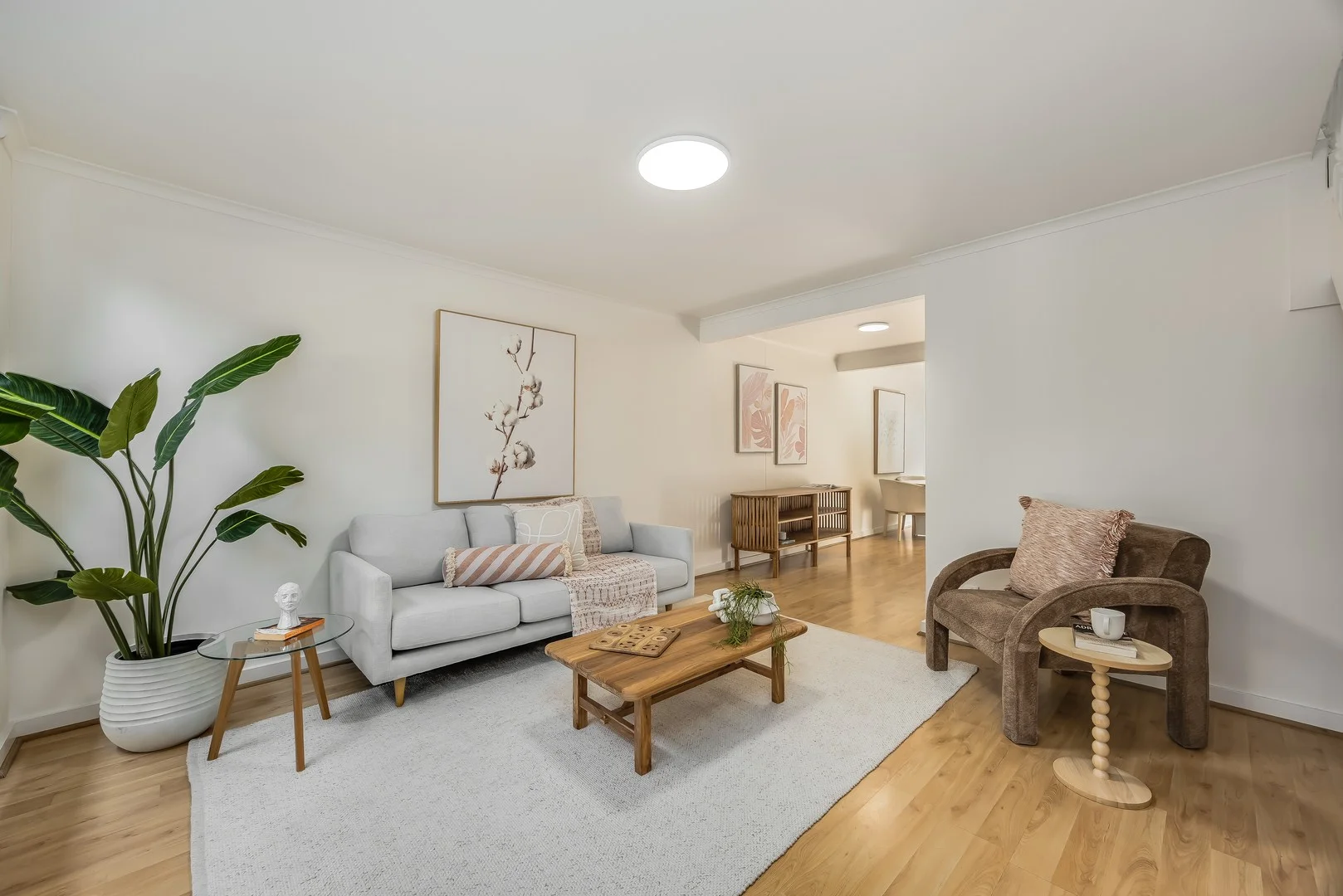 $775,000
House
$775,000
House
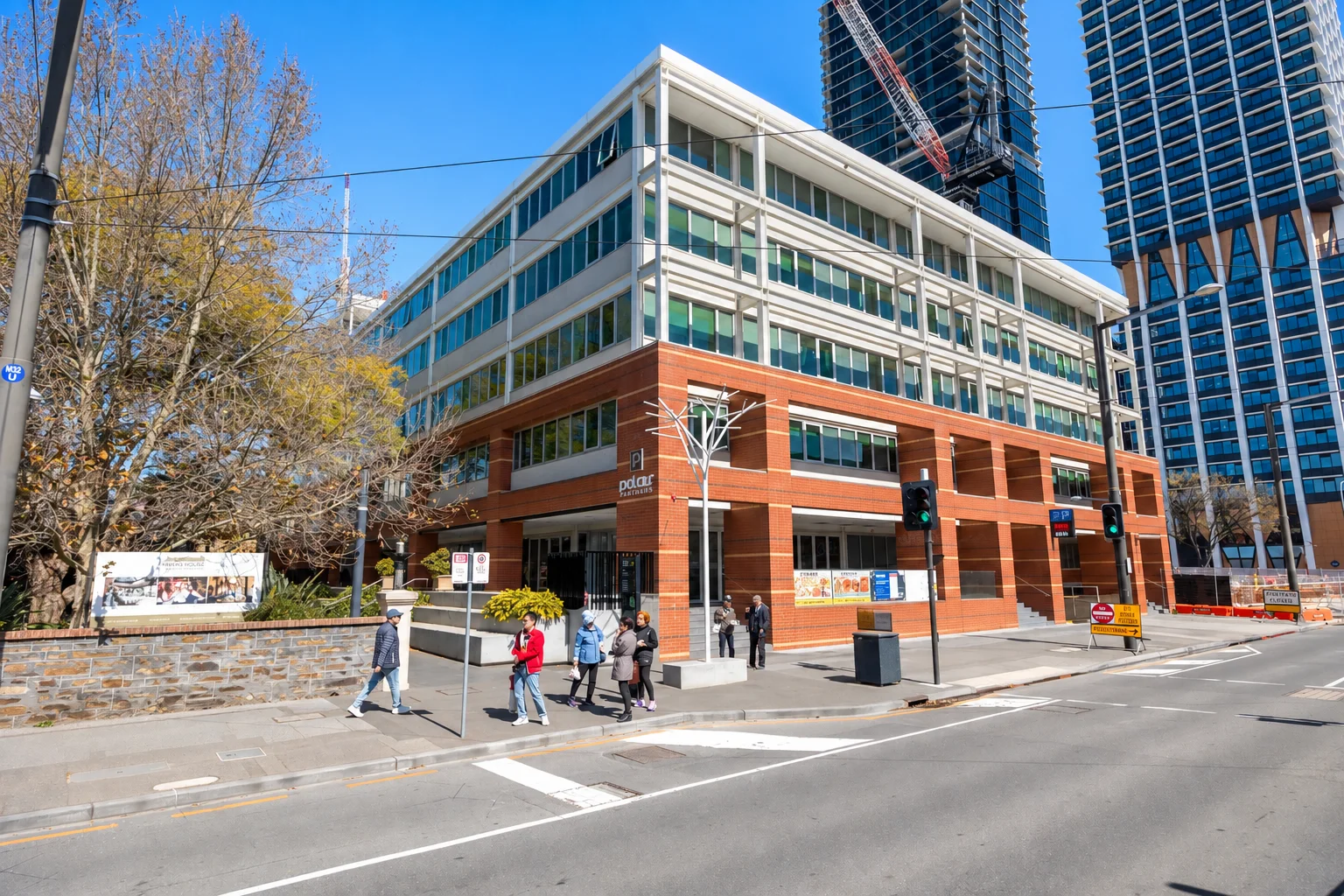 $545,000
Apartment / Unit / Flat
$545,000
Apartment / Unit / Flat
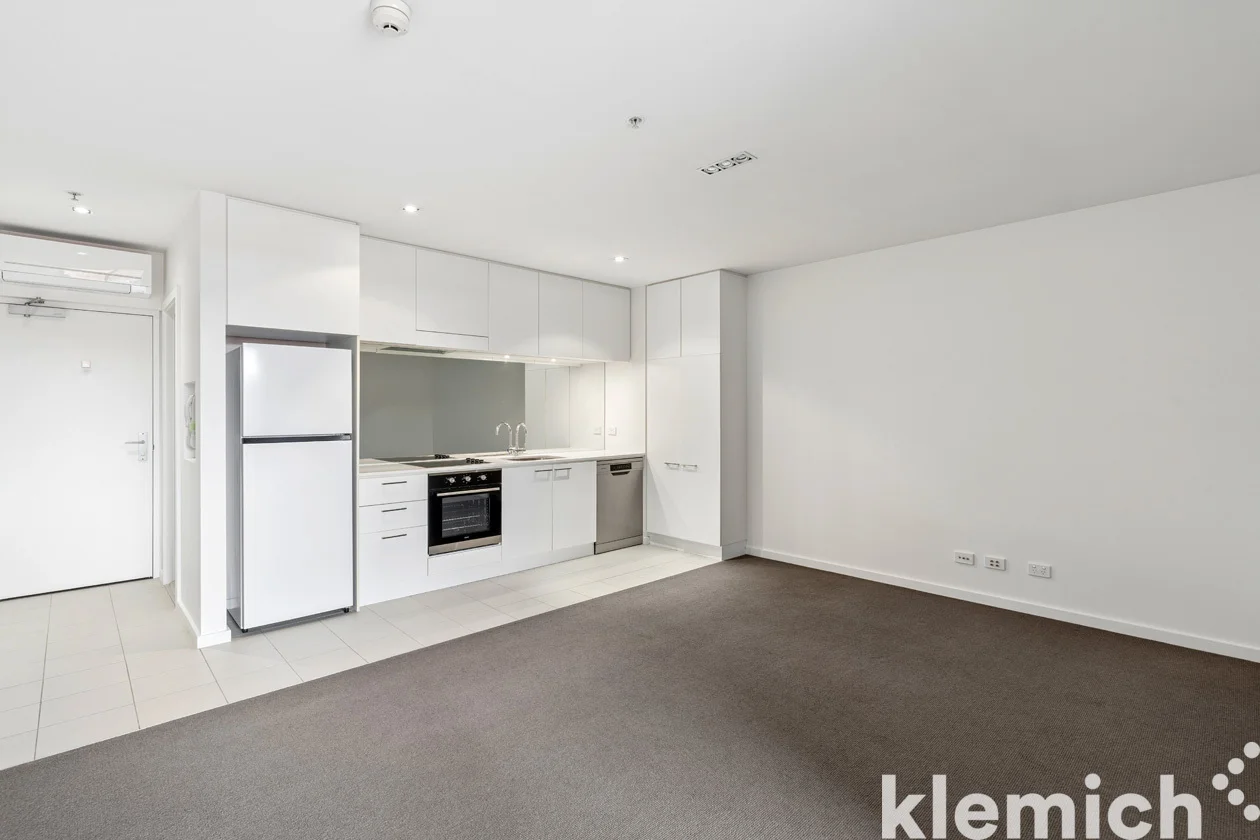 $440,000
Apartment / Unit / Flat
$440,000
Apartment / Unit / Flat