## Overview
Upper Sturt Primary School is a public, co-educational primary school serving families in the Upper Sturt area of South Australia. The school prioritises a nurturing, inclusive learning environment that supports every student to grow academically and personally within a strong sense of community.
As a medium-sized government school, class sizes are typically manageable, allowing teachers to give individual attention while fostering collaboration among students. The atmosphere is focused on wellbeing and belonging, with an emphasis on building resilience, social skills and a positive school culture.
---
## Academics & Learning
- Academic strengths: Literacy and numeracy foundations are prioritised, with a consistent emphasis on English and maths, plus opportunities to explore STEM concepts, science inquiry and digital literacy. Leadership experiences and language exposure are encouraged where possible.
- Special programs: The school supports enrichment through targeted extension activities and access to programs that promote inquiry and creative thinking. There are opportunities for students to engage in coding, robotics and hands-on science activities as part of a broader learning program.
- NAPLAN / trends: The school tracks NAPLAN performance over time to monitor progress and identify areas for improvement. Trends typically show steady attainment in core areas with ongoing focus on growth, especially in reading and numeracy.
- Student-teacher ratios: Class sizes are kept to a level that supports effective teaching and individual attention, with typical primary-school ratios around 1:20 to 1:25.
- Support for diverse learners: Strong inclusion supports are in place, including English as an Additional Language (EAL) assistance and planning for students with additional learning needs (SEN). Individualised learning plans and targeted interventions are available where appropriate.
---
## Sports & Extracurricular Strengths
- Sports offered: A range of team and individual sports are available, including netball, football (soccer), cricket, athletics, and cross-country, with opportunities to participate in inter-school events.
- Strong teams or achievements: Students participate in inter-school programs and compete in regional events, with a focus on teamwork, sportsmanship and personal bests.
- Music, arts, drama programs: The school provides music and performing arts activities, with opportunities to perform in school concerts and community events.
- Clubs: Robotics, coding, chess and debating clubs are offered to extend learning beyond the classroom and foster problem-solving and strategic thinking.
- Partnerships: The school collaborates with local community clubs and participates in regional competitions and events to broaden experiences and connections for students.
---
## Wellbeing & Pastoral Care
- Anti-bullying approach: A clear anti-bullying policy and proactive wellbeing program promote respectful behaviour, with whole-school approaches to kindness, empathy and peer support.
- House system: A house-based framework supports friendly competition, teamwork and a sense of belonging across year levels.
- Counsellors / wellbeing officers: A dedicated wellbeing team, including a school counsellor or wellbeing officer, supports students’ social and emotional needs.
- Transition support for new students: Orientation activities, buddy programs and targeted transition support help new students settle in smoothly and feel connected from day one.
---
## Facilities
- Sports grounds: Access to outdoor playing fields and well-maintained play spaces for sport and recreation.
- Libraries: On-site library with a selection of fiction and non-fiction titles to support reading, research and pleasure reading.
- Science labs: Dedicated spaces for hands-on science activities and experiments.
- Music/performing arts centers: A music room and space for performances support creative expression.
- Tech/innovation labs: Computer and digital technologies facilities enable coding, robotics and digital learning experiences.
- Cafeteria: On-site canteen or designated meal areas provide access to healthy food options during break times.
- Updated playgrounds: Modern, well-equipped play spaces support active, outdoor learning.
---
## School Values & Community Culture
- School values / mission: A values-driven culture focuses on respect, responsibility, resilience and inclusion, guiding everyday decisions and student conduct.
- Leadership style: Distributed leadership with opportunities for staff and student voice, encouraging collaboration and shared responsibility for school improvement.
- Behaviour expectations: A clear code of conduct emphasizes positive behaviours, consistent expectations and restorative approaches to addressing concerns.
- Community reputation: The school is seen as a friendly, collaborative community with active parental involvement and strong links to local families.
- Diversity & inclusion: A commitment to inclusive education ensures access and participation for students from diverse backgrounds and abilities.
---
## School Logistics & Daily Operations
- School hours: The typical day runs during standard school hours with morning and afternoon routines, including breaks for recess and lunch. Precise start and finish times can vary by year level and term.
- Before/after school care: Availability of before- and after-school care is supported via school programs or local providers to accommodate working families.
- Uniform requirements: A school uniform is required, with guidelines on acceptable attire and optional items for different seasons and events.
- Transport (train/bus routes): Bus routes and public transport options are available to support commuting students, with information provided by the school or local transport authorities.
- Canteen availability: A canteen or snack facilities operate to provide healthy meal and snack options during school days.
- Fees (low/medium/high ranges): For public schools, essential materials and voluntary contributions are standard; any specific charges or contributions are communicated annually and are typically modest.
---
## Enrolment & Admissions
11. What is the enrolment process and timeline?
- Start by checking eligibility and the school’s catchment requirements. Submit an enrolment application through the designated online portal or school office within the advised enrollment window. Timelines vary by year and intake, with notifications typically issued before the new school year.
12. Is there a waiting list, and how does it work?
- If the school is oversubscribed, a waiting list may operate. Placement is generally determined by local catchment rules, siblings, and availability of spaces. Parents may be asked to confirm continued interest and update enrolment details.
13. Are there any entry requirements, tests, or interviews?
- Primary school enrolment usually does not require entrance tests. Some schools may conduct information sessions or brief discussions with families to understand needs and interests, but formal testing is uncommon for standard year-level entry.
14. Does the school accept mid-year transfers?
- Mid-year transfers are considered if vacancies exist. Preference may be given to students moving within the catchment or with particular needs, and the school will review documentation and placement feasibility.
---
## Frequently Ask Questions
- Why Parents Choose This School?
- A welcoming, inclusive culture with strong emphasis on literacy, numeracy and student wellbeing, plus a broad range of learning opportunities and supportive staff.
- What type of student thrives at this school?
- Students who enjoy a collaborative, respectful learning environment, engage in hands-on learning and participate in a variety of sports, arts and clubs.
- What opportunities are available for students to extend their skills (academics, sports, arts)?
- Enrichment through STEM activities, coding and robotics clubs, creative arts programs, public speaking and leadership opportunities, plus inter-school sports and performances.
- How does the school communicate with parents?
- Regular updates via newsletters, emails and the school portal; parent-teacher conferences and open information sessions are offered throughout the year.
- What is the school’s approach to teaching and learning?
- A balanced, student-centred approach that integrates literacy, numeracy, inquiry-based learning, technology use and social-emotional learning.
- How does the school support students who need extra academic help?
- Targeted interventions, small-group instruction and SMART (individualised) plans where applicable, plus EAL and SEN support as needed.
- What support is available for academic challenges?
- Access to teaching staff for extra help, additional practice resources, and referral to specialist support where appropriate.
- How does the school communicate with parents? (Duplicate)
- See above: regular updates and opportunities to connect with teachers through conferences and events.
- What are the class sizes and how much individual attention do students receive?
- Class sizes are designed to be manageable for personalised teaching, typically around 20–25 students per class, enabling some individual attention within a collaborative setting.
- What extracurricular and sports opportunities are available?
- A range of sports, music and arts programs, plus clubs such as robotics, coding, chess and debating, with opportunities to compete in inter-school events.
- What facilities does the school offer (sports, science, arts)?
- Sports grounds, a library, science labs, music/performing arts spaces, tech/innovation facilities and a canteen, with updated playgrounds.
- What is the school’s approach to technology and digital learning?
- Integration of digital literacy and coding into the curriculum, with access to computer and tech facilities to support responsible use and creative problem solving.
- What transport and accessibility options are available?
- School transport options via public routes or school-provided services where available, with accessible facilities and clear information for families.
- What are the typical school fees or additional costs?
- For public primary schools, essential materials and voluntary contributions are standard; families should check the current schedule for any targeted costs or activities.
---
## Short Pros & Cons list
- Pros
- Public, inclusive learning environment with a focus on wellbeing
- Balanced emphasis on literacy, numeracy and STEM
- Broad range of extracurriculars (sports, arts, clubs)
- Support for diverse learners (EAL and SEN)
- Strong sense of community and parent involvement
- Modern facilities and well-maintained outdoor spaces
- Cons
- Class sizes and resources may vary slightly by year level and enrolment
- Specialist programs (e.g., IB) may not be available at the primary level
- Transportation logistics can depend on family location and route availability
- Some costs are community- or activity-based beyond the core program
 $40+
$40+








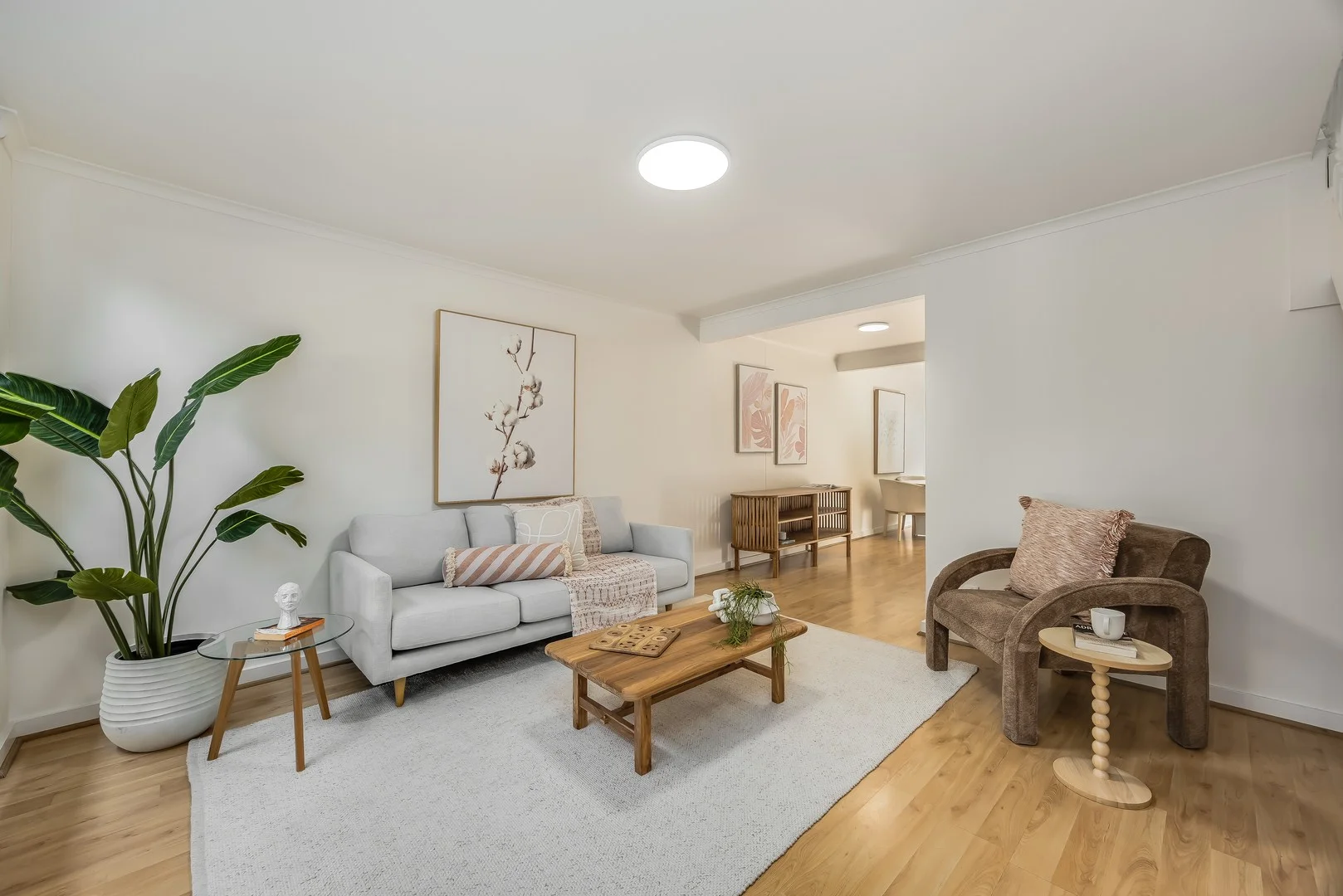 $775,000
House
$775,000
House
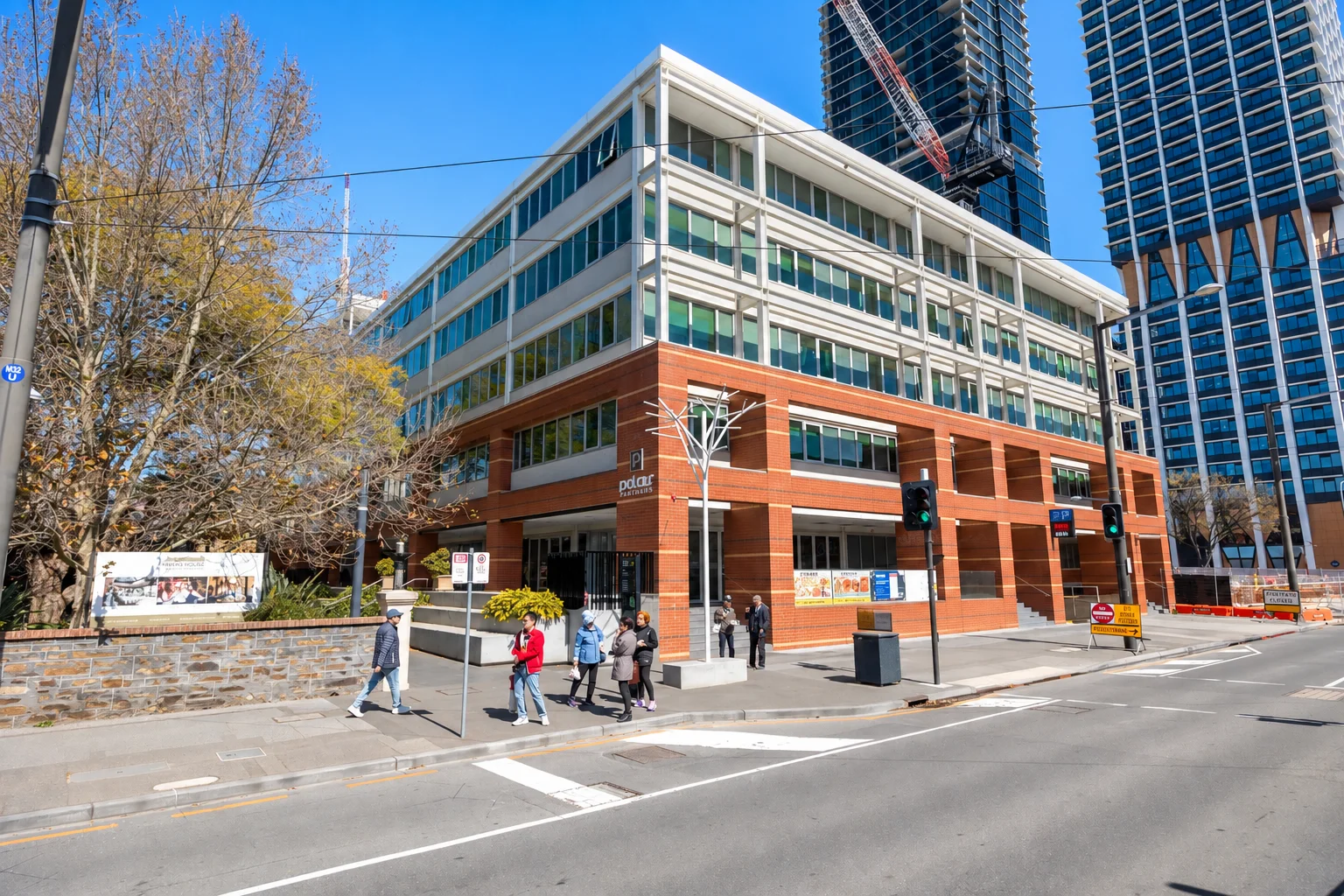 $545,000
Apartment / Unit / Flat
$545,000
Apartment / Unit / Flat
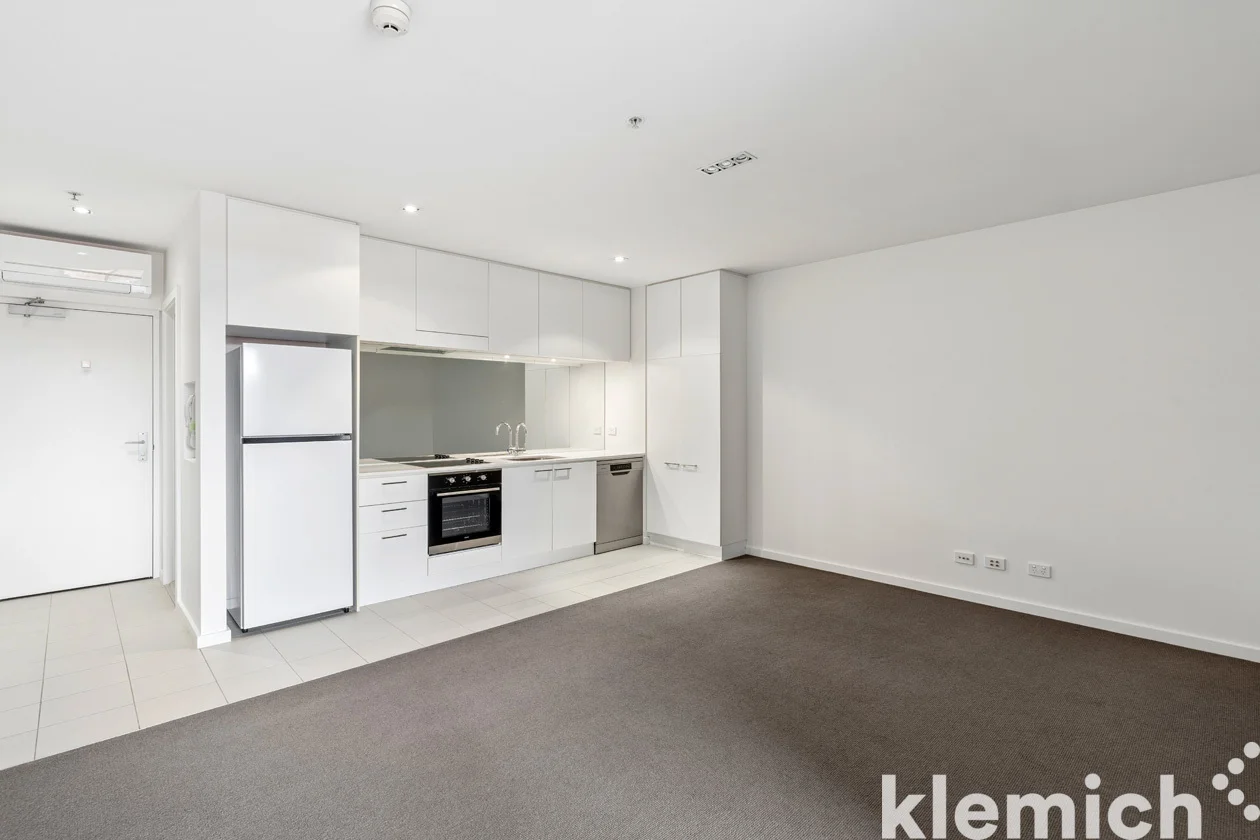 $440,000
Apartment / Unit / Flat
$440,000
Apartment / Unit / Flat
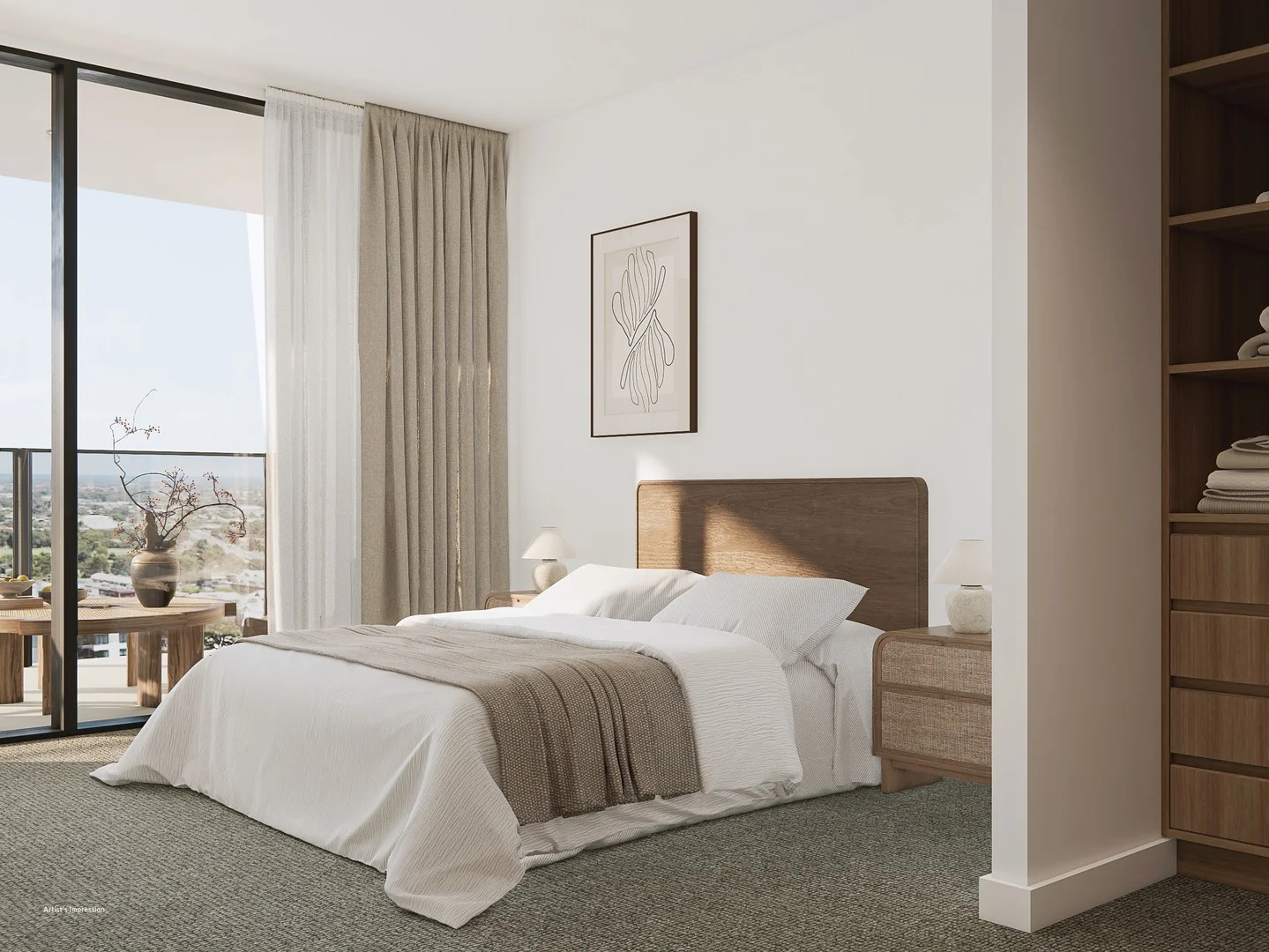 $935,000
Apartment / Unit / Flat
$935,000
Apartment / Unit / Flat
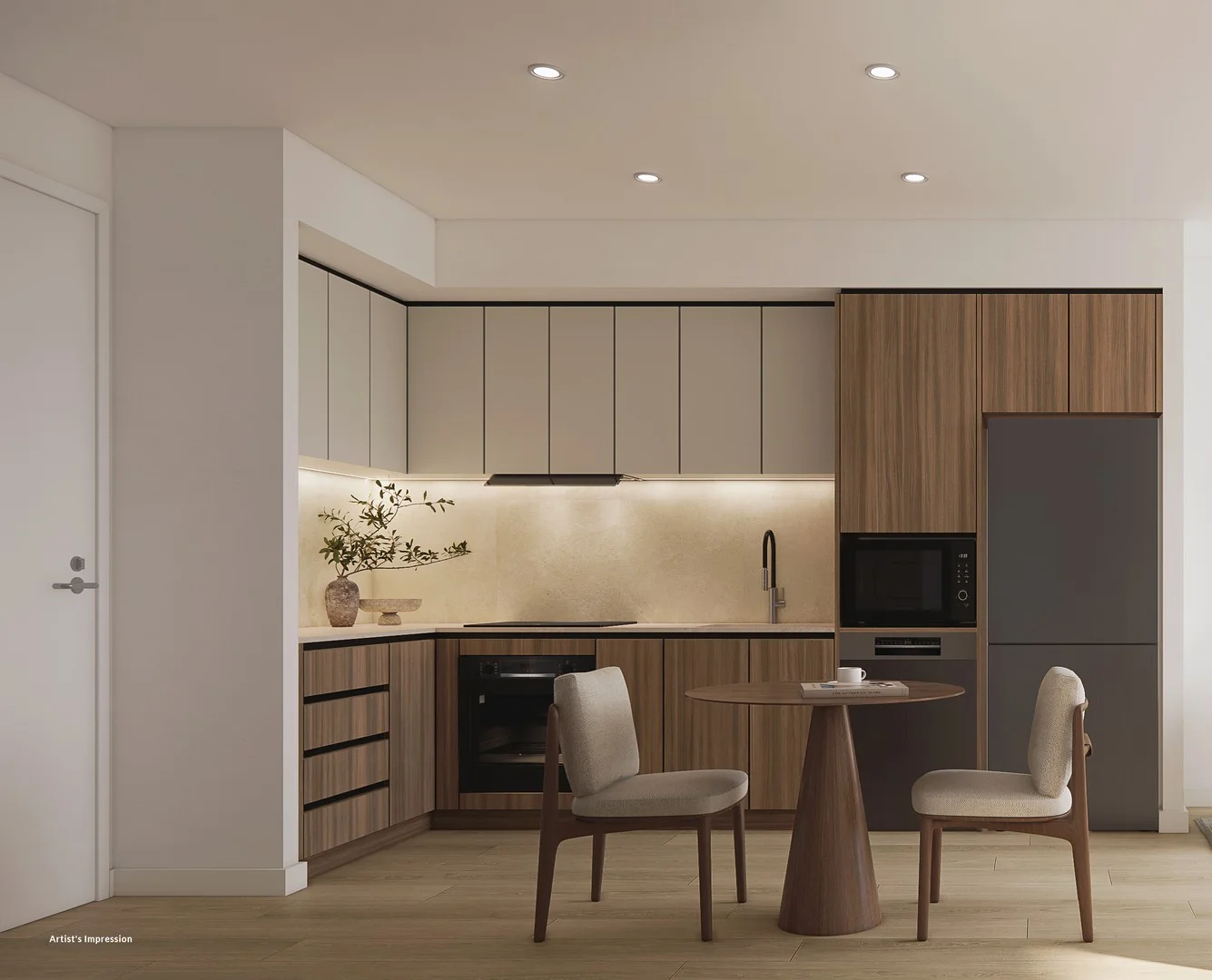 $557,000
Apartment / Unit / Flat
$557,000
Apartment / Unit / Flat
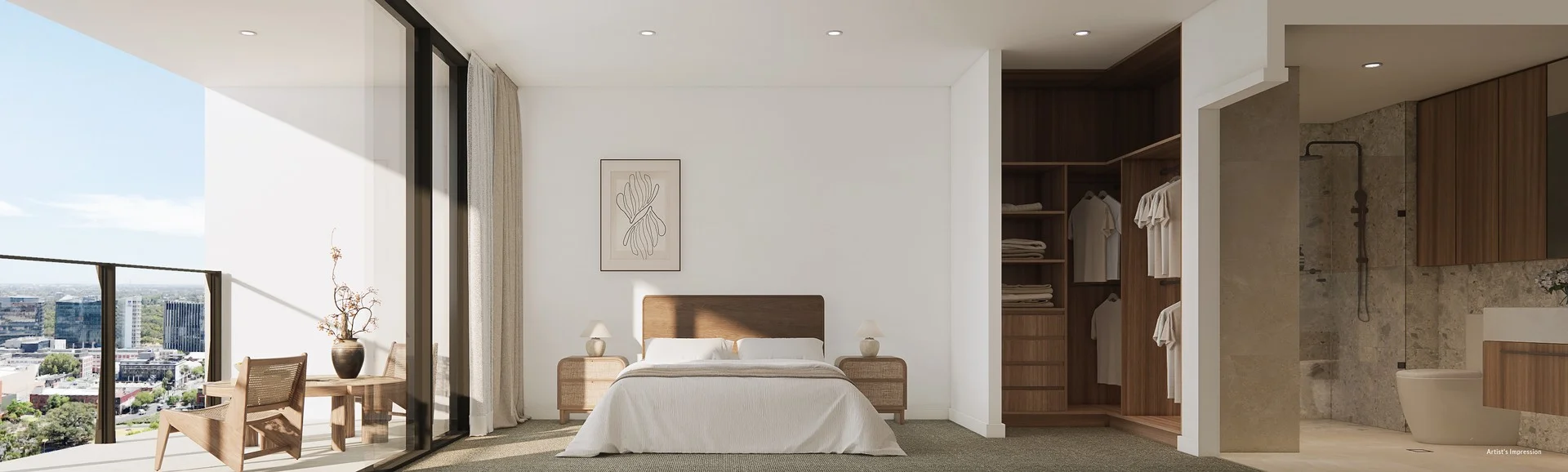 $1,056,000
Apartment / Unit / Flat
$1,056,000
Apartment / Unit / Flat
 $588,000
Apartment / Unit / Flat
$588,000
Apartment / Unit / Flat
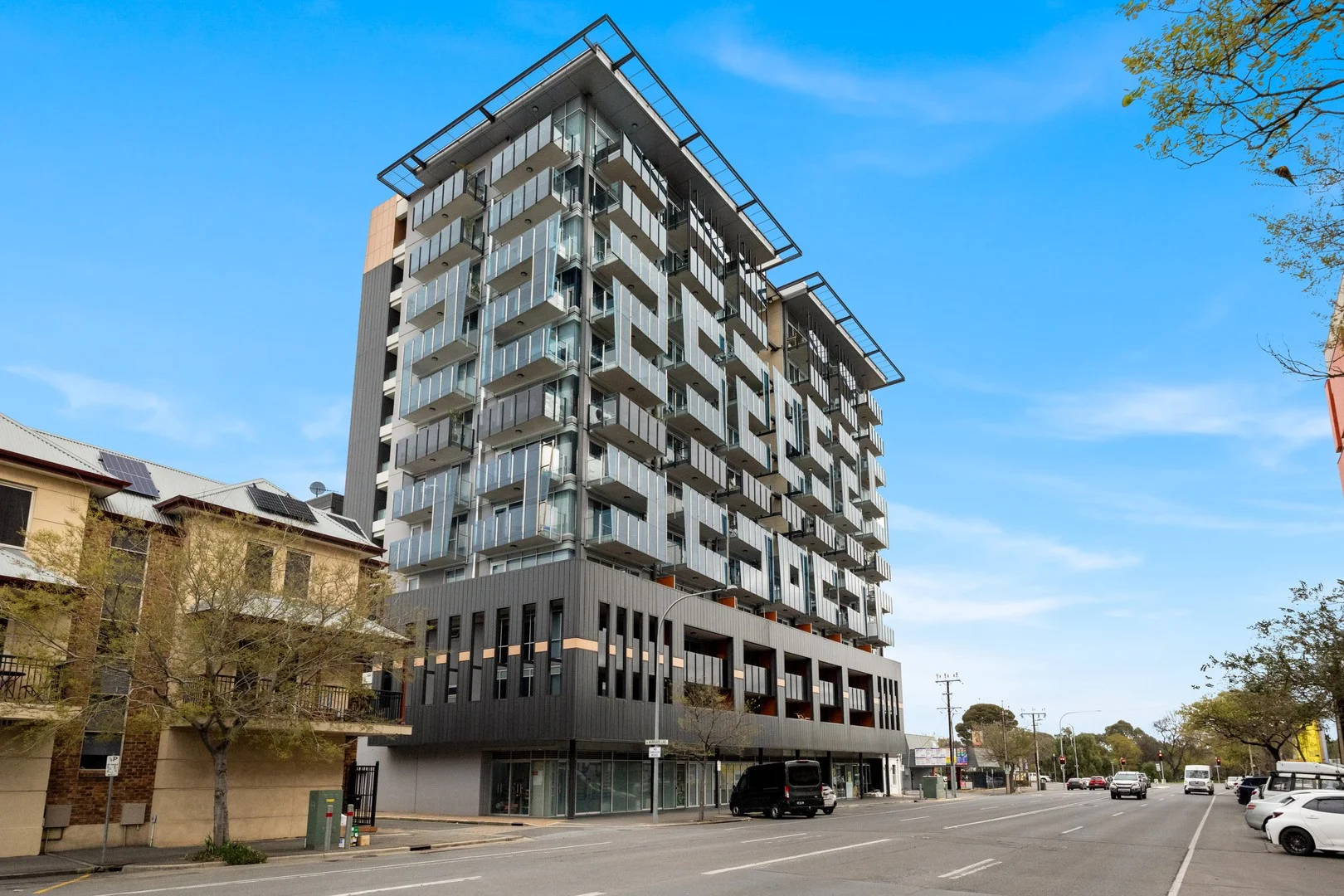 $1,100,000
Apartment / Unit / Flat
$1,100,000
Apartment / Unit / Flat


