## Overview
St Catherine's School is a Catholic independent day school in Stirling, SA, offering a values-based education with a focus on both academic excellence and holistic development. The school aims to provide a nurturing, inclusive environment where students are helped to grow academically, socially and spiritually.
School size is medium, with class sizes designed to support individual attention and student engagement. The atmosphere is typically described as supportive and collaborative, balancing strong academic expectations with care for each student’s wellbeing and personal growth.
## Academics & Learning
- Academic strengths: Strong literacy and numeracy foundations, with focused programs across sciences, mathematics, English and languages. The school emphasises critical thinking, problem solving and communication.
- Special programs: Likely offerings such as Gifted and Talented pathways and opportunities for accelerated learning where appropriate, along with targeted support for diverse learners.
- NAPLAN / trends: Trends commonly show steady progress in literacy and numeracy with performance relative to state averages monitored over time.
- Student-teacher ratios: Small to mid-range class sizes enabling closer teacher support and feedback.
- Support for diverse learners: EAL (English as an Additional Language) support and inclusive education approaches for students with diverse learning needs, including access to learning support staff.
## Sports & Extracurricular Strengths
- Sports offered: Netball, Basketball, Soccer, Tennis, Cricket, Athletics, Swimming and other school-wide competitive programs.
- Strong teams or achievements: Competitive participation in interschool events with notable performance across several sports.
- Music, arts, drama programs: Active performing arts and music programs with ensembles and productions, alongside visual arts opportunities.
- Clubs: Robotics, Chess, Coding, Debating and other interest clubs to develop analytical and creative skills.
- Partnerships: Connections with local clubs, academies and competitions to broaden pathways in sport, arts and STEM activities.
Note: Specific teams, titles and achievements can vary by year; check current offerings with the school for the latest details.
## Wellbeing & Pastoral Care
- Anti-bullying approach: Proactive, evidence-based programs and clear policies to promote respectful, inclusive behavior.
- House system: A house-based structure to foster belonging, teamwork, healthy competition and leadership opportunities.
- Counsellors / wellbeing officers: Access to school counsellors or wellbeing staff to support personal, social and emotional development.
- Transition support for new students: Structured orientation and mentoring to help new students settle in and make connections quickly.
## Facilities
- Sports grounds: On-site playing fields and courts supporting a range of physical activities.
- Libraries: Modern library with study spaces and resources.
- Science labs: Well-equipped laboratories for practical science learning.
- Music/performing arts centers: Spaces for music, drama and performance.
- Tech/innovation labs: Facilities for STEM, digital learning and project work.
- Cafeteria: On-site food services for students.
- Updated playgrounds: Safe, age-appropriate outdoor play and recreation spaces.
## School Values & Community Culture
- School values / mission: A Catholic ethos guiding character education, service, respect and integrity.
- Leadership style: Participative and student-centered, with opportunities for student leadership and voice.
- Behaviour expectations: Clear codes of conduct aligned with school values, focusing on respect, responsibility and resilience.
- Community reputation: Generally viewed as a values-driven, close-knit school community with strong partnerships among families and staff.
- Diversity & inclusion: Emphasis on welcoming students from diverse backgrounds and fostering an inclusive school culture.
## School Logistics & Daily Operations
- School hours: Typical U-structure school day with morning and afternoon sessions; exact times vary by year level.
- Before/after school care: Availability of care programs or supervision outside standard hours.
- Uniform requirements: School uniform policy with details on acceptable attire and footwear.
- Transport (train/bus routes): Bus routes or public transport options available for commuting students.
- Canteen availability: On-site canteen or lunch program for students.
- Fees (low/medium/high ranges): Fees fall in the mid-to-high range for SA Catholic independent schools; there may be inclusive or itemized costs for activities, excursions and additional programs.
## Enrolment & Admissions
11. What is the enrolment process and timeline?
- Typically starts with an inquiry and application, followed by documentation review, an interview or information session, and a decision timeline aligned with intake cycles (e.g., new year, mid-year entry).
12. Is there a waiting list, and how does it work?
- Many independent Catholic schools operate a waiting list for popular year levels. Placement often follows a timeline based on application date, sibling priority, and availability.
13. Are there any entry requirements, tests, or interviews?
- Common requirements include an application form, portfolio or teacher references where relevant, and an interview or family meeting. Some years may include academic or readiness discussions.
14. Does the school accept mid-year transfers?
- Mid-year transfers are sometimes possible depending on space and alignment with the current curriculum; confirmation is typically through the admissions team.
## Frequently Asked Questions
- Why Parents Choose This School?
- Parents often cite the Catholic values, supportive learning environment, opportunities for leadership and service, and a strong sense of community as key reasons.
- What type of student thrives at this school?
- Students who appreciate a values-based, supportive setting with balanced emphasis on academics, wellbeing, and extracurriculars tend to thrive.
- What opportunities are available for students to extend their skills (academics, sports, arts)?
- Opportunities may include advanced or accelerated academic pathways, varsity and club sports, performing arts productions, and a range of clubs (robotics, coding, debating, etc.).
- How does the school communicate with parents?
- Communication channels typically include newsletters, parent portals or apps, regular parent-teacher conferences, and annual reports.
- What is the school’s approach to teaching and learning?
- A student-centered approach that blends foundational skills with critical thinking, collaboration, and real-world application; emphasis on character development within a Catholic framework.
- How does the school support students who need extra academic help?
- Access to learning support staff, targeted tutoring, small-group interventions, and personalised learning plans.
- What support is available for academic challenges?
- Identification and response through learning support services, progress monitoring, and coordination with families.
- How does the school communicate with parents? (Repeated)
- See above; typically through multiple channels to ensure timely updates and engagement.
- What are the class sizes and how much individual attention do students receive?
- Class sizes are mid-range to smaller, allowing for regular teacher feedback, targeted support, and personalised attention.
- What extracurricular and sports opportunities are available?
- A broad menu across sports, music, arts, and clubs (robotics, coding, debating, chess, etc.), with competitive pathways in key disciplines.
- What facilities does the school offer (sports, science, arts)?
- Facilities include sports grounds, libraries, science labs, performing arts spaces, tech/innovation labs, canteen and updated playgrounds.
- What is the school’s approach to technology and digital learning?
- Integration of digital learning tools, ICT across the curriculum, and opportunities to develop digital literacy and responsible technology use.
- What transport and accessibility options are available?
- Transport options may include school bus services and proximity to public transport; accessibility considerations are addressed in campus planning.
- What are the typical school fees or additional costs?
- Fees are in the mid-to-high range for the region; additional costs may apply for uniforms, excursions, activities and certain programs.
## Short Pros & Cons list
- Pros
- Values-based education within a supportive, inclusive community
- Balanced focus on academics, wellbeing and extracurriculars
- Access to dedicated learning support and diverse clubs/teams
- Moderate class sizes enabling personalised attention
- Strong sense of community and pastoral care
- Cons
- Fees can be a consideration for some families
- Availability of places may vary by year level and intake
- Limited to specific intake years; mid-year entry depends on space
- Needs consistent parental involvement to maximise outcomes
If you’d like, I can tailor any section further with more precise wording, adjust emphasis (e.g., stronger focus on STEM, arts or sport), or fit a stricter word limit for your site.









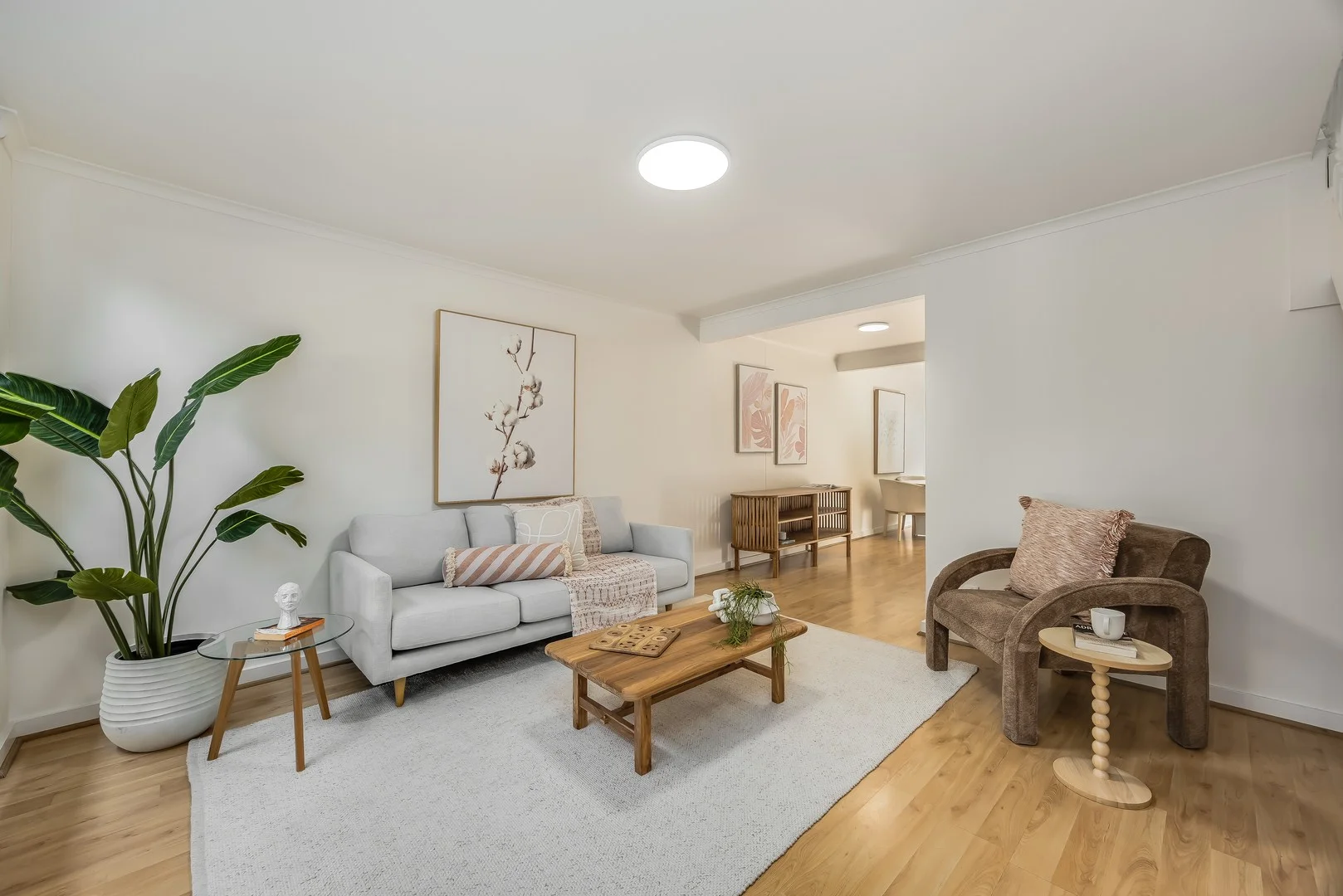 $775,000
House
$775,000
House
 $545,000
Apartment / Unit / Flat
$545,000
Apartment / Unit / Flat
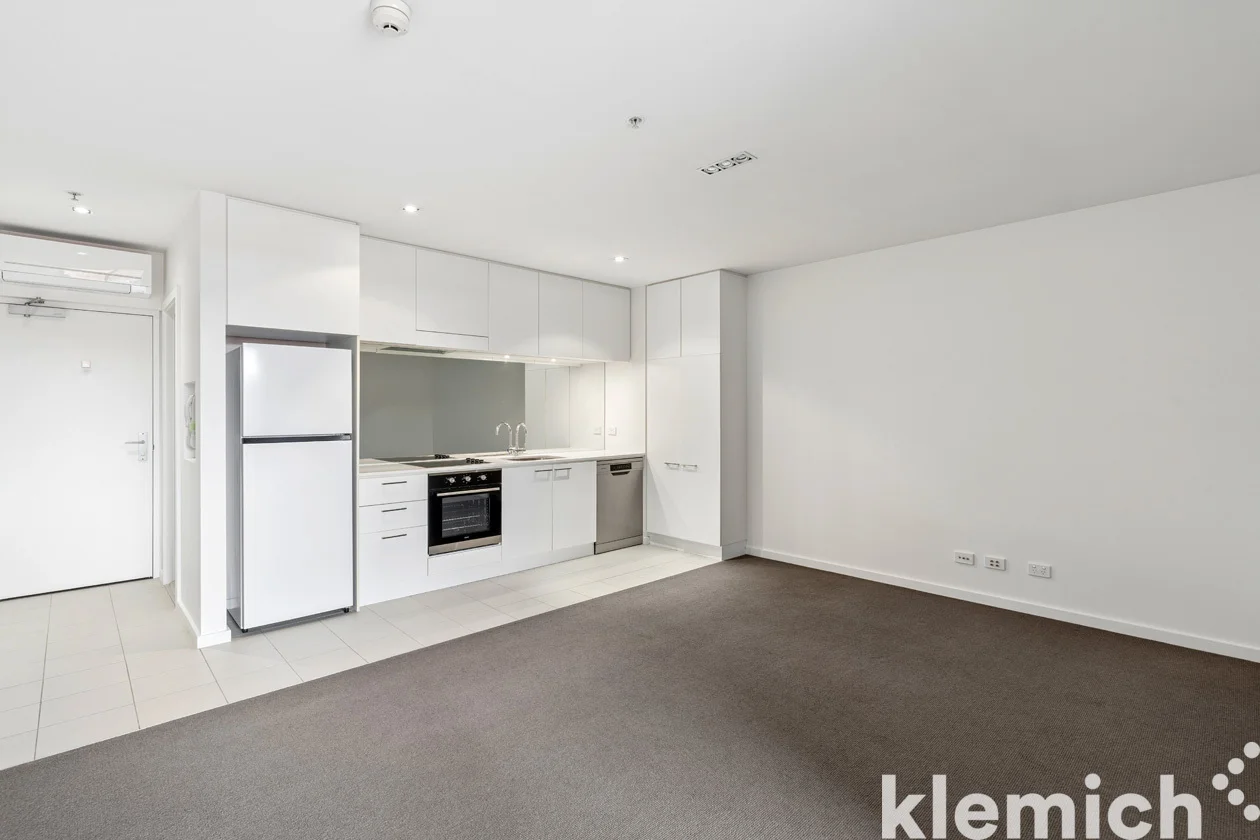 $440,000
Apartment / Unit / Flat
$440,000
Apartment / Unit / Flat
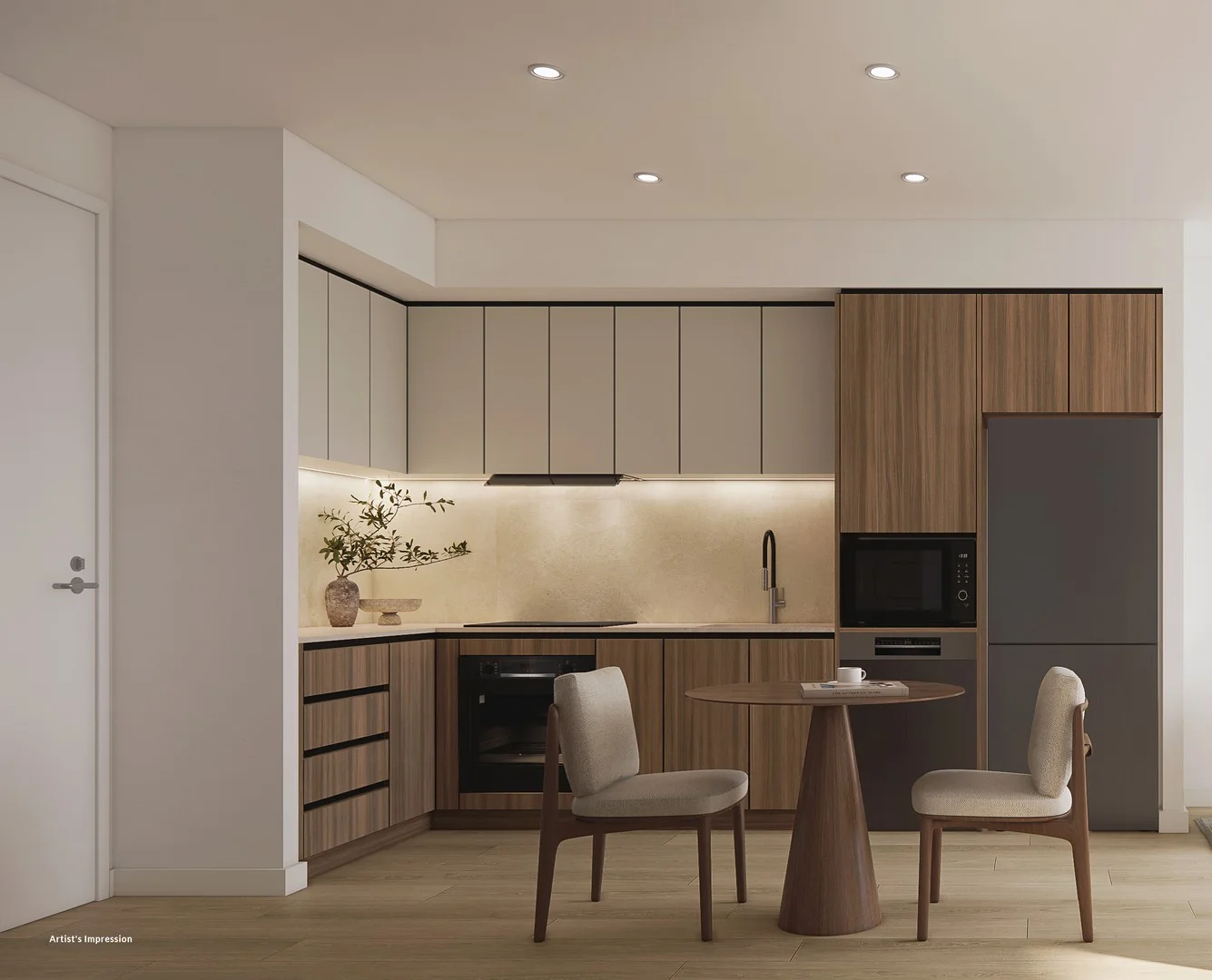 $557,000
Apartment / Unit / Flat
$557,000
Apartment / Unit / Flat
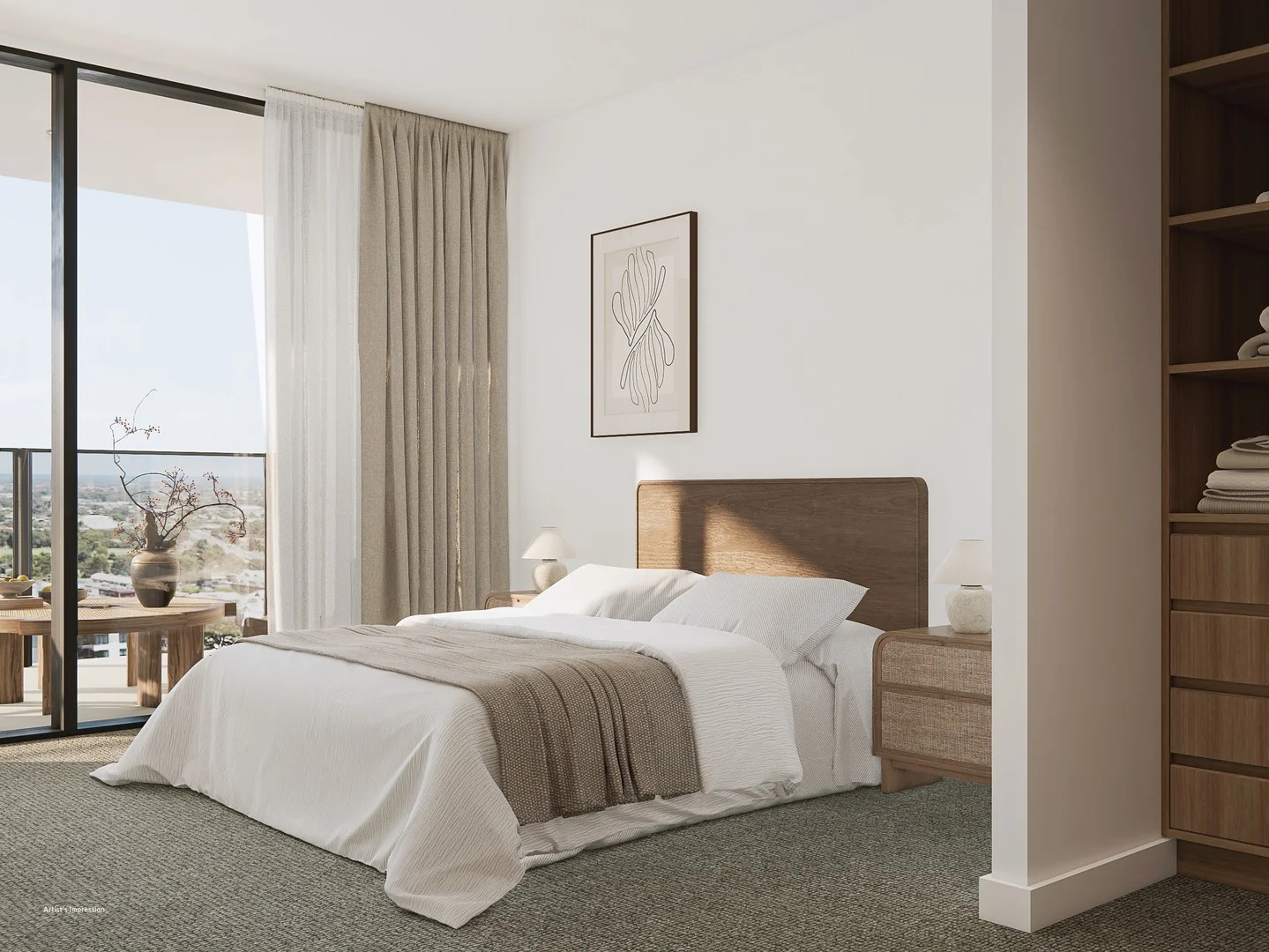 $935,000
Apartment / Unit / Flat
$935,000
Apartment / Unit / Flat
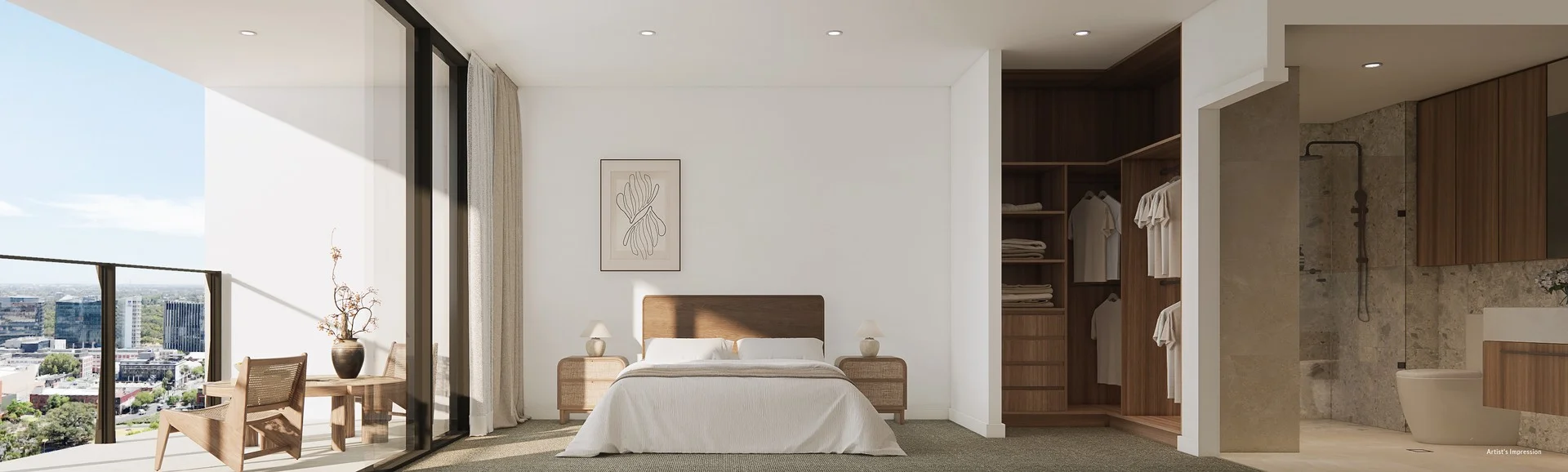 $1,056,000
Apartment / Unit / Flat
$1,056,000
Apartment / Unit / Flat
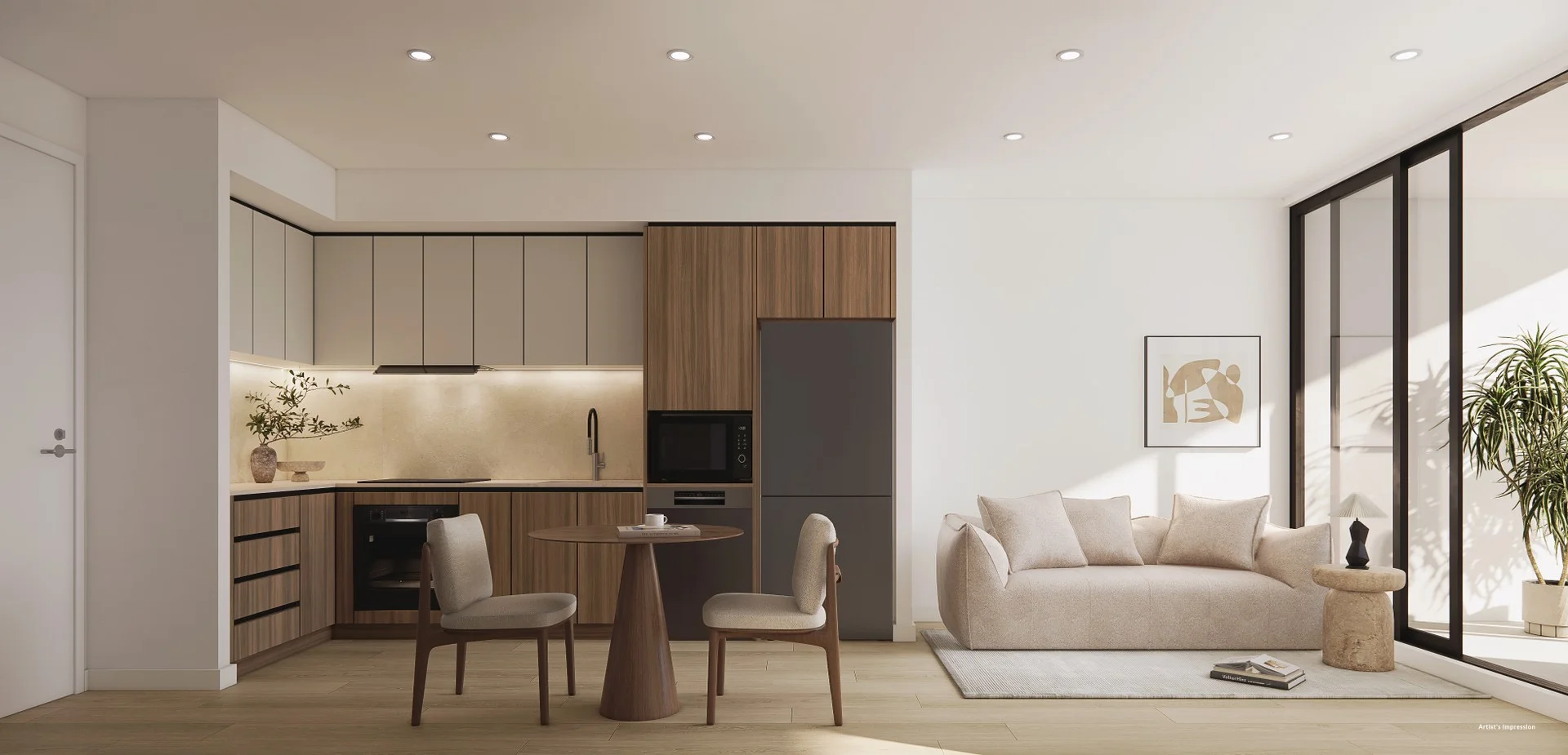 $588,000
Apartment / Unit / Flat
$588,000
Apartment / Unit / Flat
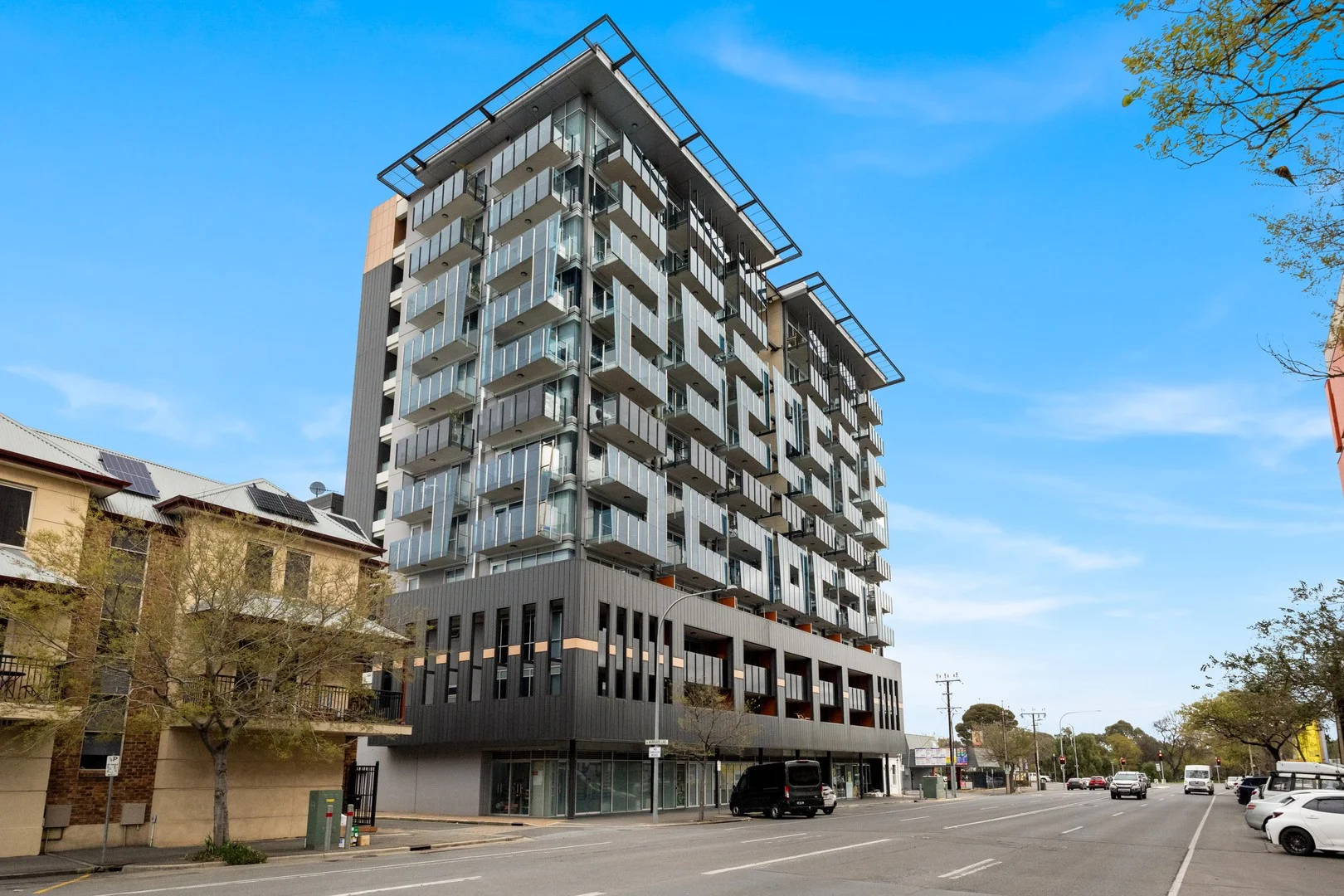 $1,100,000
Apartment / Unit / Flat
$1,100,000
Apartment / Unit / Flat