Overview
Cranbrook School is a private, independent Anglican day school for boys that emphasizes a strong academic program alongside broad co-curricular opportunities. As one of Sydney’s prominent private schools, it operates with a large student body and a traditional, values-driven culture that supports competition and teamwork.
School size is large, with class sizes that tend to be in the mid-teens to low twenties range. The atmosphere is typically described as academically focused and respectful, with a nurturing community that also values sport, arts and leadership development.
Academics & Learning
- Academic strengths: English and STEM subjects are core strengths, with a robust program designed to develop critical thinking, writing and problem-solving. Leadership development is integrated across curriculum and co-curriculars, and language studies are offered as part of the curriculum.
- Special programs: Strong emphasis on a well-rounded HSC pathway, with opportunities for accelerated learning and gifted/talented programs where available.
- Support for diverse learners: Comprehensive support for diverse learners, including EAL and SEN services, study support and targeted tutoring where needed.
- Sports offered: Rugby, cricket, basketball, football (soccer), athletics, swimming and other school-supported sport programs.
- Strong teams or achievements: Noted for competitive boys’ teams across major winter and summer sports, with success in regional and state competitions.
- Music, arts, drama programs: Active music program with bands and ensembles, choir, and regular drama productions.
- Clubs: Robotics, chess, coding, debating and other academically aligned clubs are typically available.
- Partnerships: Participation in local and state-level competitions and partnerships with community clubs/academies for extended opportunities.
Note: This section is particularly valued by families with boys aged 10–14, who often seek a balanced mix of sport and academics alongside arts and clubs.
Wellbeing & Pastoral Care
- Anti-bullying approach: Clear anti-bullying policies and proactive wellbeing programs to foster respectful, inclusive interactions.
- House system: A house-based pastoral framework to support mentoring, healthy competition and community belonging.
- Counsellors / wellbeing officers: Access to school counsellors and wellbeing staff to support mental health, resilience and transition.
- Transition support for new students: Orientation programs, buddy systems and tailored transition support to help new boys settle in.
Facilities
- Sports grounds
- Libraries
- Science labs
- Music/performing arts centers
- Tech/innovation labs
- Cafeteria
- Updated playgrounds
These facilities support a visually engaging, hands-on learning environment across academics, arts and sport.
- School values / mission: Emphasis on respect, integrity, service and excellence; a culture that aims to develop principled young men.
- Leadership style: Collaborative and distributed leadership with opportunities for student leadership and mentorship.
- Behaviour expectations: Clear codes of conduct and expectations for respectful, responsible behaviour.
- Community reputation: Strong reputation within the Sydney private school community for academics, sport and holistic development.
- Diversity & inclusion: Focus on inclusive practices and support for a diverse student body, including international students where applicable.
School Logistics & Daily Operations
- School hours: Typical day runs in the standard school timetable window (morning to mid-afternoon), with programming that supports both academics and cocurricular activities.
- Before/after school care: Usually offered to support families with early drop-offs and late picks-up.
- Uniform requirements: School uniform is standard; guidelines cover daily wear and sport-specific attire.
- Transport (train/bus routes): Access to local bus routes and public transport options; school may coordinate or provide information on shuttle options in the area.
- Canteen availability: On-site canteen or meal services available.
- Fees (low/medium/high ranges): Fees are in the higher range for NSW private schools, with additional costs for uniforms, activities and excursions.
Enrolment & Admissions
- What is the enrolment process and timeline?
- Generally, families submit an online application, provide requested documents (academic records, references), complete any required assessments or interviews, and await an offer. Timelines vary by year level and space availability.
- Is there a waiting list, and how does it work?
- Waiting lists are common; offers are made as places become available. Sibling priority policies and year-level capacity often influence placement.
- Are there any entry requirements, tests, or interviews?
- Entrance assessments and interviews are typical, along with review of school reports and references. Some programs (arts/sport) may have auditions or additional screening.
- Does the school accept mid-year transfers?
- Mid-year transfers may be possible if spaces exist, and typically require school report release and a transfer process.
Frequently Asked Questions
- Why Parents Choose This School?
- Strong academic program, supportive pastoral care, broad co-curricular opportunities and a values-driven culture.
- What type of student thrives at this school?
- Motivated, curious and engaged students who pursue academics, sport, arts and leadership, and who fit well with a collaborative, respectful community.
- What opportunities are available for students to extend their skills (academics, sports, arts)?
- Academic extension and leadership programs, competitive sport teams, music, drama and arts productions, robotics and debating clubs, and opportunities to represent the school in external competitions.
- How does the school communicate with parents?
- Through parent portals, regular newsletters, email updates, and scheduled parent-teacher interviews.
- What is the school’s approach to teaching and learning?
- Student-centered, with emphasis on teacher-student relationships, inquiry-based learning, and integration of technology and real-world applications.
- How does the school support students who need extra academic help?
- Learning support, targeted tutoring, EAL and SEN services, and customised study plans where needed.
- What support is available for academic challenges?
- Access to counsellors, study-skills programs, and individual learning plans; ongoing communication with families.
- How does the school communicate with parents? (reiterated)
- See above: portals, newsletters, and conferences.
- What extracurricular and sports opportunities are available?
- A broad range of sports (rugby, cricket, basketball, soccer, athletics, swimming), along with music, drama and clubs (robotics, chess, coding, debating).
- What facilities does the school offer (sports, science, arts)?
- Comprehensive facilities across sports grounds, libraries, science labs, performing arts spaces, tech/innovation labs and dedicated canteen spaces.
- What is the school’s approach to technology and digital learning?
- Integrated digital learning with appropriate devices, online resources and learning management tools to support modern classroom engagement.
- What transport and accessibility options are available?
- Local bus routes and public transport access; information on school shuttle options where available; accessibility considerations discussed with families as needed.
- What are typical school fees or additional costs?
- Fees are in the higher range for NSW private independent schools; additional costs may include uniforms, excursions, transport and extra-curricular activities.
Short Pros & Cons list
Pros
- Strong academic program with broad co-curricular options
- Well-established pastoral care and support structures
- Comprehensive facilities supporting science, arts, sport and tech
- Active clubs and competitive sports with opportunities for leadership
- Positive school culture emphasising respect, integrity and service
Cons
- Higher tuition and related costs
- Large school environment may feel less intimate for some students
- Competitive atmosphere may not suit every learning style
- Entry can be selective with waiting lists and space constraints
If you’d like, I can tailor this further with more specific details you have from Cranbrook or adjust sections to emphasise particular programs (e.g., arts focus, sports pathways, or STEM initiatives).

 $95+
$95+










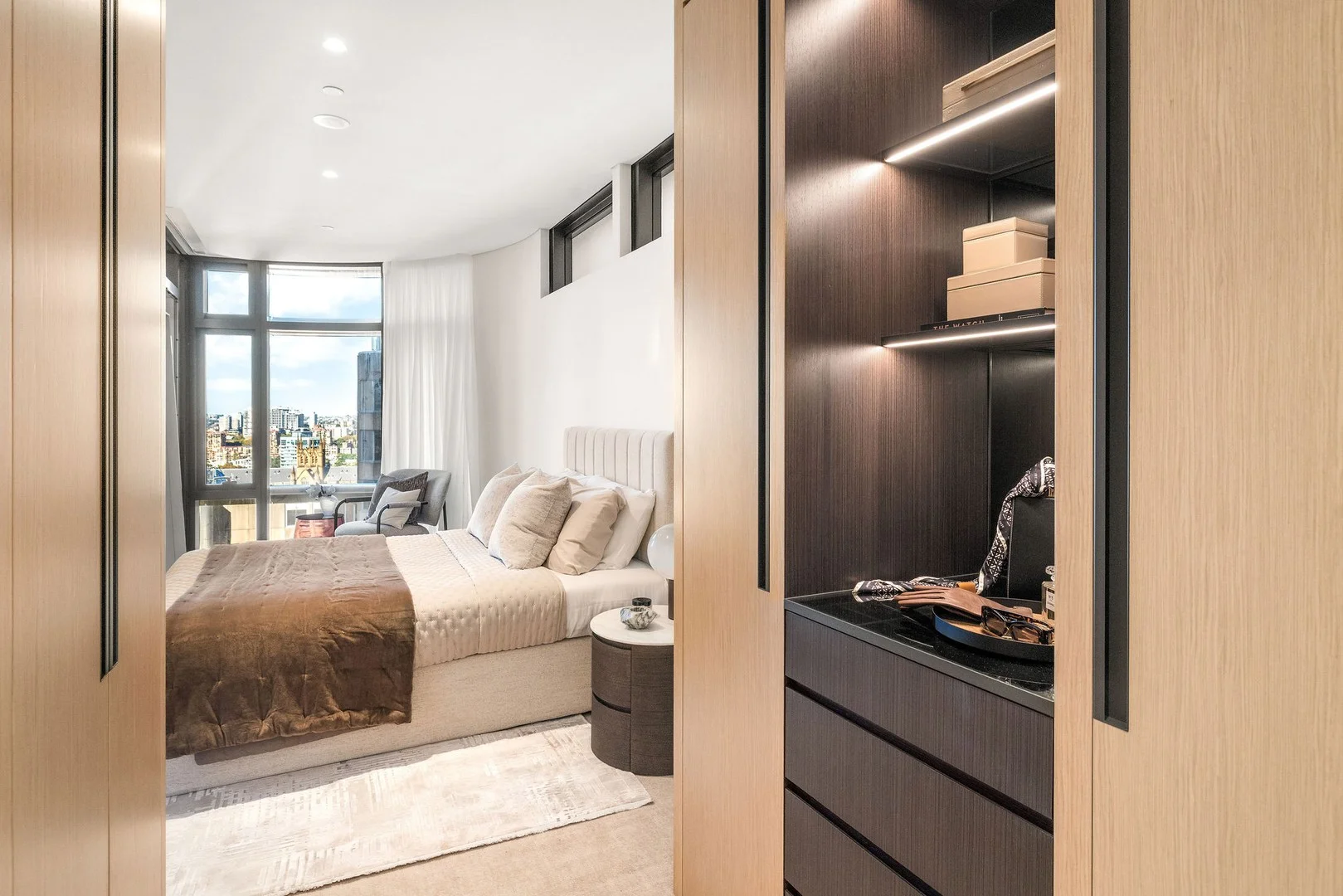 $2,745,000
propertyType.NEW APARTMENTS / OFF THE PLAN
$2,745,000
propertyType.NEW APARTMENTS / OFF THE PLAN
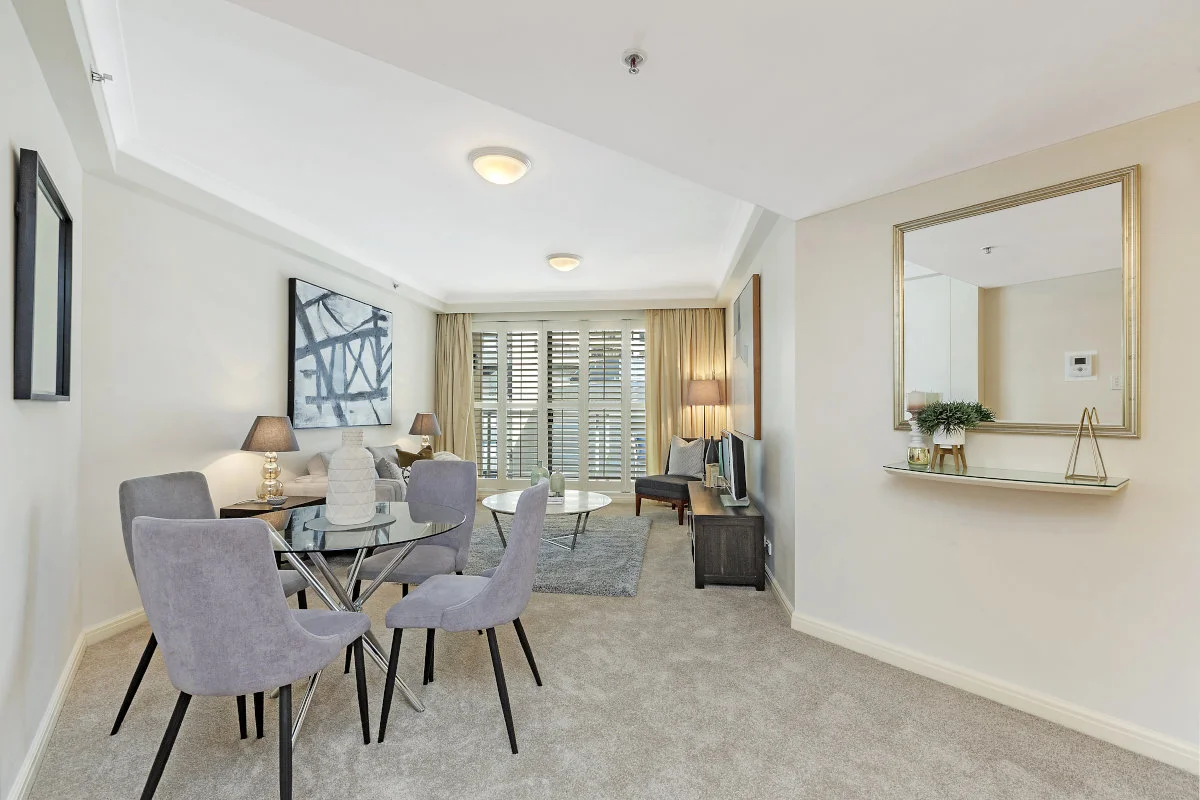 $660,000 - $725,000
Apartment / Unit / Flat
$660,000 - $725,000
Apartment / Unit / Flat
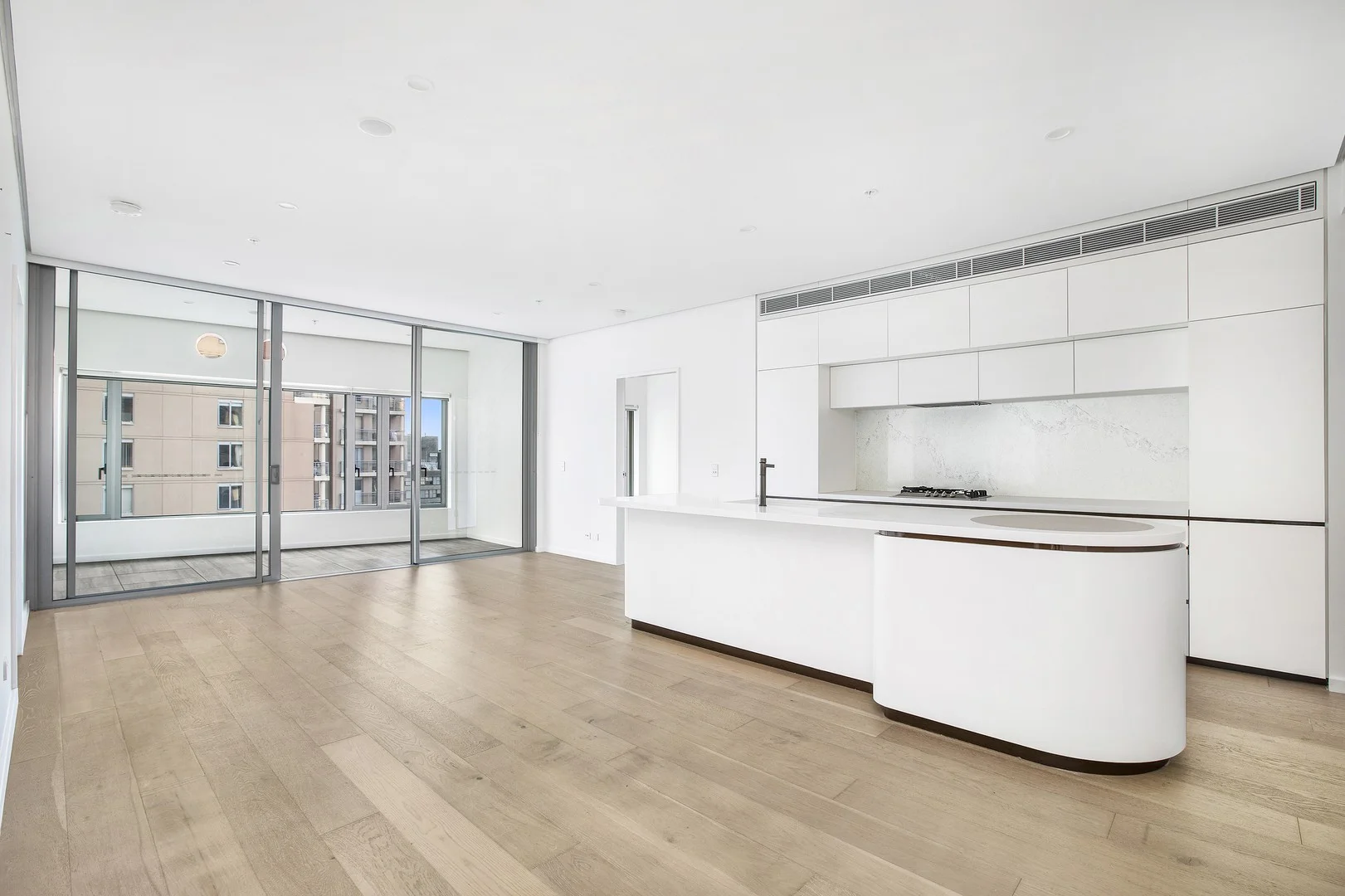 $2,250,000
Apartment / Unit / Flat
$2,250,000
Apartment / Unit / Flat
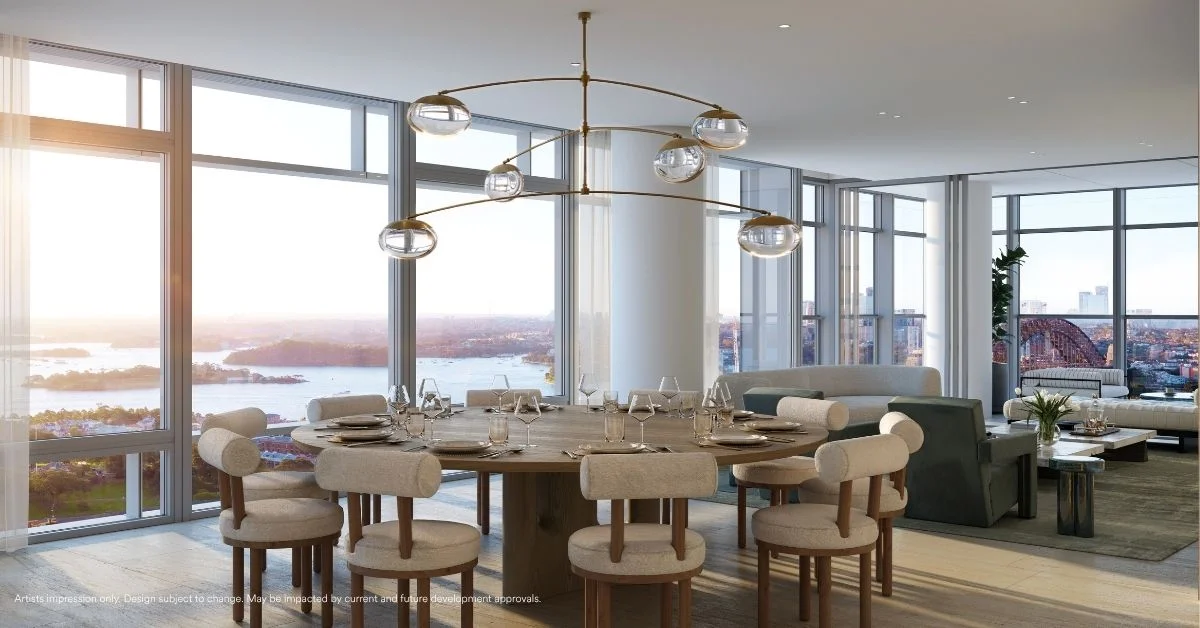 $26,550,000
propertyType.NEW APARTMENTS / OFF THE PLAN
$26,550,000
propertyType.NEW APARTMENTS / OFF THE PLAN
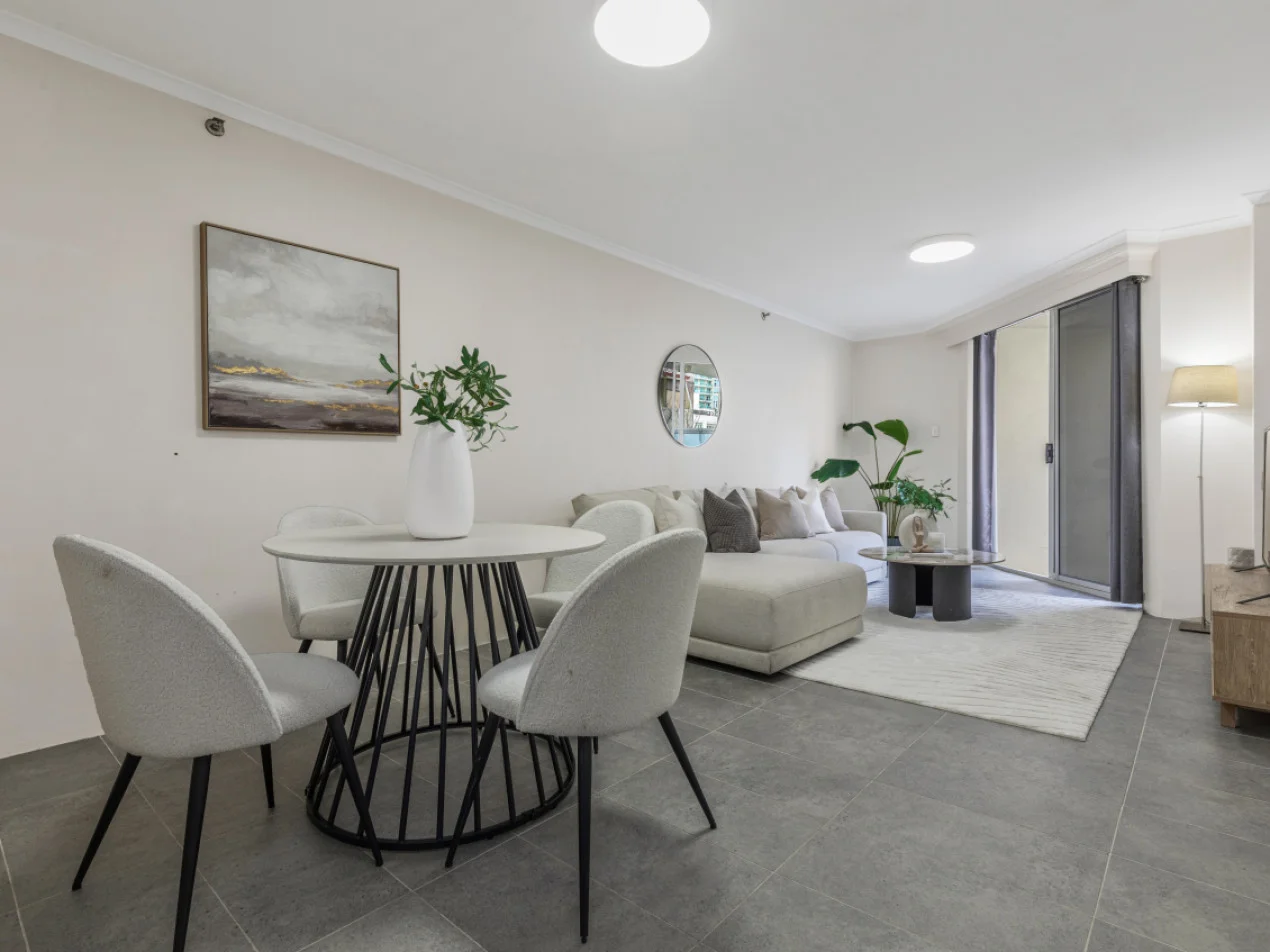 $640,000 - $675,000
Apartment / Unit / Flat
$640,000 - $675,000
Apartment / Unit / Flat
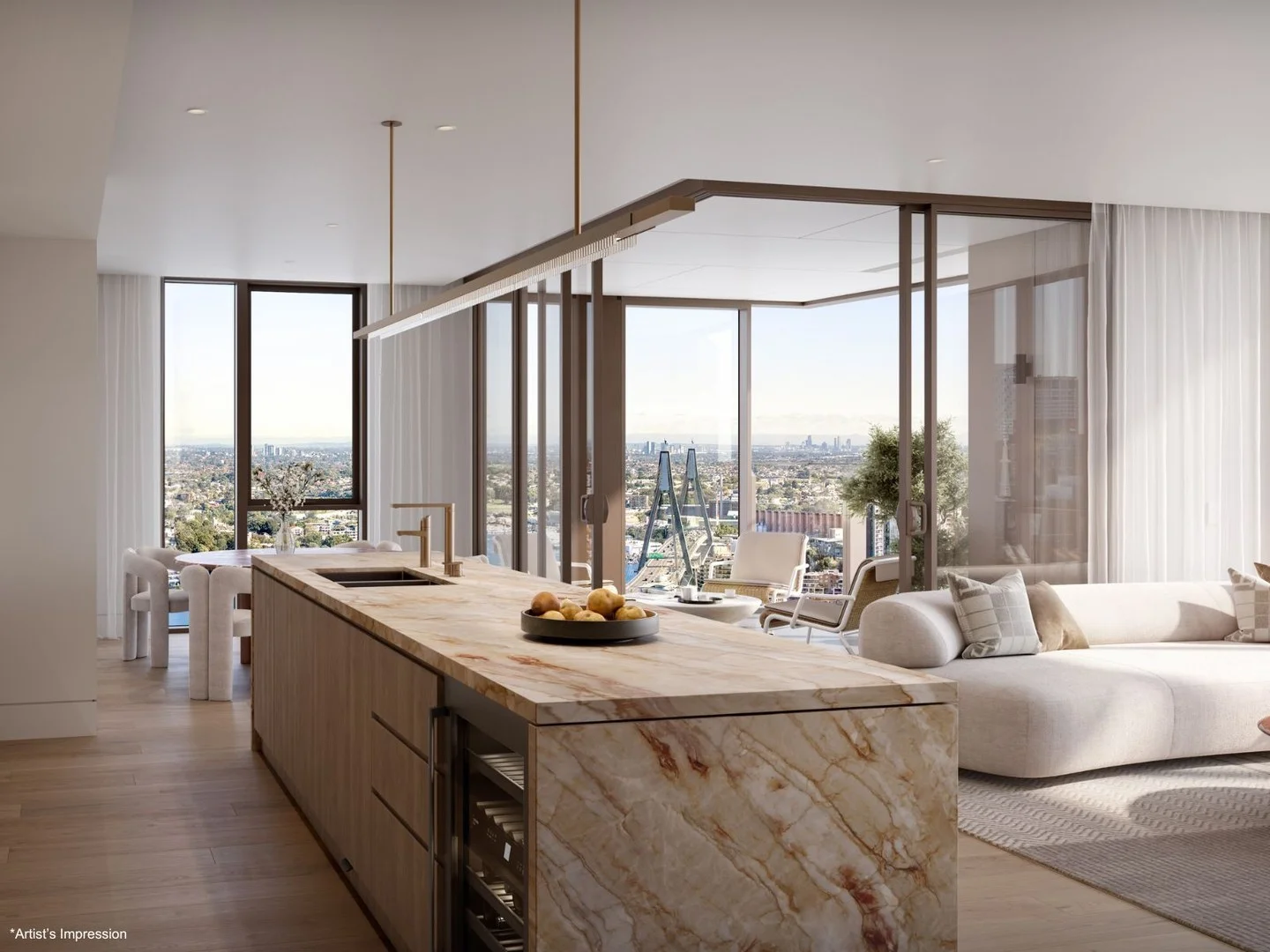 $9,020,000
propertyType.NEW APARTMENTS / OFF THE PLAN
$9,020,000
propertyType.NEW APARTMENTS / OFF THE PLAN
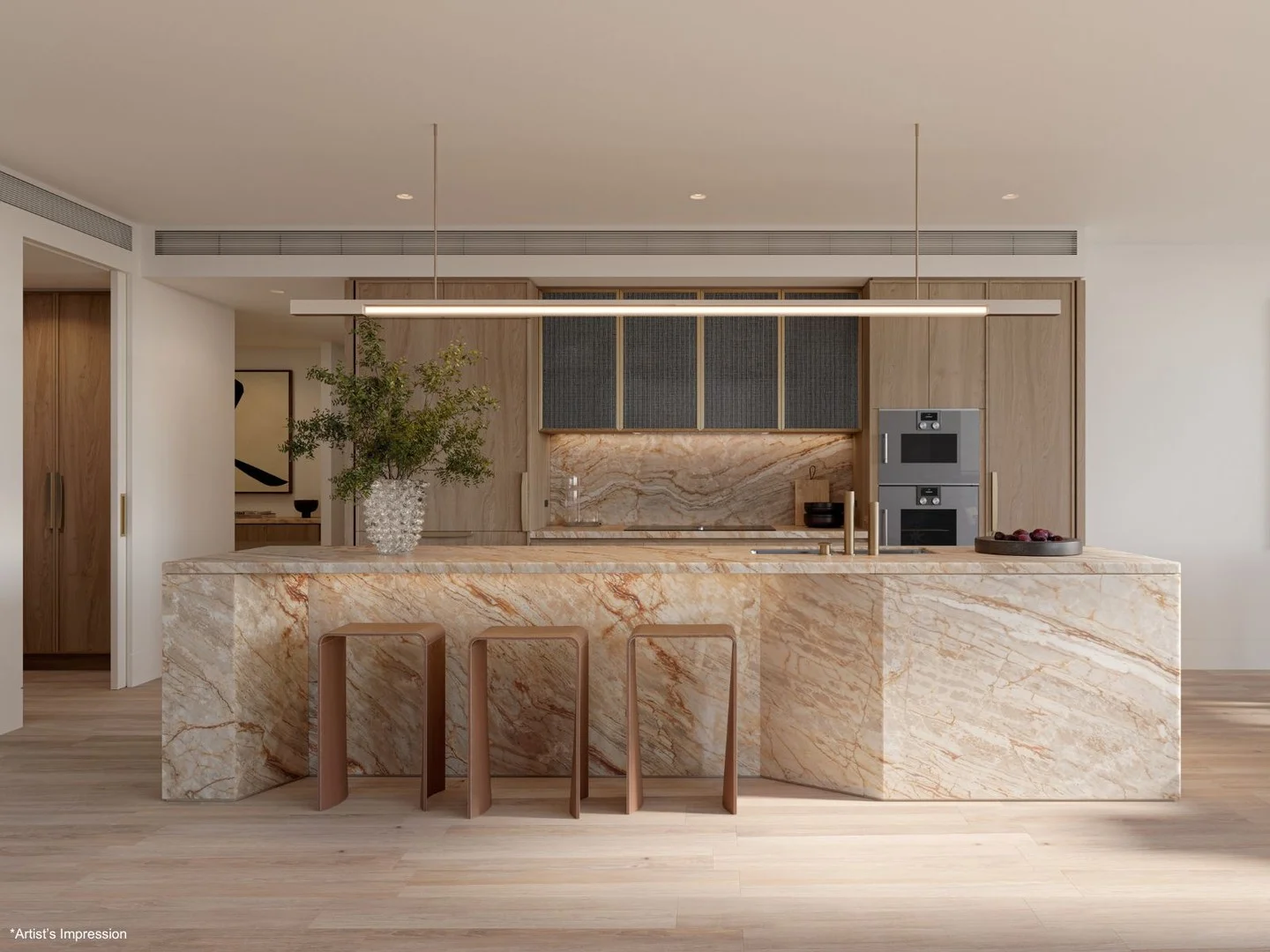 $6,225,000
propertyType.NEW APARTMENTS / OFF THE PLAN
$6,225,000
propertyType.NEW APARTMENTS / OFF THE PLAN
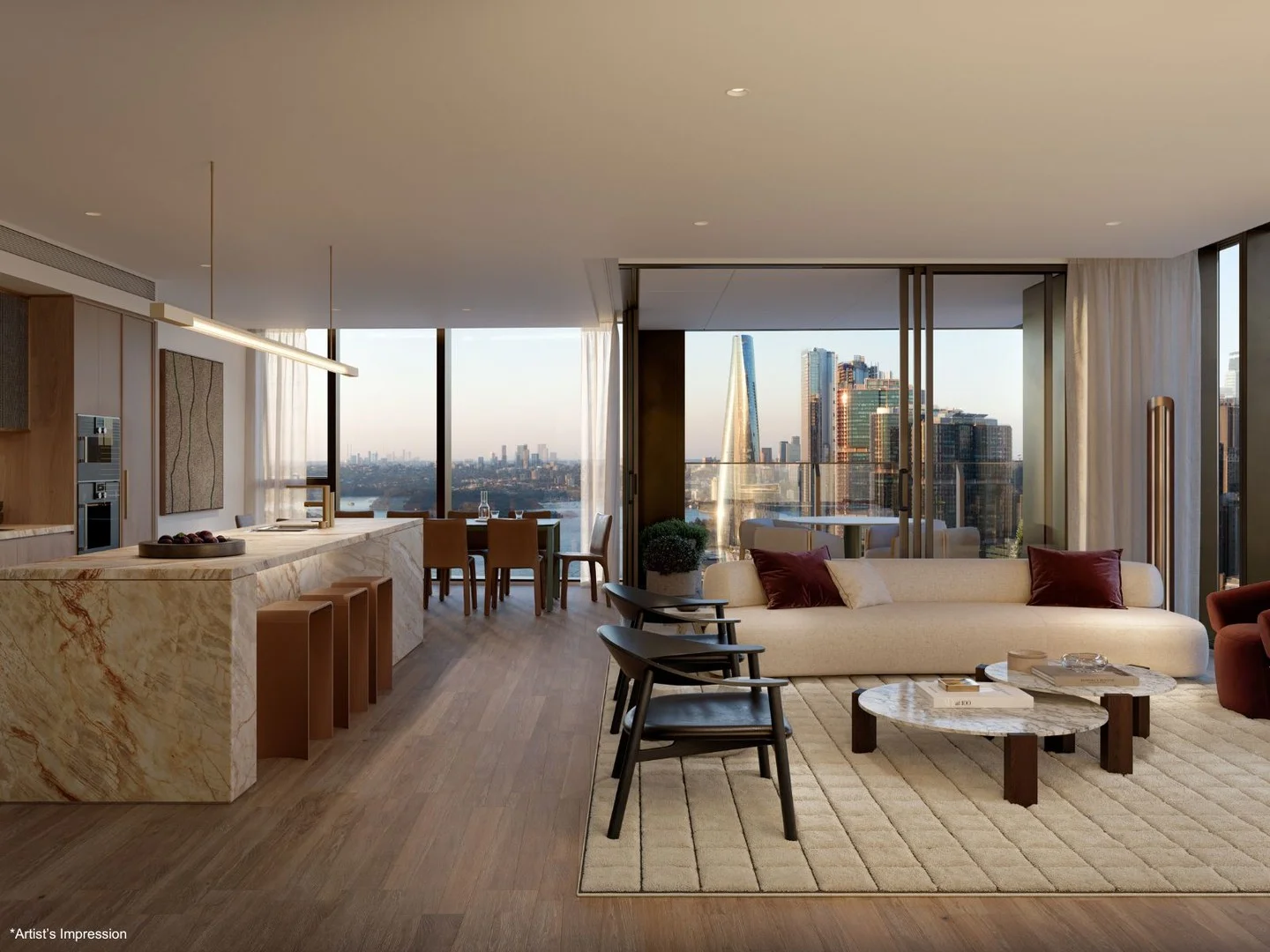 $12,980,000
propertyType.NEW APARTMENTS / OFF THE PLAN
$12,980,000
propertyType.NEW APARTMENTS / OFF THE PLAN
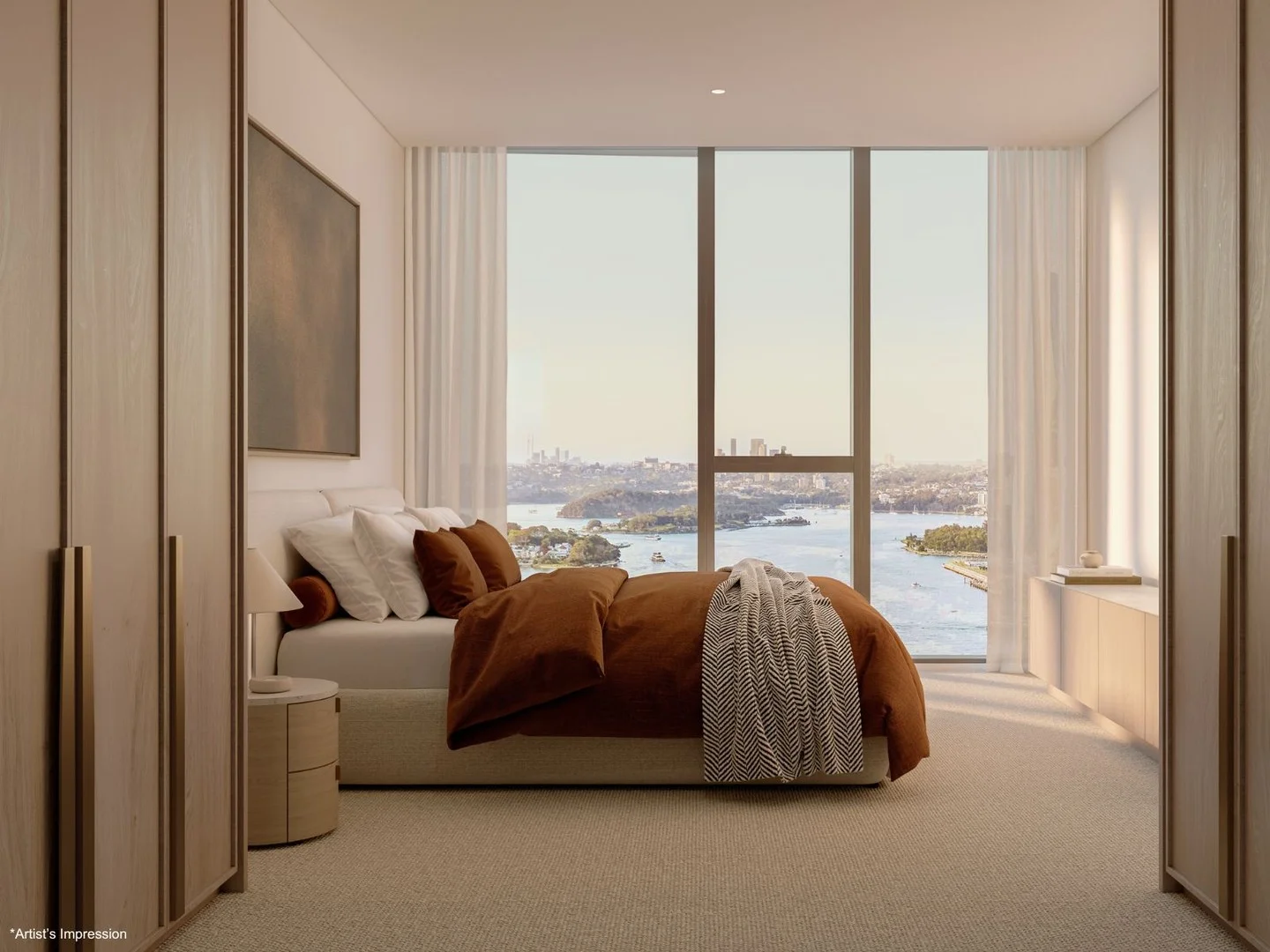 $8,630,000
propertyType.NEW APARTMENTS / OFF THE PLAN
$8,630,000
propertyType.NEW APARTMENTS / OFF THE PLAN