## 1. Overview
Rose Bay Public School is a public, co-educational primary school serving the Rose Bay area. It focuses on providing an inclusive, student-centred education within the NSW Department of Education framework. The school aims to foster a welcoming, supportive community where every child can develop academic skills, social confidence and a love of learning.
The school is of medium size with class cohorts typical of NSW public primary schools. Class sizes are generally around 20–26 students, with additional targeted support available. The atmosphere is nurturing and inclusive, emphasising respectful relationships, academic progress and student wellbeing.
⸻
## 2. Academics & Learning
- Academic strengths: Strong focus on core literacy and numeracy, with opportunities to engage in STEM activities, English and general literacy development, and leadership opportunities through student roles and learning projects.
- Special programs: Differentiated classroom learning, digital literacy and coding initiatives, and opportunities for enrichment within the regular curriculum; inclusion of EAL/D support for students arriving with English as an additional language.
- NAPLAN / trends: Historically NSW public primary schools show stable to improving trends in reading and numeracy over recent years, with ongoing emphasis on literacy and numeracy development across year levels.
- Student-teacher ratios: Approximately 1:20 (typical NSW primary range 1:18 to 1:24), with teachers delivering targeted instruction and small-group support as needed.
- Support for diverse learners: Dedicated support for diverse learners including EAL assistance, learning support programs for students with additional needs, and access to in-class and small-group interventions.
⸻
## 3. Sports & Extracurricular Strengths
- Sports offered: A broad range typical of NSW primary schools including soccer, rugby/netball, cricket, athletics, swimming and general fitness programs; opportunities to compete in district events and carnivals.
- Strong teams or achievements: Participation in inter-school sports, district selections and school-level sports days; emphasis on teamwork, sportsmanship and personal improvement.
- Music, arts, drama programs: School may offer choir, general music, choir performances and involvement in school productions or theatre arts activities.
- Clubs: Robotics, coding clubs, chess, debating and other enrichment activities; opportunities to explore STEM and creative problem-solving beyond core curriculum.
- Partnerships: Connections with local clubs or community organisations for competitions and events; ongoing collaboration to provide extended learning experiences in sport and arts.
⸻
## 4. Wellbeing & Pastoral Care
- Anti-bullying approach: Whole-school wellbeing framework with proactive anti-bullying education, student wellbeing programs and clear expectations for respectful behaviour.
- House system: House-based activities and competitions to promote belonging, leadership and teamwork.
- Counsellors / wellbeing officers: Access to school wellbeing staff or a school counsellor to support students’ emotional and social needs.
- Transition support for new students: Welcome programs, buddy systems and orientation activities to help new students settle in smoothly.
⸻
## 5. Facilities
- Sports grounds: On-site, age-appropriate sporting facilities and open spaces for physical education and active play.
- Libraries: A school library supporting reading for pleasure and research, with access to a range of physical and digital resources.
- Science labs: Dedicated spaces for science activities and experiments to complement classroom learning.
- Music/performing arts centers: Areas for music practice, performances and creative arts activities.
- Tech/innovation labs: Makerspace or ICT-enabled rooms to support coding, robotics and digital projects.
- Cafeteria: On-site or nearby canteen/cafeteria options for students.
- Updated playgrounds: Age-appropriate play areas and learning spaces designed for safe, engaging outdoor activities.
⸻
## 6. School Values & Community Culture
- School values / mission: A focus on respect, inclusion, resilience, responsibility and a love of learning; emphasis on developing well-rounded, community-minded students.
- Leadership style: Collaborative and inclusive, with opportunities for student voice through leadership roles and student councils.
- Behaviour expectations: Clear expectations around respectful conduct, positive behaviour supports and restorative approaches to conflicts.
- Community reputation: Known for a welcoming, supportive environment with active parent involvement and a sense of community belonging.
- Diversity & inclusion: Commitment to inclusion and supporting students from diverse backgrounds to participate fully in school life.
⸻
## 7. School Logistics & Daily Operations
- School hours: Typical school day runs in the morning to afternoon, with start and finish times aligned with NSW public school norms.
- Before/after school care: Availability of before/after school care through on-site or nearby providers, with wrap-around options commonly used by families.
- Uniform requirements: School uniform required, with seasonal options; guidance on appropriate attire provided by the school.
- Transport (train/bus routes): Access to local bus routes and public transport options; school comms usually share transport information and route details.
- Canteen availability: Canteen or lunch facilities available, with healthy options and routines for lunch breaks.
- Fees (low/medium/high ranges): Public schools do not charge tuition; there are typically voluntary contributions and costs for excursions, activities and some materials.
⸻
## 8. Enrolment & Admissions
11. What is the enrolment process and timeline?
- Enrolment is managed through NSW Department of Education processes. Families typically submit an enrolment form through the school and/or the Department, with documentation to verify identity, residence (catchment) and immunisation. Timelines vary by enrolment period and place availability; schools notify of placement decisions accordingly.
12. Is there a waiting list, and how does it work?
- If the school is at capacity, a waiting list may operate. Allocation typically prioritises catchment eligibility, availability of places, and year-level requirements. Parents on the waiting list are kept informed by the school.
13. Are there any entry requirements, tests, or interviews?
- For general public primary enrolments, there are no entry exams or interviews. Some schools may conduct a casual intake discussion or provide information sessions, but formal testing is not standard for general primary enrolment.
14. Does the school accept mid-year transfers?
- Mid-year transfers are possible if places are available. Families seeking a mid-year move should contact the school promptly to discuss availability and required documentation.
⸻
## 9. Frequently Asked Questions
- Why Parents Choose This School?
- A welcoming, inclusive community with strong support for learning, wellbeing and student growth; broad extracurricular options and a caring environment.
- What type of student thrives at this school?
- Students who are curious, collaborative and motivated to engage in both academics and activities beyond the classroom; those who respond well to a supportive, structured environment.
- What opportunities are available for students to extend their skills (academics, sports, arts)?
- Enrichment in literacy, numeracy, STEM activities, coding and robotics clubs, leadership roles, arts and performing arts programs, and various sport opportunities and inter-school events.
- How does the school communicate with parents?
- Regular updates via newsletters, emails, parent portals or apps, parent-teacher conferences and notices about events, permissions and student progress.
- What is the school’s approach to teaching and learning?
- A student-centred, differentiated approach focusing on literacy and numeracy foundations, supported by engaging activities, ICT integration and inclusive practices.
- How does the school support students who need extra academic help?
- In-class differentiation, targeted small-group interventions, EAL support and access to learning support staff for assigned students.
- What support is available for academic challenges?
- Additional tutoring or intervention plans, progress monitoring and collaboration with teachers, specialists and families to address learning needs.
- How does the school communicate with parents? (Duplicate question)
- See above: regular updates, digital communications, and structured opportunities for two-way dialogue.
- What are the class sizes and how much individual attention do students receive?
- Typical class sizes range around 20–26 students, with teachers providing differentiated instruction and regular opportunities for individual or small-group targeted support.
- What extracurricular and sports opportunities are available?
- A range of sports (e.g., soccer, netball, cricket, athletics), clubs (robotics, coding, chess, debating) and music/arts programs, plus competitions and performances.
- What facilities does the school offer (sports, science, arts)?
- Sports grounds, library, science labs, music/performing arts facilities, technology/innovation spaces, and on-site canteen with updated playgrounds.
- What is the school’s approach to technology and digital learning?
- Emphasis on digital literacy, coding and ICT in learning, with access to devices and interactive teaching tools to support the curriculum.
- What transport and accessibility options are available?
- Local bus routes and public transport options, with information shared through the school for families; accessibility considerations addressed through school policies and facilities.
- What are the typical school fees or additional costs?
- Being a public school, there is no tuition; minor costs relate to excursions, materials, uniforms and voluntary contributions as advised by the school.
⸻
## 10. Short Pros & Cons list
- Pros
- Strong sense of community and inclusive culture.
- Broad academic and extracurricular opportunities.
- Supportive wellbeing and student-led initiatives.
- Access to diverse facilities (library, science labs, arts spaces).
- Cons
- As a city-based public school, demand can be high and places may be limited at certain year levels.
- Some costs are associated with activities/excursions beyond core curriculum.
- Transport options depend on local routes and schedules; some families rely on bus/auto connections.
⸻









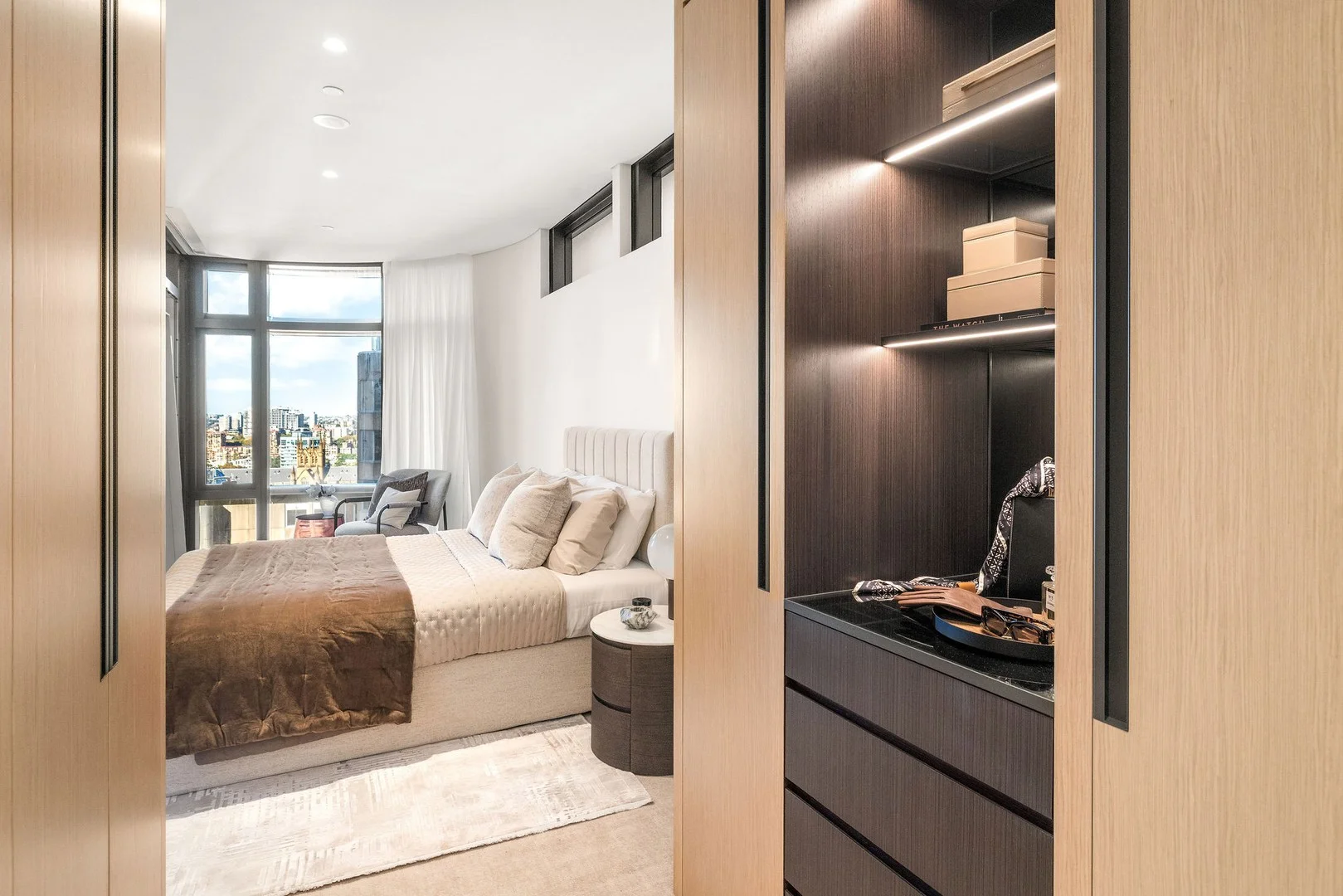 $2,745,000
propertyType.NEW APARTMENTS / OFF THE PLAN
$2,745,000
propertyType.NEW APARTMENTS / OFF THE PLAN
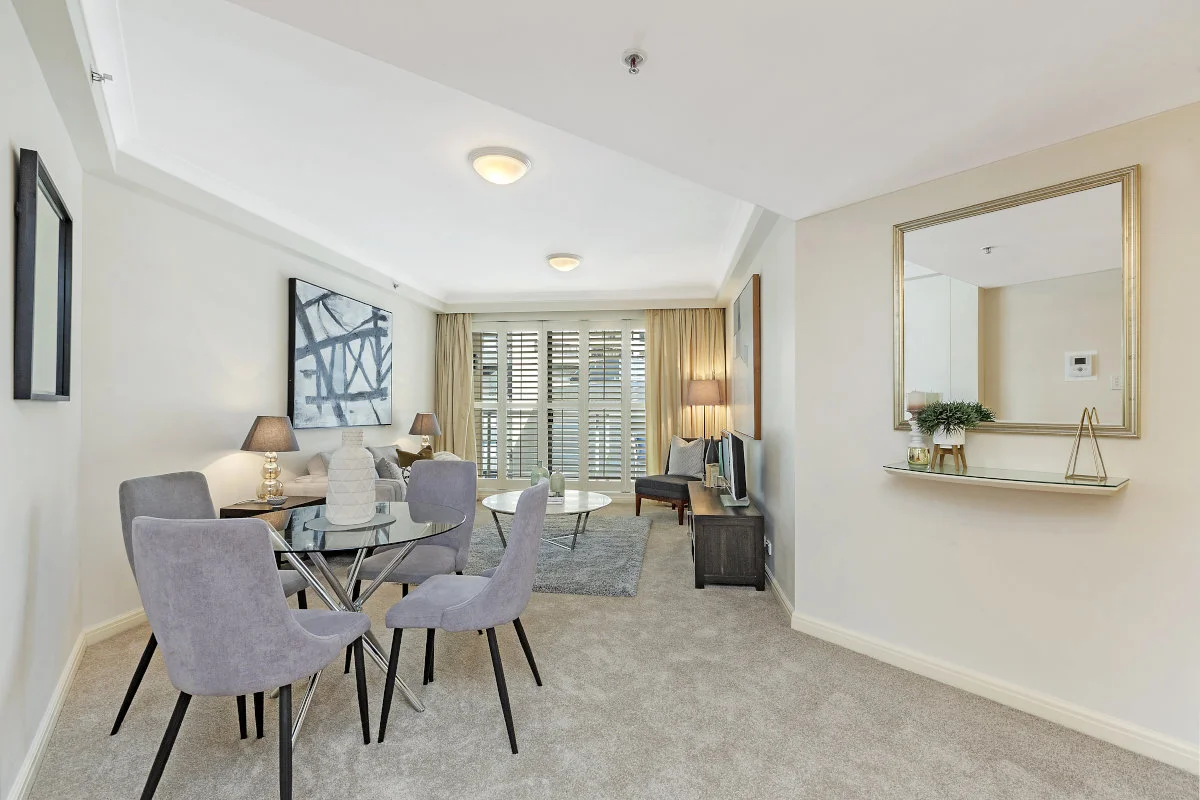 $660,000 - $725,000
Apartment / Unit / Flat
$660,000 - $725,000
Apartment / Unit / Flat
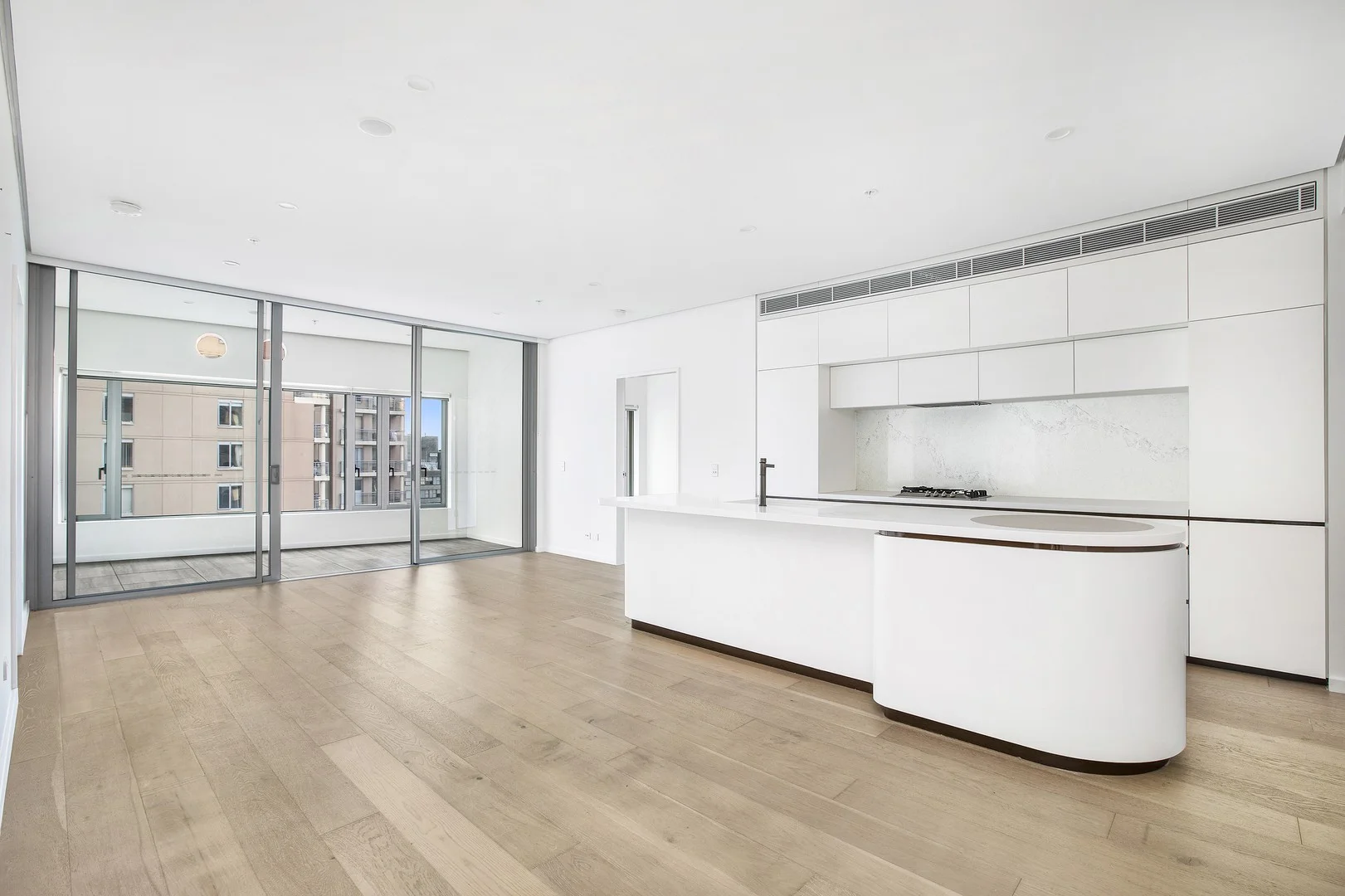 $2,250,000
Apartment / Unit / Flat
$2,250,000
Apartment / Unit / Flat
 $26,550,000
propertyType.NEW APARTMENTS / OFF THE PLAN
$26,550,000
propertyType.NEW APARTMENTS / OFF THE PLAN
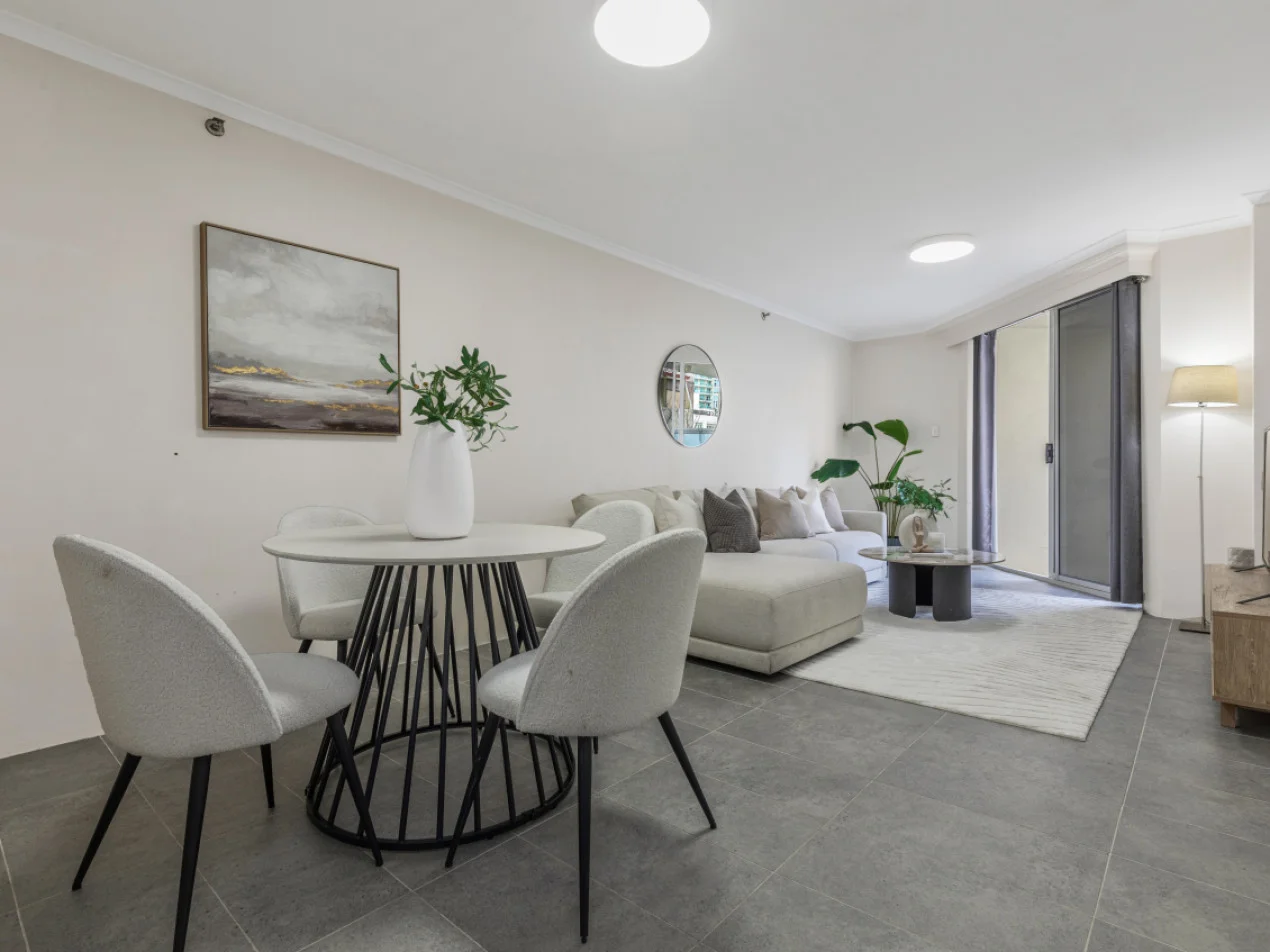 $640,000 - $675,000
Apartment / Unit / Flat
$640,000 - $675,000
Apartment / Unit / Flat
 $8,630,000
propertyType.NEW APARTMENTS / OFF THE PLAN
$8,630,000
propertyType.NEW APARTMENTS / OFF THE PLAN
 $12,980,000
propertyType.NEW APARTMENTS / OFF THE PLAN
$12,980,000
propertyType.NEW APARTMENTS / OFF THE PLAN
 $9,020,000
propertyType.NEW APARTMENTS / OFF THE PLAN
$9,020,000
propertyType.NEW APARTMENTS / OFF THE PLAN
 $6,225,000
propertyType.NEW APARTMENTS / OFF THE PLAN
$6,225,000
propertyType.NEW APARTMENTS / OFF THE PLAN


