1. Overview
Currambena Primary School and Preschool is an independent, co-educational school in Lane Cove, NSW. It runs as a small to medium-sized community school with a democratic, child-centered ethos that prioritises holistic development and inclusive participation. Class sizes are kept small to foster close teacher–student relationships, collaboration, and a nurturing learning environment. The atmosphere tends to be warm, supportive, and values-driven, emphasising respect, curiosity and creativity.
- School type: Independent
- School size: Small to medium
- Class size: Generally small, with a focus on individual attention
- Atmosphere/culture: Nurturing, inclusive, student-centered, collaborative
2. Academics & Learning
Currambena focuses on holistic, inquiry-based learning rather than a strictly traditional model. Academic strengths are supported by strong literacy and numeracy foundations, with opportunities to explore science, arts and projects through a student-led approach. The school emphasises leadership, collaboration, and critical thinking as core skills alongside core curriculum content.
- Academic strengths: Reading, writing, numeracy; emphasis on inquiry, problem-solving, and interdisciplinary projects; emphasis on leadership and collaboration
- Special programs: Democratic governance and student-led learning experiences; project-based and exploratory learning approaches
- NAPLAN / Ofsted trends: Internal progress monitoring is prioritised; public trends are not routinely published; emphasis on ongoing assessment and growth
- Student-teacher ratios: Small class sizes with a low student-to-teacher ratio to support individual attention
- Support for diverse learners: Inclusive education framework with support for EAL and SEN, differentiated learning plans
3. Sports & Extracurricular Strengths
Currambena provides a range of extracurricular options, with a focus on balanced development alongside academics. While the school may not participate in every large inter-school program, it offers various activities and clubs that suit curious, active students.
- Sports offered: A selection of mainstream sports and physical activities (e.g., team games, athletics) as part of the school program
- Strong teams or achievements: Emphasis on participation, teamwork, and personal bests; competitive achievements may vary year to year
- Music, arts, drama programs: Active opportunities in music, drama and the arts
- Clubs: Robotics, coding, chess, debating and other student-led interest groups
- Partnerships: Engagements with local community groups and activities to broaden experiences
4. Wellbeing & Pastoral Care
Wellbeing and pastoral care are central to Currambena’s approach, with a focus on building a safe, respectful community and healthy social development.
- Anti-bullying approach: Proactive, inclusive culture with clear norms and restorative practices
- House system: Noted as part of some school cultures to promote community and belonging
- Counselors / wellbeing officers: Access to welfare support and guidance as part of the pastoral program
- Transition support for new students: Programs to help new students settle in, build friendships, and understand routines
5. Facilities
The school offers facilities designed to support a broad curriculum and active learning.
- Sports grounds
- Libraries
- Science labs
- Music/performing arts centers
- Tech/innovation labs
- Cafeteria
- Updated playgrounds
6. School Values & Community Culture
Currambena’s culture centers on its values, governance style, and community reputation.
- School values / mission: Student-centered learning, collaboration, respect, inclusion, and responsibility
- Leadership style: Participatory and democratic, with opportunities for student input
- Behaviour expectations: Respect, kindness, responsibility; restorative approaches to conflicts
- Community reputation: Known for a close-knit, engaged community and a commitment to inclusive education
- Diversity & inclusion: Emphasis on welcoming diverse families and learning needs
7. School Logistics & Daily Operations
Practical details help families plan around school life.
- School hours: Typical daytime schedule with longer mornings for core learning
- Before/after school care: Available or arranged through on-site or partner services
- Uniform requirements: Uniforms commonly required; specifics provided by the school
- Transport: Access to public transport options and local routes; school may assist with planning
- Canteen availability: Canteen or food services available on site
- Fees: Fee ranges generally fall into mid-to-high for independent schools; precise amounts provided by the school on request
8. Enrolment & Admissions
11. What is the enrolment process and timeline?
12. Is there a waiting list, and how does it work?
13. Are there any entry requirements, tests, or interviews?
14. Does the school accept mid-year transfers?
- Enrolment process and timeline: Typically starts with an inquiry, followed by an application and the provision of supporting documents; there may be a school visit or open day, and a formal decision timeline communicated by the school
- Waiting list: Waiting lists may apply depending on year level and space; applicants are often positioned by date of application and readiness
- Entry requirements / tests / interviews: Interviews or meetings with families and potential students are common; there may be informal assessments or discussions to understand fit
- Mid-year transfers: May be considered if spaces are available; timing and acceptance depend on current enrolment and readiness
9. Frequently Asked Questions
- Why Parents Choose This School?
Many families choose Currambena for its unique democratic, student-centered approach, close-knit community, emphasis on inclusion and holistic development, and opportunities for leadership and self-direction.
- What type of student thrives at this school?
Students who are curious, collaborative, self-motivated and comfortable with a flexible, inquiry-based learning environment tend to thrive.
- What opportunities are available for students to extend their skills (academics, sports, arts)?
Opportunities exist across academics, arts, music, drama, and clubs (robotics, coding, chess, debating), plus leadership and project-based activities that extend learning beyond standard curricula.
- How does the school communicate with parents?
Regular updates through meetings, newsletters, and digital platforms; strong emphasis on open, ongoing dialogue between families and staff.
- What is the school’s approach to teaching and learning?
A student-centered, inquiry-led approach with emphasis on collaboration, critical thinking and real-world project work.
- How does the school support students who need extra academic help?
Differentiated instruction and targeted support within the classroom, with additional help as needed through teachers or specialist staff.
- What support is available for academic challenges?
Individualised planning, tutoring or small-group support, and collaboration with families to address needs.
- How does the school communicate with parents?
See above; multiple channels including meetings, newsletters, portals or apps.
- What are the class sizes and how much individual attention do students receive?
Class sizes are kept small to medium, with a focus on teacher access and personalised attention.
- What extracurricular and sports opportunities are available?
A range of sports and clubs, plus music, drama and arts programs; clubs include robotics, coding, chess and debating.
- What facilities does the school offer (sports, science, arts)?
Comprehensive facilities including sports grounds, libraries, science labs, music/performing arts spaces, tech/innovation labs, canteen and modern playgrounds.
- What is the school’s approach to technology and digital learning?
Emphasizes responsible, purposeful use of technology within an inquiry-based learning framework.
- What transport and accessibility options are available?
Local public transport options and support for planning commuting routes; accessibility considerations are part of school planning.
- What are the typical school fees or additional costs?
Independent school fees with standard additional costs for materials, activities or camps; precise figures require direct confirmation from the school.
10. Short Pros & Cons list
Pros:
- Small to medium, close-knit community
- Independent, democratic, student-centered learning
- Inclusive environment with support for diverse learners
- Broad range of arts, tech and clubs
- Strong emphasis on wellbeing and community culture
Cons:
- Not a traditional, highly standardized environment; emphasis on exploration may feel unconventional for some families
- Fees typical of independent schools
- Availability of specific programs or sports may vary by year and space
- Admissions can involve waiting lists depending on year level
If you’d like, I can tailor this content further with more specific details you provide (or by checking Currambena’s latest enrolment pages) to ensure exact figures and current offerings.













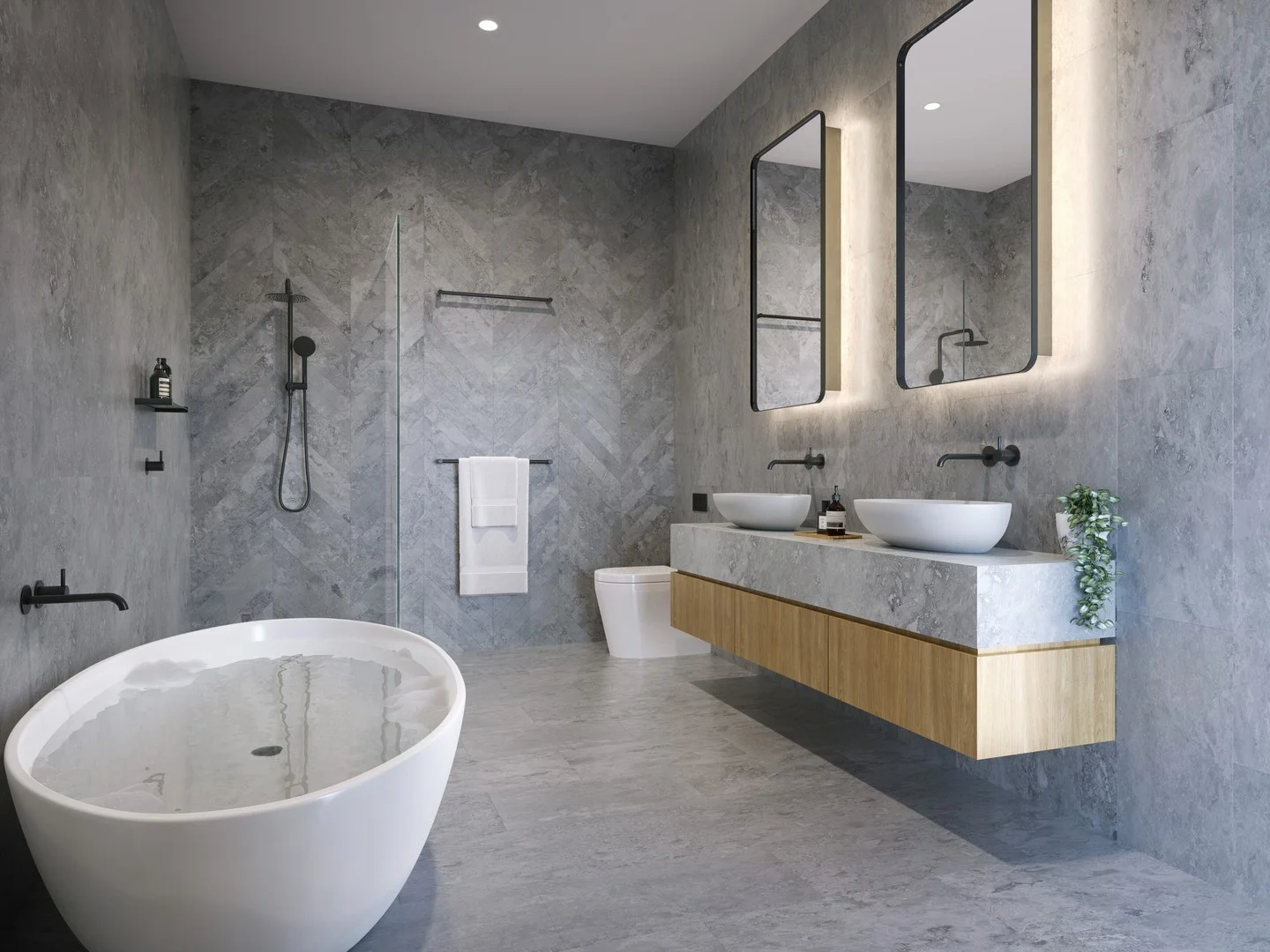 $2,824,000
Apartment / Unit / Flat
$2,824,000
Apartment / Unit / Flat
 $26,550,000
propertyType.NEW APARTMENTS / OFF THE PLAN
$26,550,000
propertyType.NEW APARTMENTS / OFF THE PLAN
 $36,000,000 - $39,500,000
Vacant Land
$36,000,000 - $39,500,000
Vacant Land
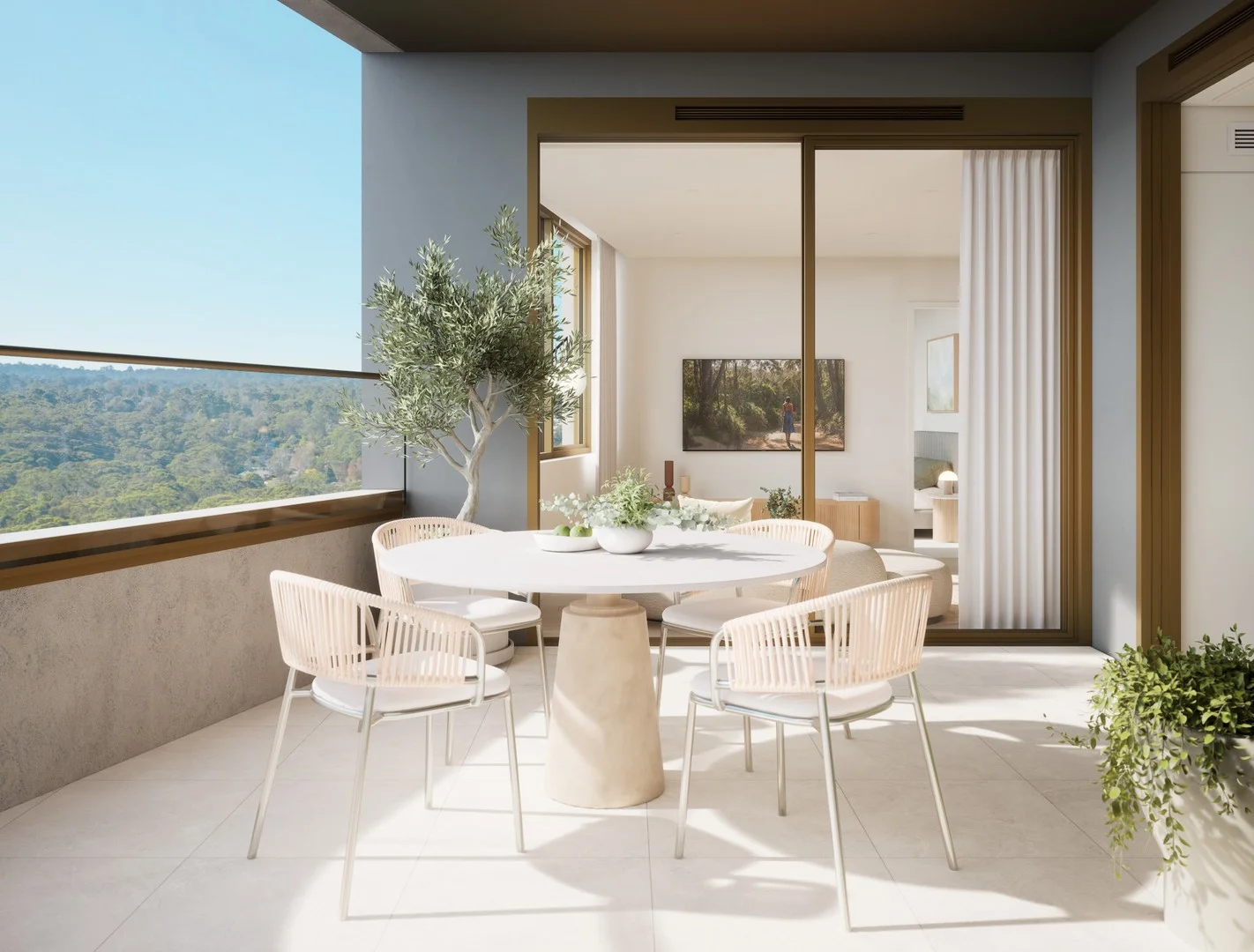 $1,525,000
Apartment / Unit / Flat
$1,525,000
Apartment / Unit / Flat
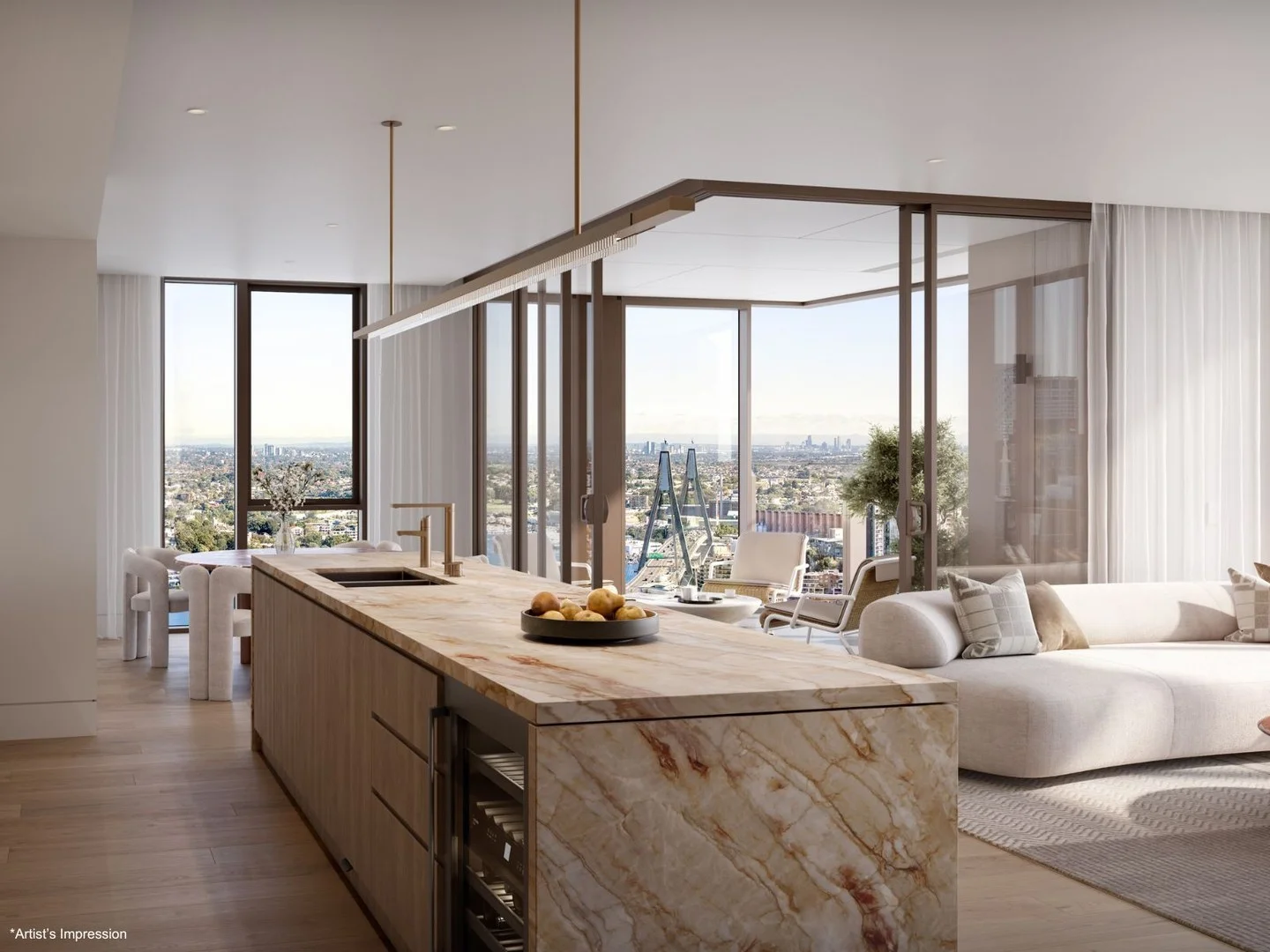 $9,020,000
propertyType.NEW APARTMENTS / OFF THE PLAN
$9,020,000
propertyType.NEW APARTMENTS / OFF THE PLAN
 $8,630,000
propertyType.NEW APARTMENTS / OFF THE PLAN
$8,630,000
propertyType.NEW APARTMENTS / OFF THE PLAN
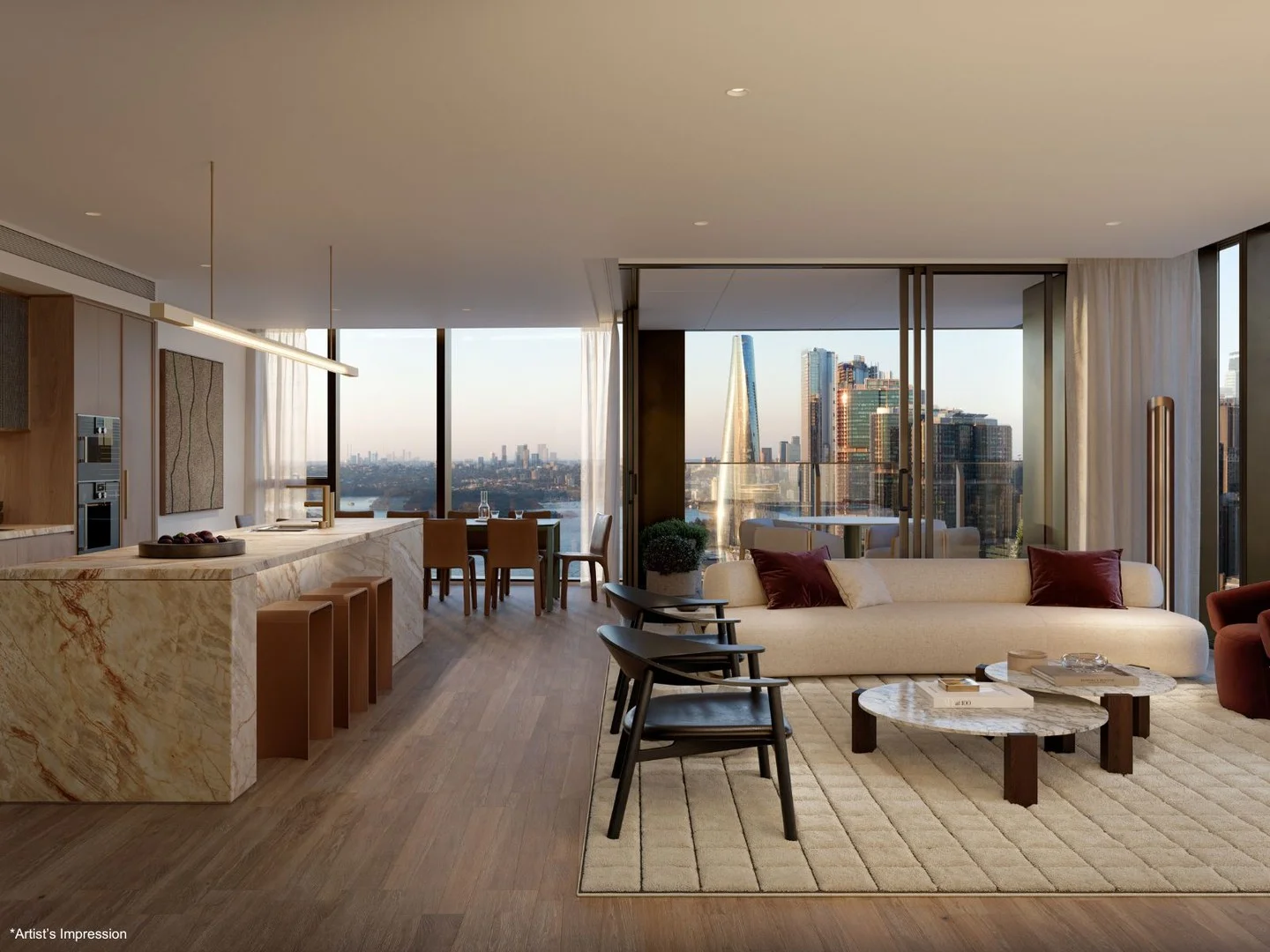 $12,980,000
propertyType.NEW APARTMENTS / OFF THE PLAN
$12,980,000
propertyType.NEW APARTMENTS / OFF THE PLAN
 $6,225,000
propertyType.NEW APARTMENTS / OFF THE PLAN
$6,225,000
propertyType.NEW APARTMENTS / OFF THE PLAN
 $2,745,000
propertyType.NEW APARTMENTS / OFF THE PLAN
$2,745,000
propertyType.NEW APARTMENTS / OFF THE PLAN


