1. Overview
St Michael’s Catholic Primary School, Lane Cove, is a Catholic primary school serving families in Lane Cove and surrounding communities. It provides a faith-based, inclusive education for children from Kindergarten to Year 6. As a medium-sized school, it aims to maintain small class sizes (roughly 20–25 students per class) and a nurturing, community-focused atmosphere.
The school emphasises a supportive culture that combines solid academics with values-based learning, fostering a sense of belonging, service, and respect among students, families, and staff.
⸻
2. Academics & Learning
Academic strengths and focus areas typically seen in NSW Catholic primary settings include literacy and numeracy benchmarks, integrated religious education, and opportunities for student leadership and collaboration. Many schools offer programs to support diverse learners and to extend talented students through enrichment.
Special programs commonly associated with Catholic primary schools may include religious education emphasis, pastoral care integration, and occasionally enrichment or gifted/talented options at higher year levels. Student-teacher engagement is often supported by a focus on explicit instruction, inquiry-based activities, and the use of information and communication technology to enhance learning.
NAPLAN / Ofsted trends: Public trend data are usually published by the NSW Department of Education or the school’s annual reports. For this school, please refer to official school publications or NSW data releases for up-to-date trend information.
Student-teacher ratios: NSW primary schools typically operate with class-group sizes around 20–25 students per class in the early years, with slight variations by year level and staffing. Schools often supplement classroom learning with targeted supports for students needing additional assistance.
Support for diverse learners: EAL and SEN supports are commonly available in Catholic primary schools, including targeted literacy/numeracy interventions, access to support staff, and collaboration with families to plan appropriate accommodations.
⸻
3. Sports & Extracurricular Strengths
Sports offered: In NSW Catholic primary schools, common offerings include team sports such as soccer, cricket, basketball, netball, rugby league, and athletics. Inter-school events and carnivals are typical avenues for competition and participation.
Strong teams or achievements: Many campuses build a culture of participation and teamwork, with opportunities to compete in local and diocesan events. Specific achievements for this school should be confirmed via school newsletters or the sports coordinator.
Music, arts, drama programs: Choirs, school bands or ensembles, and drama opportunities are frequently available, supporting performance and creative development.
Clubs: Robotics, chess, coding, and debating are commonly offered or available through school clubs or after-school programs. Availability can vary by year and term.
Partnerships: Schools often partner with local diocesan programs, community clubs, and regional inter-school competitions to broaden opportunities in sport, STEM, arts, and cultural activities.
Note: For precise current offerings and achievements, please check the school’s official communications.
⸻
4. Wellbeing & Pastoral Care
Anti-bullying approach: Schools in this sector typically implement formal anti-bullying policies and respectful relationships programs, with clear reporting pathways and ongoing student education.
House system: A house or pastoral grouping often supports student identity, teamwork, and spirit through inter-house activities and celebrations.
Counsellors / wellbeing officers: Many primary schools provide access to a school counsellor or wellbeing staff who support students’ social-emotional health, with referrals to external services as needed.
Transition support for new students: Orientation programs, buddy systems, and targeted induction activities help new students settle in, especially at the start of each year or term.
This section aims to build trust by outlining a caring, proactive approach to student wellbeing and safe school environments.
⸻
5. Facilities
- Sports grounds
- Libraries
- Science labs
- Music/performing arts centers
- Tech/innovation labs
- Cafeteria
- Updated playgrounds
Facilities are presented in a simple, visual way to help families quickly picture what the school offers and where activities occur during a typical day.
⸻
6. School Values & Community Culture
- School values / mission: A faith-based approach emphasizing respect, service, integrity, and community involvement within the Catholic tradition.
- Leadership style: Often collaborative and student-inclusive, with opportunities for student voice through councils or representative roles.
- Behaviour expectations: Clear codes of conduct aligned with the school’s values, with positive reinforcement and consistent expectations across year levels.
- Community reputation: Strong sense of community and belonging, with active involvement from families and parish connections.
- Diversity & inclusion: Commitment to inclusive education and valuing diversity within the student body and staff.
This section communicates the type of students who typically thrive here and the ethos families can expect.
⸻
7. School Logistics & Daily Operations
- School hours: Usually a standard weekday schedule with start and end times appropriate for primary schooling; variations may occur on special event days.
- Before/after school care: Many NSW Catholic primary schools offer or partner with external providers for before/after school care.
- Uniform requirements: School uniforms are commonly mandated, with specifics around daily wear and sports or ceremony uniforms outlined in the school handbook.
- Transport (train/bus routes): Public transport options and school zones are typically aligned with local bus routes and train stations; crossing zones and pick-up/drop-off arrangements are specified by the school.
- Canteen availability: A canteen or lunch program is typically available, with daily or weekly menus and allergy considerations.
- Fees (low/medium/high ranges): Catholic primary schools charge fees that vary by school; families should refer to the current fee schedule and any levies or voluntary contributions.
⸻
8. Enrolment & Admissions
11. What is the enrolment process and timeline?
- Enquiries usually begin with an information session or open day. Parents submit an application form, provide required documents (birth certificate, immunisation records, parish verification if applicable), and participate in any school interviews or information meetings. The timeline typically spans information night, application closing dates, interviews (if applicable), and a formal offer period.
12. Is there a waiting list, and how does it work?
- Many Catholic primary schools operate waiting lists when intake capacity is reached. The process often involves submitting an application, with offers made according to available spaces and school policies (which may include sibling priority, parish considerations, and interview outcomes). Please check the school’s enrolment policy for exact details.
13. Are there any entry requirements, tests, or interviews?
- Entrance processes commonly include an interview or meeting with families to discuss fit with the school’s ethos and expectations. Some schools may request baptism or parish verification for Catholic education alignment; formal entry tests are not typical for most primary schools, though readiness conversations or assessments may occur for specific programs.
14. Does the school accept mid-year transfers?
- Mid-year transfers are sometimes possible if space is available and documentation is provided. Availability varies by term and year; families should contact the enrolments office as early as possible to discuss options and required paperwork.
⸻
9. Frequently Asked Questions
- Why Parents Choose This School?
- A faith-based, values-driven education within a supportive, inclusive community; opportunities for academic and personal development within a medium-sized school environment.
- What type of student thrives at this school?
- Students who respond well to structured routines, strong pastoral care, collaborative learning, and a community-oriented culture. Those who value faith-based learning and family involvement often do well here.
- What opportunities are available for students to extend their skills (academics, sports, arts)?
- Wide-ranging opportunities across academics, sports, arts, and leadership (e.g., student councils or community service). Clubs and ensembles (robotics, chess, coding, debating) and inter-school activities are commonly available, depending on year and term.
- How does the school communicate with parents?
- Through newsletters, emails, a school app or portal, parent-teacher meetings, and regular progress reports. Important updates are typically posted through multiple channels to keep families informed.
- What is the school’s approach to teaching and learning?
- A balanced, student-centered approach that blends explicit instruction with inquiry-based activities, integration of faith-based values, and appropriate use of technology to enhance learning.
- How does the school support students who need extra academic help?
- Targeted literacy and numeracy support, learning assistance programs, EAL and SEN support, and collaboration with families to implement suitable accommodations and plans.
- What support is available for academic challenges?
- Individualized support plans, access to learning support staff, classroom adjustments, extended time where appropriate, and referrals to external specialists as needed.
- How does the school communicate with parents? (Repeat)
- See above: newsletters, app/portal, meetings, and timely updates.
- What are the class sizes and how much individual attention do students receive?
- Class sizes typically range around 20–25 students per class, with teachers providing regular, targeted instructions and feedback to support individual learning.
- What extracurricular and sports opportunities are available?
- A range of sports and physical activities, arts and music programs, and clubs such as robotics, chess, coding, and debating; opportunities often include inter-school events and local or diocesan competitions.
- What facilities does the school offer (sports, science, arts)?
- Facilities include sports grounds, libraries, science labs, music/performing arts spaces, tech/innovation labs, a canteen, and updated playgrounds.
- What is the school’s approach to technology and digital learning?
- Integration of ICT in classroom learning, use of digital resources and platforms to support instruction, and emphasis on safe and responsible use of technology.
- What transport and accessibility options are available?
- Access to public transport options such as buses and nearby rail stops; clear pick-up/drop-off arrangements and safe pedestrian access; parking policies and accessibility considerations are outlined by the school.
- What are the typical school fees or additional costs?
- Fees and additional costs (uniforms, activities, excursions) vary by year and program. Parents should refer to the current fee schedule and any voluntary contributions published by the school.
⸻
10. Short Pros & Cons list
Pros
- Catholic values-based education in a caring, community-focused environment
- Medium-sized school with opportunities for close teacher-student relationships
- Emphasis on pastoral care, inclusivity, and student wellbeing
- Broad range of academic, arts, and sports opportunities
- Access to diverse clubs and inter-school activities
Cons
- Catholic school environment may not align with all families’ preferences
- Fees and voluntary contributions applicable to families
- Availability of certain programs and clubs may vary by year/term
- Space and waitlist considerations can affect enrollment timing
⸻












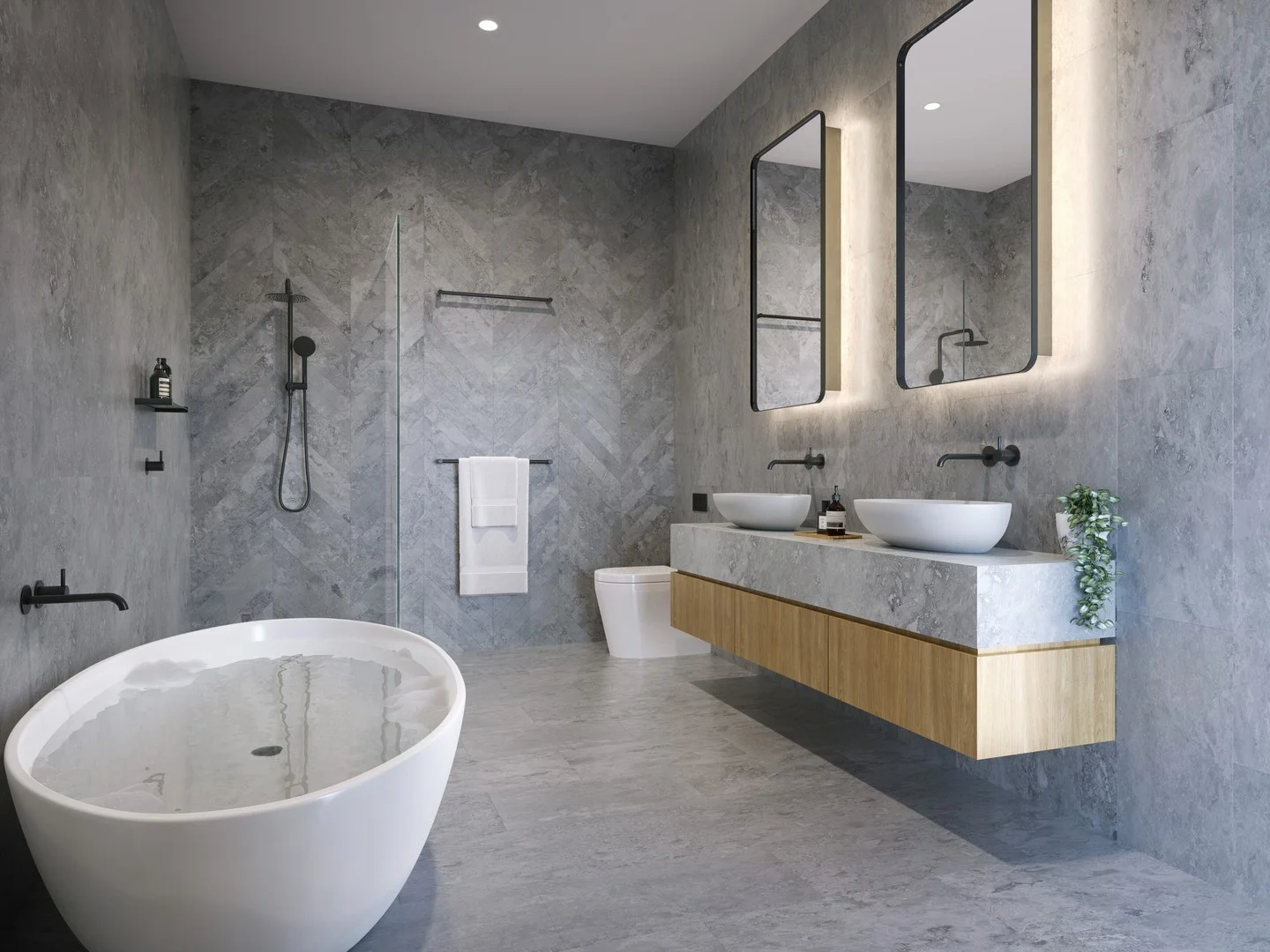 $2,824,000
Apartment / Unit / Flat
$2,824,000
Apartment / Unit / Flat
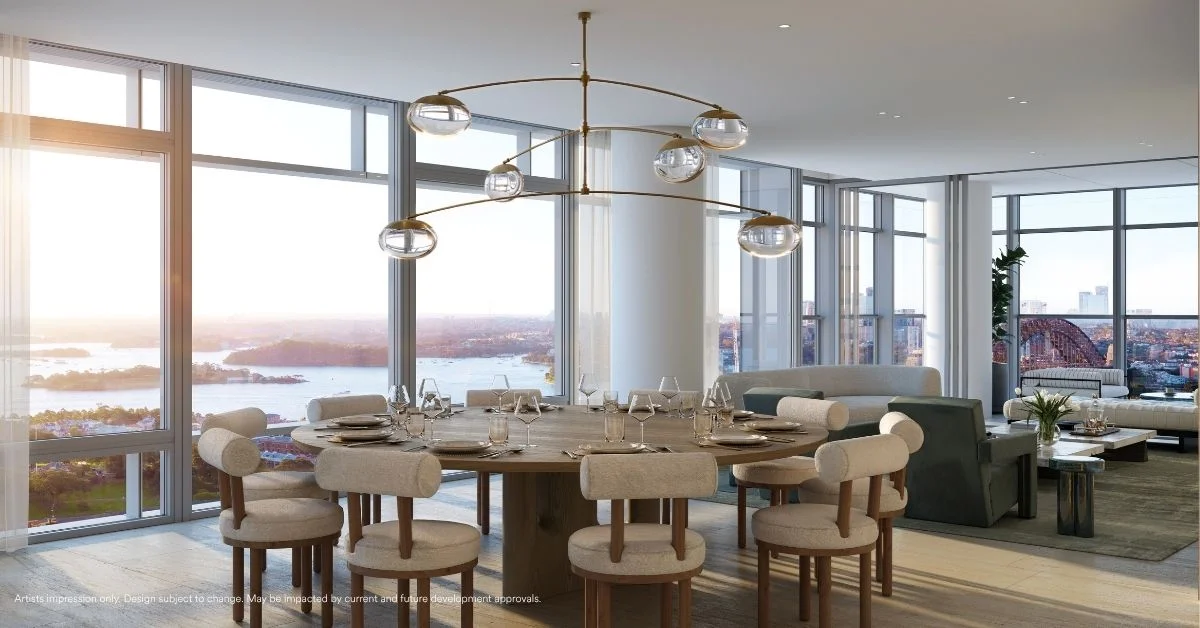 $26,550,000
propertyType.NEW APARTMENTS / OFF THE PLAN
$26,550,000
propertyType.NEW APARTMENTS / OFF THE PLAN
 $36,000,000 - $39,500,000
Vacant Land
$36,000,000 - $39,500,000
Vacant Land
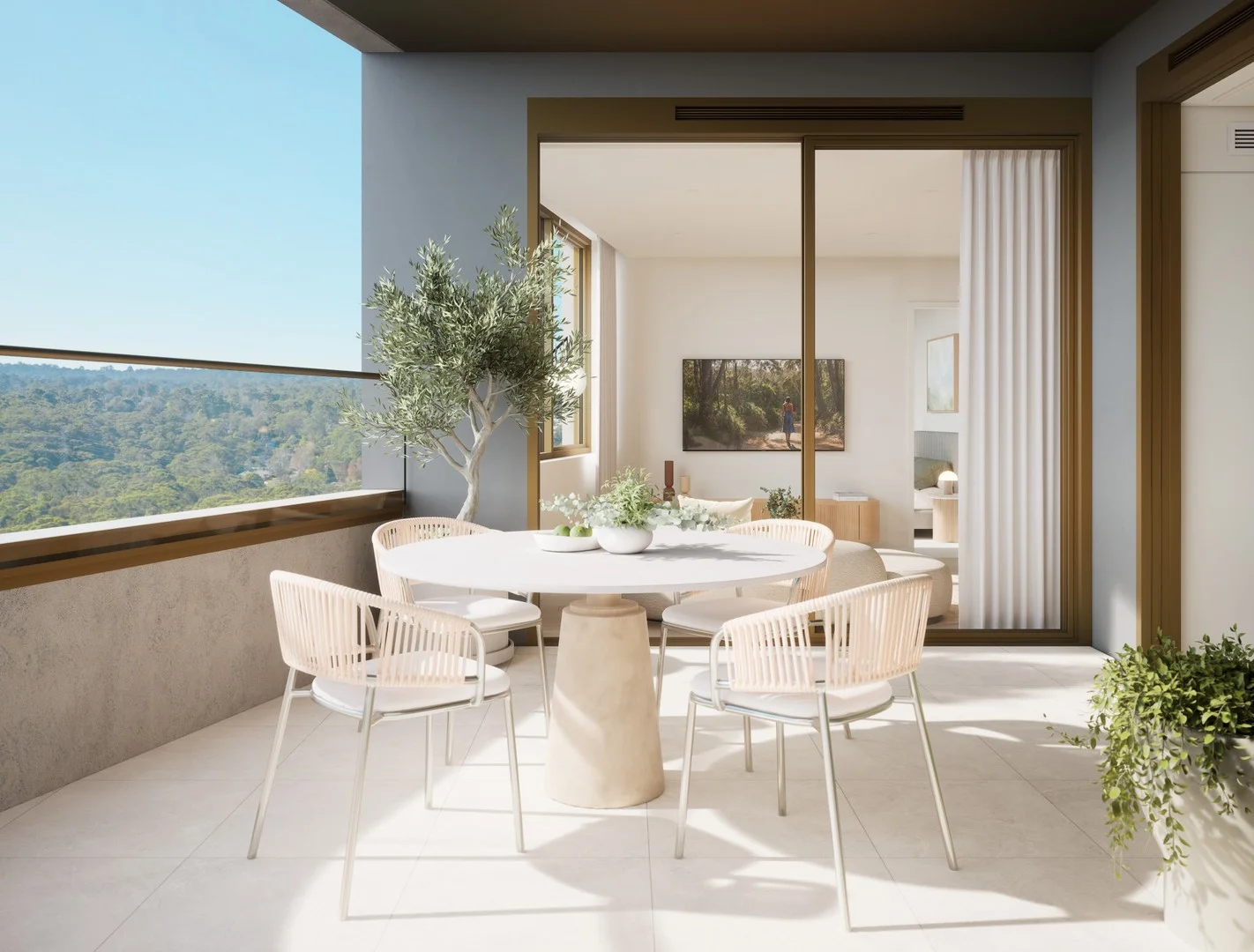 $1,525,000
Apartment / Unit / Flat
$1,525,000
Apartment / Unit / Flat
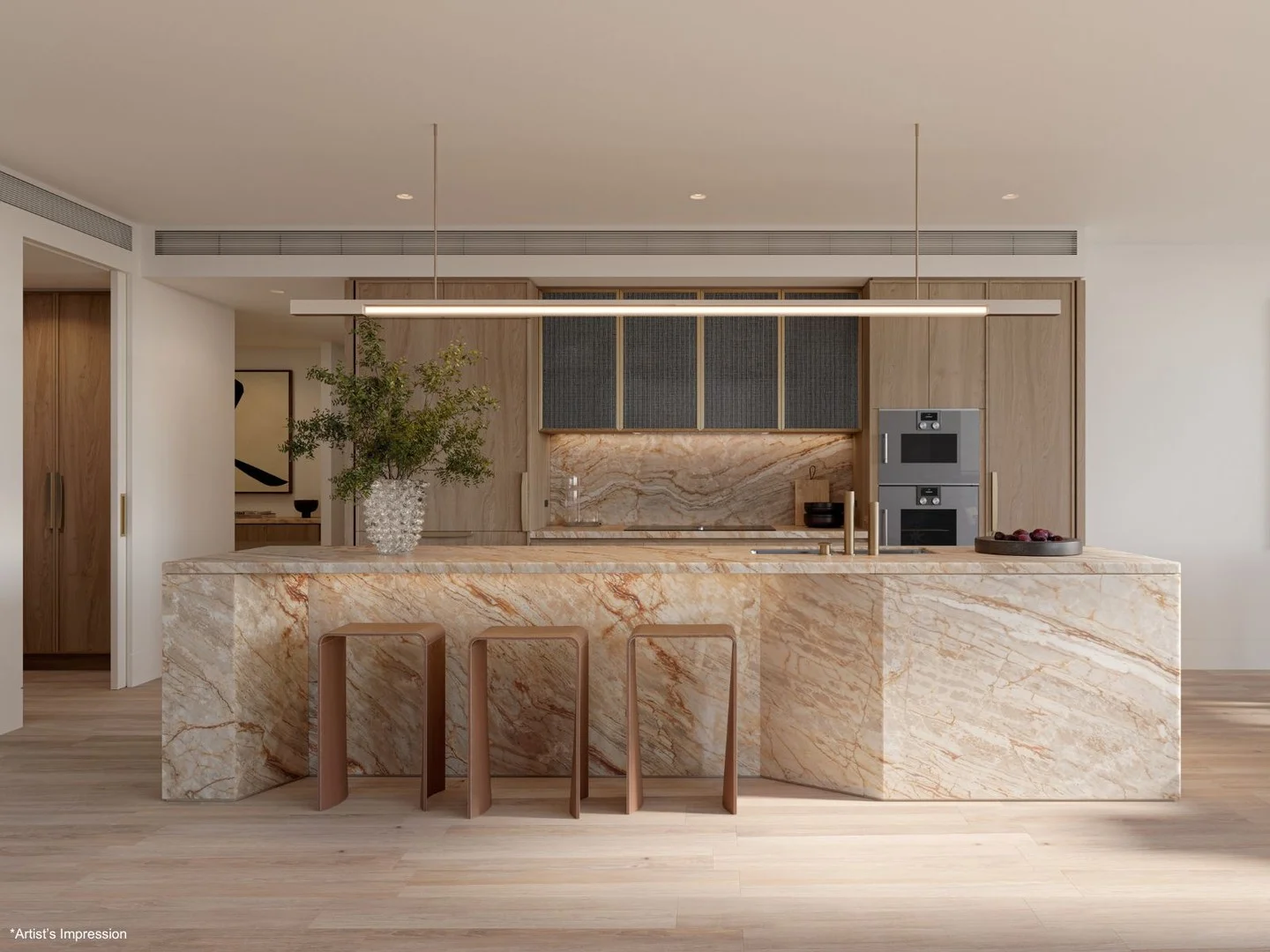 $6,225,000
propertyType.NEW APARTMENTS / OFF THE PLAN
$6,225,000
propertyType.NEW APARTMENTS / OFF THE PLAN
 $9,020,000
propertyType.NEW APARTMENTS / OFF THE PLAN
$9,020,000
propertyType.NEW APARTMENTS / OFF THE PLAN
 $8,630,000
propertyType.NEW APARTMENTS / OFF THE PLAN
$8,630,000
propertyType.NEW APARTMENTS / OFF THE PLAN
 $12,980,000
propertyType.NEW APARTMENTS / OFF THE PLAN
$12,980,000
propertyType.NEW APARTMENTS / OFF THE PLAN
 $2,745,000
propertyType.NEW APARTMENTS / OFF THE PLAN
$2,745,000
propertyType.NEW APARTMENTS / OFF THE PLAN


