## 1. Overview
Greenwich Public School is a public primary school that serves families in the NSW area around Greenwich. The school emphasises a safe, supportive environment where students can develop academically while building social and personal skills. The community-oriented culture encourages parent involvement and collaboration with staff to support every child’s learning journey.
- School type: Public
- School size: Medium
- Class size: Approximately 20–25 students per class
- Atmosphere/culture: Inclusive, nurturing, academically engaged, diverse
⸻
## 2. Academics & Learning
- Academic strengths: English, mathematics, STEM, and literacy development are core strengths, with emphasis on developing leadership capabilities and literacy across the curriculum.
- Special programs: Gifted and Talented (G&T) opportunities, targeted reading interventions, and opportunities for accelerated or enriched learning where appropriate.
- NAPLAN trends: Over recent years, trends show stable to improving performance in reading and numeracy, with continued focus on writing progress.
- Student-teacher ratios: About 1:20–1:25, supporting opportunities for individualized attention within class time.
- Support for diverse learners: Strong EAL/D support, inclusive education practices, and targeted support for students with additional learning needs (SEN).
⸻
## 3. Sports & Extracurricular Strengths
- Sports offered: Soccer, netball, cricket, rugby league, athletics, swimming, and general fitness activities; opportunities to participate in school teams and inter-school events.
- Strong teams or achievements: Competitive participation in regional/inter-school events with opportunities for students to contribute to school teams.
- Music, arts, drama programs: Active music programs (choir, instrumental opportunities), drama, and access to performing arts activities.
- Clubs: Robotics, chess, coding, debating, and other interest clubs that support inquiry and collaboration.
- Partnerships: Local community clubs and inter-school competitions that broaden exposure to sport, science, and the arts.
⸻
## 4. Wellbeing & Pastoral Care
- Anti-bullying approach: Proactive programs emphasizing respectful relationships, restorative practices, and clear reporting channels.
- House system: Yes, there is a house structure to foster belonging, friendly competition, and school spirit.
- Counsellors / wellbeing officers: Access to school counsellors or wellbeing staff to support student mental health and social-emotional learning.
- Transition support for new students: Orientation activities, buddy programs, and ongoing transition support to help new students settle in smoothly.
⸻
## 5. Facilities
- Sports grounds: On-site multi-use sports grounds suitable for PE and team sports.
- Libraries: Well-stocked library with a focus on literacy and research skills.
- Science labs: Dedicated science spaces for hands-on experiments and inquiry.
- Music/performing arts centers: Music rooms and spaces for drama and performance.
- Tech/innovation labs: Computer labs or makerspace-style areas for coding and digital learning.
- Cafeteria: On-site canteen offering healthy meal and snack options.
- Updated playgrounds: Modern outdoor play spaces and learning boards for active learning.
⸻
## 6. School Values & Community Culture
- School values / mission: Emphasis on respect, responsibility, inclusion, and a growth mindset; a focus on building confident, capable learners.
- Leadership style: Collaborative and distributed leadership; teachers, staff, and families are encouraged to contribute to school improvement.
- Behaviour expectations: Clear behavior policies aligned with positive behaviour for learning (PBfL) and consistent routines.
- Community reputation: Known for a welcoming, family-friendly environment with active parental involvement.
- Diversity & inclusion: Committed to celebrating diversity and providing inclusive learning experiences for all students.
⸻
## 7. School Logistics & Daily Operations
- School hours: Typically 9:00am–3:00pm (subject to school calendar and stage-specific timings).
- Before/after school care: OSHC or other approved providers often available for before/after school care.
- Uniform requirements: School uniform required; details provided by the school office or website.
- Transport (train/bus routes): Local bus services and nearby public transport options; clear drop-off/pick-up guidelines to support families.
- Canteen availability: On-site canteen or lunch options available on most days.
- Fees (low/medium/high ranges): Fees are generally low to medium, with compulsory uniform costs and voluntary or minimal material contributions typical of NSW public schools.
⸻
## 8. Enrolment & Admissions
- 11. What is the enrolment process and timeline?
- Enrolment is through the NSW Department of Education process. Families typically need to confirm local catchment eligibility, provide proof of identity and address, birth certificate, immunisation records, and other required documents. Kindergarten entry usually occurs at the start of the Australian school year, with timelines announced by the Department; once enrolled, schools provide orientation information and transition support.
- 12. Is there a waiting list, and how does it work?
- Waiting lists can occur for in-demand intake periods or when year levels reach capacity. Local catchment priority is common, with places allocated based on availability and Department guidelines.
- 13. Are there any entry requirements, tests, or interviews?
- For a public primary school, there are typically no entrance tests or interviews for general enrolment. There may be information gathering around special learning needs or language support, and occasional meetings if additional supports are required.
- 14. Does the school accept mid-year transfers?
- Yes, subject to available places. Families seeking a mid-year transfer should contact the school early to assess space and plan the transition.
⸻
## 9. Frequently Asked Questions
- Why Parents Choose This School?
- A welcoming community, strong academic emphasis, and supportive wellbeing programs, with opportunities for involvement in sport, arts, and clubs.
- What type of student thrives at this school?
- Students who are motivated to learn, value collaboration, participate in a range of extracurriculars, and benefit from a supportive, inclusive learning environment.
- What opportunities are available for students to extend their skills (academics, sports, arts)?
- Enriched literacy and numeracy programs, Gifted and Talented opportunities, STEM activities, music and drama programs, robotics, coding, debating, and competitive sport teams.
- How does the school communicate with parents?
- Regular updates via newsletters, emails, the school website, parent-teacher meetings, and other digital communications.
- What is the school’s approach to teaching and learning?
- Student-centred, evidence-based teaching with a focus on literacy, numeracy, inquiry, and real-world connections; emphasis on inclusive practices and differentiated support.
- How does the school support students who need extra academic help?
- Targeted reading and numeracy interventions, EAL/D support, SEN accommodations, and individual or small-group mentoring.
- What support is available for academic challenges?
- Access to teachers, learning support staff, and specialist programs; referral pathways to additional services if required.
- How does the school communicate with parents? (Repeated)
- See above: newsletters, emails, meetings, and digital platforms.
- What are the class sizes and how much individual attention do students receive?
- Class sizes are around 20–25 students, with teachers able to provide targeted, small-group support within most learning blocks.
- What extracurricular and sports opportunities are available?
- A range of sports (team and recreation), music and arts programs, robotics, chess, coding, debating, and inter-school events.
- What facilities does the school offer (sports, science, arts)?
- Sports grounds, libraries, science labs, music/performing arts spaces, technology rooms, and a canteen.
- What is the school’s approach to technology and digital learning?
- Integrated digital literacy across the curriculum with access to computer labs and age-appropriate technology tools to support learning and creativity.
- What transport and accessibility options are available?
- Local bus routes and nearby public transport options; clear guidance for drop-off/pick-up; accessibility considerations addressed through school policies.
- What are the typical school fees or additional costs?
- Voluntary contributions and uniform costs are typical; overall fees are generally low to moderate for NSW public schools.
⸻
## 10. Short Pros & Cons list
- Pros
- Public, community-focused school with supportive wellbeing programs
- Balanced focus on academics, sports, arts, and clubs
- Inclusive environment with strong support for diverse learners
- Modern facilities and well-resourced learning spaces
- Active parent involvement and collaborative leadership
- Cons
- Class sizes may vary by year and cohort; some years may experience higher demand
- Uniform costs and optional contributions can be an ongoing consideration for families
- Availability of specialist programs and mid-year transfers may depend on space and waitlists
⸻










 $2,824,000
Apartment / Unit / Flat
$2,824,000
Apartment / Unit / Flat
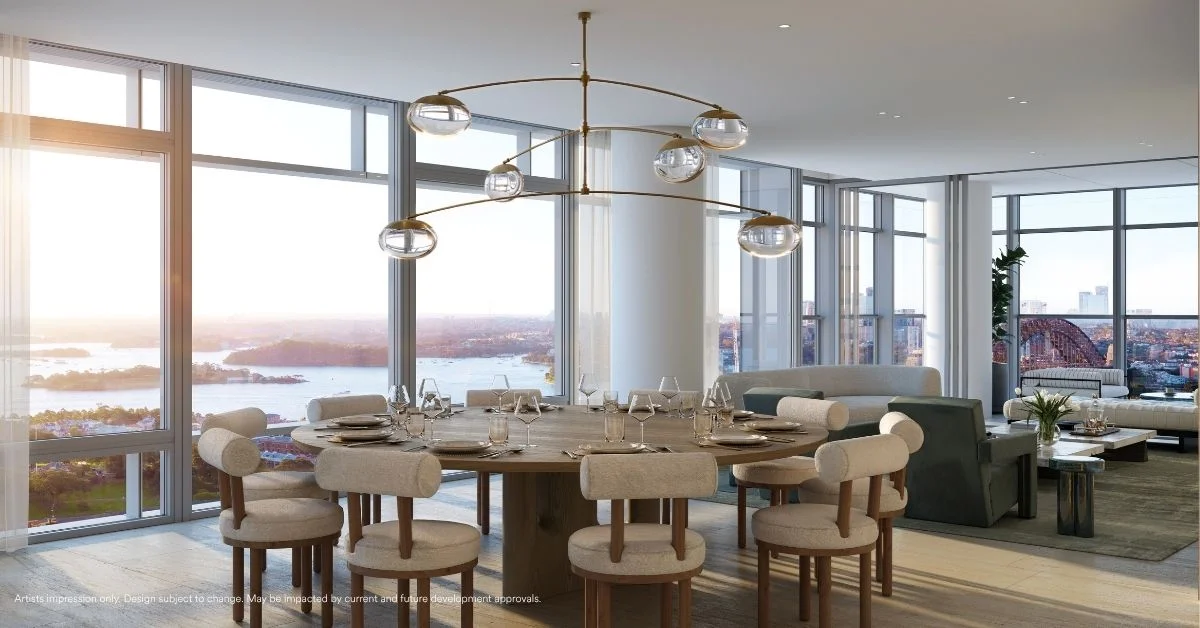 $26,550,000
propertyType.NEW APARTMENTS / OFF THE PLAN
$26,550,000
propertyType.NEW APARTMENTS / OFF THE PLAN
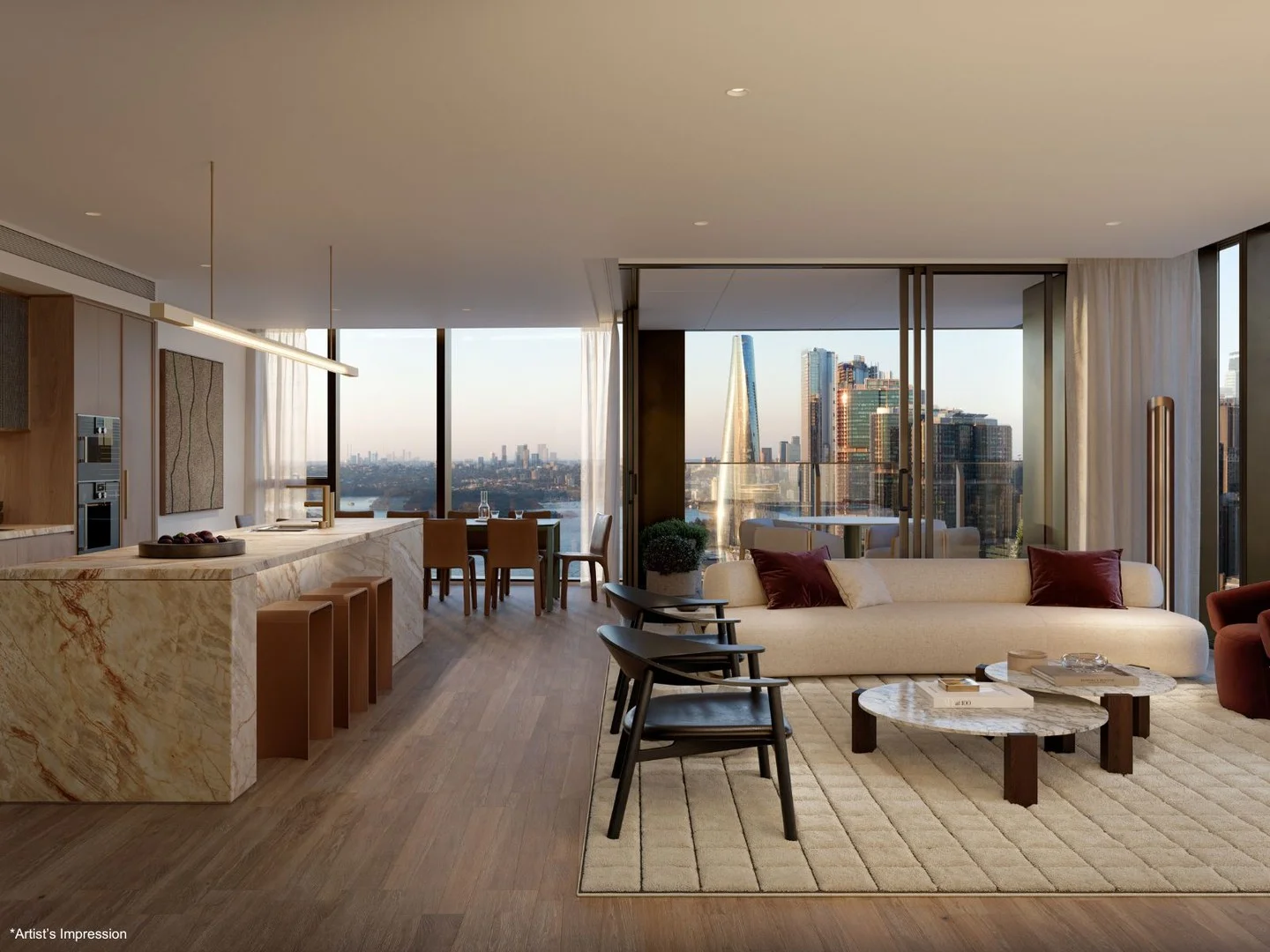 $12,980,000
propertyType.NEW APARTMENTS / OFF THE PLAN
$12,980,000
propertyType.NEW APARTMENTS / OFF THE PLAN
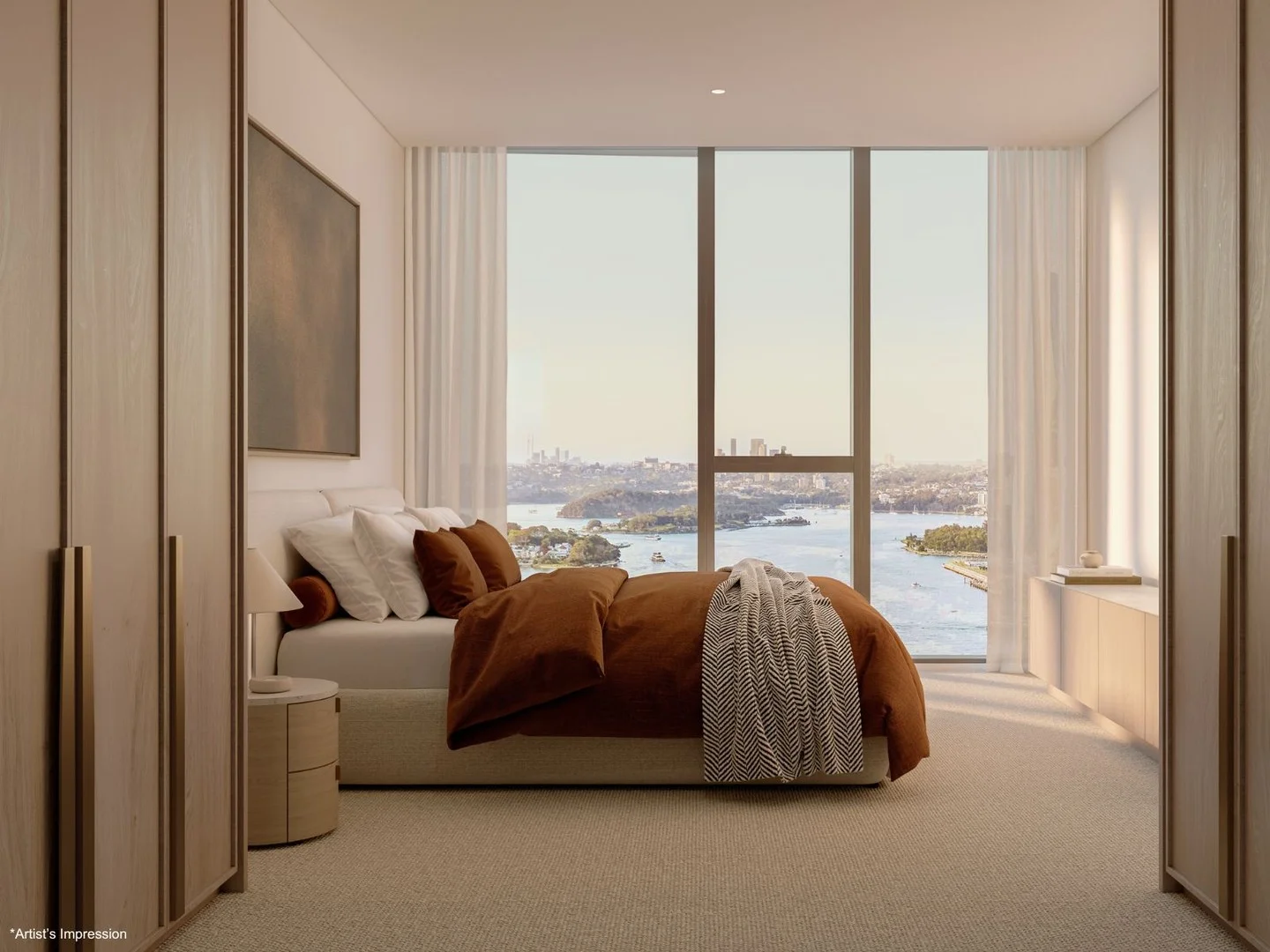 $8,630,000
propertyType.NEW APARTMENTS / OFF THE PLAN
$8,630,000
propertyType.NEW APARTMENTS / OFF THE PLAN
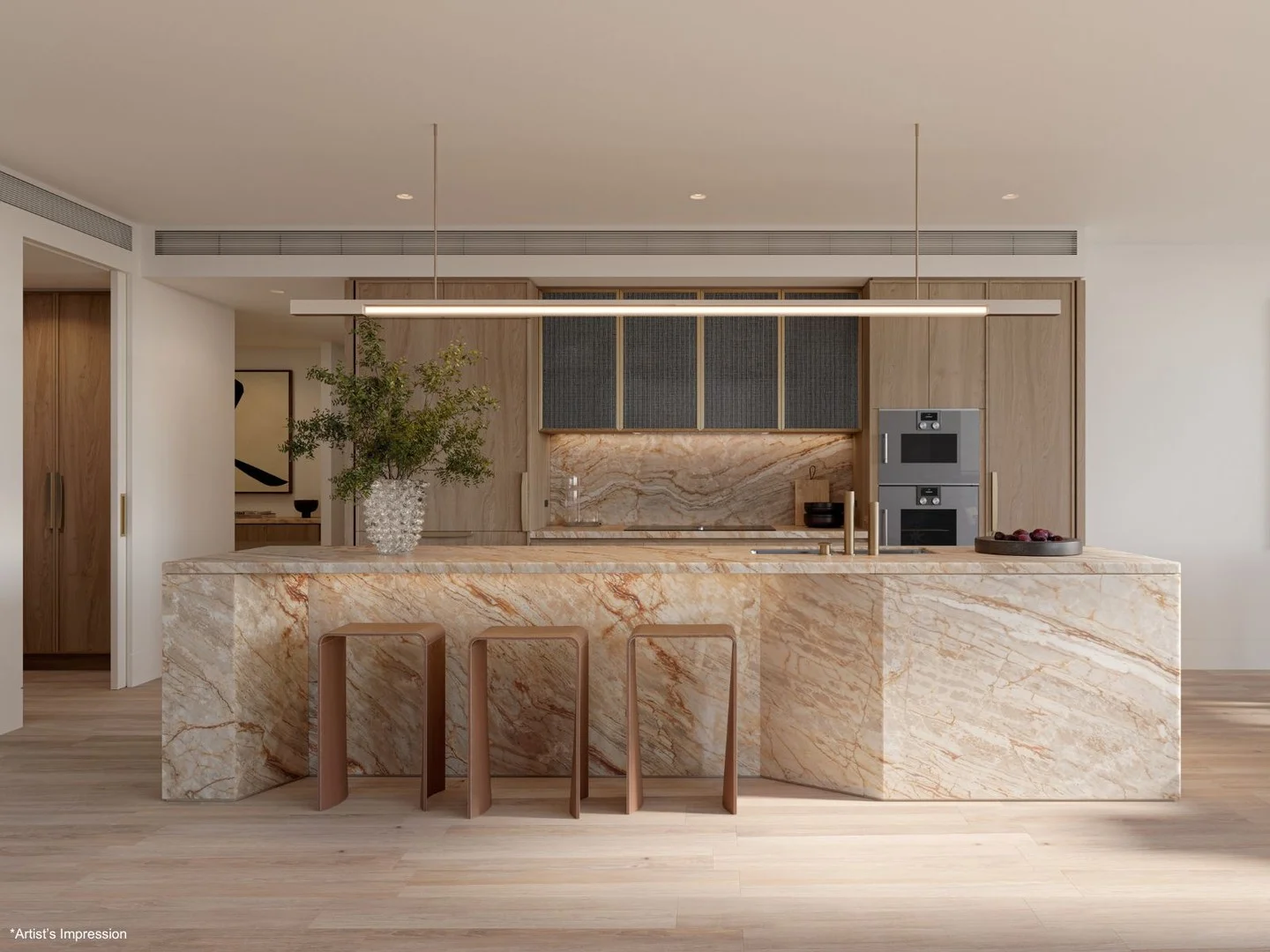 $6,225,000
propertyType.NEW APARTMENTS / OFF THE PLAN
$6,225,000
propertyType.NEW APARTMENTS / OFF THE PLAN
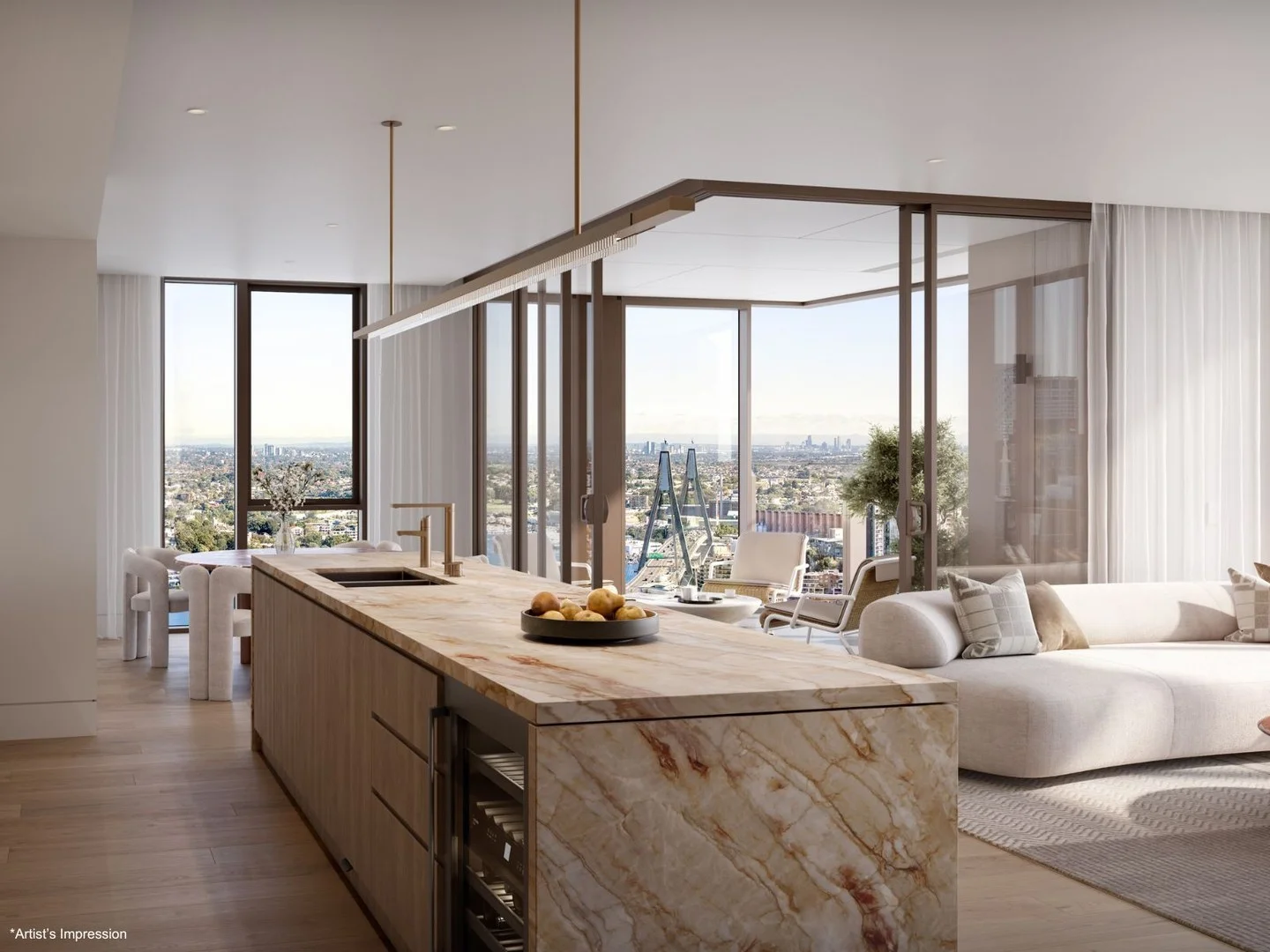 $9,020,000
propertyType.NEW APARTMENTS / OFF THE PLAN
$9,020,000
propertyType.NEW APARTMENTS / OFF THE PLAN
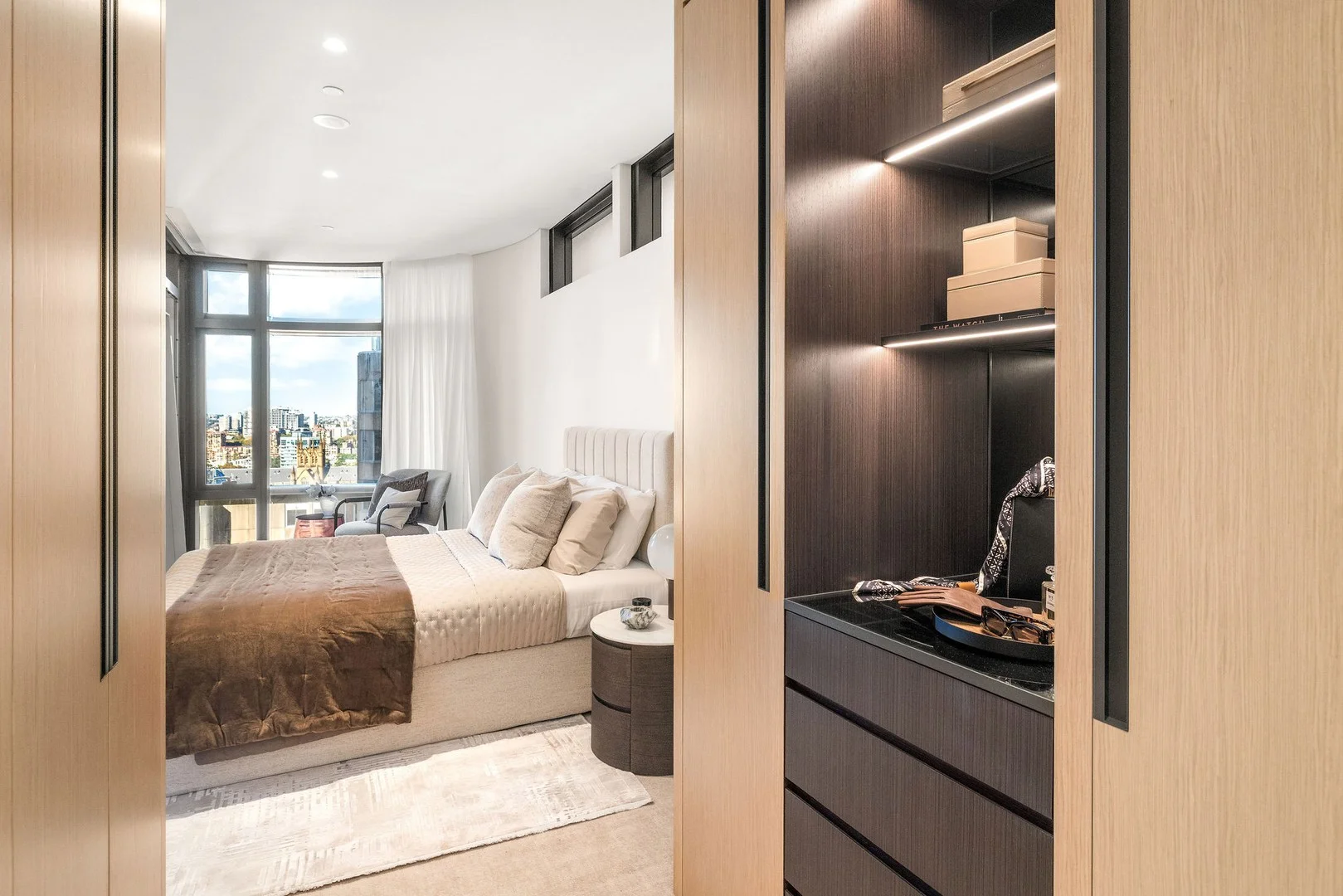 $2,745,000
propertyType.NEW APARTMENTS / OFF THE PLAN
$2,745,000
propertyType.NEW APARTMENTS / OFF THE PLAN
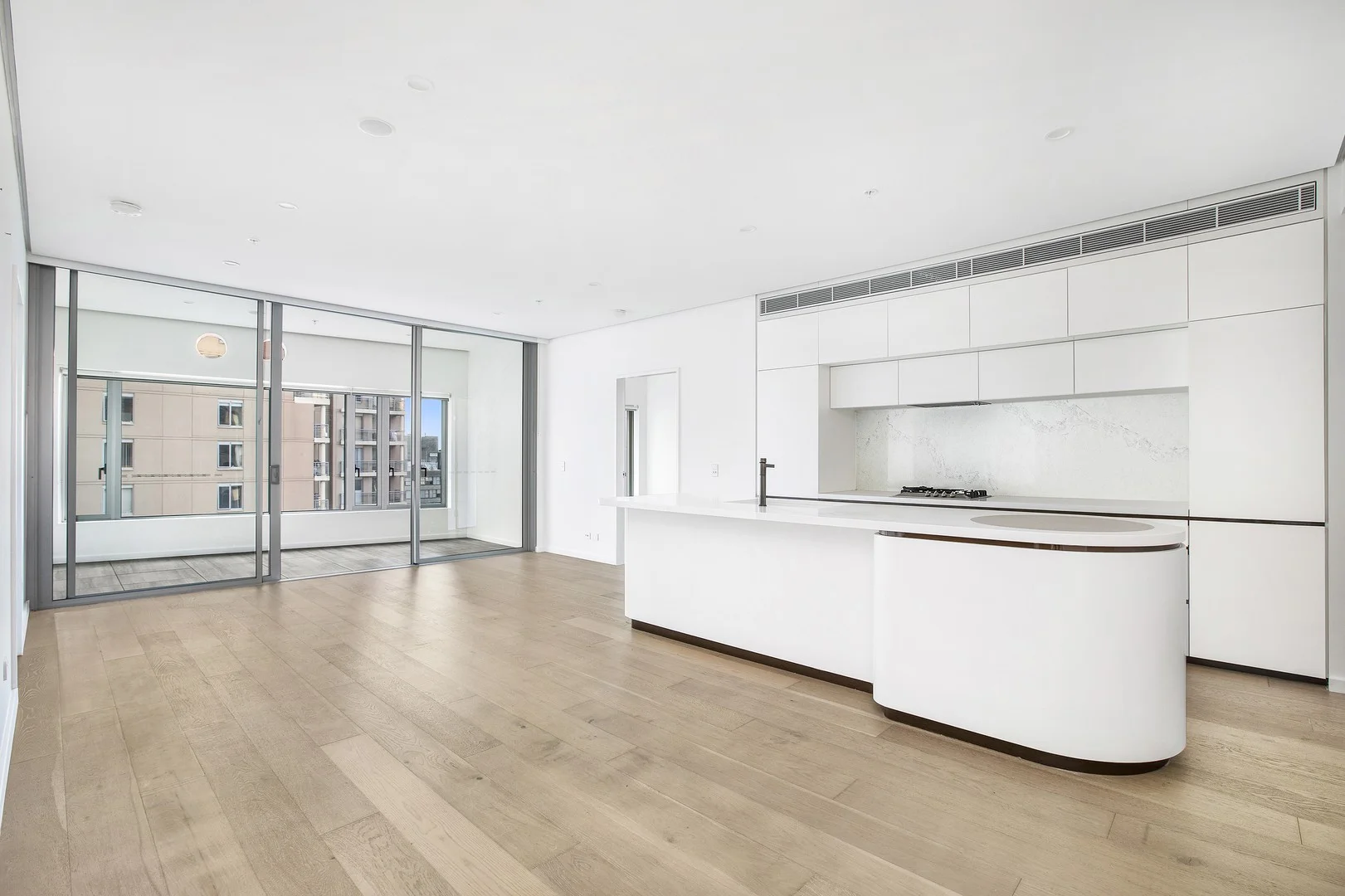 $2,250,000
Apartment / Unit / Flat
$2,250,000
Apartment / Unit / Flat
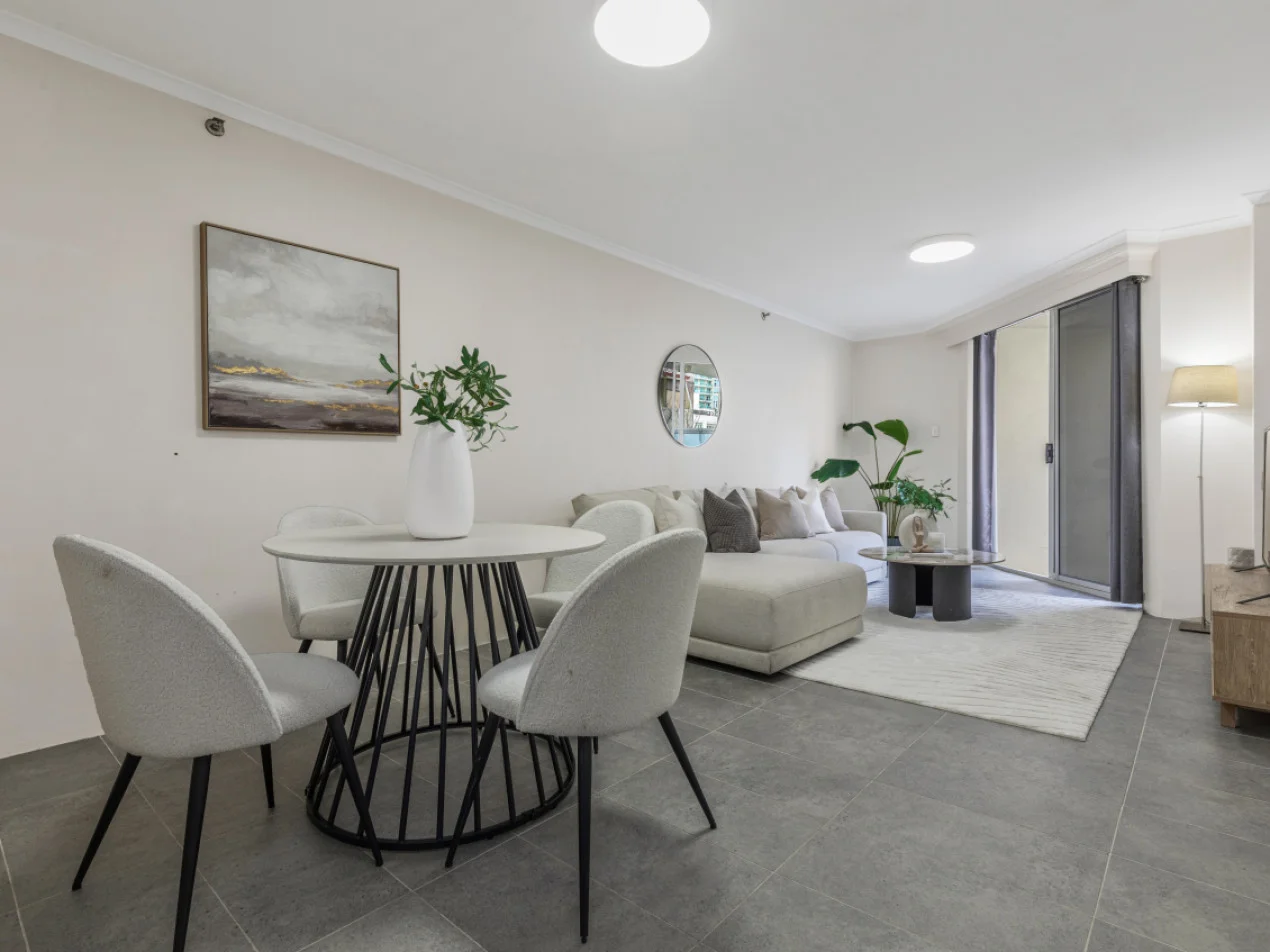 $640,000 - $675,000
Apartment / Unit / Flat
$640,000 - $675,000
Apartment / Unit / Flat


