## 1. Overview
Saint Ignatius' College Riverview is an independent Catholic (Jesuit) day school for boys, located in Lane Cove, NSW. The college is known for its strong academic traditions, service ethos, and leadership development within a supportive, inclusive community. It operates as a large school with a broad range of opportunities across academics, sport, and the arts.
The atmosphere blends high academic expectations with a nurturing culture. Class sizes are typically in the mid‑20s, supporting personalized attention within a vibrant, values‑driven environment that emphasises resilience, teamwork, and character.
⸻
## 2. Academics & Learning
- Academic strengths: The college has strong programs across STEM and English, with a tradition of rigorous coursework and co-curricular leadership development. Languages and humanities are also well supported.
- Special programs: Leadership development and opportunities for gifted and talented students; accelerated or advanced study options are available within the NSW framework.
- NAPLAN / trends: Historically, Riverview demonstrates strong literacy and numeracy performance with positive year‑on‑year trends, generally tracking above state averages in many areas.
- Student-teacher ratios: Classroom environments are designed for substantial teacher support, with typical ratios that enable meaningful teacher interaction (roughly in the low‑to‑mid teens for individual attention, depending on year level and subject).
- Support for diverse learners: EAL support and inclusive education programs are available to assist students who require additional language or learning support, along with access to dedicated wellbeing and SEN resources.
⸻
## 3. Sports & Extracurricular Strengths
- Sports offered: A wide range of sports including rugby, cricket, football (soccer), basketball, athletics, swimming, tennis, and rowing are commonly available, with a long‑standing emphasis on team sport.
- Strong teams or achievements: The college has notable traditions in rugby and rowing, with successful inter‑school programs and competitive teams across the year groups.
- Music, arts, drama programs: Comprehensive music and performing arts offerings, with ensembles and drama productions contributing to a rich arts culture.
- Clubs: Robotics, chess, coding, debating, and other academic/competitions clubs are supported to broaden student interests.
- Partnerships: Involvement with local clubs and inter‑school competitions provides additional avenues for sport and performance, helping students engage beyond the campus.
Most parents skim this section, especially for boys aged 10–14, so the focus is on clear opportunities and notable strengths.
⸻
## 4. Wellbeing & Pastoral Care
- Anti-bullying approach: A proactive anti‑bullying framework with education, reporting channels, and pastoral support to foster a respectful community.
- House system: A house structure supports mentorship, pastoral care, and friendly competition, enhancing belonging and guidance.
- Counsellors / wellbeing officers: Dedicated wellbeing staff and school counsellors available to support mental health, resilience, and personal development.
- Transition support for new students: Orientation programs, buddy systems, and transition activities help new students settle in smoothly and build connections quickly.
⸻
## 5. Facilities
- Sports grounds: Extensive sports grounds suitable for multiple teams and outdoor activities.
- Libraries: Well-equipped library facilities supporting study, research, and reading for pleasure.
- Science labs: Modern science laboratories for experiments and practical learning.
- Music/performing arts centers: Dedicated spaces for music, theatre, and performance.
- Tech/innovation labs: Facilities for digital learning, coding, and technology projects.
- Cafeteria: On‑site dining facilities to support student needs during the day.
- Updated playgrounds: Updated and well-maintained outdoor spaces for recreation and break times.
⸻
## 6. School Values & Community Culture
- School values / mission: Jesuit values emphasize service, excellence, integrity, and cura personalis (care for the whole person).
- Leadership style: Collaborative leadership with emphasis on student voice, responsibility, and peer mentoring.
- Behaviour expectations: Clear expectations around conduct, respect, and effort; uniforms and routines reinforce discipline and pride.
- Community reputation: A longstanding reputation as a leading NSW boys’ school with a strong network of alumni and partnerships.
- Diversity & inclusion: Commitment to a welcoming, inclusive environment that supports diverse learners and backgrounds.
⸻
## 7. School Logistics & Daily Operations
- School hours: Typical school day runs throughout the late morning to mid‑afternoon, with extra‑curricular activities offered before and after the core day.
- Before/after school care: Availability of supervision and activities outside school hours to support families.
- Uniform requirements: Formal school uniform for daily wear, with a sports uniform for physical education and after‑school activities.
- Transport (train/bus routes): Accessible by public transport with local bus routes and nearby train access; details depend on current timetables and arrangements.
- Canteen availability: On‑site canteen or dining facilities serving students during the day.
- Fees (ranges): Fees are in the private/top‑tier range; exact figures depend on year level and any boarding or additional programs.
⸻
## 8. Enrolment & Admissions
11. What is the enrolment process and timeline?
- Begin with an expression of interest or application, followed by documentation, and a formal assessment/interview process. The timeline typically spans several months, culminating in offers for available places.
12. Is there a waiting list, and how does it work?
- Yes, there is often a waiting list. Availability depends on vacancies, with priority often given to siblings and specific year levels; the school manages offers and waitlist positions on a rolling basis.
13. Are there any entry requirements, tests, or interviews?
- Entry usually involves an application, interview, and possibly a referral or assessment component. Family information and academic history are assessed as part of the process.
14. Does the school accept mid-year transfers?
- Mid-year transfers are considered where vacancies exist, subject to the usual admissions process and suitability for the year level.
⸻
## 9. Frequently Asked Questions
- Why Parents Choose This School?
- A strong blend of academic rigor, Jesuit values, leadership development, and a supportive community that fosters growth in boys across years 7–12.
- What type of student thrives at this school?
- Motivated, curious boys who respond well to a structured environment, team activities, and opportunities to lead and serve others.
- What opportunities are available for students to extend their skills (academics, sports, arts)?
- A broad range of advanced courses, leadership programs, high‑level sports teams, music ensembles, drama productions, robotics, debate, and coding clubs.
- How does the school communicate with parents?
- Regular communications through newsletters, emails, parent portals, and scheduled parent–teacher meetings; open channels via pastoral staff and coordinators.
- What is the school’s approach to teaching and learning?
- A rigorous, values‑based approach that combines academic excellence with character development, critical thinking, and teamwork.
- How does the school support students who need extra academic help?
- Targeted tutoring, learning support services, and access to SEN/EAL resources; personalised learning plans where appropriate.
- What support is available for academic challenges?
- Additional coaching, study skills programs, and ongoing teacher guidance to help students build confidence and competence.
- What transport and accessibility options are available?
- Public transport options (bus/train access) and school‑organized transport or drop‑off arrangements where offered; accessibility details provided on request.
- What are the class sizes and how much individual attention do students receive?
- Class sizes are typically in the low‑to‑mid‑20s, with teacher interaction and support designed to provide meaningful individual attention.
- What extracurricular and sports opportunities are available?
- A wide array of sports (rugby, cricket, football, basketball, athletics, swimming, tennis, rowing), plus clubs in robotics, coding, chess, debating, music, and arts.
- What facilities does the school offer (sports, science, arts)?
- Comprehensive facilities including sports grounds, libraries, science labs, performing arts spaces, tech/innovation labs, and dining.
- What is the school’s approach to technology and digital learning?
- Integrated technology and digital learning, equipping students with modern ICT skills and opportunities to work on coding and digital projects.
- What transport and accessibility options are available?
- Public transport access and school arrangements for routes; detailed information provided by the school.
- What are the typical school fees or additional costs?
- Fees are in the higher range for private independent schooling; exact costs vary by year level and program, with potential additional costs for activities and camps.
⸻
## 10. Short Pros & Cons
- Pros
- Strong academic reputation with a values‑driven, inclusive culture.
- Broad of sport, arts, and leadership programs.
- Robust wellbeing and pastoral care with a supportive House system.
- Comprehensive facilities and resources for learning and development.
- Active community with alumni and parental engagement.
- Cons
- Fees are in the higher range for private schooling.
- Large school environment may mean busy calendars and competition for some resources.
- Admissions can be selective, with waiting lists at certain year levels.
⸻












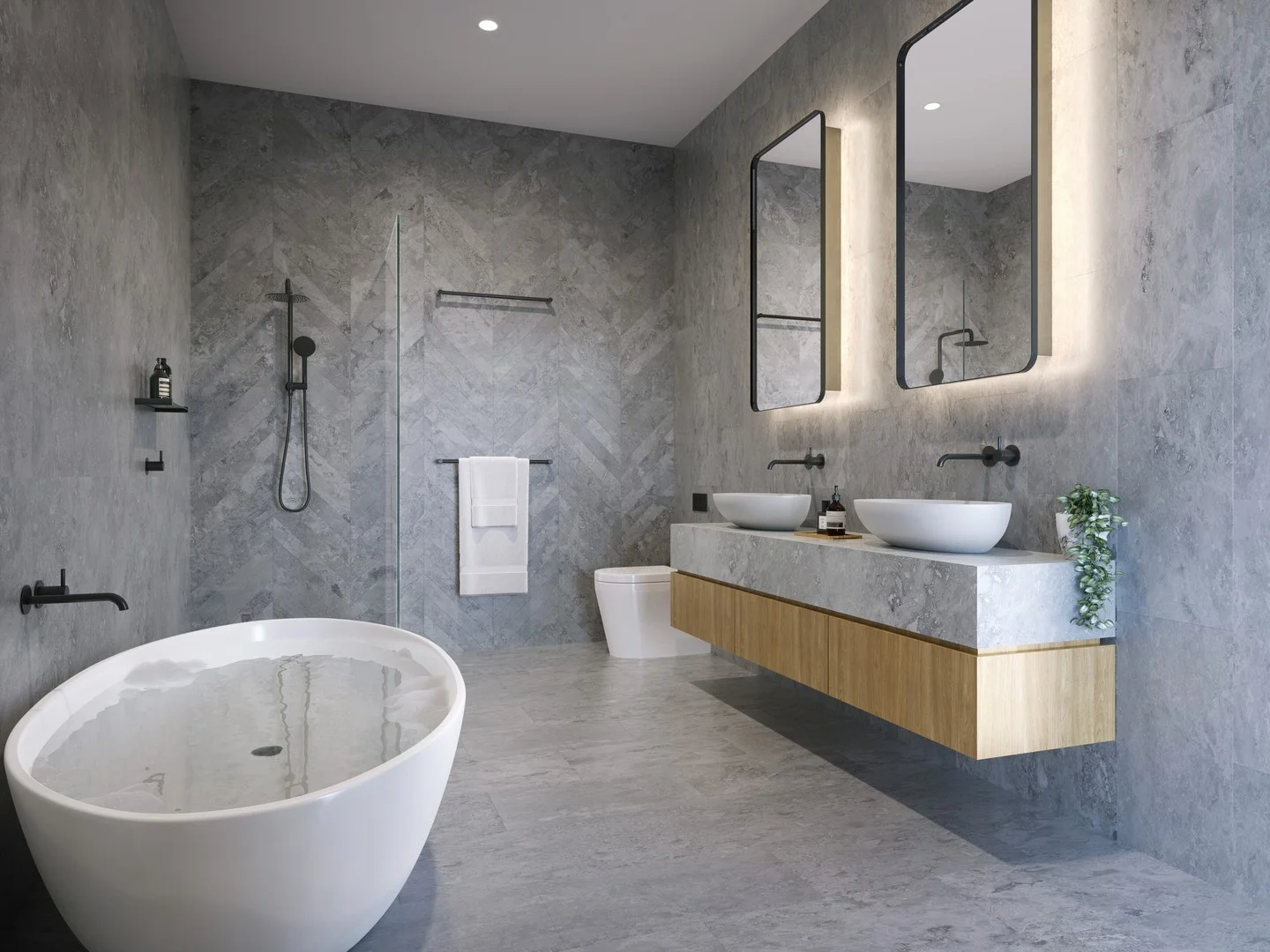 $2,824,000
Apartment / Unit / Flat
$2,824,000
Apartment / Unit / Flat
 $36,000,000 - $39,500,000
Vacant Land
$36,000,000 - $39,500,000
Vacant Land
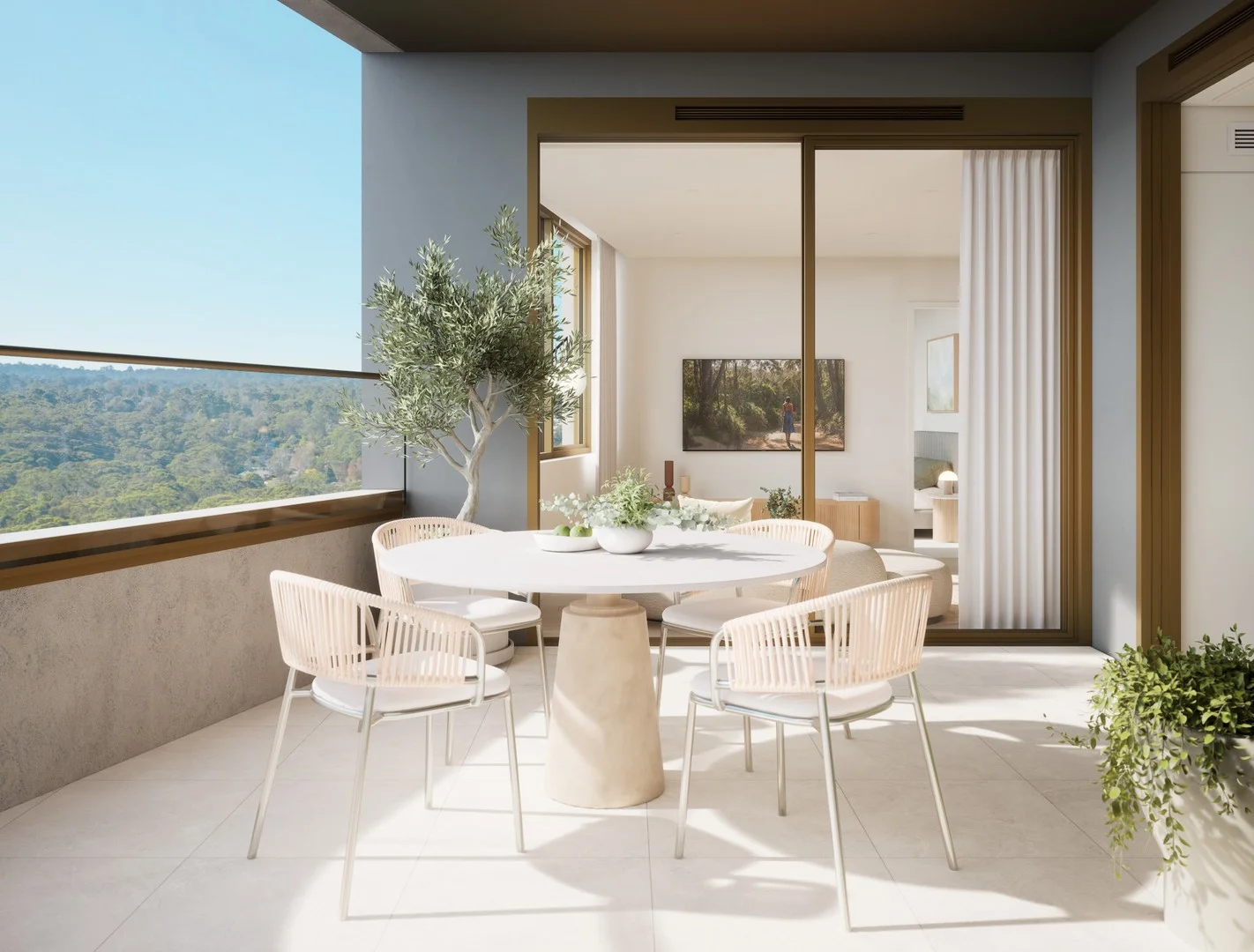 $1,525,000
Apartment / Unit / Flat
$1,525,000
Apartment / Unit / Flat
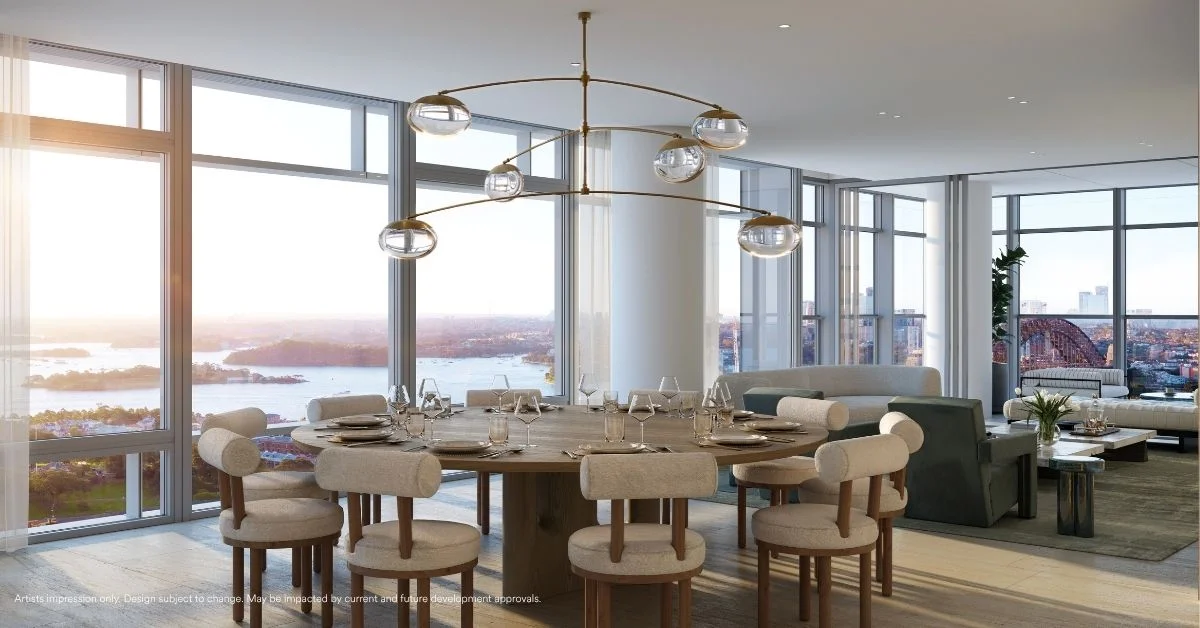 $26,550,000
propertyType.NEW APARTMENTS / OFF THE PLAN
$26,550,000
propertyType.NEW APARTMENTS / OFF THE PLAN
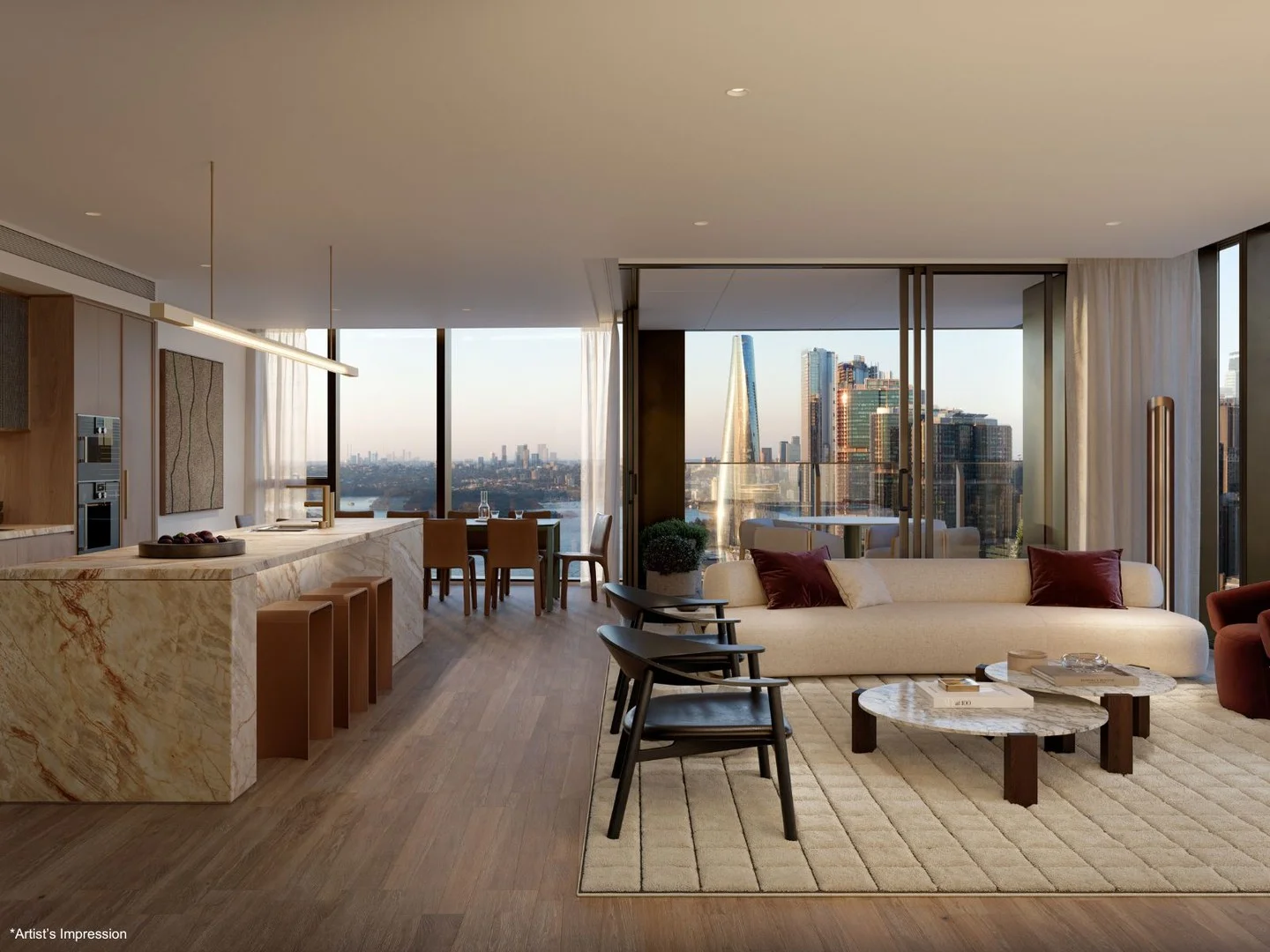 $12,980,000
propertyType.NEW APARTMENTS / OFF THE PLAN
$12,980,000
propertyType.NEW APARTMENTS / OFF THE PLAN
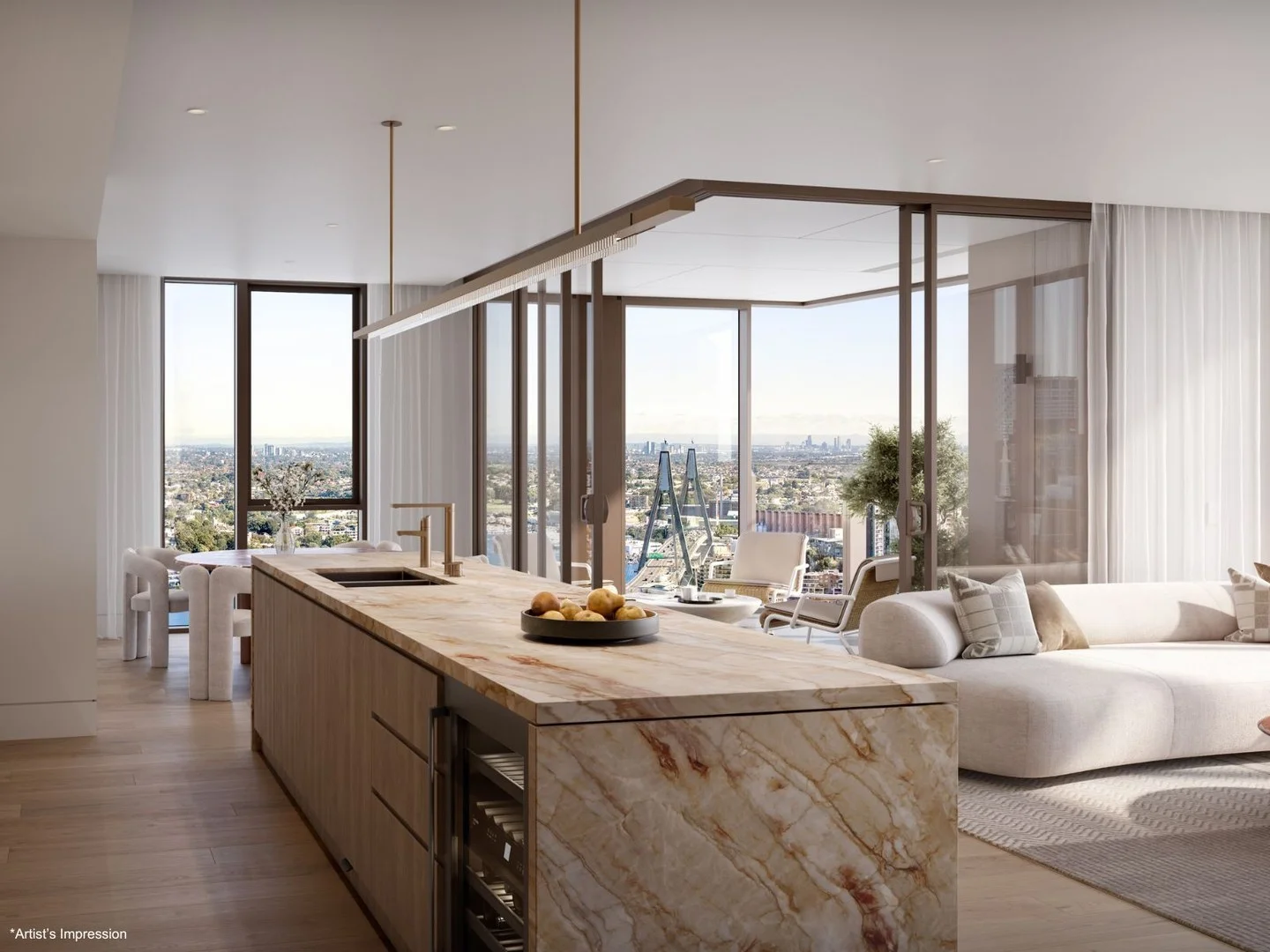 $9,020,000
propertyType.NEW APARTMENTS / OFF THE PLAN
$9,020,000
propertyType.NEW APARTMENTS / OFF THE PLAN
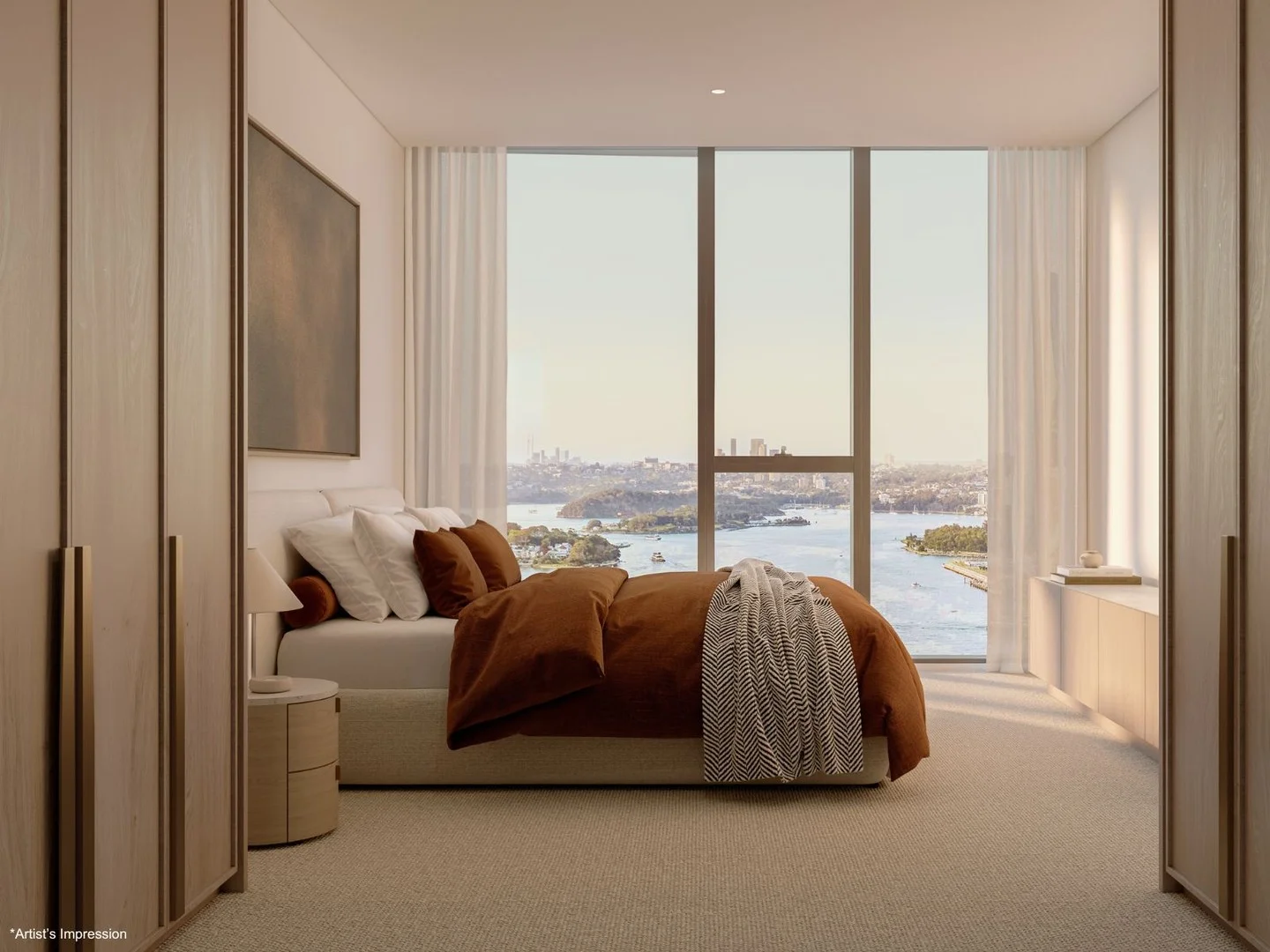 $8,630,000
propertyType.NEW APARTMENTS / OFF THE PLAN
$8,630,000
propertyType.NEW APARTMENTS / OFF THE PLAN
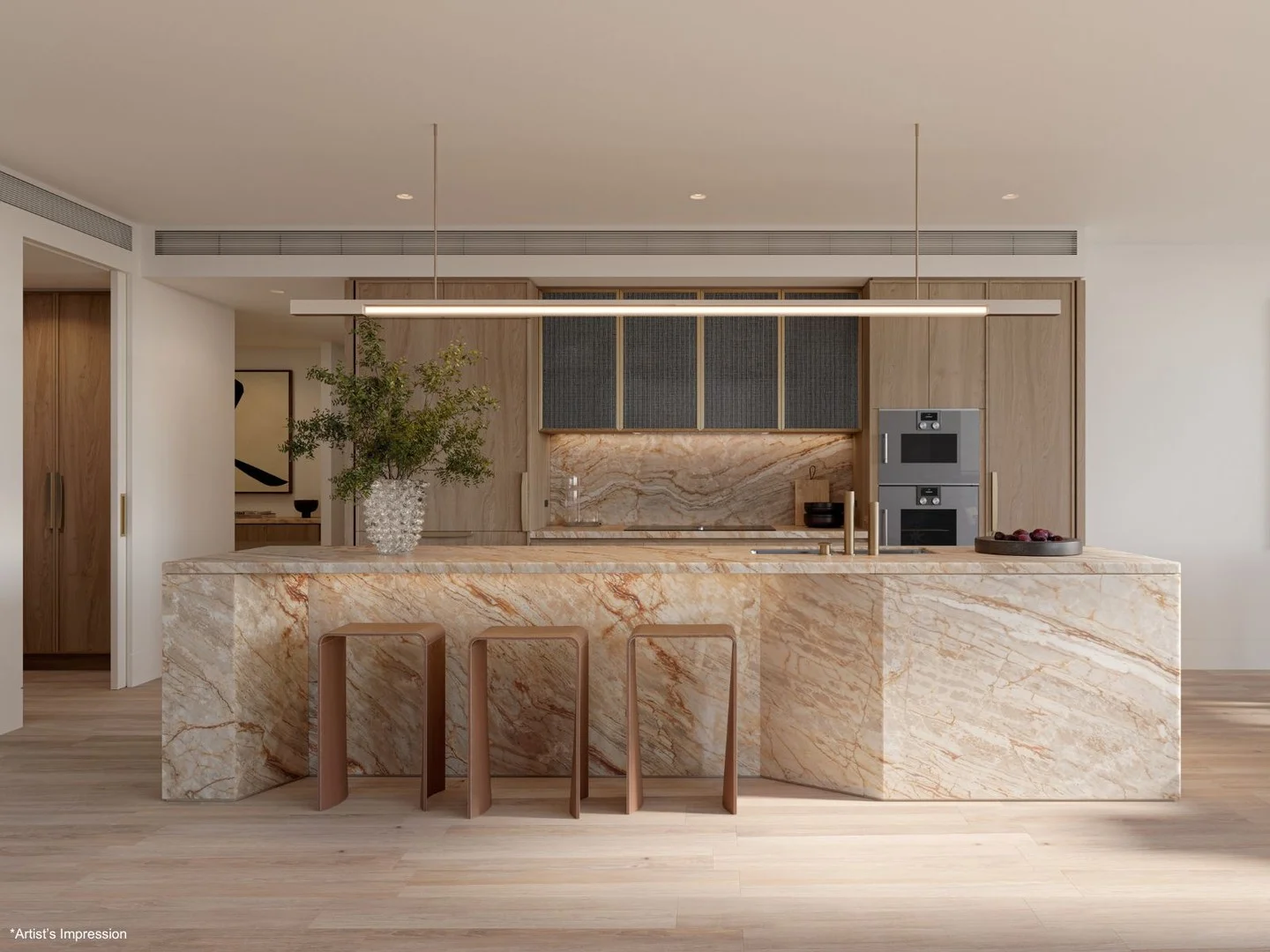 $6,225,000
propertyType.NEW APARTMENTS / OFF THE PLAN
$6,225,000
propertyType.NEW APARTMENTS / OFF THE PLAN
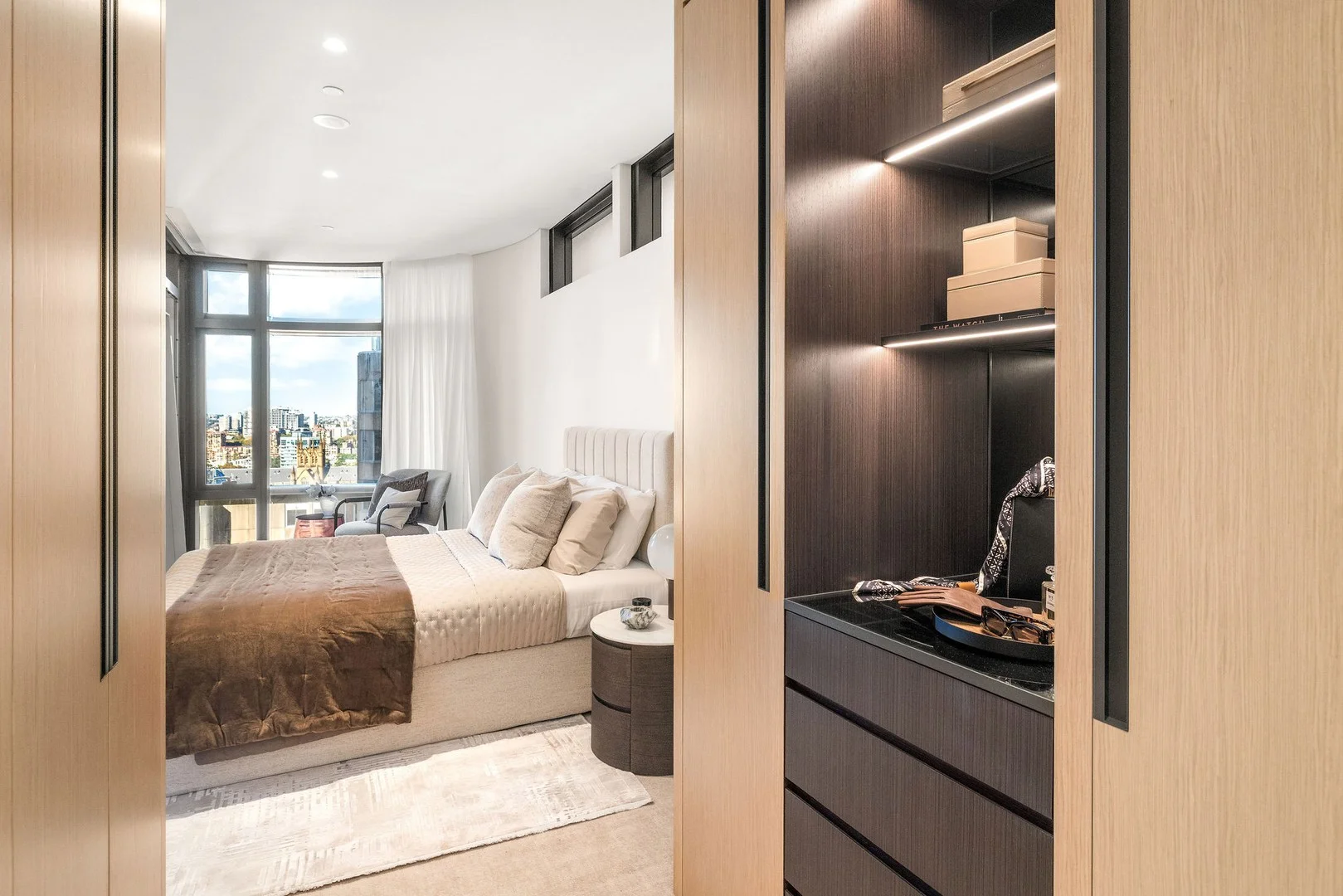 $2,745,000
propertyType.NEW APARTMENTS / OFF THE PLAN
$2,745,000
propertyType.NEW APARTMENTS / OFF THE PLAN


