1. Overview
De La Salle College Malvern is a Catholic, independent (private) single-sex school for boys, rooted in the Lasallian tradition. The college focuses on holistic education that combines academic achievement with values-based learning and service to others. It is a medium-to-large school that serves students across the secondary years, fostering a supportive and inclusive culture.
Class sizes are designed to be manageable for active learning, with typical classes in the low-to-mid 20s. The atmosphere emphasises academic effort, personal growth, and community spirit, supporting students to pursue excellence while staying connected to their peers and wider Lasallian values.
2. Academics & Learning
Academic strengths commonly highlighted for this type of school include strong literacy and numeracy foundations, robust STEM and science programs, and leadership development across year levels. The college offers a pathway through the Victorian VCE (Victorian Certificate of Education) framework with subject choices that permit breadth and depth, enabling students to tailor learning to their strengths and future goals.
Special programs may include accelerated or enriched learning opportunities and leadership development initiatives designed to challenge high-achieving students. The school supports diverse learners through targeted assistance and resources, including EAL (English as an Additional Language) support and dedicated learning support staff to help students who need extra help. Student-teacher interaction is structured to be supportive, with processes in place to monitor progress and adjust learning plans as needed.
NAPLAN trends (where published) typically show consistent performance relative to state benchmarks, with a focus on improving literacy and numeracy outcomes in the early years and sustained achievement across senior subject areas. The student-teacher ratio is managed to support individualized attention, with smaller class sizes in key year levels to assist in-depth learning and teacher feedback.
3. Sports & Extracurricular Strengths
Sports are a visible and important part of life at the college. A broad program typically includes:
- Sports offered: Australian Rules football, cricket, basketball, soccer, tennis, rugby (where appropriate for age groups), athletics, swimming.
- Strong teams or achievements: Competitive inter-school programs with achievements across a range of sports in district or state competitions, reflecting a culture of teamwork and discipline.
- Music, arts, drama: A substantial performing arts program with ensembles, concerts, and theatre productions; opportunities to perform in front of peers and the wider school community.
- Clubs: Robotics, chess, coding, debating and other academic or interest-based clubs are commonly available to extend learning beyond the classroom.
- Partnerships: Collaboration with local clubs and regional competitions to provide additional pathways in sport, arts, and academic activities.
Most parents of boys around ages 10–14 value the balance of sport, creative outlets, and academic clubs, all of which are commonly highlighted as strengths in this setting.
4. Wellbeing & Pastoral Care
Pastoral care is a central focus to foster a safe and supportive school environment. Features commonly emphasized include:
- Anti-bullying approach: Clear policies and proactive, school-wide programs to promote respect, inclusion, and safe interactions.
- House system: A structured house framework that supports mentoring, pastoral care, and participation in school events, helping build belonging and leadership opportunities.
- Counsellors / wellbeing officers: Access to school counsellors or wellbeing staff who provide confidential support, guidance, and strategies for resilience.
- Transition support for new students: Orientation programs, buddy systems, and transition resources to help new students integrate smoothly into the school community.
These elements work together to build trust with families and support students’ emotional and social development alongside academics.
5. Facilities
Facilities are designed to be welcoming, modern, and conducive to varied learning experiences. Visual highlights include:
- Sports grounds
- Libraries
- Science labs
- Music/performing arts centers
- Tech/innovation labs
- Cafeteria
- Updated playgrounds
These spaces support a balanced curriculum that includes hands-on experiments, creative performance, digital and technical work, and everyday social interaction.
6. School Values & Community Culture
The school’s values align with Lasallian principles: faith, service, community, and excellence. Leadership is typically collaborative and student-centered, with clear expectations for personal responsibility and respectful conduct. Behaviour expectations focus on integrity, respect, and accountability, reinforcing a positive school climate. The community reputation is built on a track record of academic achievement, character development, and active participation in service and community activities. The school emphasises diversity and inclusion, ensuring students from varied backgrounds feel welcome and supported.
7. School Logistics & Daily Operations
Typical logistics considerations include:
- School hours: Daytime schedule with a structured start and finish; regular timetables support movement between classes and activities.
- Before/after school care: Programs commonly available to support families around school hours.
- Uniform requirements: Formal school uniform with blazer, tie, formal trousers, and appropriate footwear; sport uniform for physical education and after-school activities.
- Transport: Access via local train and bus networks; school may coordinate or provide information about routes and options for students commuting from surrounding suburbs.
- Canteen availability: On-site canteen or cafeteria offering a variety of lunch and snack options.
- Fees: Fees fall in the medium-to-high range relative to other Melbourne independent schools, reflecting the breadth of programs and facilities provided.
8. Enrolment & Admissions
11. What is the enrolment process and timeline?
- Submit an application with supporting documents and any required forms.
- Attend information sessions or open days (if offered) and participate in the school’s visit/onsite processes.
- Complete any required steps such as interviews or assessments, as part of a holistic selection process.
- Receive an offer if space and placement criteria are met; confirm acceptance and payment of any deposit or enrolment fee by the stated deadline.
- Plan a start date aligned with the academic year and intake periods.
12. Is there a waiting list, and how does it work?
- Waiting lists are common when intake capacity is reached. Applications may be placed on a waitlist and invited to progress if spaces become available. The process and timing can depend on year level and overall demand.
13. Are there any entry requirements, tests, or interviews?
- Entry usually involves an application, and may include an interview and/or placement discussion. Some year levels or programs may require additional information or assessments as part of the admissions process.
14. Does the school accept mid-year transfers?
- Mid-year transfers are possible subject to space and meeting the school’s admission criteria. Families should contact the admissions team to discuss availability and the necessary steps for a mid-year transition.
9. Frequently Asked Questions
- Why Parents Choose This School?
- A Catholic Lasallian education that combines strong academics with character development, pastoral support, and a sense of community.
- What type of student thrives at this school?
- Motivated, curious, and collaborative students who value both academic challenge and extracurricular engagement within a supportive, values-driven environment.
- What opportunities are available for students to extend their skills (academics, sports, arts)?
- A broad range of subject choices within VCE, leadership and service opportunities, strong sports programs, performing arts, and active clubs such as robotics, coding, chess, and debating.
- How does the school communicate with parents?
- Through regular newsletters, parent portals, emails, parent-teacher interviews, and designated communication channels for events and updates.
- What is the school’s approach to teaching and learning?
- Student-centered, holistic education that integrates academic rigor with values-based learning, informed by Lasallian educational principles.
- How does the school support students who need extra academic help?
- Access to learning support staff, targeted interventions, and coordinated plans to assist students requiring additional academic help.
- What support is available for academic challenges?
- Individual or small-group support, tutoring options, and ongoing progress monitoring with teachers and wellbeing staff.
- How does the school communicate with parents? (Note: this overlaps with another item)
- The school uses multiple channels to keep families informed, including digital portals, notices, and direct communication from teachers and leaders.
- What are the class sizes and how much individual attention do students receive?
- Class sizes are typically in the low-to-mid 20s, with a student-teacher ratio designed to enable meaningful feedback and teacher support.
- What extracurricular and sports opportunities are available?
- Extensive sports programs across several disciplines, along with music, drama, and a variety of clubs (robotics, coding, chess, debating, etc.).
- What facilities does the school offer (sports, science, arts)?
- Modern facilities including sports grounds, libraries, science labs, music/performing arts spaces, tech/innovation labs, a canteen, and updated playgrounds.
- What is the school’s approach to technology and digital learning?
- Integration of digital learning tools and platforms to support instruction, with appropriate guidance and supervision as part of a holistic education.
- What transport and accessibility options are available?
- Access to local public transport options (train and bus routes) and information to help families plan commuting arrangements.
- What are the typical school fees or additional costs?
- Fees fall within the mid-to-high range for Melbourne independent schools, with usual ongoing costs for uniforms, activities, and materials.
10. Short Pros & Cons list
Pros
- Strong Catholic Lasallian ethos with a focus on service, character, and community
- Solid academic program aligned with the Victorian VCE system
- Broad range of sports, arts, and clubs
- Supportive wellbeing and pastoral care framework
- Modern facilities and dedicated learning spaces
Cons
- Fees are higher than government schools; may be a consideration for some families
- Competition for places can mean a waiting period or selective admission
- As a single-sex boys’ school, it may not suit families seeking co-educational environments
- Travel logistics may vary depending on home location and public transport access
Note: This content provides a descriptive overview intended to assist families in deciding whether De La Salle College Malvern aligns with their preferences. For the most current and specific information (enrolment timelines, fees, exact facilities, and programs), please refer to the school’s official communications and admissions team.












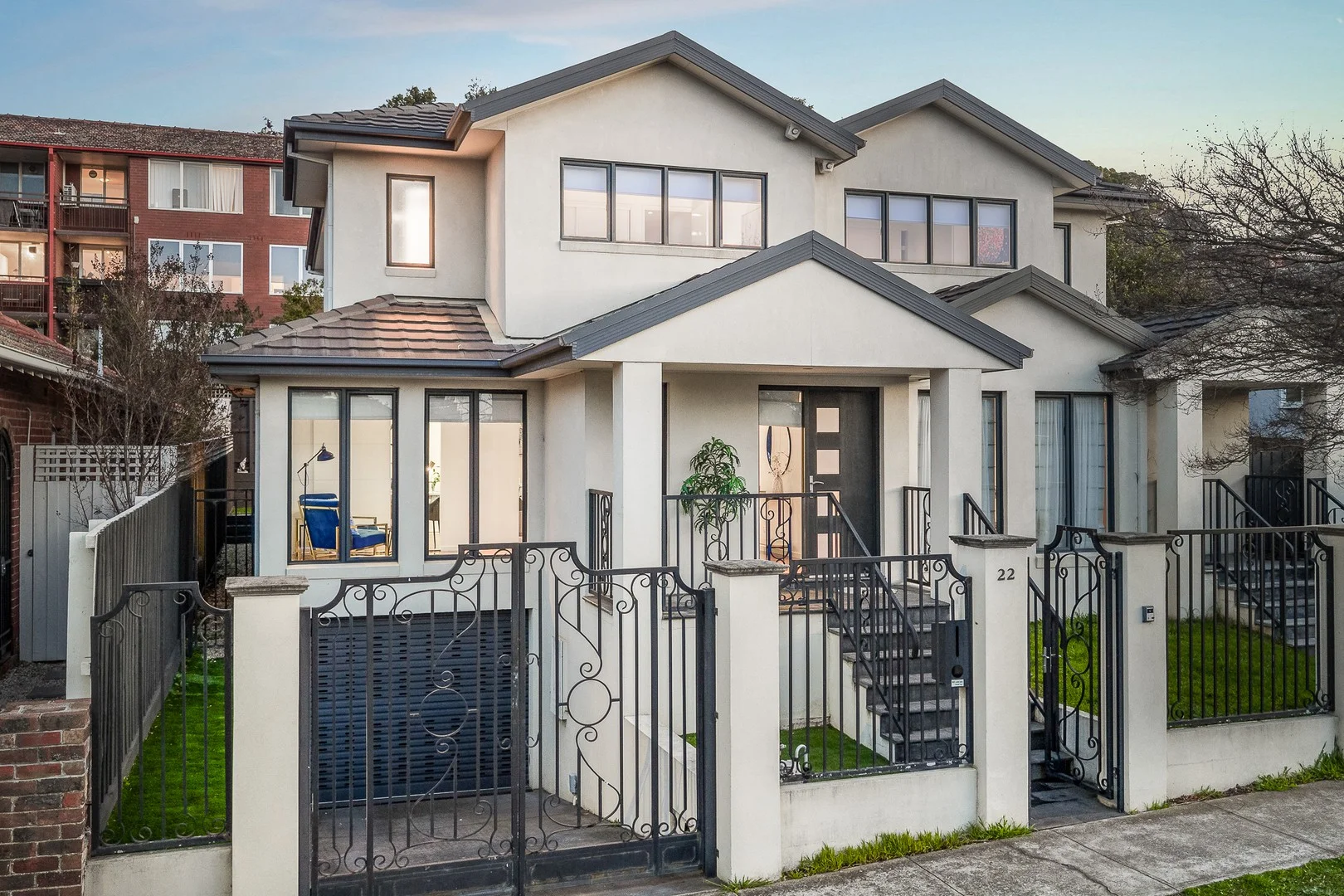 $2,100,000
Townhouse
$2,100,000
Townhouse
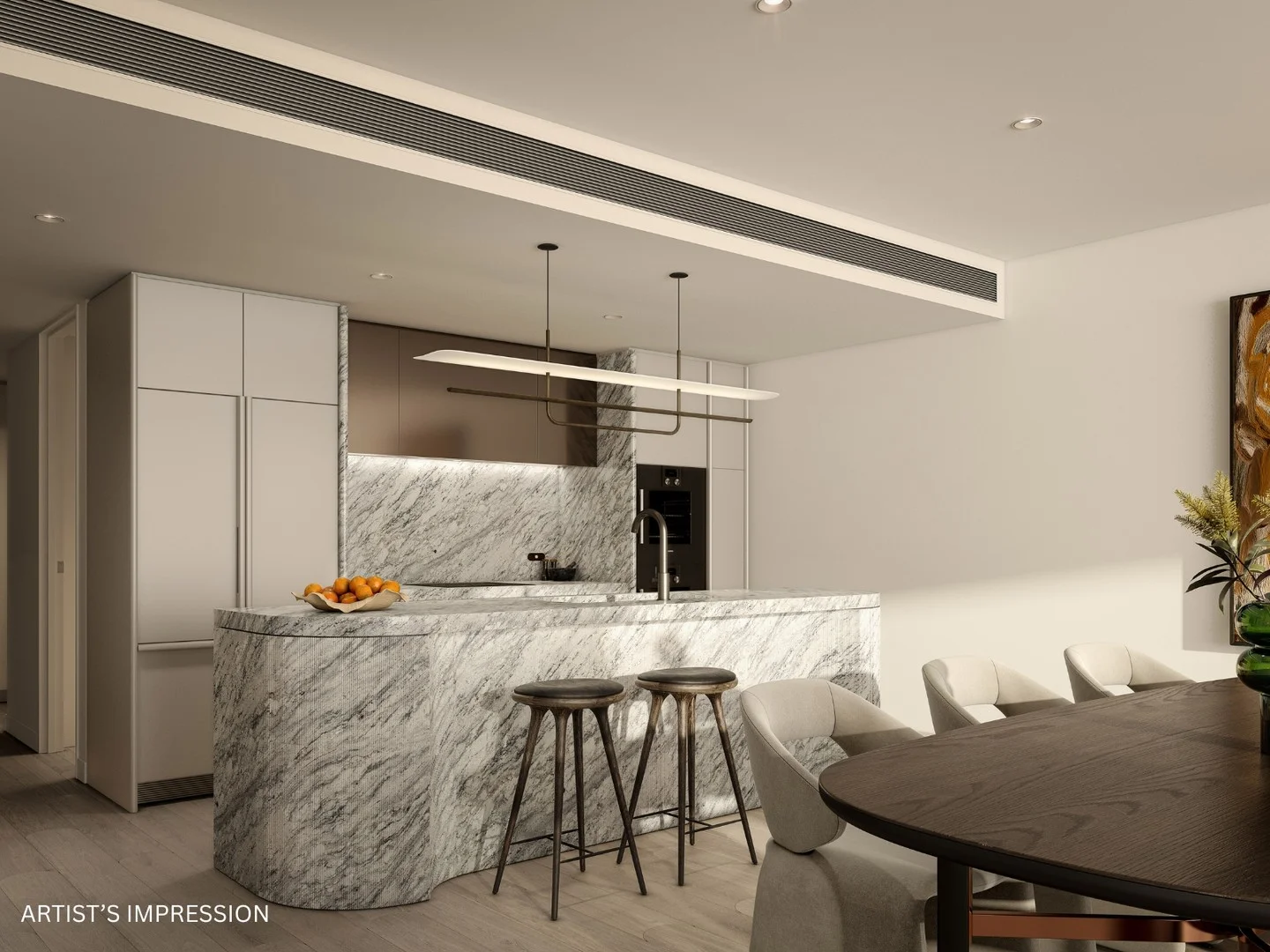 $2,900,000
Apartment / Unit / Flat
$2,900,000
Apartment / Unit / Flat
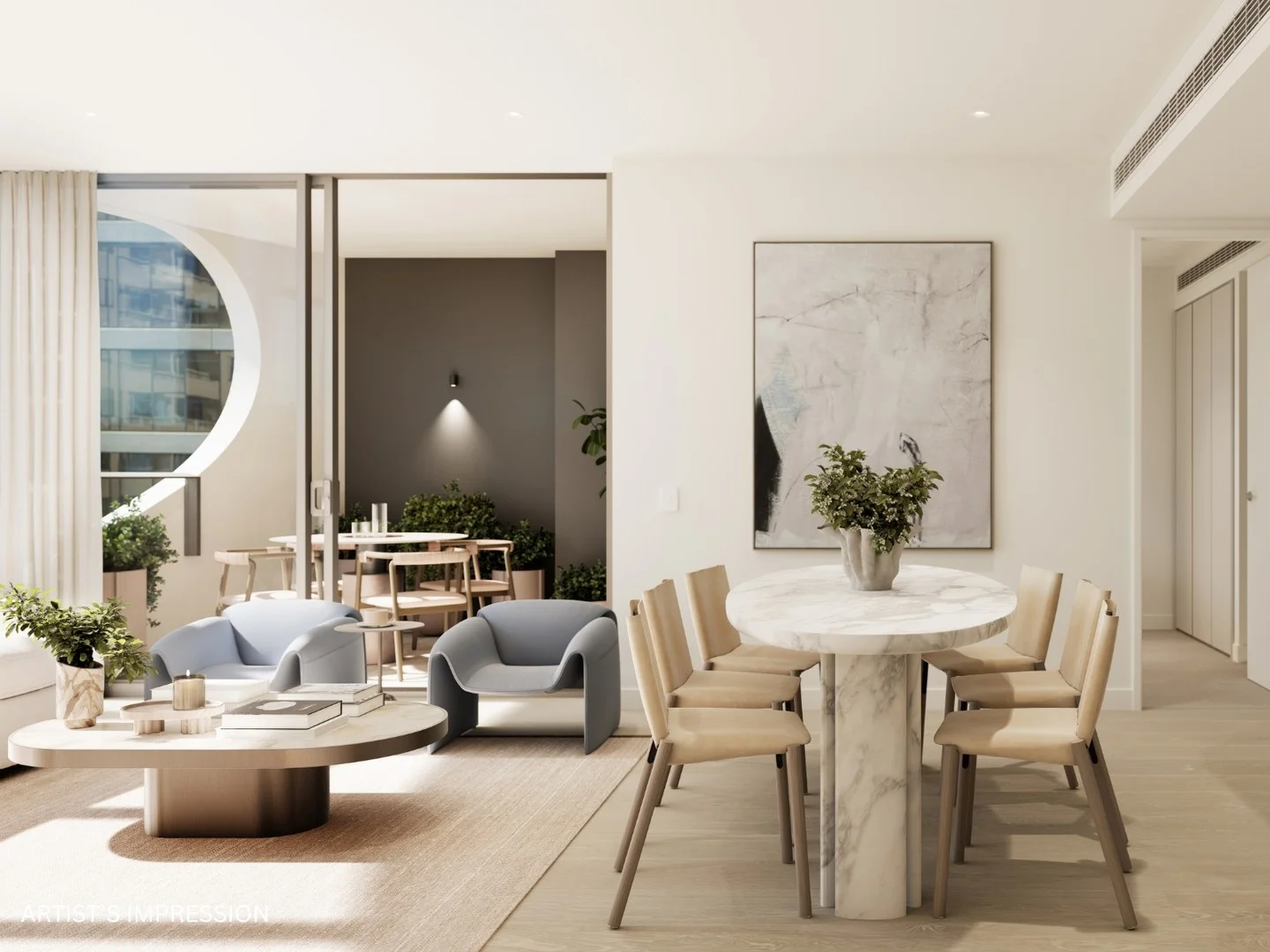 $1,640,000
Apartment / Unit / Flat
$1,640,000
Apartment / Unit / Flat
 $2,750,000
Apartment / Unit / Flat
$2,750,000
Apartment / Unit / Flat
 $1,345,000
Apartment / Unit / Flat
$1,345,000
Apartment / Unit / Flat
 $1,280
House
$1,280
House
 $2,680,000
House
$2,680,000
House
 $1,250,000
Apartment / Unit / Flat
$1,250,000
Apartment / Unit / Flat
 $2,550,000
House
$2,550,000
House


