Overview
## 1. Overview
Depot Hill State School is a public, co-educational primary school serving Prep to Year 6 in a small, community-focused setting. With a warm, supportive culture and a close-knit staff, the school prioritises strong relationships between students, families and teachers. Class sizes are on the smaller side for Queensland state schools, which helps teachers give individualized attention and foster a positive learning environment. The atmosphere is nurturing and inclusive, with a clear emphasis on literacy, numeracy and building confidence across all areas of learning.
The school operates in a rural-leaning community context that values participation, kindness and school pride. Students benefit from a safe, encouraging space where effort and achievement are recognised, and where families feel connected to school life through regular communication and involvement in school activities.
⸻
## 2. Academics & Learning
- Academic strengths: English and literacy development, numeracy, and foundational STEM skills are central to daily learning, with a focus on practical application and problem solving.
- Special programs: Gifted and Talented options, opportunities for accelerated learning where appropriate, and targeted support to help diverse learners reach their potential.
- NAPLAN / trends: The school aims for steady, positive trends over time, with focused improvements in reading, writing and numeracy across year levels.
- Student-teacher ratios: Roughly in the low-to-mid range for primary public schools, typically around 1:12 to 1:22 depending on class configuration.
- Support for diverse learners: Strong support for EAL/D students and students with additional learning needs, including targeted literacy/numeracy interventions and Individual Learning Plans as needed.
⸻
## 3. Sports & Extracurricular Strengths
- Sports offered: A range of team and individual sports including athletics, cricket, football (soccer), netball and swimming, with participation encouraged across grade levels.
- Strong teams or achievements: Participation in district and local inter-school events; opportunities to contribute to school teams and showcases at the district level.
- Music, arts, drama programs: Active music and performing arts opportunities, including choir and opportunities to engage in drama and school productions.
- Clubs: Robotics, coding, chess, debating and other STEM- or literacy-focused clubs available to students who are eager to explore beyond the core curriculum.
- Partnerships: Local sporting clubs, arts groups and inter-school competitions provide additional outlets for students to connect with the broader community.
⸻
## 4. Wellbeing & Pastoral Care
- Anti-bullying approach: Proactive, whole-school strategies to foster respectful relationships and a safe learning environment.
- House system: House groups participate in events and activities that build leadership, teamwork and school spirit.
- Counsellors / wellbeing officers: Access to wellbeing staff and support services to help students manage social, emotional and academic needs.
- Transition support for new students: Comprehensive orientation, buddy programs and classroom handovers to help new students settle quickly and confidently.
⸻
## 5. Facilities
- Sports grounds: Shared outdoor spaces and playing fields suitable for physical education and games.
- Libraries: School library with a selection of fiction and non-fiction titles to support reading and research.
- Science labs: Practical science learning spaces to explore experiments and inquiry-based activities.
- Music/performing arts centers: Dedicated spaces for music practice and small-scale performances.
- Tech/innovation labs: Basic computer and coding facilities to support digital literacy and STEAM learning.
- Cafeteria: On-site canteen or lunch area providing healthy options.
- Updated playgrounds: Safe, age-appropriate play areas and equipment to encourage active recess and break times.
⸻
## 6. School Values & Community Culture
- School values / mission: A culture built on Respect, Responsibility, Kindness and Excellence; learning is valued, and personal growth is celebrated.
- Leadership style: Distributed leadership with teacher collaboration and student leadership opportunities (e.g., student council, peer mentoring).
- Behaviour expectations: Clear codes of conduct and restorative approaches to behavior that emphasise accountability and learning from mistakes.
- Community reputation: Known for a welcoming, family-friendly atmosphere and strong connections between school and local families.
- Diversity & inclusion: Committed to inclusive education, welcoming students from diverse backgrounds with appropriate supports.
⸻
## 7. School Logistics & Daily Operations
- School hours: Typical day runs through standard school hours with potential early finish days; exact times are published by the school each year.
- Before/after school care: OSHC or approved external providers available to support families outside core hours.
- Uniform requirements: School uniform is required, with detailed guidelines available in the student dress code.
- Transport (bus routes): Bus services and local transport arrangements exist to support families within the catchment area.
- Canteen availability: Canteen or lunch program providing healthy meal options and snacks.
- Fees (low/medium/high ranges): As a Queensland public school, tuition is not charged; families may have costs for uniforms, excursions and some materials, typically at a low-to-moderate level.
⸻
## 8. Enrolment & Admissions
11. What is the enrolment process and timeline?
- Check eligibility for a public (state) school enrolment in Queensland.
- Gather required documents (proof of address, birth certificate or age verification, immunisation records as applicable).
- Submit the enrolment application to Depot Hill State School (via the local education authority or school admissions process).
- Receive placement information and complete any required transition steps (orientation, classroom allocation, etc.). Timelines vary by year and intake, so check with the school for current guidance.
12. Is there a waiting list, and how does it work?
- If the school is at capacity, there may be a waiting list. Priority typically follows local catchment rules; out-of-area enrolments may be considered if space allows. The school can provide details on where you stand on the list and expected wait times.
13. Are there any entry requirements, tests, or interviews?
- The standard enrolment process for Queensland state schools does not typically require entrance tests or interviews. Some time may be spent to understand a student’s learning needs and supports (e.g., EAL/D or SEN) to plan appropriate assistance.
14. Does the school accept mid-year transfers?
- Yes, mid-year transfers are possible subject to space and alignment with the cohort’s needs. Prospective families should contact the school as early as possible to discuss availability and required documentation.
⸻
## 9. Frequently Asked Questions
- Why Parents Choose This School?
- A small, welcoming community with a focus on strong relationships, wellbeing and individual student attention, plus solid foundations in literacy and numeracy.
- What type of student thrives at this school?
- Students who value a supportive, inclusive environment, active participation in learning, a blend of academics and sport/arts, and opportunities to contribute to the school community.
- What opportunities are available for students to extend their skills (academics, sports, arts)?
- Accelerated or gifted options in core subjects, leadership opportunities, a range of sports and clubs (robotics, coding, chess, debating), and performing arts events.
- How does the school communicate with parents?
- Regular newsletters, emails, formal Parent-Teacher interviews and classroom updates; information is shared through the school’s announcements and communications channels.
- What is the school’s approach to teaching and learning?
- A student-centered approach aligned with the Queensland curriculum, emphasising inquiry, hands-on learning, literacy and numeracy development, and differentiation to meet diverse needs.
- How does the school support students who need extra academic help?
- Targeted interventions in reading, writing and numeracy; EAL/D and SEN supports; small-group instruction and Individual Learning Plans where required.
- What support is available for academic challenges?
- Access to wellbeing and learning support staff, progress monitoring, and collaboration with families to implement appropriate strategies.
- How does the school communicate with parents?
- See above: regular updates through multiple channels and routine opportunities for parent involvement.
- What are the class sizes and how much individual attention do students receive?
- Class sizes are small to medium, with typical teacher-to-student ratios designed to allow frequent individual or small-group guidance.
- What extracurricular and sports opportunities are available?
- A broad mix of sports (athletics, cricket, soccer, netball, swimming), plus clubs in robotics, coding, chess and debating, and opportunities in performing arts.
- What facilities does the school offer (sports, science, arts)?
- Well-equipped facilities including sports grounds, a library, science spaces, a music/arts area, tech/innovation labs, a cafeteria and updated play spaces.
- What is the school’s approach to technology and digital learning?
- Integration of digital literacy and coding into the curriculum, with access to appropriate devices and learning platforms to support independent and collaborative work.
- What transport and accessibility options are available?
- Bus services and transport options within the catchment area; clear guidance on drop-off, pick-up and accessibility for families.
- What are typical school fees or additional costs?
- Public schooling does not charge tuition; there are potential costs for uniforms, excursions and essential learning materials, with options to plan and budget accordingly.
⸻
## 10. Short Pros & Cons list
- Pros
- Small, welcoming community with strong focus on wellbeing and individual student attention
- Good balance of academics, sport and extra-curriculars
- Clear values and inclusive culture
- Positive parent-school communication and community involvement
- Cons
- Smaller school size may mean fewer on-site specialist facilities compared with larger schools
- Limited after-school program breadth compared with urban campuses (depends on year and availability)
- Rural location may require reliance on transport for some activities or events
⸻


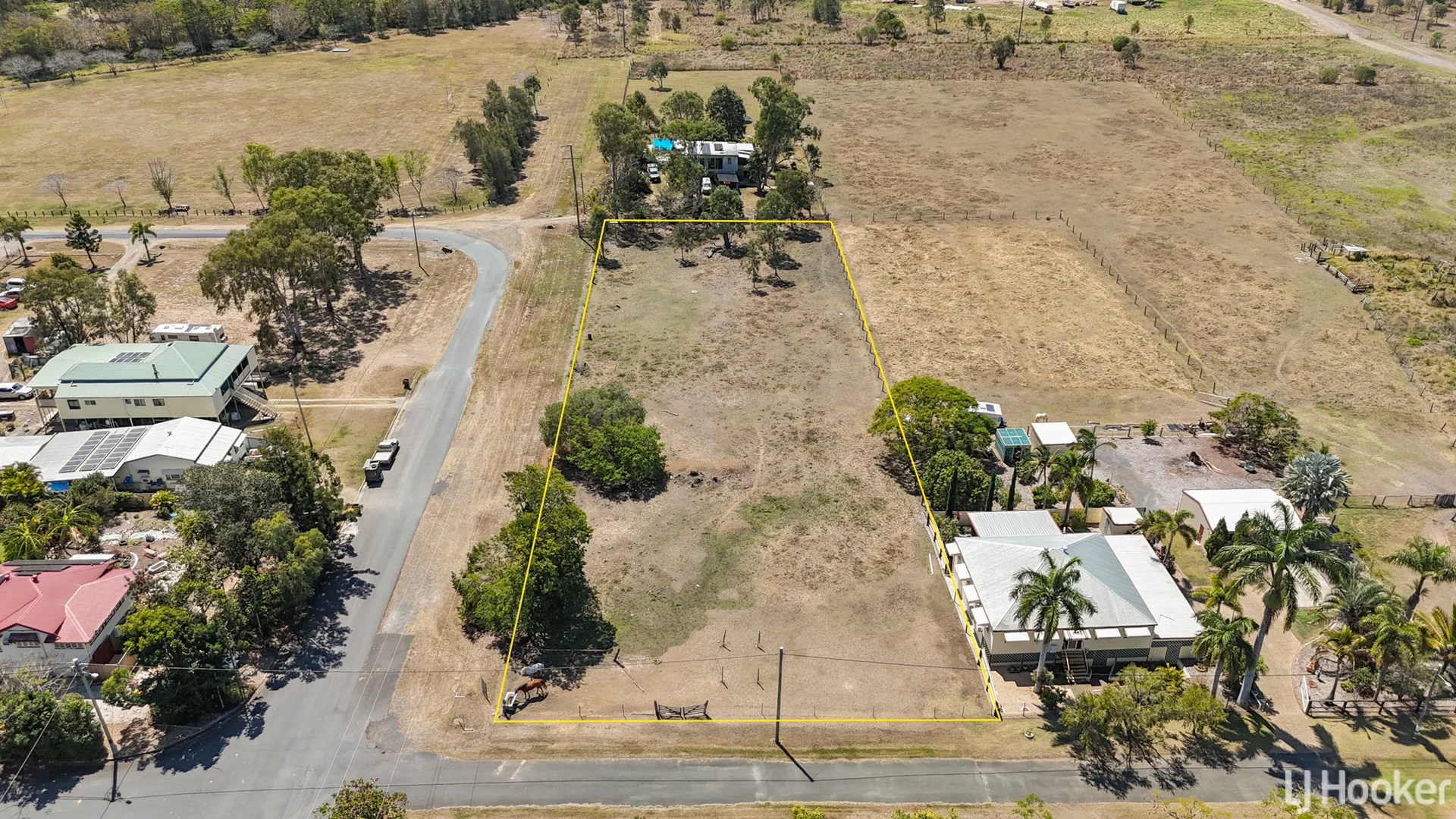 $139,000
Vacant Land
$139,000
Vacant Land
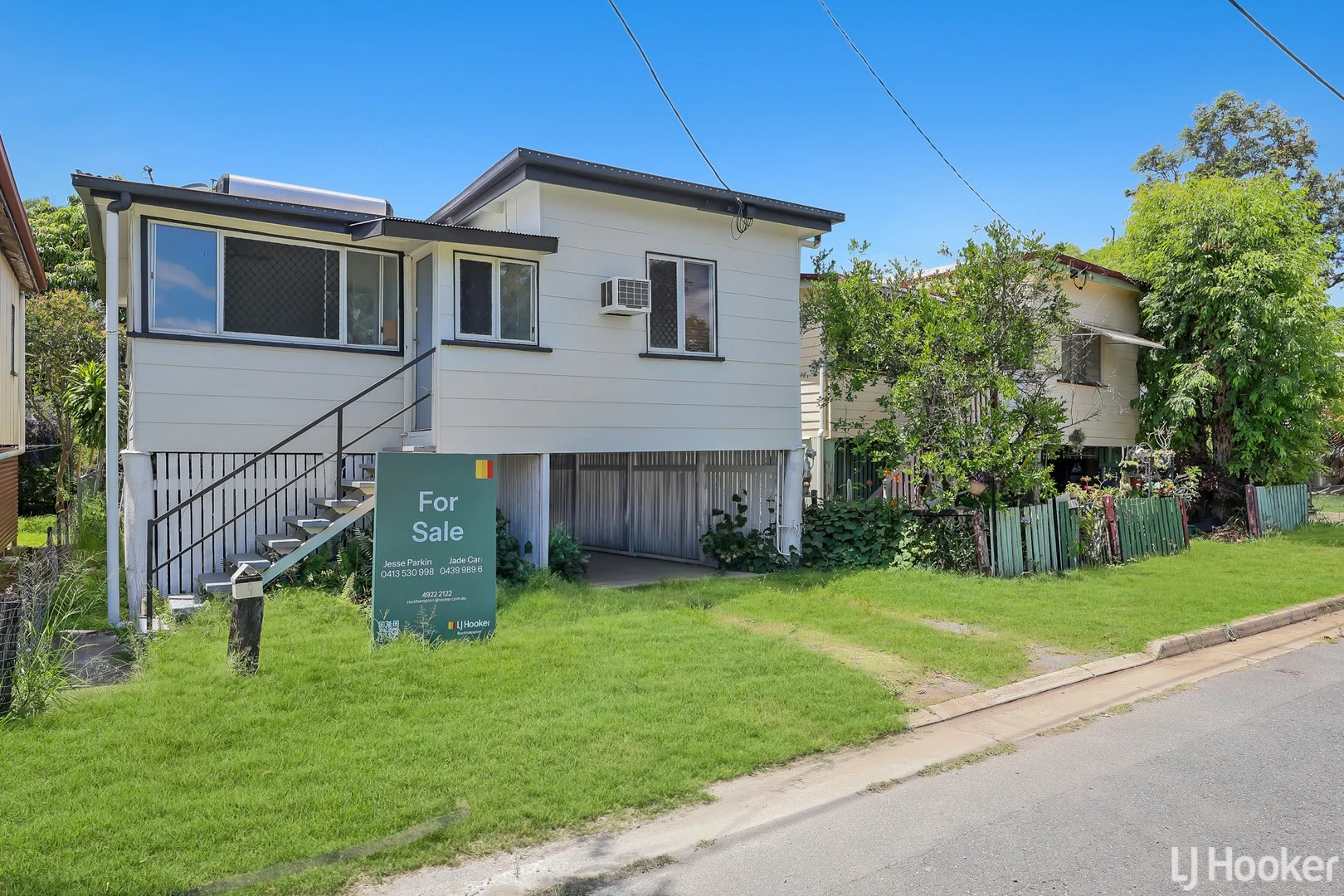 $274,550
House
$274,550
House
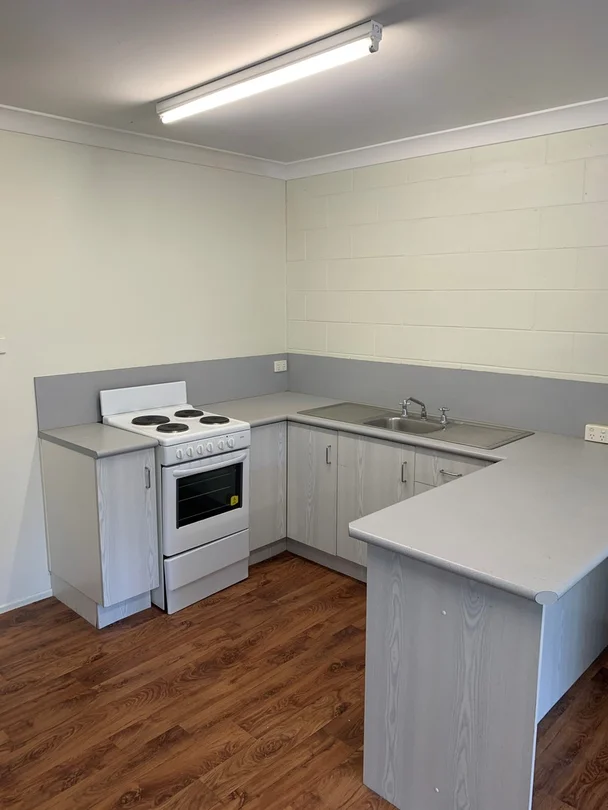 $340
House
$340
House
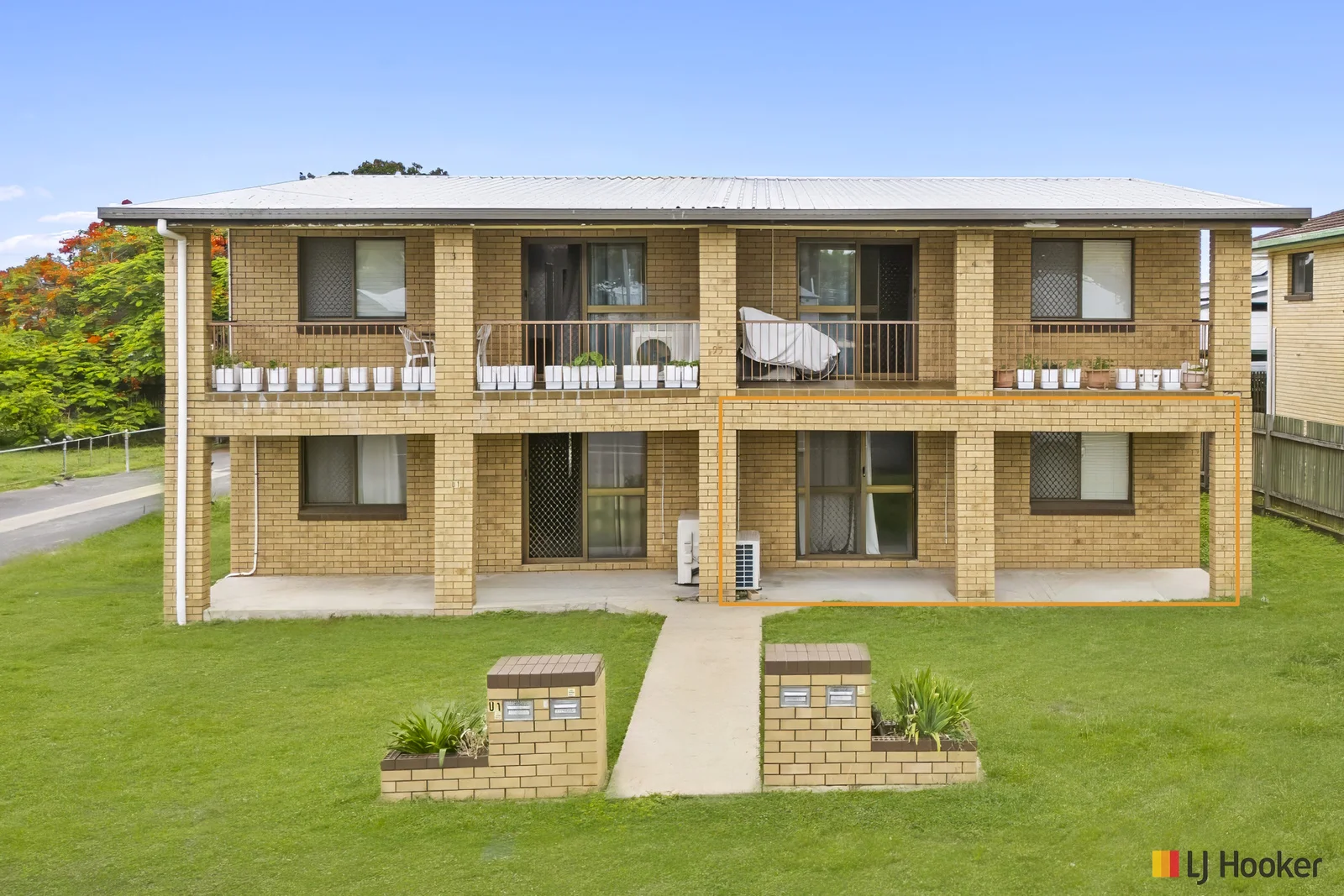 $280,250
Apartment / Unit / Flat
$280,250
Apartment / Unit / Flat
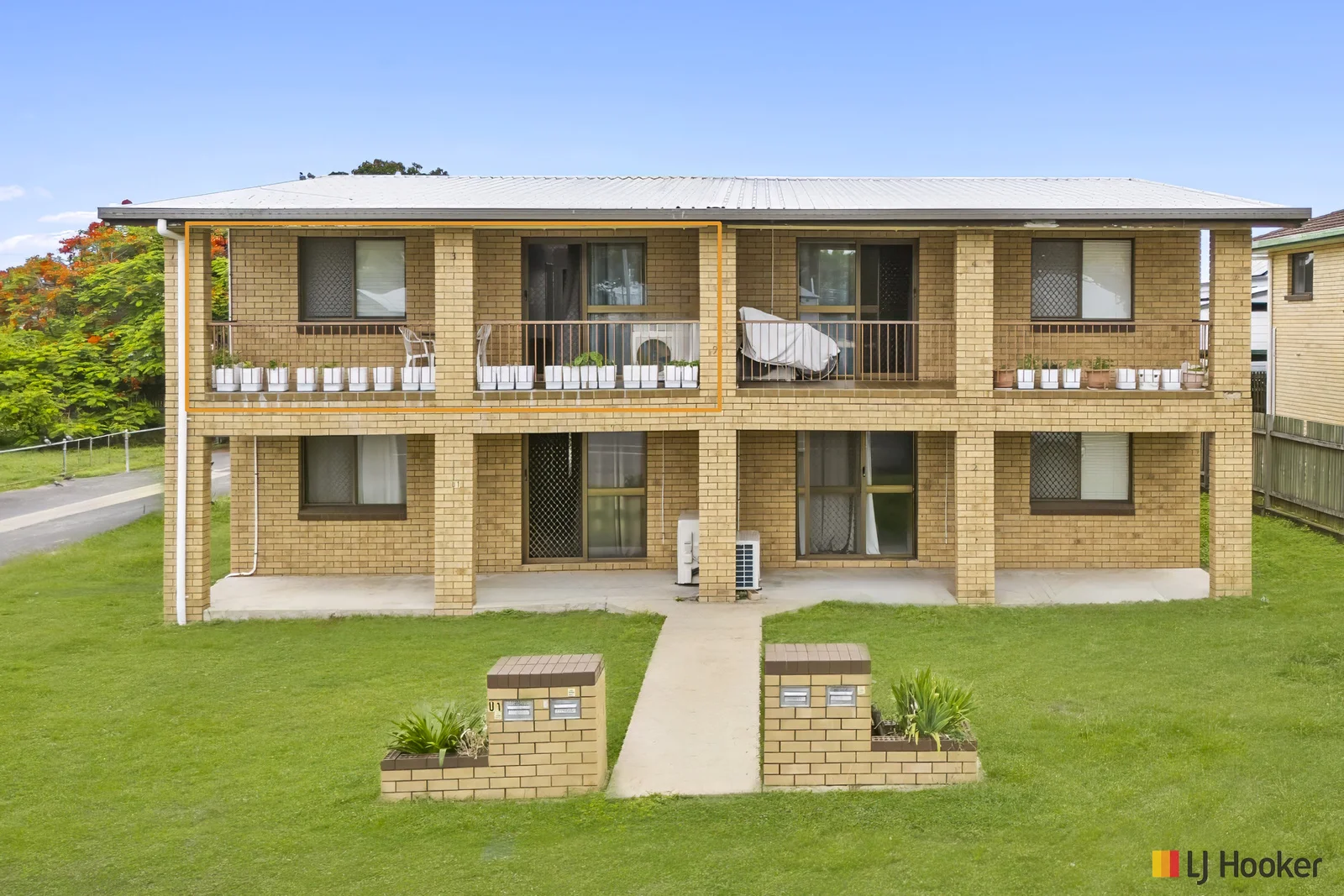 $280,250
House
$280,250
House
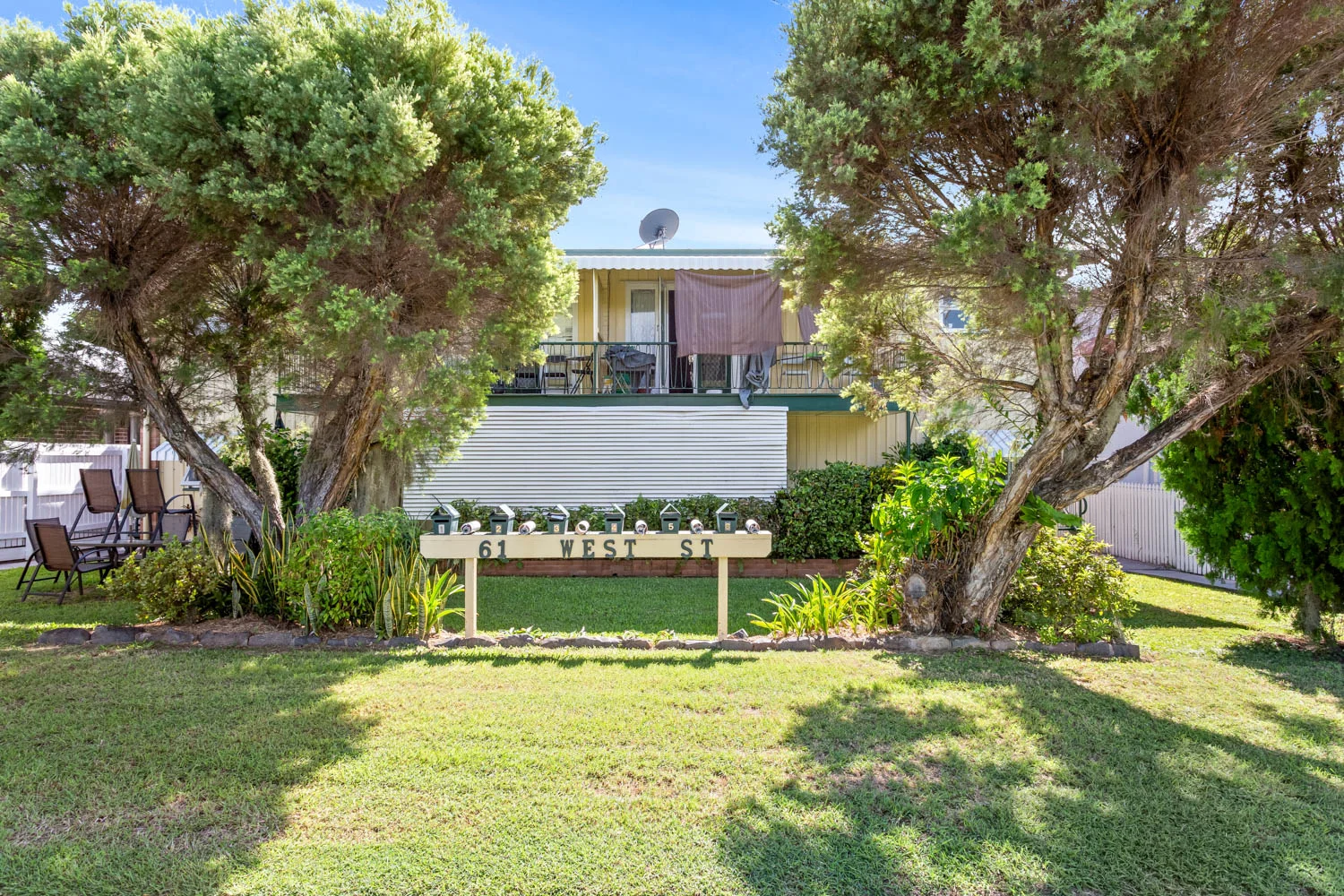 $1,499,000
propertyType.BLOCK OF UNITS
$1,499,000
propertyType.BLOCK OF UNITS
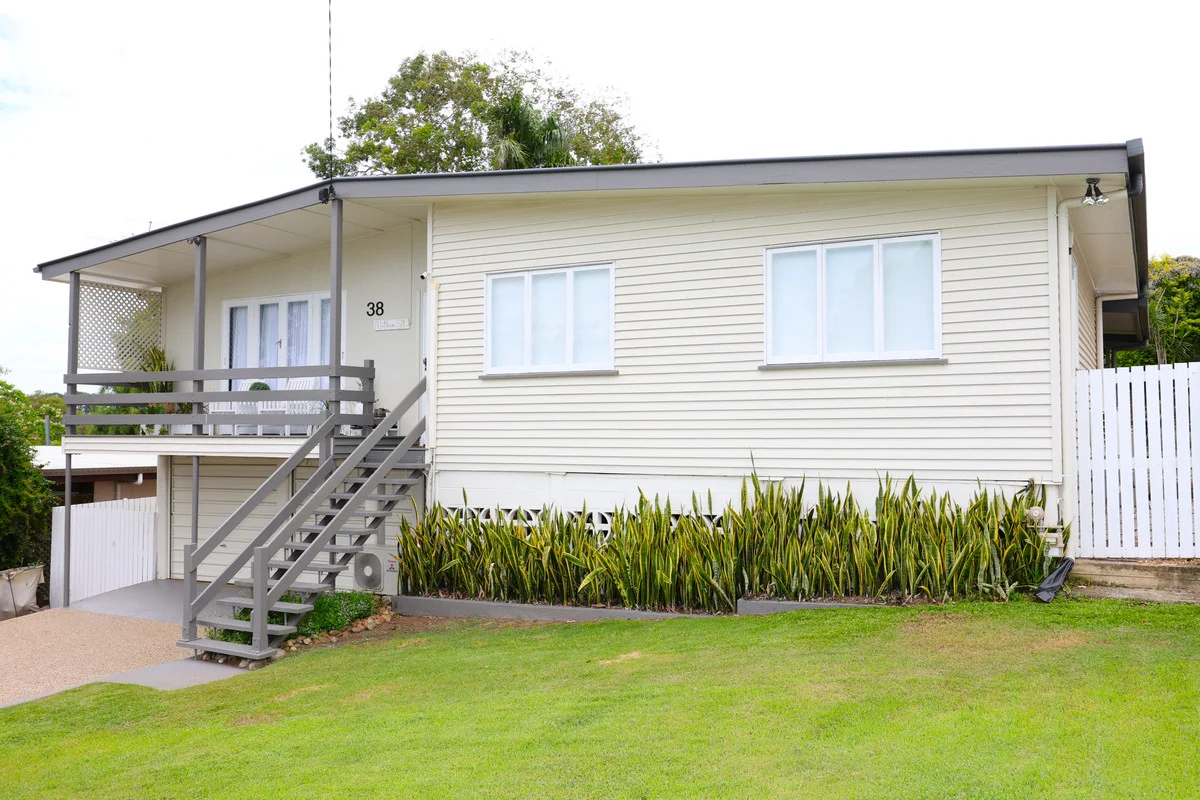 $640,000 - $672,000
House
$640,000 - $672,000
House
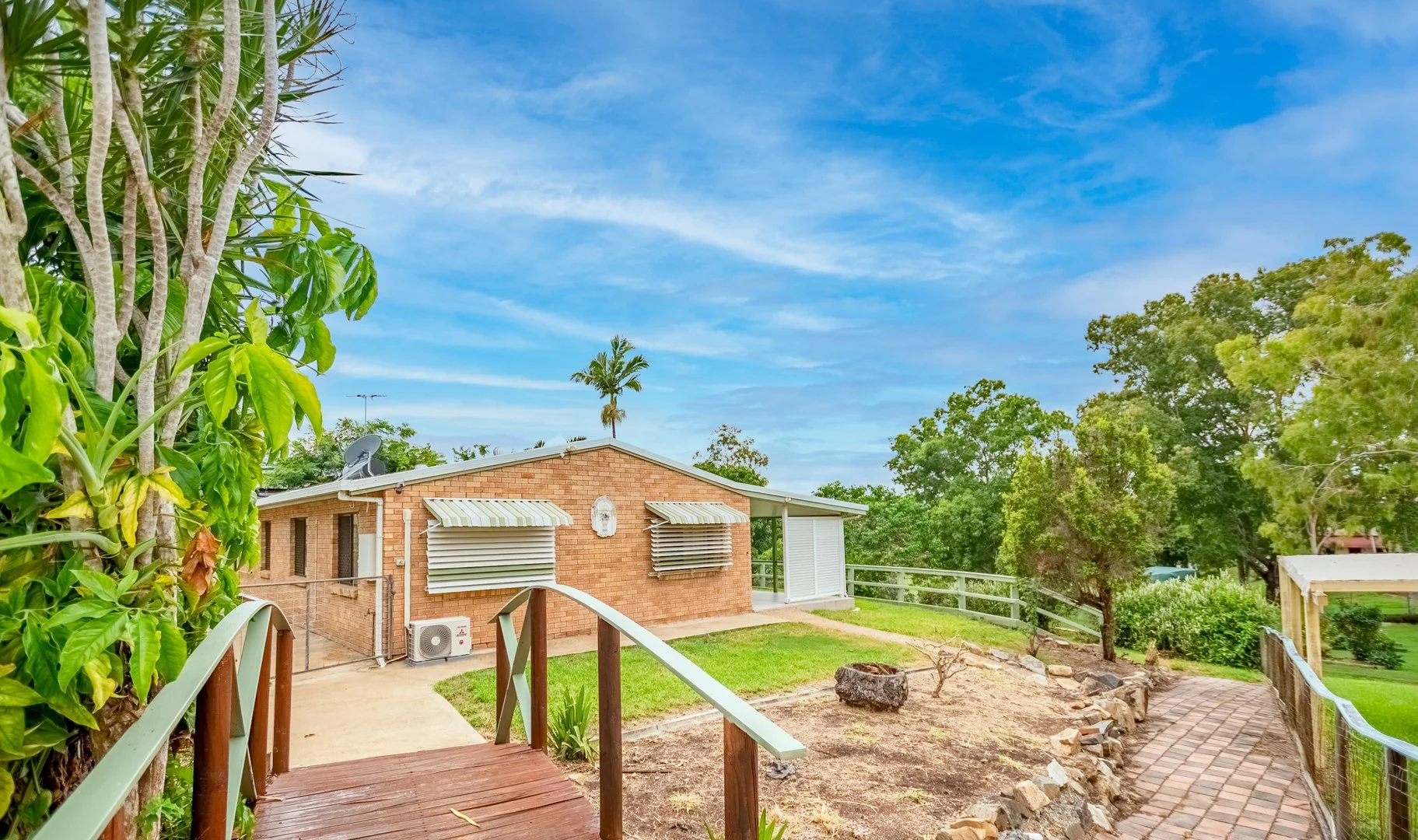 $640
House
$640
House
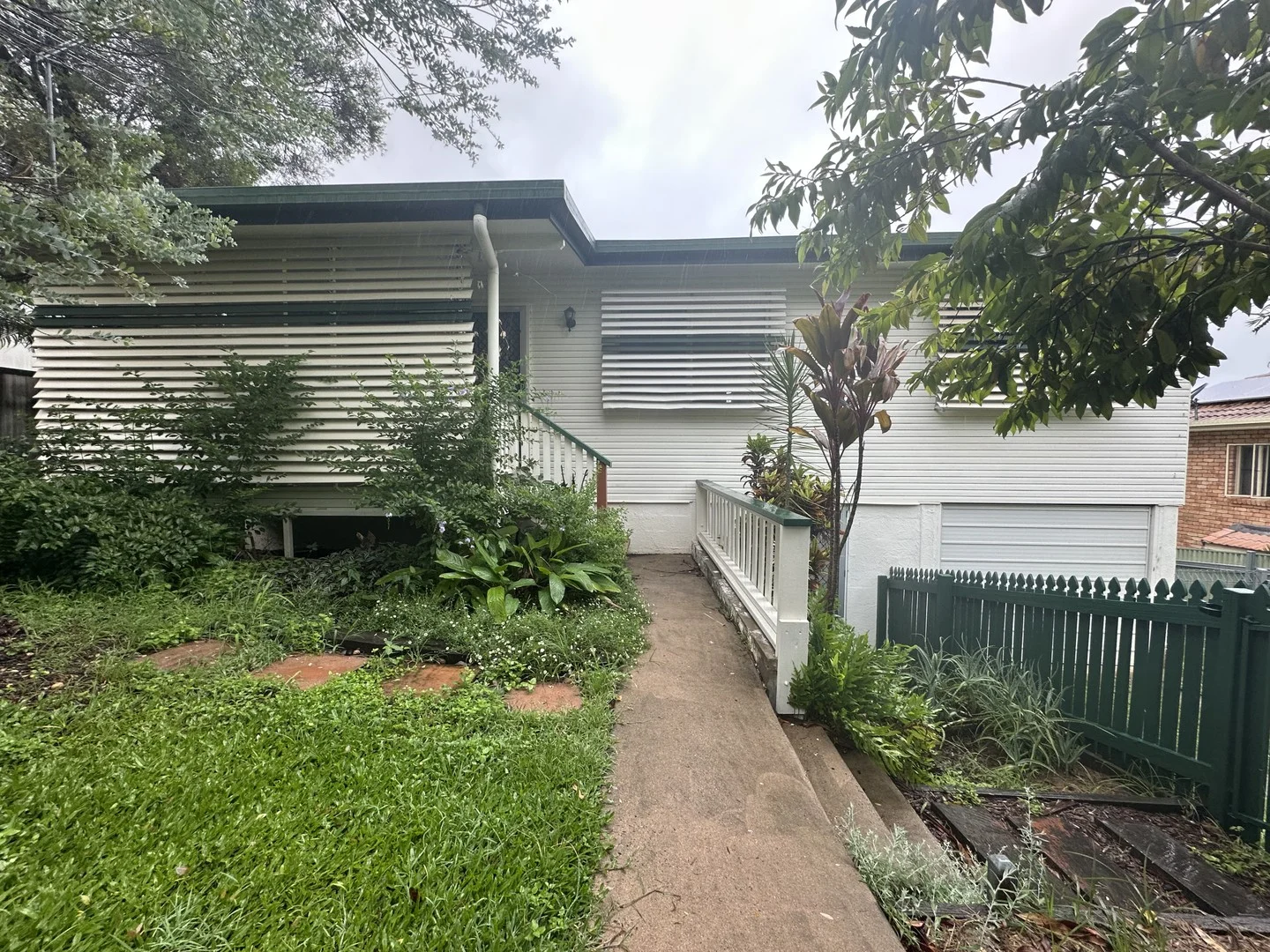 $620
House
$620
House


