Overview
## 1. Overview
Allenstown State School is a public (state) primary school serving families in the Allenstown/Townsville area. The school fosters an inclusive, community-focused atmosphere with a strong emphasis on student wellbeing and learning partnerships between home and school.
The school is medium-sized with class sizes typically in the low-to-mid 20s. This supports a supportive, collaborative environment where students have ample opportunities to receive individual attention, engage in group work, and participate in a broad range of activities across academics, sport, and the arts.
---
## 2. Academics & Learning
- Academic strengths: Strong focus on literacy and numeracy with opportunities to develop skills in STEM and digital technologies. Emphasis on student leadership and communication through classroom and school-wide initiatives.
- Special programs: Gifted and talented education pathways and targeted learning opportunities are available to stretch capable learners and support diverse needs.
- NAPLAN / trends: Positive trends over recent years show improvements in reading and numeracy performance, with consistent progress across cohorts and strong participation in benchmark activities.
- Student-teacher ratios: Class sizes are typically moderate, with teacher aides and specialist staff supporting learning and differentiation.
- Support for diverse learners: Dedicated EAL/D support and SEN services to help maximise access to learning for all students, including individualized plans and targeted interventions.
---
## 3. Sports & Extracurricular Strengths
- Sports offered: A broad range including soccer, netball, rugby league, basketball, cricket, athletics and swimming, with opportunities for district and inter-school events.
- Strong teams or achievements: Regular participation in district competitions with development-focused coaching and a culture of teamwork and fair play.
- Music, arts, drama programs: Active music and performing arts opportunities, including ensembles and drama activities that complement classroom learning.
- Clubs: Robotics, coding, chess and debating are available to extend learning beyond the core curriculum.
- Partnerships: Connections with local clubs and regional competitions provide students with broader opportunities to showcase talents and compete at higher levels.
---
## 4. Wellbeing & Pastoral Care
- Anti-bullying approach: Clear anti-bullying policies and whole-school programs that promote respect, empathy and positive peer relationships, with regular activities and student-led initiatives.
- House system: A house structure supports belonging, leadership development and engagement in school events and competitions.
- Counsellors / wellbeing officers: Access to school-based wellbeing staff to support emotional, social and mental health needs.
- Transition support for new students: Welcome programs, buddy systems and targeted induction activities help new students settle in smoothly.
---
## 5. Facilities
- Sports grounds: On-site outdoor spaces designed for a range of physical activities and sports.
- Libraries: Fully equipped library with access to a variety of reading resources and digital lending.
- Science labs: Dedicated science spaces that support hands-on experiments and inquiry-based learning.
- Music/performing arts centers: Areas for music practice and small to mid-sized performances.
- Tech/innovation labs: Dedicated spaces for coding, design thinking and digital projects.
- Cafeteria: On-site canteen providing healthy meal options and snacks.
- Updated playgrounds: Modern, safe play areas that support active breaks and outdoor learning.
---
## 6. School Values & Community Culture
- School values / mission: A focus on respect, responsibility and resilience, with an emphasis on creating a caring, collaborative learning community.
- Leadership style: Student voice is encouraged through leadership roles, student councils and peer-led initiatives.
- Behaviour expectations: Clear expectations and restorative practices to support positive behaviour and accountability.
- Community reputation: Known for a welcoming, family-friendly atmosphere and strong partnerships with families and local groups.
- Diversity & inclusion: A commitment to inclusive education with supports for students from diverse backgrounds and provision for Aboriginal and Torres Strait Islander students.
---
## 7. School Logistics & Daily Operations
- School hours: Core day typically runs during standard school hours; exact times are published by the school each year.
- Before/after school care: After-school care and activities are available through approved external providers or school-supported programs.
- Uniform requirements: School uniform policy in place, with guidance on appropriate everyday wear and terms for sports uniform.
- Transport (train/bus routes): Regional bus services and local transport options available for many families; walking and bike routes supported where appropriate.
- Canteen availability: Canteen or lunch ordering options offered to students.
- Fees (low/medium/high ranges): School environment generally operates with low-to-medium voluntary contributions and costs for some activities or excursions.
---
## 8. Enrolment & Admissions
### 11. What is the enrolment process and timeline?
- Applications are submitted to the school and assessed in line with Queensland state enrolment requirements. Parents are typically asked to provide proof of residency, student details and immunisation information. The school will confirm eligibility and offer placement based on seat availability and catchment rules. Orientation or starter sessions may be offered before the new school term.
### 12. Is there a waiting list, and how does it work?
- In-catchment enrolments are prioritized and may have limited vacancies at certain times. Non-catchment enrolments may involve a waiting list; availability depends on capacity and placement opportunities. It’s best to check early if you are seeking non-catchment enrollment.
### 13. Are there any entry requirements, tests, or interviews?
- For most enrolments, there are no entry tests or interviews. Some programs or special pathways may involve brief discussions or information-sharing to understand student needs and supports required.
### 14. Does the school accept mid-year transfers?
- Yes, mid-year transfers are possible where there is space. Families moving mid-year should contact the school as early as possible to coordinate enrolment, transfer of records and any required documentation.
---
## 9. Frequently Asked Questions
- “Why Parents Choose This School?”
- A welcoming community, supportive staff, a focus on inclusive education, solid academic grounding and a well-balanced program across academics, sport and the arts.
- “What type of student thrives at this school?”
- Curious, cooperative learners who value teamwork, steady effort and positive relationships with peers and teachers.
- “What opportunities are available for students to extend their skills (academics, sports, arts)?”
- Access to gifted and talented pathways, clubs (robotics, coding, chess, debating), sports teams, music ensembles and drama activities.
- “How does the school communicate with parents?”
- Regular newsletters, emails, parent-teacher interviews and a school portal or communication app for notices and updates.
- “What is the school’s approach to teaching and learning?”
- Student-centered, differentiated instruction with emphasis on core literacy and numeracy, inquiry-based learning and integration of technology.
- “How does the school support students who need extra academic help?”
- Learning support staff, targeted small-group interventions, EAL/D assistance and individualized planning where needed.
- “What support is available for academic challenges?”
- Access to teaching staff and learning support specialists, with adjustments and resources guided by student needs and documented plans.
- “How does the school communicate with parents?” (repeated)
- See above: newsletters, emails, phone calls, conferences, and digital updates through the school platform.
- “What are the class sizes and how much individual attention do students receive?”
- Class sizes are moderate, allowing teachers to provide differentiated instruction and regular feedback to students.
- “What extracurricular and sports opportunities are available?”
- A range of sports, clubs (robotics, coding, chess, debating), music and drama programs, plus opportunities to participate in inter-school events.
- “What facilities does the school offer (sports, science, arts)?”
- On-site sports facilities, modern libraries, science labs, music/arts spaces, tech/innovation labs and a canteen.
- “What is the school’s approach to technology and digital learning?”
- Integrated use of digital tools across learning, with opportunities to develop coding and digital literacy skills and focus on digital safety and responsible use.
- “What transport and accessibility options are available?”
- Access to regional transport options, school-based transport arrangements where available, plus safe walking/bike routes where suitable.
- “What are typical school fees or additional costs?”
- Generally low-to-medium, with voluntary contributions and potential costs for excursions, camps or optional activities.
---
## 10. Short Pros & Cons list
- Pros
- Strong sense of community and inclusive culture
- Solid literacy and numeracy focus with opportunities in STEM and digital learning
- Wide range of extracurriculars (sports, clubs, arts)
- supportive wellbeing and pastoral care
- Moderate class sizes enabling personalized attention
- Cons
- As a public school, some programs and facilities may be subject to funding cycles and capacity limits
- Non-catchment enrolments may face longer wait times or need to explore alternative options
- Specific specialty programs may have limited seats and require early expression of interest
- Transportation options depend on local routes and availability


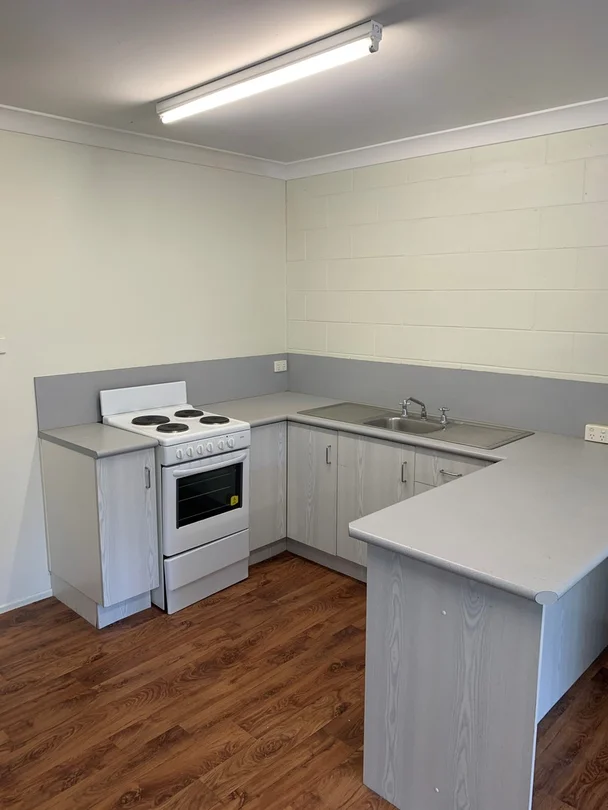 $340
House
$340
House
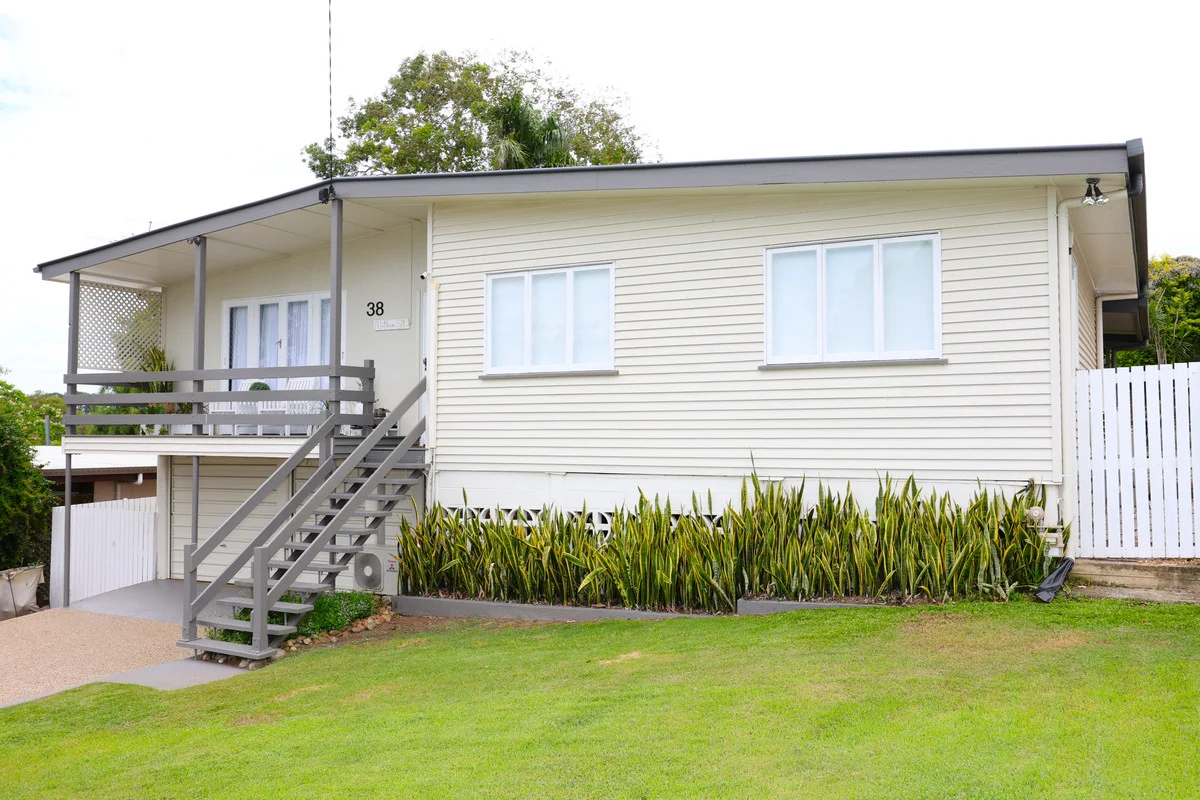 $640,000 - $672,000
House
$640,000 - $672,000
House
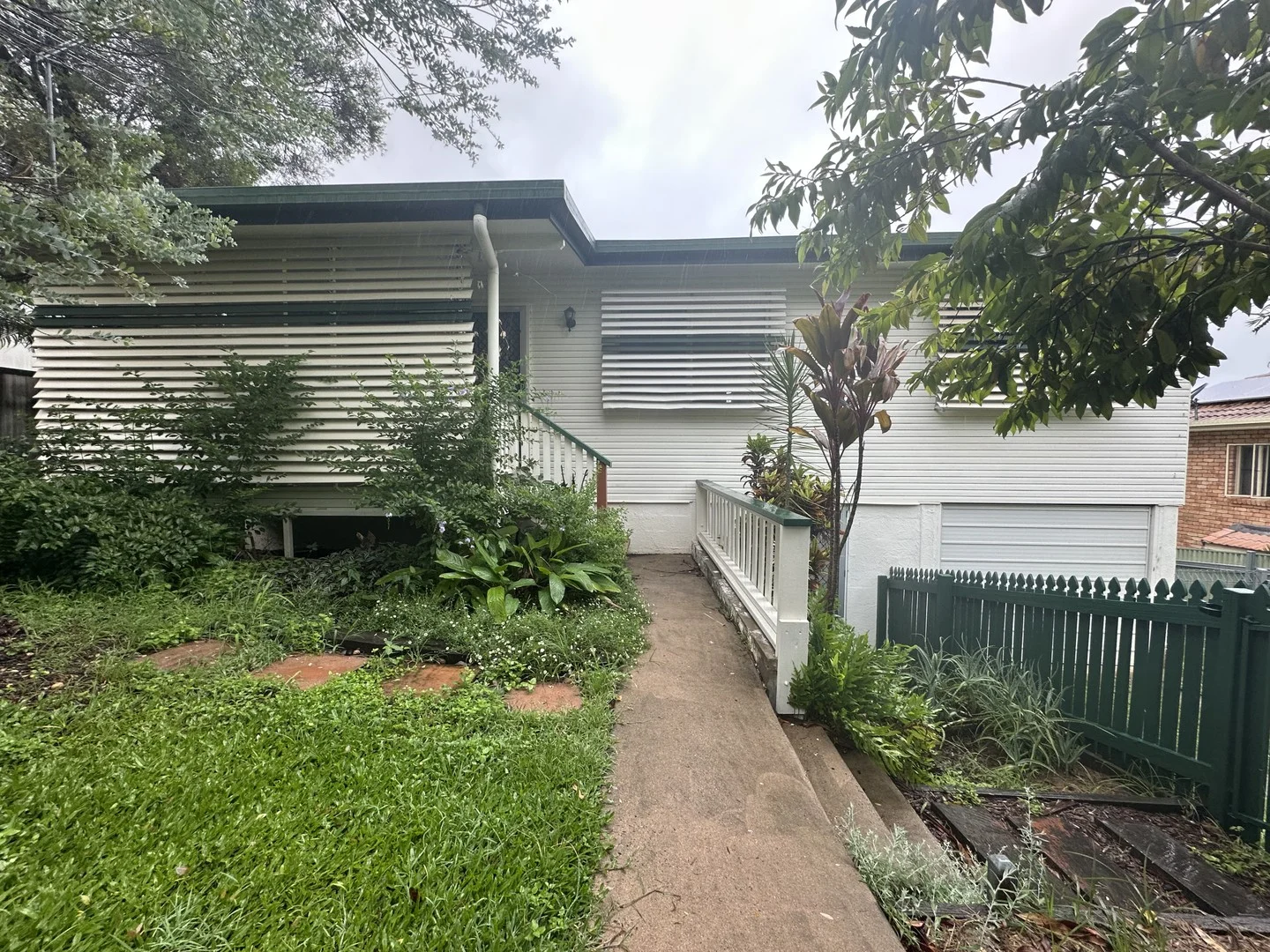 $620
House
$620
House
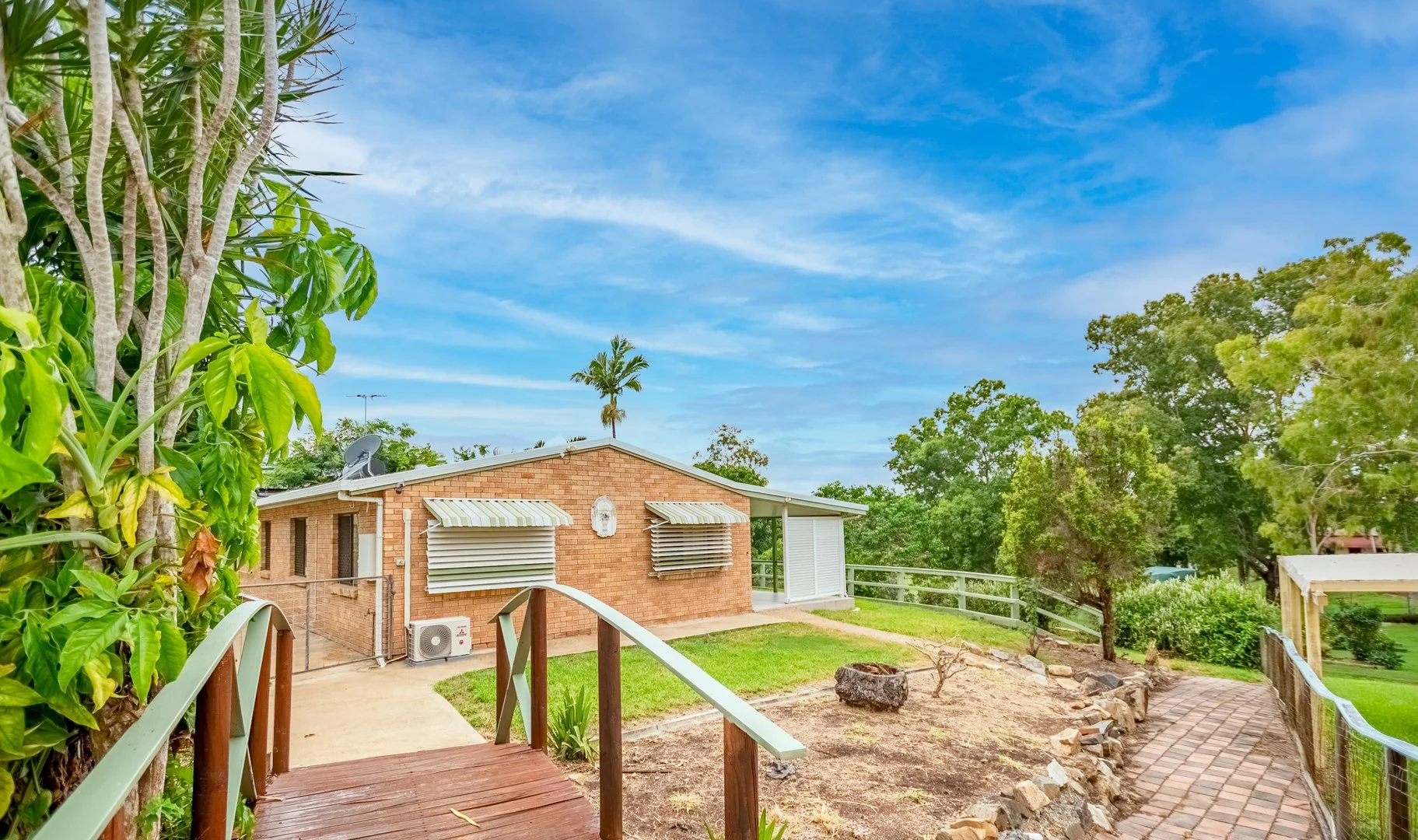 $640
House
$640
House
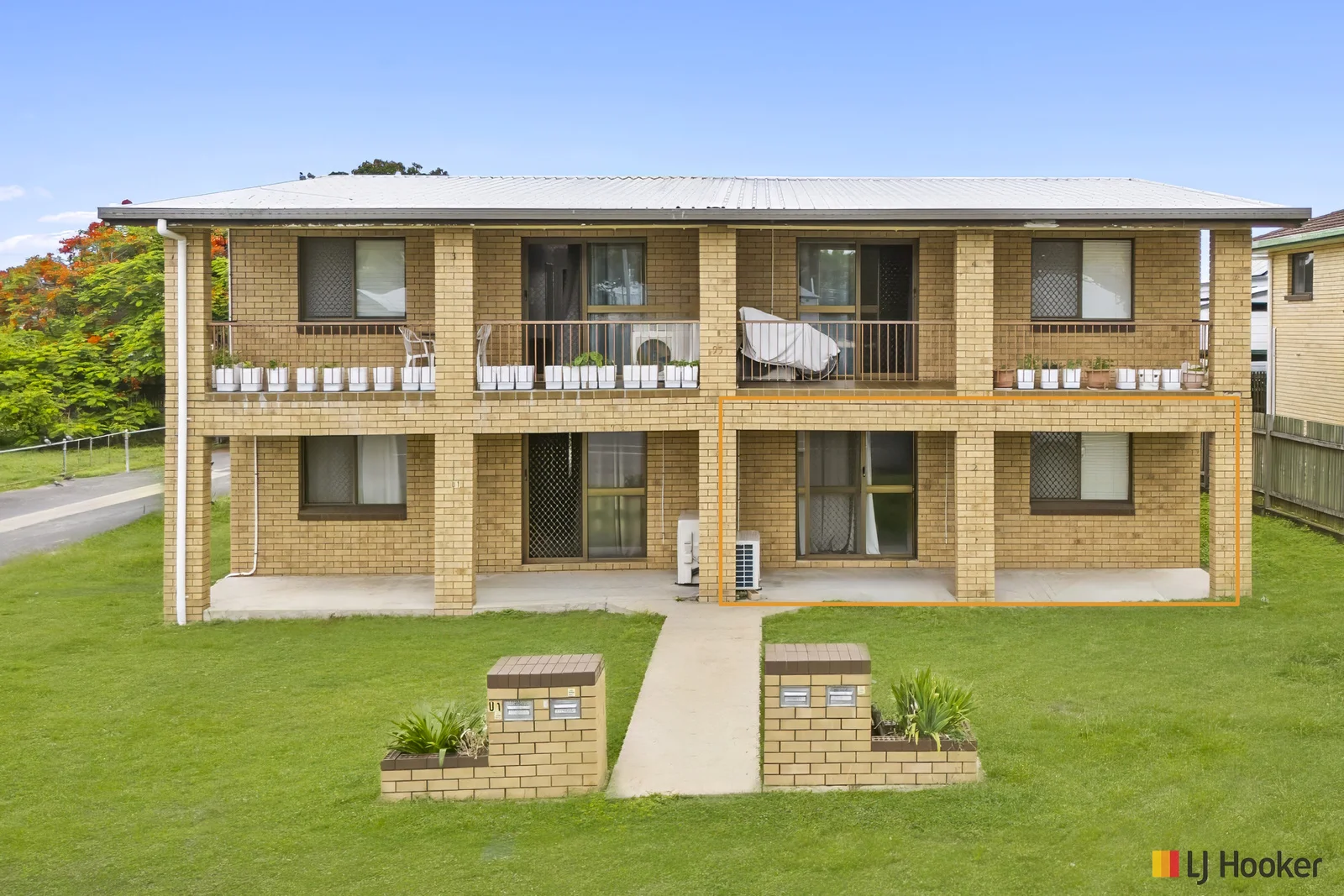 $280,250
Apartment / Unit / Flat
$280,250
Apartment / Unit / Flat
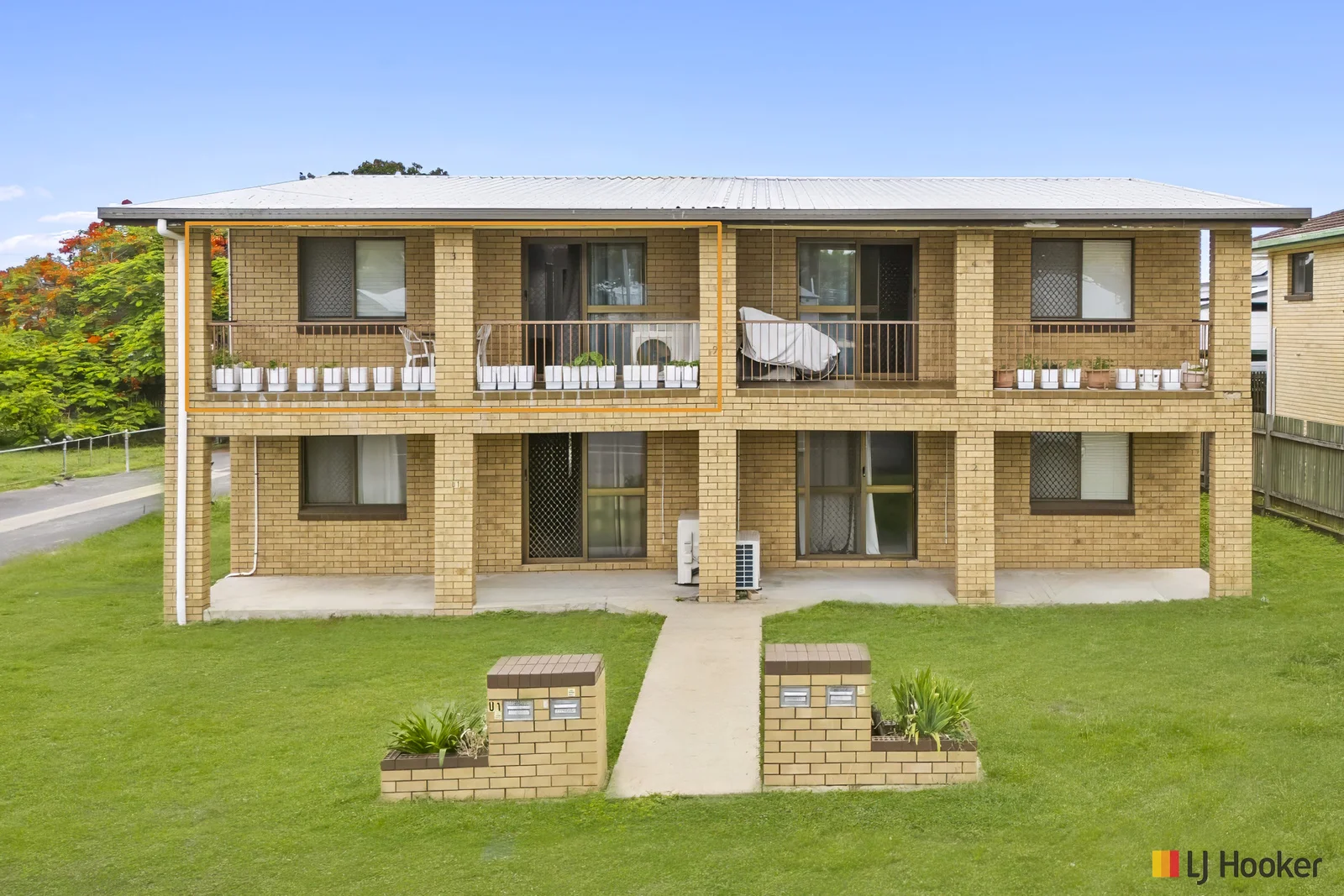 $280,250
House
$280,250
House
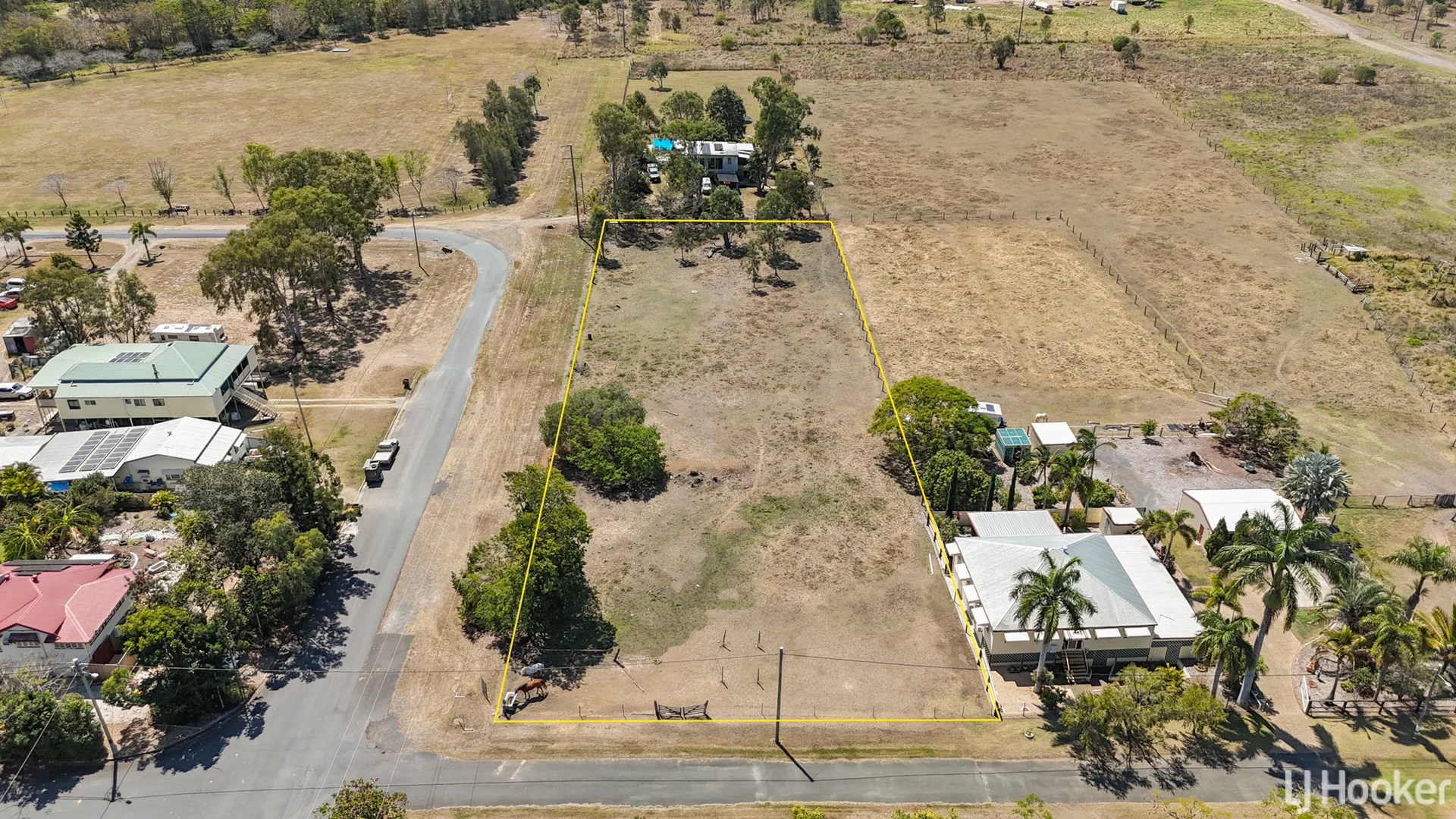 $139,000
Vacant Land
$139,000
Vacant Land
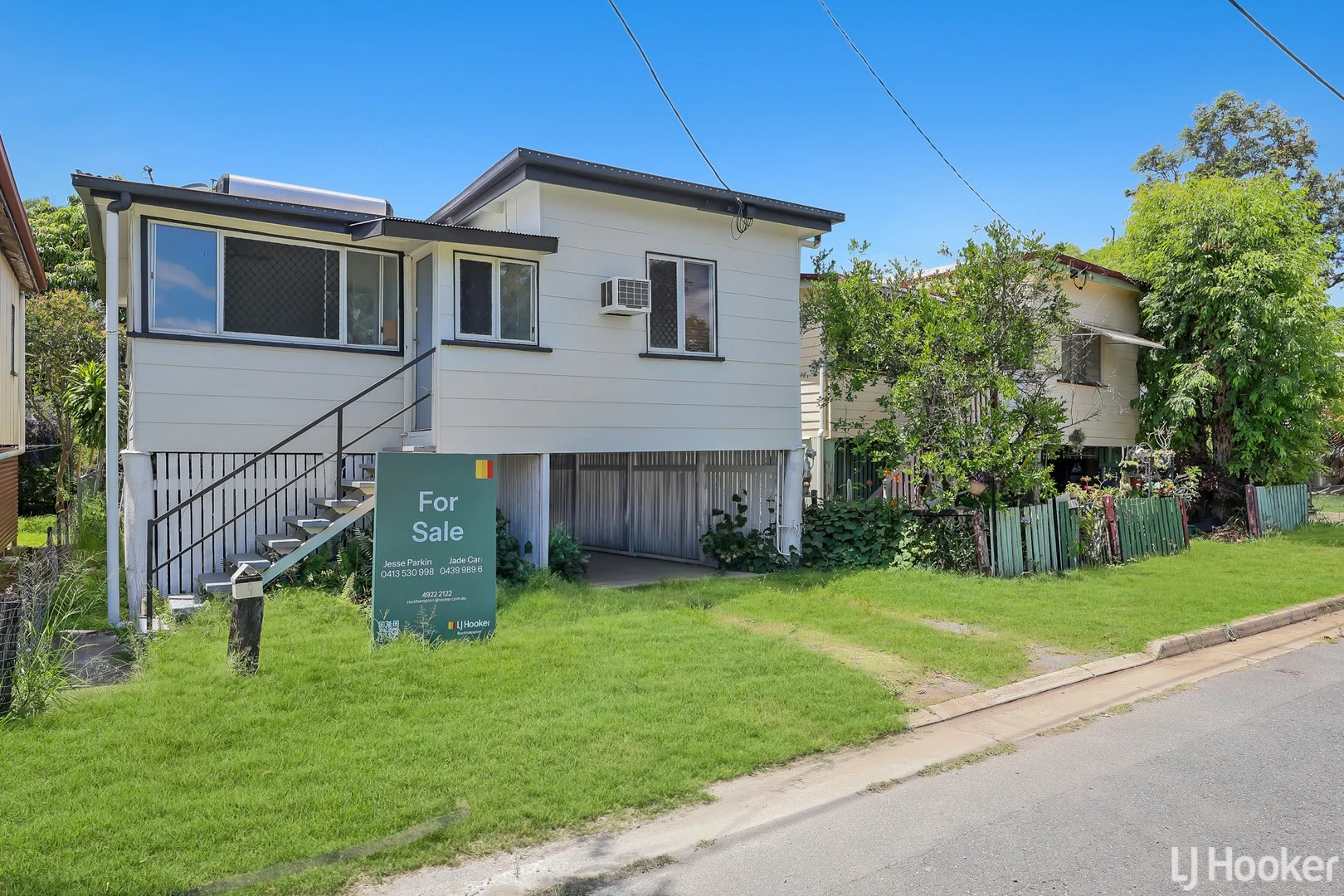 $274,550
House
$274,550
House
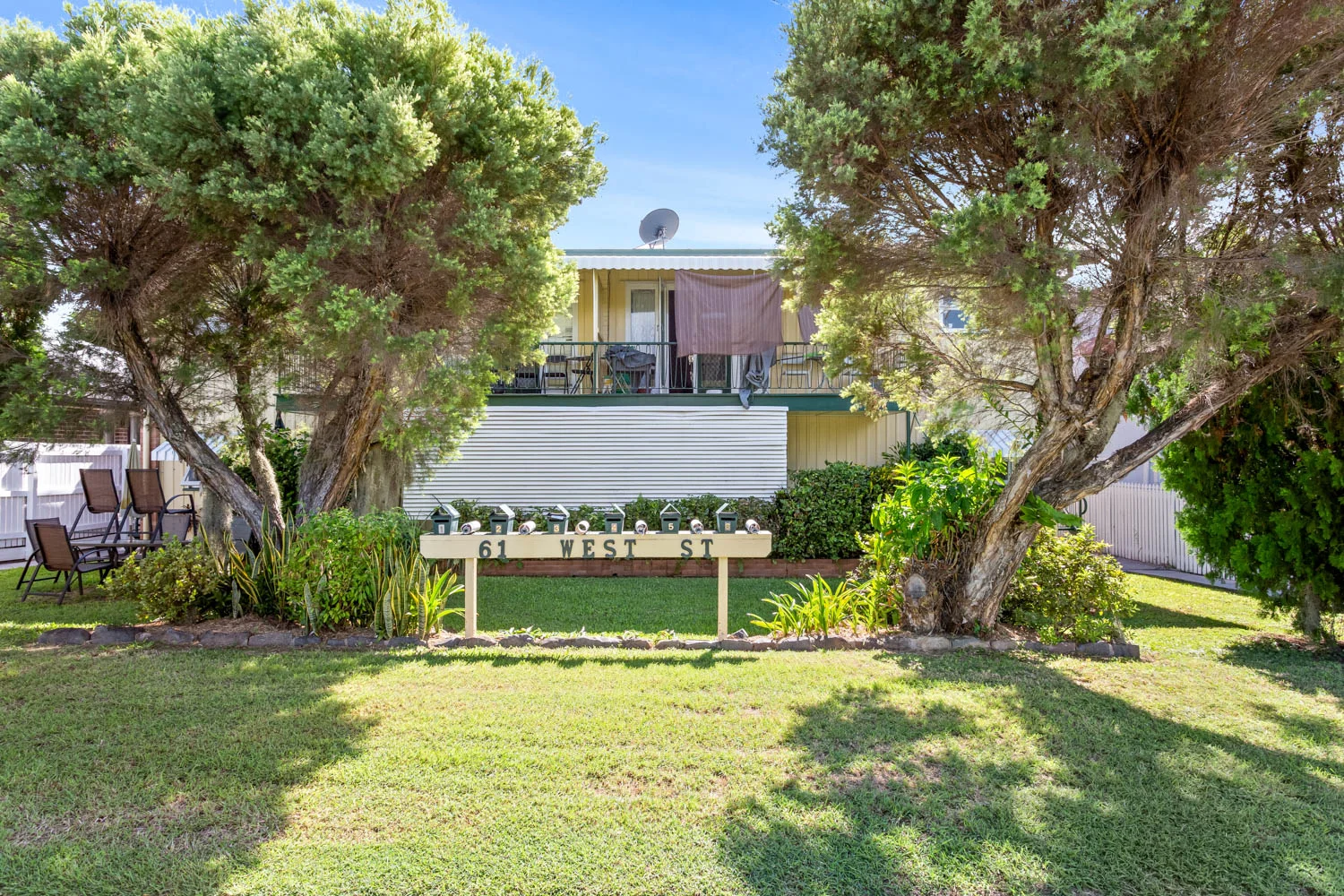 $1,499,000
propertyType.BLOCK OF UNITS
$1,499,000
propertyType.BLOCK OF UNITS