Overview
1. Overview
Diamond Creek Primary School is a public primary school serving families in Diamond Creek, VIC. The school size is medium, with class sizes typically in the low-to-mid 20s. The atmosphere is welcoming and inclusive, fostering a nurturing community where students are encouraged to engage in academics, sport, and the arts.
- School type: Public
- School size: Medium
- Class size: Average around 22–28 students
- Atmosphere/culture: Inclusive, nurturing, community-minded with a balance of academics, sport and creativity
2. Academics & Learning
The school focuses on strong literacy and numeracy foundations, with growth in STEM and digital literacy. There are opportunities for students to engage in leadership and specialized learning beyond the core curriculum.
- Academic strengths: Literacy, numeracy, STEM, digital literacy; leadership development
- Special programs: Gifted and Talented pathways, targeted literacy/numeracy interventions, coding/robotics, arts initiatives
- NAPLAN / Ofsted trends: NAPLAN trends show steady improvement in reading and numeracy over recent years, with stable performance within the district
- Student-teacher ratios: Approximately 1:22 (typical for a Victorian public primary setting)
- Support for diverse learners: EAL support, SEN support, inclusive education practices
3. Sports & Extracurricular Strengths
Athletics, teamwork, and creative pursuits are emphasized, with a range of clubs and programs to keep students engaged.
- Sports offered: AFL, netball, soccer, cricket, basketball, athletics, swimming programs
- Strong teams or achievements: Active participation in district competitions with ongoing team development
- Music, arts, drama programs: School choir, instrumental lessons, music generalist programs, drama productions
- Clubs: Robotics, coding, chess, debating, science challenges
- Partnerships: Links with local clubs and community groups; participation in inter-school and district events
4. Wellbeing & Pastoral Care
Wellbeing and safe school culture are prioritized through proactive supports and a structured pastoral program.
- Anti-bullying approach: Clear policies and proactive prevention, supported by staff and the wellbeing team
- House system: House-based activities fostering belonging and leadership opportunities
- Counsellors / wellbeing officers: On-site wellbeing staff to support students and families
- Transition support for new students: Orientation programs and buddy systems to help new students settle
5. Facilities
Facilities are designed to support a broad curriculum, with ready access to spaces for both learning and recreation.
- Sports grounds
- Libraries
- Science labs
- Music/performing arts centers
- Tech/innovation labs
- Canteen
- Updated playgrounds
- Additional notes: Computer labs and device programs to support digital learning
6. School Values & Community Culture
The school communicates clear values and fosters a positive, inclusive culture with strong leadership and community engagement.
- School values / mission: Respect, Responsibility, Inclusion, Resilience (example values commonly used in VIC primary schools)
- Leadership style: Collaborative, student-centered with opportunities for student leadership
- Behaviour expectations: Clear code of conduct and positive behaviour supports
- Community reputation: Strong parent involvement and active local community engagement
- Diversity & inclusion: Commitment to diversity and inclusive practices across the school
7. School Logistics & Daily Operations
Practical details help families plan around school life.
- School hours: Typically 9:00 am–3:30 pm (with routines around start/end times)
- Before/after school care: OSHC (Out of School Hours Care) available
- Uniform requirements: School uniform required
- Transport (train/bus routes): Bus options and access to local public transport; proximity to local routes and services
- Canteen availability: Canteen available on most days
- Fees (low/medium/high ranges): Public school fees are generally low; voluntary contributions and minor charges may apply for certain activities
8. Enrolment & Admissions
Enrollment processes and timelines are aligned with Victorian Department of Education procedures.
- What is the enrolment process and timeline? Applications are typically managed through the Victorian state system; for the Foundation year (Prep), there are defined enrollment windows each year; places are offered based on catchment and availability
- Is there a waiting list, and how does it work? Waiting lists can occur; priority is usually given to local catchment residents, with placements offered as spaces become available
- Are there any entry requirements, tests, or interviews? There are generally no formal entry tests; some cases may involve a brief discussion or information gathering to support learning needs
- Does the school accept mid-year transfers? Yes, subject to vacancies and the normal enrollment process; mid-year placements are possible when spaces exist
9. Frequently Asked Questions
- Why Parents Choose This School?
Families value the welcoming community, strong support for wellbeing, a balanced focus on academics, sport, and the arts, and active parent involvement.
- What type of student thrives at this school?
Students who enjoy a broad program, collaborate well with peers, and participate in a range of activities across academics, sport, and creative pursuits.
- What opportunities are available for students to extend their skills (academics, sports, arts)?
Gifted and Talented pathways, coding/robotics, debates, sports teams, arts performances, and music programs provide avenues to extend skills.
- How does the school communicate with parents?
Regular newsletters, emails, the school portal, and scheduled parent–teacher interviews; open channels for contact with teachers and leadership.
- What is the school’s approach to teaching and learning?
A balanced, student-centered approach with emphasis on literacy, numeracy, inquiry or project-based learning, and differentiation for diverse learners.
- How does the school support students who need extra academic help?
In-class support, targeted interventions, EAL/SEN support, and access to small-group or one-on-one assistance where appropriate.
- What support is available for academic challenges?
Individualised plans, targeted tutoring or intervention programs, and collaboration with families to track progress.
- How does the school communicate with parents?
See above (regular channels include newsletters, portals, emails, and interviews).
- What are the class sizes and how much individual attention do students receive?
Class sizes typically around 22–28 students, with teachers providing regular feedback and opportunities for individual support within the class.
- What extracurricular and sports opportunities are available?
Wide range including team sports, coding/robotics clubs, chess, debating, drama, music, and arts activities.
- What facilities does the school offer (sports, science, arts)?
Sports grounds, library, science labs, music/performing arts spaces, tech/innovation labs, and an on-site canteen.
- What is the school’s approach to technology and digital learning?
Integrated digital learning with device access (computers and tablets), use of educational software, and digital citizenship education.
- What transport and accessibility options are available?
Bus services and public transport access; school-based arrangements for drop-off/pick-up and accessibility considerations.
- What are typical school fees or additional costs?
Public schools generally have low fees; there may be voluntary contributions and costs for certain activities or resources.
10. Short Pros & Cons list
Pros
- Strong sense of community and inclusive culture
- Balanced program across academics, sport, and arts
- Comprehensive wellbeing and transition support
- Wide range of clubs and activities
- Active parent involvement and local community connections
Cons
- As a medium-sized public school, there may be waiting lists for non-local (out-of-area) families
- Some extra-curricular activities may require additional costs or contribution
- Class sizes can vary by year level and cohort
If you’d like, I can tailor this profile with more precise or updated details from the school’s current documentation or recent communications.










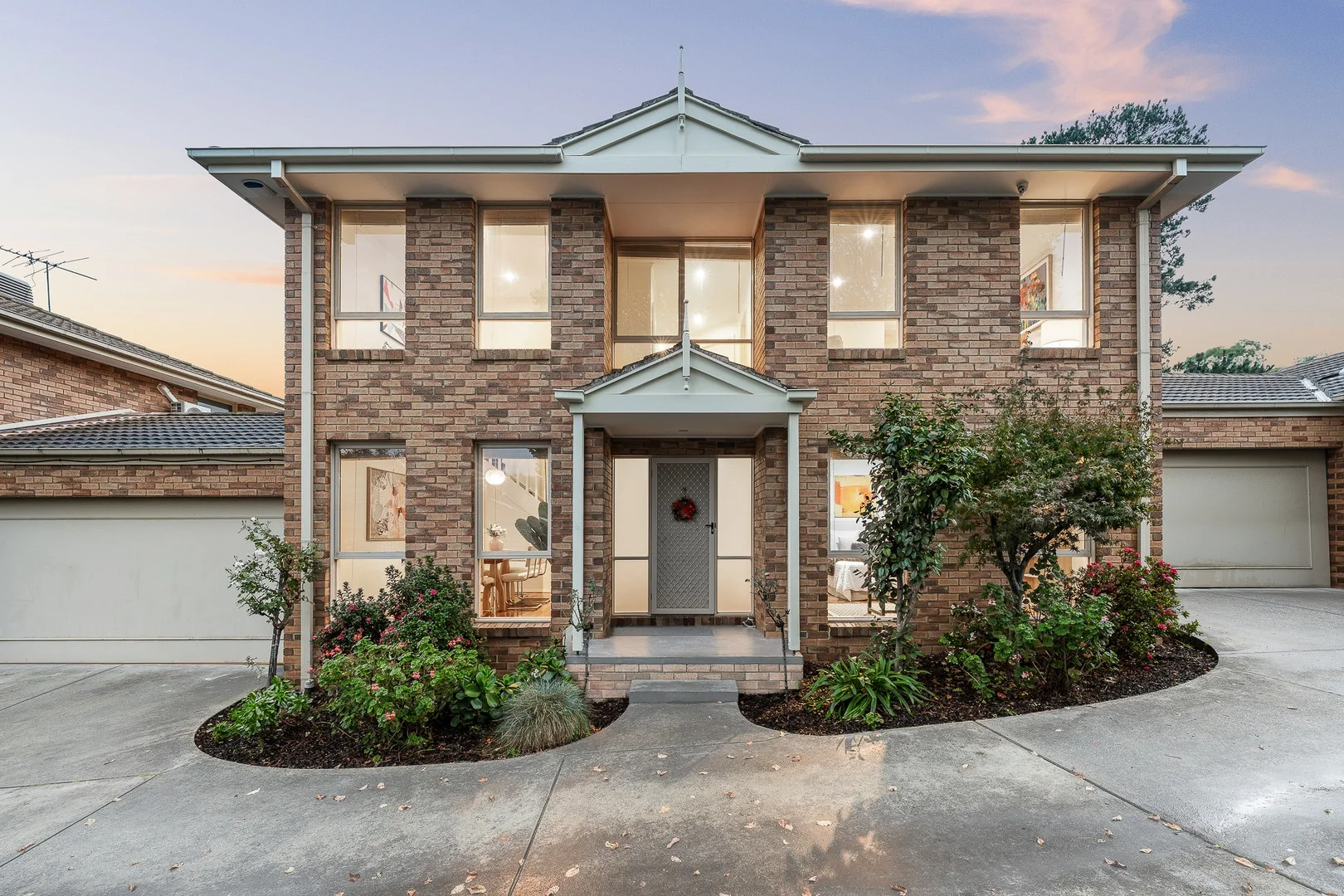
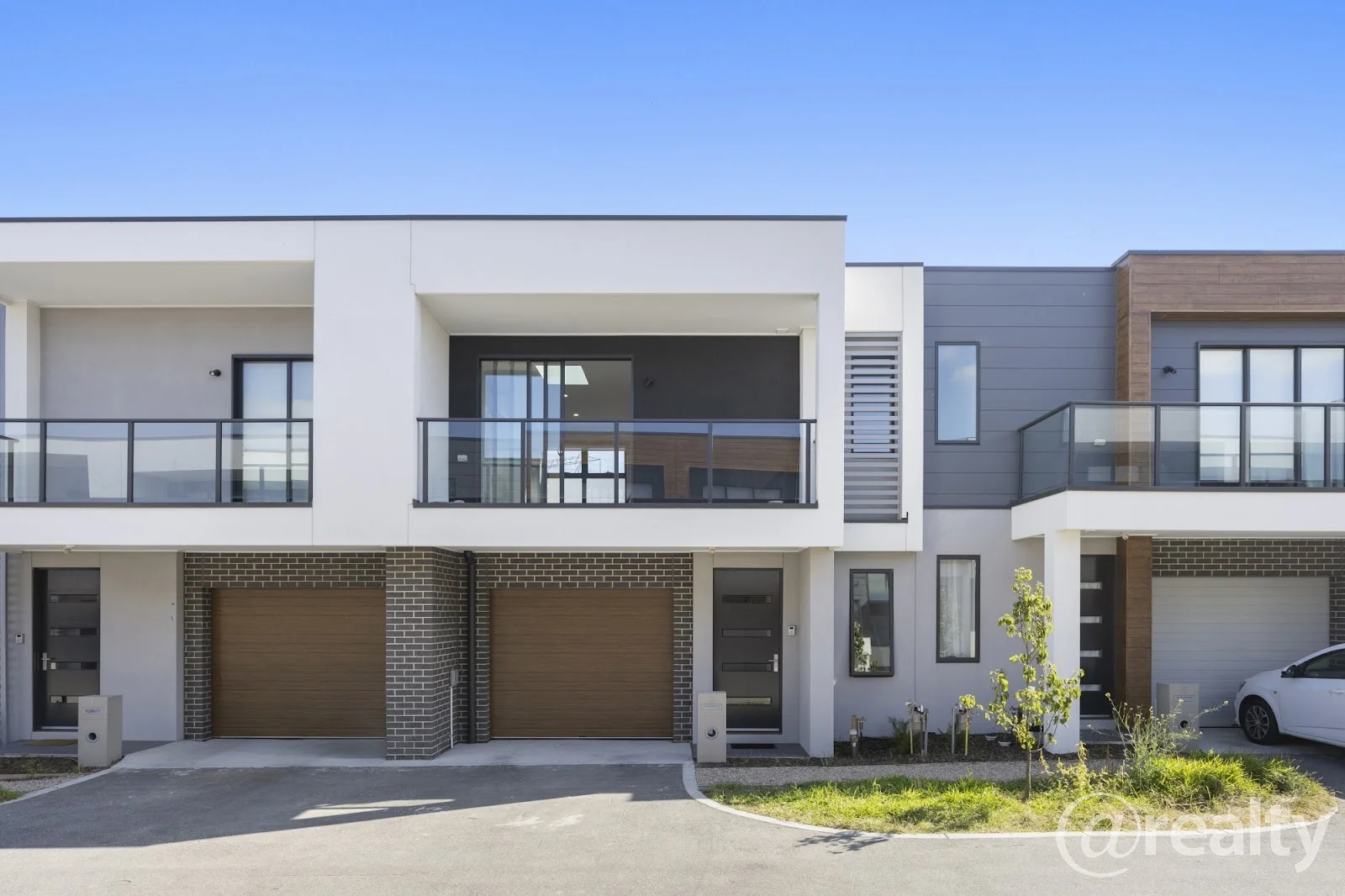 $510
Townhouse
$510
Townhouse
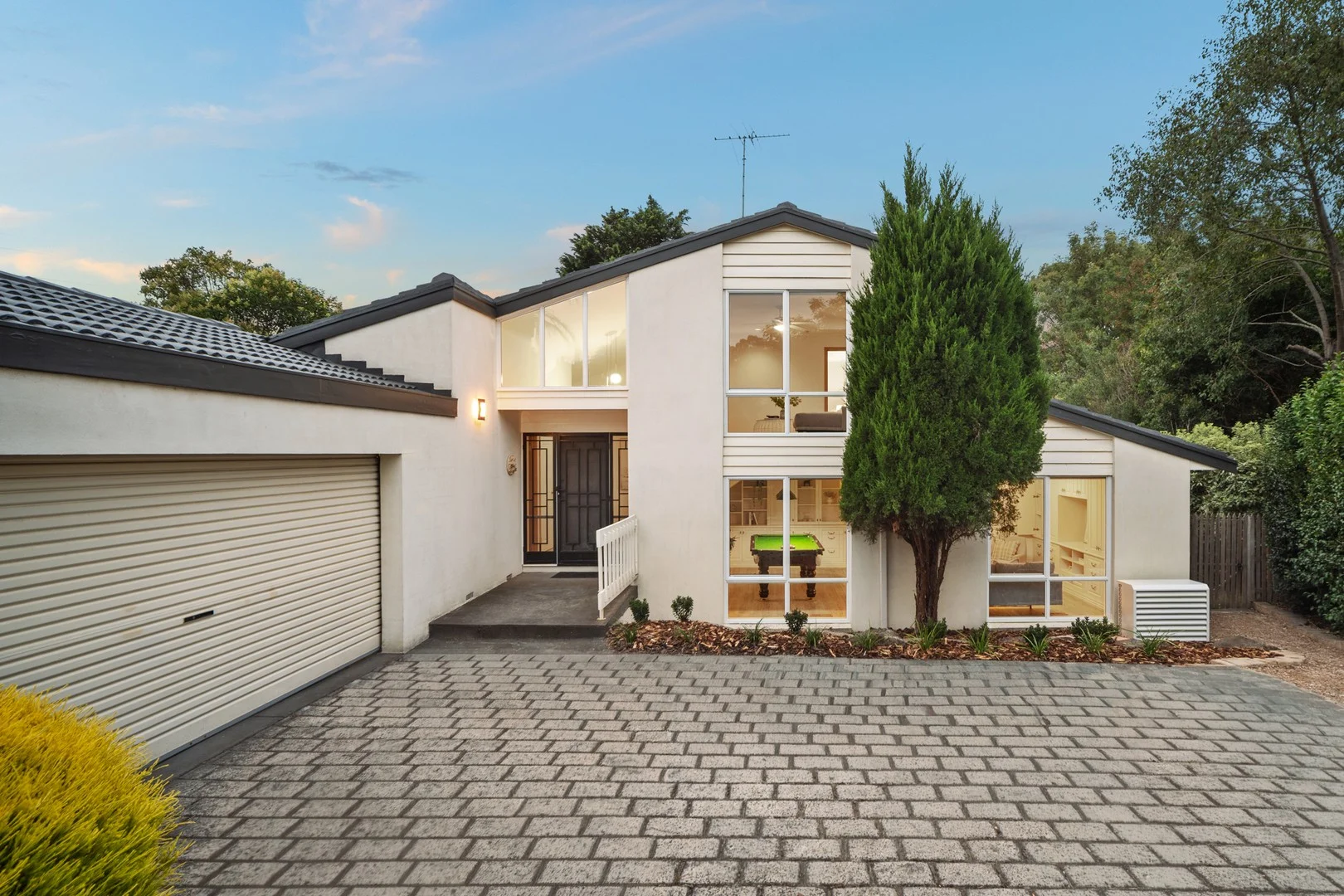
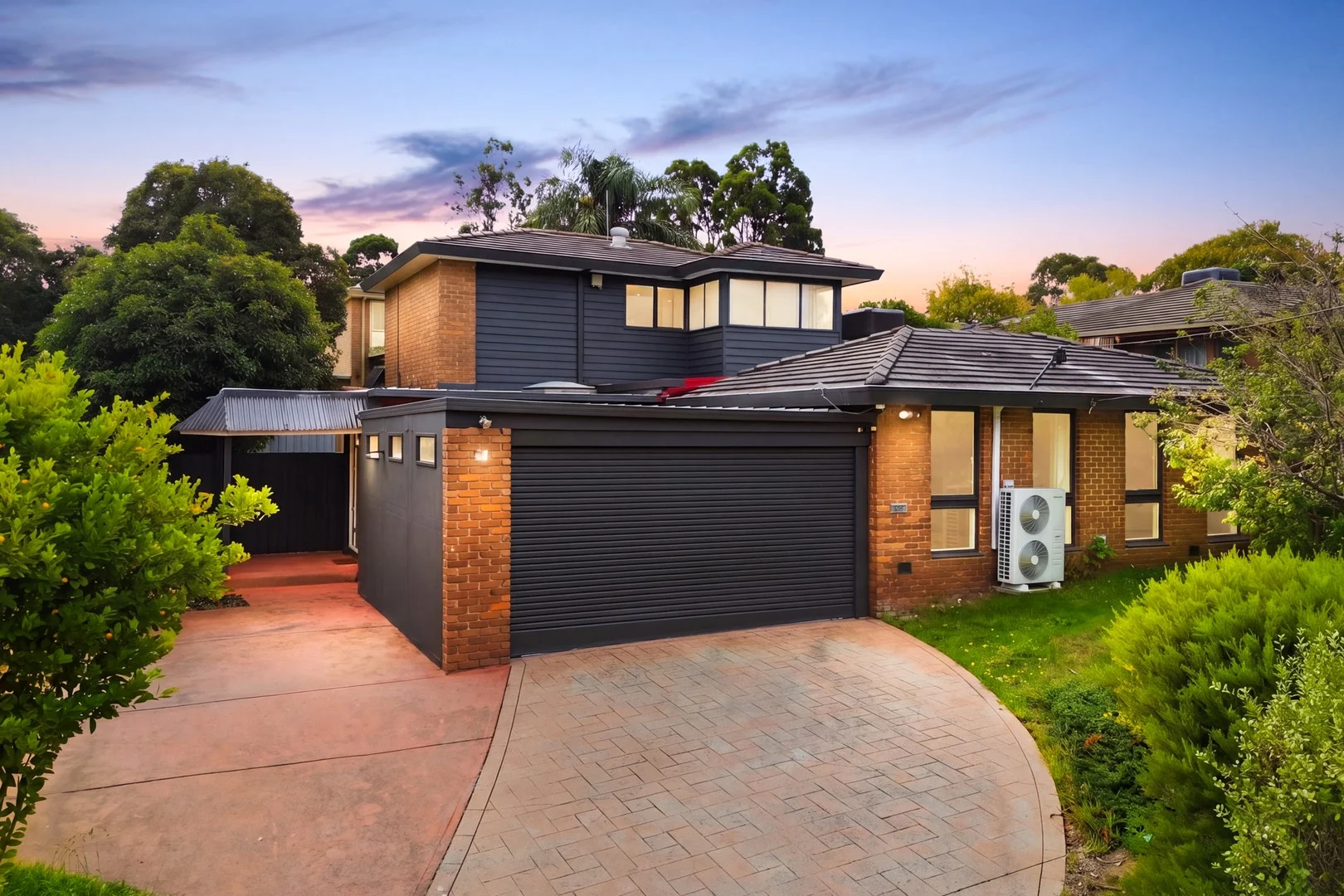 $1,220,000 - $1,320,000
House
$1,220,000 - $1,320,000
House
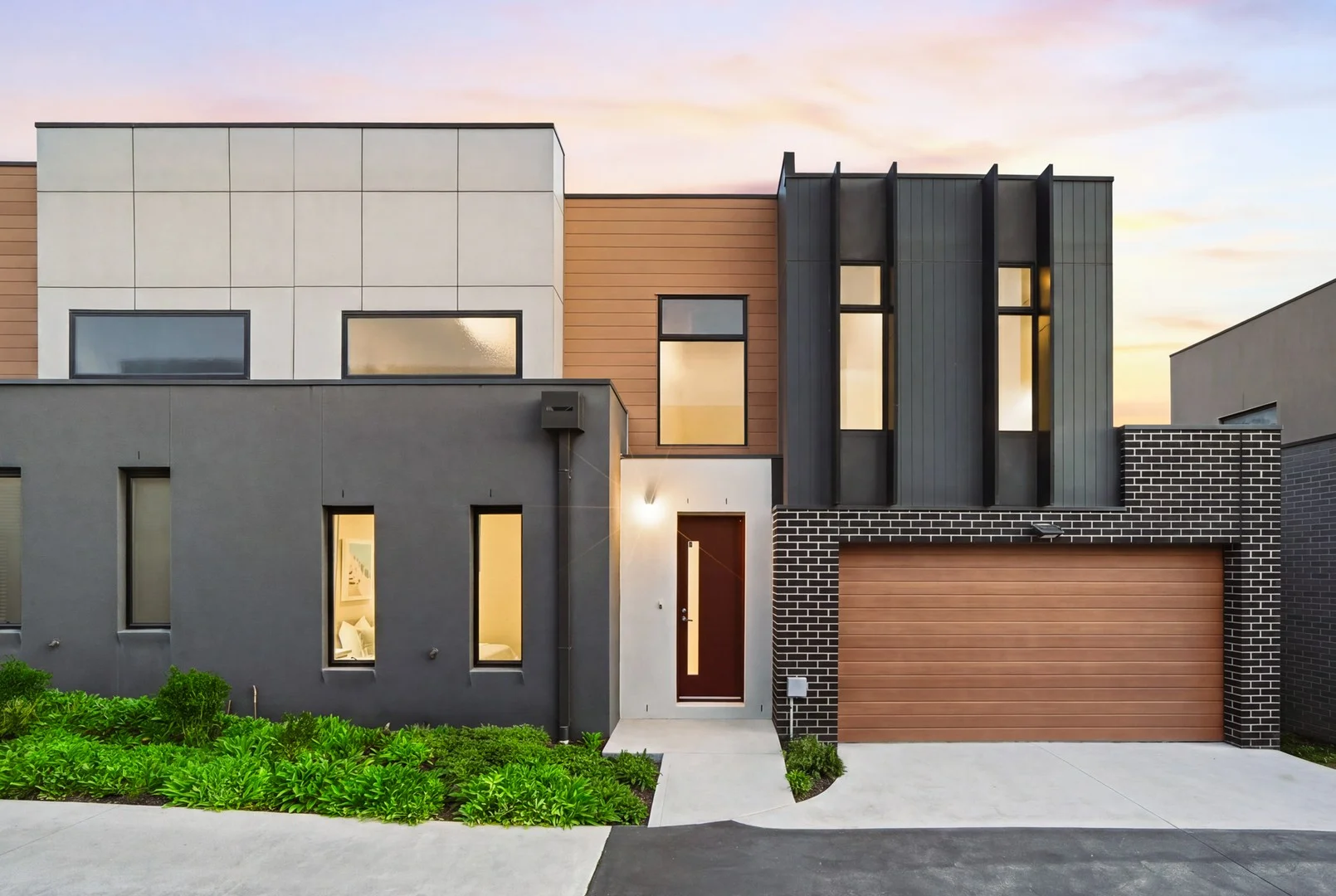
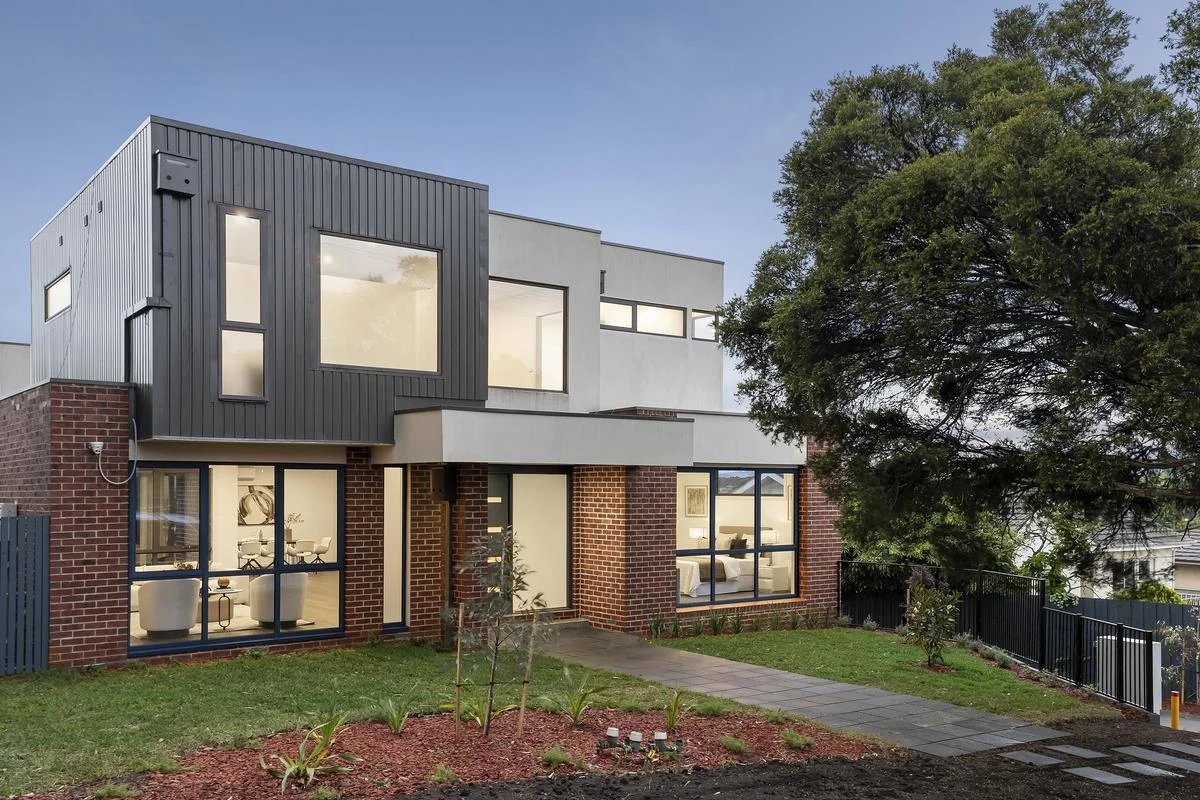 $1,550,000 - $1,650,000
Townhouse
$1,550,000 - $1,650,000
Townhouse
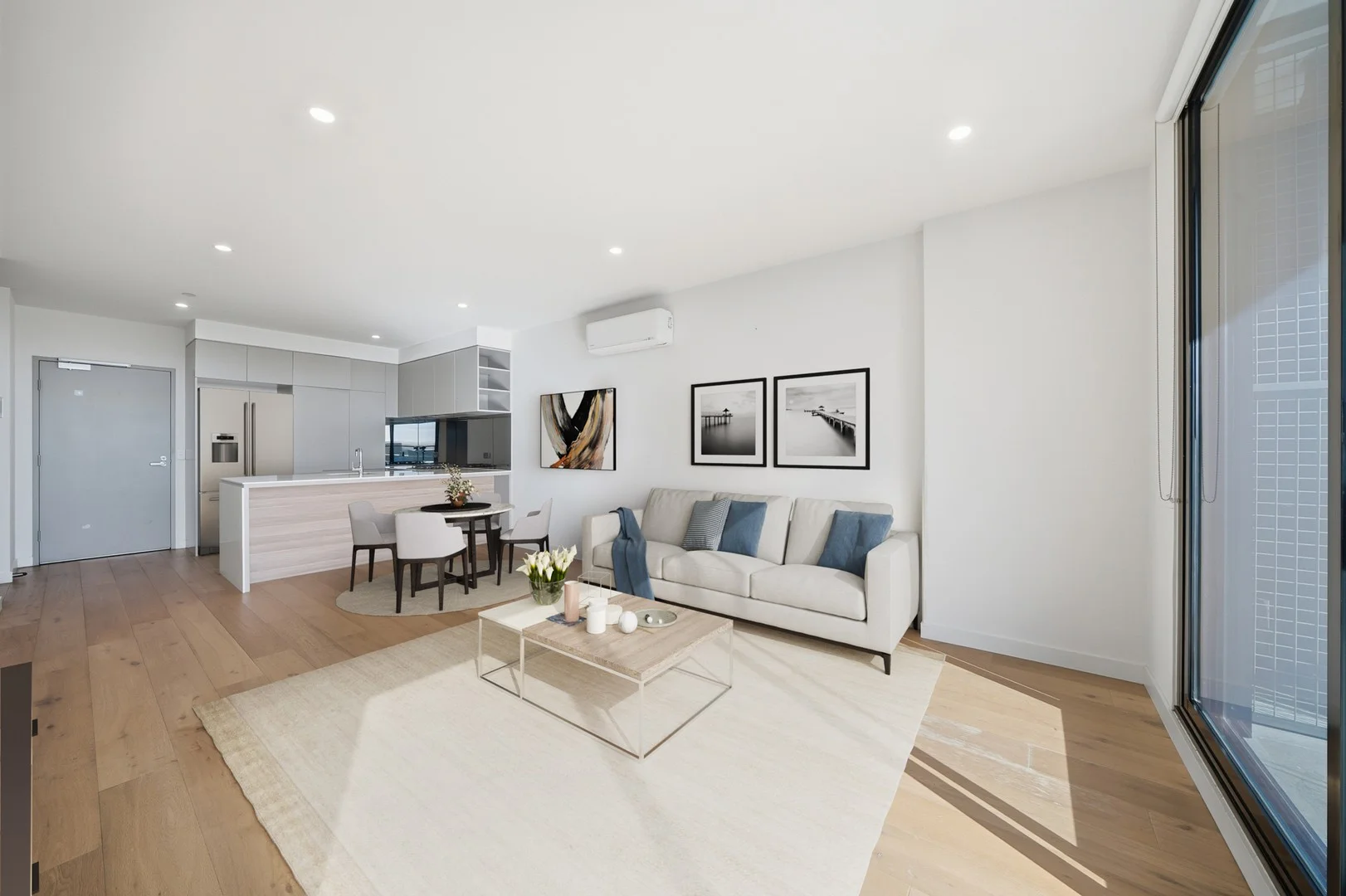
 $950,000 - $1,045,000
Apartment / Unit / Flat
$950,000 - $1,045,000
Apartment / Unit / Flat
 $1,380,000 - $1,500,000
House
$1,380,000 - $1,500,000
House
 $900,000 - $990,000
Townhouse
$900,000 - $990,000
Townhouse
 $500,000 - $550,000
Apartment / Unit / Flat
$500,000 - $550,000
Apartment / Unit / Flat
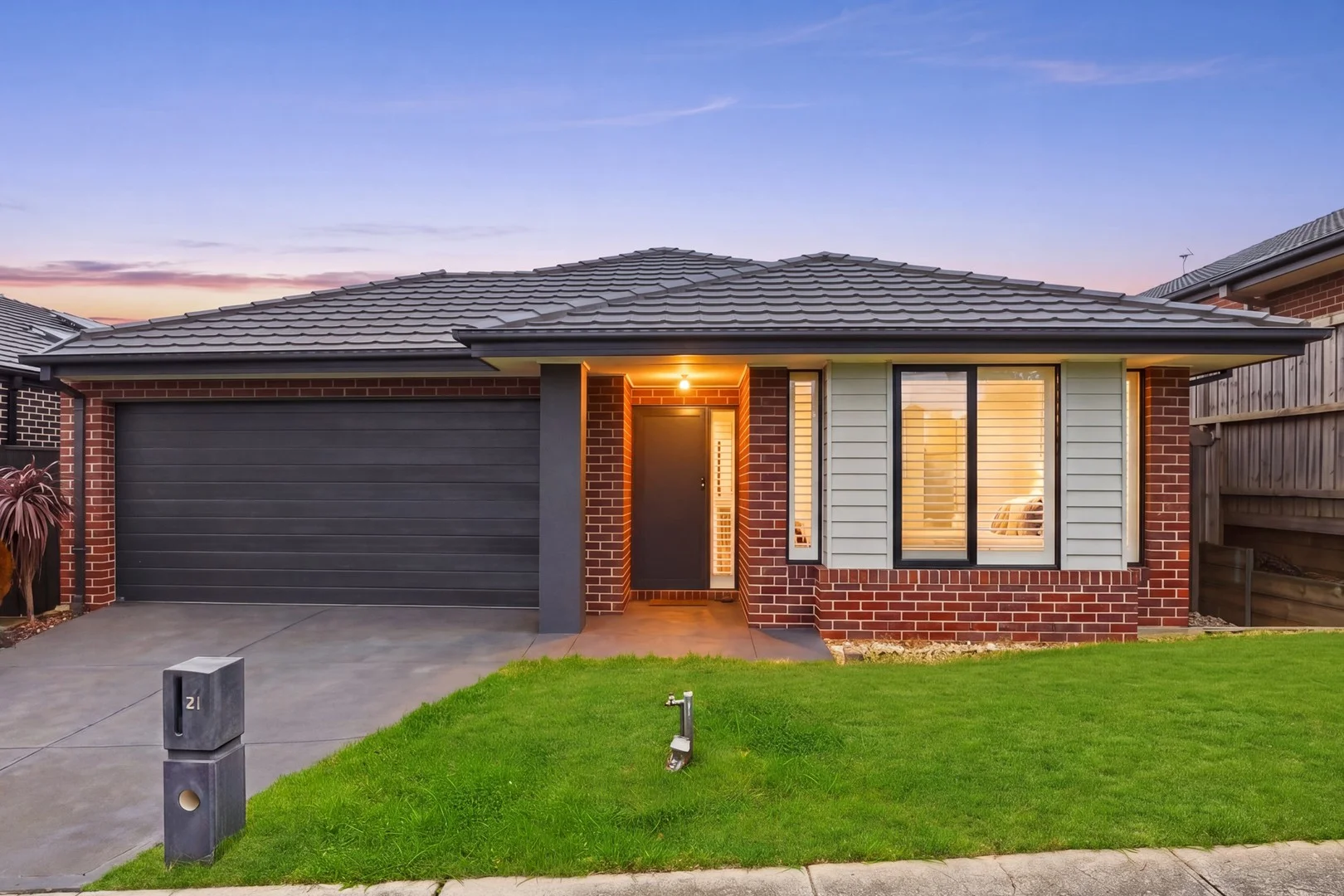 $800,000 - $850,000
House
$800,000 - $850,000
House
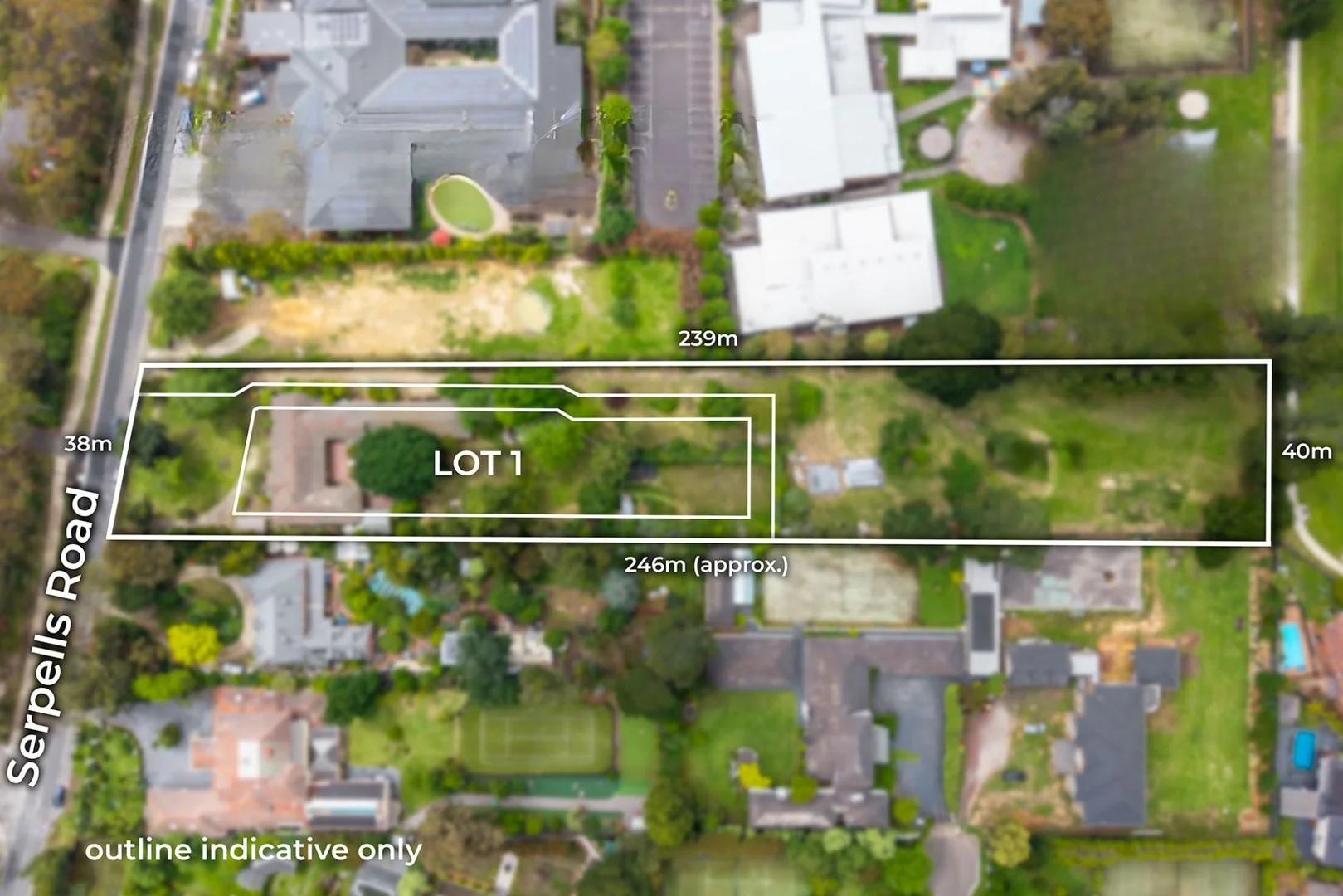 $5,600,000
House
$5,600,000
House