Overview
1. Overview
Northeastern Montessori School is a private, independent Montessori school designed to nurture curious, independent learners in St Helena. The school follows Montessori principles to foster self-directed exploration, hands-on learning, and mixed-age environments, with an emphasis on social and academic growth within a supportive community.
- School type: Private/independent Montessori
- School size: Small to medium
- Class size: Typically around 12–18 students per class, depending on year level
- Atmosphere/culture: Nurturing, inclusive, academically credentials-oriented within a Montessori framework
⸻
2. Academics & Learning
Northeastern Montessori School emphasizes student-led inquiry, hands-on activities, and foundational literacy and numeracy through the Montessori approach. The curriculum is designed to build independence, critical thinking, and collaborative skills, while integrating opportunities for exploration across subject areas.
- Academic strengths: Montessori pedagogy supports strong literacy and numeracy foundations, with emphasis on critical thinking, practical life skills, and self-directed learning; engagement across subjects through hands-on materials
- Special programs: Montessori-based primary program; enrichment opportunities and extension activities; potential gifted/talented options within age-appropriate contexts
- NAPLAN trends: Public data specific to the school isn’t routinely published; the school prioritizes ongoing progress monitoring and aims for steady improvement across key learning areas
- Student-teacher ratios: Generally around 1:8–1:15 depending on year level and class design
- Support for diverse learners: Inclusive education ethos with EAL and SEN support where needed; individualized learning plans and targeted interventions
⸻
3. Sports & Extracurricular Strengths
Extracurricular offerings complement the Montessori focus on holistic development, with opportunities in sports, arts, and clubs.
- Sports offered: Soccer, cricket, basketball, athletics, swimming, tennis, and other school-wide programs
- Strong teams or achievements: Participation in local and district competitions; emphasis on teamwork, resilience, and skill development
- Music, arts, drama programs: School-wide music ensembles, performing arts events, and visual arts opportunities
- Clubs: Robotics, chess, coding, debating, and additional clubs aligned with student interests
- Partnerships: Connected with local clubs/organizations for competitions and coaching; opportunities for inter-school events and showcases
⸻
4. Wellbeing & Pastoral Care
Wellbeing is a core focus, with structures intended to support social-emotional development and safe learning environments.
- Anti-bullying approach: Clear anti-bullying policies, restorative practices, and a culture of respect and inclusion
- House system: House groups used to promote community, mentorship, and healthy competition
- Counsellors / wellbeing officers: Access to on-site wellbeing staff or school counsellors for student support
- Transition support for new students: Orientation programs, buddy systems, and gradual integration processes to ease transitions
⸻
5. Facilities
Facilities are designed to support both learning and student wellbeing, with spaces for study, creativity, and physical activity.
- Sports grounds: Outdoor play and sports facilities
- Libraries: Central library with a range of reading materials
- Science labs: Age-appropriate science spaces for hands-on experiments
- Music/performing arts centers: Rooms and spaces for music practice and drama
- Tech/innovation labs: Digital learning tools and maker/innovation spaces
- Cafeteria: On-site dining options or canteen facilities
- Updated playgrounds: Safe, modern outdoor play areas
⸻
6. School Values & Community Culture
Northeastern Montessori School aims to cultivate respectful, curious, responsible learners who contribute positively to the school and broader community.
- School values / mission: Focus on independence, curiosity, collaboration, and integrity within a Montessori framework
- Leadership style: Student voice and teacher-guided facilitation; emphasis on intrinsic motivation and peer mentoring
- Behaviour expectations: Clear, consistent expectations with restorative approaches and positive reinforcement
- Community reputation: Inclusive, family-friendly community that values student-led learning and supportive partnerships
- Diversity & inclusion: Commitment to creating an inclusive environment that respects diverse backgrounds and perspectives
⸻
7. School Logistics & Daily Operations
Clear daily routines help parents plan around school life.
- School hours: Typically around 9:00 am–3:30 pm, with variations by year level
- Before/after school care: Available options to extend the day
- Uniform requirements: Prescribed school uniform or dress code
- Transport (train/bus routes): Transport options may be available via school-arranged routes or local services
- Canteen availability: On-site canteen or snack facilities for students
- Fees (low/medium/high ranges): Private/independent schools generally fall in a mid-to-high fee range; exact fees vary by program and year level
⸻
8. Enrolment & Admissions
Enrolment follows a structured process designed to assess fit and readiness.
11. What is the enrolment process and timeline?
- Begin with an inquiry and application, provide required documents, and schedule any necessary interviews or tours. Timelines vary by intake period.
12. Is there a waiting list, and how does it work?
- Waiting lists are common; placement depends on space, readiness, and year level. Waiting time varies by intake.
13. Are there any entry requirements, tests, or interviews?
- Admission activities may include interviews, observation, and readiness assessments appropriate to Montessori pedagogy.
14. Does the school accept mid-year transfers?
- Mid-year transfers may be possible if there is space and the student fits the program, subject to assessment and intake scheduling.
⸻
9. Frequently Asked Questions
- Why Parents Choose This School?
- A Montessori-based environment that emphasizes independence, hands-on learning, small class sizes, and a nurturing community.
- What type of student thrives at this school?
- Curious, self-motivated learners who enjoy collaborative activities, hands-on inquiry, and a supportive peer group.
- What opportunities are available for students to extend their skills (academics, sports, arts)?
- Enrichment activities across literacy, numeracy, arts, music, drama, sporting programs, robotics, coding, and debating.
- How does the school communicate with parents?
- Regular newsletters, parent portals or communications platforms, and scheduled parent-teacher meetings.
- What is the school’s approach to teaching and learning?
- Student-centred, inquiry-based learning with a Montessori foundation, emphasizing practical life skills and collaborative projects.
- How does the school support students who need extra academic help?
- EAL and SEN supports, targeted interventions, and individualized planning to help students progress.
- What support is available for academic challenges?
- On-site staff and programs designed to address learning gaps and provide appropriate accommodations.
- How does the school communicate with parents?
- See above; multiple channels including direct updates, meetings, and online portals.
- What are the class sizes and how much individual attention do students receive?
- Classes are small to medium in size, with teacher attention scaled to the needs of each year and student.
- What extracurricular and sports opportunities are available?
- Wide range of sports, arts, clubs like robotics, chess, coding, debating, and inter-school activities.
- What facilities does the school offer (sports, science, arts)?
- Comprehensive facilities for sports, libraries, science labs, arts and performing spaces, and digital learning environments.
- What is the school’s approach to technology and digital learning?
- Integrated technology and digital learning with a focus on digital citizenship and hands-on exploration.
- What transport and accessibility options are available?
- Transportation options are available via school programs and local services; accessibility aligned with modern facilities.
- What are the typical school fees or additional costs?
- Private/independent school fees apply; exact costs vary by program and year level.
⸻
10. Short Pros & Cons list
Pros
- Montessori-informed approach that promotes independence and curiosity
- Small to medium class sizes for personalized attention
- Nurturing, inclusive culture with strong wellbeing supports
- Broad range of extracurriculars including sports, arts, and clubs
- Emphasis on practical life skills and student-led learning
Cons
- Private school fees may be higher than public options
- Montessori structure may require adjustment for families new to the approach
- Transport and after-school options depend on local arrangements and availability
- Program breadth and facilities can vary by year level; confirm current offerings
⸻






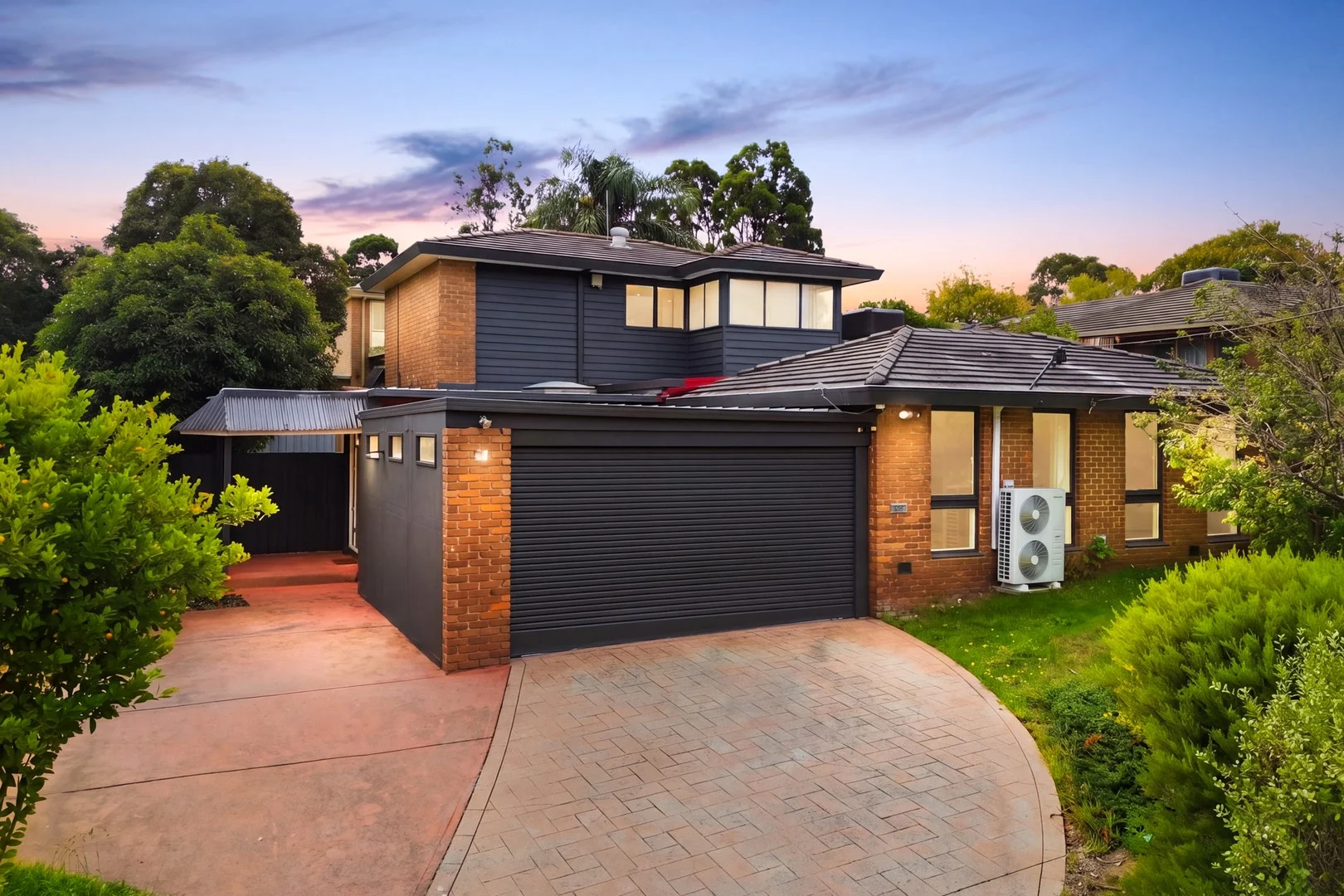 $1,220,000 - $1,320,000
House
$1,220,000 - $1,320,000
House
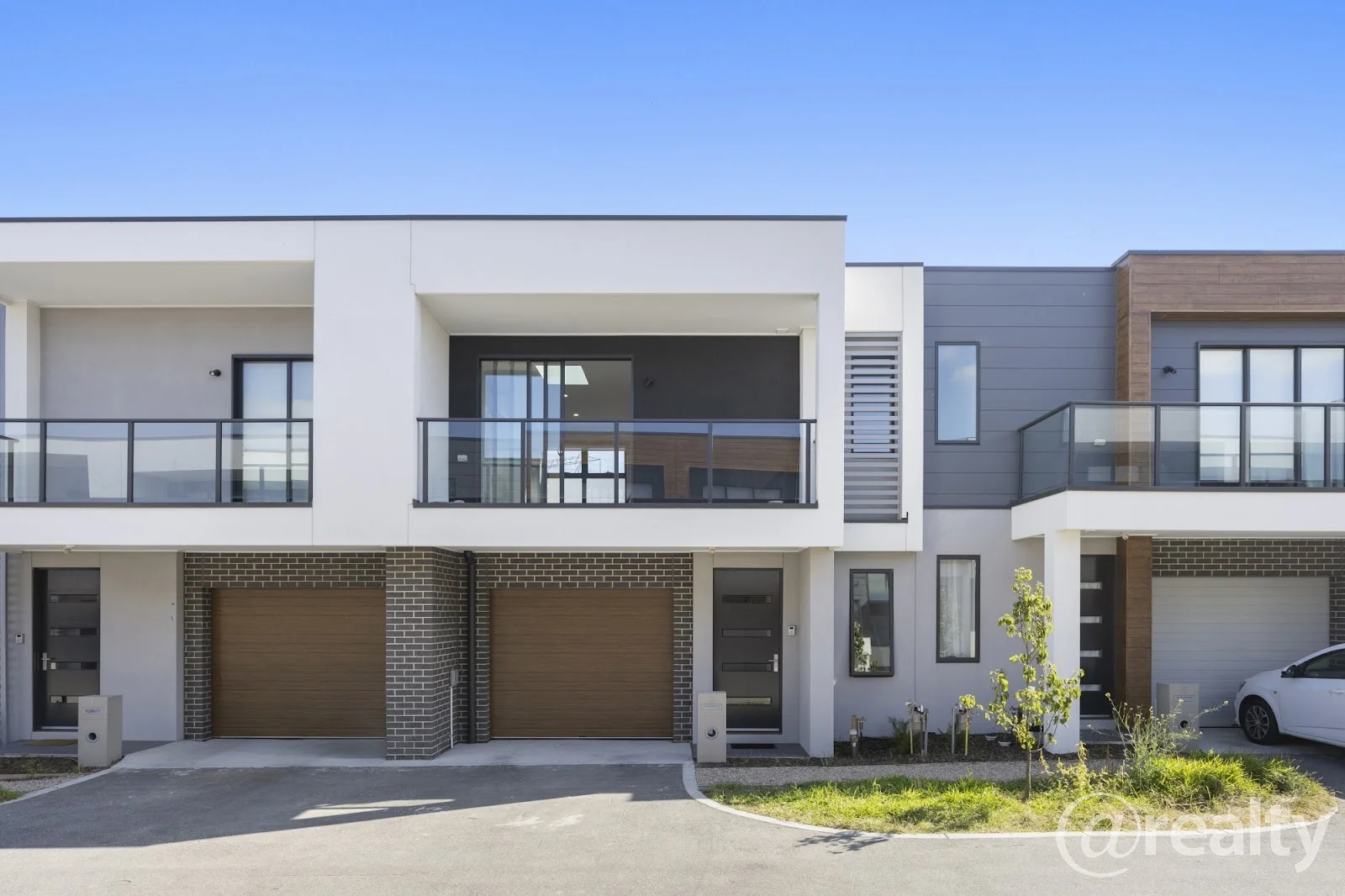 $510
Townhouse
$510
Townhouse
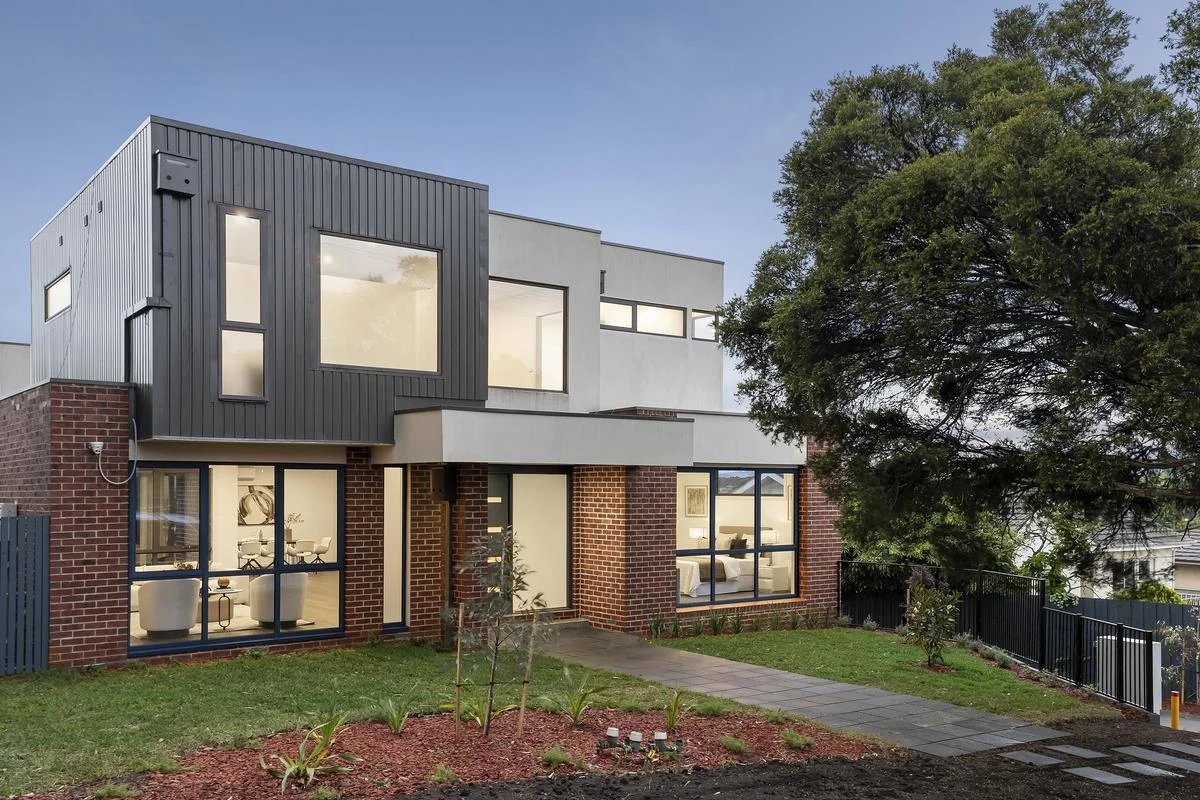 $1,550,000 - $1,650,000
Townhouse
$1,550,000 - $1,650,000
Townhouse
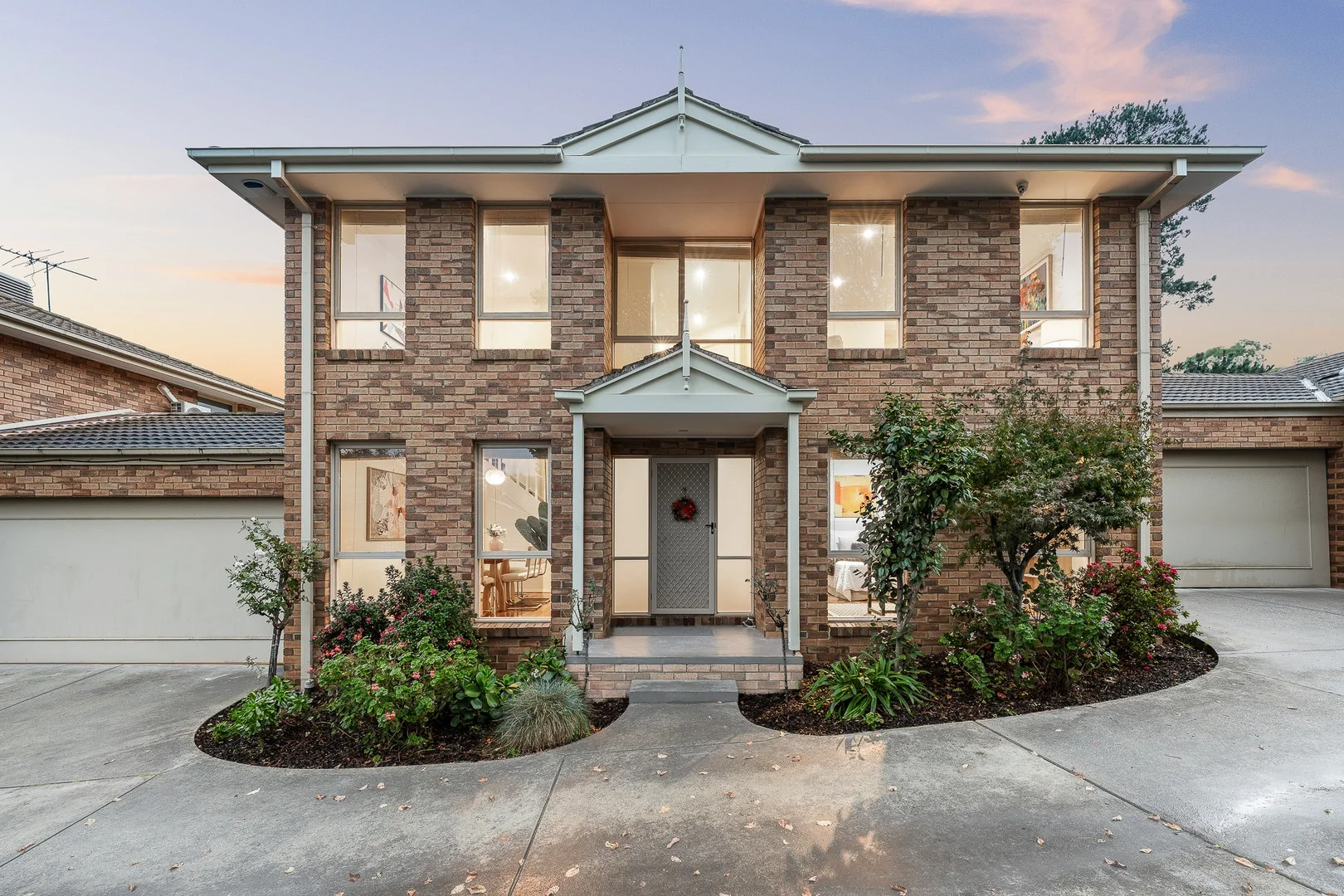 $950,000 - $1,045,000
Apartment / Unit / Flat
$950,000 - $1,045,000
Apartment / Unit / Flat
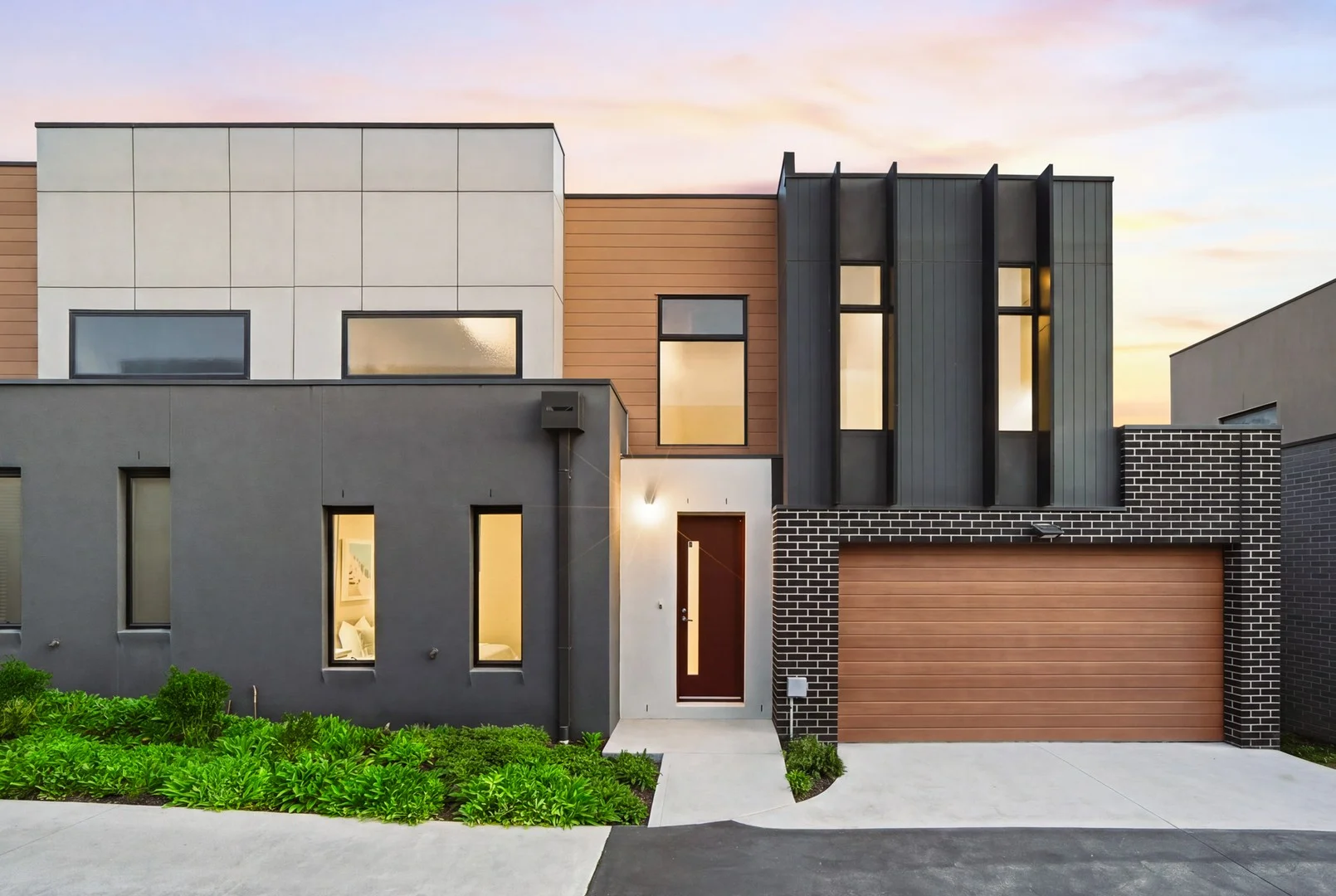 $900,000 - $990,000
Townhouse
$900,000 - $990,000
Townhouse
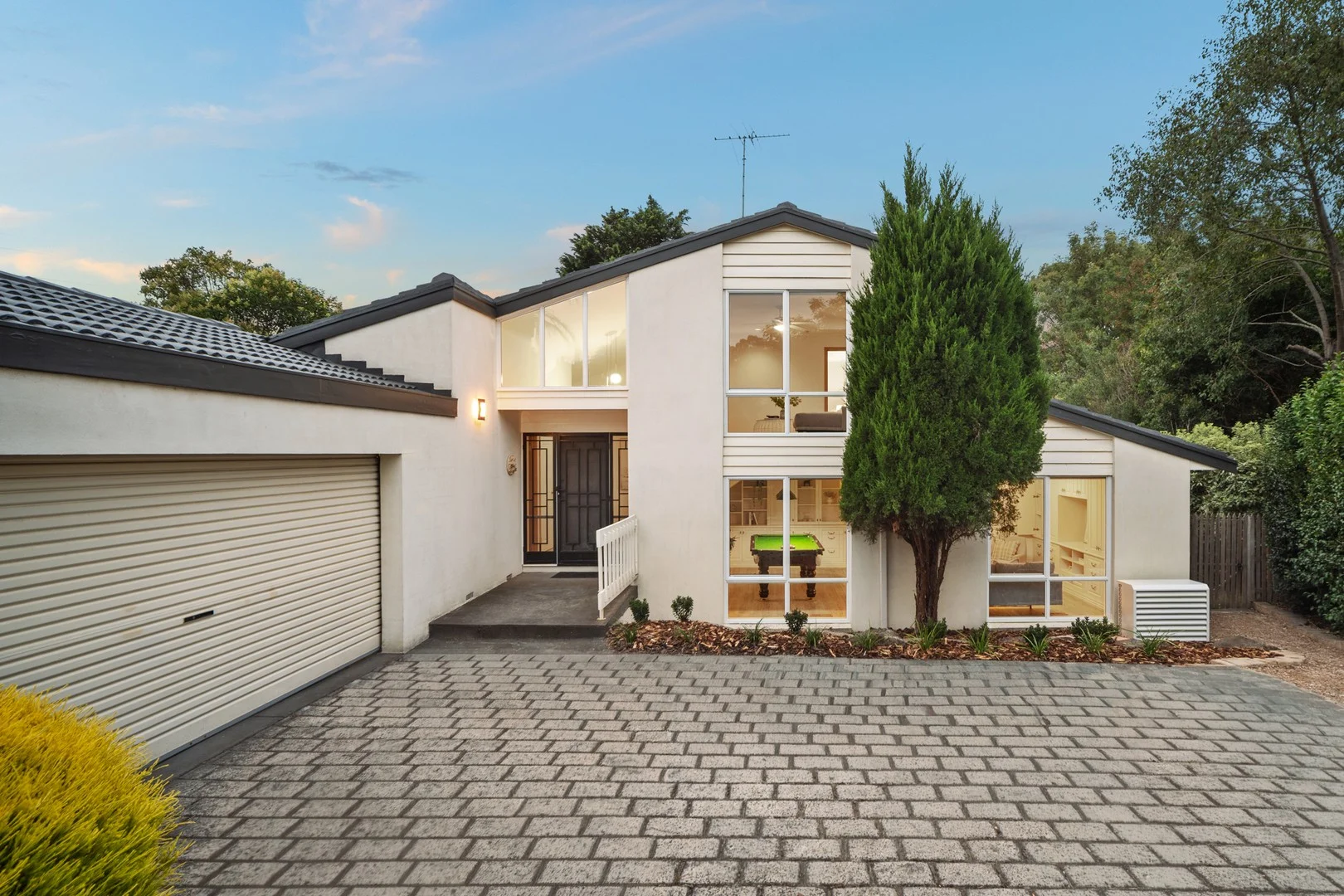 $1,380,000 - $1,500,000
House
$1,380,000 - $1,500,000
House
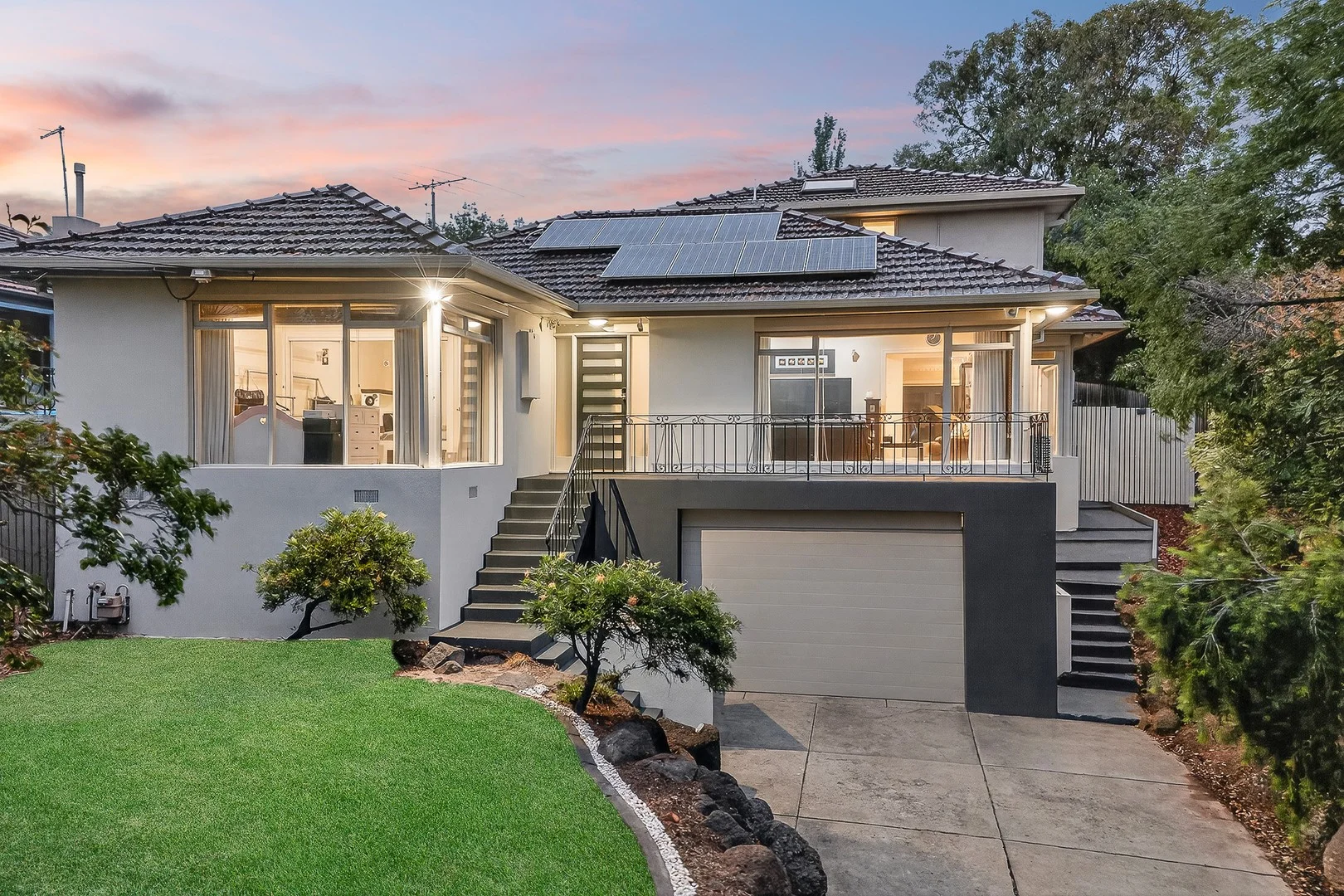 $1,350,000 - $1,450,000
House
$1,350,000 - $1,450,000
House
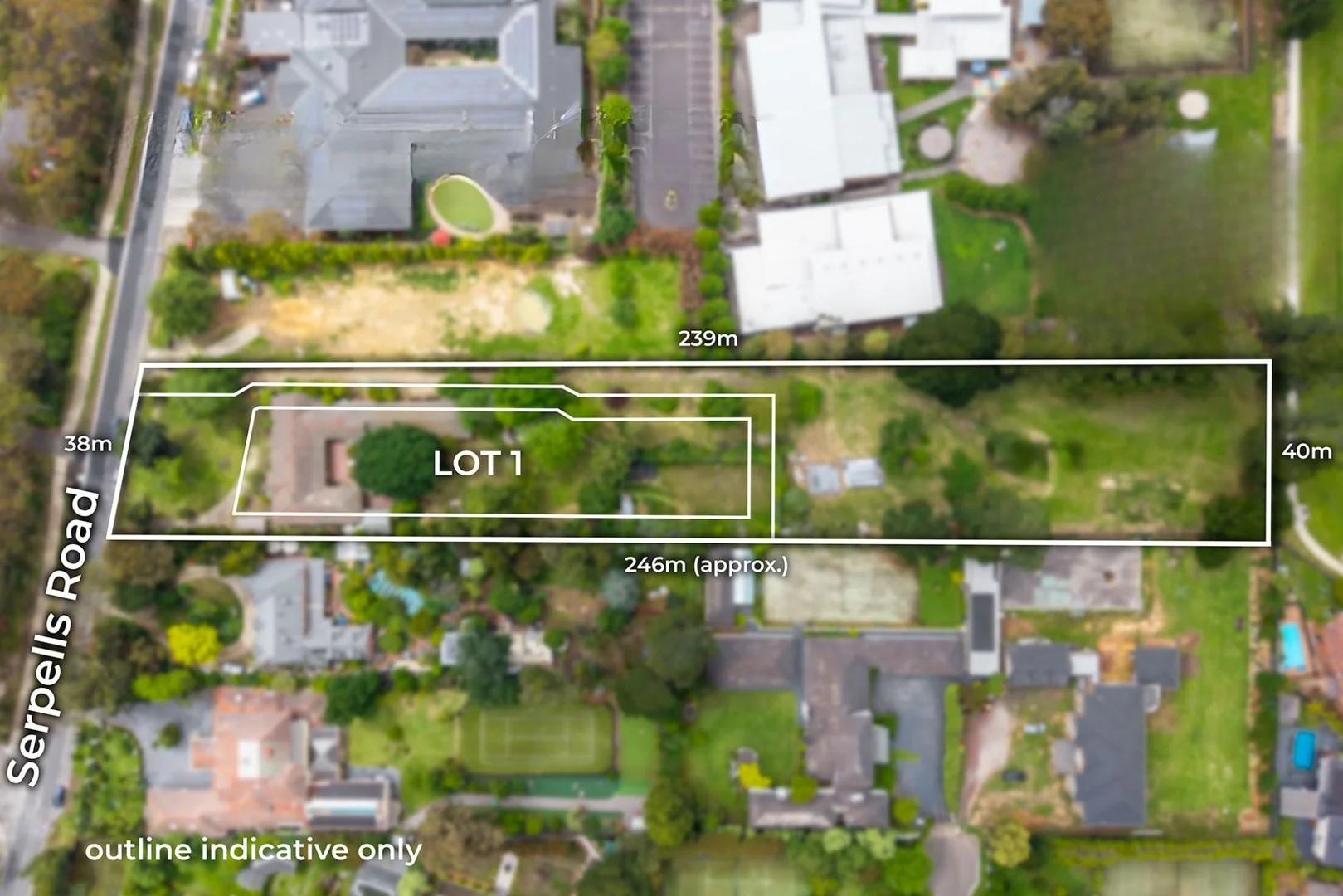 $5,600,000
House
$5,600,000
House
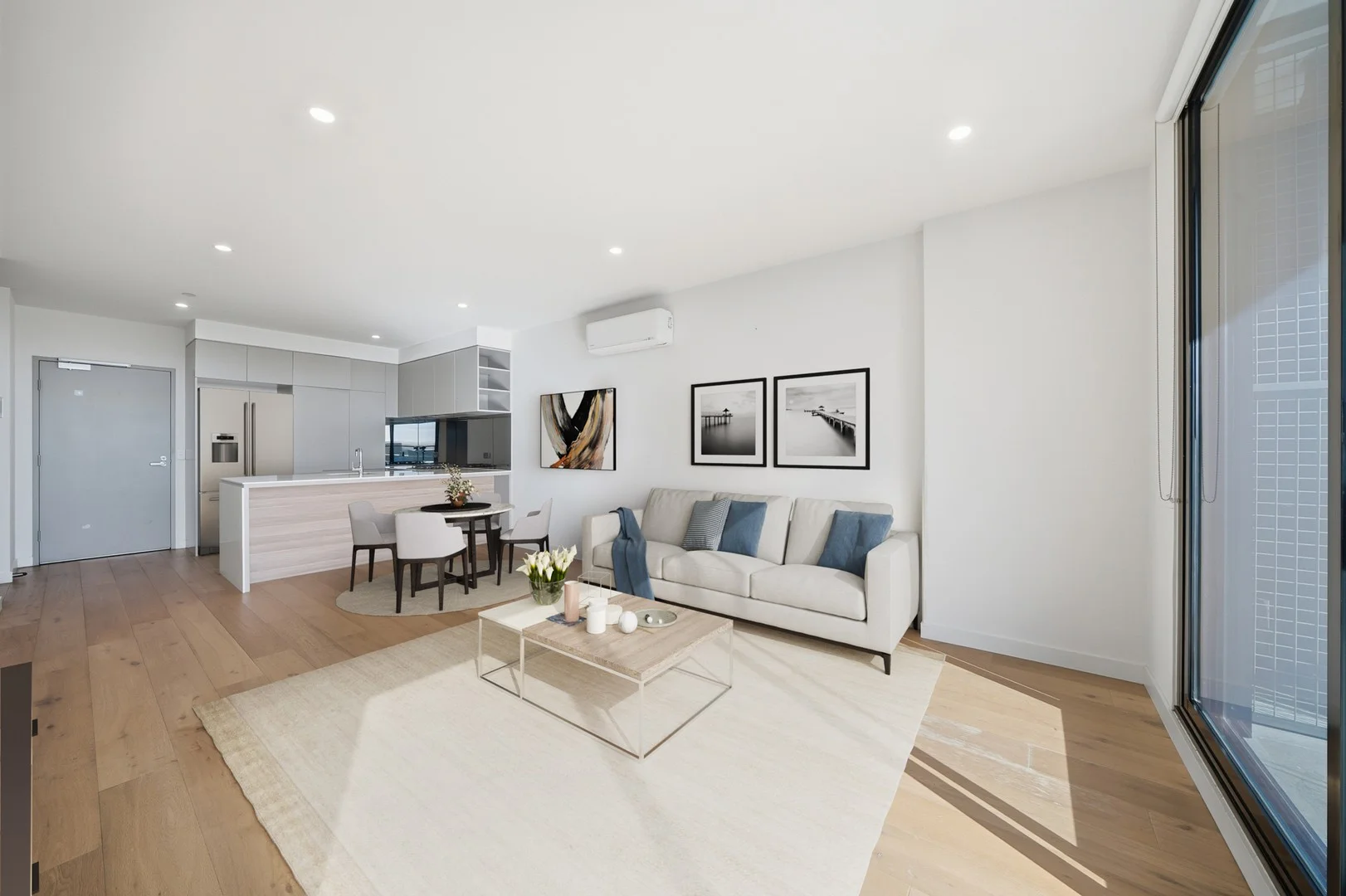 $500,000 - $550,000
Apartment / Unit / Flat
$500,000 - $550,000
Apartment / Unit / Flat