## 1. Overview
Norwood Primary School is a public primary school in South Australia serving students in the early years through to year 6. The school aims to provide a welcoming, inclusive, and supportive learning environment where every child can grow academically, socially, and emotionally.
- School type: Public
- School size: Medium
- Class size: Typical classes aim for small-group learning, with a focus on providing individual attention within a collaborative classroom culture.
- Atmosphere/culture: Nurturing, inclusive, and academically focused, with emphasis on student wellbeing, teamwork, and community values.
⸻
## 2. Academics & Learning
Norwood Primary School emphasizes foundational learning while offering opportunities to extend students’ thinking across subjects.
- Academic strengths: Strong focus on literacy and numeracy, with ongoing emphasis on STEM awareness, creative arts, and developing communication and critical thinking skills.
- Special programs: Opportunities for enriched learning, student leadership experiences, and participation in school-wide initiatives that encourage inquiry and collaboration.
- NAPLAN / trends: Recent years have shown steady progress and positive trends in reading and numeracy, alongside ongoing efforts to close learning gaps.
- Student-teacher ratios: Class structures support small-group instruction and targeted teaching; overall student-teacher contact aims to balance whole-class teaching with individual support.
- Support for diverse learners: Inclusive practices to support EAL students and students with additional learning needs, with targeted interventions and access to support staff as required.
⸻
## 3. Sports & Extracurricular Strengths
A strong focus on well-rounded development, with a variety of options for students to explore beyond the classroom.
- Sports offered: A range of team and individual sports across terms, including athletics, ball sports, and fitness activities; opportunities to participate in inter-school activities.
- Strong teams or achievements: Regular participation in interschool sport programs and events, with emphasis on teamwork, sportsmanship, and personal bests.
- Music, arts, drama programs: Active music and performing arts programs plus opportunities to participate in school productions and ensembles.
- Clubs: Robotics, coding, chess, debating, and other clubs to stimulate curiosity and problem-solving.
- Partnerships: Collaborations with local clubs and community programs to extend opportunities in sport, arts, and competitions.
⸻
## 4. Wellbeing & Pastoral Care
Prioritising student wellbeing through proactive strategies and supportive relationships.
- Anti-bullying approach: Whole-school wellbeing framework that promotes respectful behavior, digital citizenship, and a safe learning environment.
- House system: House-based activities and competitions to foster belonging, leadership, and positive peer support.
- Counsellors / wellbeing officers: Access to school-based wellbeing staff to support social-emotional learning and student welfare.
- Transition support for new students: Buddy programs, orientation activities, and targeted supports to help new students settle in smoothly.
⸻
## 5. Facilities
Facilities are designed to support a varied and engaging learning program.
- Sports grounds: Dedicated spaces for physical education and active play.
- Libraries: Well-resourced library with reading programs and literacy supports.
- Science labs: Practical spaces to explore science concepts through hands-on experiments.
- Music/performing arts centers: Dedicated areas for music, drama, and performance.
- Tech/innovation labs: spaces for digital learning, coding, and creative projects.
- Cafeteria: On-site dining and lunch facilities.
- Updated playgrounds: Modern play spaces that encourage active, imaginative play.
⸻
## 6. School Values & Community Culture
What kind of kids thrive here and how the school operates within the community.
- School values / mission: Focus on respect, responsibility, curiosity, and resilience as core dispositions.
- Leadership style: Student voice and leadership opportunities are encouraged alongside teacher guidance and collaborative decision-making.
- Behaviour expectations: Clear, positive behavior norms aligned with a respectful and safe learning environment.
- Community reputation: Known for a welcoming, inclusive culture and strong home–school partnerships.
- Diversity & inclusion: Commitment to valuing each student’s background and promoting equitable access to learning opportunities.
⸻
## 7. School Logistics & Daily Operations
Practical information to help families plan their day-to-day life with the school.
- School hours: Regular school day structure with start and end times suitable for primary learners.
- Before/after school care: Availability of supervised programs or activities before and after school hours.
- Uniform requirements: Standard uniform policy to support a cohesive school identity and easy daily dressing.
- Transport: Access to local transport options and guidance on recommended routes for families; proximity to bus/train services where applicable.
- Canteen availability: On-site canteen or lunch options supporting healthy choices.
- Fees: Public school fees are generally modest and may include voluntary contributions and building fund options; specific amounts vary by year level and activity.
⸻
## 8. Enrolment & Admissions
11. What is the enrolment process and timeline?
- Enrolments are typically managed through the school or the Department for Education portal/process. Families are advised of key intake periods (start of year and mid-year) and required documentation (birth details, immunisation status, proof of residence, etc.).
12. Is there a waiting list, and how does it work?
- Waiting lists may apply if year-level capacity is reached. The process usually involves online registration, with priority given to enrolled siblings and catchment eligibility, followed by placement when space becomes available.
13. Are there any entry requirements, tests, or interviews?
- Entry generally relies on enrolment documentation and eligibility. Some year levels or programs may involve basic assessments to inform support needs, but formal testing for entry is not typical for all students.
14. Does the school accept mid-year transfers?
- Mid-year transfers can be accommodated if spaces are available, subject to the standard enrolment process and documentation requirements.
⸻
## 9. Frequently Asked Questions
- Why Parents Choose This School?
- A warm, inclusive culture with strong literacy and numeracy foundations, supportive staff, and a focus on student wellbeing and real-world learning.
- What type of student thrives at this school?
- Curious, cooperative learners who enjoy a broad curriculum, value positive relationships, and respond well to differentiated teaching and a supportive environment.
- What opportunities are available for students to extend their skills (academics, sports, arts)?
- Access to enriched learning opportunities, clubs (robotics, coding, chess, debating), arts and music programs, and participation in interschool sports and events.
- How does the school communicate with parents?
- Regular newsletters, a learning management system, parent-teacher meetings, and open channels with teachers and administration.
- What is the school’s approach to teaching and learning?
- Student-centered, evidence-based practices with differentiation to meet diverse needs, supported by a focus on literacy, numeracy, and critical thinking.
- How does the school support students who need extra academic help?
- Targeted interventions, small-group support, and access to learning support staff and resources.
- What support is available for academic challenges?
- Timely identification, tailored supports, and collaboration with families to plan for improvement.
- How does the school communicate with parents? (Repeated)
- See above: newsletters, portals, and direct communication with teachers.
- What are the class sizes and how much individual attention do students receive?
- Classes are designed to be manageable with opportunities for small-group instruction and individualized feedback as part of daily learning.
- What extracurricular and sports opportunities are available?
- A broad spectrum including sports, robotics, coding, chess, debating, music, theatre, and arts activities, with chances to compete or perform.
- What facilities does the school offer (sports, science, arts)?
- Comprehensive facilities include sports grounds, library, science labs, music/arts spaces, tech/innovation labs, and a canteen.
- What is the school’s approach to technology and digital learning?
- Emphasis on digital literacy, age-appropriate technology integration, and responsible online learning practices.
- What transport and accessibility options are available?
- Information on local transport routes and accessibility options is provided by the school and relevant education authorities; families are encouraged to check current routes.
- What are the typical school fees or additional costs?
- As a public school, main expenses are modest; there may be voluntary contributions and optional activity fees for specific programs or resources.
⸻
## 10. Short Pros & Cons list
- Pros
- Public, inclusive environment with a focus on literacy, numeracy, and wellbeing.
- Broad range of extracurriculars including clubs and arts.
- Supportive staff and a clear focus on student belonging and safety.
- Facilities that support hands-on learning and creative expression.
- Strong emphasis on community involvement and parent–school communication.
- Cons
- As a medium-sized public school, demand may vary by year level; some programs may have wait lists during peak periods.
- Uniforms and volunteer expectations may require parental involvement and planning.
- Like many schools, resources are allocated based on annual funding; some programs may be dependent on grant availability.
 Free
Free










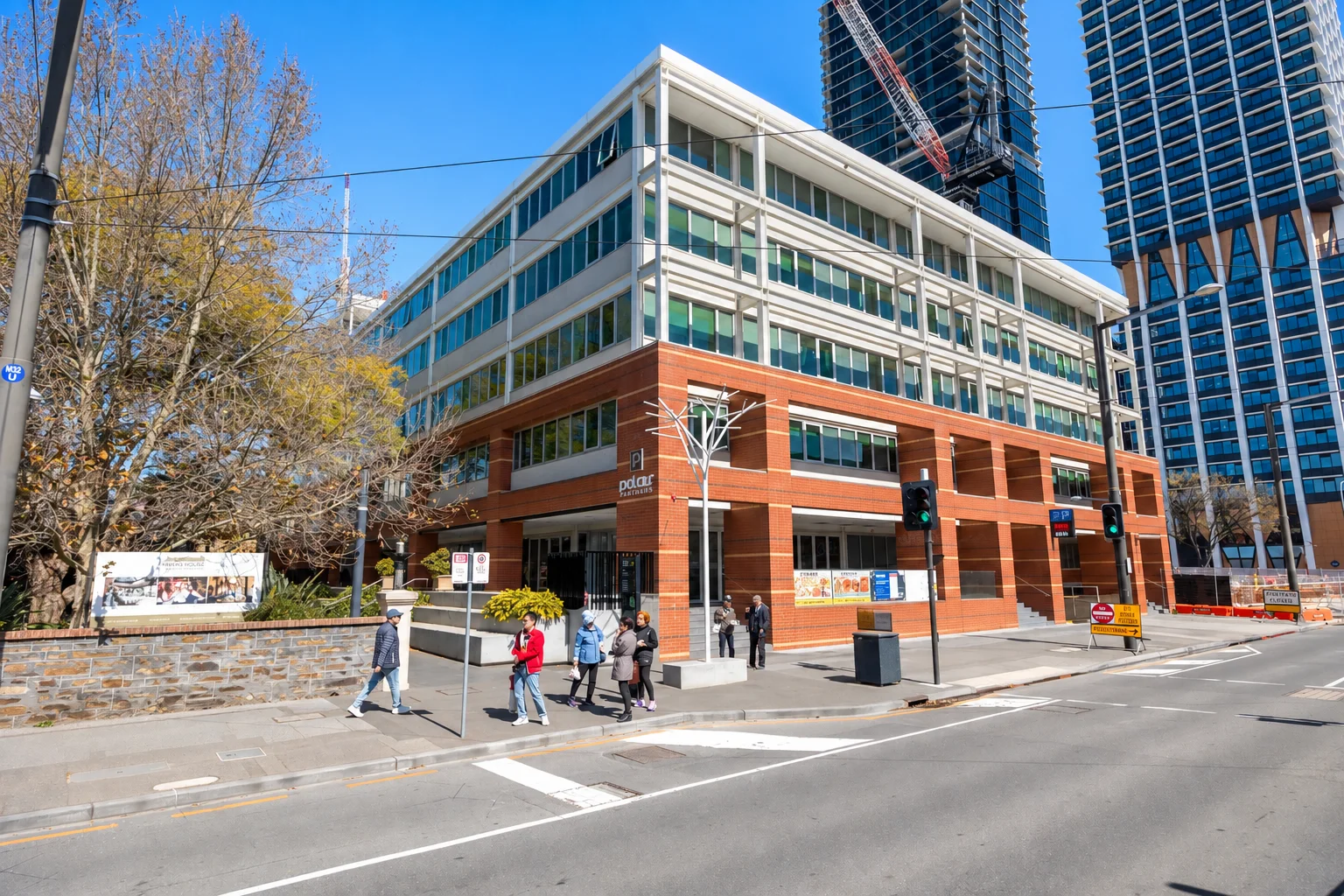 $545,000
Apartment / Unit / Flat
$545,000
Apartment / Unit / Flat
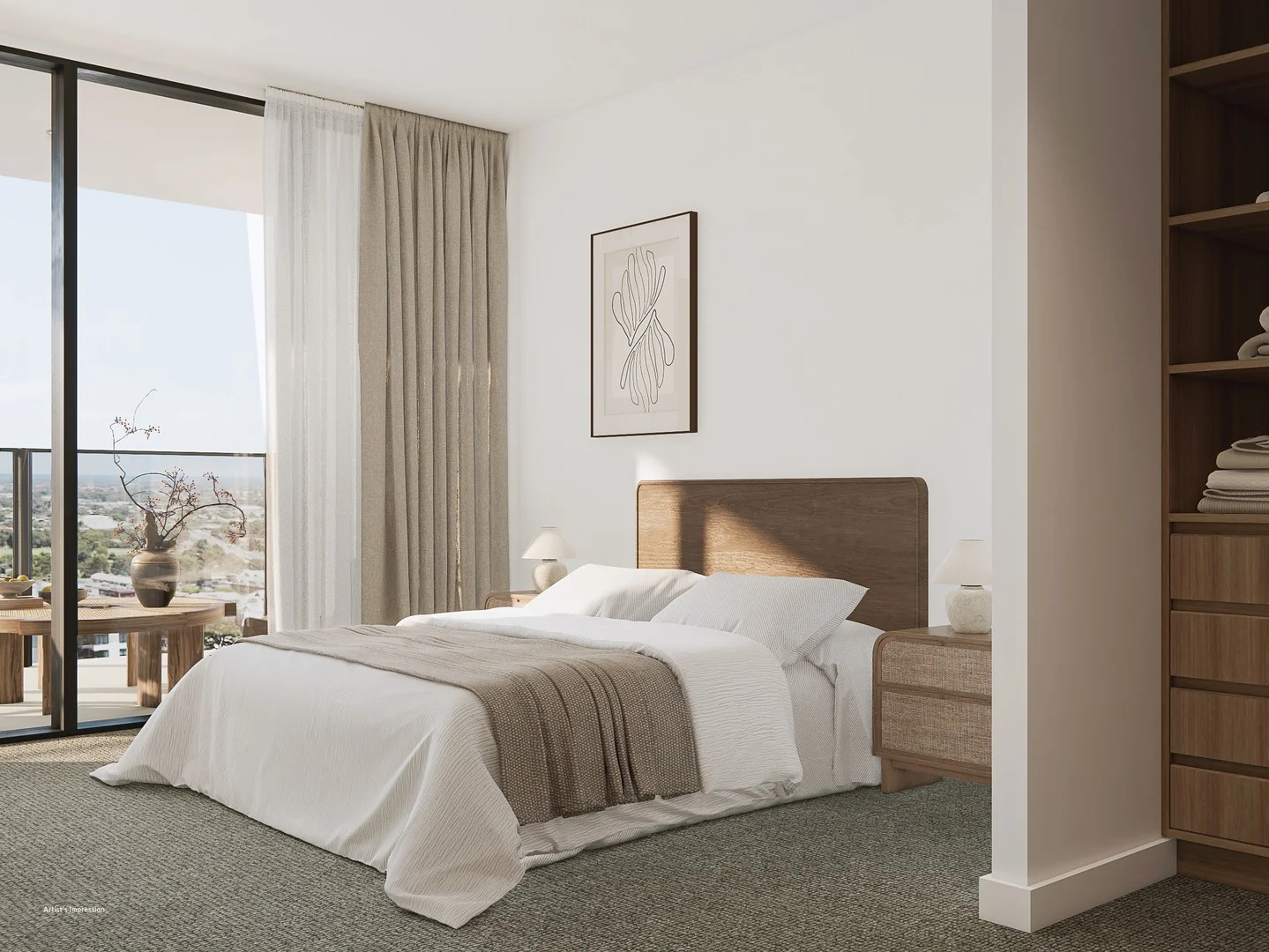 $935,000
Apartment / Unit / Flat
$935,000
Apartment / Unit / Flat
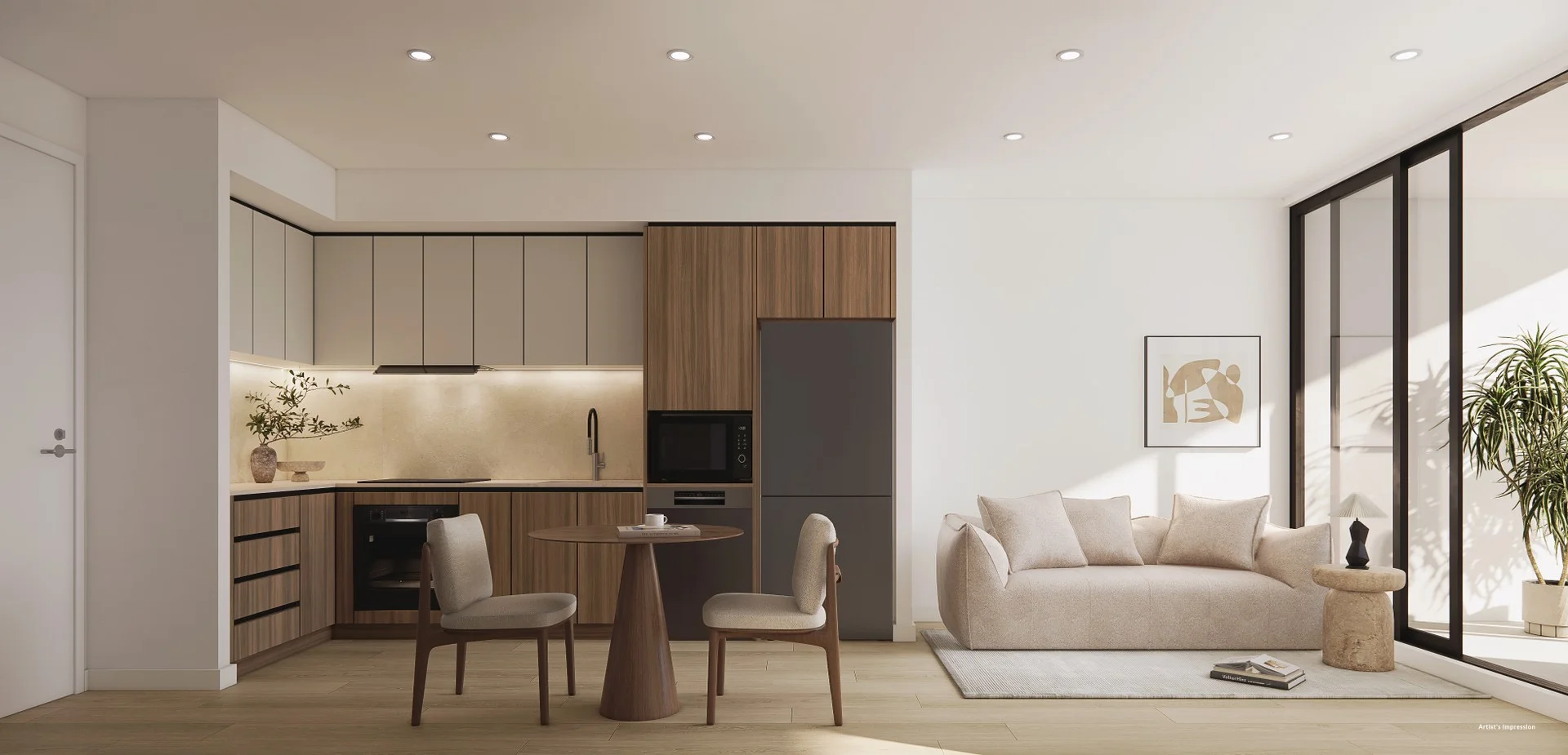 $588,000
Apartment / Unit / Flat
$588,000
Apartment / Unit / Flat
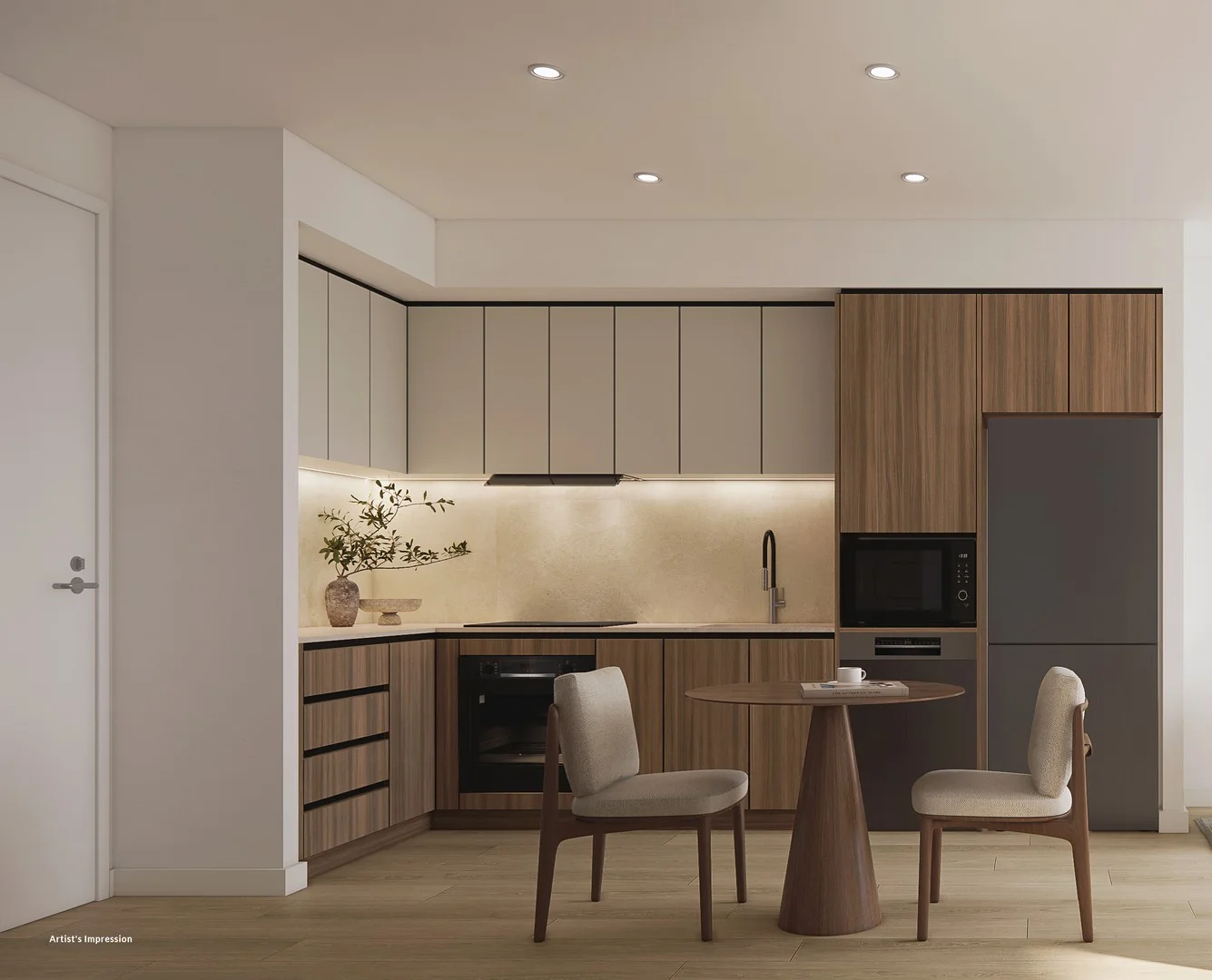 $557,000
Apartment / Unit / Flat
$557,000
Apartment / Unit / Flat
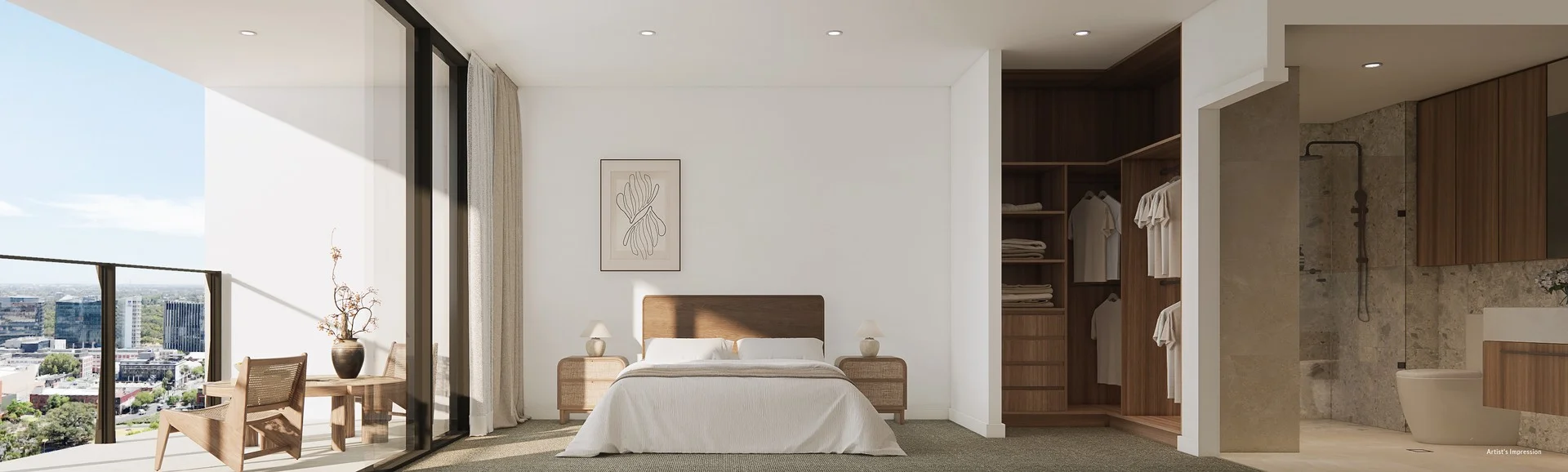 $1,056,000
Apartment / Unit / Flat
$1,056,000
Apartment / Unit / Flat
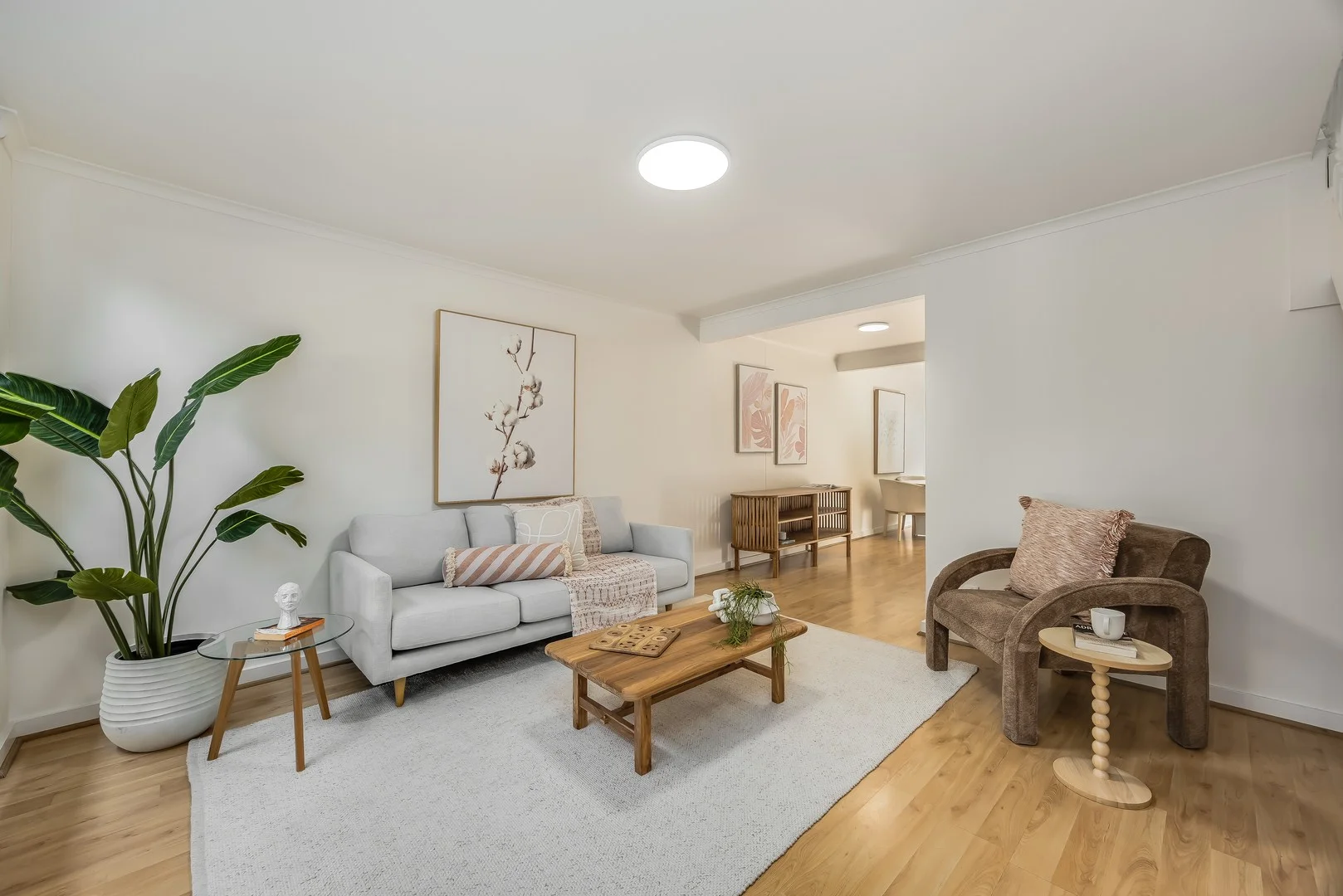 $775,000
House
$775,000
House
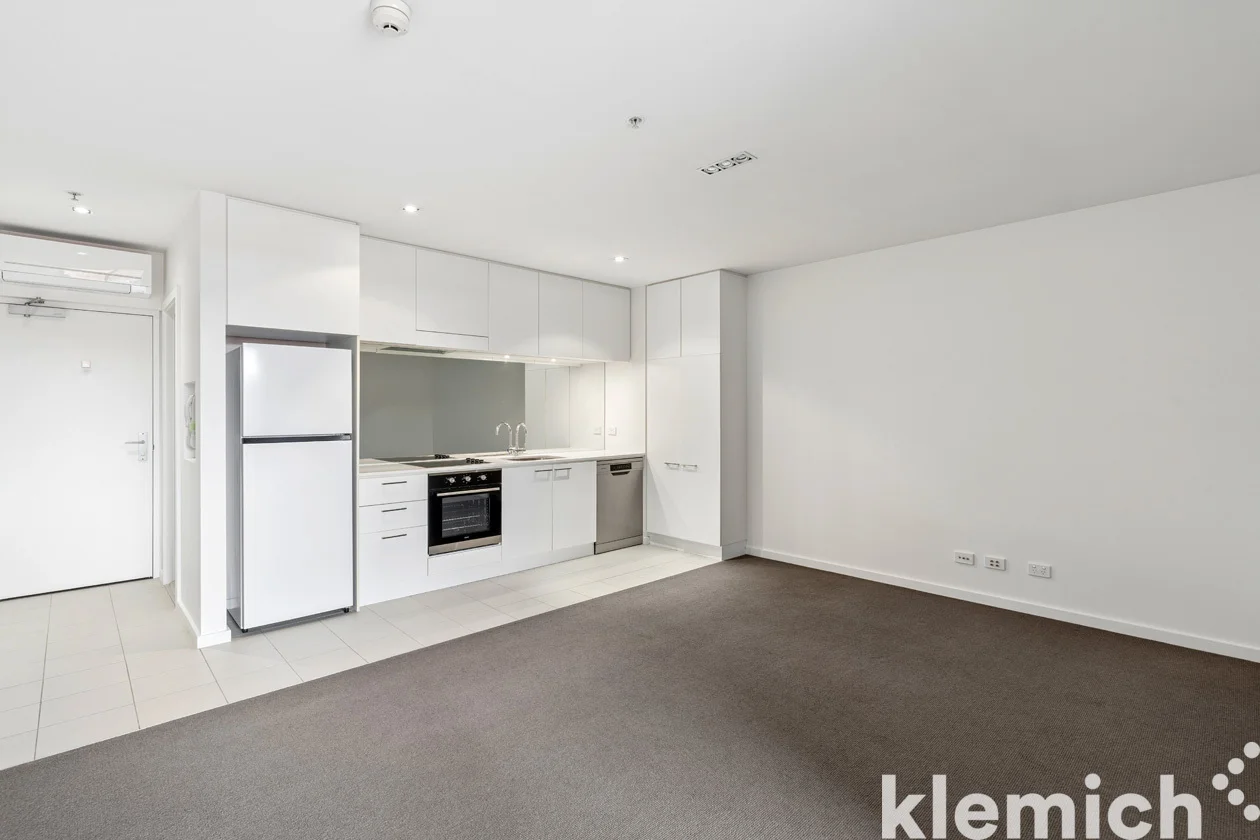 $440,000
Apartment / Unit / Flat
$440,000
Apartment / Unit / Flat
 $1,100,000
Apartment / Unit / Flat
$1,100,000
Apartment / Unit / Flat