1. Overview
St Peter’s College is an independent school with a long-standing heritage in Adelaide, offering a comprehensive education for students from different backgrounds. The college aims to foster academic growth alongside personal development in a supportive, community-focused environment.
- School type: Independent/private
- School size: Medium
- Class size: Generally small to mid (approximately 20–25 students per class)
- Atmosphere/culture: Academic, inclusive, with a strong sense of community and a supportive, sporty spirit
⸻
2. Academics & Learning
St Peter’s College focuses on a well-rounded curriculum designed to develop core academic skills and leadership potential.
- Academic strengths: Strong emphasis on STEM and English, with robust humanities and language offerings; leadership development integrated into the curriculum
- Special programs: Gifted and talented pathways; opportunities for accelerated learning and leadership experiences
- NAPLAN / trends: Data over recent years suggest stable to positive trends, with cohorts generally performing near or above state averages
- Student-teacher ratios: Approximately 1:12 to 1:15 in many year levels
- Support for diverse learners: EAL support and dedicated SEN/wellbeing staff to assist students with diverse learning needs
⸻
3. Sports & Extracurricular Strengths
A key focus for many families, with a broad range of activities that run beyond academics.
- Sports offered: Football (soccer and/or Australian rules), cricket, basketball, rugby where offered, tennis, swimming, athletics, and rowing
- Strong teams or achievements: Regular participation and competition across inter-school fixtures with notable performance in several sports
- Music, arts, drama programs: Active music ensembles, theatre productions, and performing arts involvement
- Clubs: Robotics, chess, coding, debating, and other interdisciplinary clubs
- Partnerships: Local athletic associations and inter-school competitions to broaden opportunities
⸻
4. Wellbeing & Pastoral Care
Wellbeing and safe, supportive relationships are a priority for students and families.
- Anti-bullying approach: Clear policies and reporting mechanisms to maintain a respectful environment
- House system: House-based activities and competitions to build belonging and leadership
- Counsellors / wellbeing officers: Access to school counsellors and wellbeing staff for academic and personal support
- Transition support for new students: Orientation programs, buddy systems, and targeted transition support
⸻
5. Facilities
Facilities are designed to support learning, performance, and recreation in a visually engaging way.
- Sports grounds: On-site playing fields and courts
- Libraries: Well-equipped library resources to support study and reading
- Science labs: Modern science laboratories for practical learning
- Music/performing arts centers: Dedicated spaces for music, drama, and performances
- Tech/innovation labs: Technology and innovation spaces to explore digital projects
- Cafeteria: On-site canteen and dining facilities
- Updated playgrounds: contemporary outdoor spaces for recreation and exploration
⸻
6. School Values & Community Culture
Parents often seek a school’s ethos and the kind of community it nurtures.
- School values / mission: Emphasis on respect, integrity, excellence, service, and community
- Leadership style: Collaborative, with opportunities for student voice and leadership roles
- Behaviour expectations: Clear codes of conduct and expectations aligned with school values
- Community reputation: Strong standing within the Adelaide independent school community
- Diversity & inclusion: Committed to a welcoming environment that supports diversity and inclusion
⸻
7. School Logistics & Daily Operations
Key practical information to help families plan around school life.
- School hours: Typical daytime hours with after-school activities; specific timetables available on request
- Before/after school care: Available or coordinated through the school program
- Uniform requirements: Required uniform with appropriate dress standards
- Transport (bus/routes): Bus services and public transport options connected to common pickup points
- Canteen availability: On-site canteen or snack facilities
- Fees (range): Fees are in the higher range common to independent schools; current figures available directly from the school
⸻
8. Enrolment & Admissions
What families need to know about joining the college.
11. What is the enrolment process and timeline?
- Online expression of interest or application, submission of required documents, and initial screening
- Open days or information sessions typically offered; timeline varies by year level
12. Is there a waiting list, and how does it work?
- There may be a waiting list for certain year levels; timing and priority are determined by the school’s enrolment policy
13. Are there any entry requirements, tests, or interviews?
- Entrance may involve interviews and consideration of previous academic records; some year levels may require assessments or auditions for specific programs
14. Does the school accept mid-year transfers?
- Mid-year transfers are considered where places are available and assessment supports the transfer
⸻
9. Frequently Asked Questions
- Why Parents Choose This School?
- A balance of strong academics, supportive pastoral care, and opportunities in sport, arts, and leadership; a values-based community with a focus on student well-being.
- What type of student thrives at this school?
- Motivated, community-minded learners who value both academics and extracurricular participation; individuals who respond well to a collaborative, supportive environment.
- What opportunities are available for students to extend their skills (academics, sports, arts)?
- Accelerated or gifted pathways, leadership opportunities, a wide range of clubs (robotics, coding, debating), and strong involvement in sports and performing arts.
- How does the school communicate with parents?
- Regular updates through newsletters, parent portals, emails, and scheduled parent-teacher conferences; accessible leadership and administration.
- What is the school’s approach to teaching and learning?
- A balanced program combining core academic skills with practical, hands-on learning and opportunities for deeper inquiry and collaboration.
- How does the school support students who need extra academic help?
- Dedicated support staff, EAL and SEN services, targeted tutoring, and personalized learning plans where appropriate.
- What support is available for academic challenges?
- Access to tutoring, counselling, and adjustments within the classroom to help students meet their learning goals.
- How does the school communicate with parents? (Duplicate question)
- See above: newsletters, portals, emails, conferences.
- What are the class sizes and how much individual attention do students receive?
- Class sizes typically around 20–25 students, with teachers able to provide curriculum differentiation and targeted support.
- What extracurricular and sports opportunities are available?
- A broad program including sports fixtures, music and drama ensembles, and clubs such as robotics, chess, coding, and debating.
- What facilities does the school offer (sports, science, arts)?
- Comprehensive facilities including sports grounds, libraries, science labs, performing arts spaces, and technology labs.
- What is the school’s approach to technology and digital learning?
- Integrated use of technology to support learning, with appropriate digital resources and learning platforms.
- What transport and accessibility options are available?
- Bus routes and access via public transport; convenient arrangements to support commuting students.
- What are the typical school fees or additional costs?
- Independent school fees with additional costs for activities; exact figures available on request for accurate budgeting
⸻
10. Short Pros & Cons list
- Pros
- Independent school environment with strong academic and extracurricular offerings
- Supportive wellbeing and pastoral care
- Balanced focus on academics, sport, arts, and leadership
- Structured house system and clear values-driven culture
- Good facilities supporting a wide range of activities
- Cons
- Higher fee level typical of private independent schools
- Competitive environment may not suit every student
- Admission and transfer processes can involve wait times or entry requirements
⸻








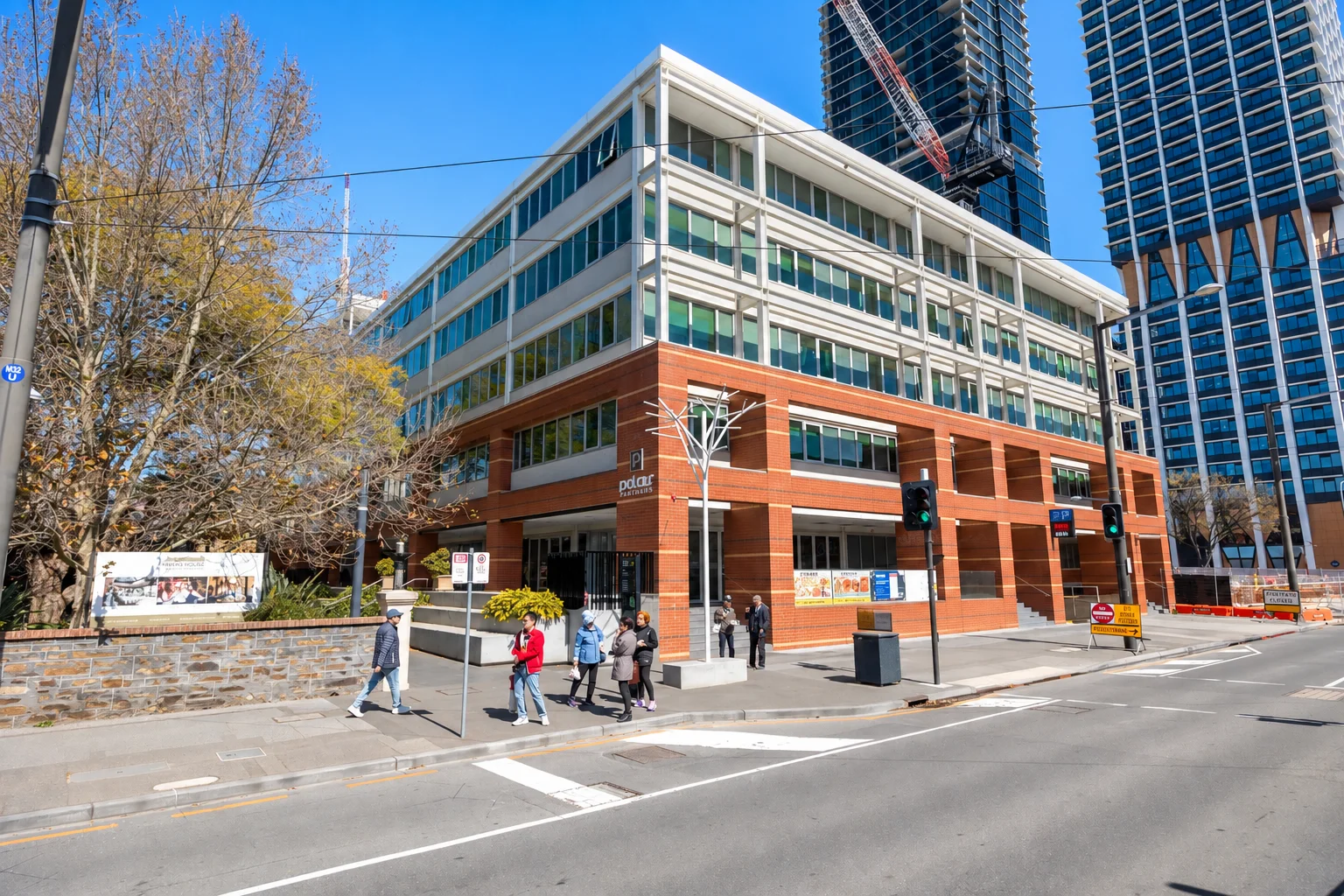 $545,000
Apartment / Unit / Flat
$545,000
Apartment / Unit / Flat
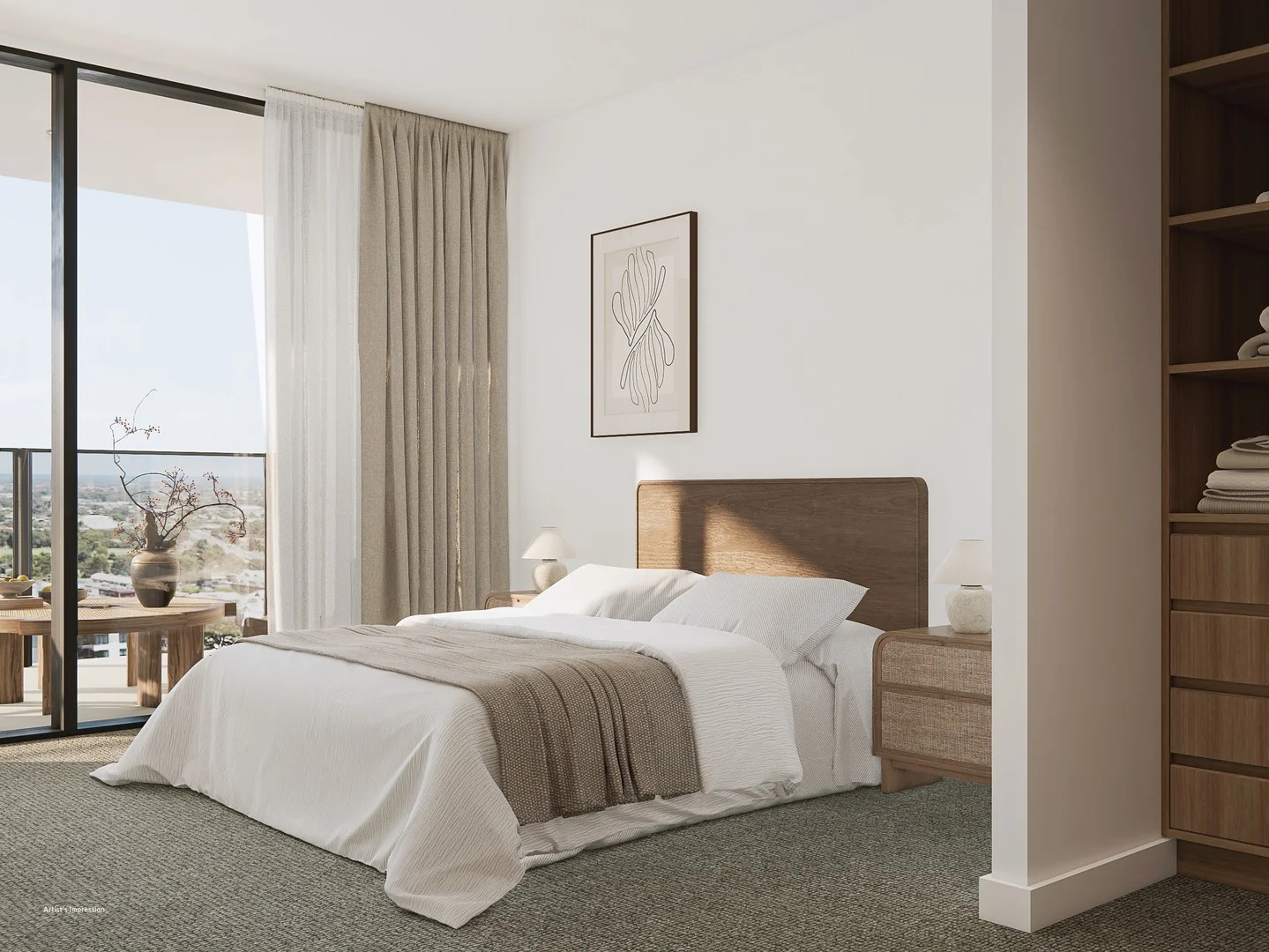 $935,000
Apartment / Unit / Flat
$935,000
Apartment / Unit / Flat
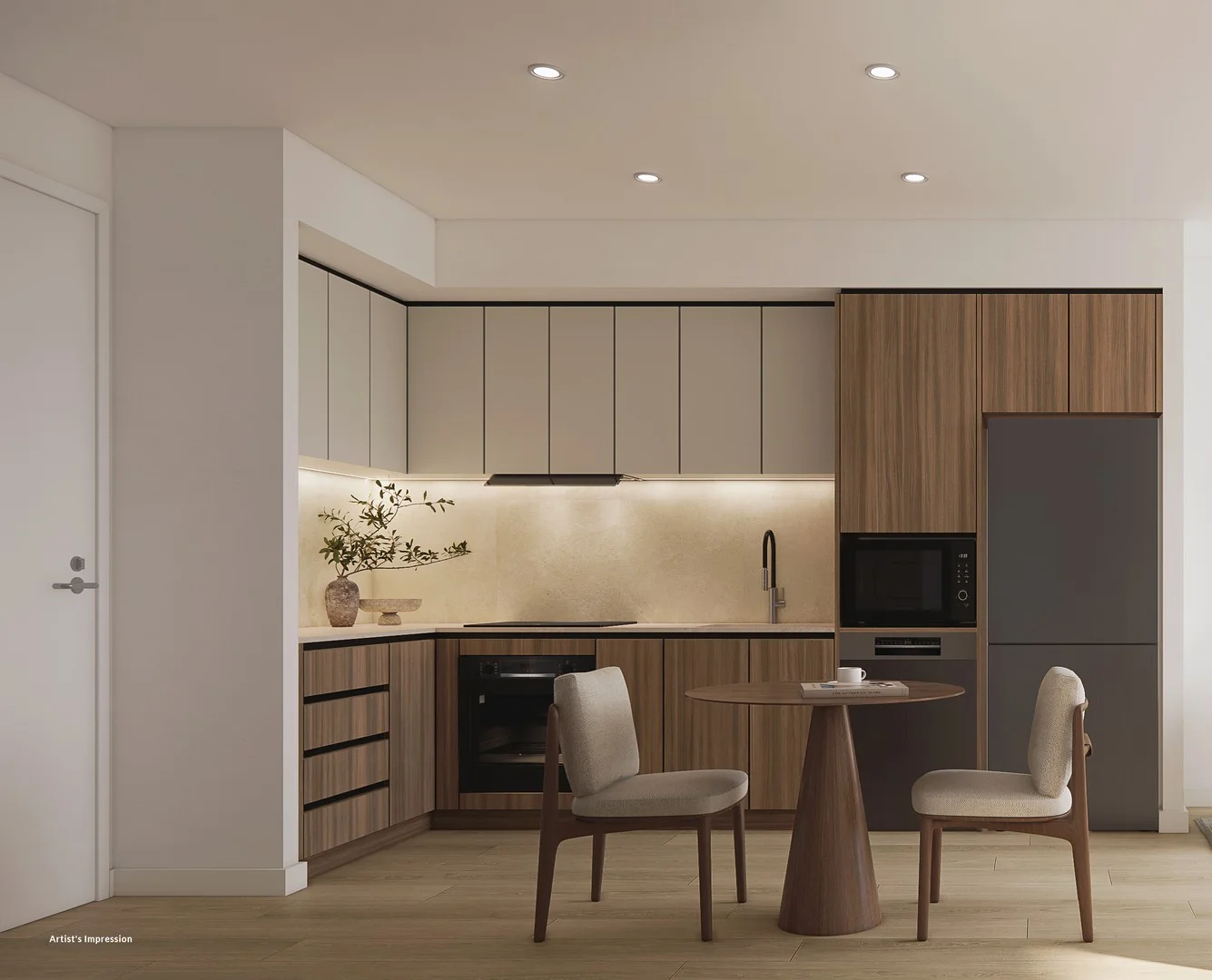 $557,000
Apartment / Unit / Flat
$557,000
Apartment / Unit / Flat
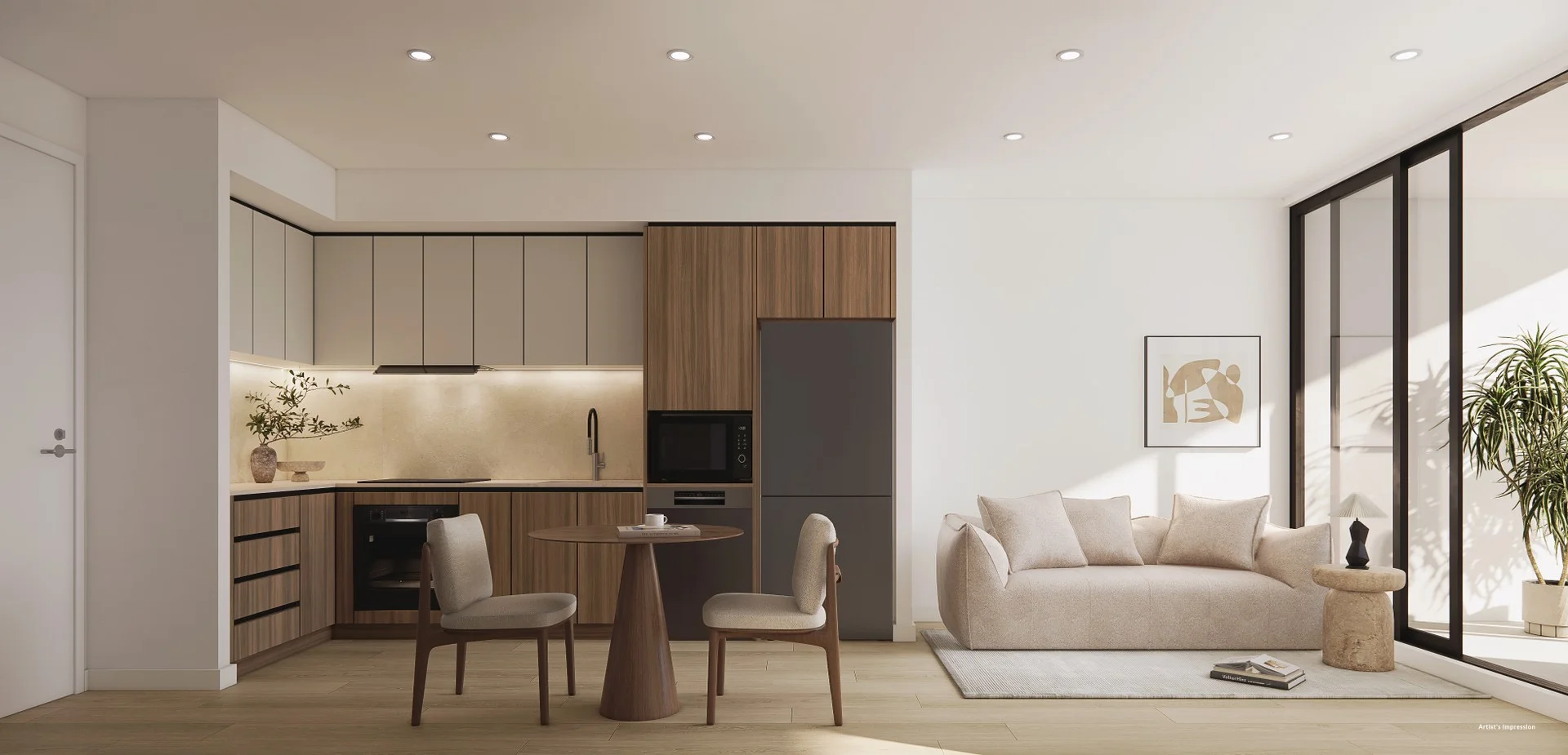 $588,000
Apartment / Unit / Flat
$588,000
Apartment / Unit / Flat
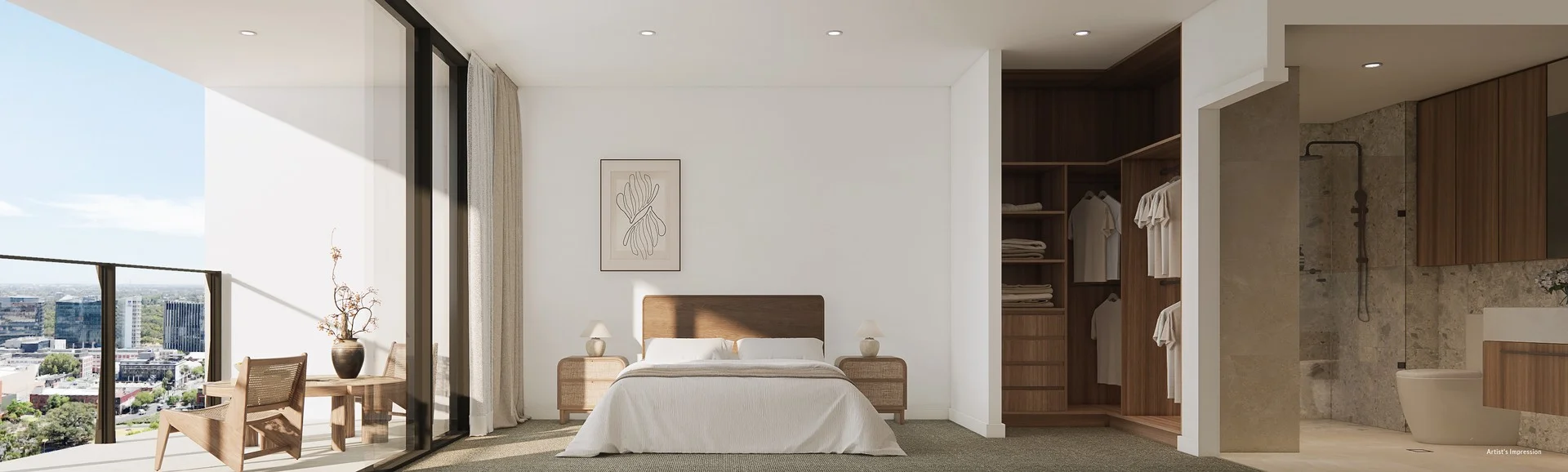 $1,056,000
Apartment / Unit / Flat
$1,056,000
Apartment / Unit / Flat
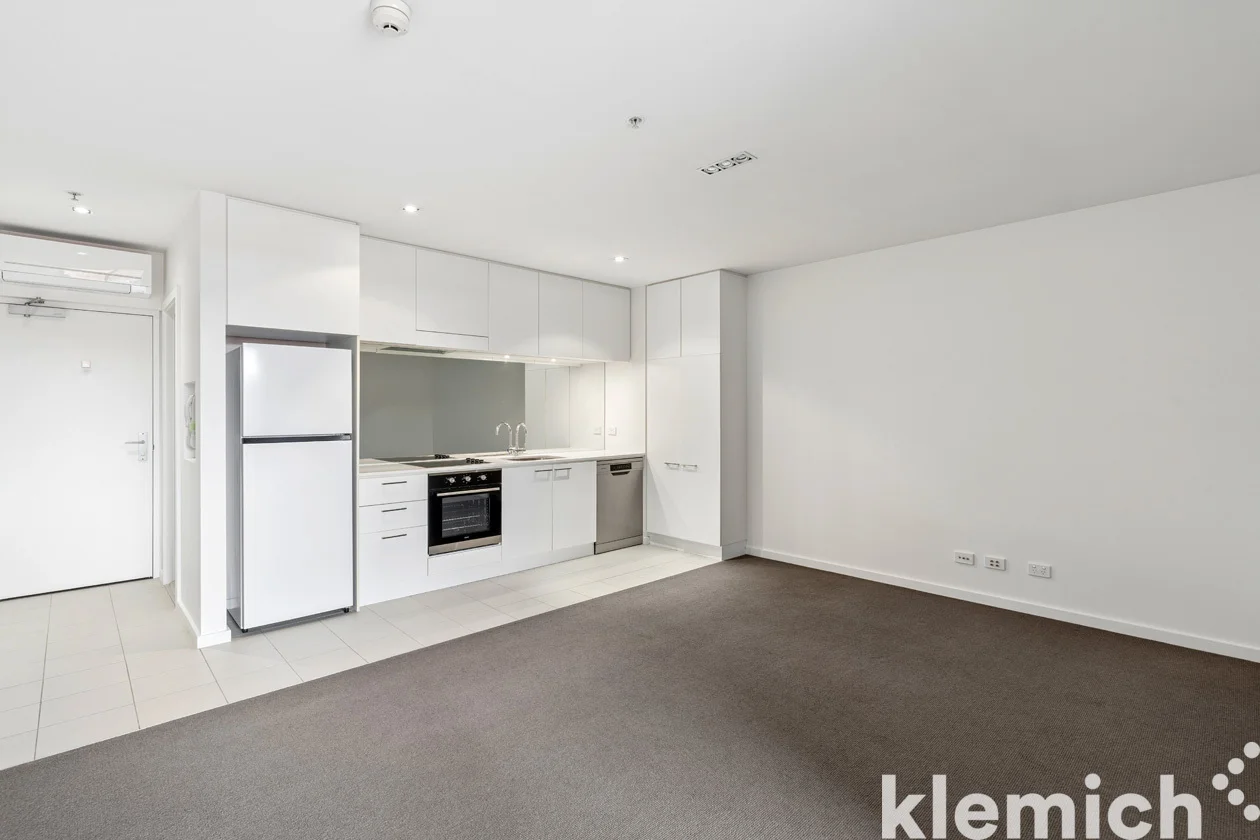 $440,000
Apartment / Unit / Flat
$440,000
Apartment / Unit / Flat
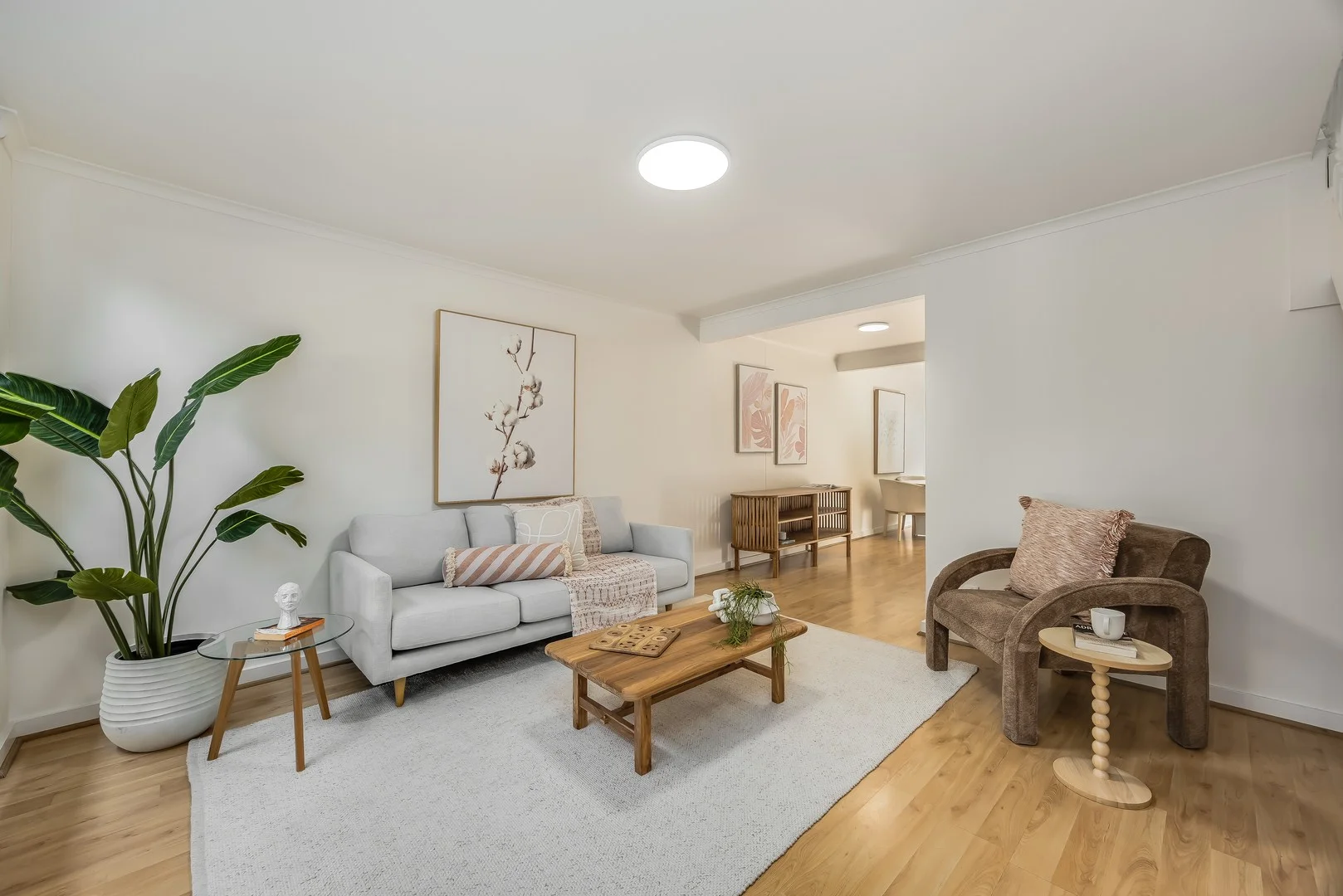 $775,000
House
$775,000
House
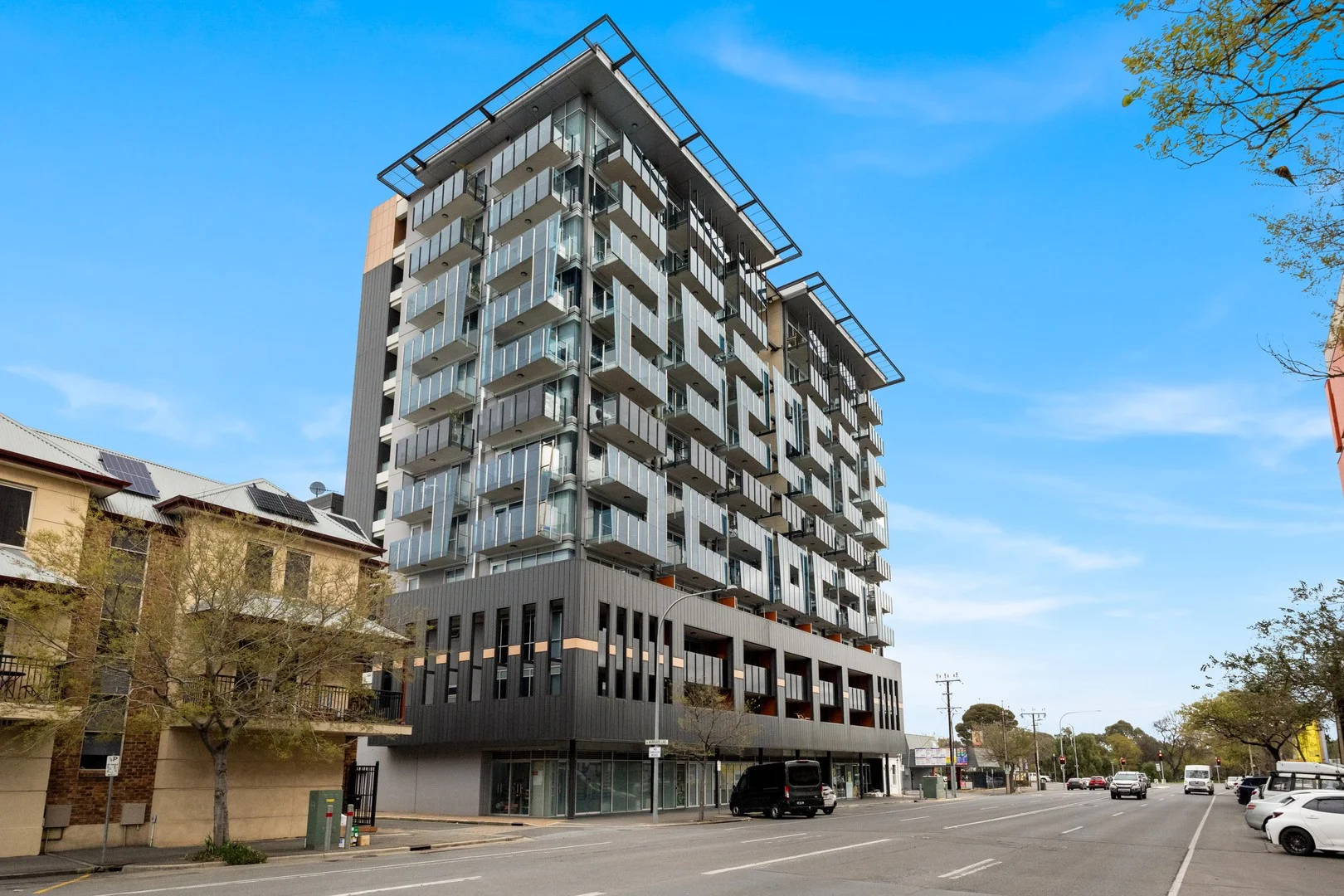 $1,100,000
Apartment / Unit / Flat
$1,100,000
Apartment / Unit / Flat