Overview
## 1. Overview
East Bentleigh Primary School is a public school serving the local East Bentleigh community. The school fosters a supportive, inclusive atmosphere with a medium-sized student population and a focus on helping every child grow academically and socially.
Class sizes are typically in the 20–25 student range, providing opportunities for adults to know students well and tailor support. The culture emphasizes a nurturing, respectful environment where students are encouraged to participate, collaborate, and strive for personal best.
⸻
## 2. Academics & Learning
- Academic strengths: literacy and numeracy foundations are a priority, with a strong emphasis on STEM thinking, digital literacy, and inquiry-based learning. English language development and writing across the curriculum are key focus areas.
- Special programs: enrichment opportunities and leadership experiences for capable students; English as an Additional Language (EAL) support where needed; gifted/talented programs may be available depending on enrolments.
- NAPLAN / trends: recent years show stable to improving trends in reading, writing, and numeracy, with ongoing emphasis on growth and mastery rather than only scores.
- Student-teacher ratios: typical class sizes of around 20–25 students, supported by teaching staff and specialist teachers where available.
- Support for diverse learners: dedicated EAL support, targeted SEN assistance, and inclusive education practices to help students with varied learning needs.
⸻
## 3. Sports & Extracurricular Strengths
- Sports offered: a range of team and individual sports common to primary schools (e.g., soccer, cricket, basketball, netball, athletics, and cross-country participation).
- Strong teams or achievements: active participation in inter-school and district events; achievements vary by year and cohort.
- Music, arts, drama programs: instrumental lessons, choir or singing programs, school productions, and opportunities in drama and visual arts.
- Clubs: robotics, coding, chess, debating, and other enrichment clubs may be available depending on staffing and student interest.
- Partnerships: connections with local community clubs and participation in inter-school competitions and events.
⸻
## 4. Wellbeing & Pastoral Care
- Anti-bullying approach: whole-school anti-bullying initiatives, clear policies, and restorative practices to support a safe environment.
- House system: a house-based structure used to promote belonging, teamwork, and healthy competition (where implemented).
- Counsellors / wellbeing officers: access to school-based wellbeing staff to support student mental health, social-emotional learning, and transitions.
- Transition support for new students: buddy programs, orientation activities, and targeted supports to help new students settle in.
⸻
## 5. Facilities
- Sports grounds: outdoor fields and courts supporting PE and sport.
- Libraries: a central library with a range of fiction and non-fiction for classroom and independent reading.
- Science labs: well-equipped spaces for hands-on science investigations.
- Music/performing arts centers: spaces for music learning, rehearsals, and performances.
- Tech/innovation labs: access to digital tools and technology-enabled learning environments.
- Cafeteria: on-site food service or canteen area for snacks and lunch.
- Updated playgrounds: modern, age-appropriate play areas to support outdoor activity and breaks.
⸻
## 6. School Values & Community Culture
- School values / mission: emphasis on respect, responsibility, inclusion, and collaboration; a culture of striving for personal best.
- Leadership style: distributed leadership with opportunities for student voice through councils, peer mentoring, and teacher-student collaboration.
- Behaviour expectations: clear positive-behaviour framework with consistent routines, expectations, and restorative approaches.
- Community reputation: known for a welcoming, family-friendly environment with active parent involvement and community partnerships.
- Diversity & inclusion: focus on creating an inclusive culture that values every student’s background and learning needs.
⸻
## 7. School Logistics & Daily Operations
- School hours: typical school day runs during standard Victorian school hours, with start and finish times varying by year level.
- Before/after school care: OSHC or similar program often available for families needing extended hours.
- Uniform requirements: school uniform is standard; details provided by the school and uniform suppliers.
- Transport (train/bus routes): access to local bus services and walking/cycling paths; proximity to public transport can influence access for families.
- Canteen availability: canteen or food service available on-site.
- Fees (low/medium/high ranges): as a government primary school, tuition is not charged; there may be voluntary contributions and small activity fees for events or programs.
⸻
## 8. Enrolment & Admissions
11. What is the enrolment process and timeline?
- Enrolment typically involves submitting an application through the school, with timelines aligned to the Victorian school year. Space availability and catchment considerations influence offers. Contact the school for the current process and key dates.
12. Is there a waiting list, and how does it work?
- Some years may have a waiting list if demand exceeds capacity. Priority often aligns with catchment rules and placement policies; the school can explain the sequence and how spaces are allocated.
13. Are there any entry requirements, tests, or interviews?
- Most Victorian primary schools do not require entrance exams. There may be a short transition interview or information gathering meeting to support placement and transition, especially for families new to the area or for EAL considerations.
14. Does the school accept mid-year transfers?
- Mid-year transfers can be possible if space allows. Parents should contact the school as early as possible to discuss availability and required documentation.
⸻
## 9. Frequently Asked Questions
- Why Parents Choose This School?
- A welcoming, inclusive public school with a focus on academic growth, wellbeing, and community involvement.
- What type of student thrives at this school?
- Students who respond well to a supportive environment, balanced academics, and participation in meaningful extra-curriculars.
- What opportunities are available for students to extend their skills (academics, sports, arts)?
- Access to enrichment programs, STEM and literacy initiatives, sports teams, music/drama opportunities, and clubs such as robotics, coding, and debating.
- How does the school communicate with parents?
- Regular notices, newsletters, parent-teacher meetings, and digital platforms that provide updates on learning and wellbeing.
- What is the school’s approach to teaching and learning?
- A commitment to evidence-based instruction, differentiation to meet diverse needs, and a focus on growth in literacy, numeracy, and digital literacy.
- How does the school support students who need extra academic help?
- Targeted EAL and SEN support, small-group or individual interventions, and tailored learning plans.
- What support is available for academic challenges?
- Access to tutoring, teacher-led interventions, and collaboration with families to set goals and monitor progress.
- How does the school communicate with parents? (duplicate question)
- See above: multiple channels including digital platforms, regular updates, and parent-teacher meetings.
- What are the class sizes and how much individual attention do students receive?
- Class sizes typically around 20–25 students with teachers providing targeted instruction and additional support as needed.
- What extracurricular and sports opportunities are available?
- A broad range of sports, arts, and clubs (robotics, coding, chess, debating) depending on staffing and student interest.
- What facilities does the school offer (sports, science, arts)?
- Sports grounds, library, science labs, performing arts/music spaces, and technology/innovation labs.
- What is the school’s approach to technology and digital learning?
- Emphasis on digital literacy, integration of technology in learning, and responsible use of devices.
- What transport and accessibility options are available?
- Local bus routes, walking/cycling opportunities, and proximity to public transport; accessibility considerations are addressed as part of planning.
- What are the typical school fees or additional costs?
- Government primary schools do not charge tuition; there may be voluntary contributions and small fees for specific activities or programs.
⸻
## 10. Short Pros & Cons list
- Pros
- Public, inclusive environment with a focus on student wellbeing and personalised learning.
- Medium-sized community that supports strong teacher-student relationships.
- Broad range of academic and co-curricular opportunities (STEM, arts, sports, clubs).
- Support for diverse learners (EAL, SEN) and transition programs for new students.
- Active community involvement and partnerships with local groups.
- Cons
- Class sizes are not uniform across all year levels and can vary with enrolment.
- Availability of certain clubs or programs may depend on staffing and student interest.
- Mid-year transfers depend on space and may limit immediate placement.
- Specific program offerings (e.g., gifted and talented, language options) may vary by year and enrolment.
Note: The details above reflect typical features of public primary schools in Victoria and are intended as a draft. For precise, up-to-date information about East Bentleigh Primary School, please contact the school directly to confirm enrolment processes, programs, and current facilities.










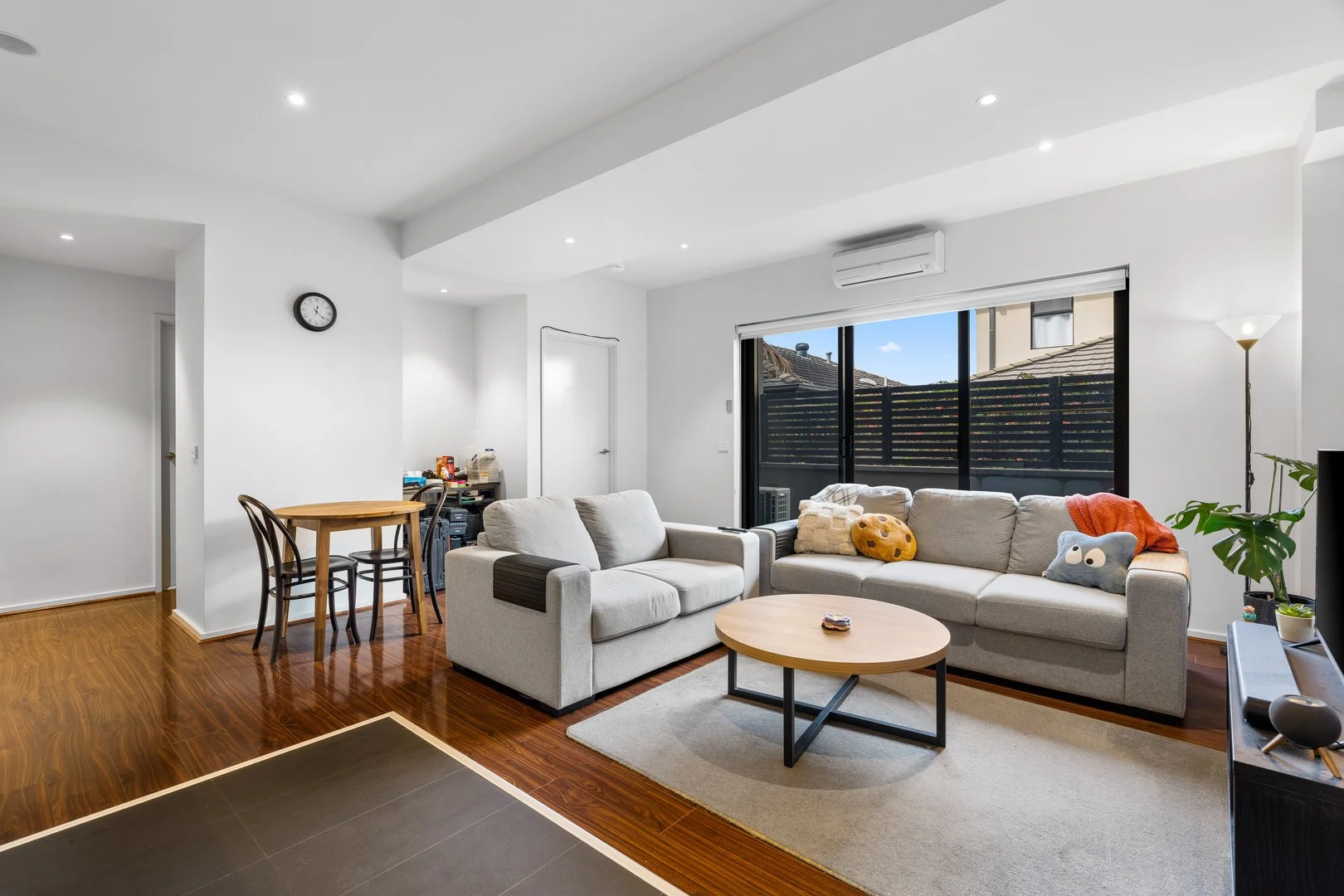 $385,000 - $410,000
Apartment / Unit / Flat
$385,000 - $410,000
Apartment / Unit / Flat
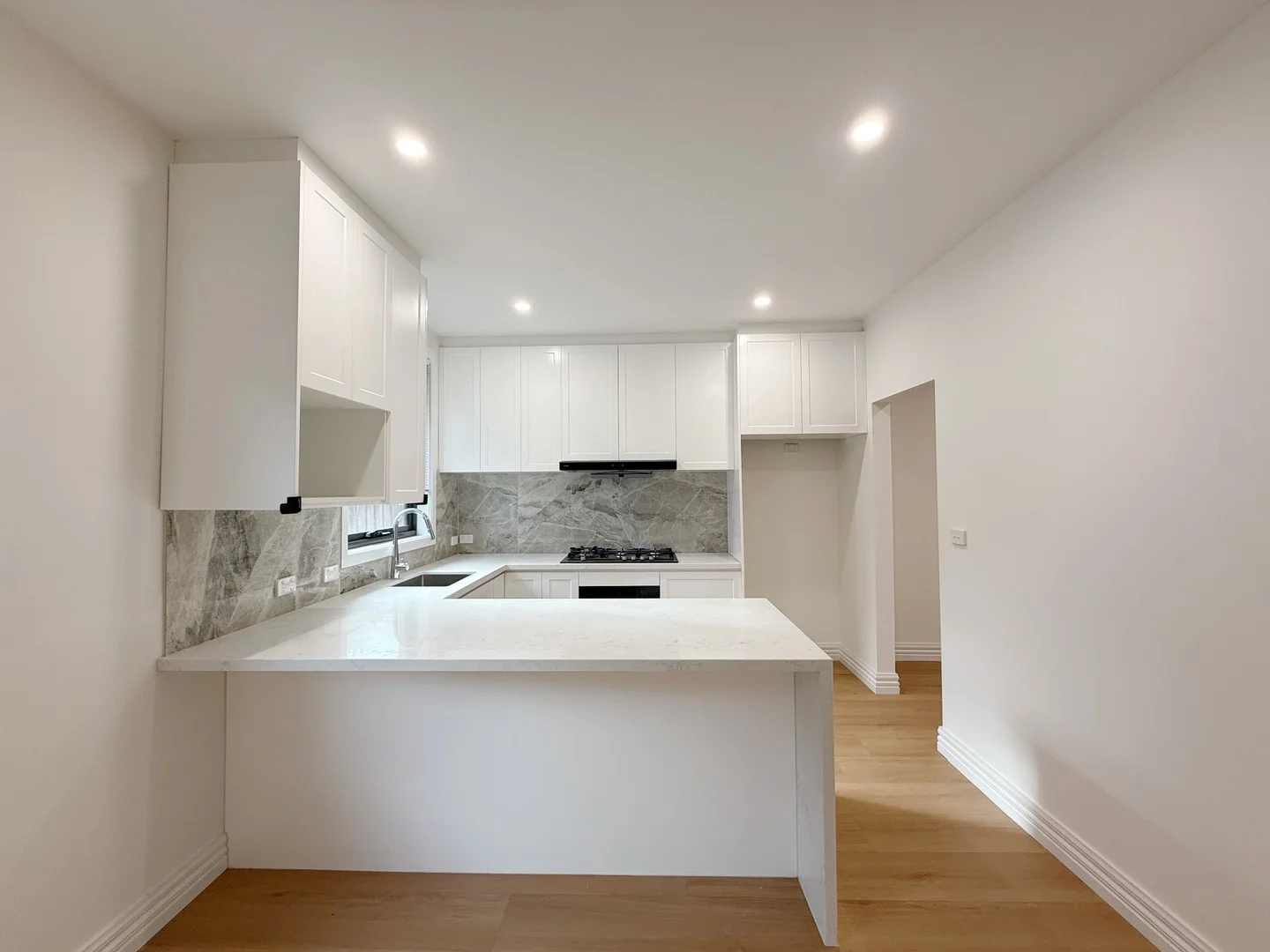 $1,280
House
$1,280
House
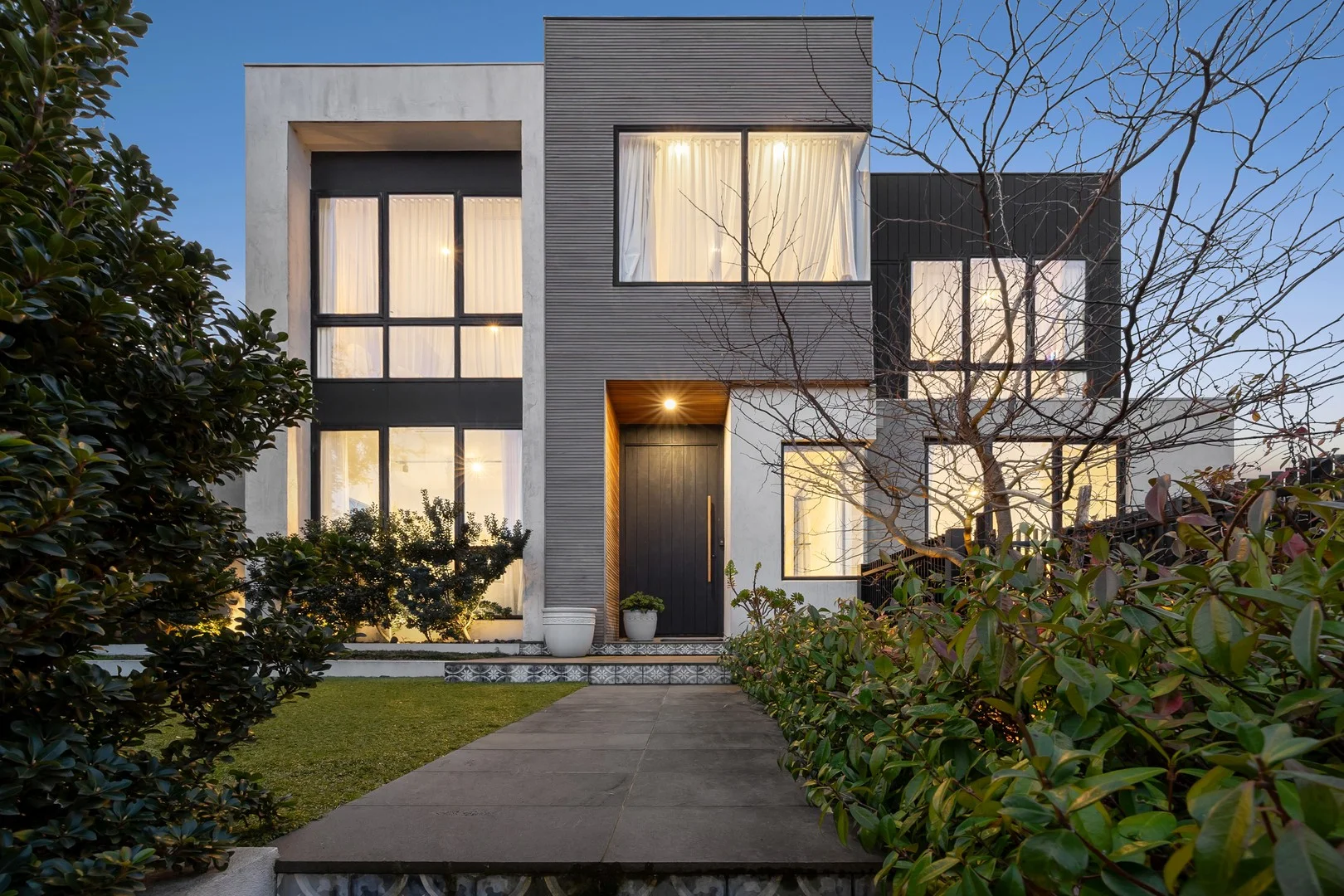 $4,200,000
House
$4,200,000
House
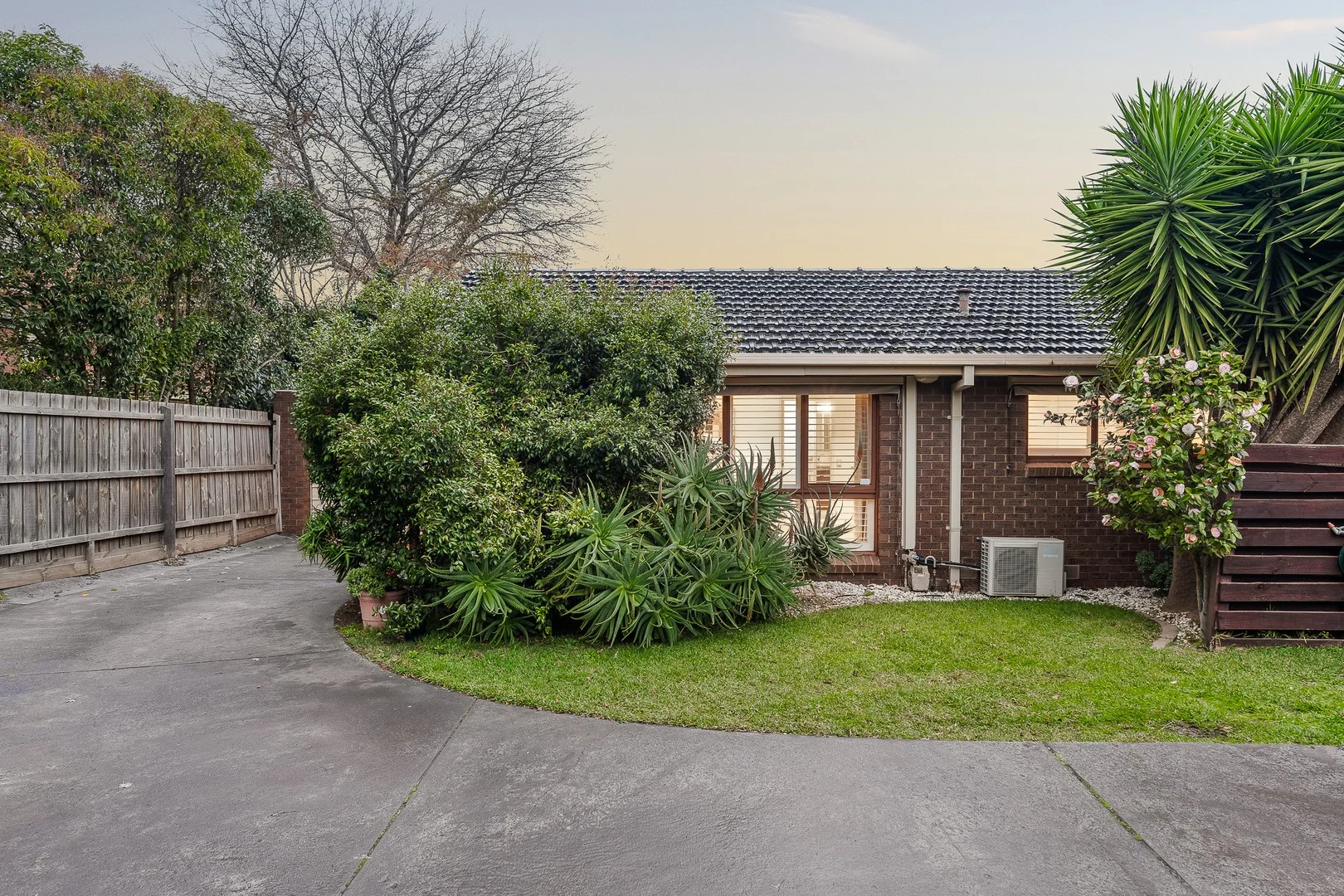 $770,000 - $820,000
Apartment / Unit / Flat
$770,000 - $820,000
Apartment / Unit / Flat
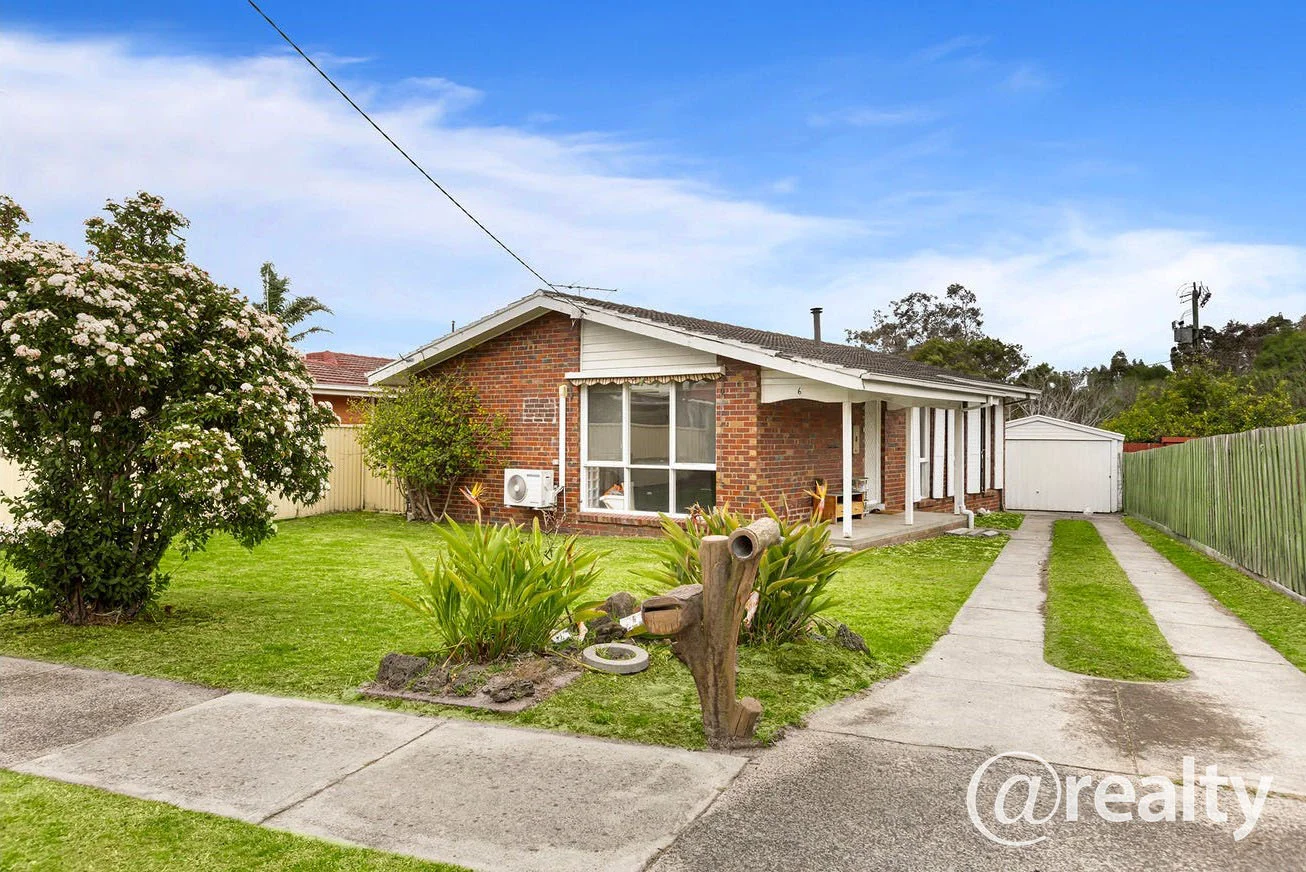 $610
House
$610
House
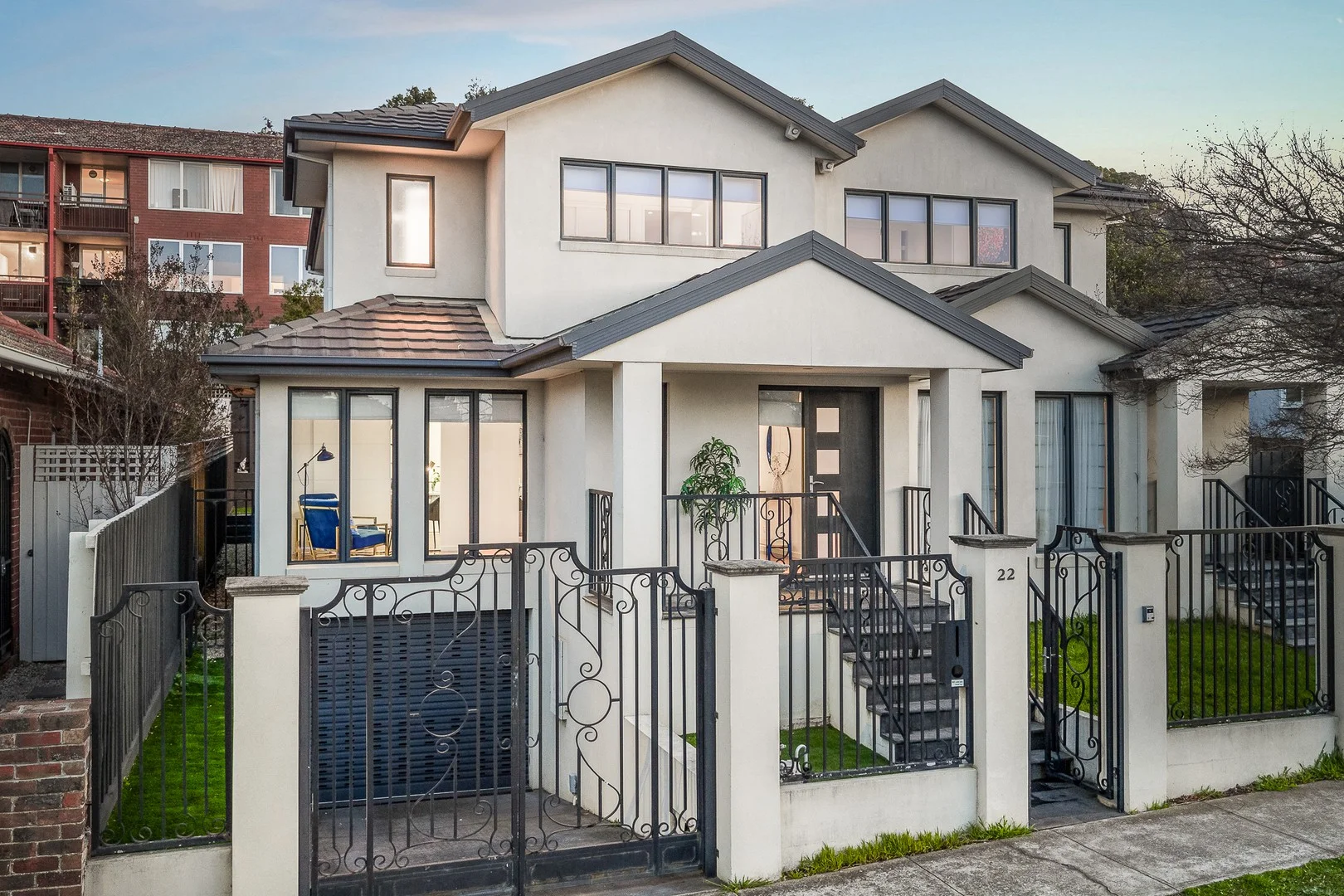 $2,390,000
Townhouse
$2,390,000
Townhouse
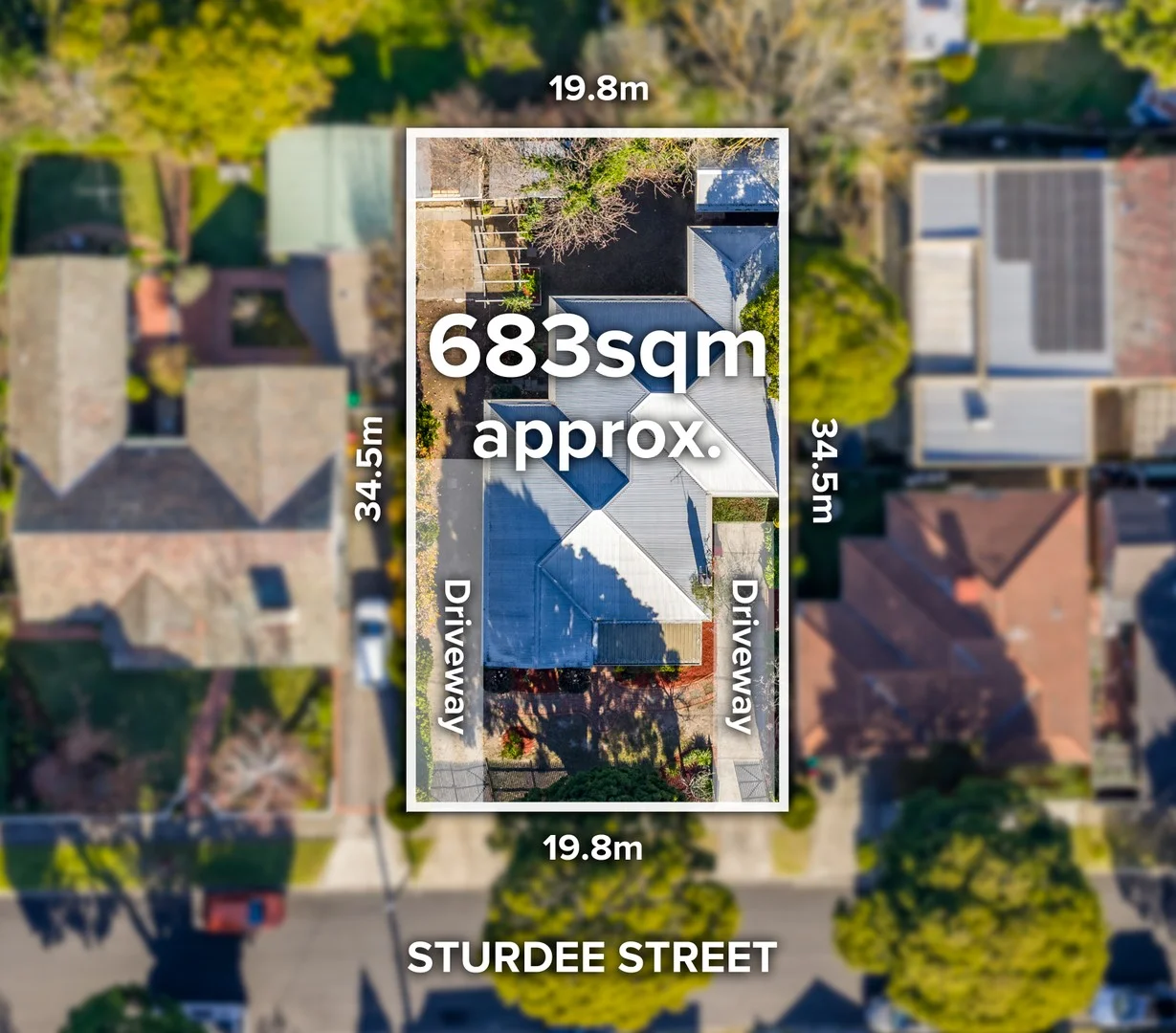 $2,000,000
House
$2,000,000
House
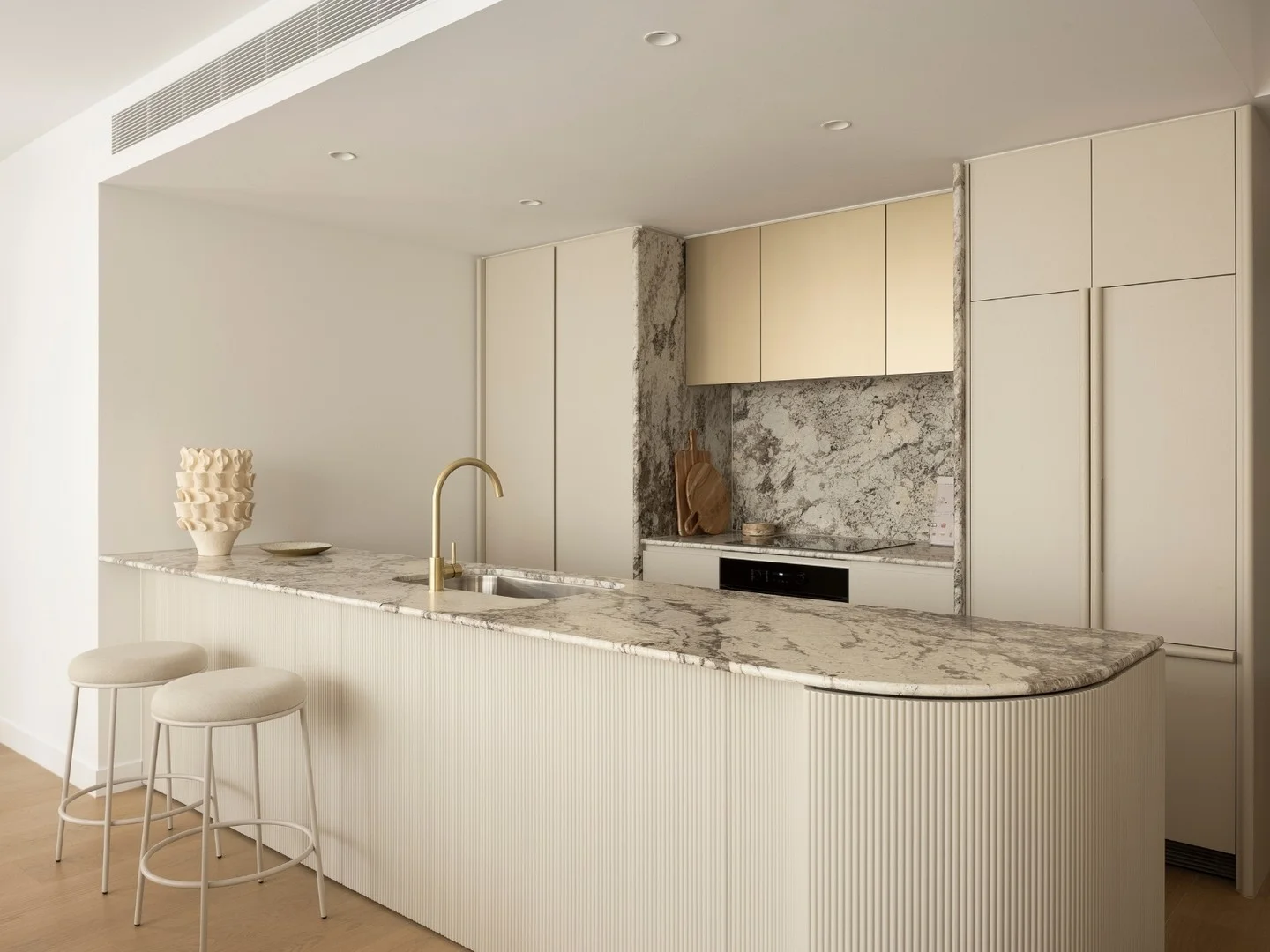 $1,345,000
Apartment / Unit / Flat
$1,345,000
Apartment / Unit / Flat
 $2,750,000
Apartment / Unit / Flat
$2,750,000
Apartment / Unit / Flat