1. Overview
St Catherine's Moorabbin is a Catholic primary school in Melbourne's south-east serving families in the Moorabbin area. The school operates as a small-to-medium community school that emphasises strong teacher–student relationships, faith-informed values, and a supportive learning environment. Class sizes are typically designed to be compact, enabling close supervision and personalised attention.
Key characteristics: School type — Catholic; School size — small–medium; Class size — around 22–25 students per class; Atmosphere/culture — nurturing, inclusive, faith-based.
⸻
2. Academics & Learning
St Catherine's Moorabbin focuses on a well-rounded curriculum with solid literacy and numeracy foundations and broad exposure to STEM, humanities, arts and languages. The school aims to cultivate critical thinking, creativity and lifelong learning through hands-on, inquiry-based activities and integrated learning experiences.
Academic strengths and programs:
- Strong emphasis on literacy and numeracy, with opportunities to extend learning in STEM and the humanities.
- Special programs may include enrichment, gifted/talented opportunities, and targeted learning supports where needed.
- Language offerings and cultural awareness are encouraged as part of a broad curriculum.
NAPLAN / trends:
- NAPLAN trends show steady improvement over recent years with cohorts commonly achieving results at or above state averages in literacy and numeracy.
Student-teacher ratios and learner support:
- Class sizes are kept compact to support individual attention, with typical ratios in the mid-teens to low-20s.
- Support for diverse learners includes in-class adjustments, targeted intervention, and access to learning support and EAL/SEN assistance as appropriate.
⸻
3. Sports & Extracurricular Strengths
A strong focus on holistic development means sport, arts and clubs play a central role for students aged 10–14 and beyond.
Sports offered:
- Range of inter-school sports and in-school programs (e.g., soccer, netball, athletics, cricket, and general fitness activities).
Achievements:
- Active participation in local inter-school competitions with opportunities to build teamwork, skill development and school pride.
Music, arts & drama:
- Regular music and performing arts opportunities, school concerts and involvement in drama activities.
Clubs and further activities:
- Robotics, coding, chess and debating programs are commonly available to extend critical thinking and problem-solving outside the classroom.
Partnerships:
- Local community and sporting partnerships support competitions, events and enrichment activities.
⸻
4. Wellbeing & Pastoral Care
Wellbeing and pastoral care are central to the student experience, with a focus on positive relationships, safety and belonging.
Anti-bullying approach:
- Whole-school policies and practices aimed at preventing bullying, promoting respectful relationships and a safe learning environment; active student support networks.
House system:
- House structure used to build community, leadership, and friendly competition across activities and events.
Counsellors / wellbeing officers:
- Access to school welfare staff or accredited counsellors to support emotional wellbeing and personal development.
Transition support for new students:
- Orientation activities, buddy or mentor systems and information sessions to help new students settle in smoothly.
⸻
5. Facilities
Facilities offer a visual, practical learning environment that supports a range of learning experiences.
- Sports grounds and outdoor play spaces
- Library/resource centre
- Science labs
- Music and performing arts spaces
- Tech/innovation areas or computer labs
- Canteen or cafeteria facilities
- Updated playgrounds and shade structures
⸻
6. School Values & Community Culture
The school operates with a Catholic identity and a focus on character, service and community.
School values / mission:
- Values rooted in Catholic ethos, including compassion, respect, integrity and service.
Leadership style:
- Inclusive leadership that invites student voice and community involvement; emphasis on collaboration among staff, families and parish.
Behaviour expectations:
- Clear codes of conduct and restorative approaches to behaviour; emphasis on respect, responsibility and positive relationships.
Community reputation:
- Strong local parish connection and supportive school community with a reputation for inclusivity and family involvement.
Diversity & inclusion:
- Welcoming families from diverse backgrounds; inclusive practices embedded in daily life and learning.
⸻
7. School Logistics & Daily Operations
Important practical information for families.
School hours:
- Typical school day starts around 9:00 am and finishes mid to late afternoon; variations may occur by year level.
Before/after school care:
- On-site or partner arrangements may provide before/after school care or flexible supervision options.
Uniform requirements:
- School uniform with seasonal variations; clear guidelines for daily and sports attire.
Transport (train/bus routes):
- Accessible by local transport options and bus routes; parking and drop-off procedures designed for safety.
Canteen availability:
- Canteen or lunch facilities offering healthy meal options during the day.
Fees (low/medium/high ranges):
- Fees fall into a mid-range category for Melbourne Catholic primary schools, with additional costs for excursions and activities.
⸻
8. Enrolment & Admissions
11. What is the enrolment process and timeline?
- Begin with an online or paper enrolment form, attend open day/information sessions, submit required documents (birth certificate, immunisation records, proofs of residence, etc.), and participate in any school interviews or information meetings. Offers are issued according to the school’s calendar and enrolment policy, with confirmation steps and start date outlined in the offer.
12. Is there a waiting list, and how does it work?
- Most Catholic primary schools maintain a waiting list when places are full. Priority is usually given to siblings, Catholic families, and those in the local parish catchment. The waiting list is managed by the enrolments team, and families may be asked to reconfirm interest periodically.
13. Are there any entry requirements, tests, or interviews?
- Primary school admissions typically do not require formal academic testing; there may be an information session or family interview with the principal or enrolments team to assess fit, values alignment, and readiness.
14. Does the school accept mid-year transfers?
- Mid-year transfers may be possible if places are available. Prospective families should submit an application and provide the child’s latest school report, immunisation records, and any relevant documentation; an interview or meeting may be required.
⸻
9. Frequently Asked Questions
• Why Parents Choose This School?
- A strong Catholic identity, a nurturing and inclusive environment, small class sizes, and close teacher–student relationships that support individual growth and values-based education.
• What type of student thrives at this school?
- Students who value a community-focused environment, are engaged in a broad curriculum, and appreciate supportive pastoral care and a faith-based context.
• What opportunities are available to extend skills (academics, sports, arts)?
- Enrichment programs in literacy, numeracy, and STEM; clubs such as robotics, coding and debating; music and drama opportunities; participation in local sports and inter-school events.
• How does the school communicate with parents?
- Regular newsletters, digital communications, parent-teacher meetings, and updates through school portals or apps; timely responses from staff.
• What is the school’s approach to teaching and learning?
- A focus on fundamental skills (literacy and numeracy) with a holistic approach that includes inquiry-based learning, integrated subjects, and inclusive support for diverse learners.
• How does the school support students who need extra academic help?
- Targeted interventions, in-class supports, learning assistance and EAL/SEN services as appropriate.
• What support is available for academic challenges?
- Access to learning support staff, additional tutoring or remediation plans, and ongoing collaboration with families to monitor progress.
• How does the school communicate with parents? (Duplicate question kept for alignment)
- See above: regular updates, meetings, and online communications.
• What are the class sizes and how much individual attention do students receive?
- Class sizes are kept smaller (roughly mid-teens to low-20s), with emphasis on individual attention through teacher-student ratios and targeted support where needed.
• What extracurricular and sports opportunities are available?
- A broad program including inter-school sports, in-school fitness activities, and clubs such as robotics, coding, chess and debating; music and performing arts opportunities.
• What facilities does the school offer (sports, science, arts)?
- Sports grounds, libraries, science labs, music/performing arts spaces, tech/innovation labs, canteen, and updated playgrounds.
• What is the school’s approach to technology and digital learning?
- Integration of technology in the classroom with age-appropriate devices and digital literacy across the curriculum; emphasis on safe and responsible use.
• What transport and accessibility options are available?
- Access to local public transport options and bus routes; car drop-off/pick-up procedures designed for safety and efficiency.
• What are typical school fees or additional costs?
- Fees are mid-range for Melbourne Catholic primary schools, with likely extra costs for excursions, camps, and optional activities.
⸻
10. Short Pros & Cons list
Pros
- Strong Catholic identity with values-based education
- Small-to-medium school size and compact class sizes for personalized attention
- Nurturing, inclusive culture and strong pastoral care
- Broad curriculum with opportunities in STEM, arts, languages and outdoor learning
- Active involvement in local community and inter-school activities
- Support for diverse learners (SEN, EAL) and a buddy/transition system for new students
Cons
- As a smaller school, there may be fewer on-site facilities or specialist programs compared with larger metropolitan schools
- Transport options are dependent on local routes and may require planning for some families
- Uniforms and some extra-curricular activities may add ongoing costs
- Availability of mid-year places depends on term placements and enrolment demand
If you’d like, I can tailor this content further to reflect any updated information from the school’s current publications or help format it for your site.










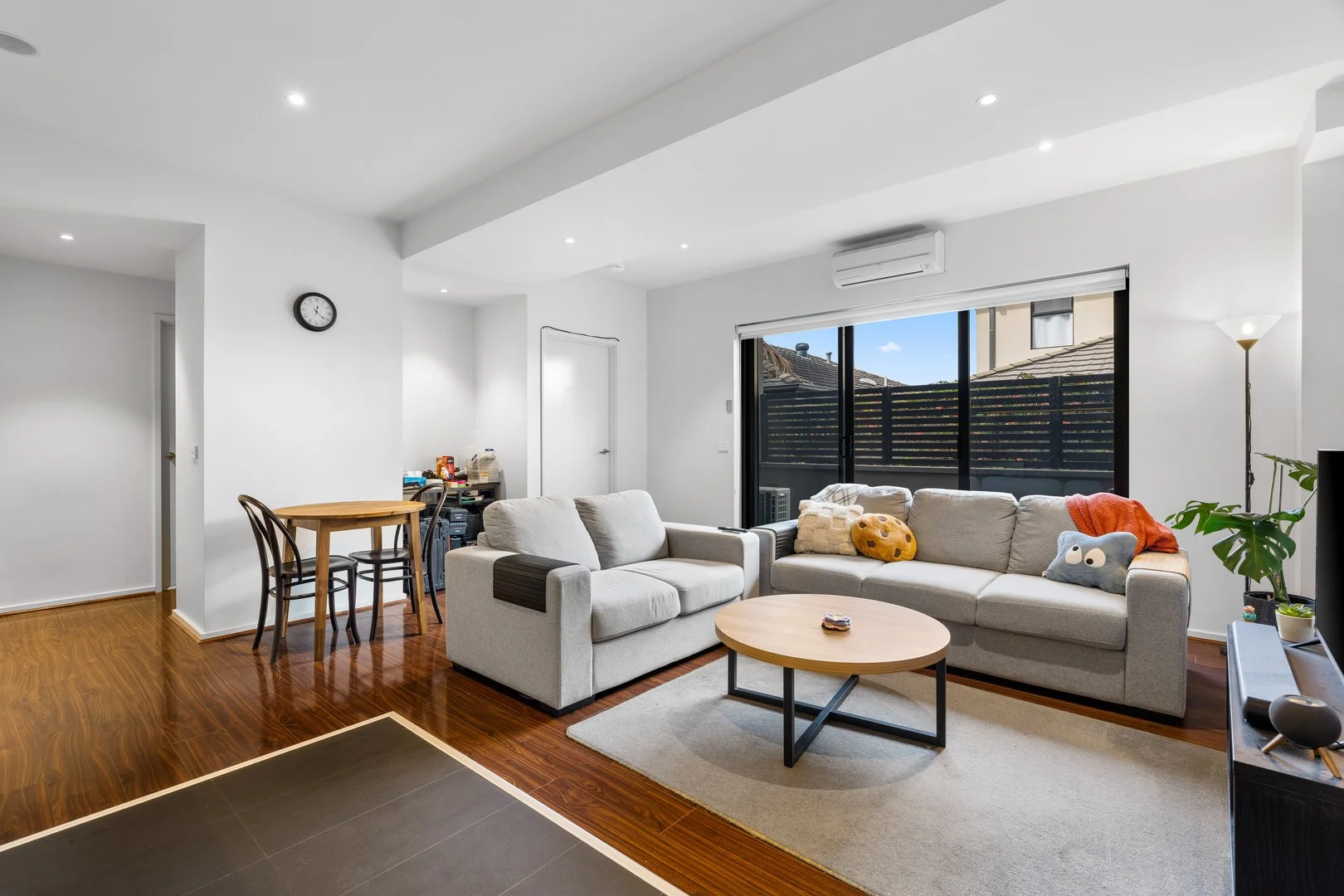 $385,000 - $410,000
Apartment / Unit / Flat
$385,000 - $410,000
Apartment / Unit / Flat
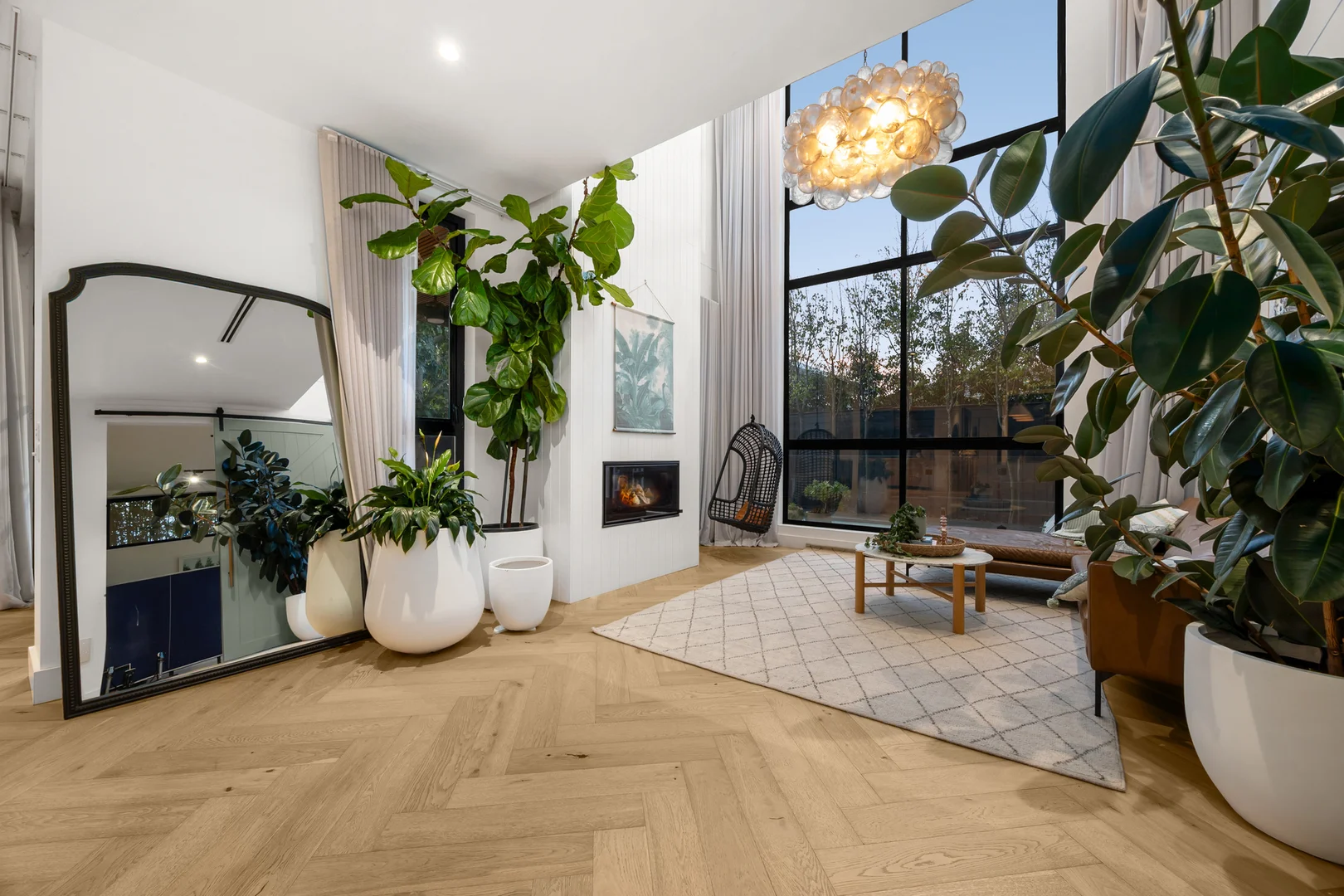 $3,300,000
House
$3,300,000
House
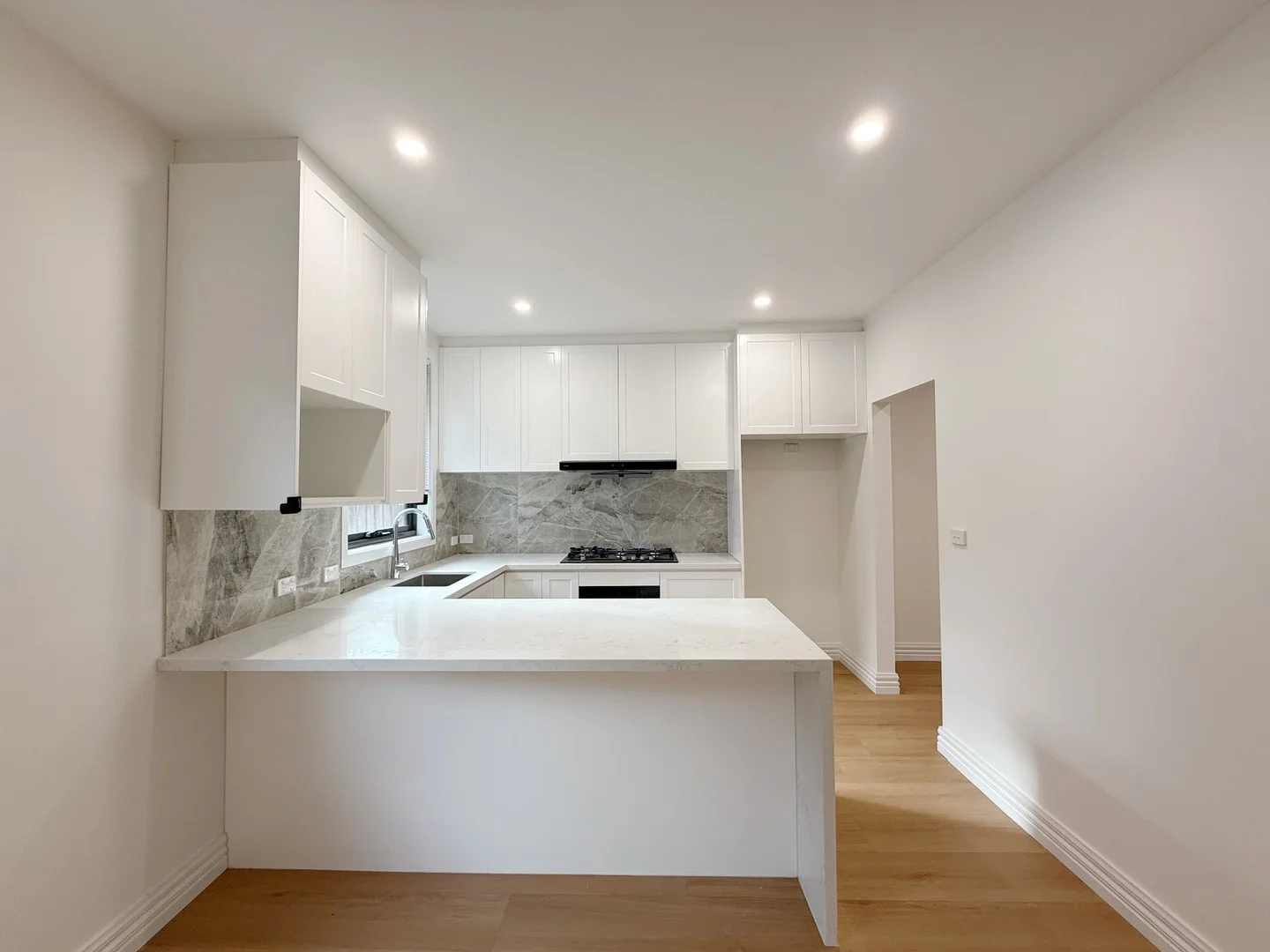 $1,280
House
$1,280
House
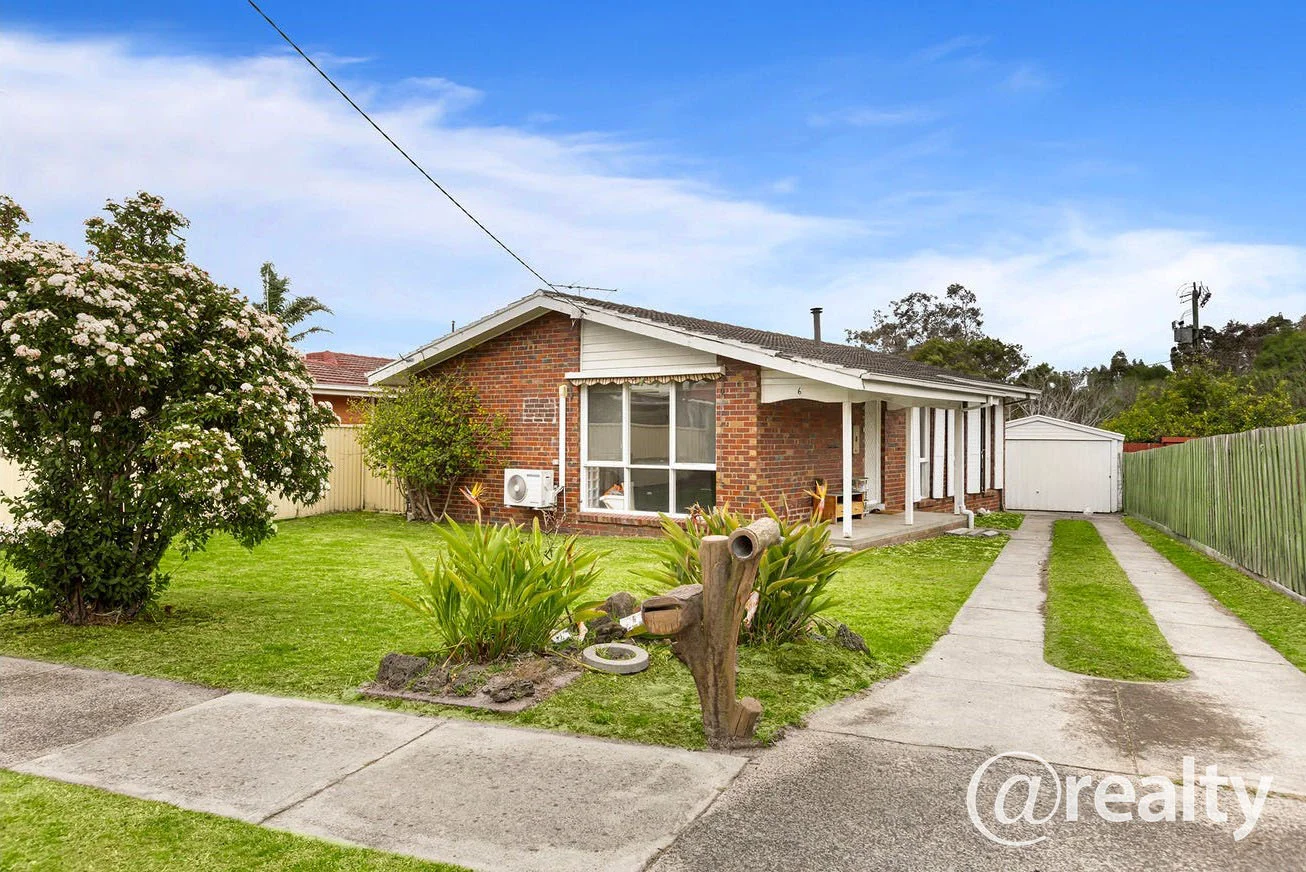 $610
House
$610
House
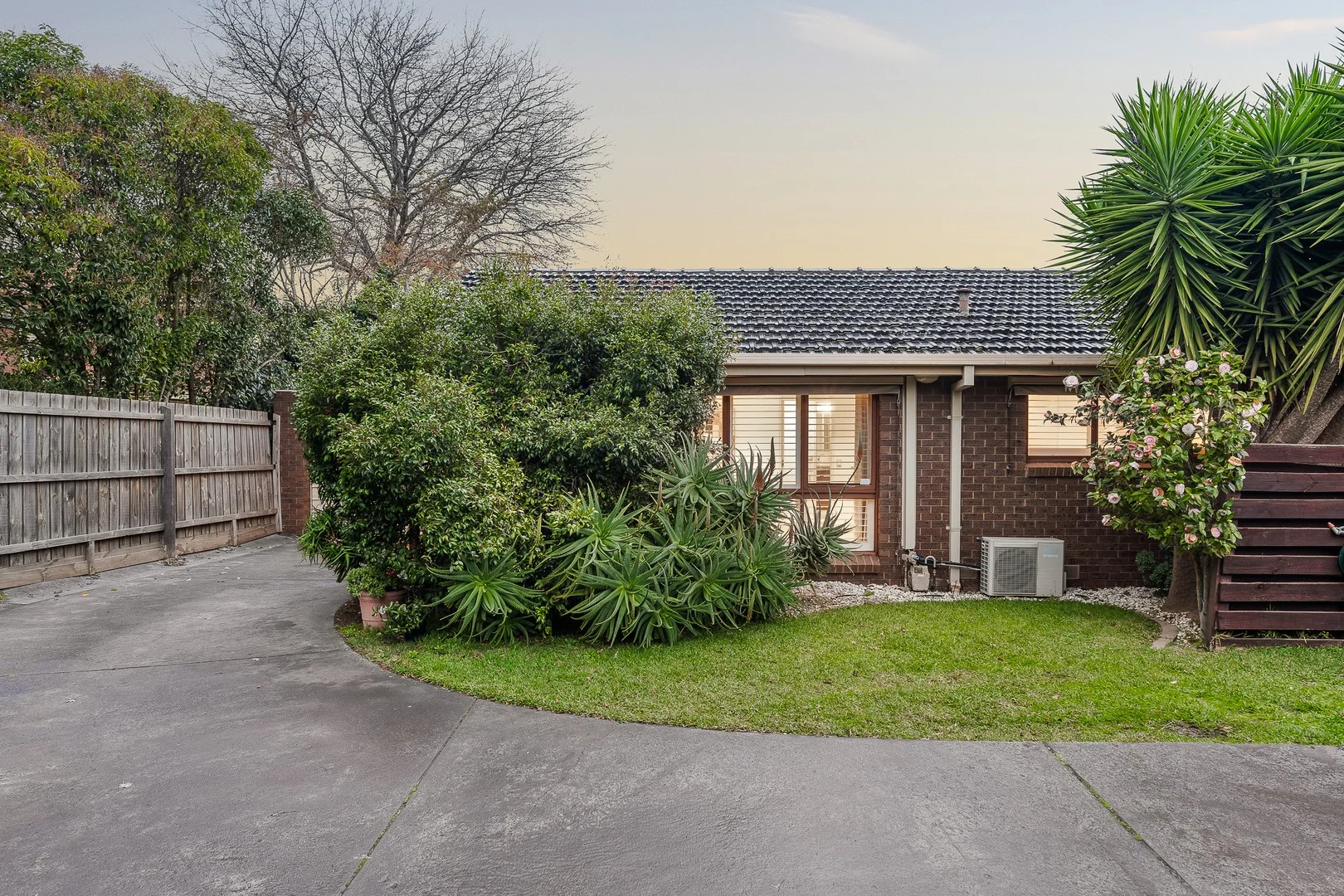 $770,000 - $820,000
Apartment / Unit / Flat
$770,000 - $820,000
Apartment / Unit / Flat
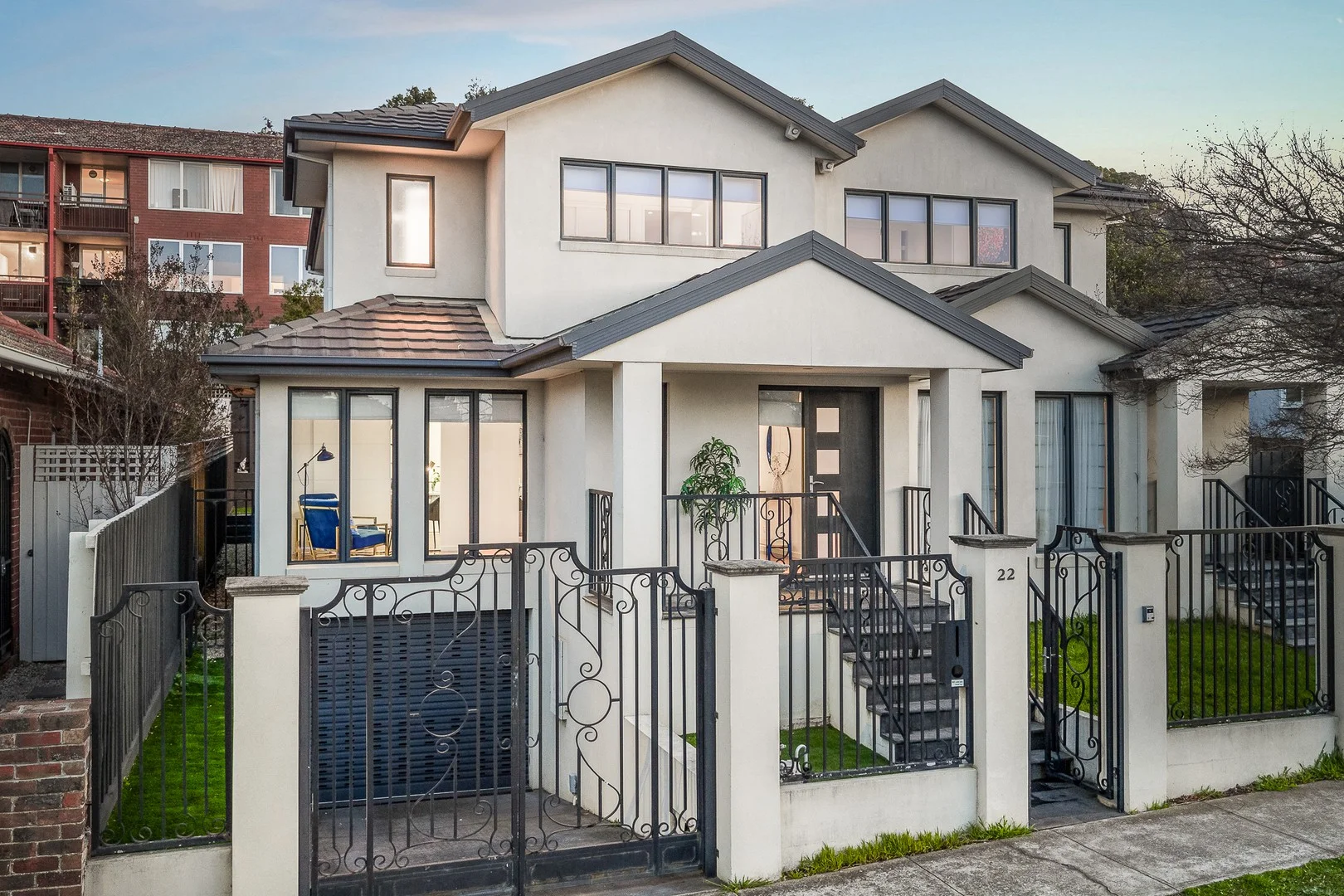 $2,100,000
Townhouse
$2,100,000
Townhouse
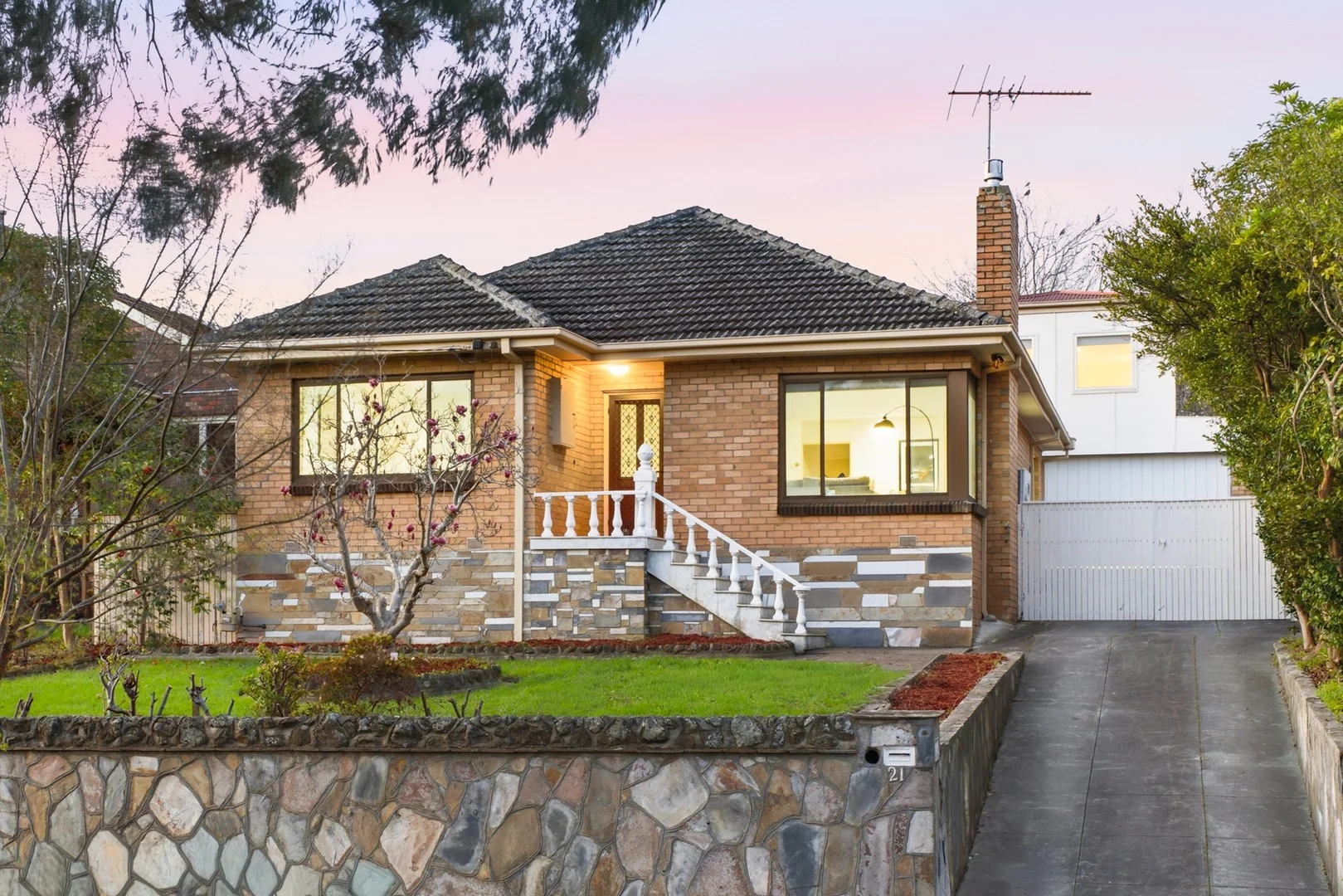 $1,200,000
House
$1,200,000
House
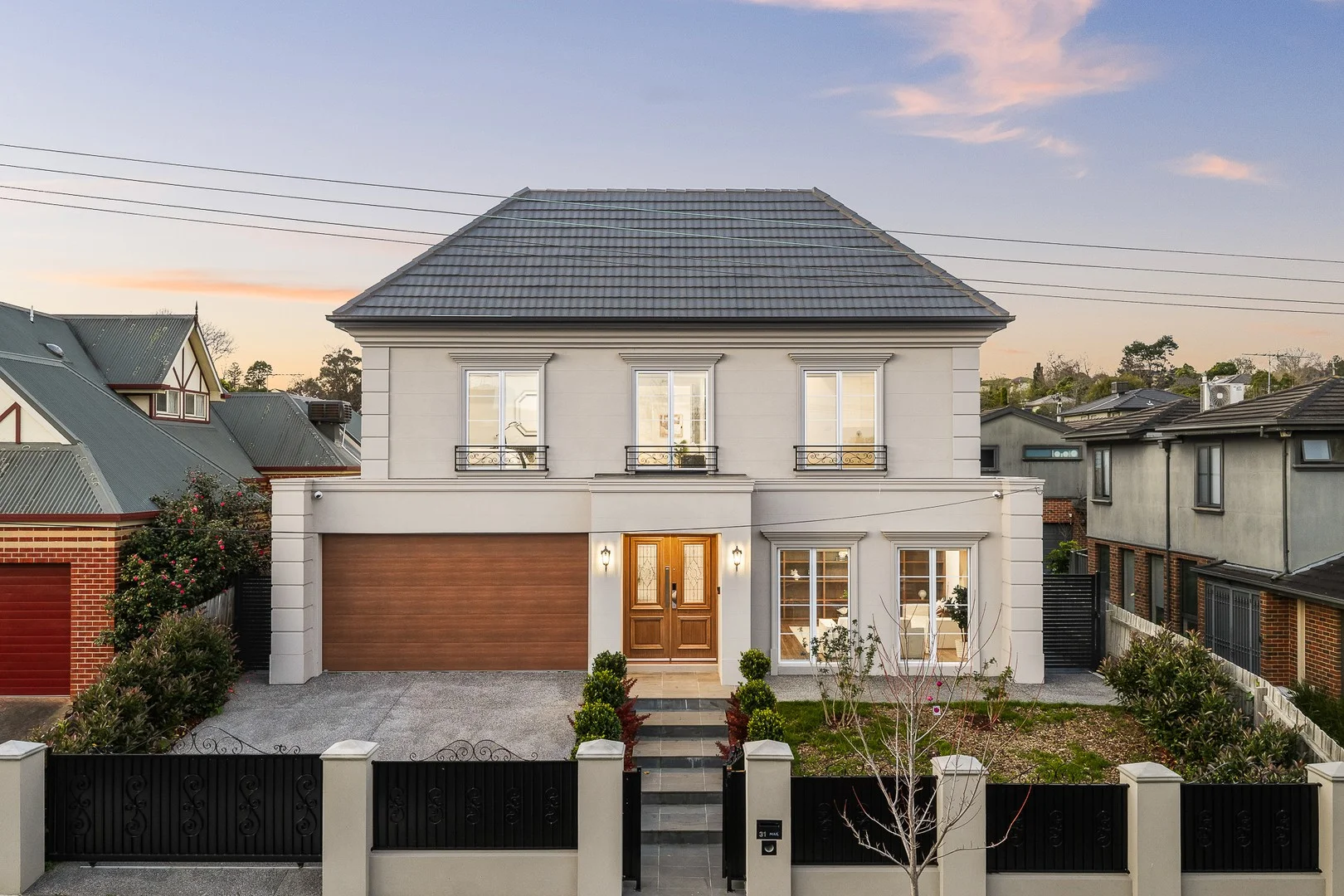 $2,550,000
House
$2,550,000
House
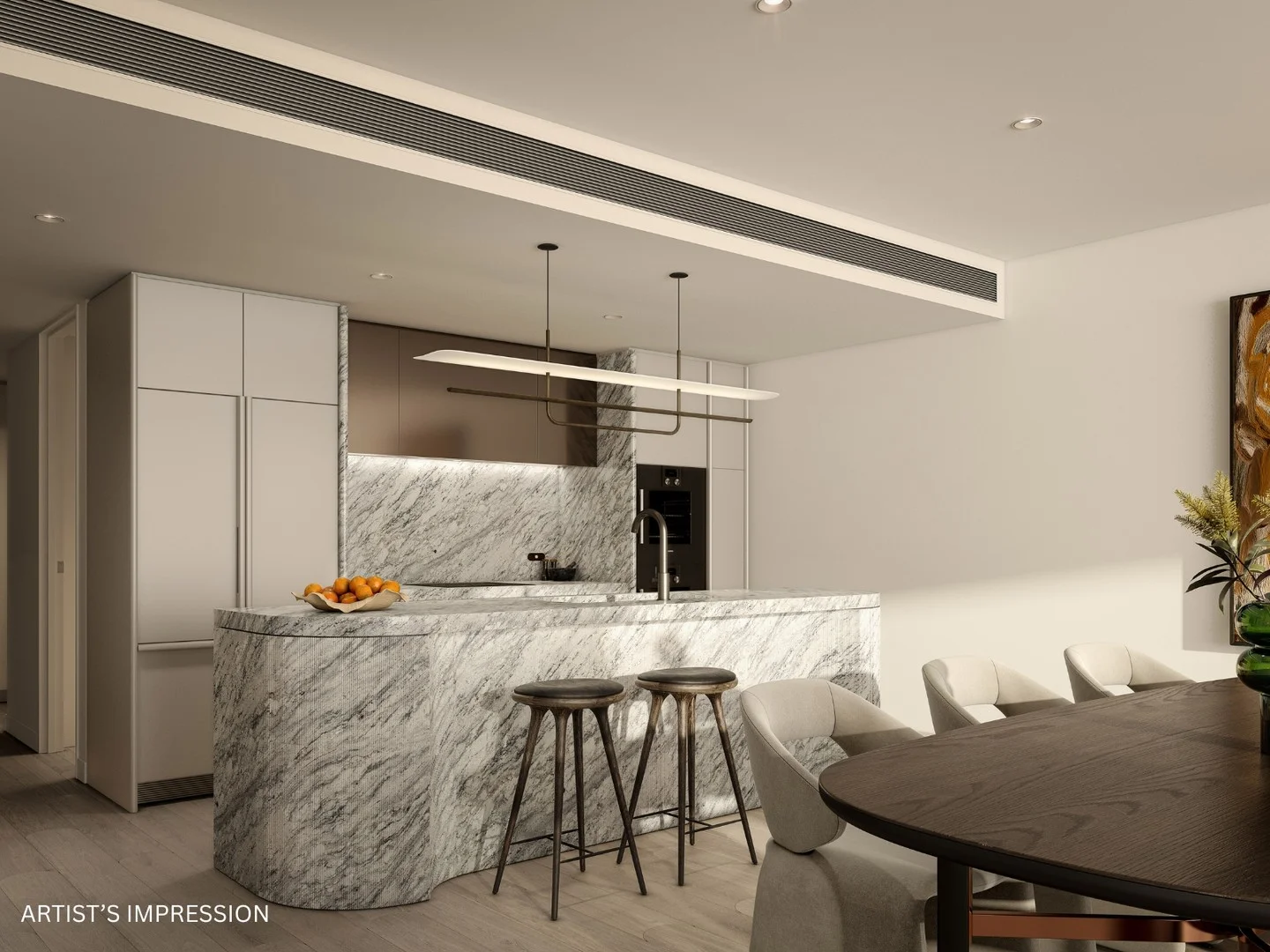 $2,900,000
Apartment / Unit / Flat
$2,900,000
Apartment / Unit / Flat


