1. Overview
St James College Bentleigh East is a Catholic, co-educational school serving Year 7–12 students in Melbourne’s southeast. With a medium-sized, close-knit community, it aims to blend strong academic pathways with faith-based learning and service. Class sizes typically sit around 20–25 students, fostering plenty of opportunities for individual attention. The atmosphere is nurturing and inclusive, emphasising respectful relationships, faith-informed values, and a practical pathway to future study and work.
⸻
2. Academics & Learning
- Academic strengths: Solid literacy and numeracy foundations, with a curriculum aligned to the Victorian framework. Strong emphasis on critical thinking, sciences, and religious education integrated with core subjects to support well-rounded learning.
- Special programs: Leadership development opportunities, and Gifted & Talented pathways where available. Support for students to pursue accelerated or enriched learning within the school plan.
- NAPLAN / trends: Generally demonstrates stable performance with year-to-year improvement in key literacy and numeracy indicators; trends reflect ongoing focus on targeted intervention where needed.
- Student-teacher ratios: Class sizes around 20–25; student-teacher ratios commonly in the mid-teens, enabling relatively approachable access to teachers and targeted support.
- Support for diverse learners: EAL (English as an Additional Language) support, SEN and learning assistance staff, and individualized learning plans to help students access the curriculum and participate fully.
⸻
3. Sports & Extracurricular Strengths
- Sports offered: A broad program including soccer/football, netball, basketball, athletics, cricket, and swimming, with opportunities to represent the school in local competitions.
- Strong teams or achievements: Regular participation in district-level events with a culture of teamwork and school pride; focus on development and participation as well as achievement.
- Music, arts, drama programs: Active music and performing arts programs, ensembles, school productions, and opportunities to develop stagecraft and creative performance.
- Clubs: Robotics, chess, coding, debating, and other interest-based clubs to expand skills beyond the classroom.
- Partnerships: Local community clubs and regional competitions support broader exposure and collaboration for students, including inter-school events and talent pathways.
⸻
4. Wellbeing & Pastoral Care
- Anti-bullying approach: Clear anti-bullying policies, ongoing awareness programs, and student support structures to promote a safe, respectful environment.
- House system: A house-based structure to foster belonging, teamwork, and healthy competition across activities and events.
- Counsellors / wellbeing officers: Access to school counsellors and wellbeing staff to support mental health, advice, and transition needs.
- Transition support for new students: Structured orientation, buddy systems, and acclimatisation programs to help new students settle into the school community.
⸻
5. Facilities
- Sports grounds: Access to quality sports fields and courts suitable for a range of physical activities.
- Libraries: Well-stocked library with study spaces and resources to support learning across year levels.
- Science labs: Modern science laboratories for practical experiments and inquiry-based learning.
- Music/performing arts centers: Dedicated spaces for music practice, rehearsals, and performances.
- Tech/innovation labs: Computing suites and technology/design spaces to support digital learning and hands-on projects.
- Cafeteria: On-site canteen or cafeteria providing daily meal options and snacks.
- Updated playgrounds: Safe play areas and outdoor spaces for recreation and break times.
⸻
6. School Values & Community Culture
- School values / mission: Catholic values such as faith, service, respect, and integrity underpin daily life and learning.
- Leadership style: Inclusive and collaborative, with opportunities for student voice and leadership roles within school life and activities.
- Behaviour expectations: Clear codes of conduct emphasizing respect, responsibility, and care for others.
- Community reputation: Known for a supportive, faith-centered learning community with active parent involvement and a focus on holistic development.
- Diversity & inclusion: Commitment to inclusive practices, support for students from diverse backgrounds, and an environment where all community members are welcome.
⸻
7. School Logistics & Daily Operations
- School hours: Typical day runs roughly 9:00 am–3:30 pm, with variations by year level and term schedule.
- Before/after school care: Availability of after-school care or supervision through a school-based program or partner providers.
- Uniform requirements: Compulsory school uniform with guidelines on appropriate dress for daily wear and formal occasions.
- Transport (train/bus routes): Accessible by public transport with bus routes and nearby train stations; school-specific transport options and pick-up/drop-off arrangements available.
- Canteen availability: On-site canteen or cafeteria offering daily meals and snacks.
- Fees (low/medium/high ranges): Fees fall in a middle range for the region, with additional costs for camps, excursions, and elective programs; exact amounts vary by year level and program.
⸻
8. Enrolment & Admissions
11. What is the enrolment process and timeline?
- Submit an expression of interest or apply through the school’s admissions process.
- Provide required documentation (birth certificate, immunisation records, guardians’ details, etc.).
- Complete any school-specific interviews or information sessions and meet eligibility requirements.
- Receive notification of acceptance and complete enrolment, orientation, and any transition activities.
12. Is there a waiting list, and how does it work?
- Some year levels may have wait lists depending on vacancies. Priority is often given to siblings and attending Catholic families, with subsequent priority to applicants who meet the school’s admission criteria. Regular updates are provided by the admissions office.
13. Are there any entry requirements, tests, or interviews?
- Most applicants participate in an interview or family information session; there is typically no standard entrance exam. Some programs or year levels may have additional assessments or documentation, particularly for students with additional learning needs or for English language support.
14. Does the school accept mid-year transfers?
- Yes, subject to availability of places. Prospective mid-year transfers should contact the admissions team to check vacancies and complete the transfer process.
⸻
9. Frequently Asked Questions
- Why Parents Choose This School?
- A values-based Catholic education, supportive community, strong academics, and pastoral care that promotes both personal growth and service.
- What type of student thrives at this school?
- Students who value a faith-informed, collaborative environment with opportunities to engage in academics, sports, arts, and service.
- What opportunities are available for students to extend their skills (academics, sports, arts)?
- Enriched learning within core subjects, leadership and public-speaking opportunities, clubs (robotics, coding, debating), sports pathways, and performing arts programs.
- How does the school communicate with parents?
- Regular newsletters, emails, a parental portal, and parent-teacher conferences to keep families informed about progress and school events.
- What is the school’s approach to teaching and learning?
- Student-centered, differentiated instruction, and inquiry-based learning supported by ICT and modern facilities.
- How does the school support students who need extra academic help?
- Targeted learning support, EAL/SEN assistance, small-group interventions, and access to teachers and specialists to tailor plans.
- What support is available for academic challenges?
- Academic mentoring, intervention sessions, and collaboration with families to develop individual learning plans.
- How does the school communicate with parents?
- See above: newsletters, portals, emails, and meetings designed for ongoing dialogue.
- What are the class sizes and how much individual attention do students receive?
- Class sizes typically 20–25 students with relatively small teacher-to-student ratios to enable more individualized support.
- What extracurricular and sports opportunities are available?
- A broad range of sports and clubs, including robotics, chess, coding, debating, music ensembles, and drama productions.
- What facilities does the school offer (sports, science, arts)?
- Modern science labs, well-equipped libraries, music/performing arts spaces, ICT/tech labs, and quality sports facilities.
- What is the school’s approach to technology and digital learning?
- Integrated ICT across the curriculum, access to computing resources, and opportunities to develop digital literacy and responsible use.
- What transport and accessibility options are available?
- Access via public transport plus school-arranged transport options; clear drop-off/pick-up zones and accessibility considerations.
- What are the typical school fees or additional costs?
- Fees are in the middle range for the region, with potential additional costs for camps, excursions, and elective activities.
⸻
10. Short Pros & Cons list
Pros
- Catholic, values-based education with a strong sense of community
- Moderate class sizes and supportive teaching
- Broad range of academics, sports, and arts offerings
- Active wellbeing and pastoral support
- Modern facilities and well-equipped learning spaces
Cons
- Fees are not the lowest in the sector (mid-range)
- Availability of places can vary by year level; some year levels may have wait lists
- As a faith-based school, religious education is a core part of the program and may not suit all families
- Transport options depend on local routes and availability; some families may rely on car commuting
⸻

 $25+
$25+









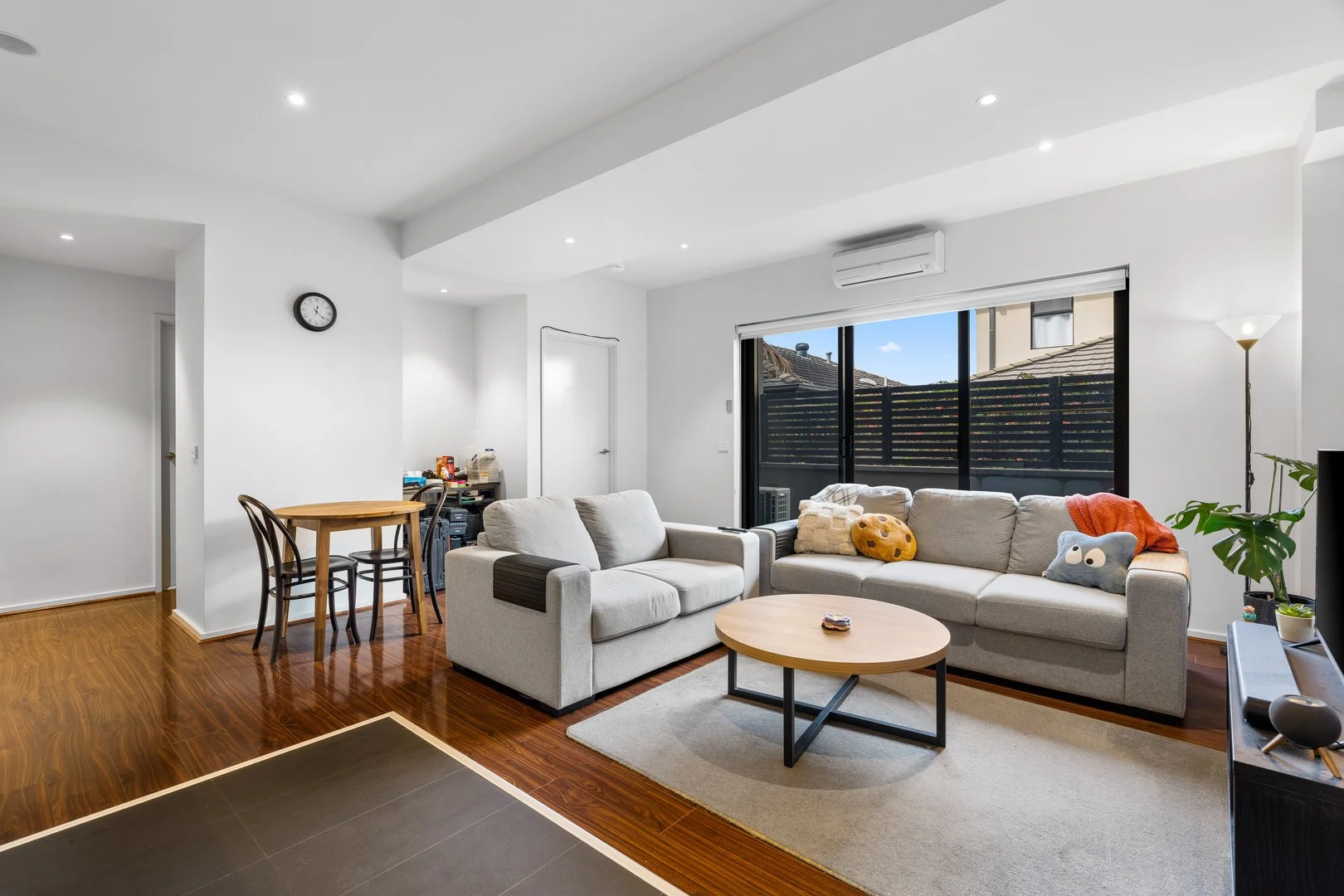 $385,000 - $410,000
Apartment / Unit / Flat
$385,000 - $410,000
Apartment / Unit / Flat
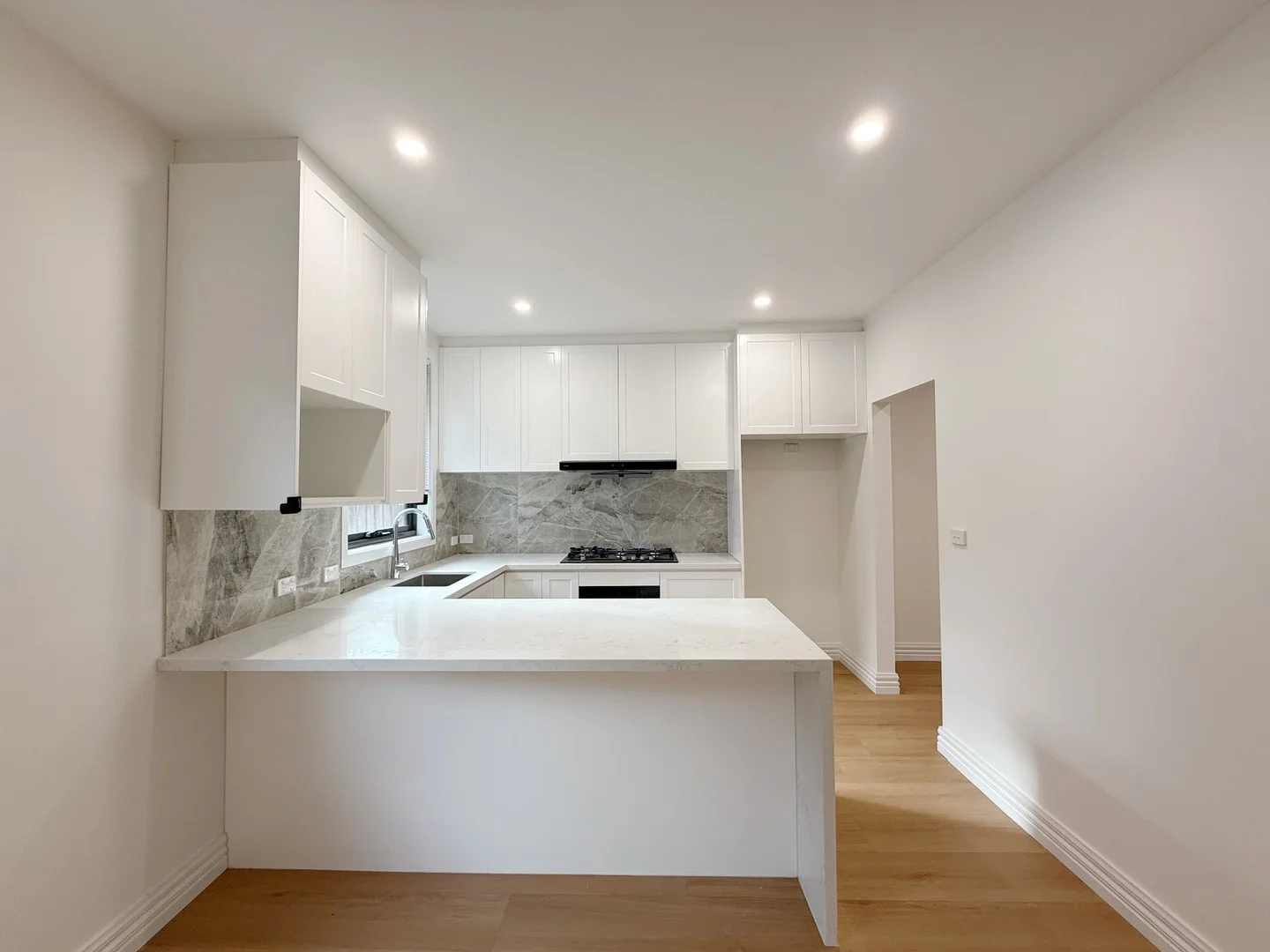 $1,280
House
$1,280
House
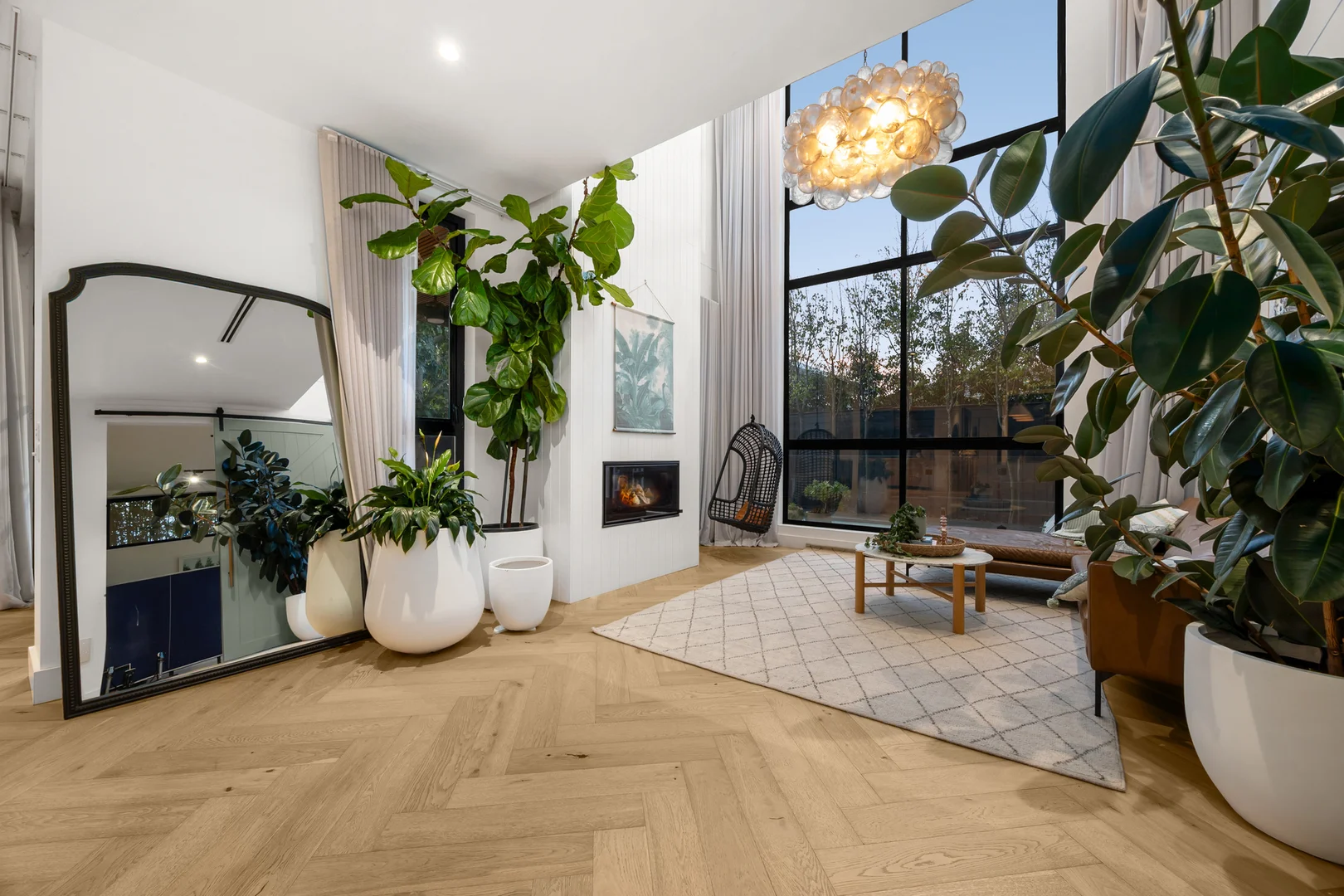 $3,300,000
House
$3,300,000
House
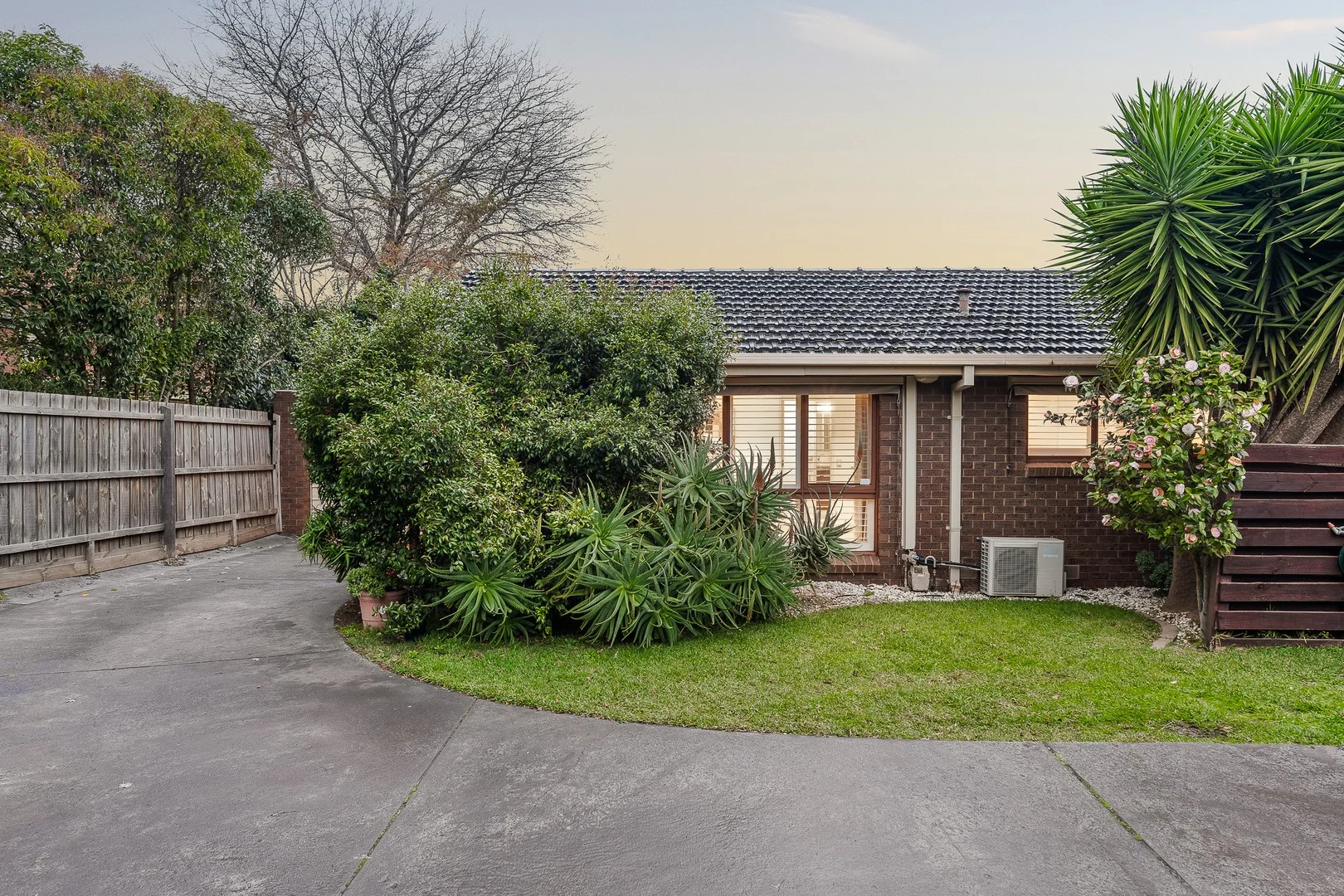 $770,000 - $820,000
Apartment / Unit / Flat
$770,000 - $820,000
Apartment / Unit / Flat
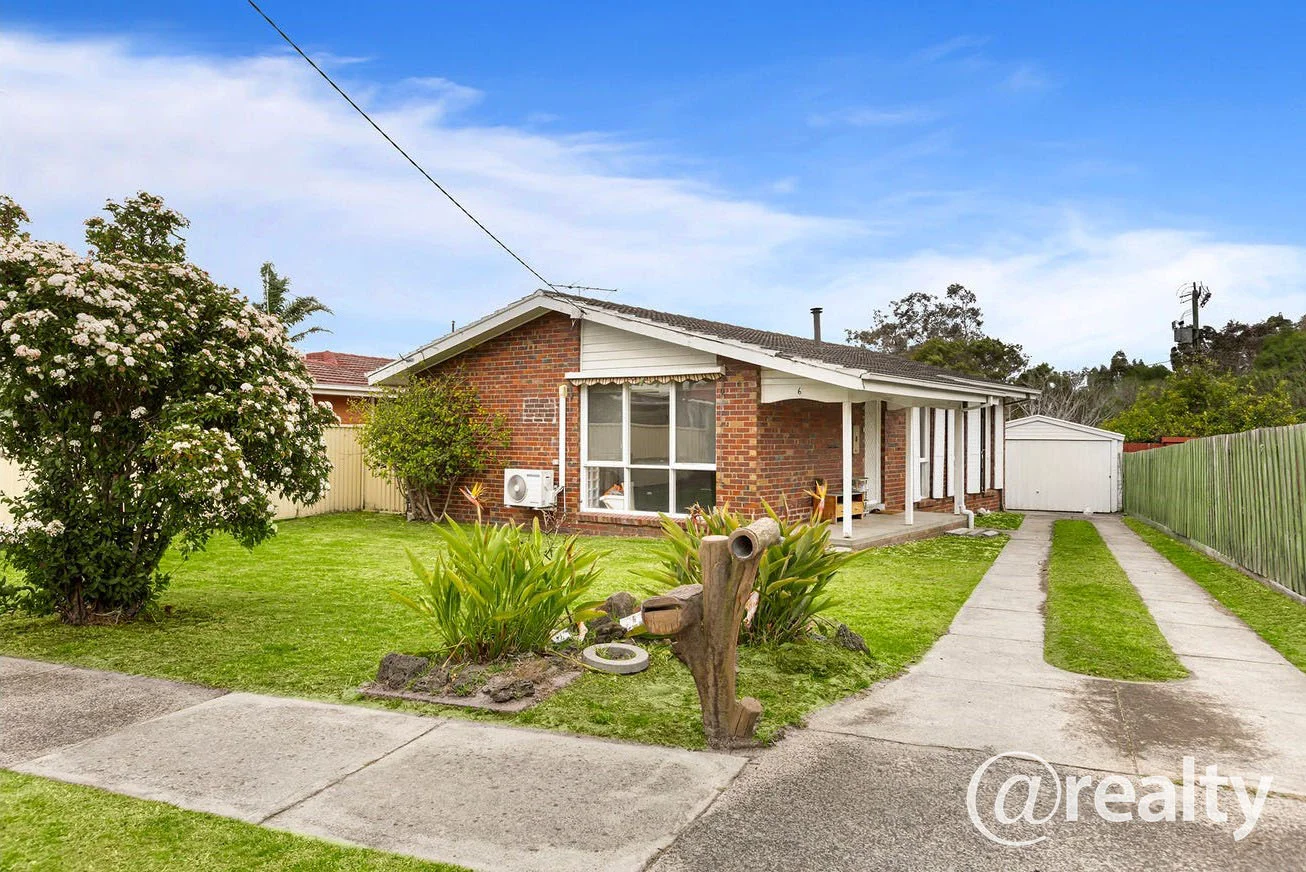 $610
House
$610
House
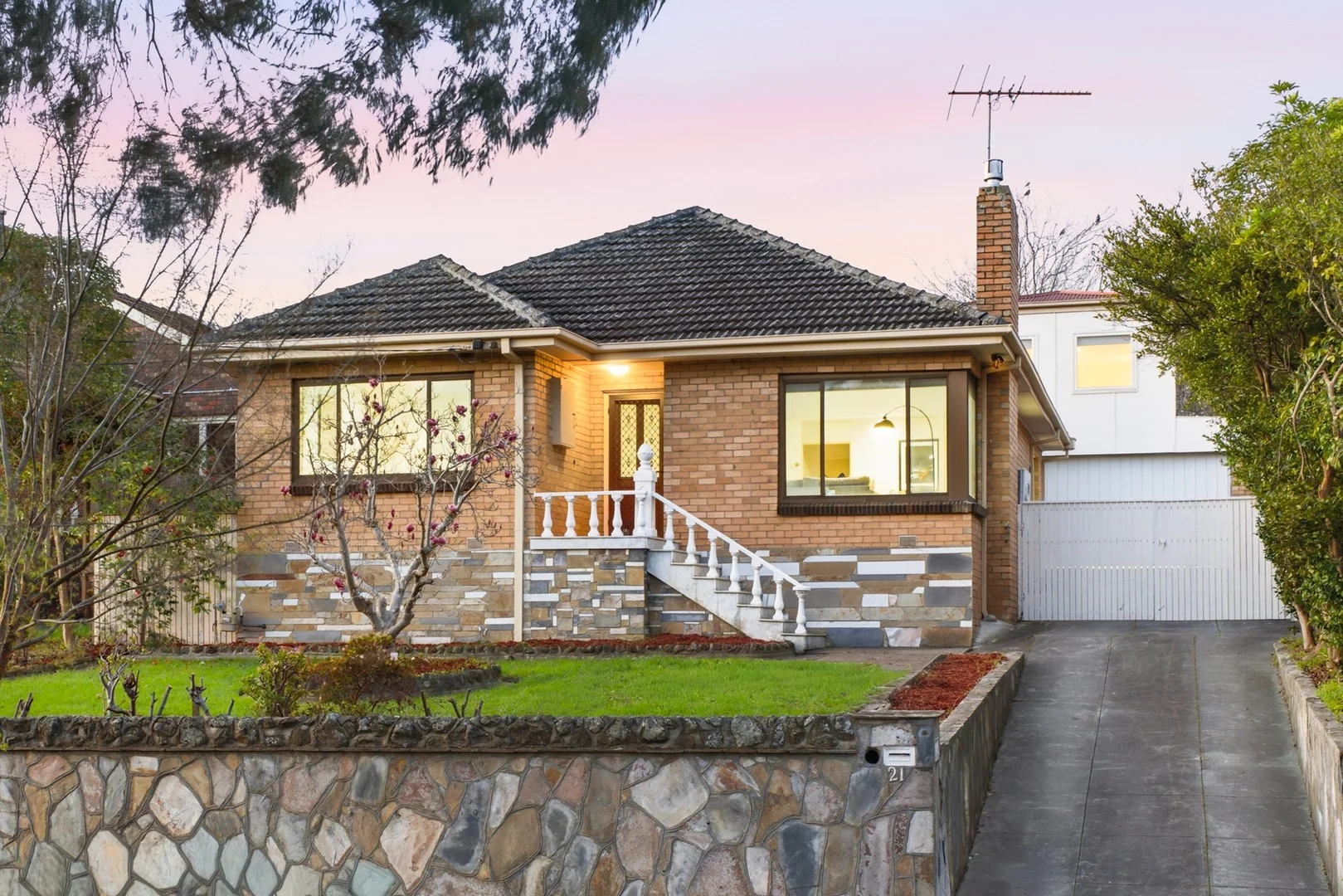 $1,200,000
House
$1,200,000
House
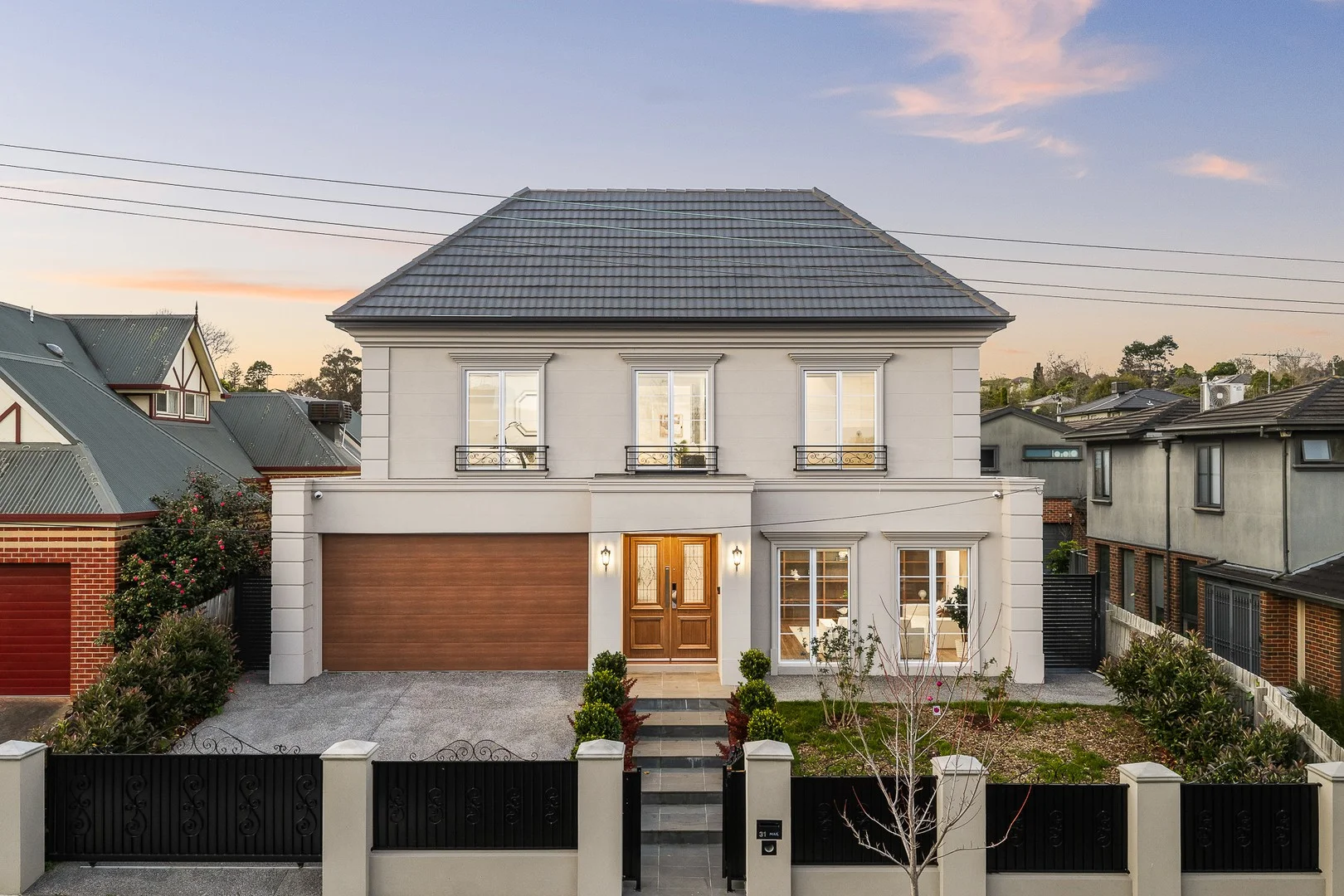 $2,550,000
House
$2,550,000
House
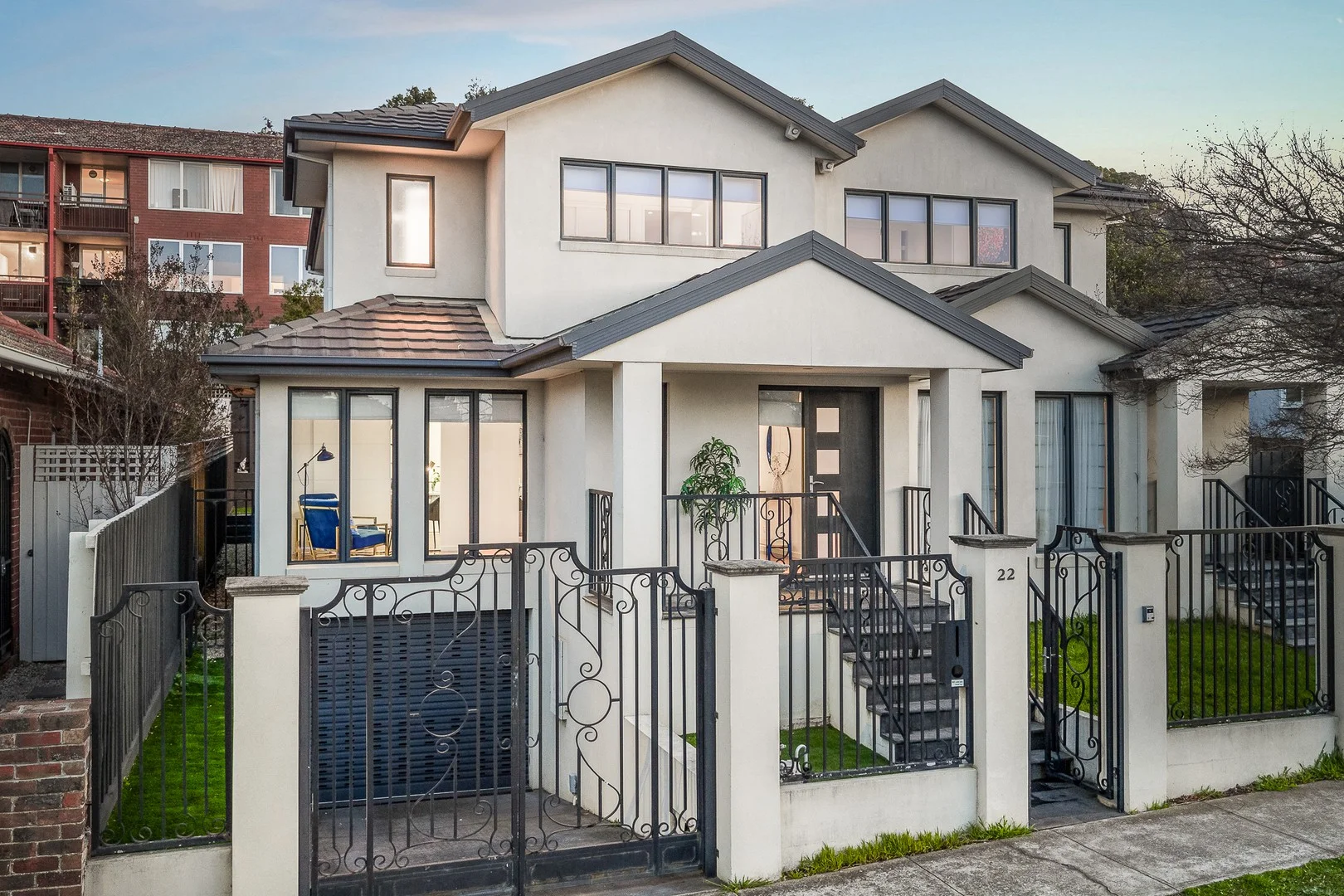 $2,100,000
Townhouse
$2,100,000
Townhouse
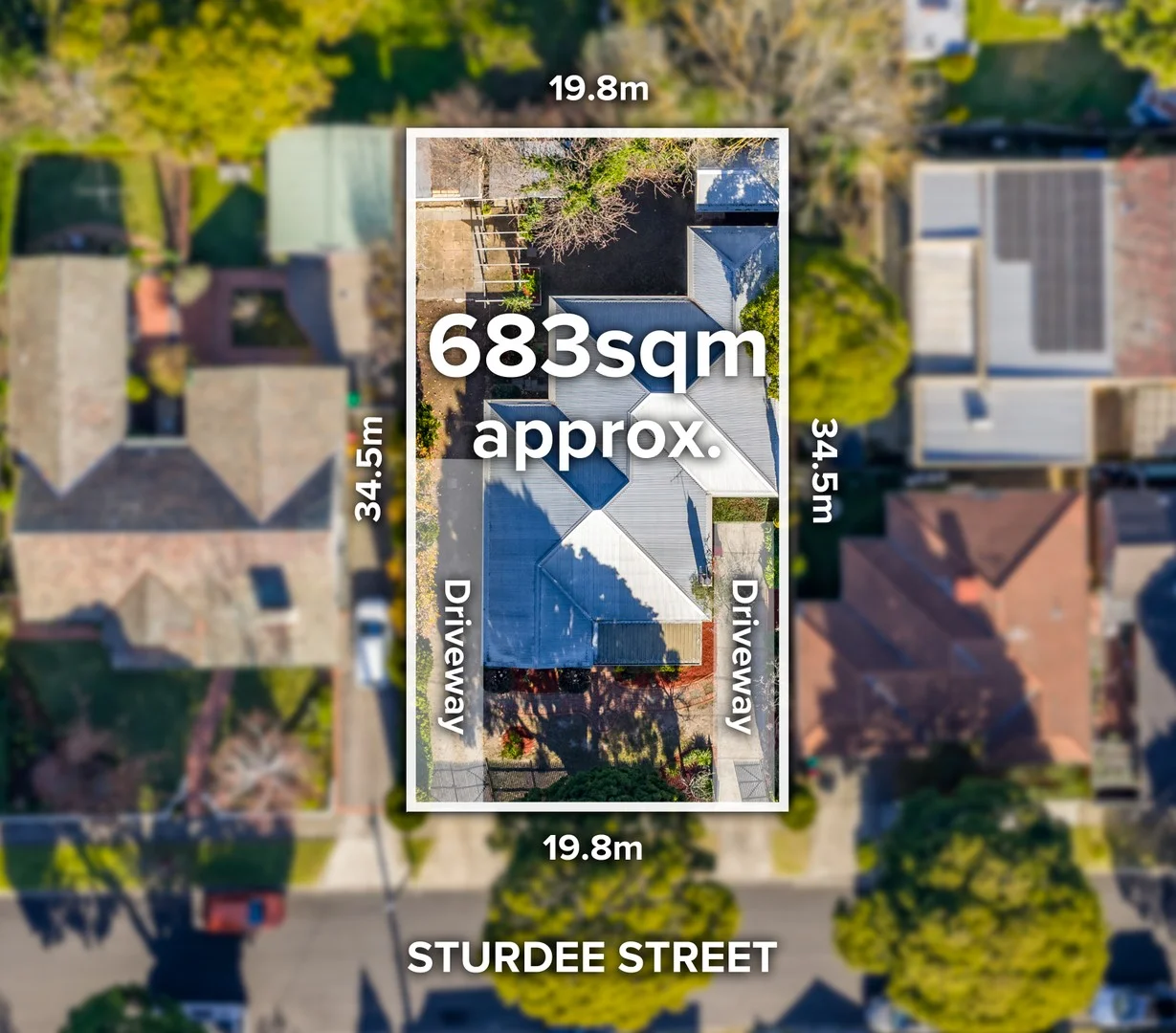 $2,000,000
House
$2,000,000
House


