Overview
Donburn Primary School is a public primary school serving families in Doncaster East, Victoria. It is part of the state education system and focuses on providing a supportive, inclusive learning environment for local students. The school aims to foster a positive atmosphere where students can grow academically, socially and emotionally within a collaborative community.
- School type: Public
- School size: Medium
- Atmosphere/culture: Inclusive, nurturing, academically focused with an emphasis on wellbeing and community involvement
Academics & Learning
Donburn Primary School emphasizes core literacy and numeracy while offering opportunities in STEM, arts and leadership development. The school typically provides a range of programs to support diverse learner needs and to extend capable students.
- Academic strengths: Literacy and numeracy foundations; focus on STEM/STEAM activities; opportunities for leadership development; potential language programs
- Special programs: Gifted and Talented / advanced learning pathways; arts and performing arts activities; technology and coding initiatives
- Support for diverse learners: EAL support; SEN support; inclusive education practices and targeted interventions as needed
Extracurriculars and sport are important for many families, and Donburn Primary typically offers a mix of activities to engage students aged 10–14 and above.
- Sports offered: Basketball, netball, football (AFL), cricket, athletics, and other district-level activities
- Strong teams or achievements: Active participation in district/zone events with varying results year to year
- Music, arts, drama programs: Regular involvement in music, drama and performing arts; opportunities to perform
- Clubs: Robotics, coding, chess, debating, and other student-led or teacher-supported clubs
- Partnerships: Connections with local clubs, community programs and inter-school competitions where available
Wellbeing & Pastoral Care
Wellbeing and pastoral care are central to creating a safe school culture and helping students thrive.
- Anti-bullying approach: Clear policies and practices to promote respect and inclusion; proactive student wellbeing education
- House system: Likely has a house-based system to foster belonging and healthy competition
- Counsellors / wellbeing officers: Access to school wellbeing staff or counsellors; in-school support and referrals as needed
- Transition support for new students: Orientation activities, buddy systems and transitional programs to ease entry for new students
Facilities
Donburn Primary’s facilities support a range of learning experiences. Visual, simple and functional spaces help bring lessons to life.
- Sports grounds
- Libraries
- Science labs (or dedicated science spaces)
- Music/performing arts centers
- Tech/innovation labs or computing spaces
- Cafeteria or canteen facilities
- Updated playgrounds and outdoor play spaces
Families look for a school where students grow as people as well as learners. Donburn Primary typically communicates clear values and a collaborative school culture.
- School values / mission: Emphasis on respect, resilience, responsibility and contribution to the school and broader community
- Leadership style: Student voice and leadership opportunities alongside teacher leadership; emphasis on positive, proactive behavior
- Behaviour expectations: Consistent, clear expectations with a positive behaviour framework
- Community reputation: Supportive parent engagement and strong local community ties
- Diversity & inclusion: Focus on inclusive practices and welcoming students from diverse backgrounds
School Logistics & Daily Operations
Practical, day-to-day details help families plan and participate.
- School hours: Typically around 9:00 am–3:30 pm (adjust for local policy; confirm current times)
- Before/after school care: Available through in-school arrangements or local providers; check specifics
- Uniform requirements: School uniform policy required (colors and items to be confirmed by the school)
- Transport (train/bus routes): Accessible by local bus services; catchment area policies apply; check bus/train options
- Canteen availability: On-site canteen or snack facilities with healthy options
- Fees (low/medium/high ranges): Government-funded primary schooling with possible costs for excursions and activities; discuss optional/voluntary contributions with the school
Enrolment & Admissions
Enrolment is typically governed by Victoria’s public school process and local catchment rules. Please verify current details with the school during open enrolment periods.
- What is the enrolment process and timeline?
- Submit an application through the public enrolment process for the upcoming year; timelines vary by year level and catchment. Local catchment placements take priority.
- Is there a waiting list, and how does it work?
- There can be a waiting list for out-of-area or full-year groups; placement follows DET rules and space availability.
- Are there any entry requirements, tests, or interviews?
- No entrance examinations for primary schools; transitions may involve readiness checks or brief orientation activities but are not formal tests.
- Does the school accept mid-year transfers?
- Mid-year transfers are possible if there is available space; apply through the school's enrolment process and local DET procedures.
Frequently Asked Questions
- Why Parents Choose This School?
- Public, community-focused schooling with an emphasis on wellbeing, inclusivity and engaging learning experiences.
- What type of student thrives at this school?
- Students who value collaboration, community, participation in sport/arts and support for holistic growth.
- What opportunities are available for students to extend their skills (academics, sports, arts)?
- Literacy and numeracy extension, STEM activities, arts programs, leadership roles, and a range of clubs (coding, robotics, debating, chess).
- How does the school communicate with parents?
- Newsletters, emails, school app or portal, meetings and notices; multiple channels are used to keep families informed.
- What is the school’s approach to teaching and learning?
- Balanced approach with differentiated instruction, inquiry-based learning, and emphasis on inclusive education.
- How does the school support students who need extra academic help?
- Targeted literacy/numeracy interventions, EAL and SEN support, and access to additional classroom or specialist assistance as needed.
- What support is available for academic challenges?
- Additional tutoring or intervention programs, learning plans, and referrals to support services as appropriate.
- How does the school communicate with parents?
- See above; multiple channels used to share information and feedback.
- What extracurricular and sports opportunities are available?
- Sports (basketball, netball, AFL, cricket, athletics), music/arts, drama, robotics, coding, chess, debating, and other clubs depending on year level and staffing.
- What facilities does the school offer (sports, science, arts)?
- Sports grounds, library, science spaces, music/performing arts facilities, technology/ICT spaces, canteen, and outdoor play areas.
- What is the school’s approach to technology and digital learning?
- Integration of technology across the curriculum with computing/ICT spaces; devices and digital learning resources used to support learning (policy and specifics may vary by year).
- What transport and accessibility options are available?
- Access via local bus services and proximity to public transport; catchment rules apply; accessibility considerations are addressed through school policies.
- What are the typical school fees or additional costs?
- Publicly funded; no tuition fees for core education; there may be voluntary contributions and costs for excursions or extra programs.
Short Pros & Cons
- Public, community-focused environment with emphasis on wellbeing and inclusivity
- Balanced academic program with opportunities in STEM, arts and leadership
- Active extracurricular options (sports, clubs, arts)
- Supportive wellbeing and transition programs
- Family-friendly communication channels and involvement opportunities
- as with many public schools, demand can exceed space in popular intake years
- certain specialised programs or facilities may depend on annual funding and staffing

 Free
Free










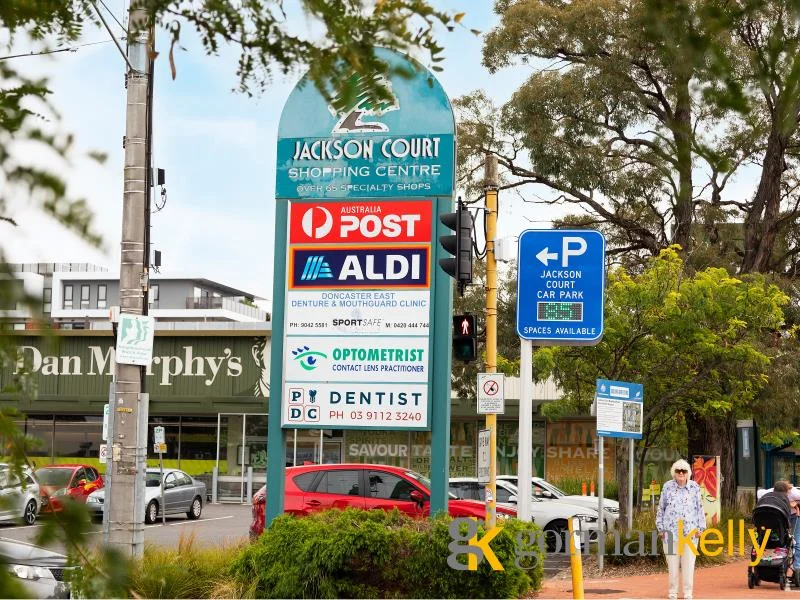 $1,500,000
House
$1,500,000
House
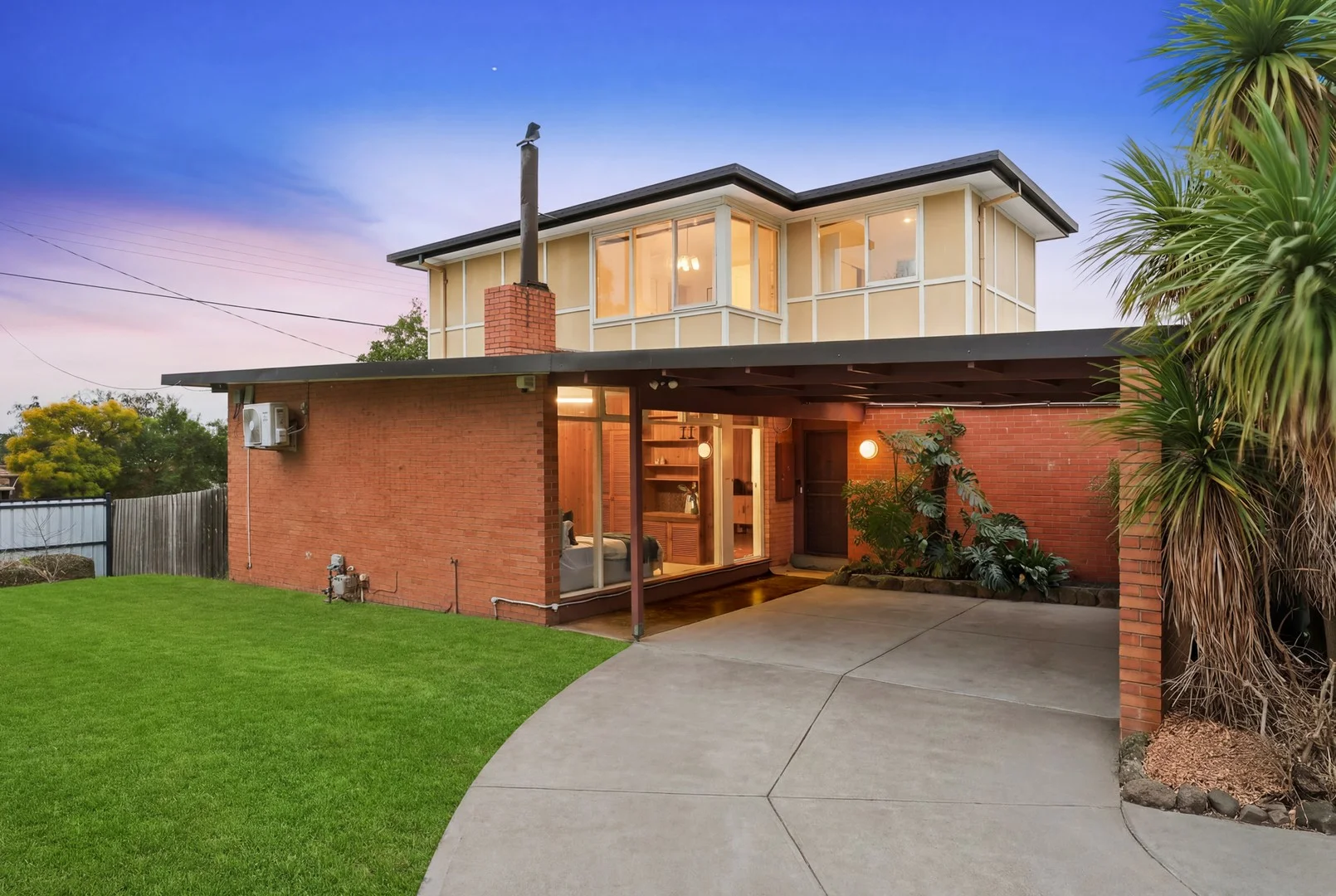 $1,430,000
House
$1,430,000
House
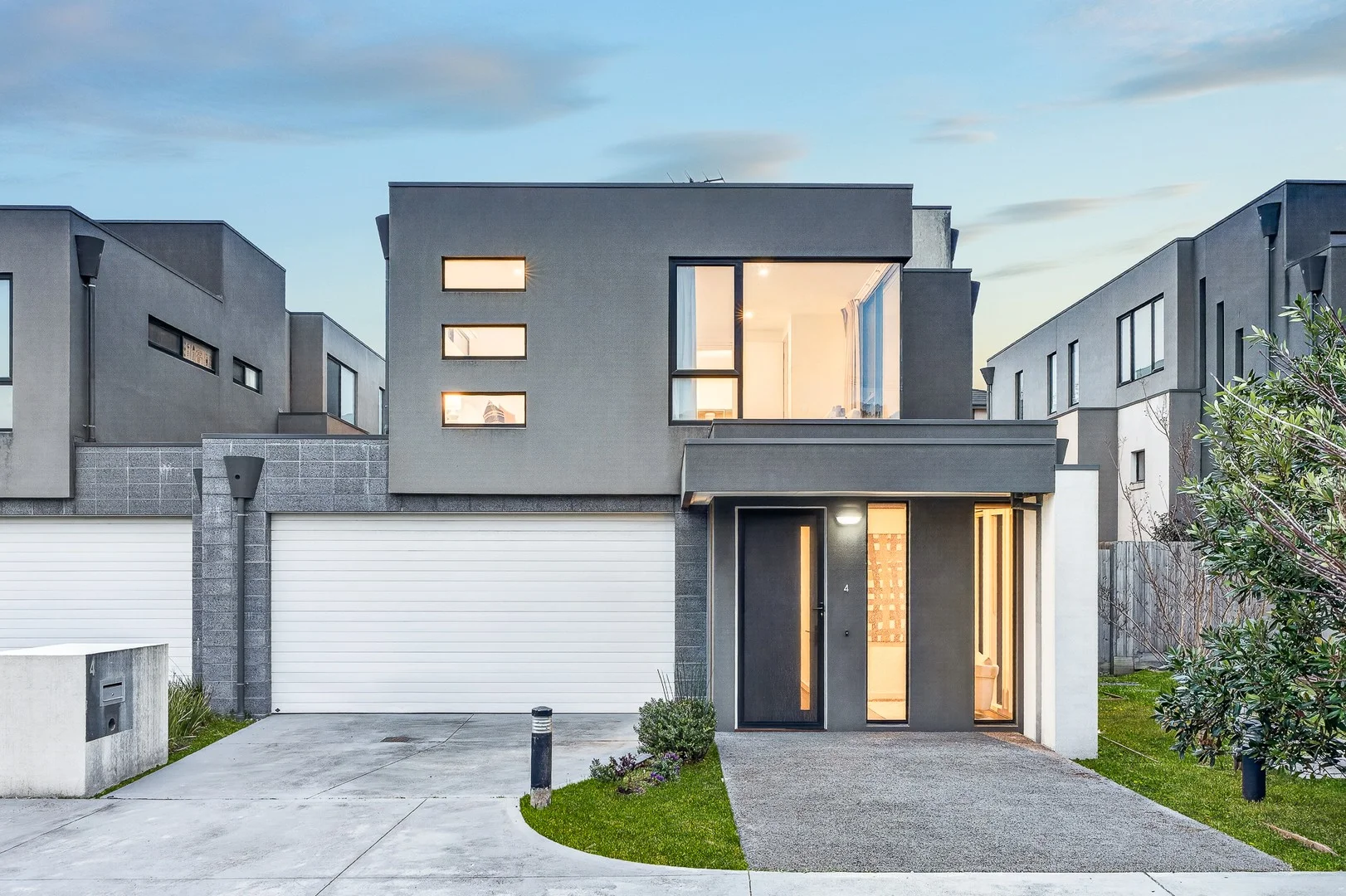 $1,700,000
House
$1,700,000
House
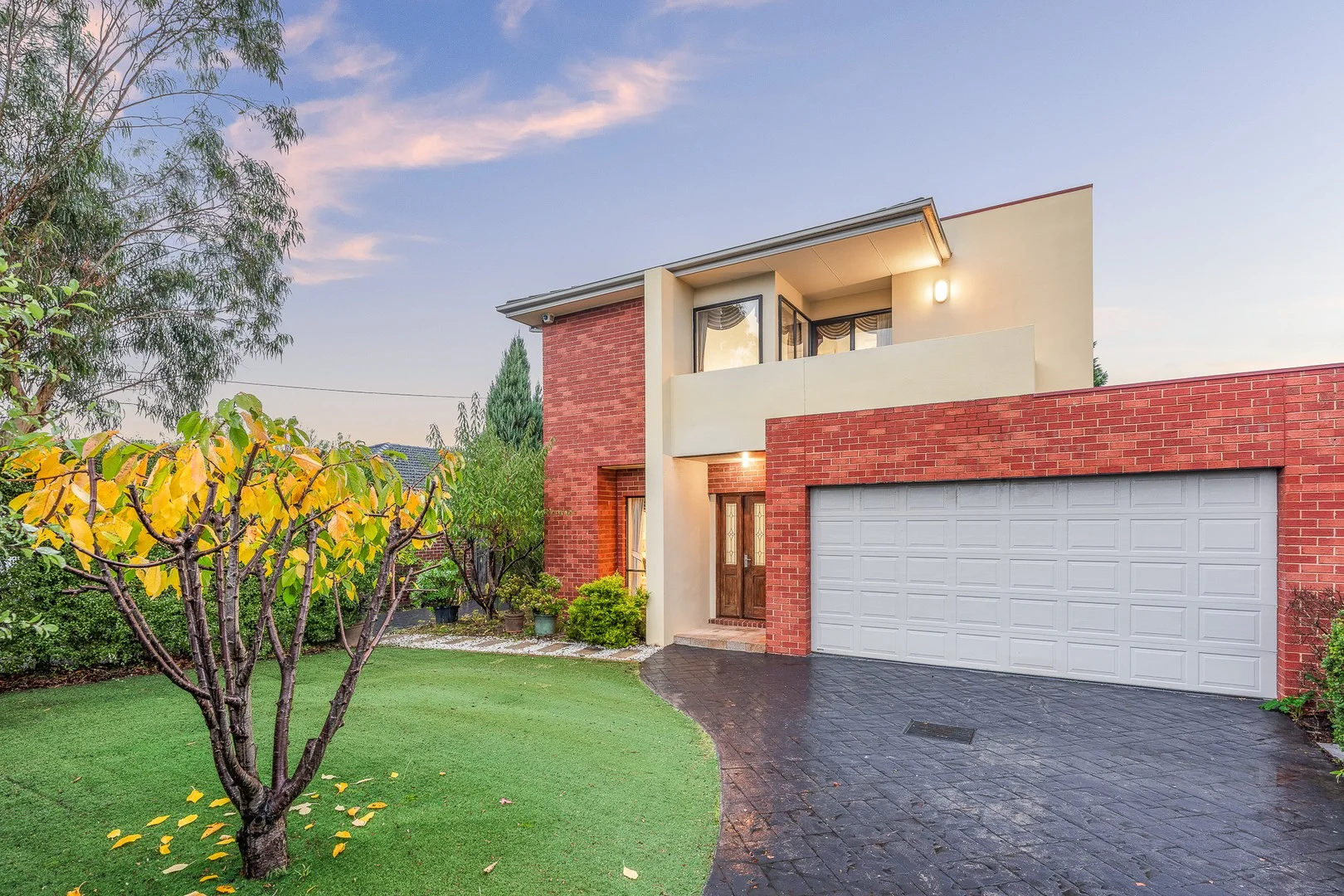 $1,150,000 - $1,250,000
Townhouse
$1,150,000 - $1,250,000
Townhouse
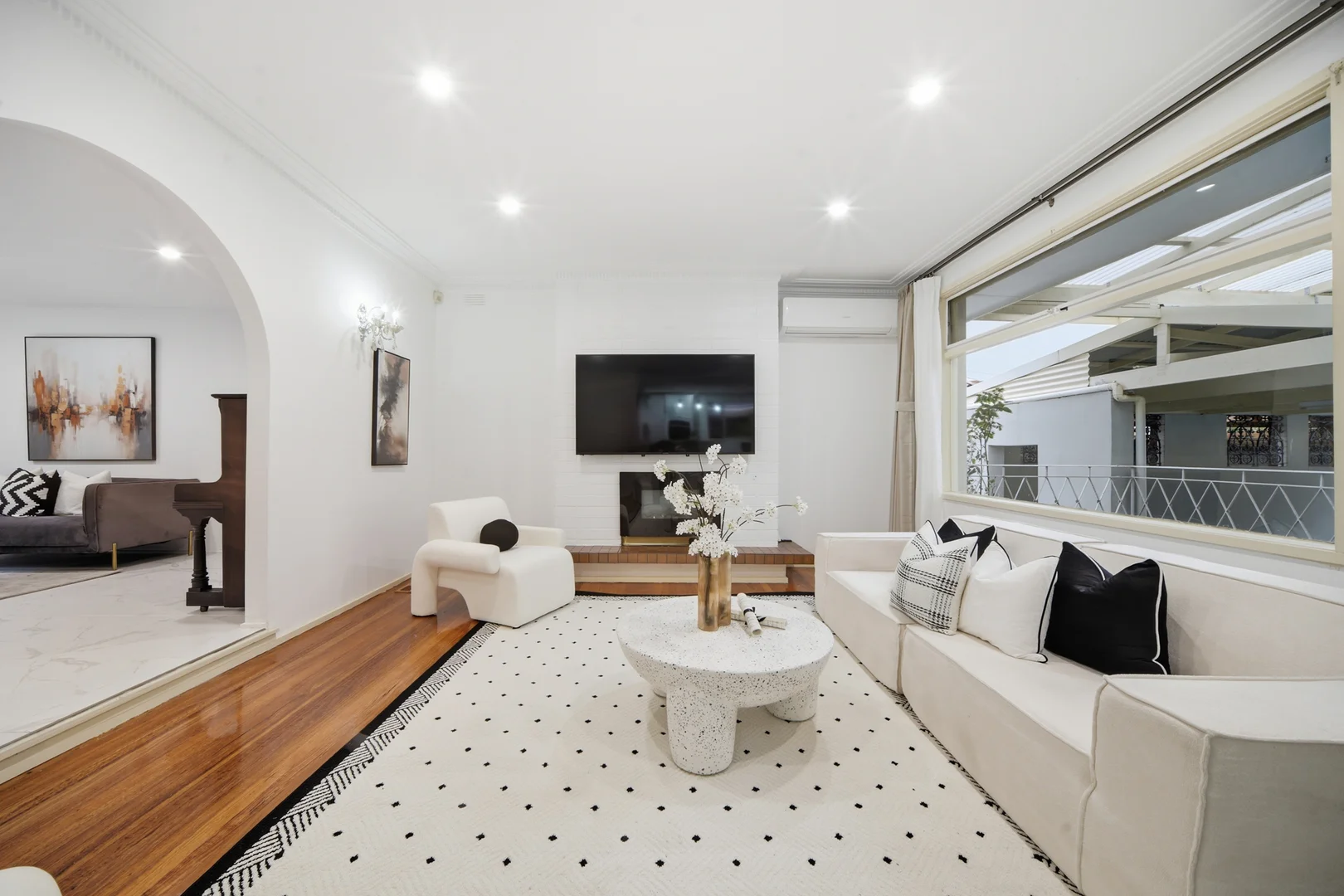 $1,730,000 - $1,830,000
House
$1,730,000 - $1,830,000
House
 $950,000
Townhouse
$950,000
Townhouse
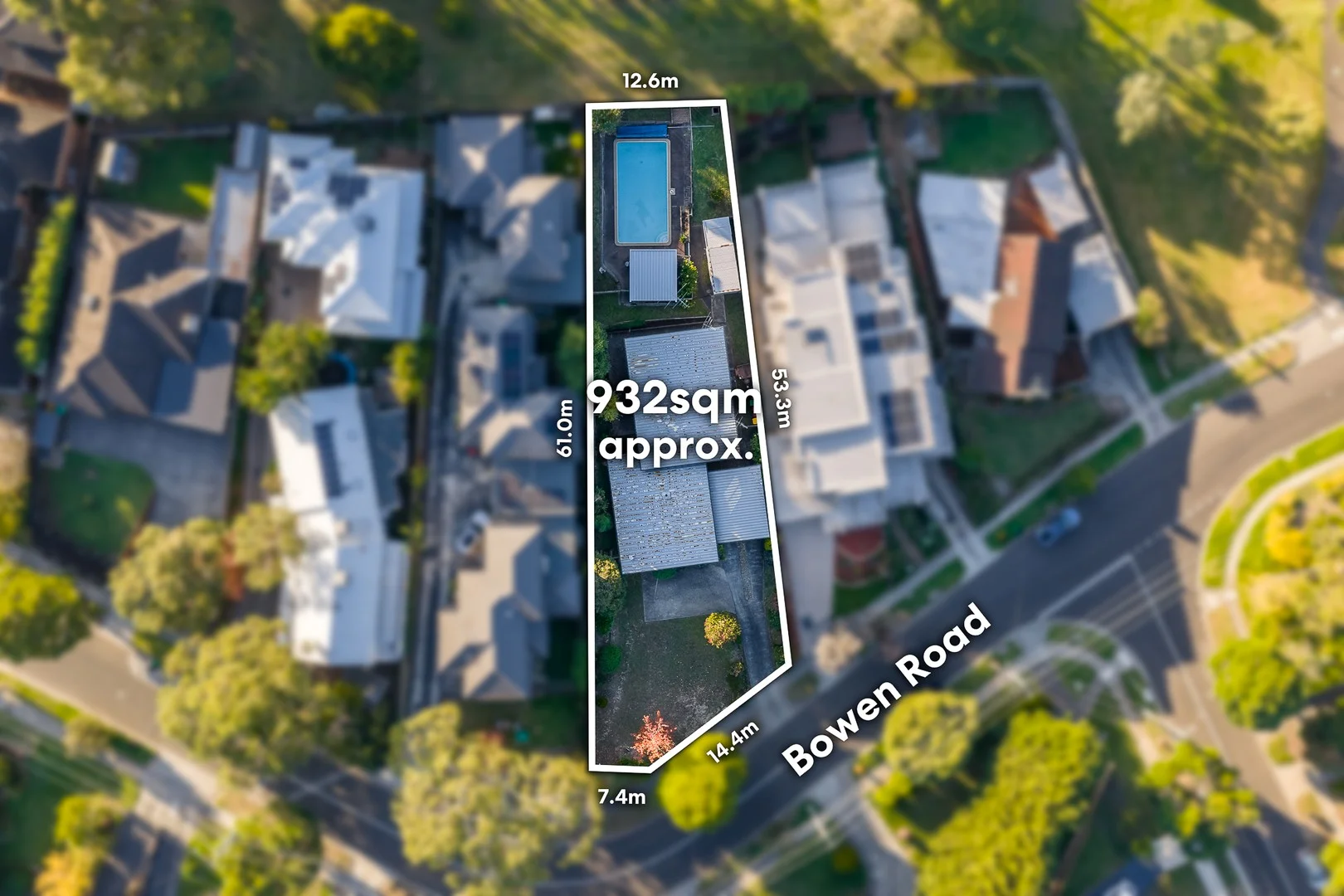 $1,300,000 - $1,400,000
House
$1,300,000 - $1,400,000
House
 $1,300,000
House
$1,300,000
House
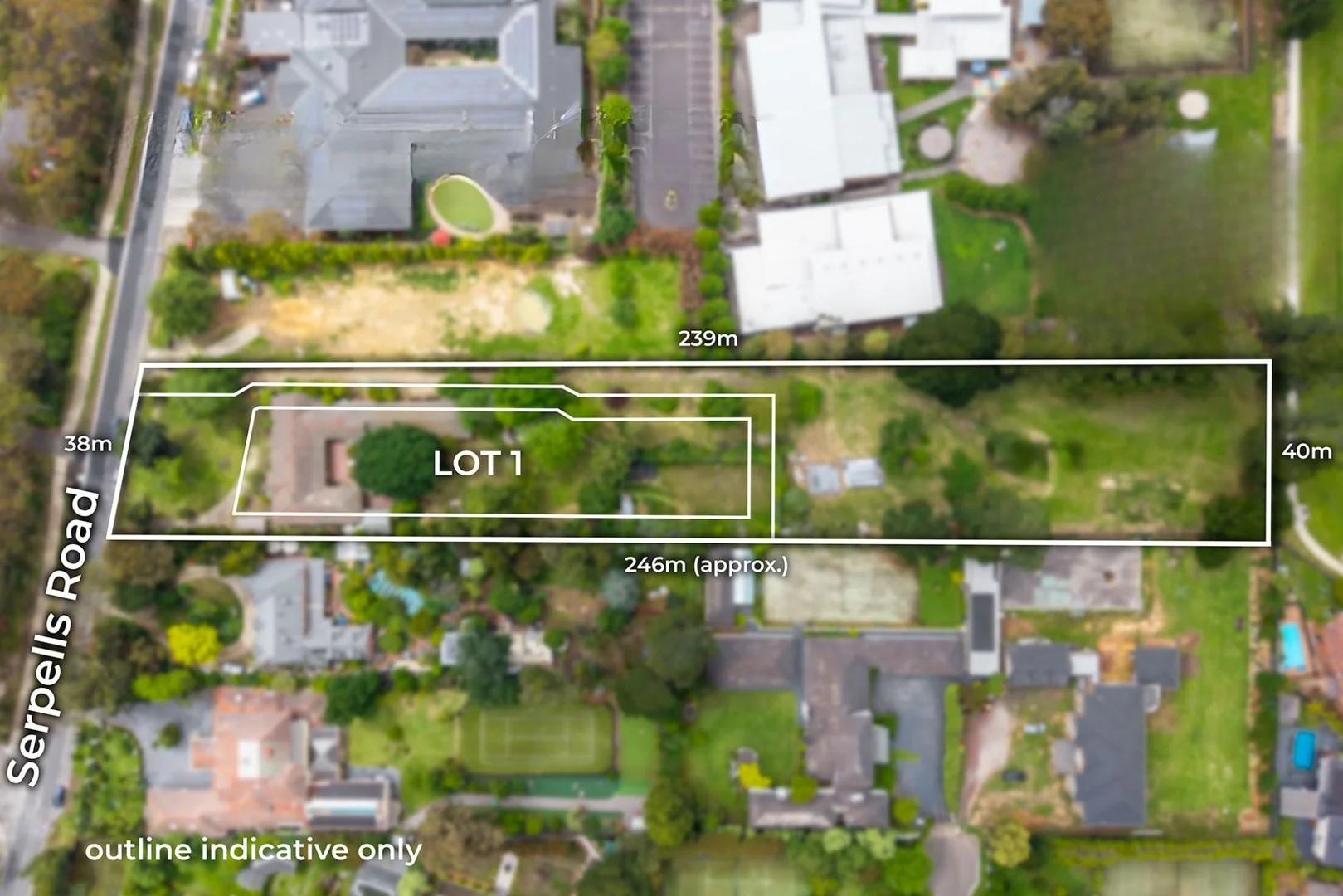 $5,600,000
House
$5,600,000
House