Overview
Emmaus Christian College — Plympton is an independent Christian school offering co-educational education from early years through to senior years in South Plympton, SA. The college emphasises a faith-based, values-driven environment where students are encouraged to grow academically, socially and spiritually within a supportive community.
- School type: Independent/private Christian
- School size: Medium
- Atmosphere/culture: Nurturing, inclusive, faith-informed and values-driven
Academics & Learning
Emmaus Christian College focuses on delivering a well-rounded education that prepares students for life beyond school.
- Academic strengths: English literacy and numeracy, STEM foundations, leadership development, and a broad curriculum that integrates Christian worldview with core learning areas.
- Special programs: Potential access to accelerated or gifted/talented pathways and leadership development opportunities; curriculum supports diverse learner needs within an inclusive framework.
- Support for diverse learners: EAL support, SEN support, targeted learning assistance, and access to learning support staff as needed.
A strong focus on well-rounded development, with a broad range of activities for boys and girls.
- Sports offered: Soccer/football, netball, basketball, cricket, athletics, and other regional or school-level programs; opportunities to participate in school sport teams and competitions.
- Strong teams or achievements: Active participation in local and regional school sports pathways with opportunities to contribute to team success.
- Music, arts, drama programs: School ensembles, performances, drama productions, and opportunities to engage in performing arts.
- Clubs: Robotics, chess, coding, debating and other student-led clubs to build skills beyond the classroom.
- Partnerships: Collaborations with local sports clubs, community academies and regional competitions to extend opportunities beyond the school grounds.
Wellbeing & Pastoral Care
Wellbeing supports are a cornerstone of the school experience, helping students feel safe, valued and ready to learn.
- Anti-bullying approach: Clear policies and proactive programs to promote respectful, inclusive behavior and a positive school climate.
- House system: House-based activities and competitions to foster belonging, teamwork and leadership.
- Counsellors / wellbeing officers: Access to on-site wellbeing staff for individual and small-group support.
- Transition support for new students: Induction programs, buddy systems and tailored transition activities to help new students settle in smoothly.
Facilities
Facilities are designed to support a range of learning experiences and student life.
- Sports grounds
- Libraries
- Science labs
- Music/performing arts centers
- Tech/innovation labs
- Cafeteria
- Updated playgrounds
What kind of students flourish here is shaped by the school’s ethos and environment.
- School values / mission: Christian faith-based education with a focus on integrity, service, respect and diligence.
- Leadership style: Collaborative and student-inclusive; opportunities for student voice and leadership within the school community.
- Behaviour expectations: Clear standards for respectful, responsible conduct and strong sense of personal accountability.
- Community reputation: A welcoming, supportive community known for cultivating positive relationships among students, families and staff.
- Diversity & inclusion: Commitment to embracing families from diverse backgrounds and fostering an inclusive atmosphere.
School Logistics & Daily Operations
Practical details that help families plan.
- School hours: Typical day begins in the morning and ends in the afternoon with variations by year level; options for extended care may be available.
- Before/after school care: Available in many cases; check current offerings for your year level.
- Uniform requirements: Uniforms are used; details provided by the school.
- Transport (train/bus routes): School transport options or bus routes may be available; check current services for your location.
- Canteen availability: Canteen services or canteen facilities are typically available.
- Fees (low/medium/high ranges): Fees fall into the mid-range for independent SA schools, with possible additional costs for uniforms, camps, excursions and similar activities.
Enrolment & Admissions
- What is the enrolment process and timeline?
- Inquire with the school, submit an application form and required documentation, and participate in any interviews or assessments as part of the process. After review, an offer may be made; once accepted, enrolment is completed with any required deposits or forms.
- Is there a waiting list, and how does it work?
- Many independent schools maintain a waiting list when spaces are limited. Families on the waiting list are notified as places become available. Priority likely given to considerations such as sibling enrollment and vacancy timing, subject to school policy.
- Are there any entry requirements, tests, or interviews?
- Entry may include an application, academic records review, and an interview or meeting with families. Some year levels might also include a readiness check or specific school assessments as part of the process.
- Does the school accept mid-year transfers?
- Mid-year transfers are sometimes possible if there is space and appropriate placement can be made; the school typically conducts an intake assessment and coordinating transition plan for new mid-year entrants.
Frequently Asked Questions
- Why Parents Choose This School?
- A values-based, supportive Christian environment with a focus on holistic development, strong teacher–student relationships and a sense of community.
- What type of student thrives at this school?
- Students who value a close-knit community, a faith-informed approach to learning, and opportunities to participate in both academics and extracurricular activities.
- What opportunities are available for students to extend their skills (academics, sports, arts)?
- Broad academic programs, leadership opportunities, sports teams, performing arts, and clubs such as robotics, coding, chess and debating.
- How does the school communicate with parents?
- Through newsletters, emails, parent portals or apps, and regular information evenings or meet-the-teacher sessions.
- What is the school’s approach to teaching and learning?
- Curriculum aligned with national standards, student-centered and inquiry-based learning, and integration of Christian values across learning.
- How does the school support students who need extra academic help?
- Differentiated instruction, targeted learning support, EAL support and access to learning support staff or tutoring where available.
- What support is available for academic challenges?
- Individual or small-group support, intervention plans and ongoing collaboration between teachers, families and support staff.
- How does the school communicate with parents? (repeated)
- See above: newsletters, portals/apps, and parent information sessions.
- What extracurricular and sports opportunities are available?
- A range of sports (e.g., soccer, netball, basketball, cricket, athletics) plus music, drama and a variety of clubs (robotics, coding, debating, chess).
- What facilities does the school offer (sports, science, arts)?
- Modern sports facilities, libraries, science labs, performing arts spaces, tech/innovation labs and supportive learning environments.
- What is the school’s approach to technology and digital learning?
- Emphasis on digital literacy, integrated technology in learning, and safeguarding online practices through appropriate policies and teaching.
- What transport and accessibility options are available?
- Transport options such as school bus routes or other arrangements; accessible facilities and convenient drop-off/pick-up options where applicable.
- What are the typical school fees or additional costs?
- Fees are in the mid-range for SA independent schools, with potential extra costs for uniforms, camps, excursions and other activities.
Short Pros & Cons list
- Independent Christian education with a values-driven, supportive culture
- Broad academics combined with opportunities in sports and arts
- Strong emphasis on wellbeing, pastoral care and community
- Comprehensive facilities across science, arts, technology and recreation
- As an independent school, fees may be higher than public options
- Smaller campus may offer fewer niche program options than larger multi-campus schools
- Availability of some programs can vary by year level and cohort; typical offerings should be confirmed with the school
 $40+
$40+









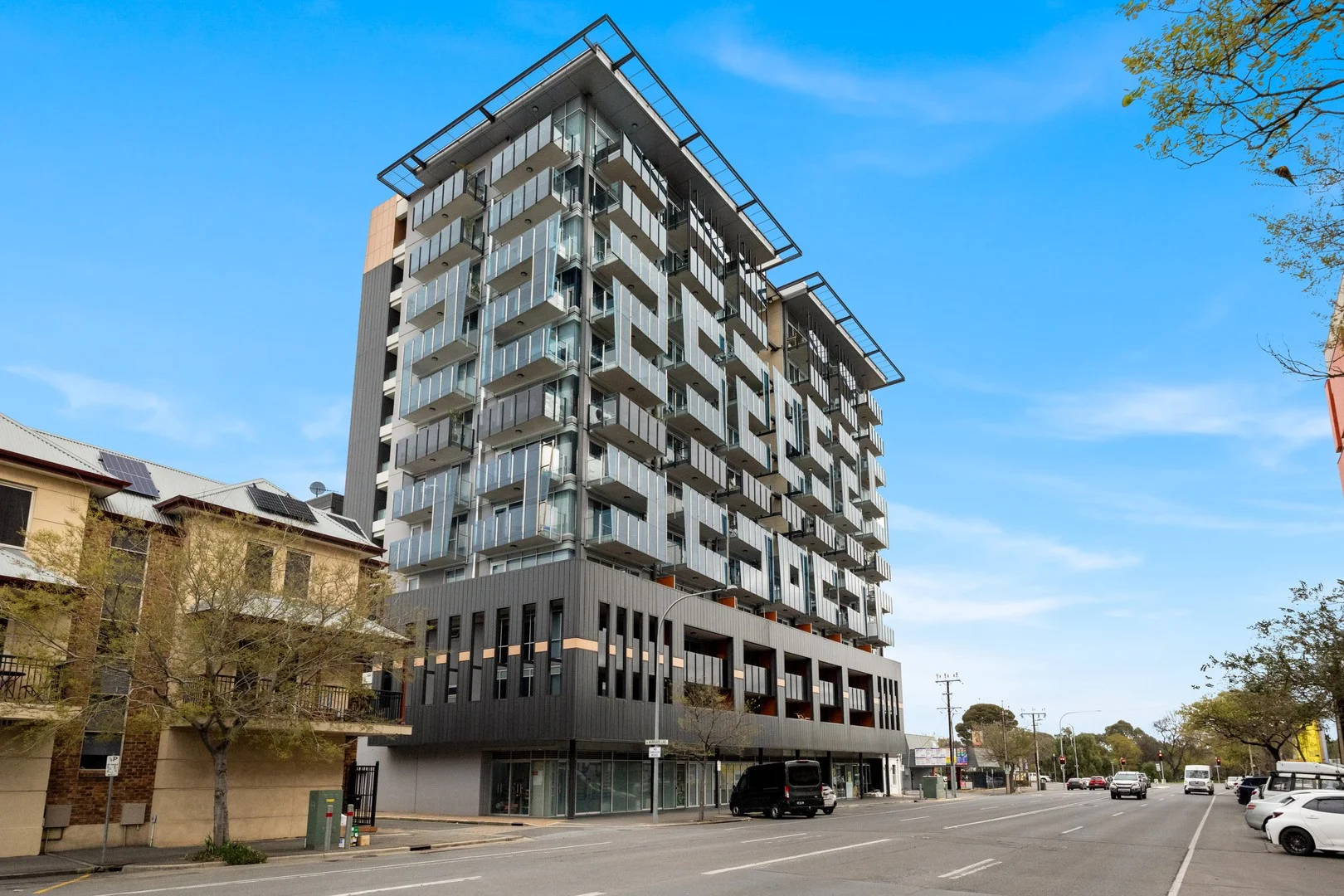 $1,100,000
Apartment / Unit / Flat
$1,100,000
Apartment / Unit / Flat
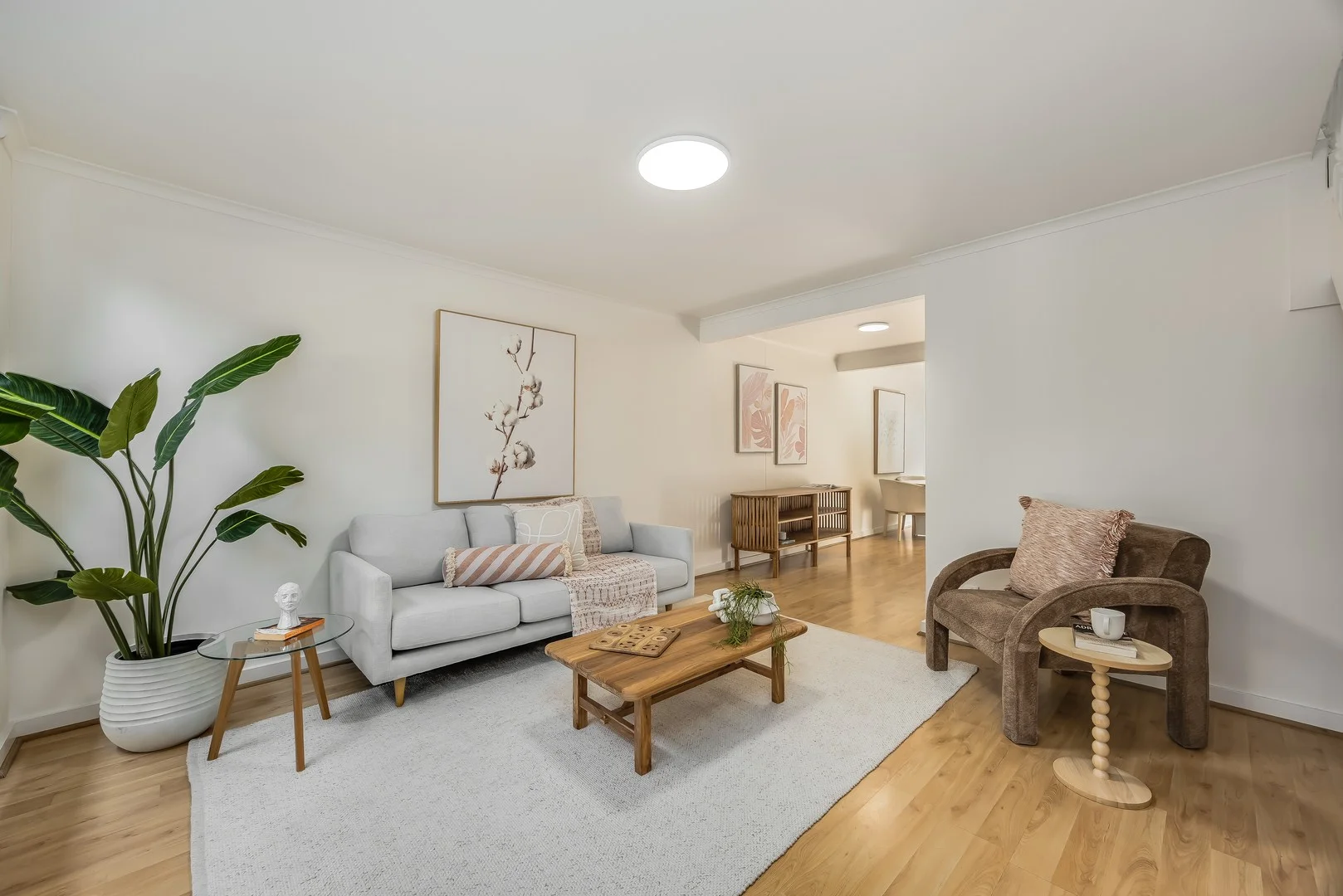 $775,000
House
$775,000
House
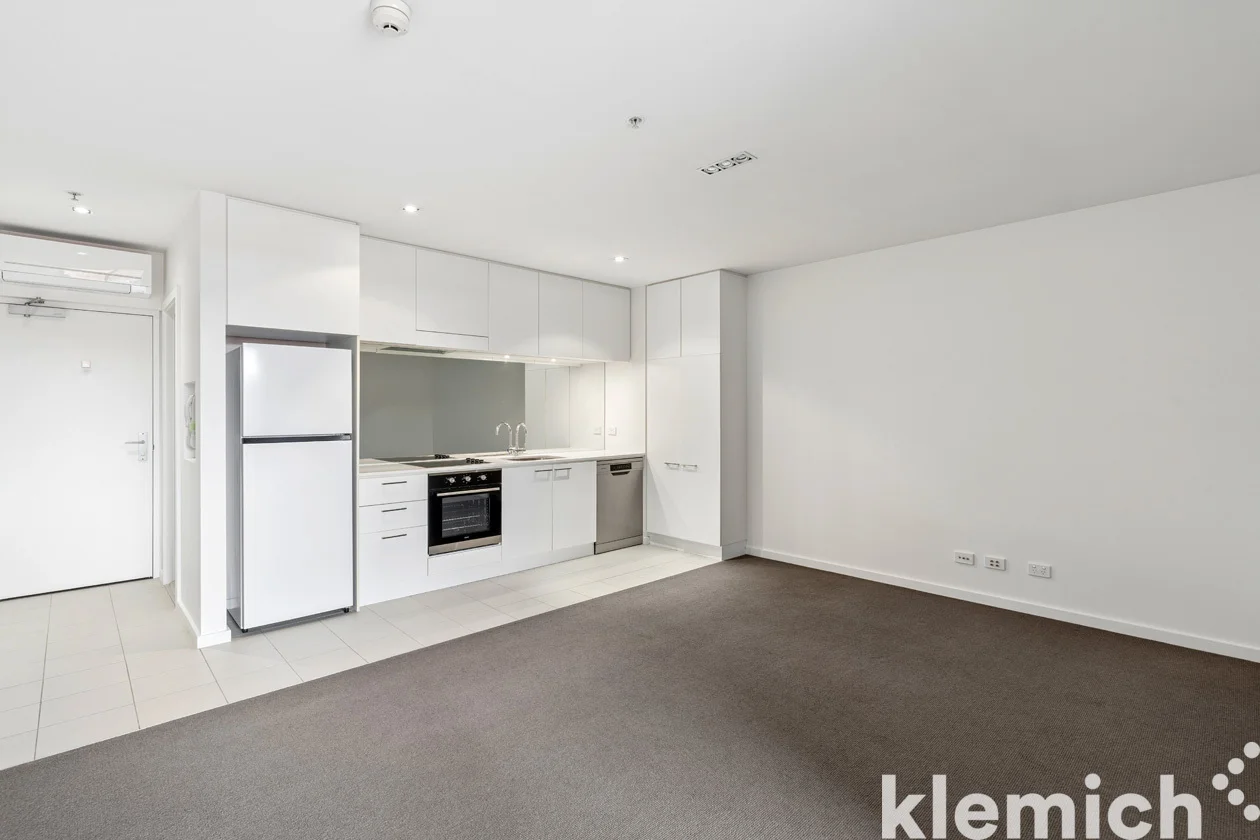 $440,000
Apartment / Unit / Flat
$440,000
Apartment / Unit / Flat
 $557,000
Apartment / Unit / Flat
$557,000
Apartment / Unit / Flat
 $935,000
Apartment / Unit / Flat
$935,000
Apartment / Unit / Flat
 $1,056,000
Apartment / Unit / Flat
$1,056,000
Apartment / Unit / Flat
 $588,000
Apartment / Unit / Flat
$588,000
Apartment / Unit / Flat
 $545,000
Apartment / Unit / Flat
$545,000
Apartment / Unit / Flat