## 1. Overview
Forbes Primary School is a public, co-educational primary school serving students in South Plympton, South Australia. It provides education from Reception through to Year 7 with a strong focus on a welcoming, community-driven learning environment. The campus fosters a sense of belonging where students are encouraged to participate, collaborate and develop as capable young people.
- School type: Public
- School size: Medium
- Class size: Typically around 20–24 students
- Atmosphere/culture: Inclusive, nurturing, academically focused with a friendly, community vibe
⸻
## 2. Academics & Learning
The school emphasises a well-rounded academic program with opportunities for students to grow across core subjects and key areas of strength.
- Academic strengths: English/literacy, numeracy, and STEM-focused activities; emphasis on inquiry-based learning and critical thinking
- Special programs: Gifted and Talented options; targeted literacy/numeracy support; opportunities for accelerated learning where appropriate
- NAPLAN / trends: Consistent, positive trends over recent years in reading and numeracy; ongoing focus on improving year-to-year outcomes
- Student-teacher ratios: Approximately 1:20–1:24
- Support for diverse learners: EAL (English as an Additional Language) support; SEN/inclusive education; tailored supports and learning plans
⸻
## 3. Sports & Extracurricular Strengths
A key area for many families, with a range of options to suit different interests and energy levels.
- Sports offered: Soccer, netball, cricket, athletics, basketball, and school-wide events; active participation in inter-school sports
- Strong teams or achievements: Regular representation in inter-school competitions and events; emphasis on teamwork and sportsmanship
- Music, arts, drama programs: School choir, instrumental opportunities, and involvement in school productions and arts activities
- Clubs: Robotics, coding (e.g., computer-based clubs), chess, debating
- Partnerships: Connections with local clubs and regional competitions; opportunities to engage with community partners for events and showcases
⸻
## 4. Wellbeing & Pastoral Care
Wellbeing is a core focus, with processes and staff in place to support students daily.
- Anti-bullying approach: Proactive programs, clear policies, and whole-school kindness and digital citizenship education
- House system: House groups participate in camps, events, and peer mentoring to build belonging and leadership
- Counsellors / wellbeing officers: Access to school wellbeing staff and external specialists as needed
- Transition support for new students: Orientation activities, buddy systems, and targeted supports to ease transitions between year levels
⸻
## 5. Facilities
The campus is designed to be engaging and supportive of a wide range of learning experiences.
- Sports grounds: On-site oval and multi-use courts
- Libraries: Well-stocked library with quiet study spaces and digital resources
- Science labs: Equipped science labs for hands-on experimentation
- Music/performing arts centers: Dedicated music spaces and performance area
- Tech/innovation labs: Computing and maker-space facilities
- Cafeteria: On-site canteen providing healthy options
- Updated playgrounds: Modern, accessible play areas and outdoor learning spaces
⸻
## 6. School Values & Community Culture
Families choose a school based on its values and the everyday culture it fosters.
- School values / mission: Respect, integrity, curiosity, resilience, and inclusion
- Leadership style: Collaborative, with student voice and teacher leadership contributing to decision-making
- Behaviour expectations: Positive behaviour framework, consistent routines, restorative approaches
- Community reputation: Strong family involvement and supportive relationships within the local community
- Diversity & inclusion: Welcoming environment for students from diverse backgrounds; supports for culturally and linguistically diverse students
⸻
## 7. School Logistics & Daily Operations
Practical details to help families plan around school life.
- School hours: Typically 9:00 am–3:20 pm with morning and lunch breaks
- Before/after school care: Outside providers often offer OSHC or similar programs
- Uniform requirements: School uniform worn during school days
- Transport (train/bus routes): Accessible via local transport; bus routes in the area and convenient drop-off/pick-up zones
- Canteen availability: On-site canteen with daily options
- Fees (low/medium/high ranges): Public school fees are generally low to medium; additional costs may include uniforms, book packs, and excursions
⸻
## 8. Enrolment & Admissions
Key steps to joining Forbes Primary School.
- What is the enrolment process and timeline? Check in-zone eligibility, submit an enrolment application during the district window, provide required documentation (proof of address, immunisation records), and await the school’s confirmation within the timeline set by the education authority
- Is there a waiting list, and how does it work? Waitlists may occur if year levels are full; prioritisation is typically based on zone eligibility and availability; spaces can reopen during term breaks
- Are there any entry requirements, tests, or interviews? Generally, public primary schools in SA do not require entry tests; address verification and eligibility checks are standard
- Does the school accept mid-year transfers? Yes, subject to space; families should contact the school early to discuss availability and transition planning
⸻
## 9. Frequently Asked Questions
- Why Parents Choose This School?
- Strong sense of community, supportive staff, solid academic program, and a balanced approach to learning and wellbeing
- What type of student thrives at this school?
- Curious, collaborative, respectful students who engage across academics, sports, arts and community activities
- What opportunities are available for students to extend their skills (academics, sports, arts)?
- Extension in literacy and numeracy, STEM activities, libraries and reading programs, sports teams, music and arts opportunities, robotics, coding, debating
- How does the school communicate with parents?
- Regular newsletters, a school app or portal, emails, and parent-teacher conferences; calendars and event notices are shared throughout the term
- What is the school’s approach to teaching and learning?
- Differentiated instruction, inquiry-based learning, emphasis on literacy and numeracy foundations, and integration of technology for learning
- How does the school support students who need extra academic help?
- Targeted literacy/numeracy support, small-group interventions, EAL and SEN supports, and access to specialists as needed
- What support is available for academic challenges?
- Learning plans, targeted interventions, and ongoing progress monitoring; teachers collaborate with specialists and families to adjust support
- How does the school communicate with parents?
- See above; multiple channels used to keep families informed and engaged
- What are the class sizes and how much individual attention do students receive?
- Classes typically around 20–24 students; teachers provide small-group instruction and targeted support as part of the regular timetable
- What extracurricular and sports opportunities are available?
- A broad range of sports, clubs, and arts programs, including robotics, coding, chess, debating, and music/theatre activities
- What facilities does the school offer (sports, science, arts)?
- Sports grounds, libraries, science labs, music/performing arts spaces, tech/innovation labs, canteen, and modern playgrounds
- What is the school’s approach to technology and digital learning?
- Integrated use of computing devices and online resources; emphasis on digital literacy and safe, responsible use
- What transport and accessibility options are available?
- Access via public transport with local bus routes; walking and biking options encouraged where possible; designated drop-off zones
- What are the typical school fees or additional costs?
- School uniforms, book packs, excursions and optional activities; overall costs are generally low to medium relative to independent schools
⸻
## 10. Short Pros & Cons list
- Pros
- Strong sense of community and supportive staff
- Balanced focus on academics, wellbeing, and extracurriculars
- Diverse range of programs (sports, arts, STEM, clubs)
- Pleasant facilities and modern learning spaces
- Inclusive environment with support for diverse learners
- Cons
- As a public school, spaces can be competitive during peak intake years
- Transport and commute considerations may apply for families outside the immediate area
- Specific specialty programs may have limited capacity and availability each year
⸻








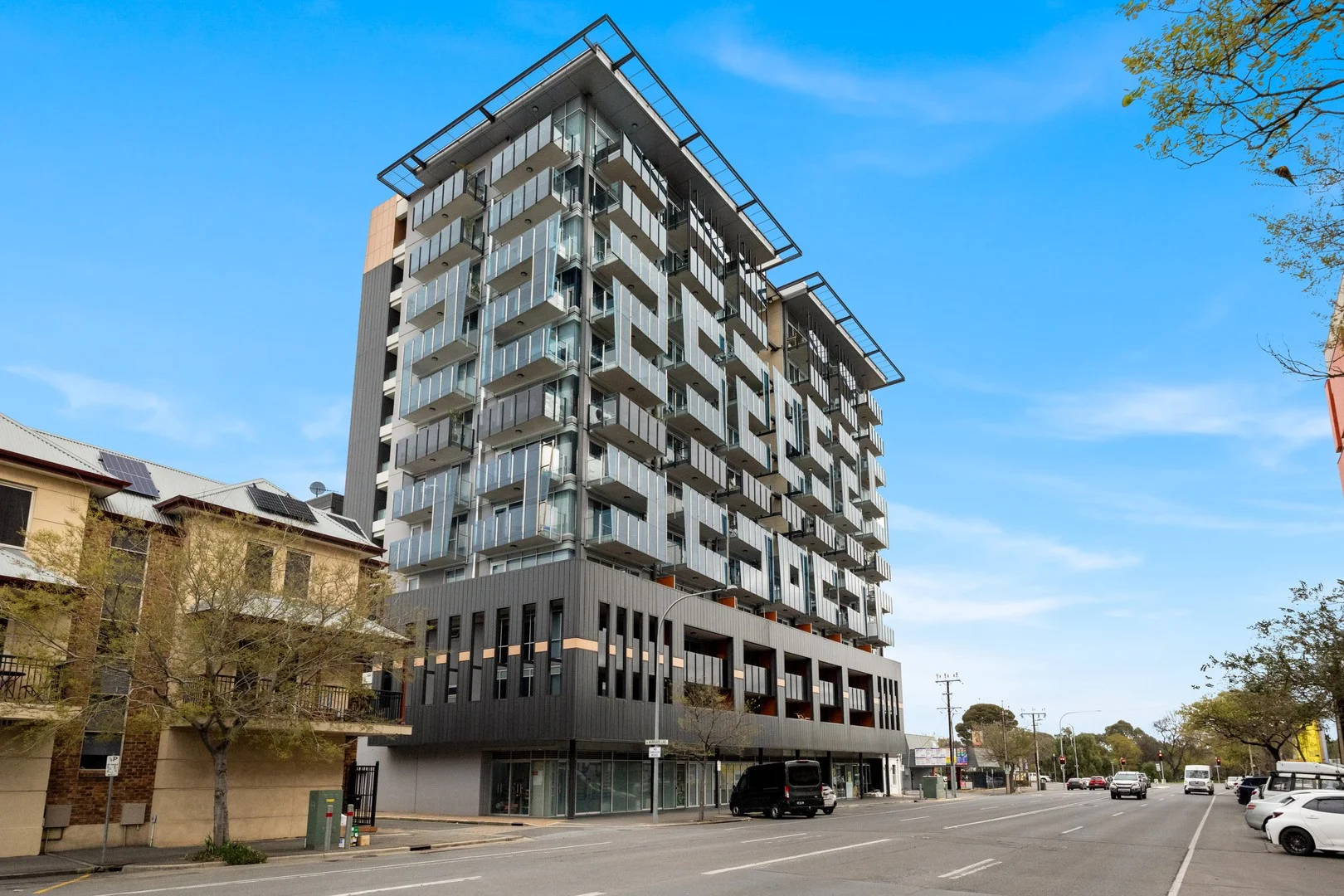 $1,100,000
Apartment / Unit / Flat
$1,100,000
Apartment / Unit / Flat
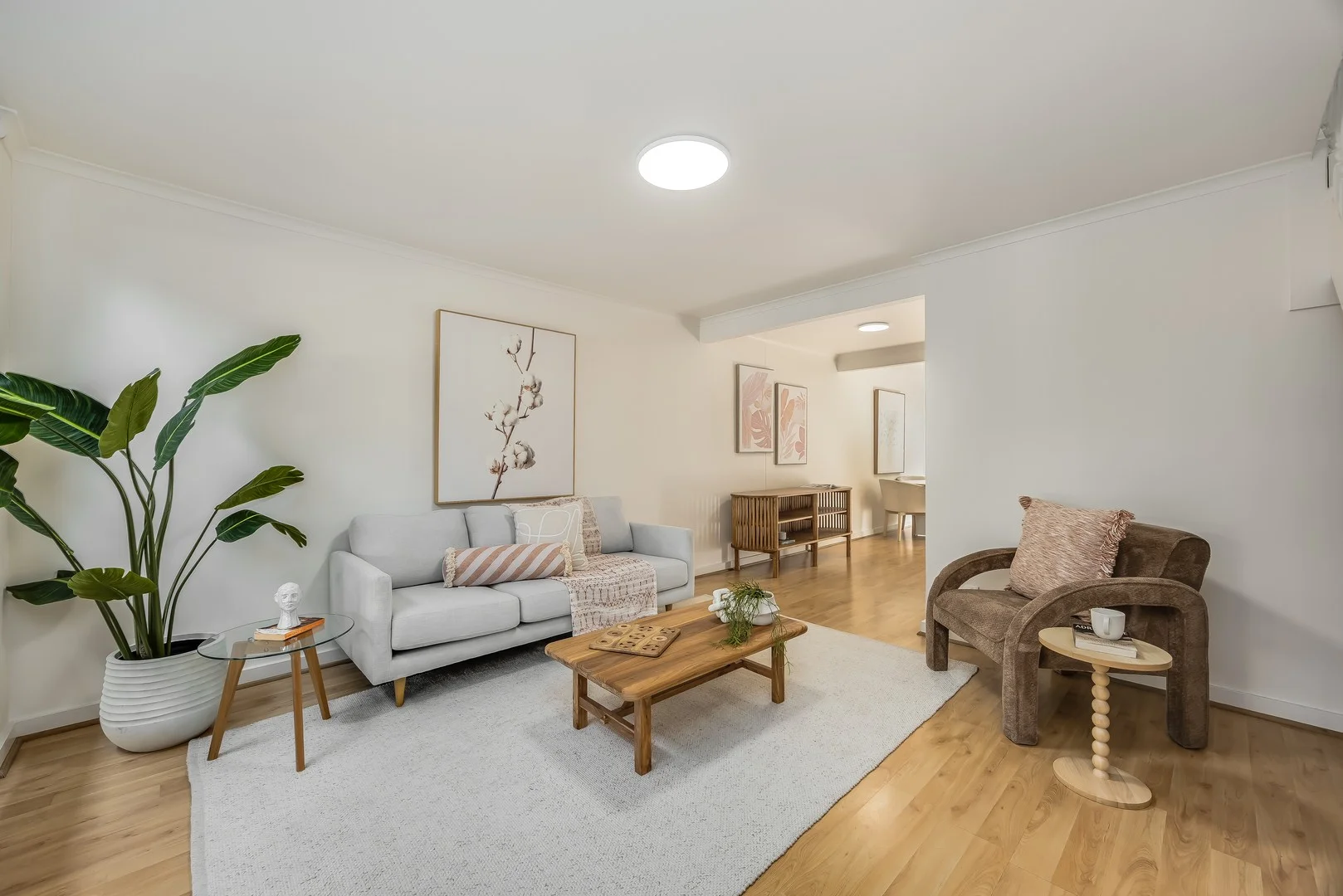 $775,000
House
$775,000
House
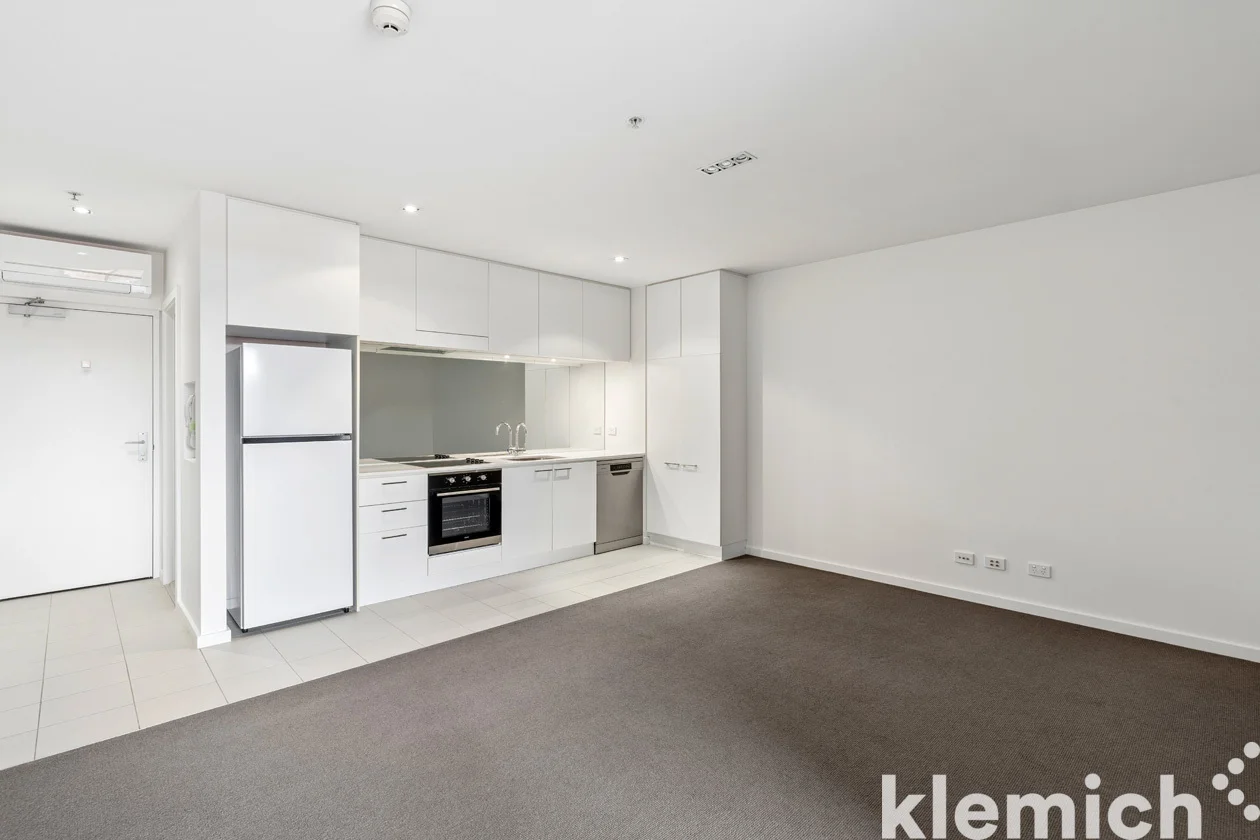 $440,000
Apartment / Unit / Flat
$440,000
Apartment / Unit / Flat
 $557,000
Apartment / Unit / Flat
$557,000
Apartment / Unit / Flat
 $1,056,000
Apartment / Unit / Flat
$1,056,000
Apartment / Unit / Flat
 $935,000
Apartment / Unit / Flat
$935,000
Apartment / Unit / Flat
 $588,000
Apartment / Unit / Flat
$588,000
Apartment / Unit / Flat
 $545,000
Apartment / Unit / Flat
$545,000
Apartment / Unit / Flat


