## Overview
St Anthony's Catholic School, Edwardstown in South Australia offers a faith-based, inclusive learning community for primary students. As a medium-sized school, it aims to balance academic achievement with pastoral care, faith formation and community involvement. Classes are commonly small-to-medium in size, fostering close teacher–student relationships and opportunities for individual support in a nurturing atmosphere.
The school emphasises values such as respect, service and collaboration, with a culture that supports families and encourages student participation in faith formation, sport and the arts.
---
## Academics & Learning
Strengths typically seen in Catholic primary settings include strong literacy and numeracy foundations, with integrated Religious Education as a core component. Students have access to digital learning tools and inquiry-based activities that support critical thinking and problem-solving. The school often runs programs aimed at leadership development and community service to complement academic work.
Special programs may include religious education initiatives, liturgical experiences and opportunities for student-led projects. For diverse learners, there is usually a Learning Support/SEN team and targeted interventions to assist students who require extra help. Class sizes generally support focused teaching, with student–teacher ratios commonly around 1:12 to 1:20 depending on year level.
NAPLAN trends (where available) are typically monitored over time to identify reading, writing and numeracy progress, with a focus on consistent improvement and targeted support where needed. Parents can request the latest school-specific data from the administration.
---
## Sports & Extracurricular Strengths
Sports offered often include football (soccer), cricket, basketball/netball and athletics, with regular inter-school and local competitions. The school usually participates in team-based programs and develops sportsmanship, teamwork and fitness.
In addition to sports, strong music, arts and drama opportunities may include school choir, concerts and ensembles. Extracurricular clubs commonly feature robotics, coding, chess and debating, providing avenues for creative and analytical thinking. The school may also establish partnerships with local clubs and participate in Catholic Education SA events, competitions and showcases.
This section is particularly valuable for families seeking activities that engage boys aged 10–14 in teamwork, strategy and skill-building beyond the core curriculum.
---
## Wellbeing & Pastoral Care
A high priority for families, the wellbeing framework typically includes a clear anti-bullying approach, consistent with an overall positive behaviour support system and restorative practices. Many schools operate a house system to foster belonging, friendly competition and peer mentoring.
Counsellors or wellbeing officers are available to support students’ emotional health and resilience, while transition programs help new students settle in smoothly at the start of the year and during mid-year changes. The pastoral program often emphasises faith, resilience and respect in everyday learning.
---
## Facilities
- Sports grounds and astro-turf or multi-use sports spaces
- Libraries with reading programs and digital resources
- Science labs equipped for primary experiments
- Music and performing arts spaces (practice rooms or a small theatre)
- Tech/innovation labs or makerspace for coding and design
- Canteen or school dining area
- Updated playgrounds and outdoor learning areas
Facilities are presented in a simple, visual way to help parents imagine daily school life and opportunities for exploration.
---
## School Values & Community Culture
- Values/Mission: Catholic identity with a focus on service, compassion, respect and integrity; emphasis on community involvement and faith-based learning.
- Leadership style: Collaborative and inclusive, with teacher/student partnerships and student voice in appropriate settings.
- Behaviour expectations: Clear guidelines aligned with restorative practices and a positive culture that recognises effort and improvement.
- Community reputation: Generally described as family-friendly, supportive and engaged with local families.
- Diversity & inclusion: Commitment to an inclusive environment that welcomes students from varied backgrounds and needs.
---
## School Logistics & Daily Operations
- School hours: Typically around 8:45 am to 3:15 pm; variations may occur by year level.
- Before/after school care: Usually available (OSHC or school-arranged care) for working families.
- Uniform requirements: Standard school uniform with seasonal adjustments (summer/winter), including hats for outdoor learning.
- Transport: Local bus routes and public transport options; parking and drop-off/pick-up zones designed for safety.
- Canteen availability: On-site or approved catering for lunch and snacks.
- Fees: Generally in the mid-range for private Catholic primary schools, with clear disclosure of any activity or resource fees.
---
## Enrolment & Admissions
11. What is the enrolment process and timeline?
- Submit an enrolment application during the school’s intake period (often early in the year or when places are available). There may be a recommended open day or information session. The timeline typically includes document submission, consideration of placement and notification of intake results, followed by confirmation of enrolment and an orientation period.
12. Is there a waiting list, and how does it work?
- Some year levels may have waiting lists depending on capacity. If a grade is full, you may be added to a waiting list and contacted if a place becomes available. The school can provide an estimated wait time based on current enrolments and anticipated vacancies.
13. Are there any entry requirements, tests, or interviews?
- Entry may involve completion of an enrolment form, submission of required documents (birth certificate, immunisation records, proof of address), and possible interviews or family information sessions. Religious education expectations and consent may also be part of the process.
14. Does the school accept mid-year transfers?
- Mid-year transfers are sometimes possible subject to vacancy and the school’s admission policy. Families should contact the office to discuss available placement and any transition requirements.
---
## Frequently Asked Questions
- Why Parents Choose This School?
This school offers a faith-based community with strong literacy and numeracy foundations, supportive pastoral care, and opportunities across sport, arts and leadership.
- What type of student thrives at this school?
Students who value community, faith-centered learning, collaborative activities and a balanced approach to academics, sport and service typically thrive here.
- What opportunities are available for students to extend their skills (academics, sports, arts)?
Opportunities often include leadership roles, advanced literacy/numeracy support, music ensembles, drama productions, sport teams, robotics and coding clubs, and participation in local or church/community events.
- How does the school communicate with parents?
Communication channels usually include newsletters, emails, the school website, parent portals, and regular parent-teacher interviews or progress updates.
- What is the school’s approach to teaching and learning?
A student-centered approach combines core literacy and numeracy with faith-informed values, differentiated instruction, and use of digital tools to support inquiry, collaboration and critical thinking.
- How does the school support students who need extra academic help?
A Learning Support Team typically coordinates targeted interventions, small-group tutoring and resource allocation to assist students requiring additional assistance.
- What support is available for academic challenges?
Support may include in-class differentiation, learning plans, and access to specialist staff (Reading Recovery, maths support, etc.) as part of an inclusive education framework.
- How does the school communicate with parents? (Repeated)
See above: newsletters, emails, portals, and parent-teacher interactions.
- What are the class sizes and how much individual attention do students receive?
Class sizes are designed to be small-to-medium, often with a student–teacher ratio around 1:12 to 1:20, enabling more individualized attention.
- What extracurricular and sports opportunities are available?
Sports programs (team sports and physical education), music and drama, plus clubs such as robotics, coding, chess and debating.
- What facilities does the school offer (sports, science, arts)?
Sports grounds, library, science labs, performing arts spaces, technology/innovation labs, canteen and outdoor learning/play areas.
- What is the school’s approach to technology and digital learning?
Integration of digital tools for learning, coding and technology literacy within the curriculum, with appropriate safeguarding and teacher support.
- What transport and accessibility options are available?
Bus services and public transport access; parking and supervision during drop-off/pick-up times; accessible facilities as appropriate.
- What are the typical school fees or additional costs?
Fees vary by year level and program; there may be uniform costs, activity fees, and optional activities. The school can provide a detailed breakdown on request.
---
## Short Pros & Cons list
- Pros:
- Faith-based, values-driven education with emphasis on community
- Supportive pastoral care and inclusive environment
- Moderate class sizes and focus on individual attention
- Wide range of extracurriculars (sport, arts, coding, debate)
- Strong emphasis on leadership and service
- Cons:
- As a private Catholic school, tuition contributes to overall costs
- Some programs and activities may have additional fees
- Availability of places varies by year level; potential waiting lists









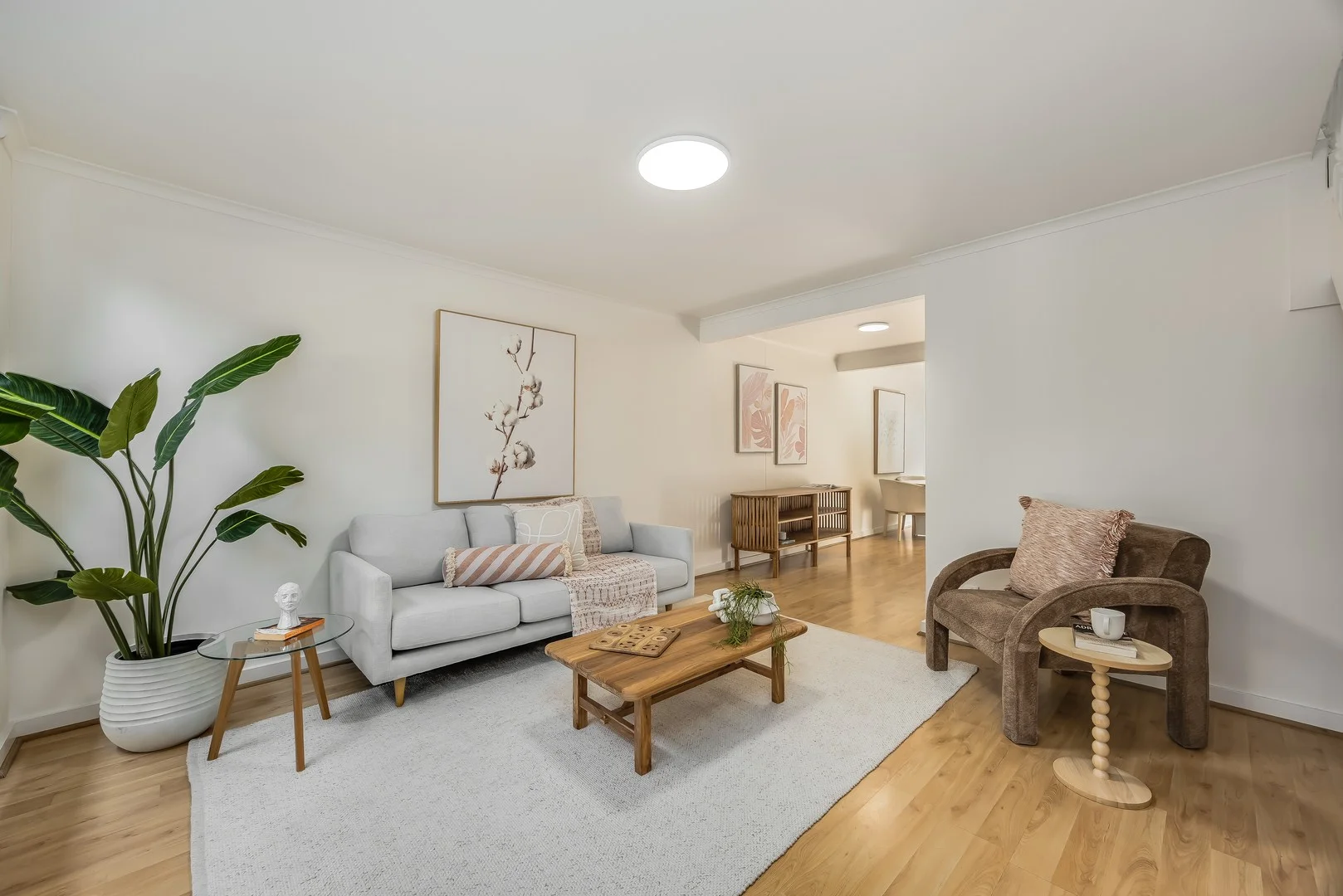 $775,000
House
$775,000
House
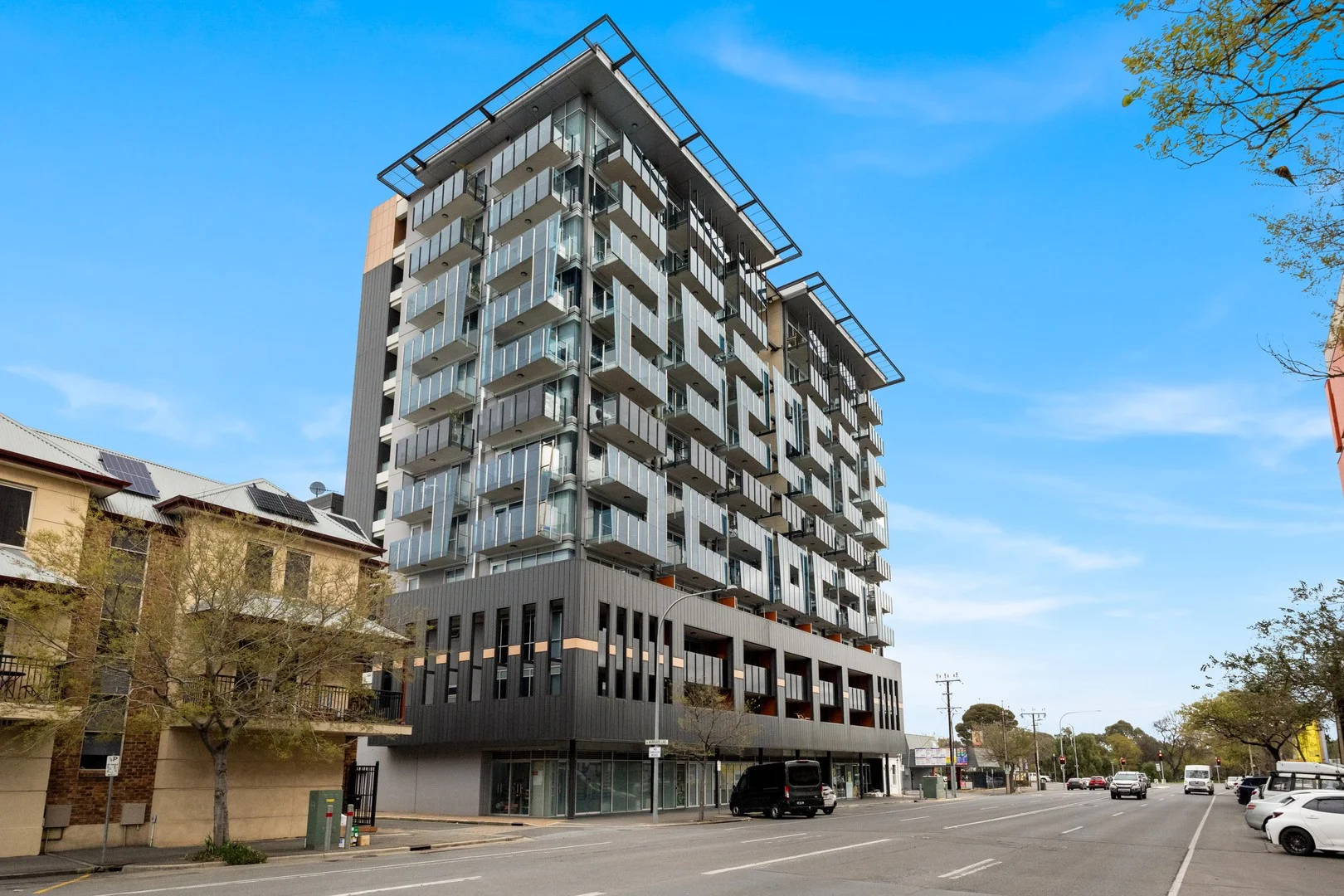 $1,100,000
Apartment / Unit / Flat
$1,100,000
Apartment / Unit / Flat
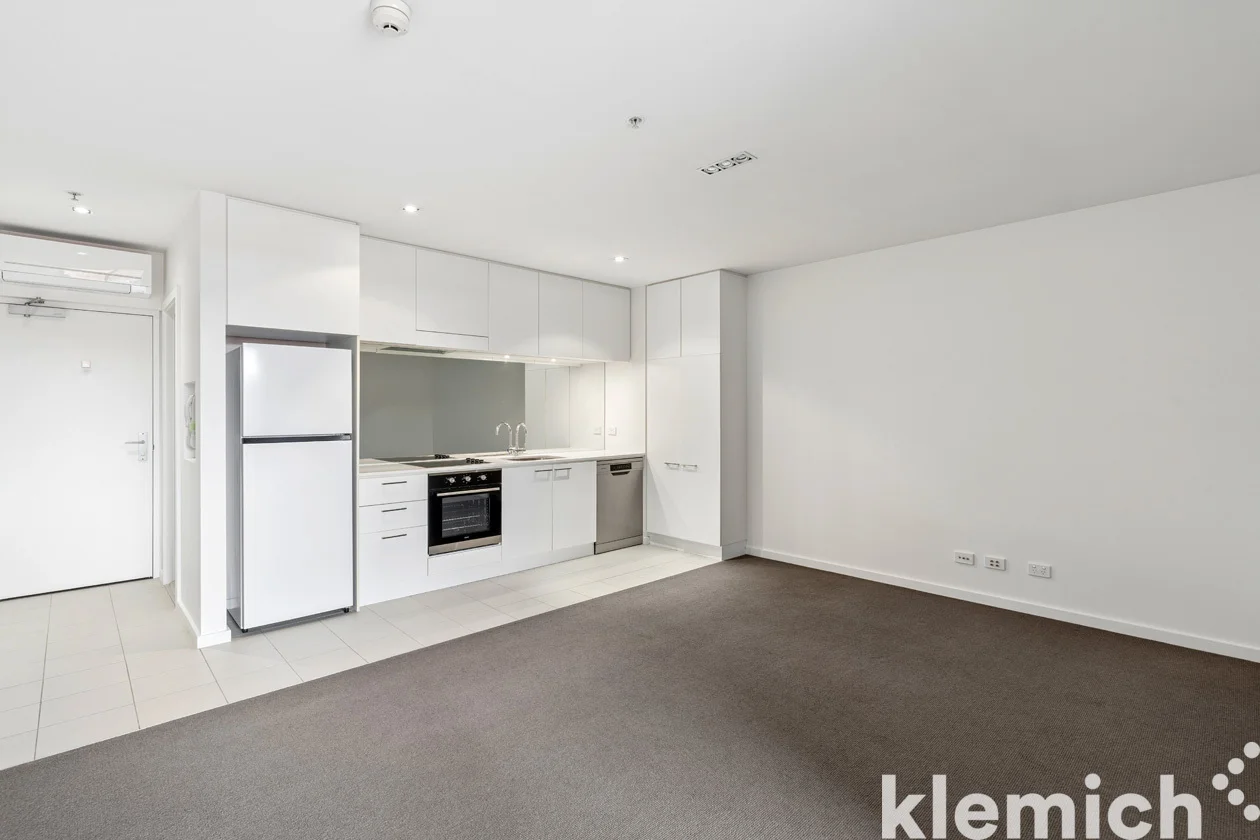 $440,000
Apartment / Unit / Flat
$440,000
Apartment / Unit / Flat
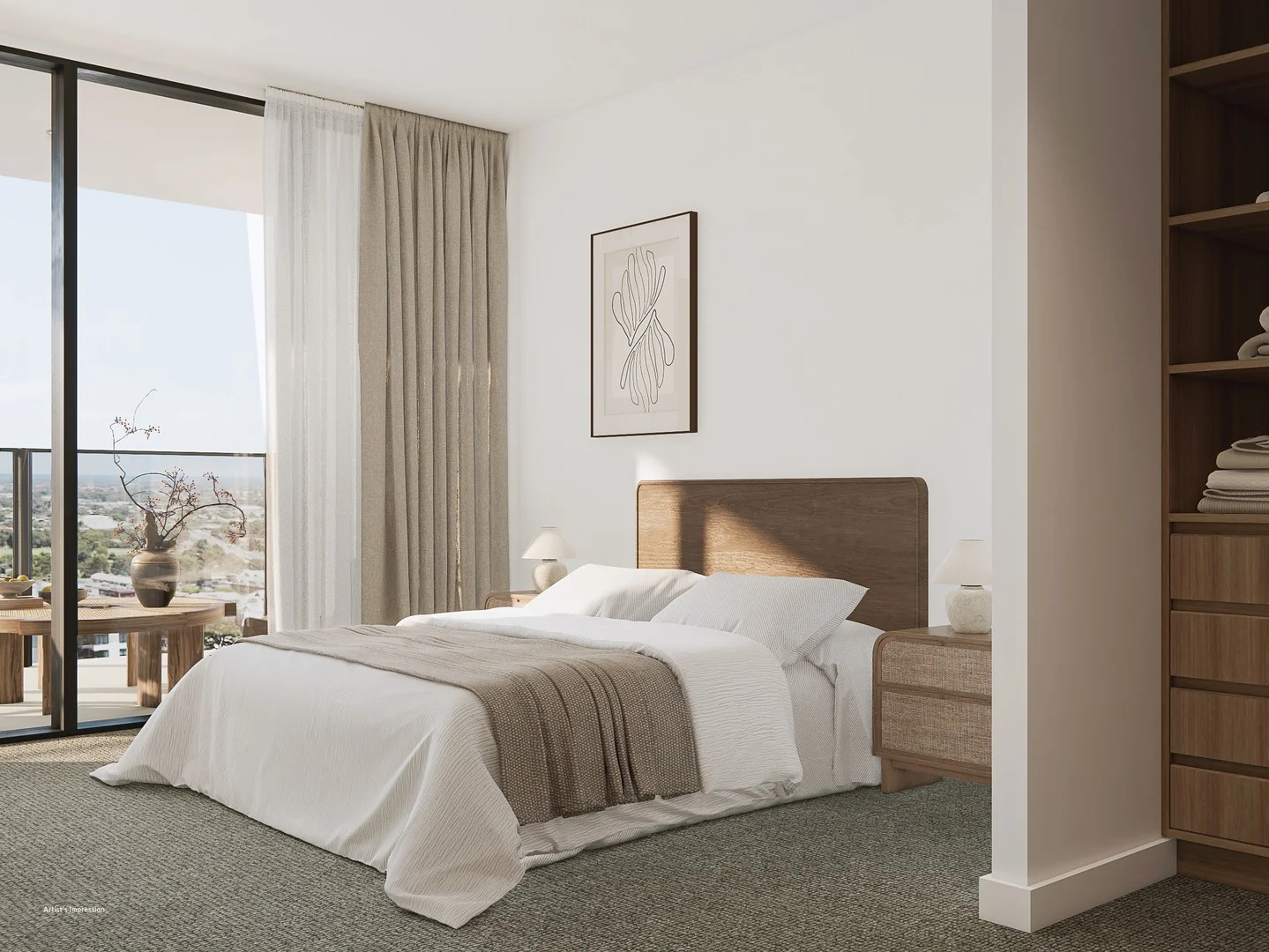 $935,000
Apartment / Unit / Flat
$935,000
Apartment / Unit / Flat
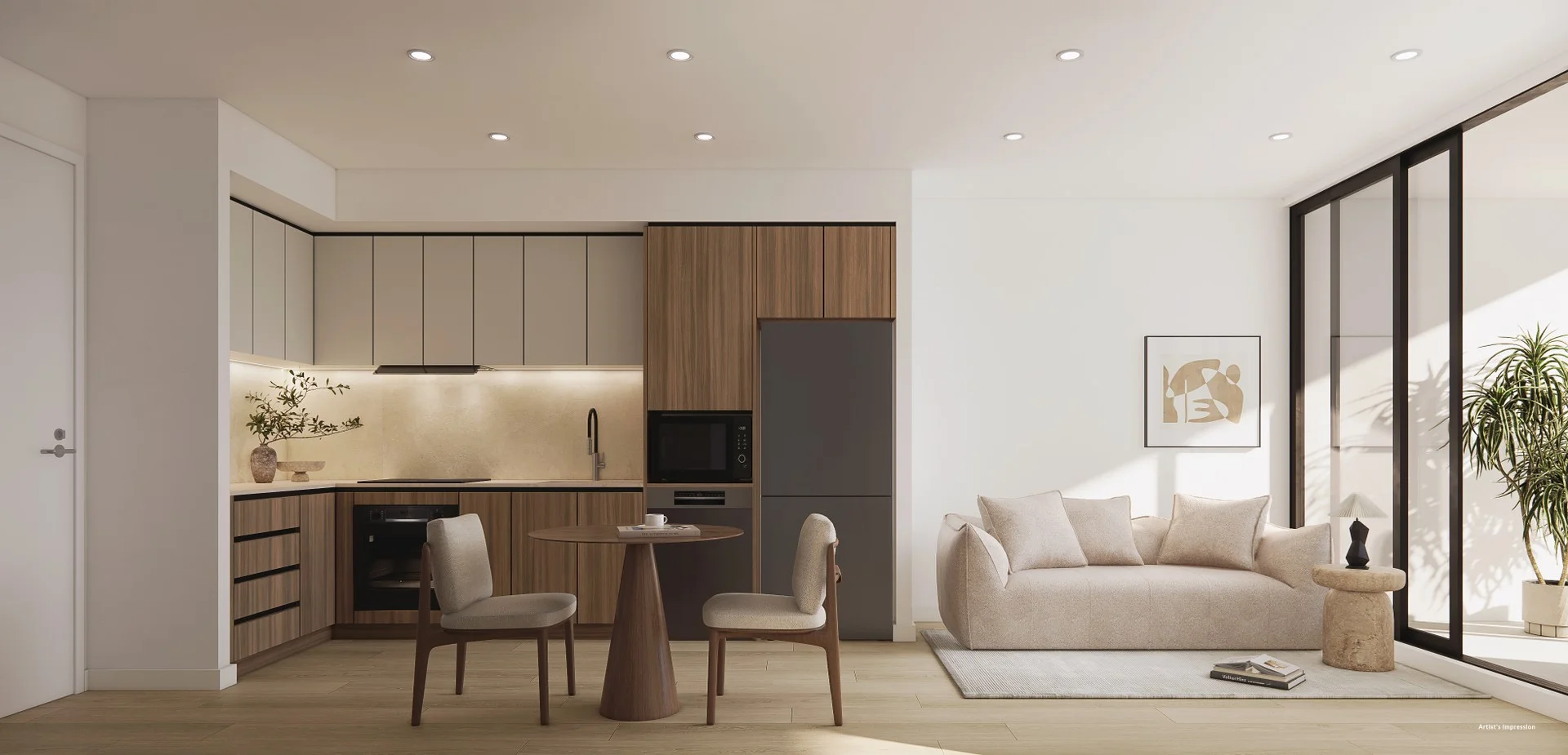 $588,000
Apartment / Unit / Flat
$588,000
Apartment / Unit / Flat
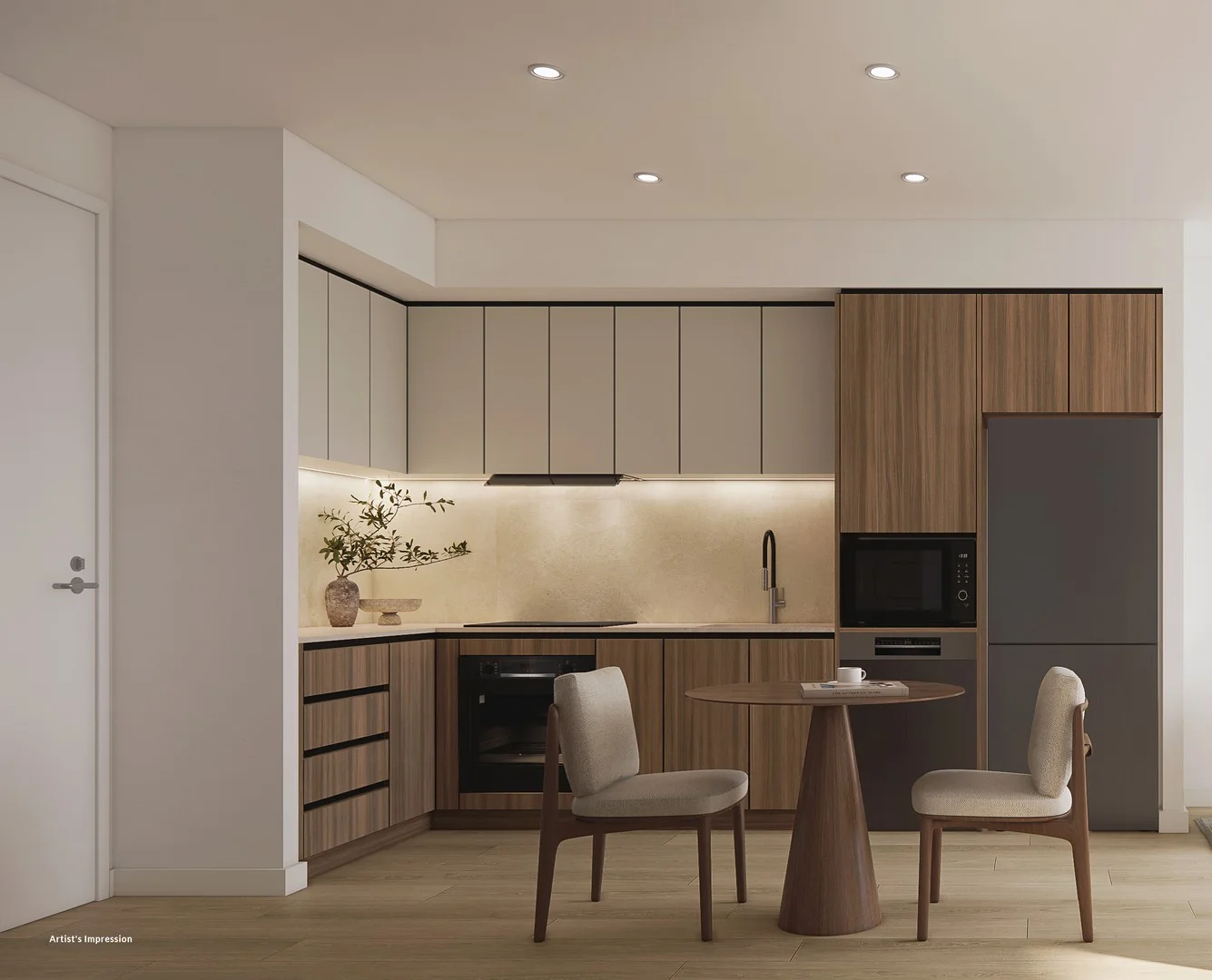 $557,000
Apartment / Unit / Flat
$557,000
Apartment / Unit / Flat
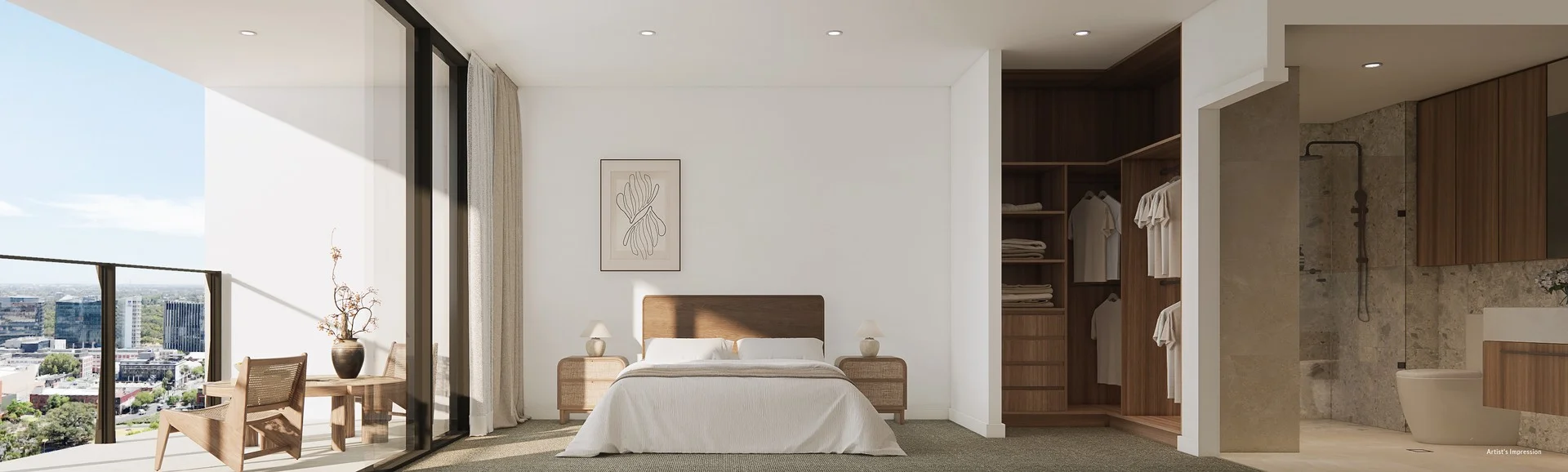 $1,056,000
Apartment / Unit / Flat
$1,056,000
Apartment / Unit / Flat
 $545,000
Apartment / Unit / Flat
$545,000
Apartment / Unit / Flat