1. Overview
St John the Baptist Catholic School, Plympton is a Catholic primary school community committed to faith-based education alongside strong academic foundations. The school emphasises values such as respect, compassion and service, supporting families in a collaborative learning journey.
With a small-to-medium school community, class sizes are designed to enable close teacher-student relationships and personalised attention. The atmosphere is nurturing and inclusive, fostering a sense of belonging and strong partnerships between families, staff and parish.
⸻
2. Academics & Learning
- Academic strengths: English literacy and numeracy are core priorities, with a focus on developing critical thinking, problem solving and a solid grounding in STEM concepts. Religious education is integrated across the curriculum to support holistic learning.
- Special programs: Gifted and talented opportunities, accelerated learning pathways where appropriate, and strong digital learning integration to build ICT capabilities and creative problem solving.
- NAPLAN / trends: NAPLAN results typically show steady improvement and performance that sits at or above regional/state averages in key areas over time, reflecting ongoing investment in teaching and learning.
- Student-teacher ratios: Class configurations are designed to support individualized attention, with small-to-moderate class sizes that promote strong teacher-student relationships and active learning.
- Support for diverse learners: Inclusive education with targeted support for EAL learners and students with additional learning needs, including tailored learning plans and access to support staff.
⸻
3. Sports & Extracurricular Strengths
- Sports offered: A well-rounded program including netball, basketball, soccer/football, cricket, athletics, and other school sport activities complemented by interschool and district competitions.
- Strong teams or achievements: Emphasis on participation, teamwork and skill development with opportunities to represent the school in local competitions and district events.
- Music, arts, drama programs: Choir, school band or ensembles, and drama productions provide performance opportunities and creative outlets for students.
- Clubs: Robotics, coding, chess, debating and other enrichment clubs are offered to extend learning beyond the classroom.
- Partnerships: Participation in local sports associations and competitions; potential collaborations with community clubs to broaden opportunities for students.
⸻
4. Wellbeing & Pastoral Care
- Anti-bullying approach: Clear anti-bullying policies and proactive programs that promote kindness, respect and positive peer relationships; ongoing wellbeing education is embedded in the school culture.
- House system: A house-based framework supports belonging, healthy competition and community involvement across year levels.
- Counsellors / wellbeing officers: Access to school wellbeing staff or counsellors to support social, emotional and behavioural needs; regular wellbeing check-ins for students and families.
- Transition support for new students: Structured orientation, buddy systems and gradual transition plans to help new students settle in smoothly.
⸻
5. Facilities
- Sports grounds: Maintained playing fields and courts to support physical education and interschool activities.
- Libraries: A library space that supports reading for pleasure, research and classroom learning.
- Science labs: Equipped science facilities to support hands-on experiments and inquiry-based learning.
- Music/performing arts centers: Spaces or rooms dedicated to music, drama and performance activities.
- Tech/innovation labs: Access to ICT resources and project-focused learning spaces to foster digital literacy and innovation.
- Cafeteria: On-site canteen or lunch facilities offering healthy choices.
- Updated playgrounds: Well-kept outdoor play spaces with contemporary equipment for active play and recreation.
⸻
6. School Values & Community Culture
- School values / mission: A faith-informed mission emphasising service, integrity, respect and community engagement.
- Leadership style: Collaborative leadership that involves staff, families and students in decision-making and shared responsibility.
- Behaviour expectations: Clear codes of conduct aligned with Catholic values, promoting respect, responsibility and resilience.
- Community reputation: Known for a welcoming, faith-centered culture with strong family involvement and parish ties.
- Diversity & inclusion: Inclusive environment that respects individual differences and supports diverse learners and backgrounds.
⸻
7. School Logistics & Daily Operations
- School hours: Typical day runs from around 8:45–9:00 am start to about 3:15–3:30 pm finish, with essentials for punctual attendance.
- Before/after school care: Managed arrangements or approved providers available to support families with before/after school needs.
- Uniform requirements: Formal school uniform with seasonal options; sport uniform on designated PE/sports days.
- Transport (train/bus routes): Access to public transport options and bus routes; reasonable proximity to stops to facilitate commuting.
- Canteen availability: Canteen or lunch facilities offering healthy meal and snack options on selected days.
- Fees (low/medium/high ranges): Fees fall within a moderate range for Catholic primary schools in the region, with additional costs for books, materials or extracurricular activities as applicable.
⸻
8. Enrolment & Admissions
11. What is the enrolment process and timeline?
- Inquiry and information session
- Application submission with required documents (birth certificate, immunisation records, proof of residence or parish information)
- Shortlisting and interview/appointment with families (as applicable)
- Offer of placement and confirmation of enrolment
- Orientation and welcome activities prior to start of term
12. Is there a waiting list, and how does it work?
- There is often a waiting list when applications exceed available places. Priority is typically given to siblings, parish connections and cohort balance. Families on the waiting list are kept informed and updated on availability.
13. Are there any entry requirements, tests, or interviews?
- Most entry processes involve an interview or discussion with families to align expectations with Catholic school values. Standardised entrance tests are not typical; rather, there may be alignment checks and documentation requirements.
14. Does the school accept mid-year transfers?
- Mid-year transfers are possible if places are available. Families should contact the school early to discuss space, transition planning and required documentation.
⸻
9. Frequently Asked Questions
- Why Parents Choose This School?
Parents choose for a values-based education with strong academics, supportive wellbeing, and a welcoming community rooted in Catholic traditions.
- What type of student thrives at this school?
Students who enjoy a collaborative, faith-informed learning environment with opportunities across academics, sport, arts and service typically thrive here.
- What opportunities are available for students to extend their skills (academics, sports, arts)?
A broad offering includes enhanced literacy and numeracy programs, STEM activities, gifted/accelerated paths where appropriate, interschool sports, music and drama productions, robotics, coding, debate and leadership opportunities.
- How does the school communicate with parents?
Regular updates through newsletters, emails, parent information evenings and online portals; open channels with teachers and leadership for ongoing dialogue.
- What is the school’s approach to teaching and learning?
A student-centered approach that blends core curriculum with values education, hands-on learning, collaboration and technology integration.
- How does the school support students who need extra academic help?
Targeted support within the classroom, small-group interventions, and access to learning support staff and specialists as needed.
- What support is available for academic challenges?
Individualised learning plans, additional tutoring or small-group work, and ongoing monitoring of progress in collaboration with families.
- How does the school communicate with parents? (Repeated)
See above—through multiple channels to keep families informed and engaged.
- What are the class sizes and how much individual attention do students receive?
Class sizes are designed to be small-to-moderate to enable close teacher-student interactions and personalised feedback.
- What extracurricular and sports opportunities are available?
A range of sports, arts, music, clubs (robotics, chess, coding, debating) and interschool activities are available to suit varied interests.
- What facilities does the school offer (sports, science, arts)?
Modern facilities including sports grounds, libraries, science labs, music/arts spaces and tech/innovation labs.
- What is the school’s approach to technology and digital learning?
Integrated digital learning across curricula with access to devices and ICT resources to build digital literacy and innovative thinking.
- What transport and accessibility options are available?
Public transport connections and convenient access to bus routes; school arrangements support accessible travel for students.
- What are the typical school fees or additional costs?
Fees align with a moderate range for Catholic primary education; additional costs may apply for books, activities and optional programs.
⸻
10. Short Pros & Cons list
Pros
- Close, faith-centered community with strong values
- Small-to-medium class sizes promoting personalised attention
- Broad academic and enrichment opportunities (English, Maths, STEM, arts, sports)
- Comprehensive wellbeing supports and a house-based culture
- Diverse facilities including libraries, science labs, music/arts spaces and tech areas
- Active involvement with families and local community
Cons
- As a Catholic primary school, enrolment may be most aligned with families seeking faith-based education
- Some specialised programs or facilities may operate on a rotation basis or require additional fees
- Availability of mid-year transfers depends on space; waiting lists can occur during peak periods
⸻








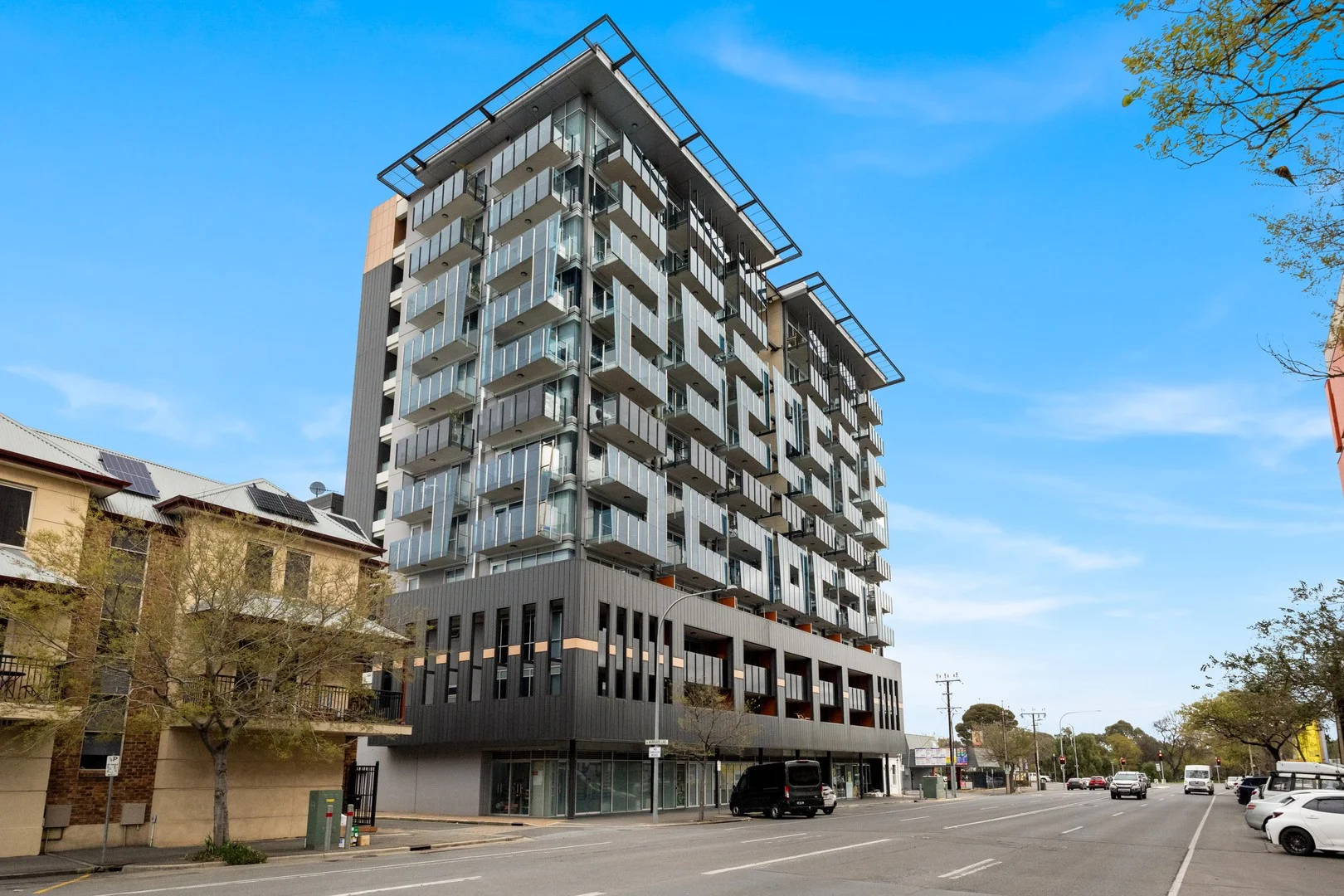 $1,100,000
Apartment / Unit / Flat
$1,100,000
Apartment / Unit / Flat
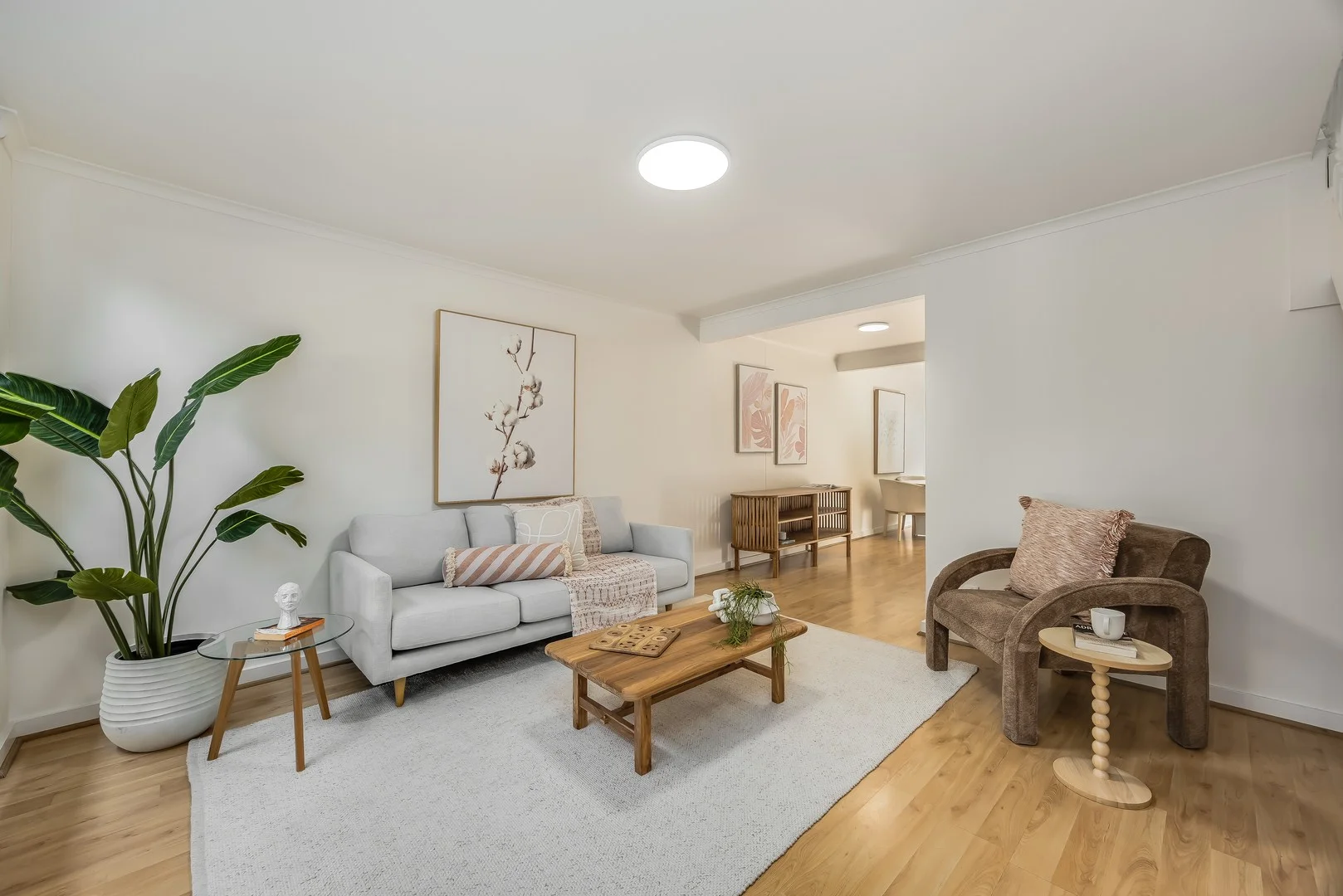 $775,000
House
$775,000
House
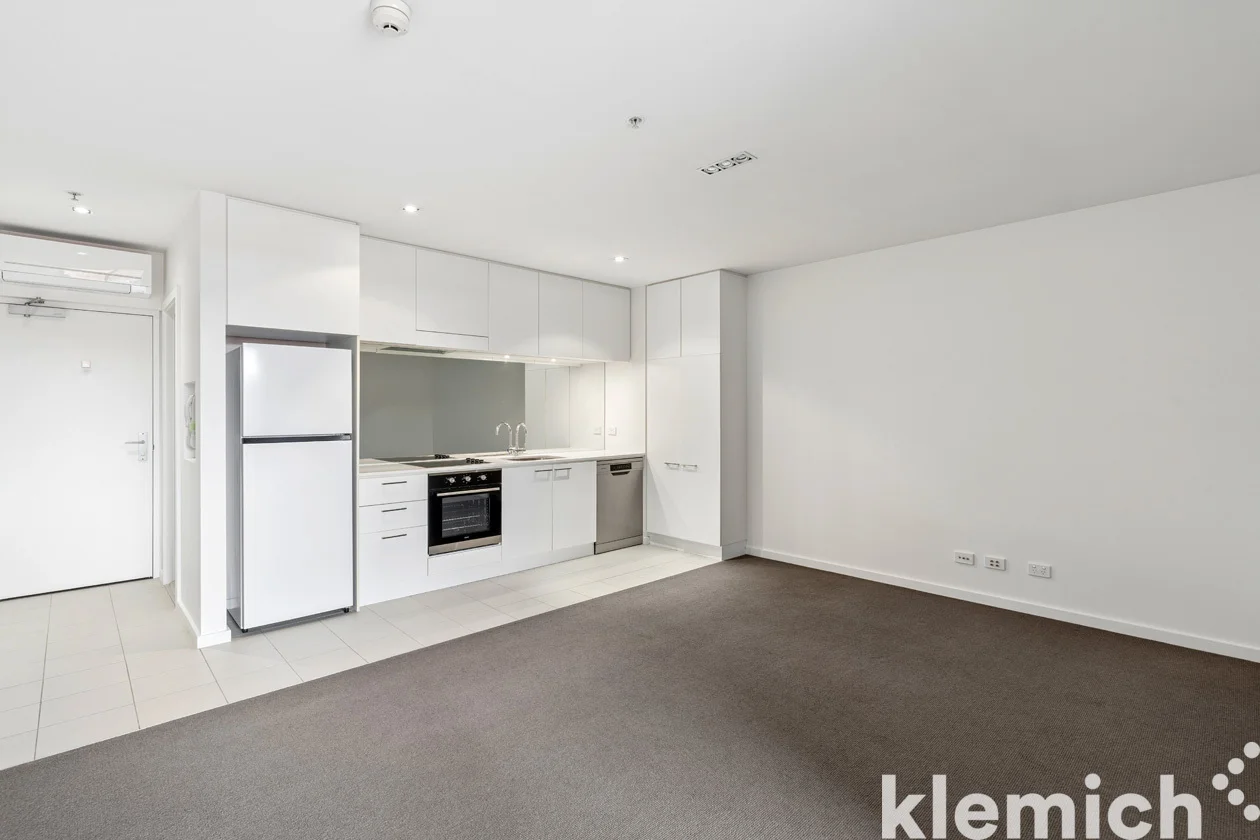 $440,000
Apartment / Unit / Flat
$440,000
Apartment / Unit / Flat
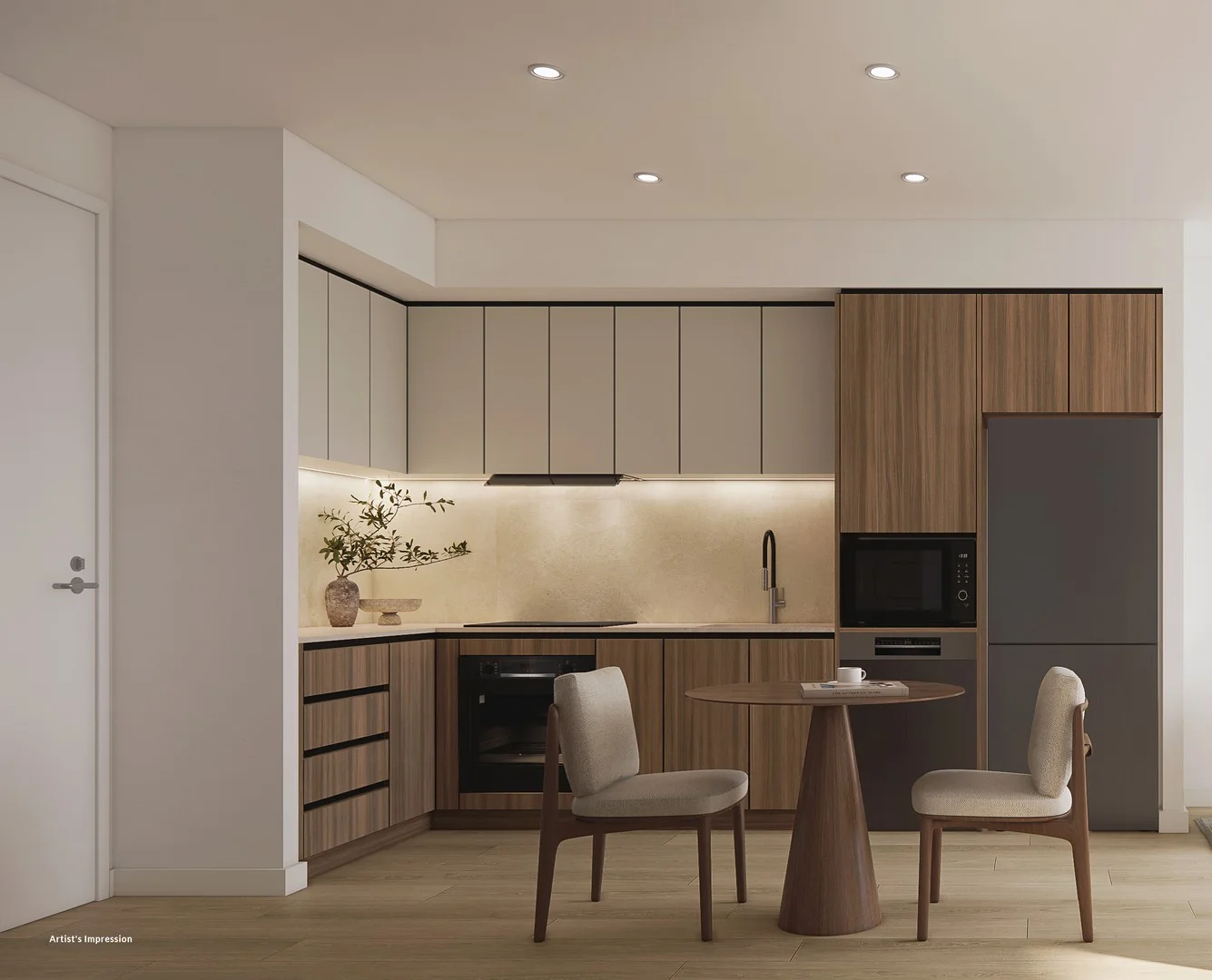 $557,000
Apartment / Unit / Flat
$557,000
Apartment / Unit / Flat
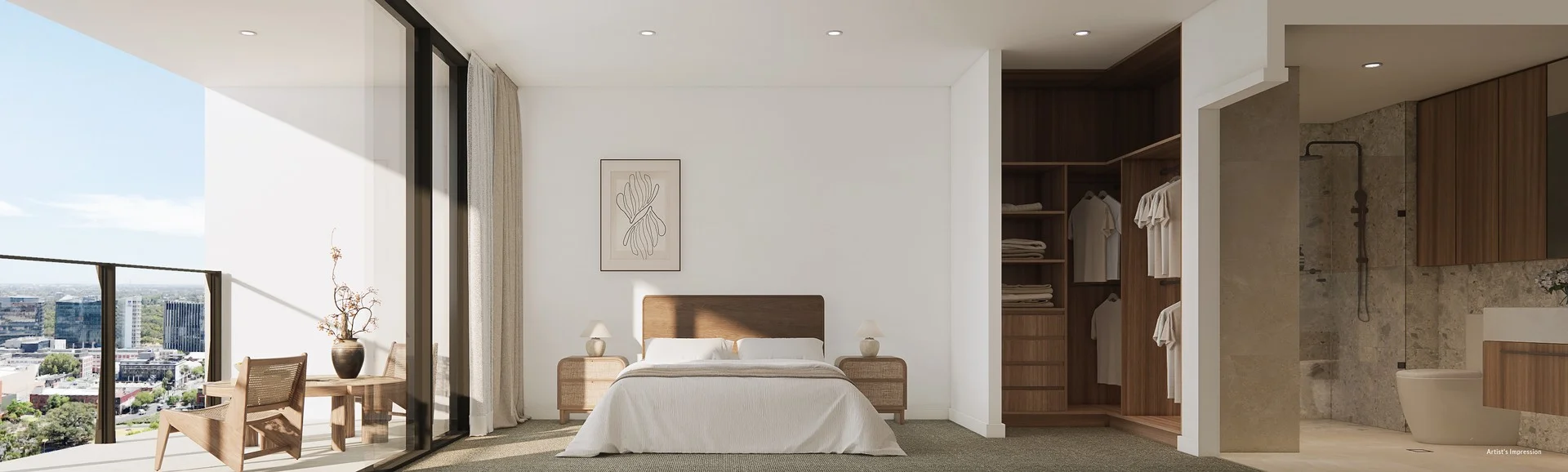 $1,056,000
Apartment / Unit / Flat
$1,056,000
Apartment / Unit / Flat
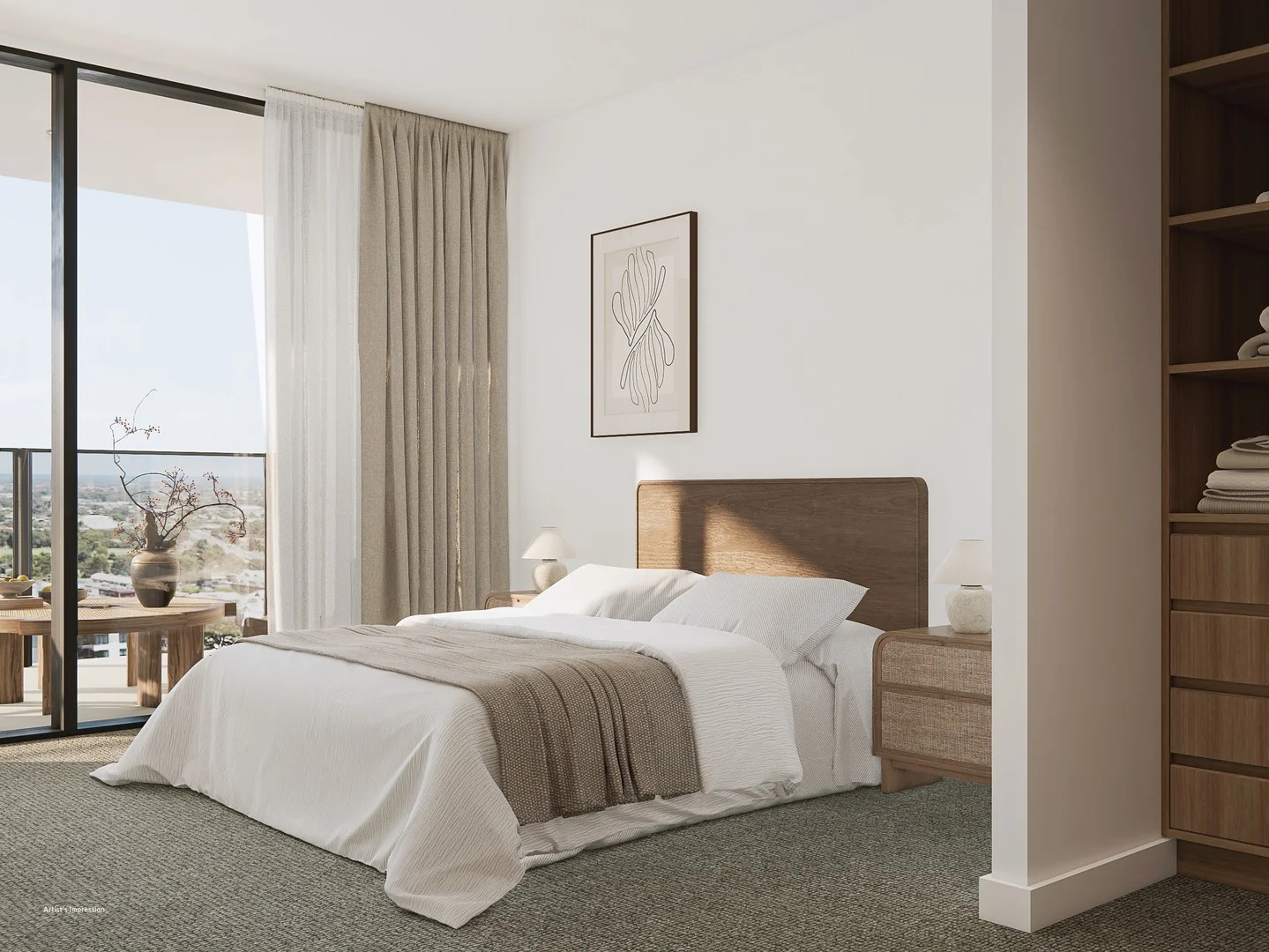 $935,000
Apartment / Unit / Flat
$935,000
Apartment / Unit / Flat
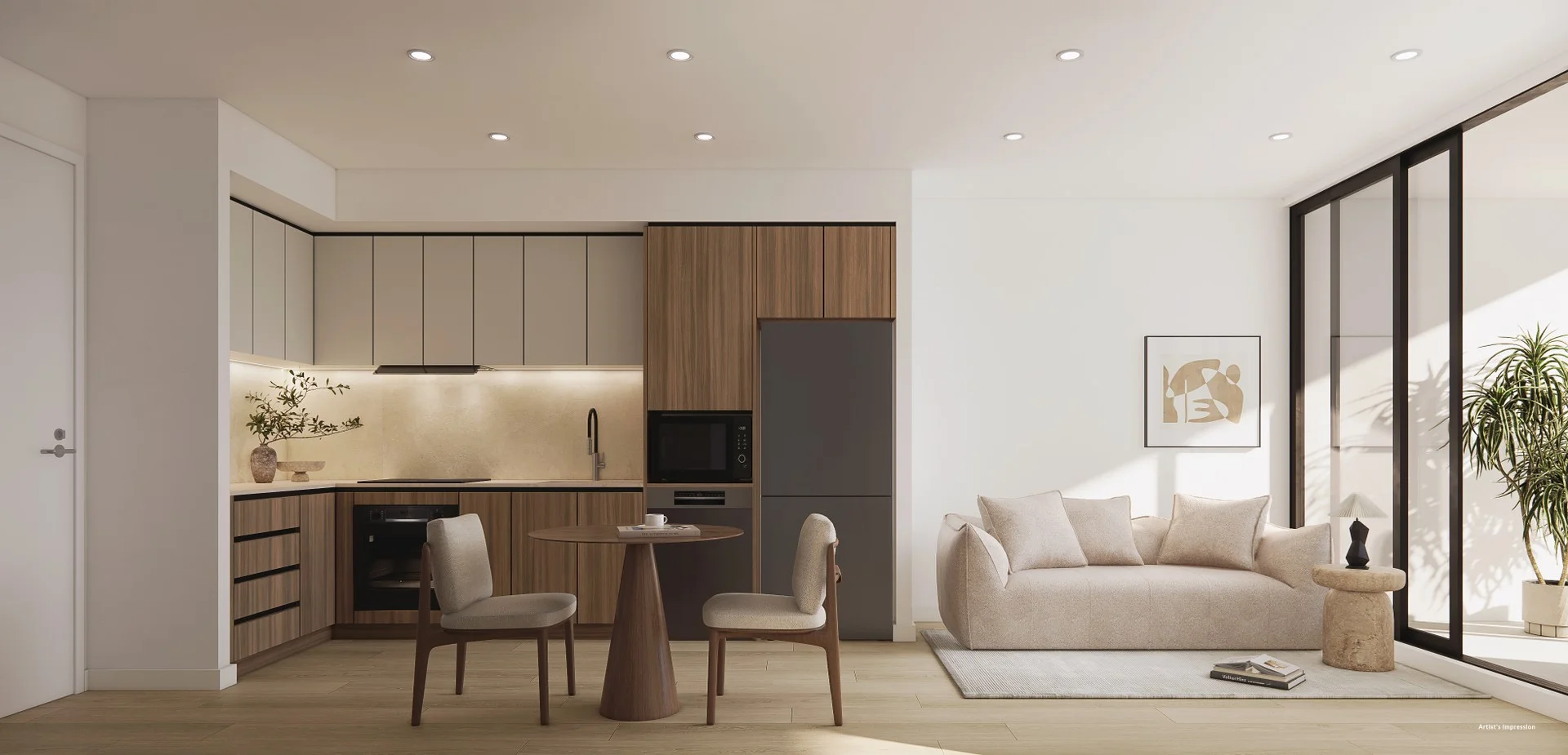 $588,000
Apartment / Unit / Flat
$588,000
Apartment / Unit / Flat
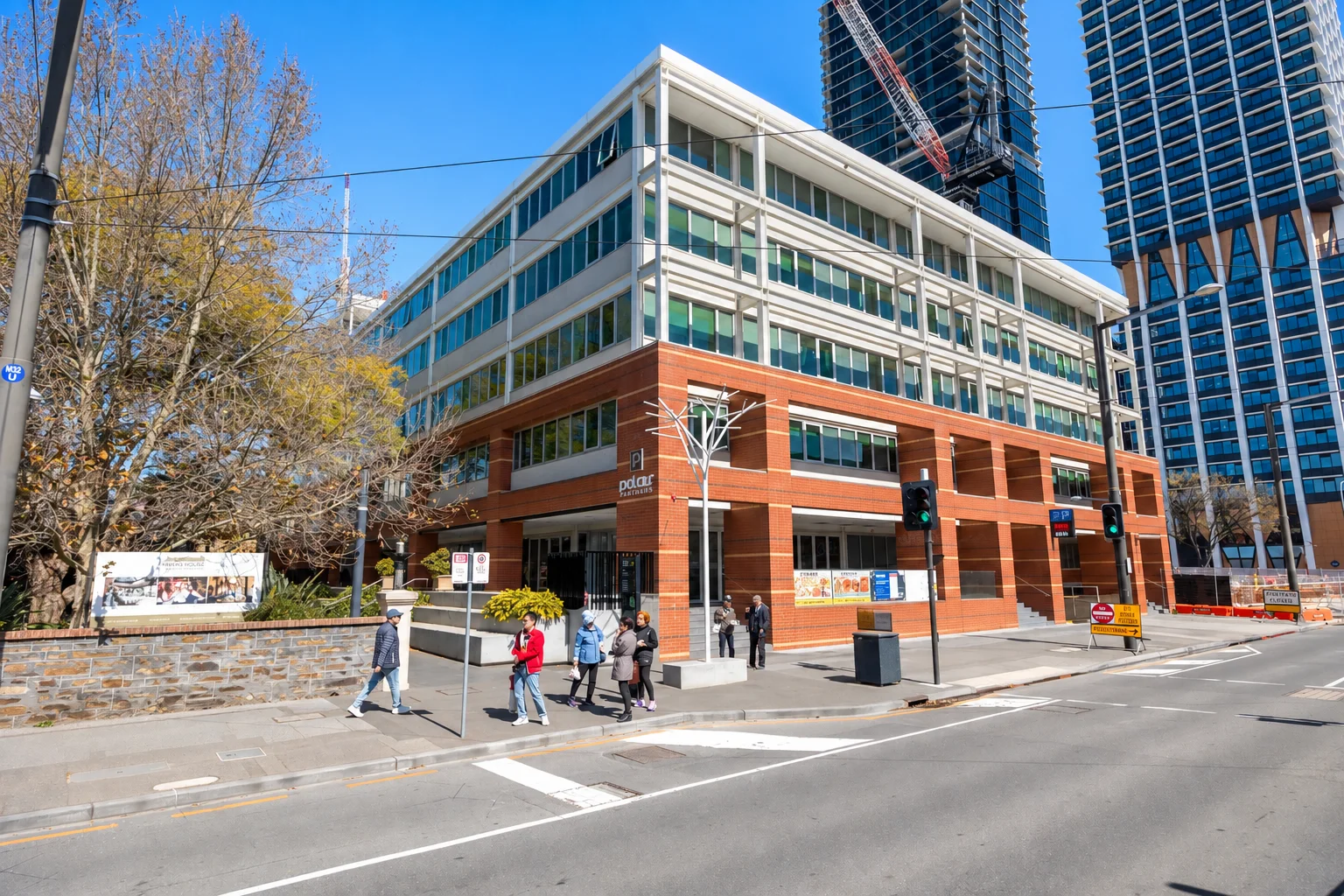 $545,000
Apartment / Unit / Flat
$545,000
Apartment / Unit / Flat