 Government primary school in Eynesbury
Eynesbury Primary School
Eynesbury, VIC 3338
Eynesbury Primary School is a public primary school serving the local Eynesbury community in Victoria. The school focuses on creating a welcoming, supportive learning environment that promotes academic growth, social development…
About Eynesbury Primary School
Read the full description
Overview (1–2 paragraphs max)
Eynesbury Primary School is a public primary school serving the local Eynesbury community in Victoria. The school focuses on creating a welcoming, supportive learning environment that promotes academic growth, social development, and a sense of belonging for all students. The culture is inclusive and community‑minded, with an emphasis on wellbeing, curiosity, and active participation in school life.
As a medium‑sized school, students are grouped into year levels with class sizes typically in the low 20s. The atmosphere tends to be nurturing and collaborative, with teachers and support staff working together to help students reach their personal best while developing resilience, leadership, and digital literacy skills.
Academics & Learning
- Academic strengths: Strong emphasis on literacy and numeracy within the Victorian Curriculum, with cross‑curricular approaches to reading, writing, and mathematical thinking. Digital technologies and STEM concepts are integrated to build problem‑solving and inquiry skills.
- Special programs: Curriculum aligned to the Victorian framework with opportunities for extension and enrichment depending on year level and needs. Access to targeted support programs and clubs that promote student voice, creativity, and leadership.
- Support for diverse learners (EAL, SEN): Clear pathways for English as an Additional Language (EAL) learners and students with additional learning needs (SEN), including targeted literacy/numeracy support, push‑in/pull‑out models, and inclusive classroom practices.
Sports & Extracurricular Strengths
- Sports offered: A broad sport program typical of Australian primary schools, including team and individual activities such as soccer, netball, AFL‑style football, cricket, basketball, and athletics. Interschool and local competitions provide opportunities to compete and collaborate.
- Strong teams or achievements: Students participate in district and interschool events, with emphasis on teamwork, fair play, and personal improvement. Clubs and squads support skill development and school pride.
- Music, arts, drama programs: Active music and performing arts offerings, with opportunities to participate in choir, instrumental tuition (where available), school concerts, and developing dramatic performances.
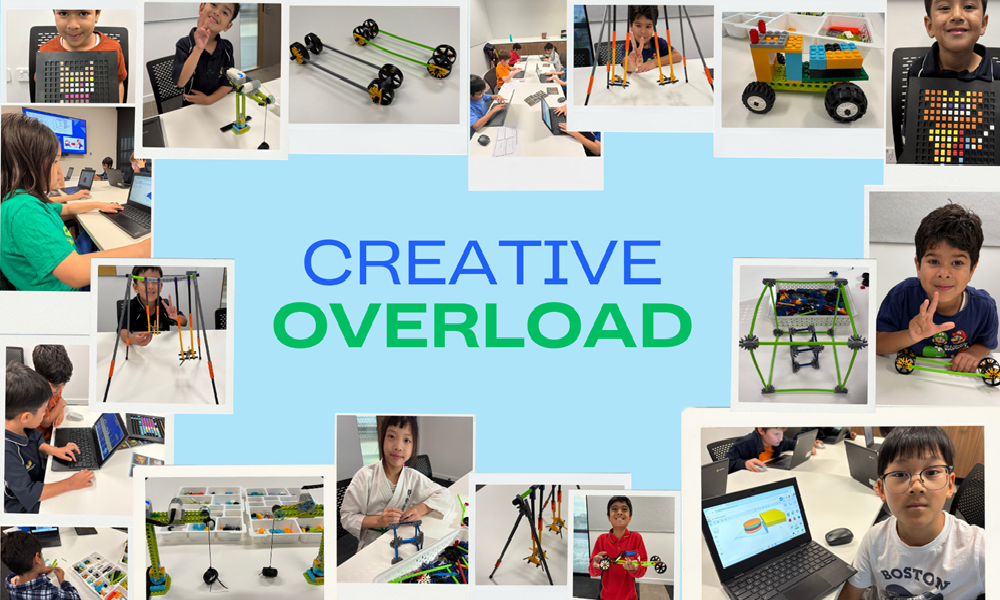
- Clubs: Robotics, coding, chess, and debating are commonly available or offered through after‑school programs or clubs, encouraging critical thinking and problem solving.
- Partnerships (local academies, competitions): Collaboration with community clubs and regional competitions to broaden experience in sports, coding, and other activities.
Wellbeing & Pastoral Care
- Anti-bullying approach: Proactive, whole‑school approach to wellbeing and safety, with clear anti‑bullying messages, restorative practices, and a supportive environment for students.
- House system: A house or team structure is often used to promote belonging, leadership, and healthy competition through school events and celebrations.
- Counsellors / wellbeing officers: Access to wellbeing staff such as a school counsellor or wellbeing officer who can provide support, guidance, and referral to external services if needed.
- Transition support for new students: Orientation activities, buddy programs, and dedicated transition support to help new students adjust to the school environment and routines.
Facilities
- Sports grounds: On‑site sports facilities or access to nearby fields/courts for physical education and interschool events.
- Libraries: A well‑stocked library with space for independent reading, research, and collaborative learning.
- Science labs: Dedicated spaces for science activities and hands‑on experiments as part of the STEM program.
- Music/performing arts centers: Purpose‑built or multi‑purpose spaces for music, drama, and performances.
- Tech/innovation labs: IT suites or flexible learning spaces equipped for coding, robotics, and digital projects.
- Cafeteria: On‑site canteen or cafeteria for meals and snacks during break times.
- Updated playgrounds: Modern play areas and outdoor spaces designed for activity and imaginative play.
School Values & Community Culture
- School values / mission: A focus on respect, responsibility, resilience, inclusion, and lifelong learning; aims to produce capable, caring, and confident students.
- Leadership style: Collaborative and student‑centred, with opportunities for student voice through councils or leadership roles, and regular staff collaboration to support learning outcomes.
- Behaviour expectations: Clear expectations and consistent reinforcement of positive behaviours; emphasis on respectful interactions and responsible choices.
- Community reputation: A supportive and engaged local community, with families and staff working together to create a positive school environment.
- Diversity & inclusion: Commitment to an inclusive culture that welcomes students from diverse backgrounds and promotes equity in access to learning opportunities.
School Logistics & Daily Operations
- School hours: Typically a standard school day with morning and afternoon sessions; core hours usually around 9:00 am–3:30 pm, with supervision before/after school.
- Before/after school care: After‑school care and holiday programs are often available through an external provider or school‑based program.
- Uniform requirements: School uniform policy emphasizing practical, comfortable attire aligned with school colours.
- Transport (train/bus routes): Access to local bus services and public transport options; safe drop‑off and pick‑up arrangements encouraged for families.
- Canteen availability: Canteen or lunch options available at lunch times.
- Fees (low/medium/high ranges): Public schools in this category typically have low to moderate contributions, with possible costs for excursions, incursions, or optional activities. Government grants or subsidies may apply.
Enrolment & Admissions
- What is the enrolment process and timeline?
- Check catchment area and eligibility.
- Submit the prescribed enrolment form with required documents (birth certificate, immunisation status, proof of address).
- respond to any school‑specific timelines for term starts and orientation sessions.
- Is there a waiting list, and how does it work?
- Non‑catchment families may be placed on a waiting list if there are more applicants than vacancies. Priority is usually given to in‑catchment applicants.
- Are there any entry requirements, tests, or interviews?
- There are typically no entrance tests for general enrollment. Interviews or additional information may occur if applying for special programs or specific placements, but not for standard intake.
- Does the school accept mid-year transfers?
- Mid‑year transfers are possible if there is a vacancy and the appropriate documentation is provided. Transfer processes are handled through the school and, if needed, coordinating with the local education department.
Frequently Asked Questions
- Why Parents Choose This School?
- What type of student thrives at this school?
- What opportunities are available for students to extend their skills (academics, sports, arts)?
- How does the school communicate with parents?
- What is the school’s approach to teaching and learning?
- How does the school support students who need extra academic help?
- What support is available for academic challenges?
- How does the school communicate with parents?
- What extracurricular and sports opportunities are available?
- What facilities does the school offer (sports, science, arts)?
- What is the school’s approach to technology and digital learning?
- What transport and accessibility options are available?
- What are the typical school fees or additional costs?
Short Pros & Cons list
- Pros
- Inclusive, wellbeing‑focused environment - Supportive community involvement - Broad range of academics, sports, arts, and clubs - Strong support for diverse learners - Safe, collaborative learning spaces
- Cons
- Larger catchment can mean travel for some families - Availability of certain programs may vary by year or cohort - Parental involvement expectations can vary; resources may be stretched during peak periods
A few things parents ask
Does Eynesbury Primary School have a catchment area?
Yes. Eynesbury Primary School serves the following official intake zone: Eynesbury Primary School (primary, 2026). Living inside a zone makes this your designated local public school. Whether a place is offered depends on the state’s enrolment policy and the year you apply — it is not a guarantee, and where current students live does not define the boundary. Use the AroundSchools catchment checker to see whether your address falls inside it, then verify with the state education department’s own tool.
What type of school is Eynesbury Primary School?
Eynesbury Primary School is a Government, Co-ed school in Eynesbury, VIC, offering Primary year levels.
Is Eynesbury Primary School a public or private school?
Eynesbury Primary School is a public school. It is government-funded and part of the VIC public education system, so it is generally free for local students to attend, aside from voluntary contributions and levies.
Where is Eynesbury Primary School located?
Eynesbury Primary School is located at 750 Eynesbury Rd, Eynesbury VIC 3338, Australia, Eynesbury, VIC, 3338.
Compare with nearby schools
The closest schools to Eynesbury Primary School, side by side. Fees appear where a school publishes them; activities and events are what is listed on AroundSchools within a short drive of each school.
| School | Distance | Sector | Gender | Years | Fees / yr | Kids' activities within 2 km | Events within 3 km |
|---|---|---|---|---|---|---|---|
| Eynesbury Primary SchoolThis school | Here | Government | Co-ed | Primary | — | 1 | 0 |
| Exford Primary School | 5.1 km | Government | Co-ed | Primary | — | 0 | 0 |
| St Lawrence of Brindisi Catholic Primary School | 6.8 km | Catholic | — | Primary | — | 0 | 0 |
| Murrum Primary School | 7.8 km | Government | — | Primary | — | 0 | 0 |
| Kolorer College | 9.1 km | Government | — | Secondary | — | 0 | 0 |
| Strathtulloh Primary School | 9.1 km | Government | — | Primary | — | 0 | 0 |
| Ngarri Primary School | 9.2 km | Government | — | Primary | — | 0 | 0 |
Sorted by distance, not ranked. Check whether your address is in the catchment
Make a little more of the trip
Parks, playgrounds and libraries near the school.
Kids' activities nearby
Classes and clubs listed within a short drive of the school.
Schools nearby
The closest schools, nearest first.