# Overview
Forestville Montessori School is an independent private school in New South Wales that embraces a Montessori-based approach within the NSW framework. The school prioritises independent, child-led learning and fosters curiosity, self-discipline, and responsibility in its students.
The school generally operates as a small to medium community, with class structures designed to support individualized attention. The atmosphere is nurturing and inclusive, focusing on student-centred learning that respects each child’s pace and interests.
# Academics & Learning
- Academic strengths: The Montessori method drives hands-on, concrete learning across literacy, numeracy, and practical life skills, with integrated opportunities in science, technology, engineering and math (STEM) and language development.
- Special programs: A Montessori-based program with alignment to NSW syllabus expectations, offering opportunities for extension and individualized learning paths within a structured framework.
- NAPLAN trends: Public trend data may be limited; schools typically report progress through internal assessments and diagnostic tools. Families are encouraged to request current progress updates.
- Student-teacher ratios: Small group sizes and mixed-age learning commonly yield closer student-teacher contact and more individualized support.
- Support for diverse learners: Strong emphasis on inclusive education, with targeted support for EAL learners and students needing additional academic assistance through individualized plans and specialist staff where available.
# Sports & Extracurricular Strengths
- Sports offered: A range of PE programs and access to local community sports, with opportunities for inter-school participation as available.
- Strong teams or achievements: Participation in local events and competitions; achievements vary by year and cohort.
- Music, arts, drama programs: Active music and arts offerings with performance opportunities and spaces for creative learning.
- Clubs: Robotics, chess, coding, debating, and other age-appropriate clubs that complement the Montessori learning approach.
- Partnerships: Collaborations with local clubs, arts and coding programs, and community organizations to extend learning beyond the classroom.
# Wellbeing & Pastoral Care
- Anti-bullying approach: Clear anti-bullying policies with an emphasis on restorative practices and a supportive school culture.
- House system: The school does not operate a formal house system; wellbeing is supported through pastoral care structures.
- Counsellors / wellbeing officers: Access to school counsellors or wellbeing staff to support student mental health and resilience.
- Transition support for new students: Orientation programs, buddy systems, and dedicated transition support to help new students integrate smoothly.
# Facilities
- Sports grounds
- Libraries
- Science labs
- Music/performing arts centers
- Tech/innovation labs
- Cafeteria
- Updated playgrounds
Beyond the listed facilities, the school typically provides dedicated Montessori classrooms and outdoor learning spaces designed to support hands-on, student-centred activities.
# School Values & Community Culture
- School values / mission: Emphasis on curiosity, respect, responsibility, and independent learning within a caring community.
- Leadership style: Collaborative, facilitator-led by trained Montessori educators who guide rather than lecture.
- Behaviour expectations: Positive, respectful behaviour with a focus on self-regulation and accountability.
- Community reputation: Known in the local community for an inclusive, student-centred approach to education.
- Diversity & inclusion: Commitment to welcoming diverse families and creating an inclusive learning environment.
# School Logistics & Daily Operations
- School hours: Regular school day with potential after-school care options; check current term times.
- Before/after school care: Available in many NSW independent settings; confirm specifics with admissions.
- Uniform requirements: Uniform policy in place, with comfortable, practical attire aligned to school guidelines.
- Transport (train/bus routes): Accessible via local bus routes and public transport options; exact routes and schedules provided by the school.
- Canteen availability: On-site canteen or prepared meal options typically available.
- Fees (low/medium/high ranges): Fees are in a mid-range to independent-school category; exact figures provided on enquiry or the admissions page.
# Enrolment & Admissions
11. What is the enrolment process and timeline?
- Submit an application and inquiry; provide required documentation; participate in interviews or assessments as part of a transparent decision process; receive an offer if space is available; complete enrolment and orientation steps.
12. Is there a waiting list, and how does it work?
- There is often a waiting list. Applicants are typically placed on the list and invited to secure a placement as space becomes available. Timelines vary by year level and capacity.
13. Are there any entry requirements, tests, or interviews?
- Entry usually includes an interview with families and students, and may involve age-appropriate assessments or demonstrations of readiness in line with Montessori practices.
14. Does the school accept mid-year transfers?
- Yes, mid-year transfers are considered where space allows, subject to enrolment requirements and availability.
# Frequently Ask Questions
- Why Parents Choose This School?
- Parents value the Montessori approach, small class sizes, individualized learning, and a nurturing, inclusive environment that supports independent growth.
- What type of student thrives at this school?
- Students who enjoy hands-on learning, self-directed exploration, collaboration, and a calm, respectful school culture tend to thrive.
- What opportunities are available for students to extend their skills (academics, sports, arts)?
- Extensions in literacy, numeracy, hands-on STEM activities, arts, music, and clubs (robotics, coding, debating) are available, with community partnerships to broaden opportunities.
- How does the school communicate with parents?
- Regular updates through meetings, written reports, newsletters, and digital platforms as part of ongoing parent communications.
- What is the school’s approach to teaching and learning?
- A student-centred, Montessori-based approach that emphasizes hands-on learning, self-motivation, and guided supervision by trained educators within a NSW-aligned framework.
- How does the school support students who need extra academic help?
- Individualized learning plans, targeted interventions, and access to support staff or part-time specialists where available.
- What support is available for academic challenges?
- Early identification, personalised planning, and ongoing monitoring to help students overcome difficulties with tailored support.
- How does the school communicate with parents?
- See above: formal updates, meetings, and digital communications to keep families informed.
- What are the class sizes and how much individual attention do students receive?
- Class sizes are small to medium, with a strong emphasis on individualized attention within multi-age groupings.
- What extracurricular and sports opportunities are available?
- A range of sports through PE and community access, plus clubs in robotics, chess, coding, debating, music, and arts.
- What facilities does the school offer (sports, science, arts)?
- Sports grounds, libraries, science labs, music/arts spaces, tech/innovation labs, a cafeteria, and updated playgrounds.
- What is the school’s approach to technology and digital learning?
- Integrated technology and digital learning aligned with the Montessori framework, complemented by structured guidance and age-appropriate tools.
- What transport and accessibility options are available?
- Access via local bus routes and public transport; details provided by the school to families.
- What are the typical school fees or additional costs?
- Fees are generally mid-range for private NSW schools; exact figures are provided during the admissions process.
# Short Pros & Cons list
Pros
- Montessori-focused, student-centred learning with small class sizes
- Strong emphasis on independence, curiosity and personal responsibility
- Inclusive environment with support for diverse learners
- Broad range of clubs and extracurricular activities (robotics, coding, chess, debating)
- Accessible facilities (libraries, science and arts spaces, technology labs)
Cons
- As a private/independent school, tuition is a consideration for families
- Availability of spaces can be limited; mid-year transfers depend on capacity
- Montessori approach may require adjustments for families seeking a traditional teaching model
- Specific sport and club offerings may vary by year and cohort
- Detailed information on some programs may require direct inquiry for current data
If you’d like, I can tailor this content further with more precise details you provide from the Forestville Montessori School’s current materials or admissions page.







 $2,824,000
Apartment / Unit / Flat
$2,824,000
Apartment / Unit / Flat
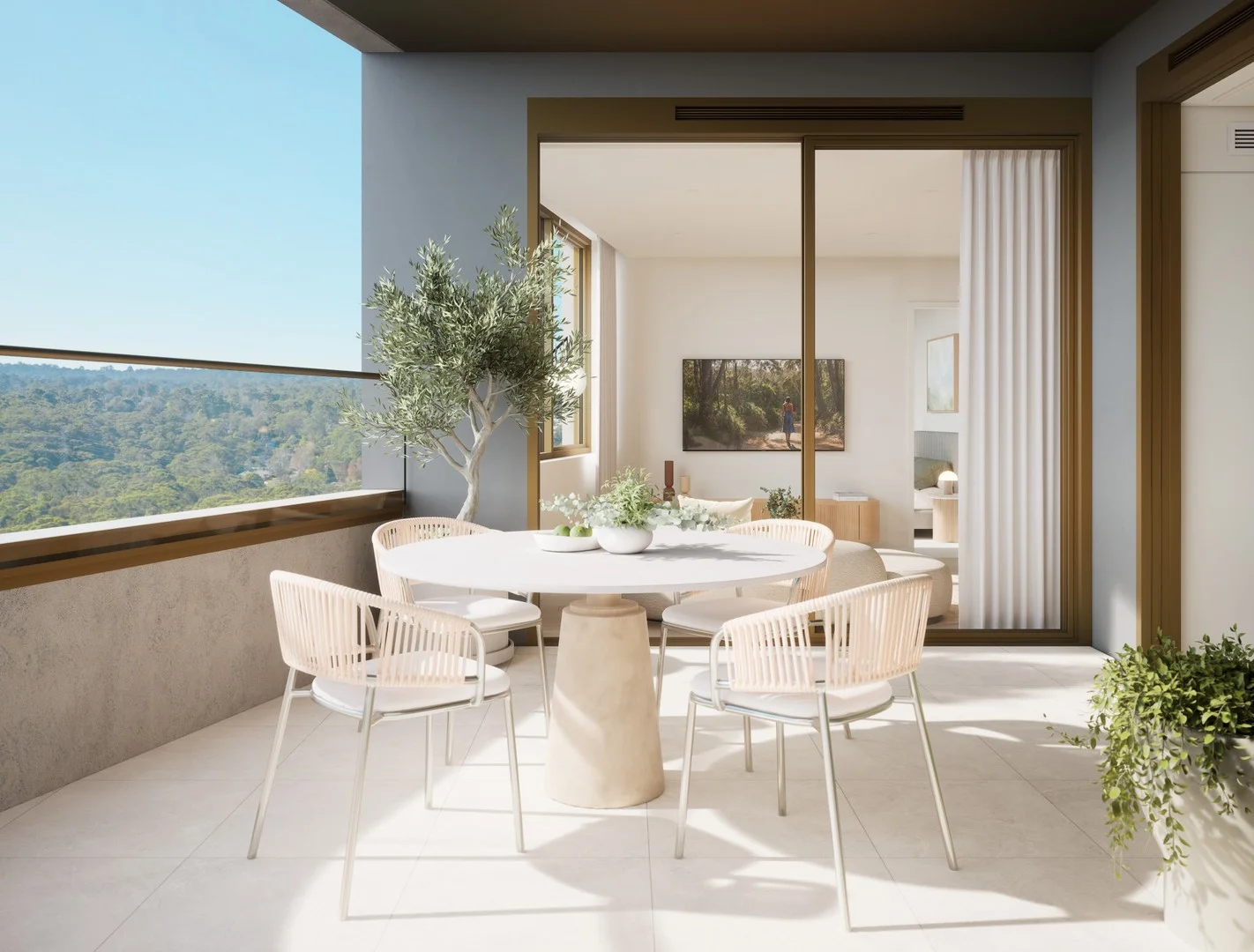 $1,525,000
Apartment / Unit / Flat
$1,525,000
Apartment / Unit / Flat
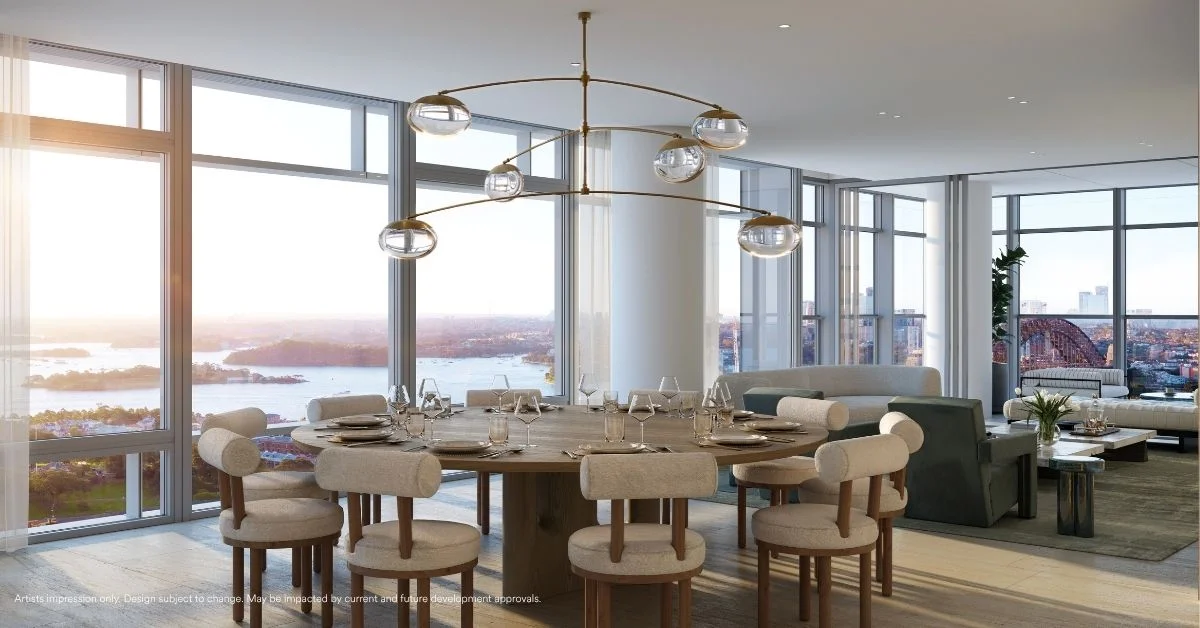 $26,550,000
propertyType.NEW APARTMENTS / OFF THE PLAN
$26,550,000
propertyType.NEW APARTMENTS / OFF THE PLAN
 $36,000,000 - $39,500,000
Vacant Land
$36,000,000 - $39,500,000
Vacant Land
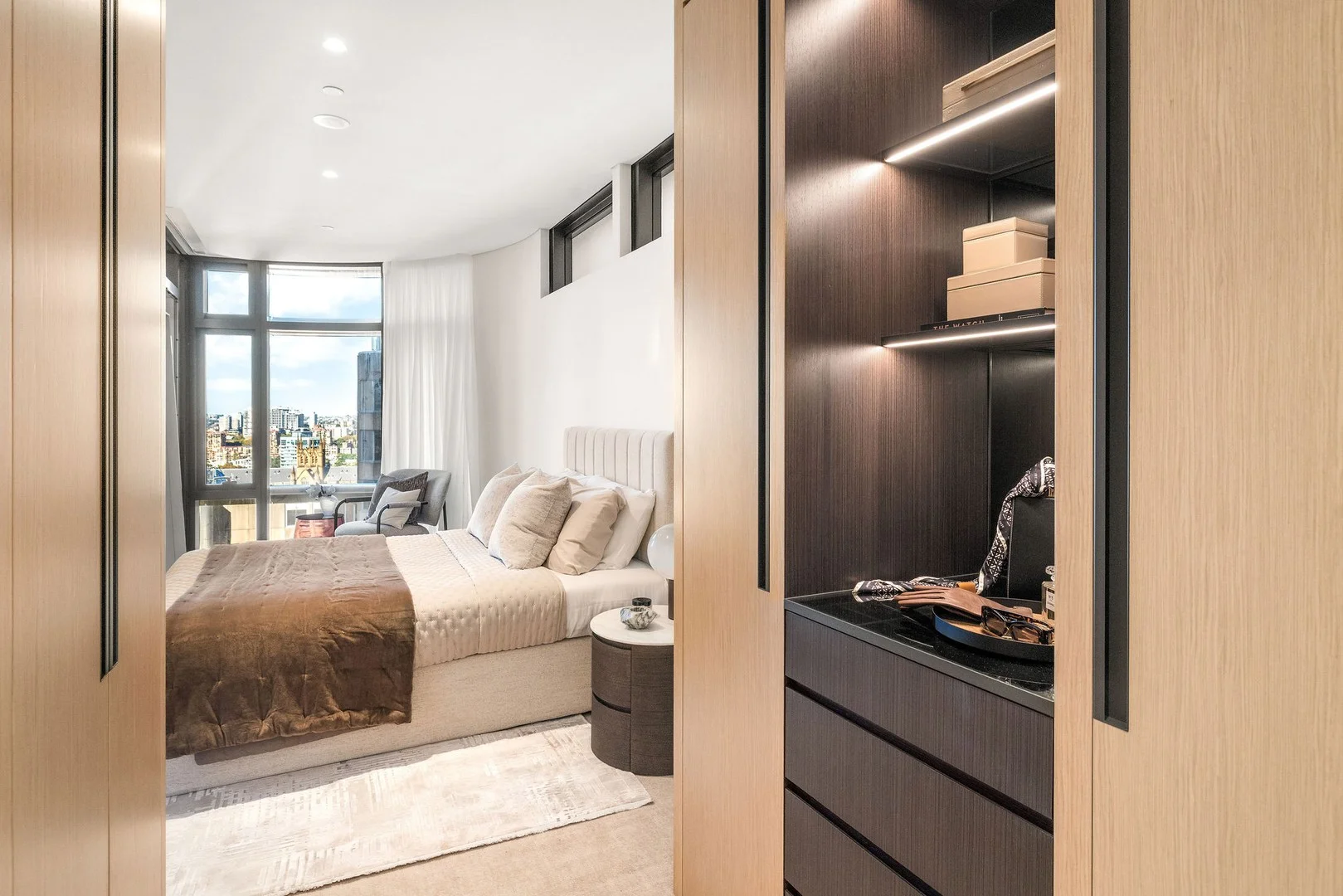 $2,745,000
propertyType.NEW APARTMENTS / OFF THE PLAN
$2,745,000
propertyType.NEW APARTMENTS / OFF THE PLAN
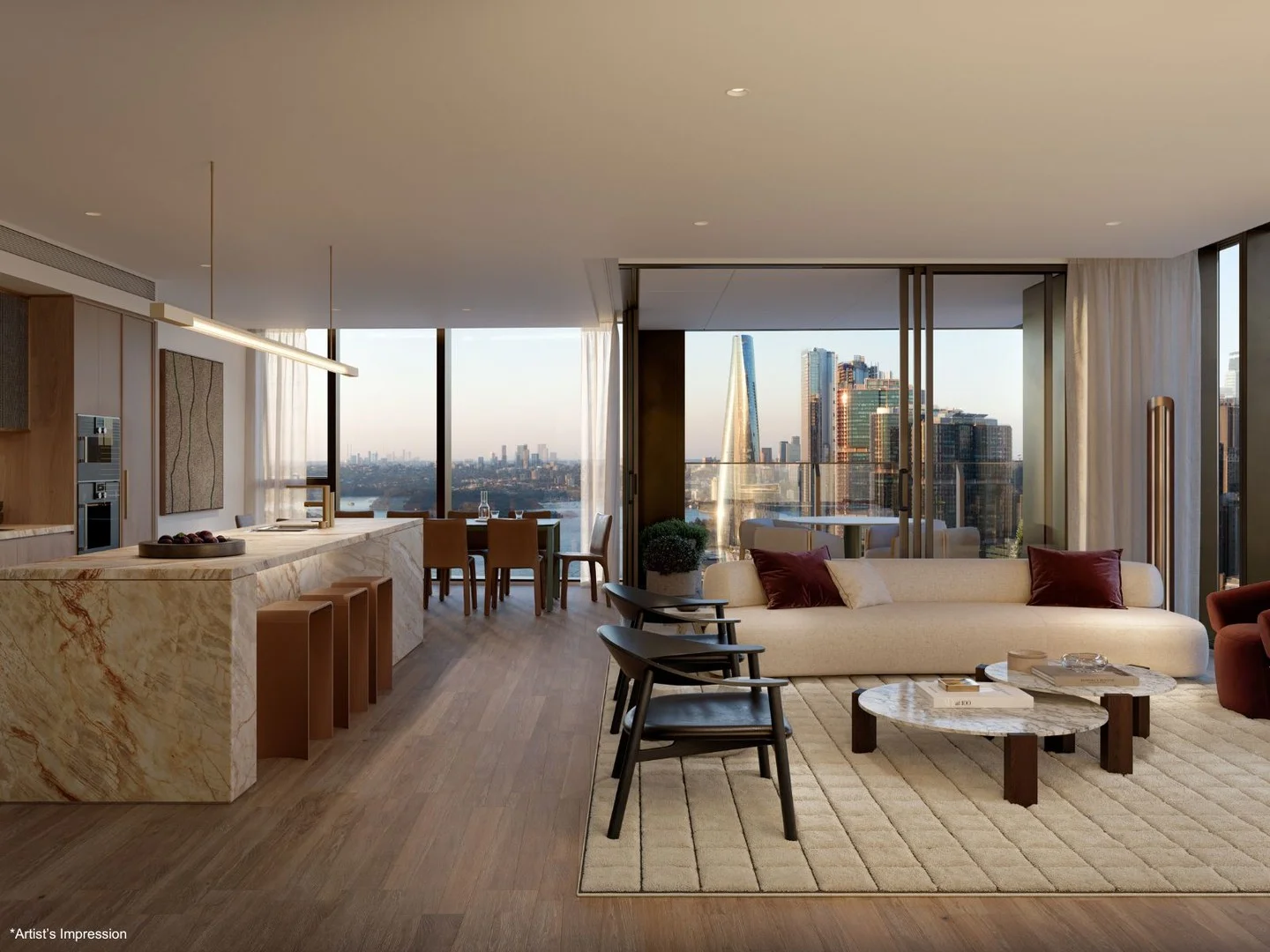 $12,980,000
propertyType.NEW APARTMENTS / OFF THE PLAN
$12,980,000
propertyType.NEW APARTMENTS / OFF THE PLAN
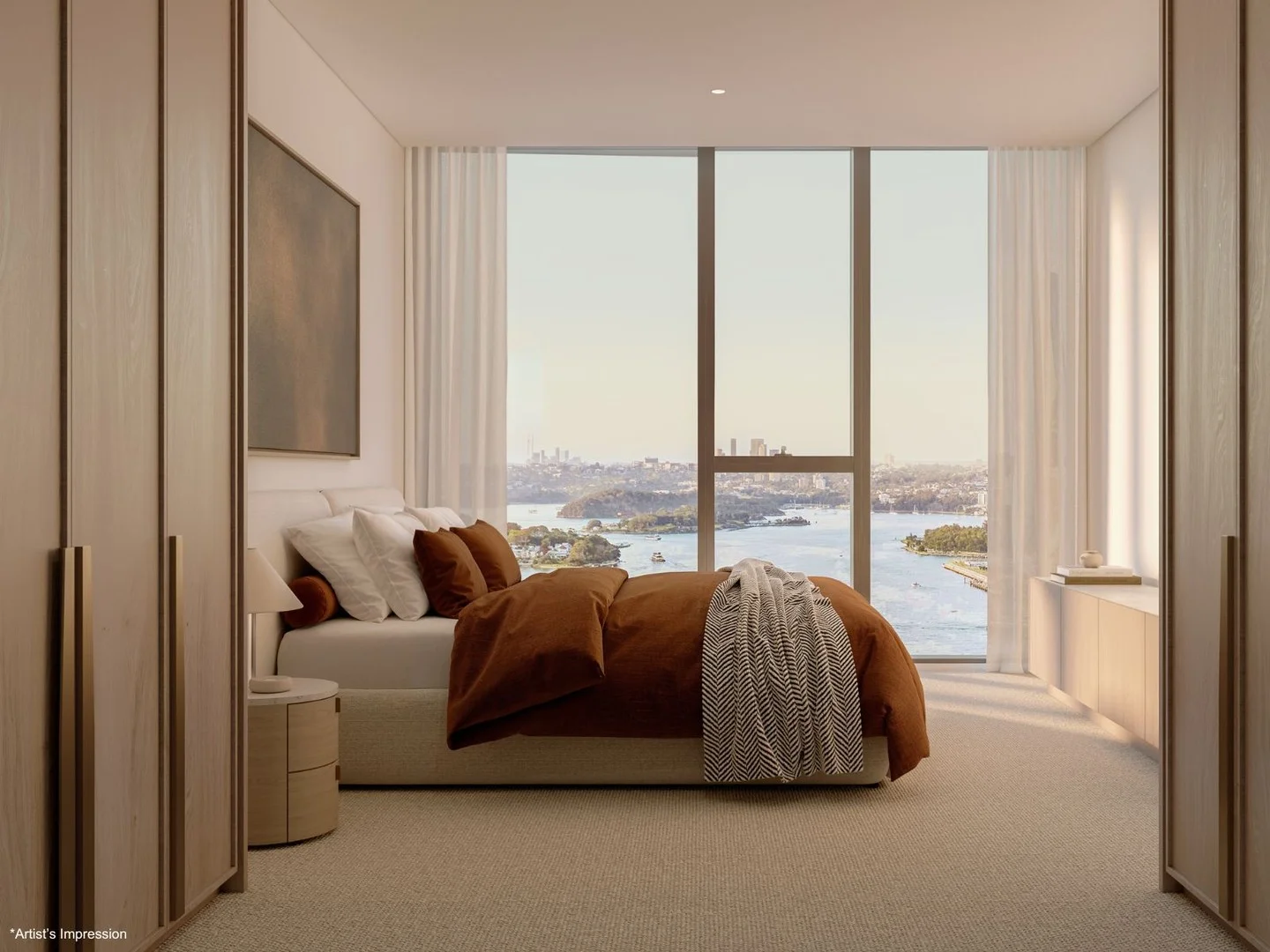 $8,630,000
propertyType.NEW APARTMENTS / OFF THE PLAN
$8,630,000
propertyType.NEW APARTMENTS / OFF THE PLAN
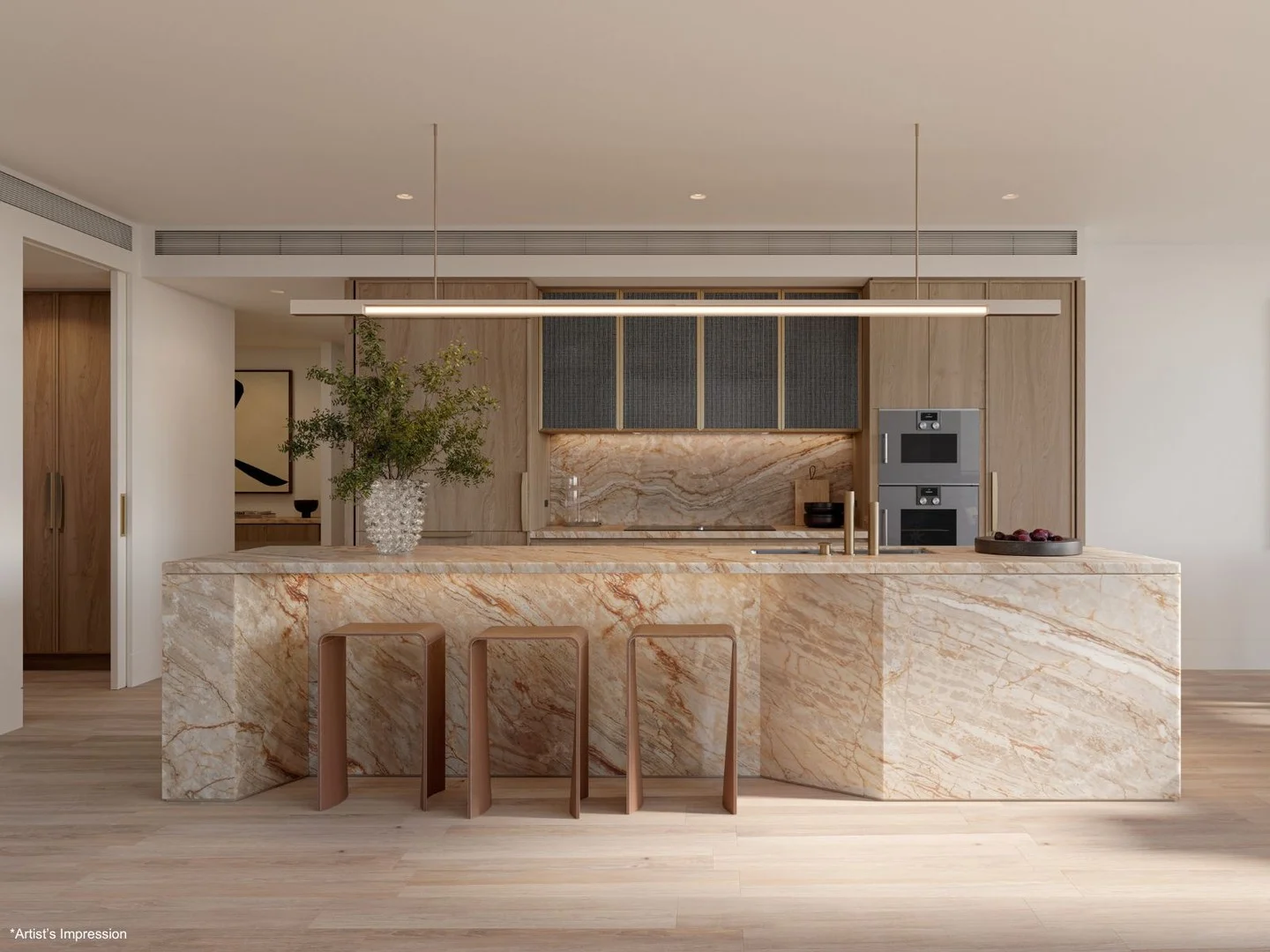 $6,225,000
propertyType.NEW APARTMENTS / OFF THE PLAN
$6,225,000
propertyType.NEW APARTMENTS / OFF THE PLAN
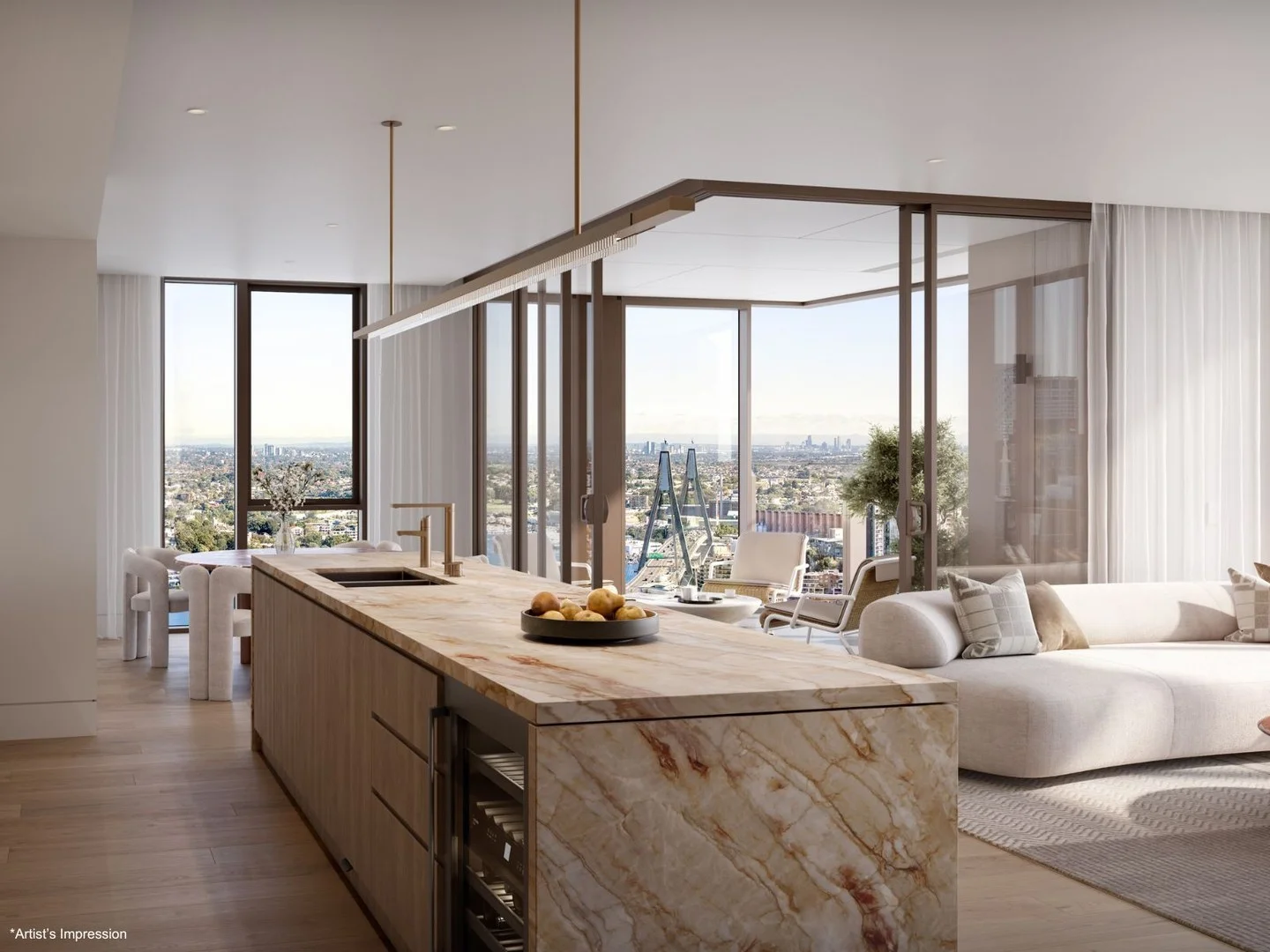 $9,020,000
propertyType.NEW APARTMENTS / OFF THE PLAN
$9,020,000
propertyType.NEW APARTMENTS / OFF THE PLAN


