1. Overview
Our Lady of Good Counsel Catholic Primary School, Forestville, NSW, represents a Catholic education option within the NSW independent/ Catholic school sector. It combines faith-based values with a focus on that welcoming, community-minded environment families expect from a local school.
The school is a medium-sized community where class sizes are typically in the low-to-mid 20s, fostering strong teacher–student relationships and opportunities for collaborative learning. The atmosphere is nurturing, inclusive and values-driven, emphasising faith, service and a well-rounded education that supports academic and personal growth.
⸻
2. Academics & Learning
- Academic strengths: Strong emphasis on literacy and numeracy with a faith-informed approach to learning; opportunities for leadership and engagement across the curriculum.
- Special programs: Targeted literacy and numeracy support, enrichment opportunities, and additional learning support to help diverse learners reach their potential.
- NAPLAN / trends: Longitudinal trends in the school community typically show steady improvement and positive progress in English and Mathematics over time.
- Student-teacher ratios: Generally a favorable ratio in the primary range (approximately 1:12 to 1:18), enabling more individual attention.
- Support for diverse learners: EAL support, SEN support and inclusive education practices coordinated through school and system-level resources.
⸻
3. Sports & Extracurricular Strengths
- Sports offered: A broad range of team and individual sports, including soccer, netball, cricket, athletics and swimming, with opportunities to participate in inter-school competitions.
- Strong teams or achievements: Regular participation in inter-school events and local competitions, with emphasis on teamwork and fair play.
- Music, arts, drama: Active music and performing arts programs, with opportunities for choir, instrumental lessons and school productions.
- Clubs: Robotics, chess, coding, debating and other enrichment clubs to extend skills beyond the core curriculum.
- Partnerships: Connections with local clubs and community groups to provide additional opportunities and pathways for students.
⸻
4. Wellbeing & Pastoral Care
- Anti-bullying approach: Restorative practices and a positive-behaviour framework designed to foster respectful relationships and a safe school environment.
- House system: House-based activities and competitions to build belonging, leadership and teamwork.
- Counsellors / wellbeing officers: Access to wellbeing staff or school-based counsellors to support social-emotional learning and student welfare.
- Transition support for new students: Structured orientation, buddy programs and targeted support to help new students settle in smoothly.
⸻
5. Facilities
- Sports grounds: On-site or local facilities suitable for school sports and outdoor activities.
- Libraries: Modern library spaces supporting reading and research.
- Science labs: Dedicated science spaces for hands-on experiments and inquiry.
- Music/performing arts centers: Areas for music education, rehearsals and performances.
- Tech/innovation labs: Technology and digital learning spaces to support coding and STEM activities.
- Cafeteria: On-site canteen or meal program to support daily needs.
- Updated playgrounds: Modern, well-maintained outdoor play areas for recess and lunch breaks.
⸻
6. School Values & Community Culture
- School values / mission: Faith-centered education grounded in Catholic values, service, respect and community-minded learning.
- Leadership style: Collaborative and student-inclusive, with opportunities for student voice in appropriate leadership roles.
- Behaviour expectations: Clear codes of conduct and consistent expectations that promote respect, responsibility and kindness.
- Community reputation: A welcoming and supportive school community with active parent involvement and strong community ties.
- Diversity & inclusion: A inclusive environment welcoming families from diverse backgrounds and needs, with attention to equitable access to opportunities.
⸻
7. School Logistics & Daily Operations
- School hours: Typically a morning-to-afternoon day in line with NSW primary schedules (exact times provided by the school).
- Before/after school care: Available via school-approved providers or local arrangements.
- Uniform requirements: Formal school uniform with guidance on daily wear and any sport or activity-specific attire.
- Transport (train/bus routes): Access to local public transport options; arrangements for drop-off and pick-up in line with local traffic patterns.
- Canteen availability: On-site or school-approved canteen/food service options for breaks.
- Fees (low/medium/high ranges): Fees align with the Catholic primary school sector in NSW, with typical family contributions and optional or itemized costs for activities and resources.
⸻
8. Enrolment & Admissions
11. What is the enrolment process and timeline?
- Submit an application to the school (and any required parish or diocesan documentation).
- Provide supporting documents (birth certificate, immunisation records, proof of address as requested).
- Complete any school-level interviews or introductions to determine fit with the school’s values and community.
- Receive notification of acceptance or placement timeline for the year of entry; proceed with enrolment if offered.
12. Is there a waiting list, and how does it work?
- Waiting lists are common when vacancies are limited. Placement typically follows a process based on availability, with consideration given to the order of applications, sibling priority, and year-level balance.
13. Are there any entry requirements, tests, or interviews?
- For primary entry, there is usually an interview or friendly meeting to assess fit with the school’s ethos and community. There is typically no formal entrance exam for primary-aged students.
14. Does the school accept mid-year transfers?
- Yes, subject to vacancies and the school’s transitional processes. Prospective families should contact the enrolment office to discuss options and timelines.
⸻
9. Frequently Ask Questions
- Why Parents Choose This School?
A faith-based, values-driven education in a welcoming community with strong academic foundations and a breadth of extracurricular and pastoral supports.
- What type of student thrives at this school?
Students who are engaged, cooperative, respectful of others, and who enjoy both academics and participation in faith-based and co-curricular activities.
- What opportunities are available for students to extend their skills (academics, sports, arts)?
Enrichment programs across literacy, numeracy and leadership; sports teams and events; music and drama programs; coding, robotics, chess and debating clubs.
- How does the school communicate with parents?
Regular newsletters, parent-teacher interviews, online portals and SMS/email updates to keep families informed about learning, events and wellbeing.
- What is the school’s approach to teaching and learning?
Values-based, inclusive teaching with differentiation to meet diverse learner needs, emphasis on essential literacy and numeracy, and opportunities for inquiry, collaboration and faith-infused learning.
- How does the school support students who need extra academic help?
Targeted small-group support, learning support plans, EAL assistance and coordination with specialist staff as needed.
- What support is available for academic challenges?
Learning support teams, regular progress checks, targeted interventions and ongoing communication with families about strategies and progress.
- How does the school communicate with parents? (Repeated)
See above: newsletters, interviews, portals, and direct updates.
- What are the class sizes and how much individual attention do students receive?
Class sizes typically in the low-to-mid 20s, with teachers providing frequent, small-group instruction and timely feedback to support individual learning.
- What extracurricular and sports opportunities are available?
A wide range of sports and clubs, including team sports, arts, coding, robotics, chess and debating, plus competitions and performances.
- What facilities does the school offer (sports, science, arts)?
Sports grounds, libraries, science labs, music/performing arts spaces, technology labs, canteen and modern playgrounds.
- What is the school’s approach to technology and digital learning?
Integrated digital literacy across the curriculum with appropriate devices, software and cyber-safety education.
- What transport and accessibility options are available?
Local public transport options and arrangements for safe drop-off/pick-up; parking and access considerations advised by the school.
- What are the typical school fees or additional costs?
Moderate fees typical of NSW Catholic primary schools, with essential contributions and optional costs for certain activities and resources.
⸻
10. Short Pros & Cons list
Pros
- Catholic values-based education with a strong sense of community
- Supportive, nurturing environment and good student–teacher relationships
- Solid academic foundation with emphasis on literacy and numeracy
- Broad range of sports, arts and enrichment clubs
- Focus on wellbeing, inclusion and pastoral care
Cons
- Fees apply as part of non-government schooling
- Limited places; competition for enrolment can be high
- Extracurricular options may vary by year and staffing
- Travel or commuting considerations for families outside the immediate area
⸻













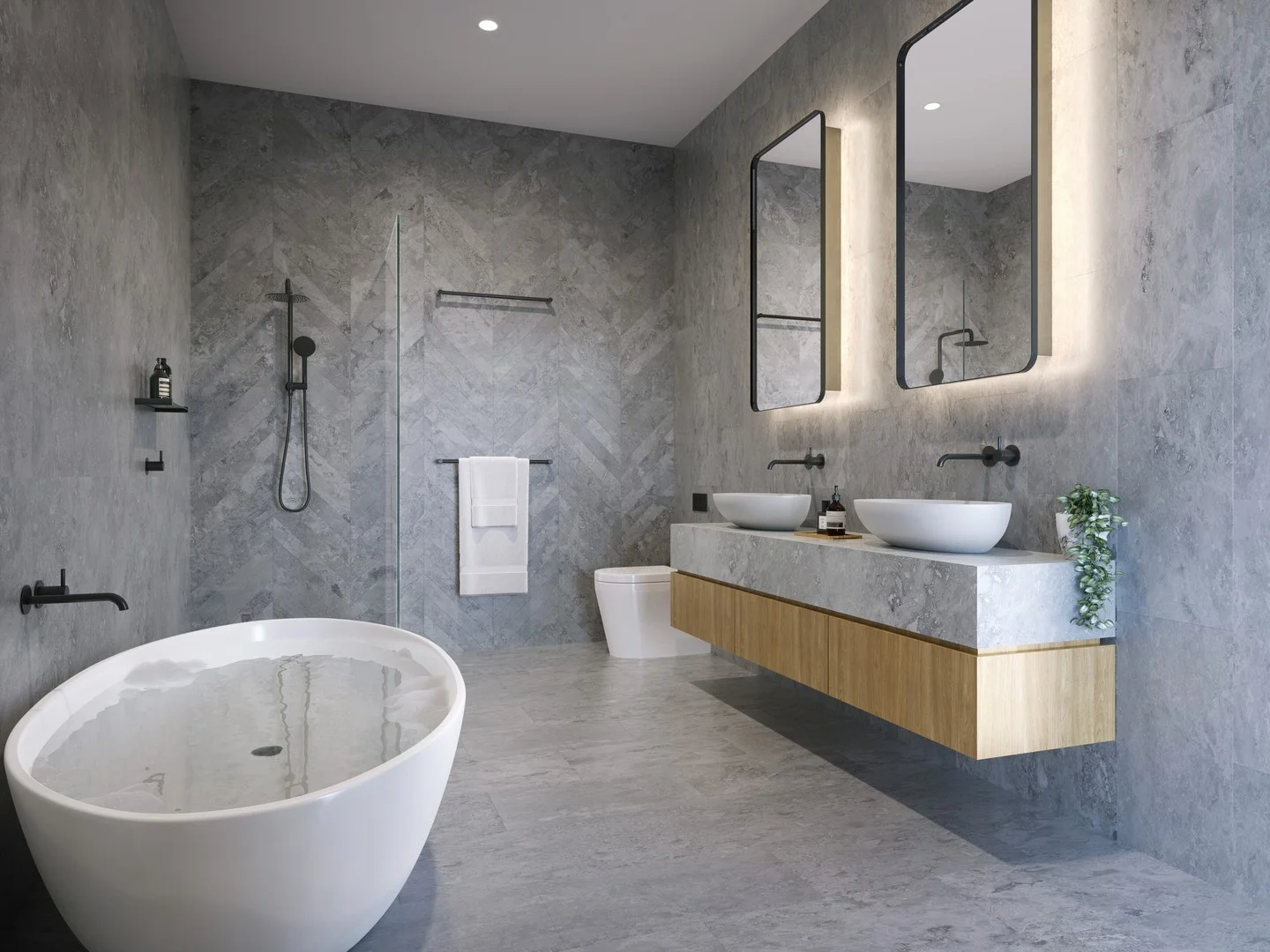 $2,824,000
Apartment / Unit / Flat
$2,824,000
Apartment / Unit / Flat
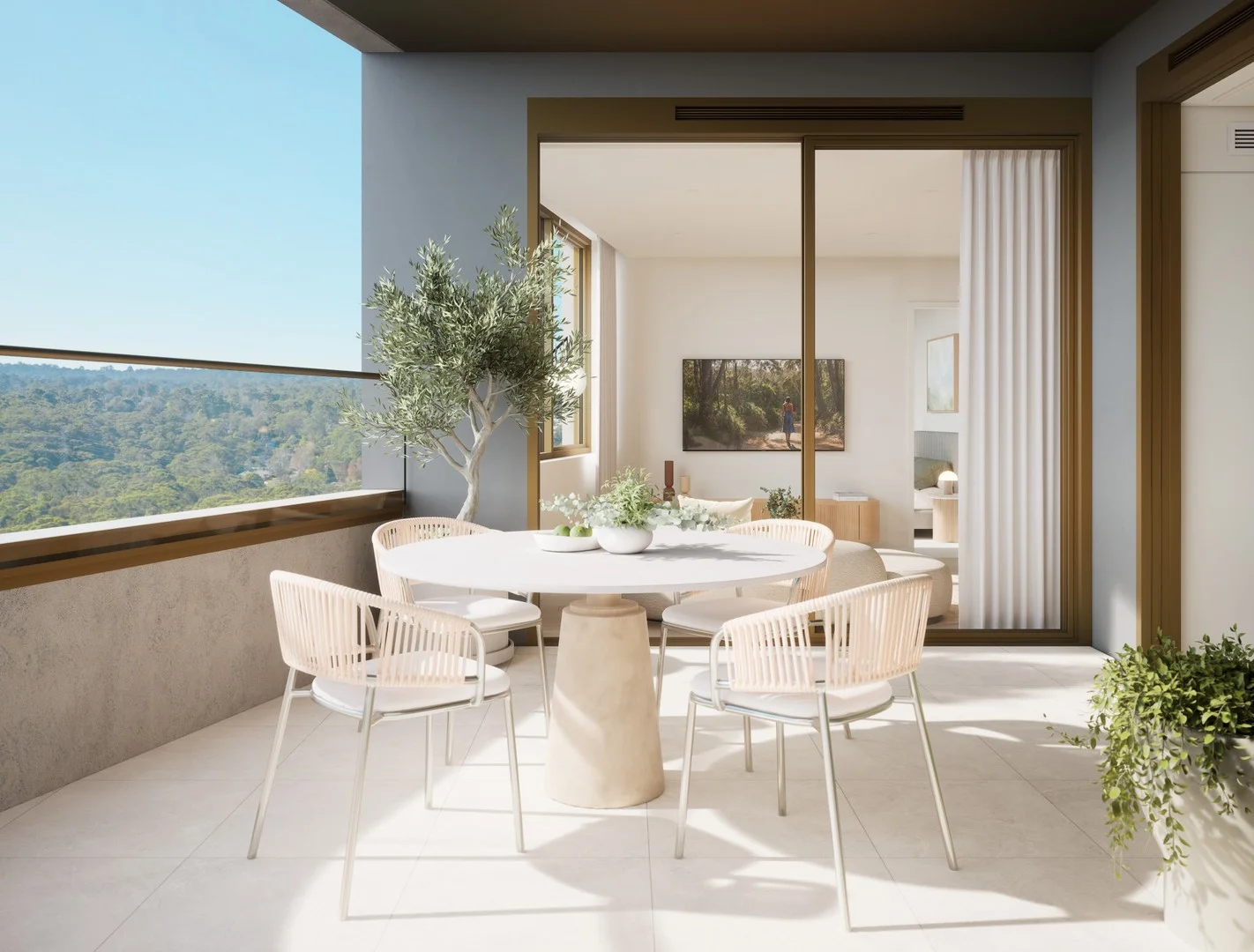 $1,525,000
Apartment / Unit / Flat
$1,525,000
Apartment / Unit / Flat
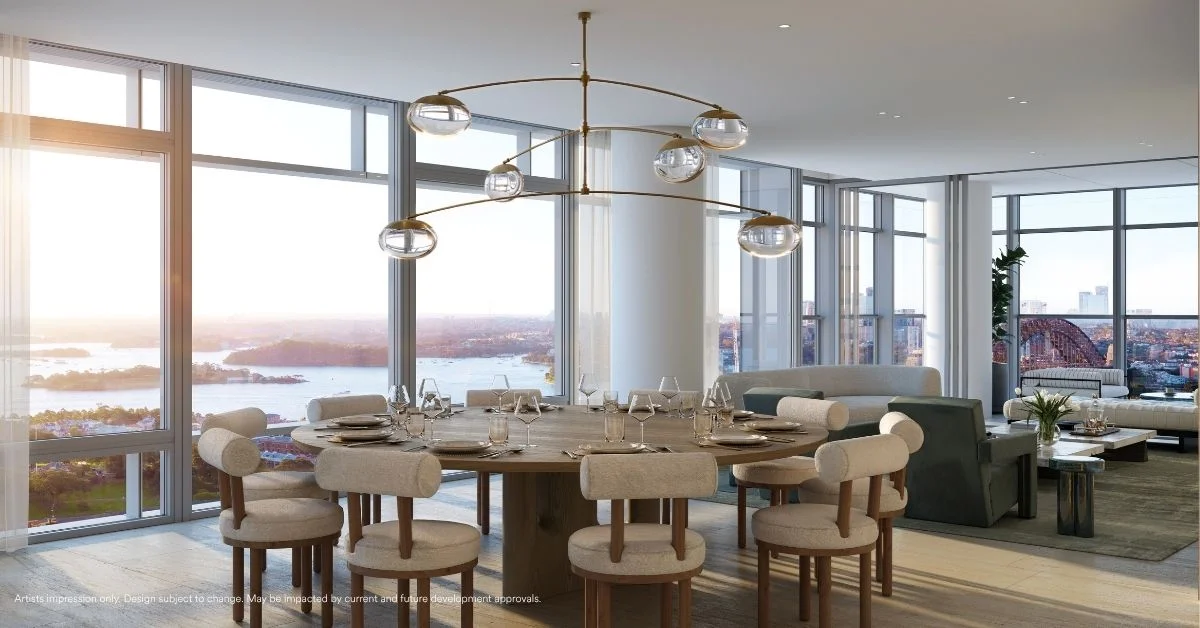 $26,550,000
propertyType.NEW APARTMENTS / OFF THE PLAN
$26,550,000
propertyType.NEW APARTMENTS / OFF THE PLAN
 $36,000,000 - $39,500,000
Vacant Land
$36,000,000 - $39,500,000
Vacant Land
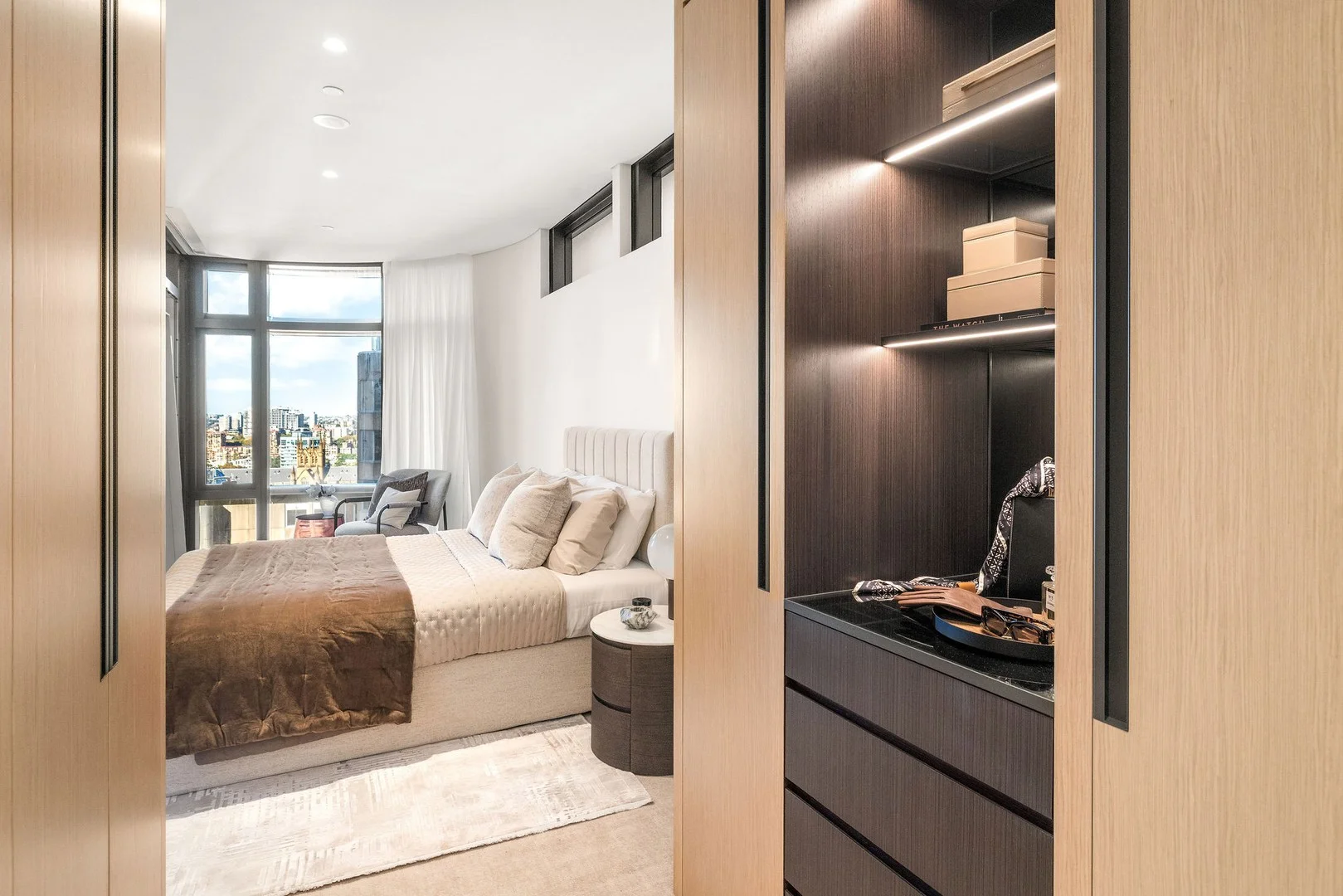 $2,745,000
propertyType.NEW APARTMENTS / OFF THE PLAN
$2,745,000
propertyType.NEW APARTMENTS / OFF THE PLAN
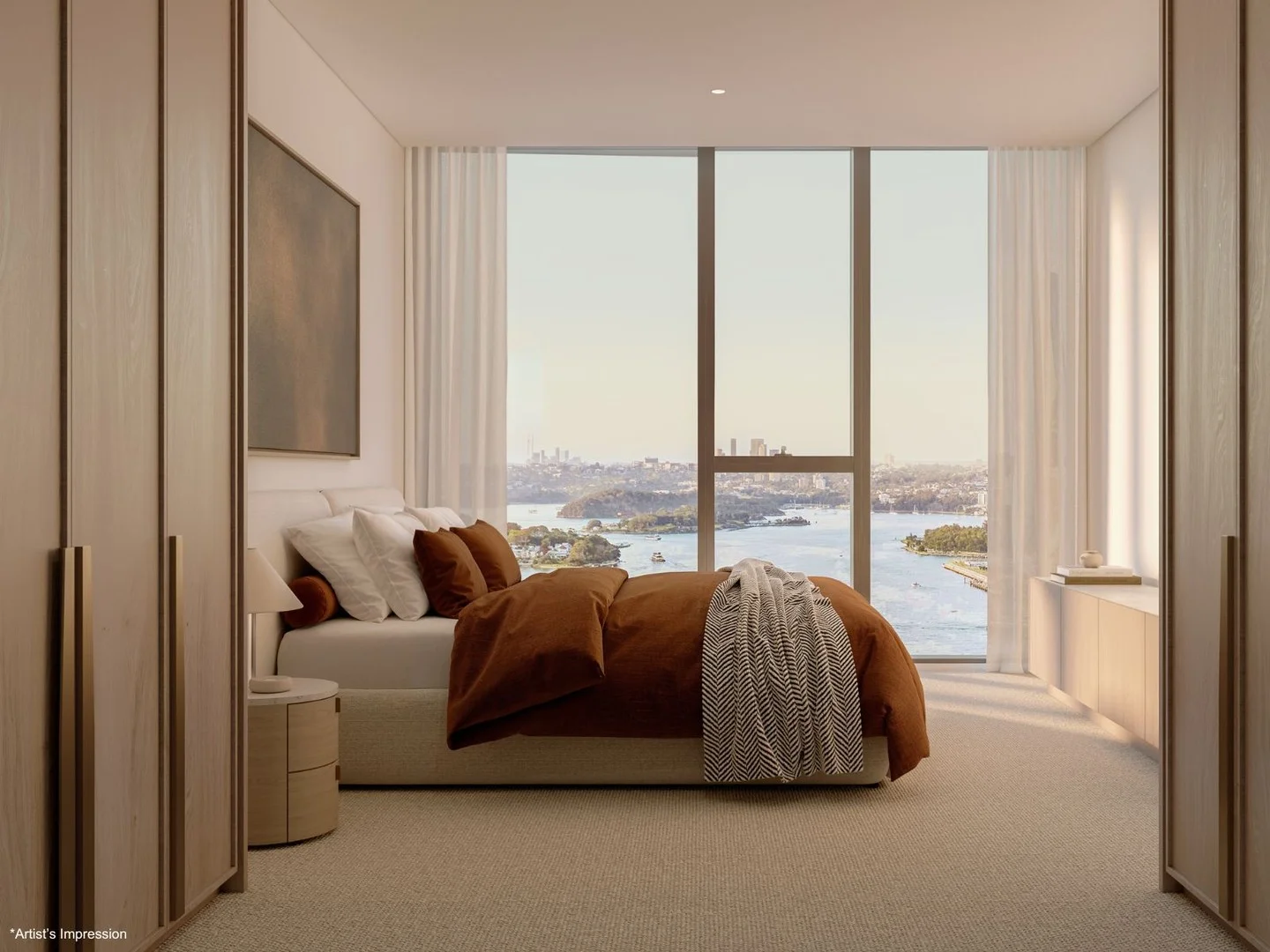 $8,630,000
propertyType.NEW APARTMENTS / OFF THE PLAN
$8,630,000
propertyType.NEW APARTMENTS / OFF THE PLAN
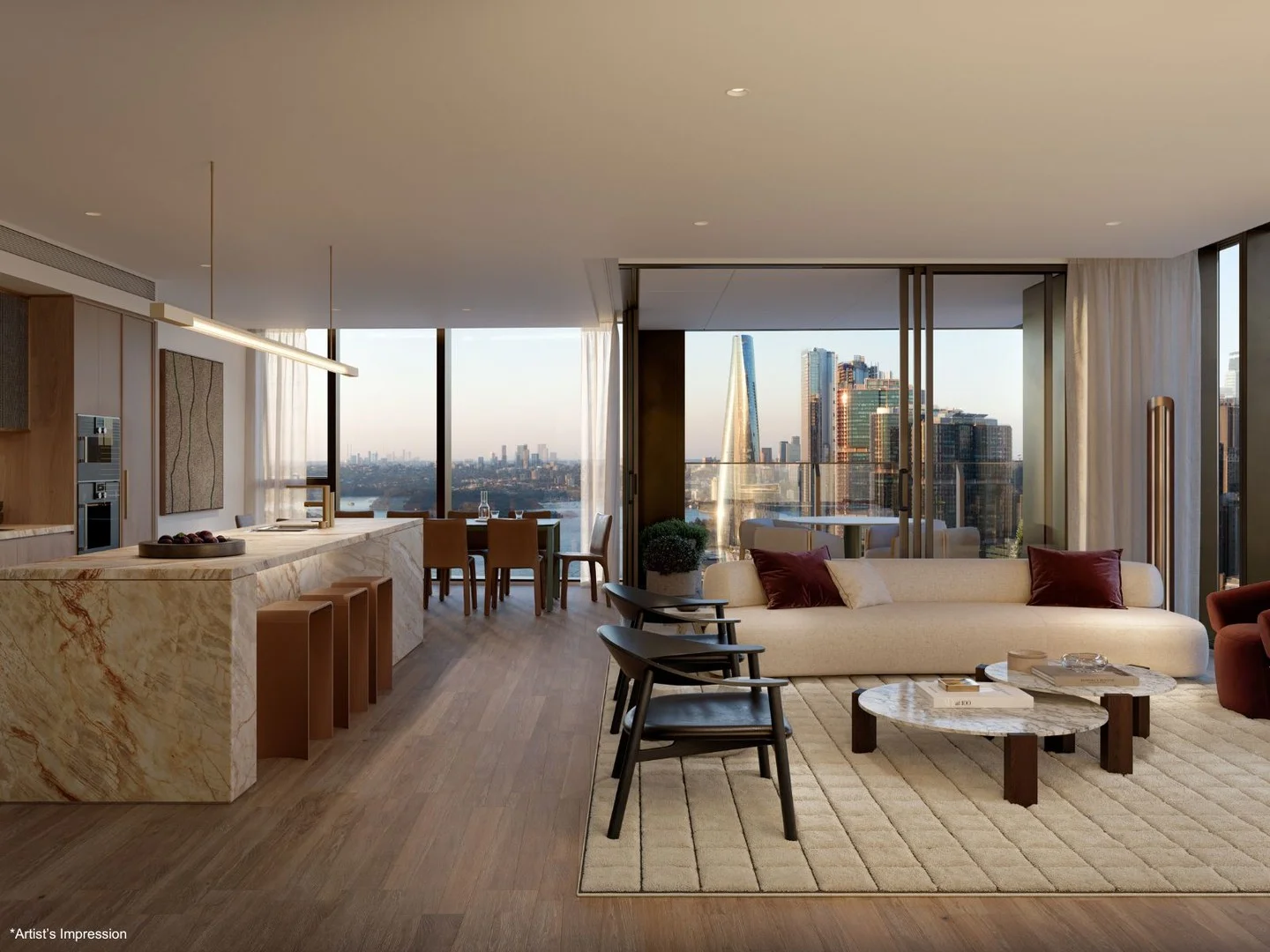 $12,980,000
propertyType.NEW APARTMENTS / OFF THE PLAN
$12,980,000
propertyType.NEW APARTMENTS / OFF THE PLAN
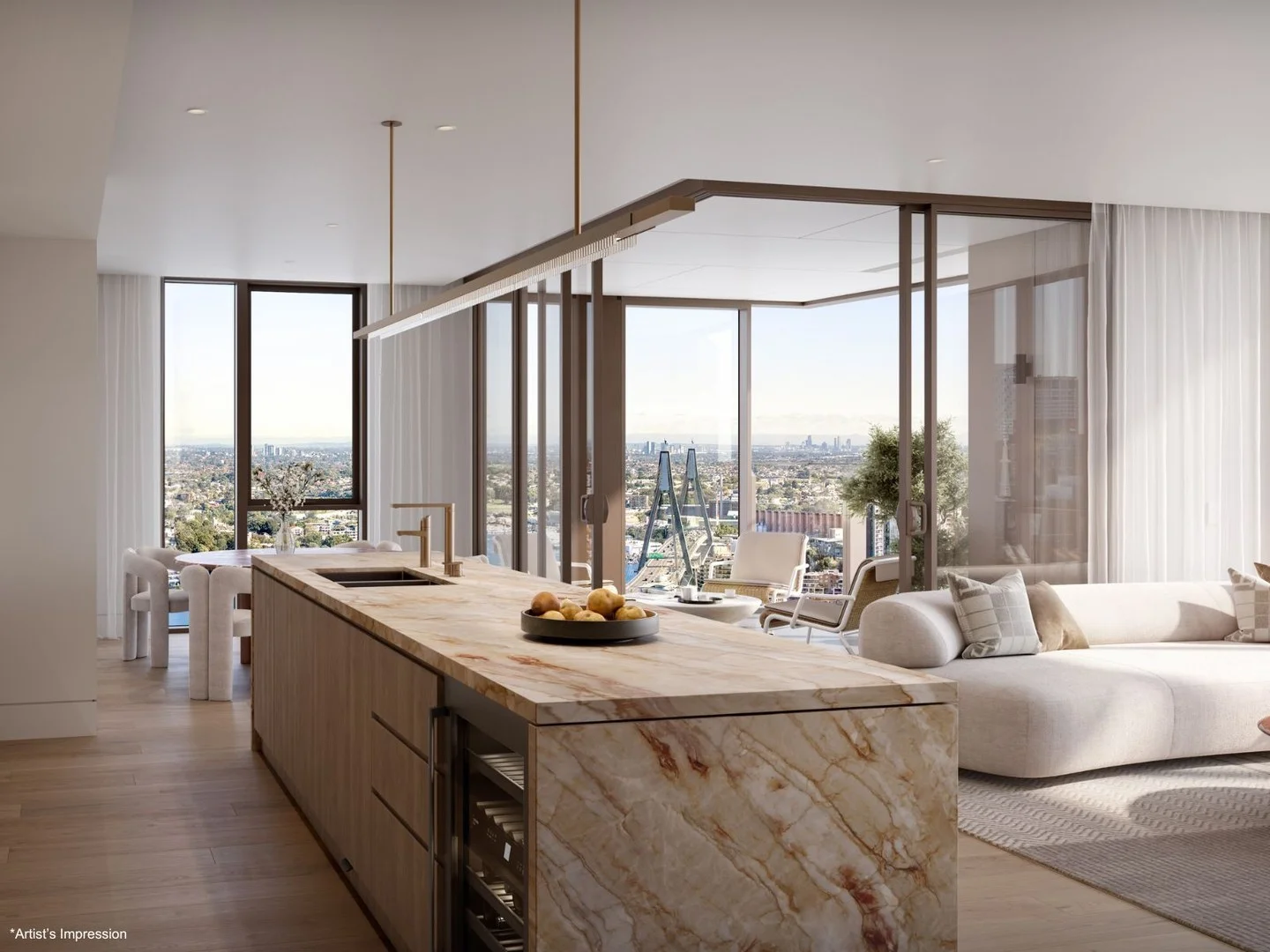 $9,020,000
propertyType.NEW APARTMENTS / OFF THE PLAN
$9,020,000
propertyType.NEW APARTMENTS / OFF THE PLAN
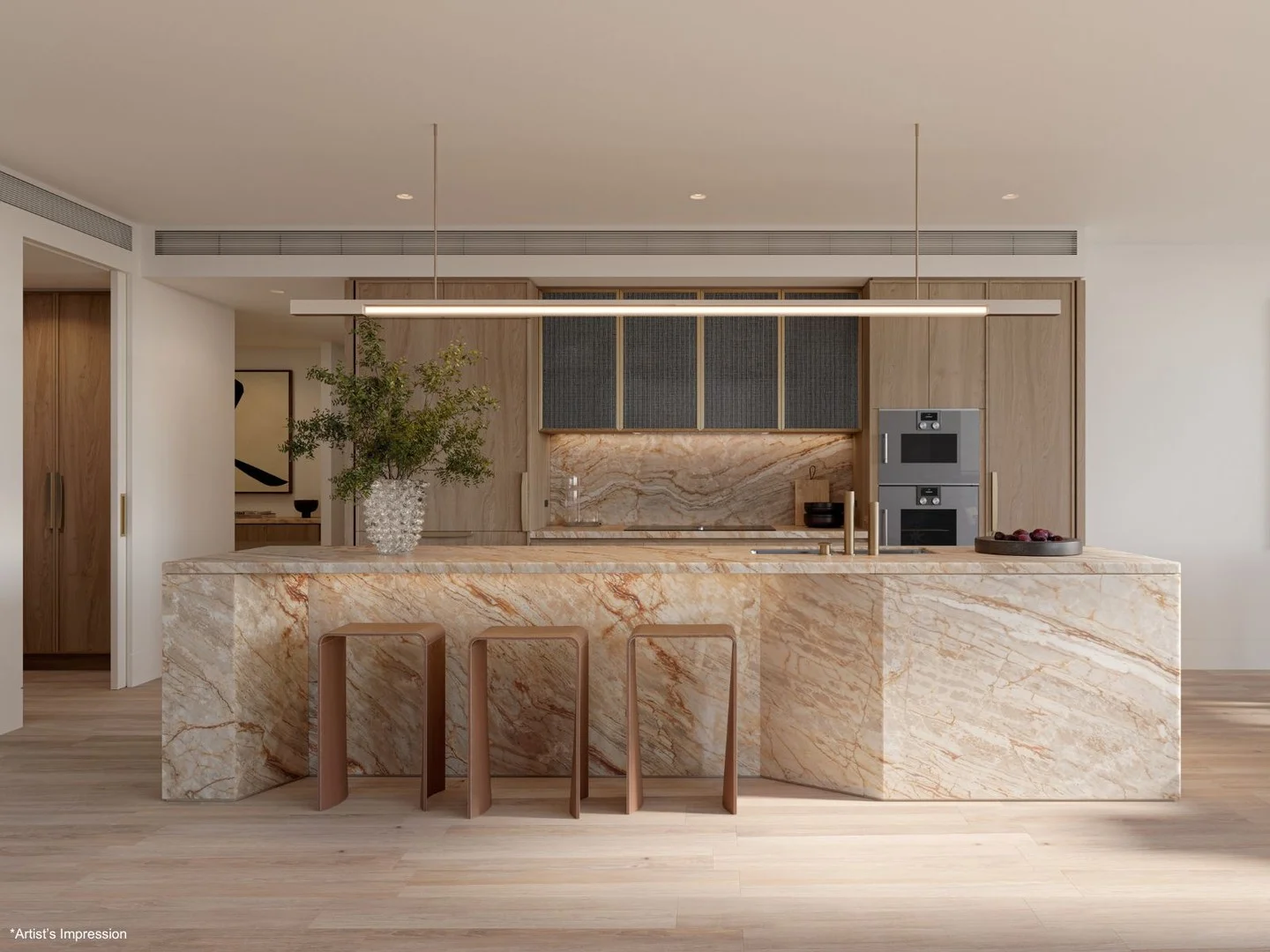 $6,225,000
propertyType.NEW APARTMENTS / OFF THE PLAN
$6,225,000
propertyType.NEW APARTMENTS / OFF THE PLAN


