## 1. Overview
Killarney Heights Public School is a public (government) co-educational primary school serving students from Kindergarten through to Year 6. As a NSW public school, it focuses on inclusive education and building a strong sense of community among families, staff, and students. The school tends to be a medium-sized community with class sizes that support individualized attention and collaborative learning.
The atmosphere is nurturing and inclusive, with a emphasis on developing academic skills while fostering resilience, responsible citizenship, and a positive school culture. Students typically benefit from a supportive environment that values participation across academics, sport, arts, and community engagement.
## 2. Academics & Learning
- Academic strengths: Strong emphasis on literacy and numeracy foundations, with opportunities to engage in STEM activities and digital literacy. The school supports broad learning across English, mathematics, and science to build solid core skills.
- Special programs: Access to enrichment opportunities and differentiations within classrooms; focus on developing independent learning habits and student leadership within a supportive framework.
- NAPLAN / trends: NSW public primary schools generally show steady performance with ongoing focus on year-to-year improvement in key literacy and numeracy measures; the school aims to monitor and respond to these trends locally.
- Student-teacher ratios: Typical NSW public primary class sizes and S/T ratios, approximately around 1:20–1:24, with additional support available for students needing extra help.
- Support for diverse learners: EAL/D support and inclusive education programs to assist students with diverse learning needs, including targeted intervention where required.
## 3. Sports & Extracurricular Strengths
- Sports offered: A range of primary-level sports, including soccer, cricket, athletics, and cricket; participation in school-wide or district sporting events is encouraged.
- Strong teams or achievements: Competitive participation in local district competitions and inter-school events, with emphasis on teamwork and fair play.
- Music, arts, drama programs: Regular music and performing arts opportunities, school concerts, assemblies, and opportunities to participate in choir or band-related activities.
- Clubs: Robotics, coding, chess, and debating clubs are encouraged to support STEM and critical-thinking skills beyond the classroom.
- Partnerships: Connections with local community clubs and district-level competitions to extend opportunities beyond the school gates.
## 4. Wellbeing & Pastoral Care
- Anti-bullying approach: Clear anti-bullying policies and supportive strategies to promote a safe, respectful learning environment.
- House system: A house system to foster belonging, teamwork, and school spirit across activities and events.
- Counsellors / wellbeing officers: Access to dedicated wellbeing staff to support student mental health, social-emotional learning, and transition periods.
- Transition support for new students: Orientation activities and transition programs to help new students settle in smoothly and build connections early.
## 5. Facilities
- Sports grounds: On-site sports fields and appropriate outdoor spaces for physical activity.
- Libraries: A dedicated library area to support reading and research skills.
- Science labs: Access to science facilities that enable practical investigations and inquiry-based learning.
- Music/performing arts centers: Space for music, drama, and performances.
- Tech/innovation labs: Computer labs or makerspace-style facilities to support digital literacy and creative projects.
- Cafeteria: On-site canteen or cafe-style options to provide meals and snacks.
- Updated playgrounds: Modern play areas and equipment for recess and break times.
## 6. School Values & Community Culture
- School values / mission: Focus on respect, responsibility, resilience, and inclusion as core values guiding student behaviour and school life.
- Leadership style: Student voice and leadership through class roles, committees, and peer leadership opportunities; collaborative decision-making within the school community.
- Behaviour expectations: Clear code of conduct aligned with positive behaviours for learning and community expectations.
- Community reputation: A welcoming, family-friendly environment with active family involvement and partnerships with the local community.
- Diversity & inclusion: Emphasis on creating an inclusive culture that respects diverse backgrounds and abilities.
## 7. School Logistics & Daily Operations
- School hours: Typical NSW primary school hours (approximately 9:00 am–3:00 pm), with mornings and afternoons structured for learning and breaks.
- Before/after school care: OSHC or similar programs available to support families outside of standard school hours.
- Uniform requirements: School uniform recommended; includes standard polo or shirt options, shorts or skirts, proper footwear, and hat for outdoor activities.
- Transport (train/bus routes): Access to public transport options and bus routes; students may also walk or cycle where appropriate; check local transport NSW guidance for routes.
- Canteen availability: On-site canteen or snack options available during the day.
- Fees (low/medium/high ranges): NSW public schools generally have low or no tuition fees, with possible voluntary contributions and costs for activities or excursions.
## 8. Enrolment & Admissions
11. What is the enrolment process and timeline?
- Check catchment eligibility and submit an enrolment application through the NSW Department of Education process.
- Provide required documents (proof of address, parent/guardian details, immunisation records, and other mandated information).
- Processing times vary; confirm timelines with the school's enrolments office and adhere to any local deadlines.
12. Is there a waiting list, and how does it work?
- If demand exceeds available places, a waiting list may operate. Priority typically follows catchment eligibility and placement needs; timelines and procedures are provided by the school during the application.
13. Are there any entry requirements, tests, or interviews?
- For most primary enrollments, there are no entrance tests. Some cases (special programs or needs) may involve additional assessments or conversations to support placement; confirm specifics with the school.
14. Does the school accept mid-year transfers?
- Mid-year transfers are considered when spaces are available. Parents should contact the school early to discuss availability and the required documentation.
## 9. Frequently Asked Questions
- Why Parents Choose This School?
- A welcoming, inclusive community with a focus on core academics, wellbeing, and active student involvement in sports, arts, and clubs.
- What type of student thrives at this school?
- Students who enjoy a balanced environment with opportunities to grow academically, socially, and in extracurricular activities.
- What opportunities are available for students to extend their skills (academics, sports, arts)?
- Access to enrichment activities in literacy and numeracy, STEM and digital learning, music and performing arts, sports, and clubs like robotics, coding, and debating.
- How does the school communicate with parents?
- Regular updates via newsletters, email, the school website, and parent-teacher meetings; timely communication around events and student progress.
- What is the school’s approach to teaching and learning?
- A student-centered approach with a focus on foundational skills, inquiry-based learning, differentiation to meet diverse needs, and a strong emphasis on literacy and numeracy.
- How does the school support students who need extra academic help?
- Targeted interventions, small-group support, and access to specialist staff (where available) to address learning gaps.
- What support is available for academic challenges?
- Differentiated instruction, additional practice, and collaboration with families to identify strategies for improvement.
- How does the school communicate with parents? (Repeated)
- See above: newsletters, emails, meetings, and digital platforms.
- What are the class sizes and how much individual attention do students receive?
- Class sizes are typically around 20–24 students, with teachers providing structured guidance and opportunities for individual feedback within the classroom.
- What extracurricular and sports opportunities are available?
- A range of sports, music and arts programs, and clubs such as robotics, coding, chess, and debating.
- What facilities does the school offer (sports, science, arts)?
- Sports grounds, library, science labs, music/performing arts spaces, and technology/innovation labs.
- What is the school’s approach to technology and digital learning?
- Emphasis on digital literacy and safe technology use, with access to computer labs or devices for classroom use and integrated learning activities.
- What transport and accessibility options are available?
- Public transport routes, walking/cycling options where feasible, and support for families regarding access and safety.
- What are the typical school fees or additional costs?
- Generally low or no tuition fees for public schooling, with potential costs for excursions, activities, or voluntary contributions.
## 10. Short Pros & Cons list
- Pros
- Inclusive, supportive school culture with strong emphasis on literacy, numeracy, and wellbeing.
- Medium-sized, community-focused environment with opportunities in sports, arts, and clubs.
- Access to diverse learning supports (EAL/D and inclusive education) and a range of extracurriculars.
- Clear conduct expectations and a house-based sense of belonging.
- Family-friendly communication and active community involvement.
- Cons
- As a public primary school, resources and facilities may be more limited compared with larger or private schools.
- Availability of specialty programs or selective placements may be limited; some opportunities depend on student interest and capacity.
- Transport options vary by area; some families may rely on school-arranged transport or local arrangements.












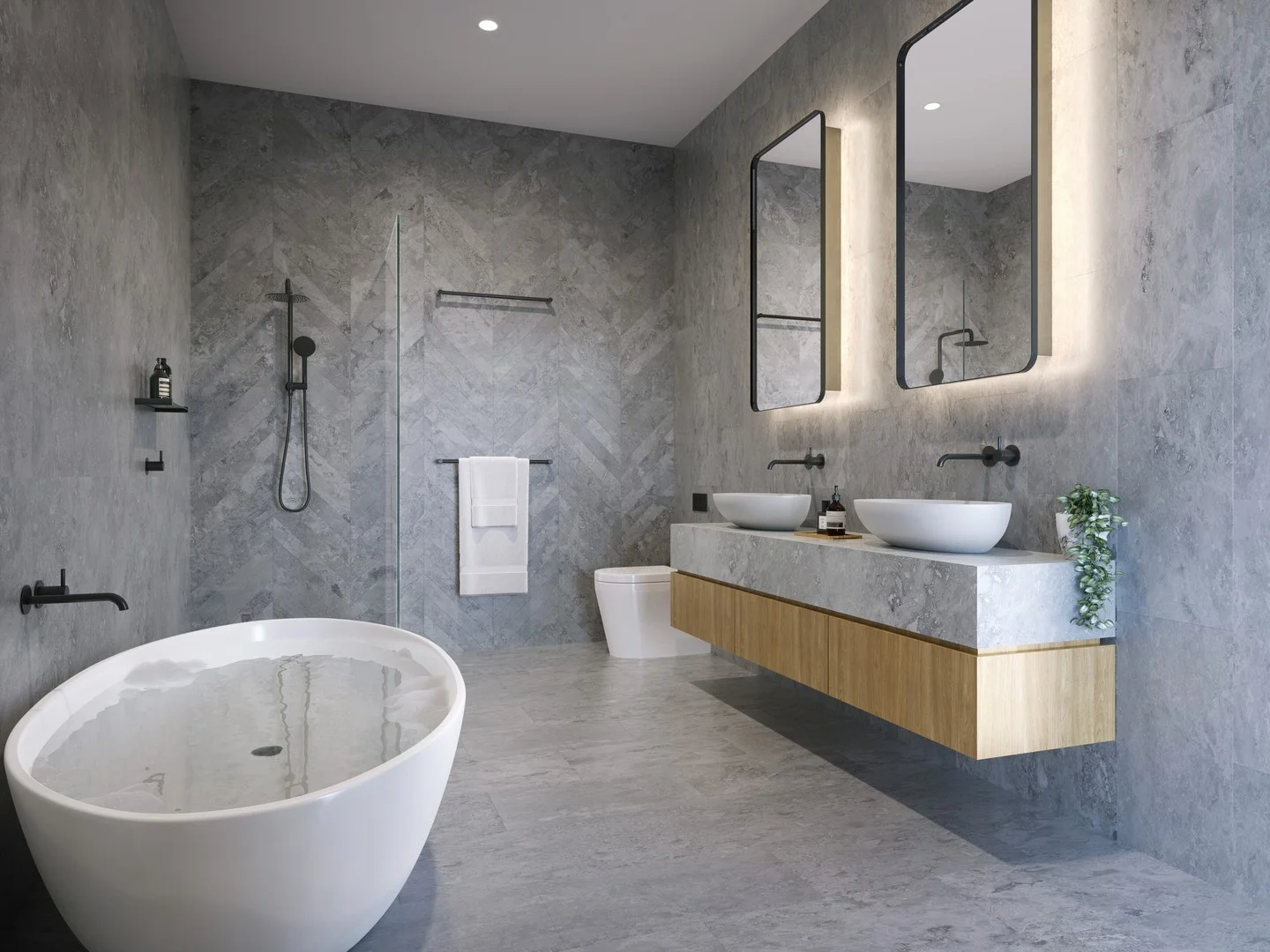 $2,824,000
Apartment / Unit / Flat
$2,824,000
Apartment / Unit / Flat
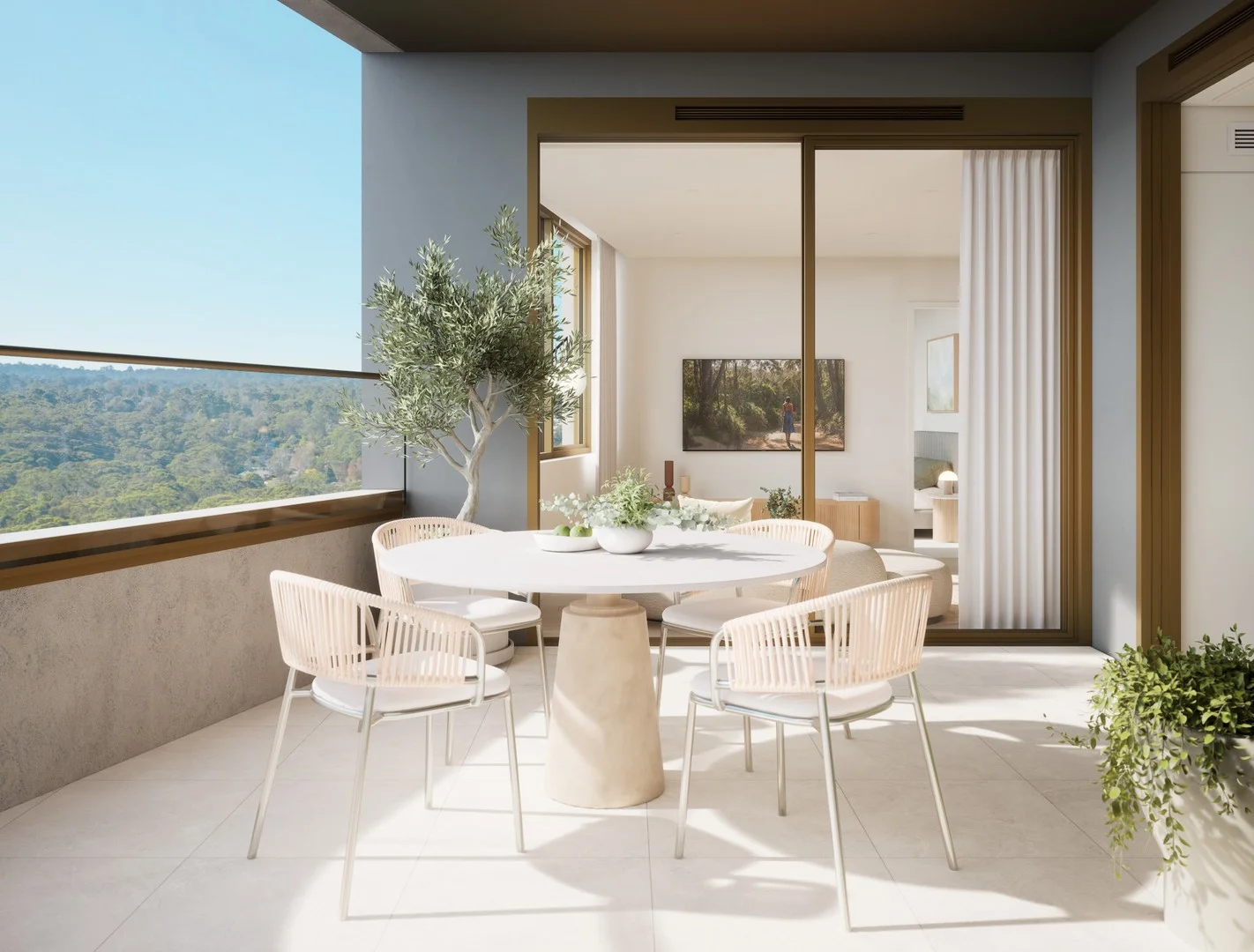 $1,525,000
Apartment / Unit / Flat
$1,525,000
Apartment / Unit / Flat
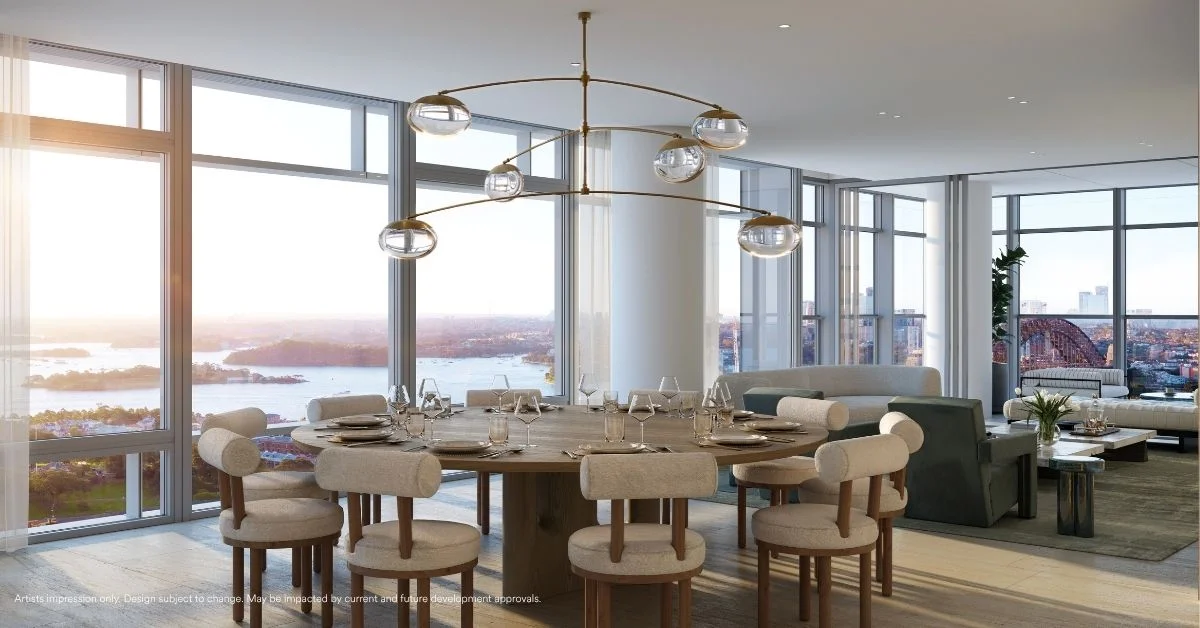 $26,550,000
propertyType.NEW APARTMENTS / OFF THE PLAN
$26,550,000
propertyType.NEW APARTMENTS / OFF THE PLAN
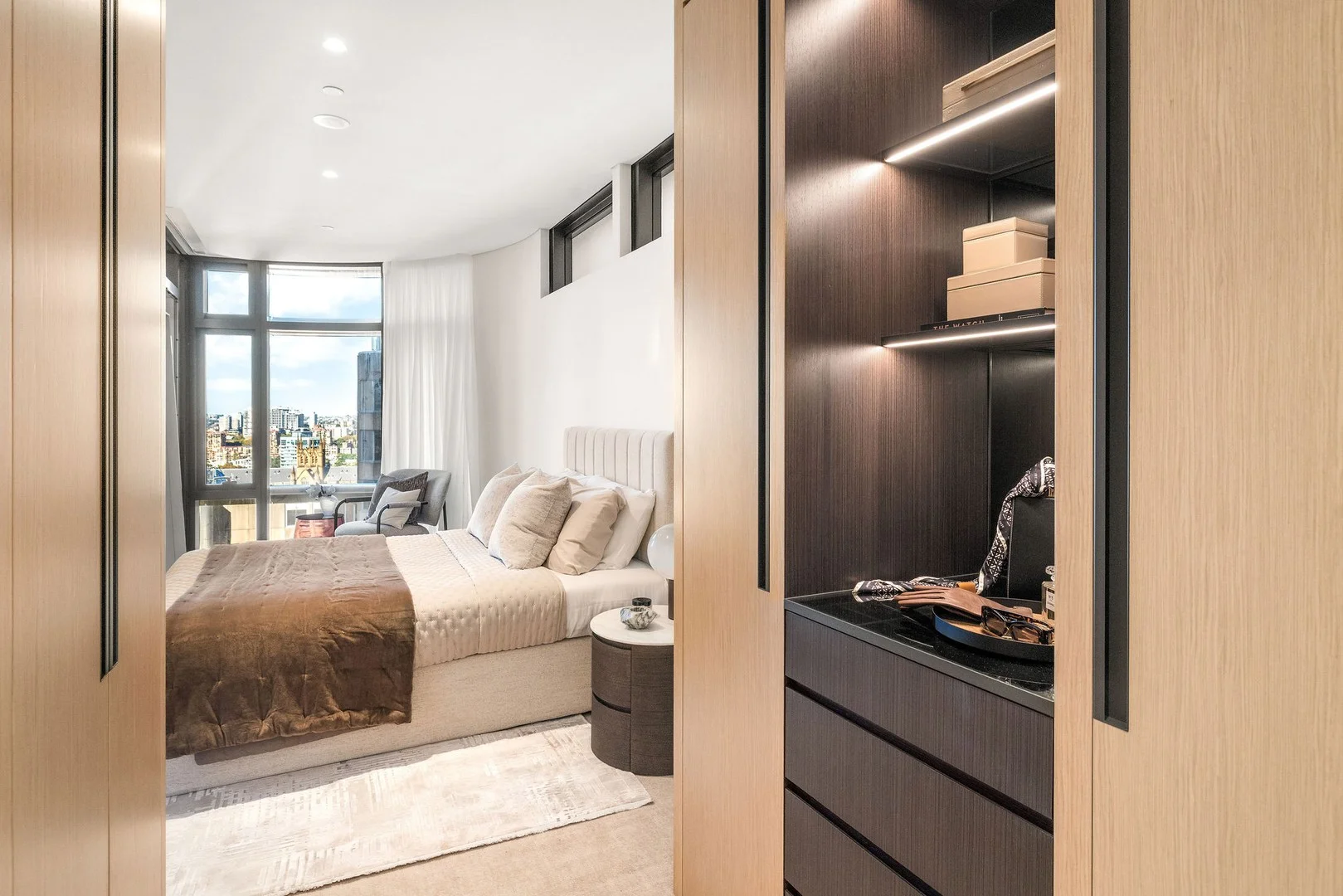 $2,745,000
propertyType.NEW APARTMENTS / OFF THE PLAN
$2,745,000
propertyType.NEW APARTMENTS / OFF THE PLAN
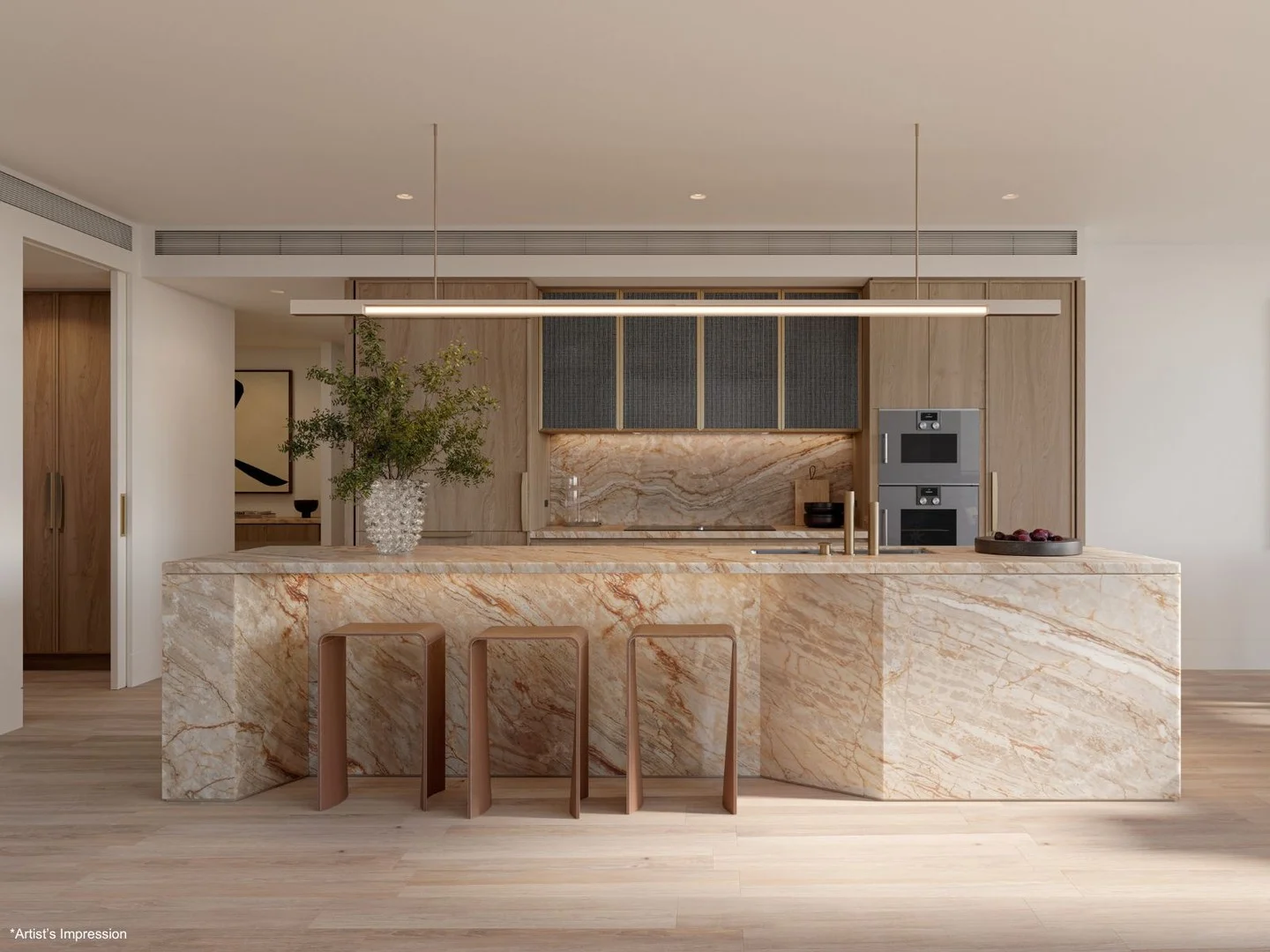 $6,225,000
propertyType.NEW APARTMENTS / OFF THE PLAN
$6,225,000
propertyType.NEW APARTMENTS / OFF THE PLAN
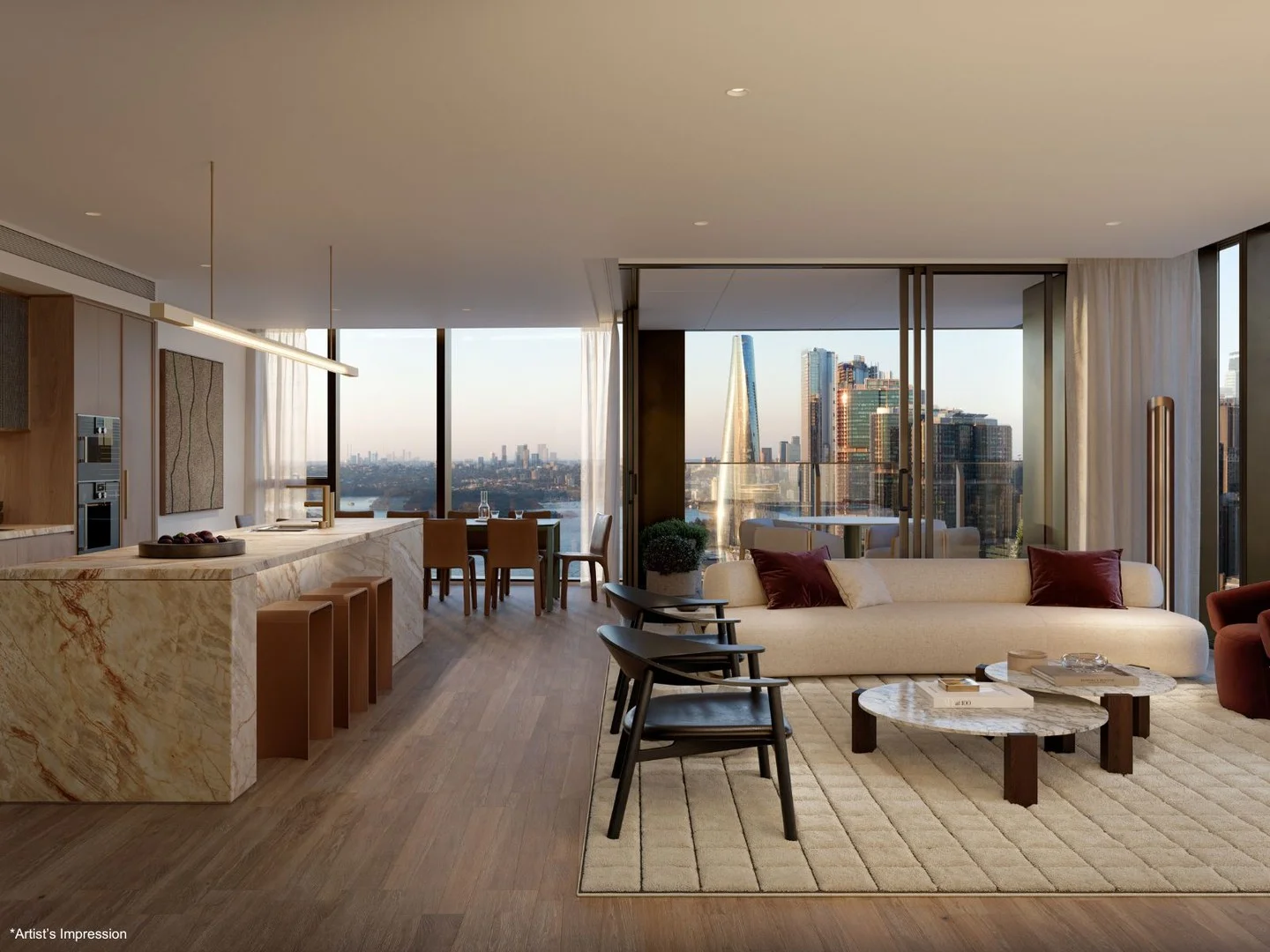 $12,980,000
propertyType.NEW APARTMENTS / OFF THE PLAN
$12,980,000
propertyType.NEW APARTMENTS / OFF THE PLAN
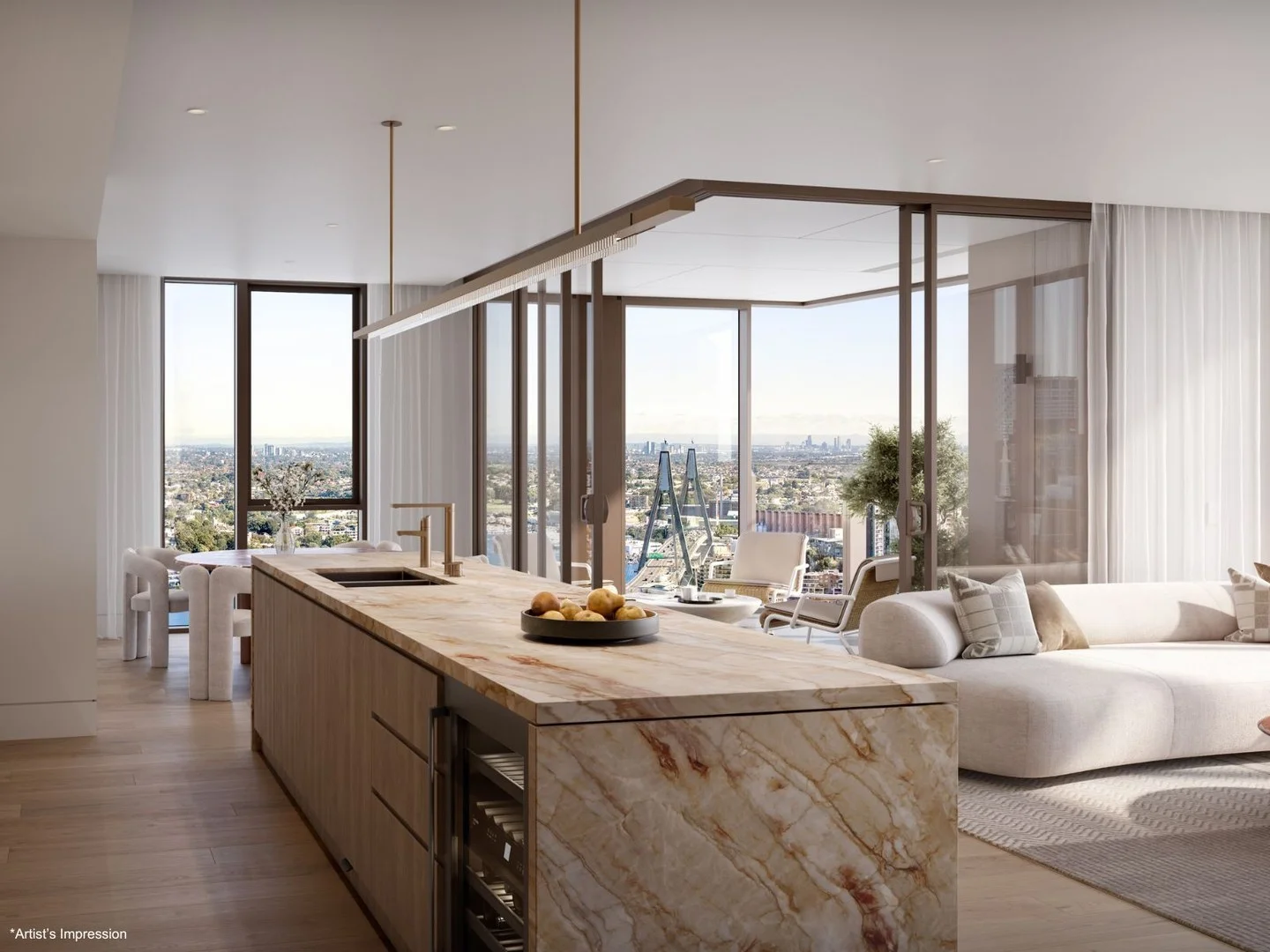 $9,020,000
propertyType.NEW APARTMENTS / OFF THE PLAN
$9,020,000
propertyType.NEW APARTMENTS / OFF THE PLAN
 $8,630,000
propertyType.NEW APARTMENTS / OFF THE PLAN
$8,630,000
propertyType.NEW APARTMENTS / OFF THE PLAN
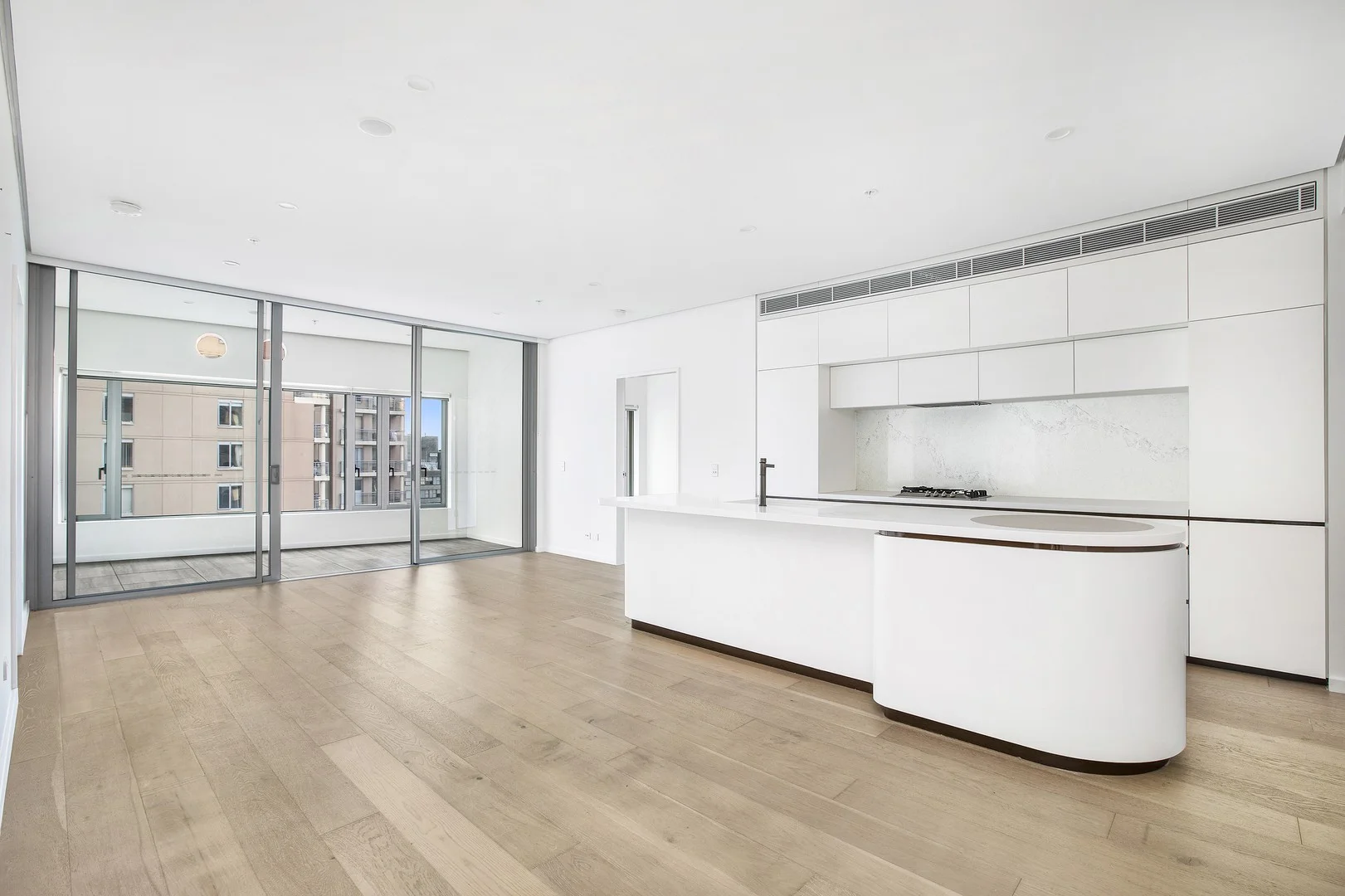 $2,250,000
Apartment / Unit / Flat
$2,250,000
Apartment / Unit / Flat


