## 1. Overview
Fulham Gardens Primary School is a public, co-educational primary school serving the Henley Beach area. The school offers a nurturing, inclusive learning community with a focus on student wellbeing and achievement. It provides a balanced program across core academics, arts, and physical education, supporting students from Reception to Year 7.
- School type: Public
- School size: Medium
- Class size: Typically around 20–25 students per class
- Atmosphere/culture: Nurturing, inclusive, and community-focused
⸻
## 2. Academics & Learning
Fulham Gardens Primary focuses on solid foundational literacy and numeracy, with opportunities to explore STEM, arts, and digital literacy. The school supports students to develop critical thinking, creativity, and a love of learning.
- Academic strengths: Reading, numeracy, STEM integration, leadership opportunities, and development of digital literacy
- Special programs: Targeted extension and enrichment for gifted/talented students; opportunities in STEM and arts activities
- NAPLAN / trends: Trends show steady progress and performance in literacy and numeracy over recent years
- Student-teacher ratios: Generally in the typical primary range (around 1:15 to 1:20)
- Support for diverse learners: EAL (English as an Additional Language) support; SEN (special educational needs) support; inclusive teaching practices
⸻
## 3. Sports & Extracurricular Strengths
Sports and extra-curriculars are a key focus, providing pathways for teamwork, discipline, and personal growth.
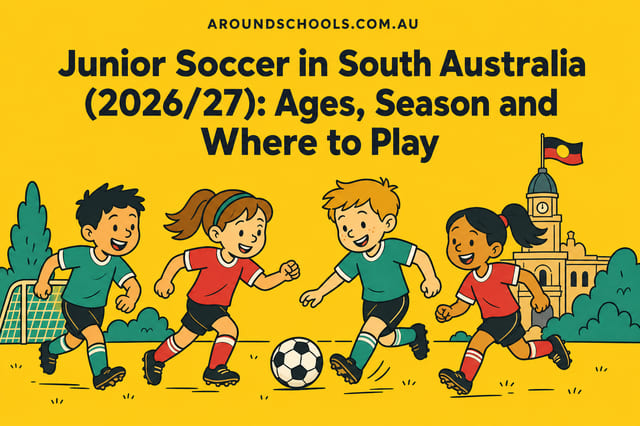
- Sports offered: Netball, basketball, football (soccer), cricket, athletics, swimming, and general fitness activities
- Strong teams or achievements: Participation in district and inter-school events; emphasis on teamwork and fair play
- Music, arts, drama programs: Regular music/performing arts opportunities and school productions
- Clubs: Robotics, coding, chess, debating, and other student-led clubs
- Partnerships: Local community clubs and inter-school activities/competitions to broaden opportunities
⸻
## 4. Wellbeing & Pastoral Care
Wellbeing and pastoral care are central to student success, helping students feel safe, valued, and ready to learn.
- Anti-bullying approach: Clear policies and programs promoting respect, empathy, and safe school climate
- House system: Likely in place to build school spirit and healthy competition
- Counsellors / wellbeing officers: Access to student wellbeing staff to support emotional and social needs
- Transition support for new students: Buddy programs, orientation activities, and targeted support during transitions
⸻
## 5. Facilities
Facilities are designed to support a well-rounded education and engaging learning experiences.
- Sports grounds
- Libraries
- Science labs
- Music/performing arts centers
- Tech/innovation labs
- Cafeteria
- Updated playgrounds
⸻
## 6. School Values & Community Culture
The school fosters a positive culture where students are encouraged to take part, show respect, and grow as individuals.
- School values / mission: Emphasis on respect, responsibility, resilience, inclusivity
- Leadership style: Student voice and teacher leadership; approachable leadership team
- Behaviour expectations: Clear code of conduct with consistent expectations
- Community reputation: Generally positive, family-friendly standing within the Henley Beach area
- Diversity & inclusion: Welcomes families from diverse backgrounds; inclusive practices across the school
⸻
## 7. School Logistics & Daily Operations
Practical information to help families plan around school routines.
- School hours: Typical primary school day within standard SA times (e.g., morning start and afternoon finish)
- Before/after school care: OSHC or similar programs available
- Uniform requirements: School uniform required
- Transport (train/bus routes): Public transport options and local bus routes to the school
- Canteen availability: Canteen or healthy meals/snacks available
- Fees (low/medium/high ranges): Public schools have low to moderate costs; additional costs may apply for camps, activities, or electives
⸻
## 8. Enrolment & Admissions
11. What is the enrolment process and timeline?
- Enrolment is typically managed through the Department for Education with catchment-based placements. Families apply for a place within the designated intake period, with offers typically communicated through the school/DECD processes. Orientation and transition information are usually provided for new enrolments.
12. Is there a waiting list, and how does it work?
- If the school is oversubscribed, a waiting list may be used. The waiting list is managed by the school in coordination with the Department for Education, with priority given to in-catchment families and eligibility criteria.
13. Are there any entry requirements, tests, or interviews?
- Public primary schools in SA generally do not require entrance exams. Some assessments may occur for specific needs (EAL, SEN) or to determine appropriate supports. Interviews are not typically part of the standard enrolment process.
14. Does the school accept mid-year transfers?
- Mid-year transfers can be possible if vacancies exist and appropriate placements can be made. Prospective families should contact the school early to confirm availability and the enrolment steps.
⸻
## 9. Frequently Asked Questions
- Why Parents Choose This School?
- A welcoming, community-focused environment with strong wellbeing support and a balanced curriculum.
- What type of student thrives at this school?
- Students who value community, participation in class and school activities, and a supportive approach to learning.
- What opportunities are available for students to extend their skills (academics, sports, arts)?
- Enrichment in literacy and numeracy, STEM and digital literacy, arts, music, drama, and a range of sports; clubs in robotics, coding, chess, debating.
- How does the school communicate with parents?
- Regular updates via newsletters and emails, parent-teacher meetings, and ongoing informal contact with teachers and administration.
- What is the school’s approach to teaching and learning?
- Focus on inclusive, differentiated instruction, student inquiry, and developing critical thinking and collaboration skills.
- How does the school support students who need extra academic help?
- Targeted in-class supports, reading/numeracy interventions, EAL/SEN assistance, and access to wellbeing staff.
- What support is available for academic challenges?
- Additional tutoring and small-group support, individualized learning plans as needed, and regular progress monitoring.
- How does the school communicate with parents?
- See above; combines official channels with informal updates for timely information.
- What are the class sizes and how much individual attention do students receive?
- Class sizes typically around 20–25 students with teachers able to provide differentiation and targeted support.
- What extracurricular and sports opportunities are available?
- A range of sports (netball, basketball, football/soccer, cricket, athletics), plus clubs in robotics, coding, chess, debating, and music/arts programs.
- What facilities does the school offer (sports, science, arts)?
- Sports grounds, libraries, science labs, music/performing arts spaces, tech/innovation labs, canteen, and well-equipped playgrounds.
- What is the school’s approach to technology and digital learning?
- Integrated technology and digital literacy within learning; opportunities for coding and using digital tools to support exploration and creativity.
- What transport and accessibility options are available?
- Access to public transport routes and local bus services; standard accessibility provisions typical of SA public schools.
- What are the typical school fees or additional costs?
- Public primary schools have low to moderate costs; some activities, excursions, and materials may incur additional charges.
⸻
## 10. Short Pros & Cons list
- Pros
- Public, inclusive environment with a focus on wellbeing
- Medium-sized community with opportunities for involvement
- Broad curriculum including arts, sports, and STEM
- Strong support for diverse learners (EAL, SEN)
- Active extracurriculars and clubs
- Cons
- As a public school, some resources and activities may depend on annual funding and enrolment
- Class sizes typical of public primaries; not all classes will be identical year-to-year
- Availability of mid-year transfers may depend on vacancy and enrolment demand
⸻







 $1,100,000
Apartment / Unit / Flat
$1,100,000
Apartment / Unit / Flat
 $440,000
Apartment / Unit / Flat
$440,000
Apartment / Unit / Flat
 $588,000
Apartment / Unit / Flat
$588,000
Apartment / Unit / Flat
 $1,056,000
Apartment / Unit / Flat
$1,056,000
Apartment / Unit / Flat
 $557,000
Apartment / Unit / Flat
$557,000
Apartment / Unit / Flat
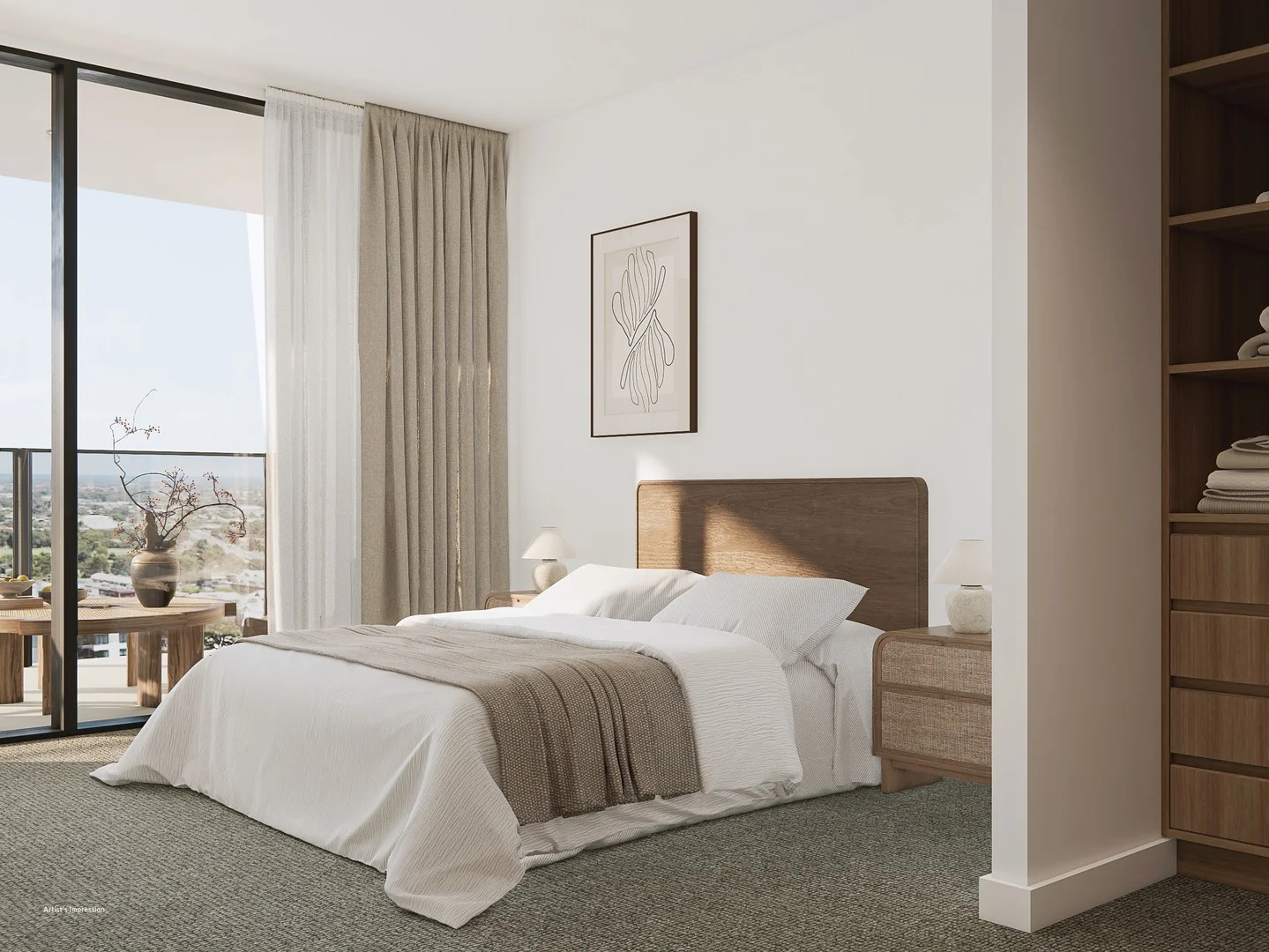 $935,000
Apartment / Unit / Flat
$935,000
Apartment / Unit / Flat
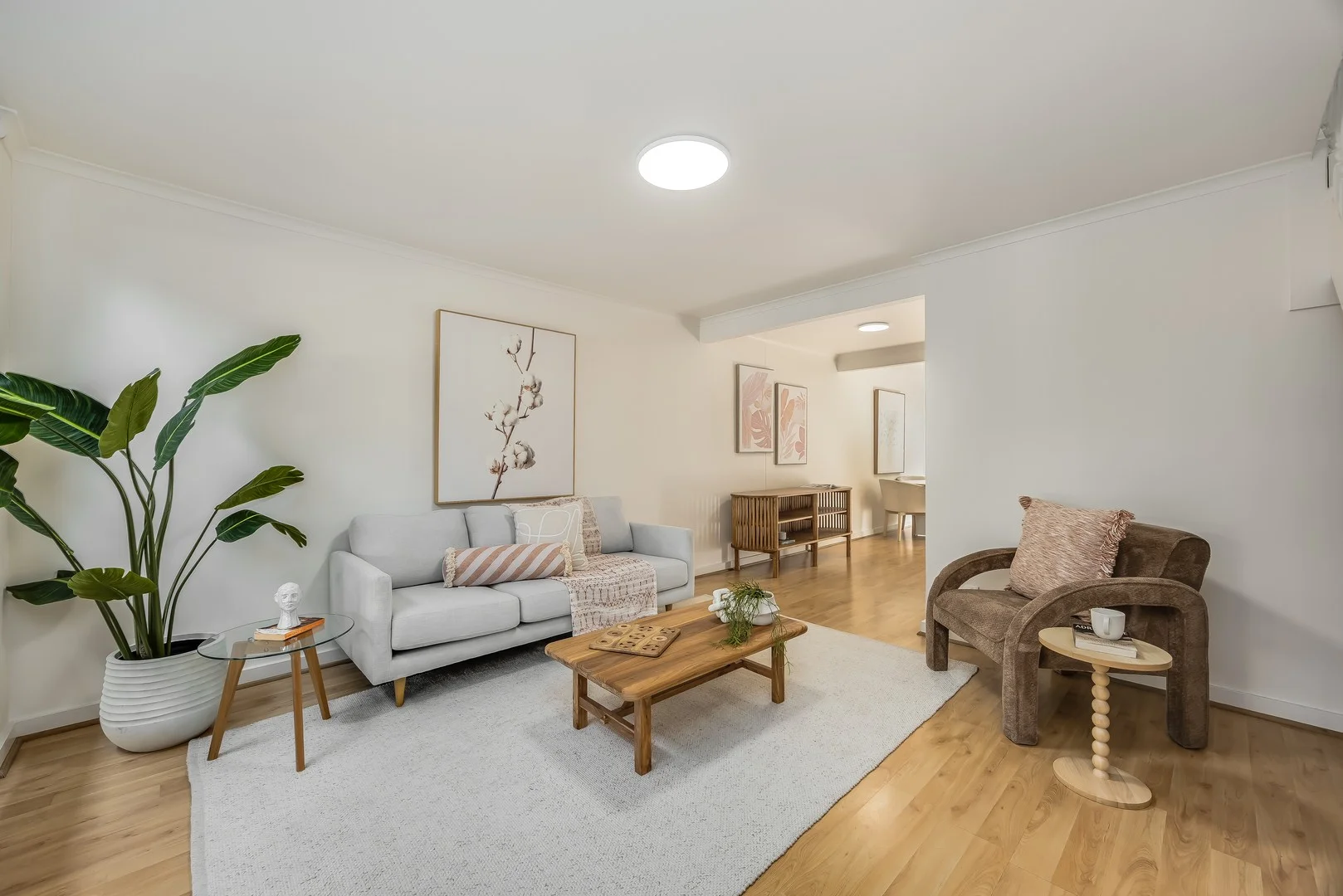 $775,000
House
$775,000
House
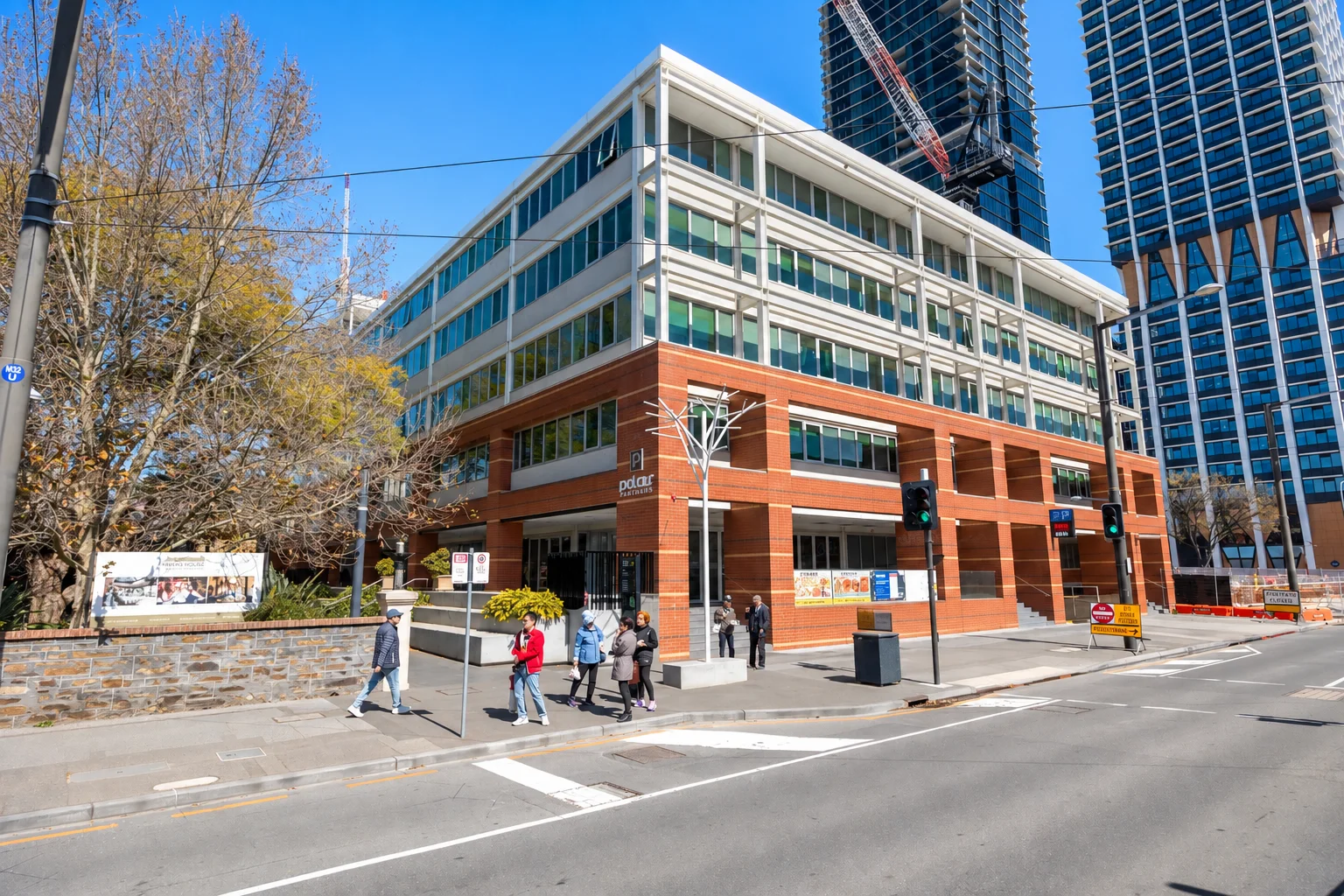 $545,000
Apartment / Unit / Flat
$545,000
Apartment / Unit / Flat