# 1. Overview
Star of the Sea is a Catholic co-educational primary school serving families in Henley Beach and the surrounding area. As a parish-focussed Catholic school within the South Australian education system, it emphasises faith-based learning, community involvement, and holistic development. The school tends to be considered medium-sized, with class groups that are designed to support strong teacher-student relationships and individual attention.
- School type: Catholic (systemic)
- School size: Medium
- Class size: Approximately 20–24 students per class
- Atmosphere/culture: Nurturing, inclusive, community-focused with an emphasis on faith, respect and academic growth
⸻
# 2. Academics & Learning
Star of the Sea focuses on a well-rounded curriculum that supports essential learning across core subjects, faith formation, and personal development. The school aims to balance rigorous academics with opportunities for creativity and leadership.
- Academic strengths: English and literacy development, mathematics/numeracy, science, religious education, and leadership opportunities within the student community
- Special programs: Gifted & Talented or accelerated learning pathways where available, targeted literacy/numeracy support, and programs designed to develop critical thinking and problem-solving
- NAPLAN / trends: The school tracks NAPLAN trends over time to guide teaching strategies, aiming for steady improvement and alignment with state averages
- Student-teacher ratios: Class sizes of roughly 20–24 students; supportive staff-to-student ratios to enable more individual attention
- Support for diverse learners: EAL support where needed, SEN coordination, and targeted interventions to assist students who require extra help
⸻
# 3. Sports & Extracurricular Strengths
A standout area for many families, Star of the Sea offers a range of sports and enrichment activities to develop teamwork, resilience, and skill.
- Sports offered: Soccer, cricket, netball, Auskick-style programs, athletics and swimming participation; opportunities to represent the school in local Catholic and community competitions
- Strong teams or achievements: Regular age-group teams and inter-school events with a culture of participation and sportsmanship
- Music, arts, drama programs: Music ensembles, choral activities, and performing arts opportunities
- Clubs: Robotics, coding, chess, debating and other inquiry-based clubs as available
- Partnerships: Local clubs and community organizations collaborate for competitions and enrichment programs
⸻
# 4. Wellbeing & Pastoral Care
Wellbeing is a central focus to help students feel secure, supported, and ready to learn.
- Anti-bullying approach: Clear policies and programs to promote respectful behaviour and a positive school climate
- House system: A house-based structure to support belonging, healthy competition, and peer mentoring
- Counsellors / wellbeing officers: Access to wellbeing support and guidance within the school, with pathways to external services if needed
- Transition support: Orientation activities, buddy programs, and targeted supports to help new students settle in
⸻
# 5. Facilities
The school’s facilities are designed to support a broad curriculum and an engaging learning environment.
- Sports grounds: Prepared spaces for PE, athletics, and outdoor play
- Libraries: A well-stocked library and reading spaces
- Science labs: Dedicated science learning environments
- Music/performing arts centers: spaces for music, drama and recitals
- Tech/innovation labs: Computer and coding facilities to support digital learning
- Cafeteria: On-site canteen or lunch facilities
- Updated playgrounds: Well-equipped outdoor play areas
⸻
# 6. School Values & Community Culture
Star of the Sea communicates a faith-based ethos that fosters belonging, respect, and responsibility.
- School values / mission: Faith-focused learning, integrity, service to others, and personal excellence
- Leadership style: Collaborative, with student voice opportunities (e.g., student council) and teacher leadership; emphasis on service and responsibility
- Behaviour expectations: Clear expectations around respect, safety, and constructive conduct
- Community reputation: Positive standing within the local Catholic and broader Henley Beach community
- Diversity & inclusion: Commitment to creating an inclusive environment that welcomes families from varied backgrounds
⸻
# 7. School Logistics & Daily Operations
Practical information to help families plan around school life.
- School hours: Typical school day start and finish times with routines for morning drop-off and afternoon pick-up
- Before/after school care: After-school care or care programs may be available through the school or affiliated providers
- Uniform requirements: School uniform policy with appropriate attire for daily wear and physical activities
- Transport: Local bus routes or public transport connections; information on drop-off/pick-up areas and accessibility
- Canteen availability: On-site canteen or lunch facilities offering a range of healthy options
- Fees: Moderate (Catholic system schools generally have tuition and voluntary contributions; specifics vary by year level and activity)
⸻
# 8. Enrolment & Admissions
11. What is the enrolment process and timeline?
- Parents typically complete an application form, provide required documentation (birth certificate, immunisation records, proof of residence/priority status), and may be invited to an information session or meeting. Timelines vary by year level; many applications are submitted well ahead of the planned start year.
12. Is there a waiting list, and how does it work?
- Waiting lists are common when enrolments exceed available places. Priorities may apply (e.g., siblings, parishioner status, pick-up of nearby catchment) and the school will advise on expected timelines.
13. Are there any entry requirements, tests, or interviews?
- For some year levels, families may be asked to participate in an introductory meeting or interview to discuss fit and expectations. Academic assessments are not universally required for all entries, but any testing or screening will be communicated by the school if applicable.
14. Does the school accept mid-year transfers?
- Mid-year transfers may be possible if space is available. Families should contact the school to discuss vacancies, intake processes, and required documentation.
⸻
# 9. Frequently Asked Questions
- Why Parents Choose This School?
- A faith-based, nurturing environment with small class sizes and strong pastoral care, plus a balanced focus on academics, sport, and community involvement.
- What type of student thrives at this school?
- Students who respond well to supportive teacher-student relationships, collaborative learning, and opportunities to participate in faith-based and community activities.
- What opportunities are available for students to extend their skills (academics, sports, arts)?
- Enrichment programs in literacy and numeracy, leadership roles, sports teams, music/drama, coding and robotics clubs, and inter-school competitions.
- How does the school communicate with parents?
- Regular updates via newsletters, parent meetings, digital portals or apps, and open days. Ongoing home-school communication is encouraged.
- What is the school’s approach to teaching and learning?
- A student-centred approach that blends core academic rigor with faith formation, hands-on learning, and opportunities for collaboration and inquiry.
- How does the school support students who need extra academic help?
- Targeted literacy and numeracy support, EAL and SEN pathways, and differentiated instruction within classrooms plus specialist interventions when needed.
- What support is available for academic challenges?
- Additional tutoring or small-group sessions, learning plans, and collaboration with families to tailor support strategies.
- How does the school communicate with parents? (Duplicate question)
- See above: newsletters, meetings, portals, and direct contact with teachers and leadership as needed.
- What are the class sizes and how much individual attention do students receive?
- Class sizes are typically 20–24 students, with teachers able to provide targeted attention through small-group work and in-class support.
- What extracurricular and sports opportunities are available?
- A range of sports (team and individual), music and drama programs, and clubs such as robotics, coding, chess, and debating.
- What facilities does the school offer (sports, science, arts)?
- Sports grounds, library, science labs, performing arts spaces, tech/innovation labs, cafeteria, and modern playgrounds.
- What is the school’s approach to technology and digital learning?
- Integration of digital tools and coding in learning, with appropriate supervision and emphasis on digital literacy and responsible use.
- What transport and accessibility options are available?
- Local transport connections and school-supported drop-off/pick-up arrangements; accessibility considerations are addressed as part of the school’s facilities planning.
- What are the typical school fees or additional costs?
- Fees are moderate relative to private options; there may be additional costs for uniforms, camps, excursions, and optional activities.
⸻
# 10. Short Pros & Cons list
- Pros
- Catholic, values-based education with a nurturing culture
- Small to medium class sizes enabling individual attention
- Strong wellbeing and pastoral care with a house/community focus
- Broad range of academic, arts, and sports opportunities
- Support for diverse learners and inclusive environment
- Cons
- Focused on Catholic education; may not align with non-Catholic families’ preferences
- Limited year levels (primary focus) if seeking secondary education in the same school
- Fees and costs associated with non-state schooling; consider additional charges for activities
- Availability of places may be impacted by siblings or parish priorities
⸻








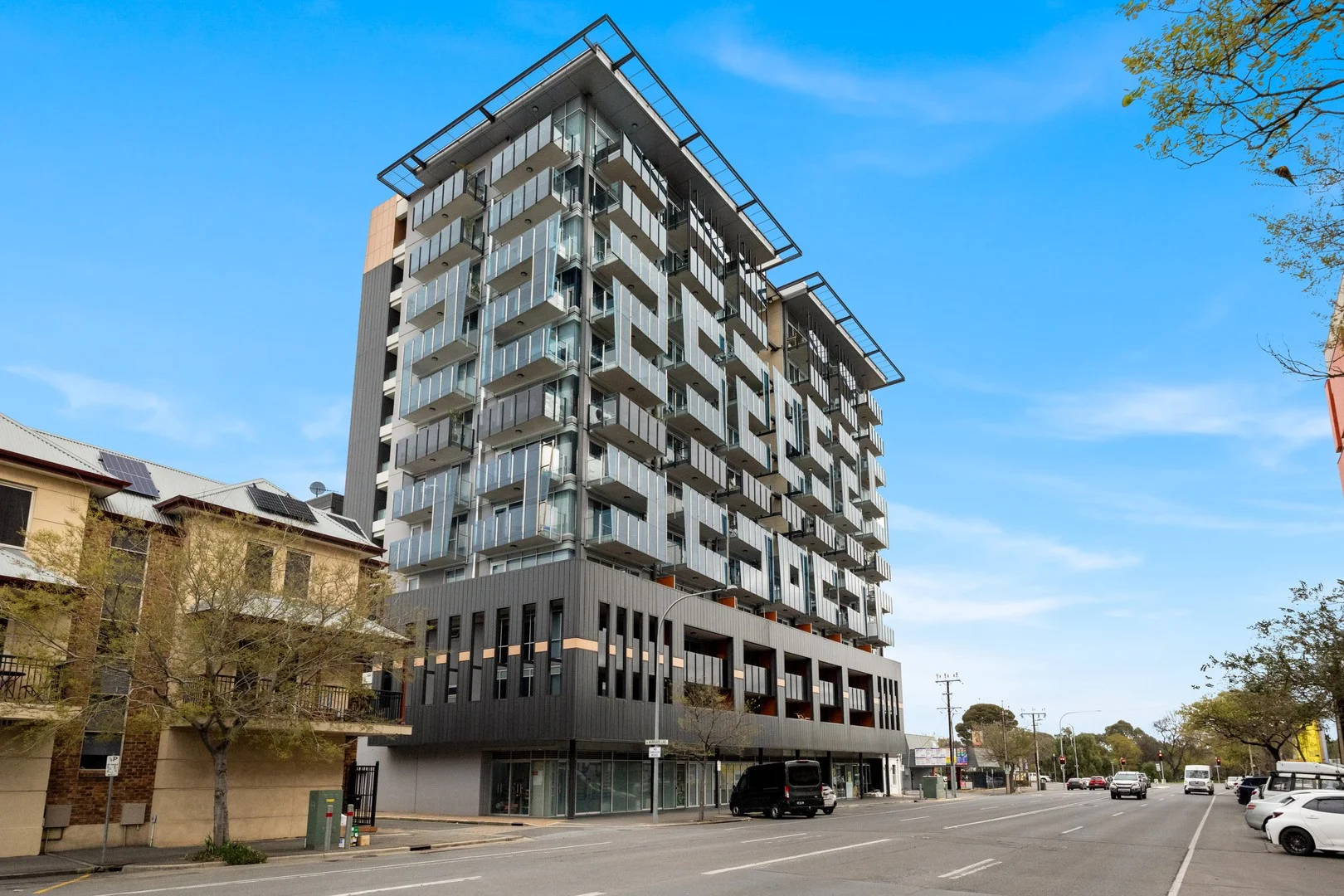 $1,100,000
Apartment / Unit / Flat
$1,100,000
Apartment / Unit / Flat
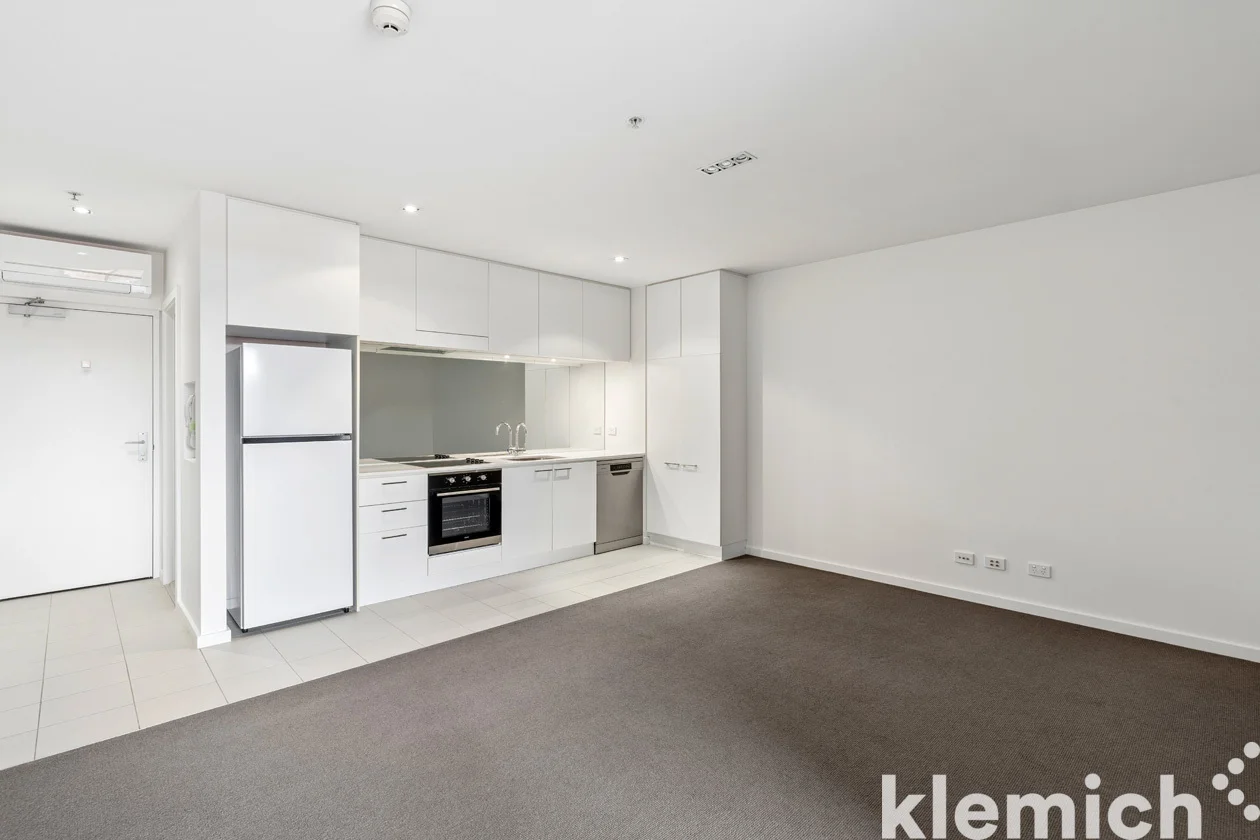 $440,000
Apartment / Unit / Flat
$440,000
Apartment / Unit / Flat
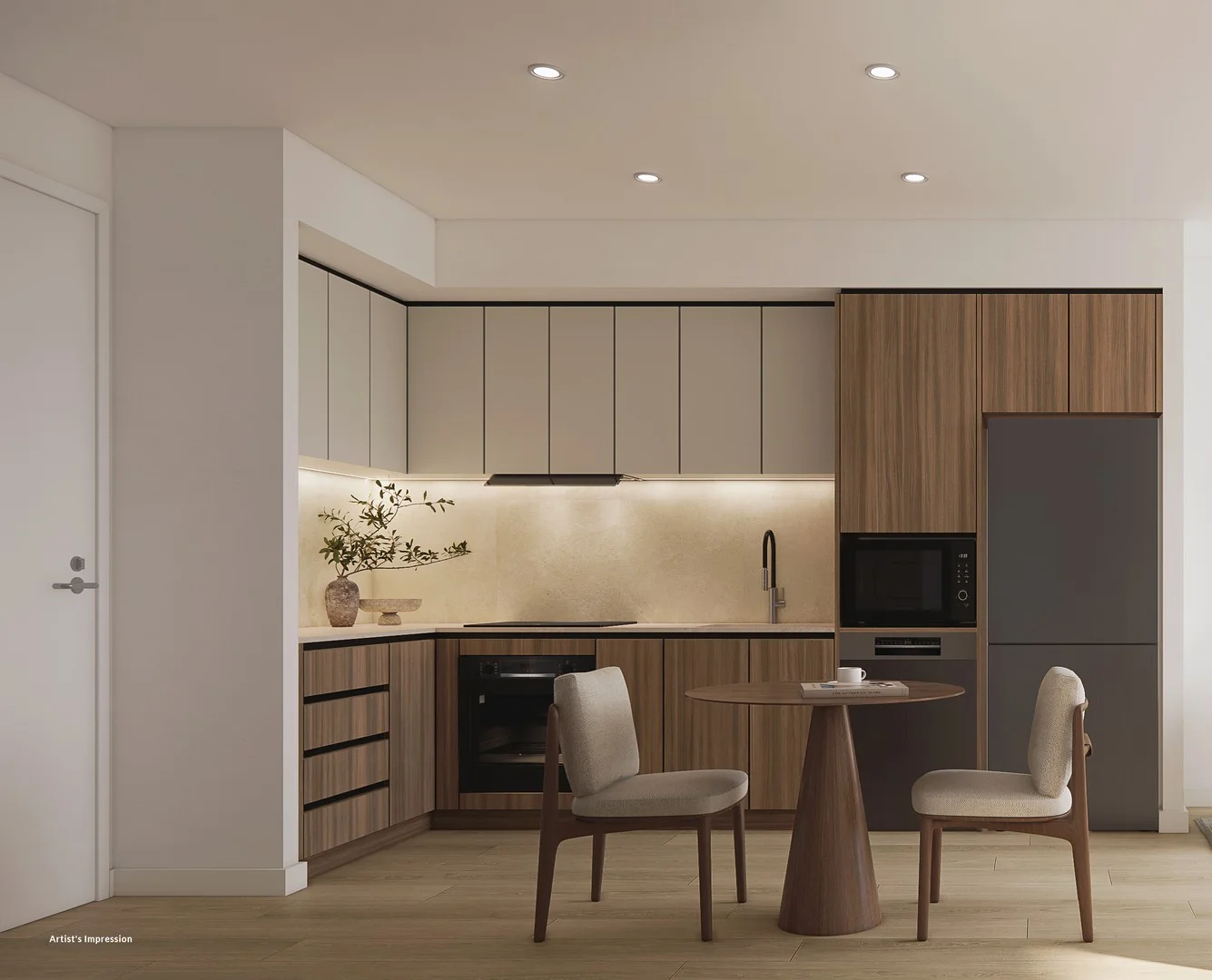 $557,000
Apartment / Unit / Flat
$557,000
Apartment / Unit / Flat
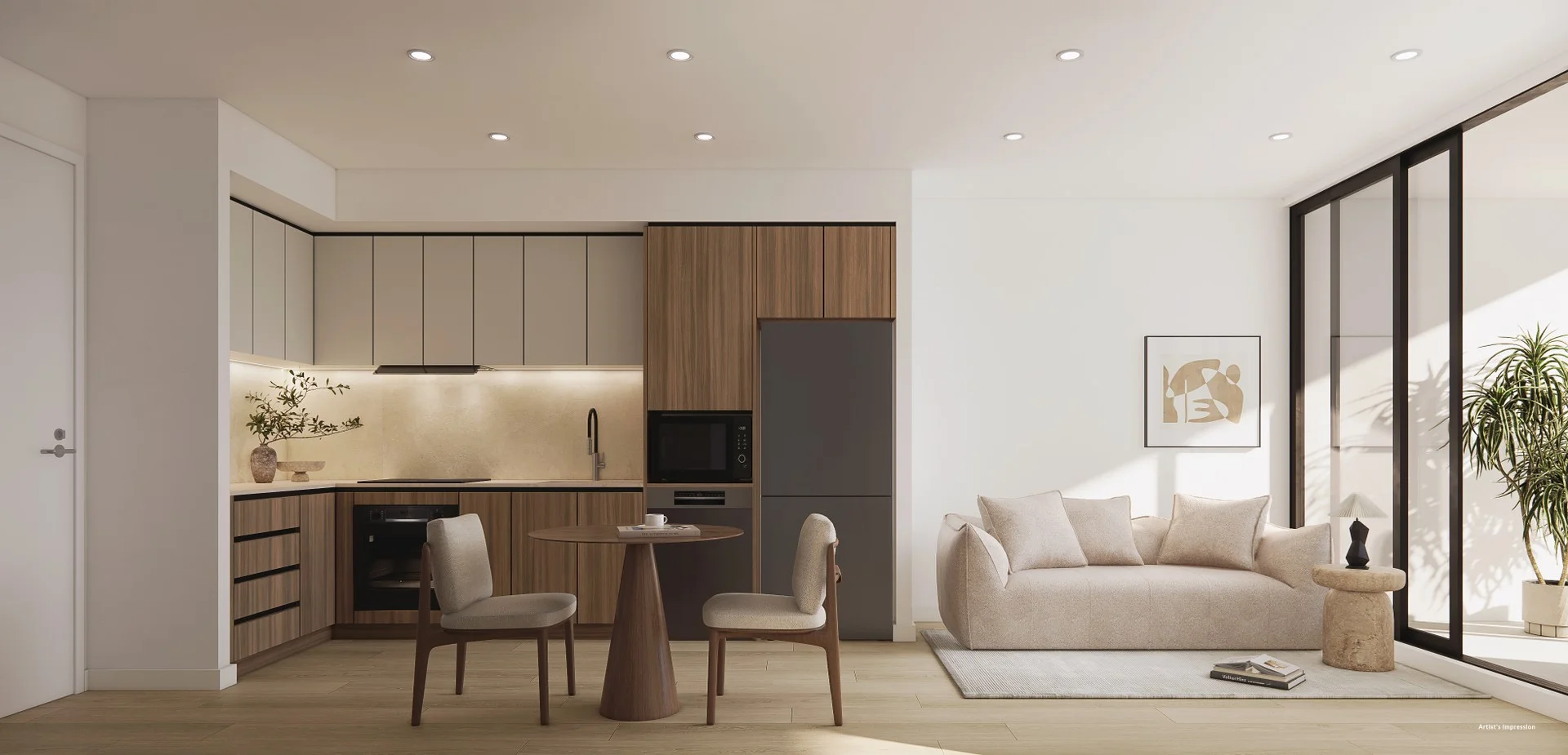 $588,000
Apartment / Unit / Flat
$588,000
Apartment / Unit / Flat
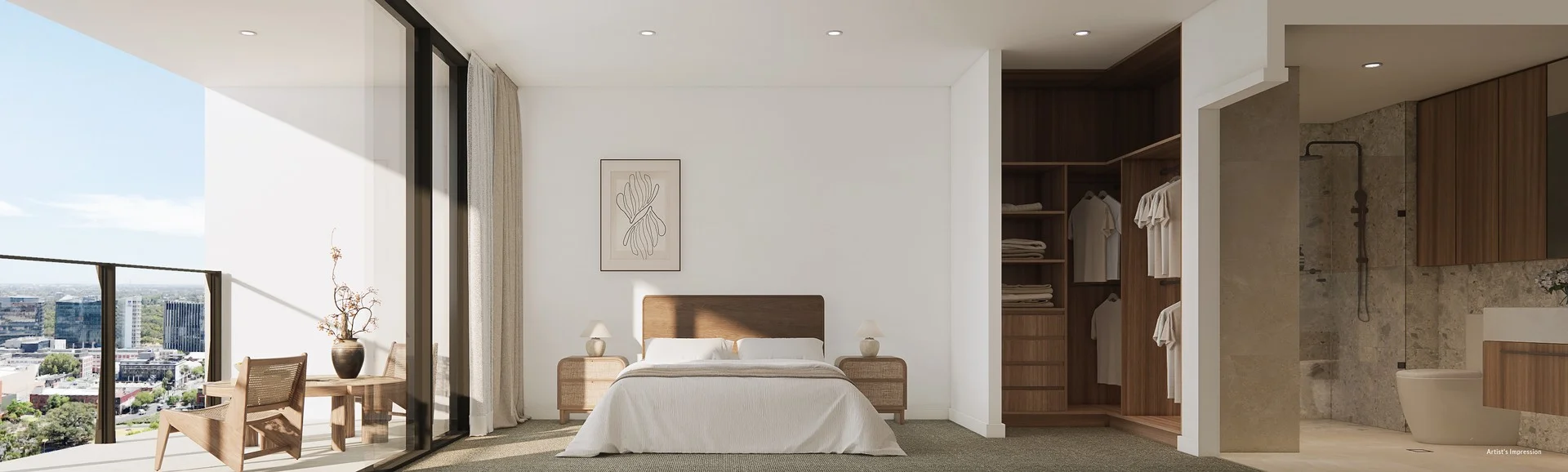 $1,056,000
Apartment / Unit / Flat
$1,056,000
Apartment / Unit / Flat
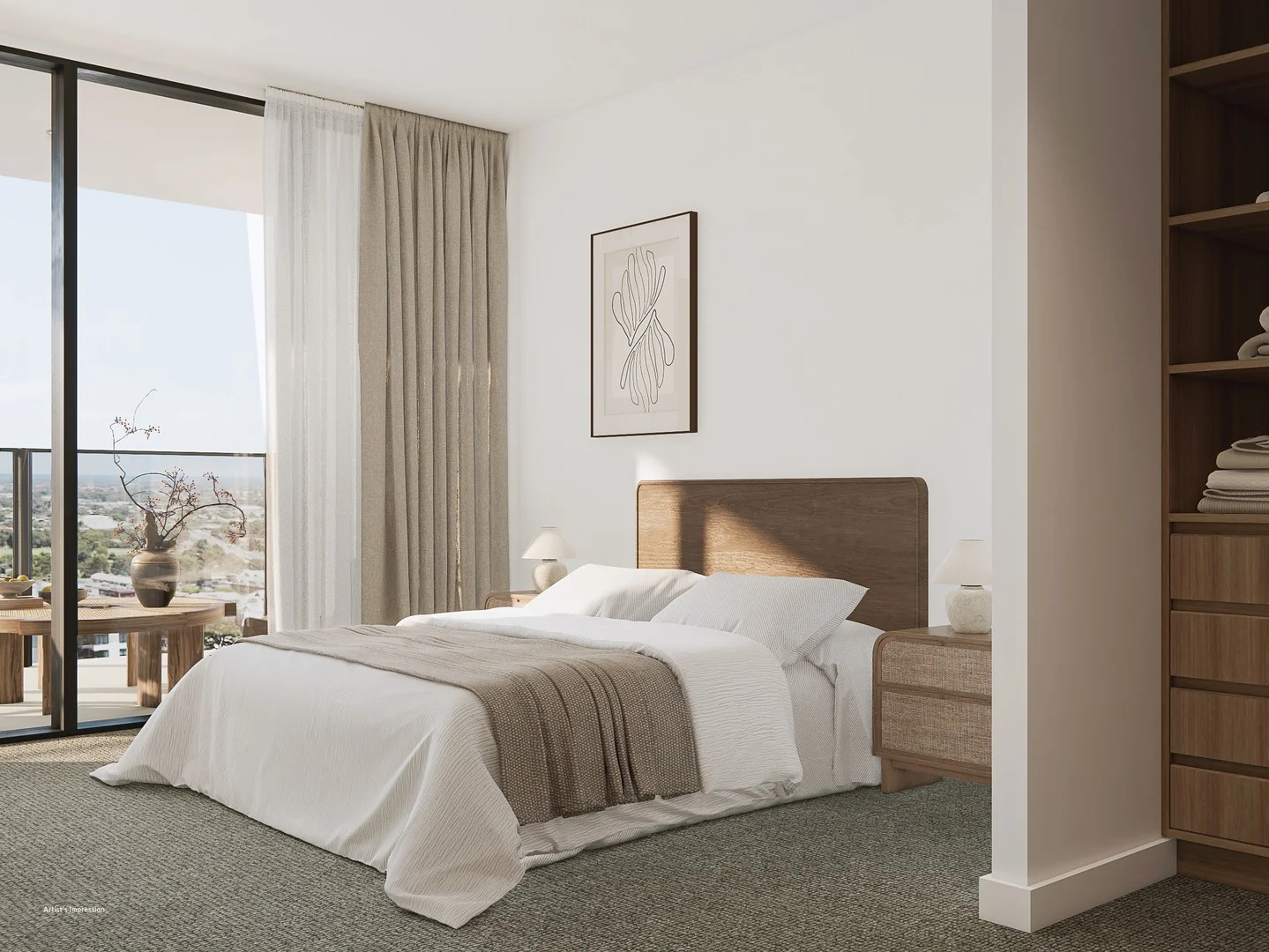 $935,000
Apartment / Unit / Flat
$935,000
Apartment / Unit / Flat
 $775,000
House
$775,000
House
 $545,000
Apartment / Unit / Flat
$545,000
Apartment / Unit / Flat