# 1. Overview (1–2 paragraphs max)
Kidman Park Primary School is a public, co-educational primary school serving students from Reception to Year 7. Located in South Australia, the school focuses on building a welcoming, inclusive community where students engage in a well-rounded education that supports academic growth, creativity, and physical wellbeing. The environment aims to be nurturing and respectful, with a strong emphasis on student voice and community connections.
The school size is medium, with class sizes typically around 20–25 students. This setting encourages individual support within a collaborative, family-like atmosphere where students are encouraged to take ownership of their learning and contribute to a positive school culture.
⸻
# 2. Academics & Learning
- Academic strengths: Strong literacy and numeracy foundations, with STEAM/ DIGITAL TECHNOLOGIES integration and opportunities for project-based learning in other subject areas.
- Special programs: Extension and enrichment opportunities within classrooms; targeted support for students needing extra help; access to reading and maths interventions as needed.
- NAPLAN / trends: Recent years show stable performance with trends generally tracking state averages, with occasional year-to-year improvements in reading and numeracy as part of ongoing school improvement.
- Student-teacher ratios: Class configurations typical of public primary schools, with a focus on maintaining small-to-medium class sizes to support individual attention (roughly around 1:20).
- Support for diverse learners: Services for English as an Additional Language (EAL) learners; extra support for students with learning needs (SEN) and access to targeted interventions as required.
⸻
# 3. Sports & Extracurricular Strengths
- Sports offered: A range of games and physical activities common to primary schools, including athletics, soccer, cricket, netball, and general fitness programs; competitive opportunities through inter-school events.
- Strong teams or achievements: Participation in district and inter-school tournaments and carnivals; opportunities for students to contribute to team success and school pride.
- Music, arts, drama programs: Active music program (including choir or bands where available), performance opportunities in assemblies and shows, and involvement in school theatre or drama activities when scheduled.
- Clubs: Robotics, chess, coding, debating, and other enrichment clubs or programs depending on term offerings and teacher leadership.
- Partnerships: Connections with local community clubs and organizations to support competitions, coaching, and extended learning opportunities.
⸻
# 4. Wellbeing & Pastoral Care
- Anti-bullying approach: Clear anti-bullying policies and reporting pathways; restorative practices and a focus on building positive peer relationships.
- House system: House groups that promote teamwork, leadership, and healthy competition across events and activities.
- Counsellors / wellbeing officers: Access to school wellbeing staff or counsellors to support students’ emotional and social needs; targeted programs for resilience and social skills.
- Transition support for new students: Welcome programs, buddy systems, and orientation activities to help new students settle in smoothly.
⸻
# 5. Facilities
- Sports grounds: Outdoor play and sports spaces to support active learning and physical activity.
- Libraries: School library with age-appropriate resources to support independent reading and research.
- Science labs: Dedicated spaces for science investigations and hands-on learning.
- Music/performing arts centers: Areas or rooms for music and performing arts activities and rehearsals.
- Tech/innovation labs: Makerspaces or ICT-enabled spaces to support digital learning and creative projects.
- Cafeteria: On-site canteen or lunch facilities, with healthy eating options.
- Updated playgrounds: Modern playground equipment and outdoor learning spaces to support physical development and exploration.
⸻
# 6. School Values & Community Culture
- School values / mission: Values commonly emphasised include respect, responsibility, resilience, and inclusion, with a mission to develop confident, curious learners.
- Leadership style: Distributed leadership with opportunities for student voice and leadership roles among staff and students; collaborative planning and problem-solving.
- Behaviour expectations: Clear codes of conduct and positive behaviour support systems aimed at consistency across classrooms and common areas.
- Community reputation: A supportive, active school community with involvement from families and local partners, contributing to a positive reputation locally.
- Diversity & inclusion: Commitment to a welcoming environment that respects diverse backgrounds and supports inclusive practices for all students.
⸻
# 7. School Logistics & Daily Operations
- School hours: Typically a daytime schedule with start around 9:00 am and finish around 3:15 pm, with supervision available earlier in the morning.
- Before/after school care: Before and after school care arrangements are commonly available through approved providers or school-supported programs.
- Uniform requirements: School uniform required, with details provided by the school’s uniform policy.
- Transport (train/bus routes): Access to local bus routes and safe walking/cycling options; zone-based enrolment considerations may affect transport planning.
- Canteen availability: On-site canteen or lunch orders available on certain days.
- Fees (low/medium/high ranges): Public schools in SA do not charge tuition; there may be voluntary contributions and modest costs for activities or uniform purchases.
⸻
# 8. Enrolment & Admissions
11. What is the enrolment process and timeline?
- Check eligibility based on the school’s zone.
- Gather required documents (proof of age, immunisation records, birth certificate, proof of address, current school records if transferring).
- Submit enrolment form by the established deadlines.
- Immunisation status checks and relevant school health requirements.
- Space-availability-based offers; notification timelines vary by year and intake.
12. Is there a waiting list, and how does it work?
- Waiting lists can exist when a year level is full. Priority is typically given to residents within the school’s zone; out-of-zone applications may be considered if space permits.
13. Are there any entry requirements, tests, or interviews?
- Generally, no entrance tests for standard admission. Some programs or out-of-zone applications may involve brief discussions or documentation checks; immunisation requirements apply.
14). Does the school accept mid-year transfers?
- Yes, mid-year transfers are possible if there is available space. Transfer typically requires coordinating with the school administration and providing current school records and health information.
⸻
# 9. Frequently Asked Questions
- Why Parents Choose This School?
- A welcoming, inclusive community with supportive learning environments, strong core academics, and opportunities for student leadership and wellbeing.
- What type of student thrives at this school?
- Students who value collaboration, curiosity, and a balanced focus on academics, sports, arts, and social development.
- What opportunities are available for students to extend their skills (academics, sports, arts)?
- Extension tasks in core subjects, enrichment clubs (robotics, coding, chess, debating), arts and music programs, and inter-school sport opportunities.
- How does the school communicate with parents?
- Regular updates through newsletters, emails, the school website or portal, and scheduled parent meetings. Open channels for feedback and conversations with teachers are encouraged.
- What is the school’s approach to teaching and learning?
- A student-centered, evidence-based approach focusing on literacy and numeracy foundations, with integrated STEAM/technology, project-based learning, and personalized support where needed.
- How does the school support students who need extra academic help?
- Targeted interventions, small-group or one-on-one support, and access to specialist staff for reading, writing, and numeracy.
- What support is available for academic challenges?
- Early identification of difficulties, structured intervention plans, and collaboration with families to monitor progress and adjust strategies.
- How does the school communicate with parents? (duplicate)
- See above: regular updates and open channels for parent engagement.
- What are the class sizes and how much individual attention do students receive?
- Class sizes are typically around 20–25 students, with teachers providing targeted instruction and opportunities for individual feedback during lessons and via small-group work.
- What extracurricular and sports opportunities are available?
- A range of sports and inter-school activities, plus clubs such as robotics, coding, chess, and debating, plus music and arts programs.
- What facilities does the school offer (sports, science, arts)?
- Sports grounds, library, science labs, music/performing arts spaces, tech/innovation labs, a canteen, and updated outdoor play areas.
- What is the school’s approach to technology and digital learning?
- Integration of digital technologies into learning, with access to devices and online learning resources to support inquiry and collaboration.
- What transport and accessibility options are available?
- Local bus routes and safe walking/cycling provisions; supports for families within the school’s catchment and transit areas.
- What are the typical school fees or additional costs?
- There is no tuition for public schooling; families may encounter voluntary contributions and costs for uniforms, activities, or excursions.
⸻
# 10. Short Pros & Cons list
- Pros
- Public, inclusive environment with a strong focus on wellbeing and core academics.
- Medium-sized community supports personalized attention and student Voice.
- Range of enrichment activities (clubs, arts, sports) and opportunities for leadership.
- Cons
- As a medium-sized public school, demand for spaces can vary; mid-year transfers depend on availability.
- Certain specialist programs or activities may rotate by term or year, so opportunities can vary year to year.
- Transport logistics can depend on catchment boundaries and available routes.
⸻








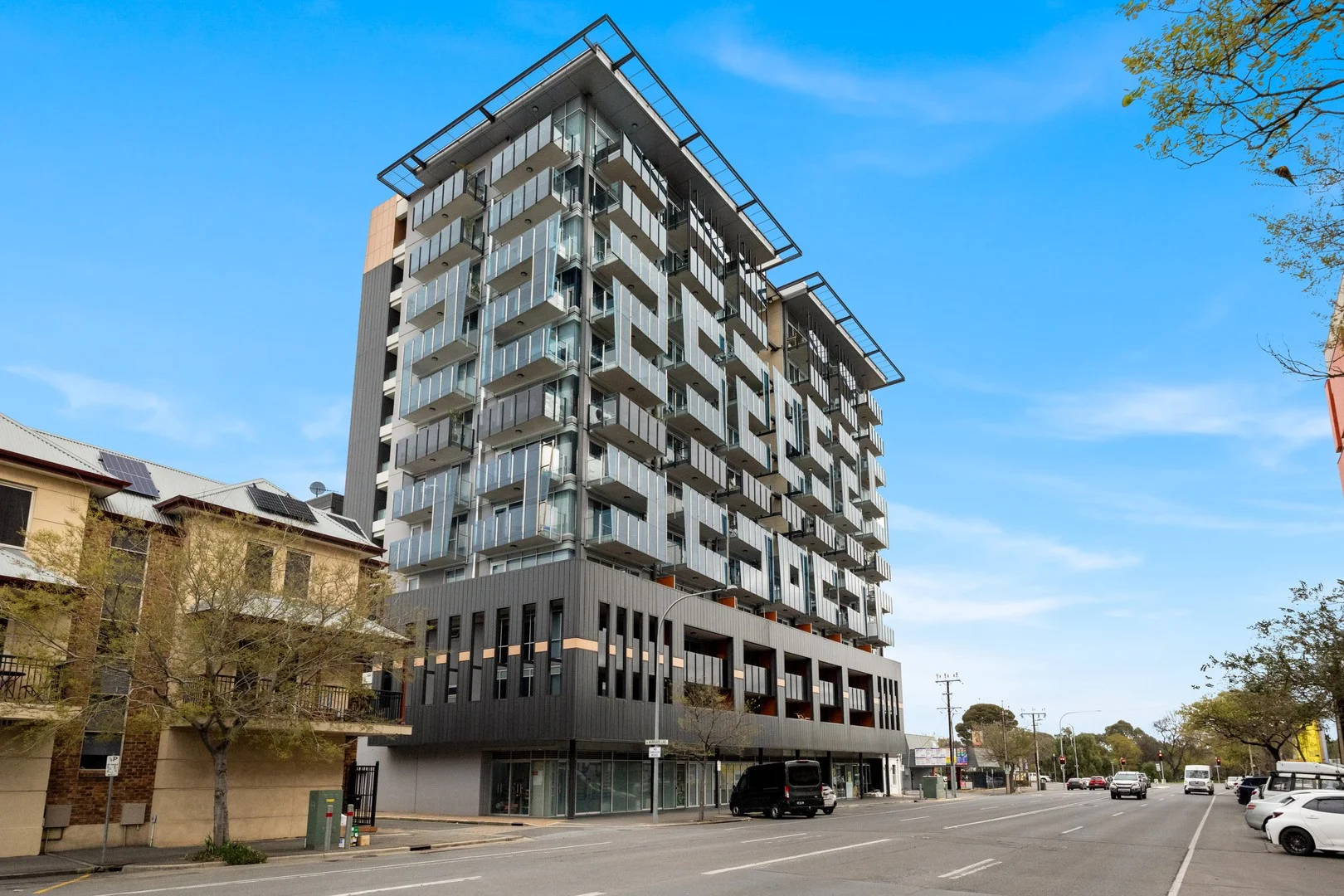 $1,100,000
Apartment / Unit / Flat
$1,100,000
Apartment / Unit / Flat
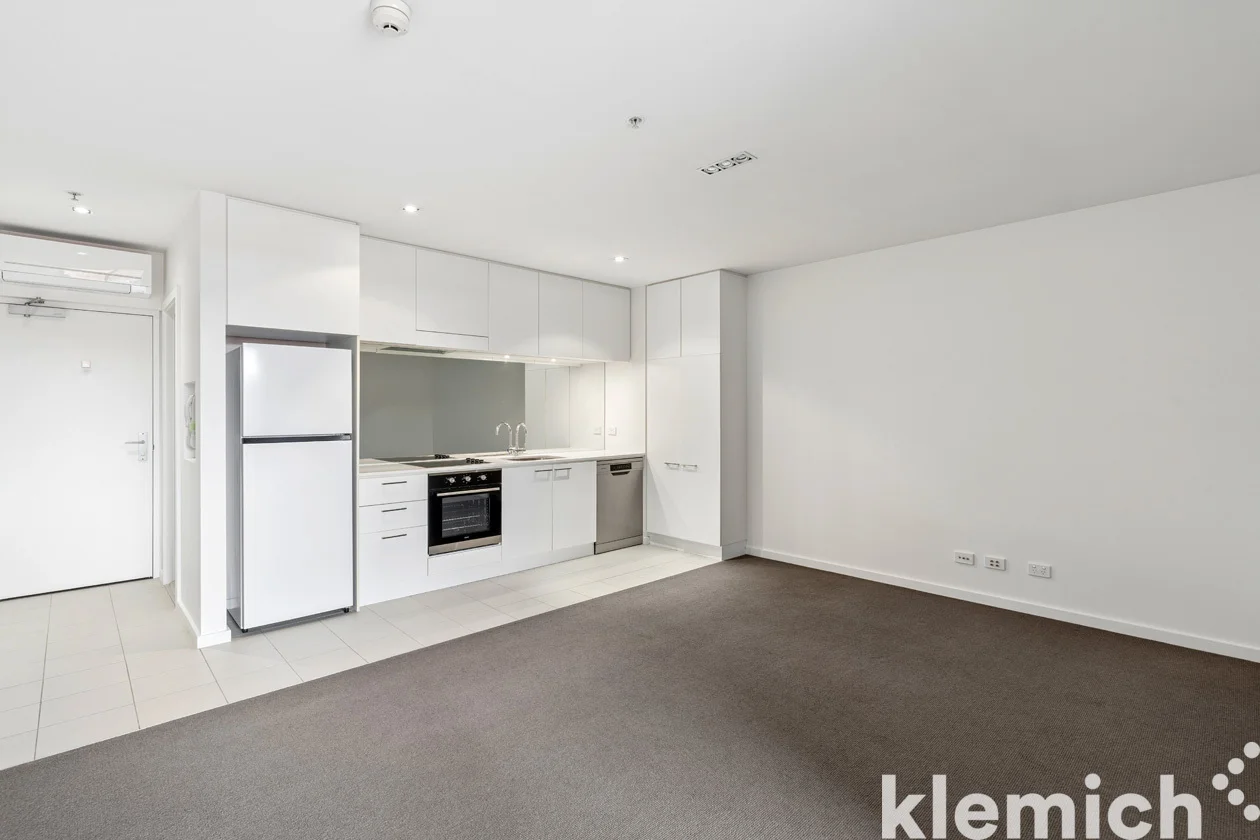 $440,000
Apartment / Unit / Flat
$440,000
Apartment / Unit / Flat
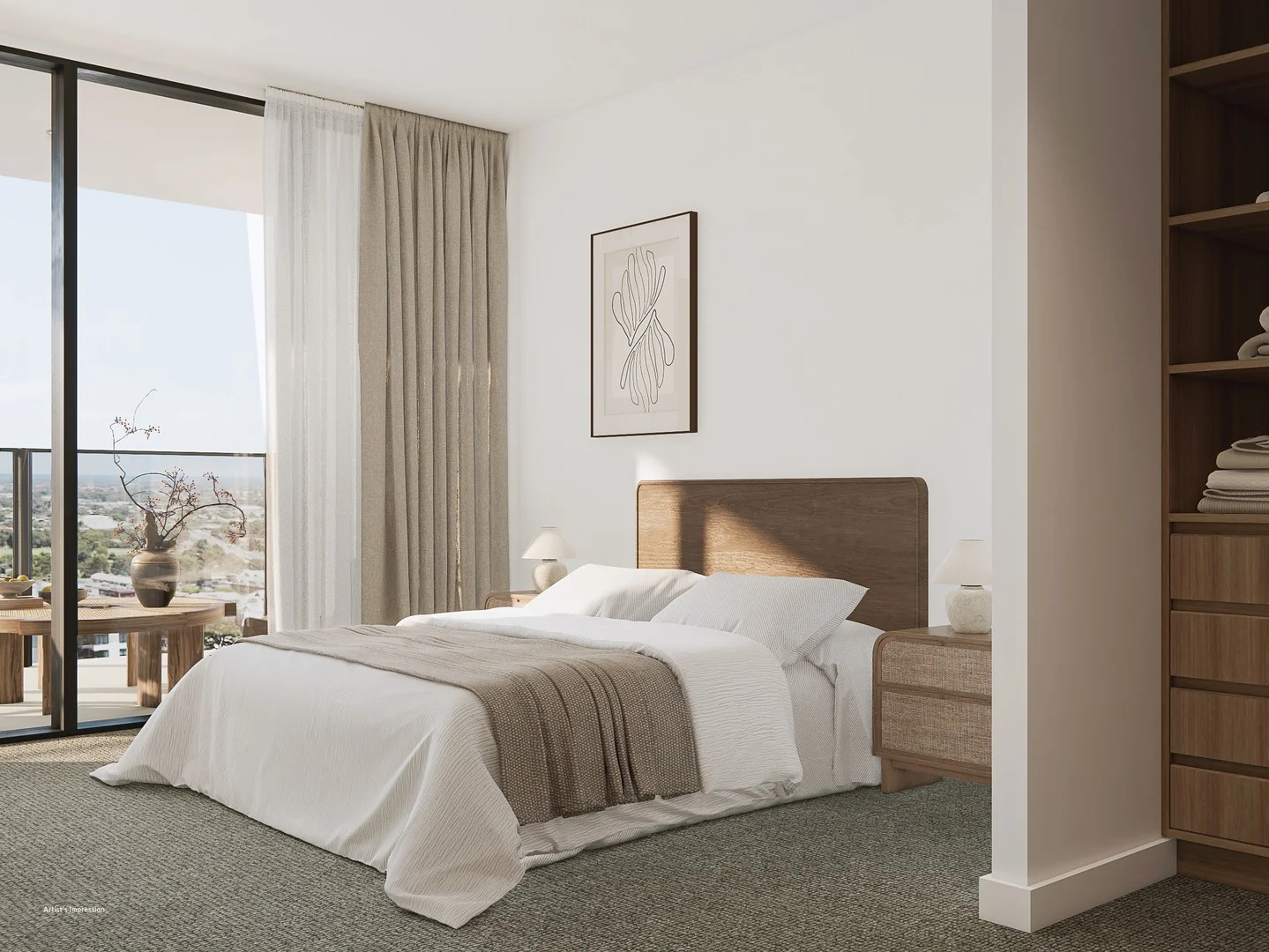 $935,000
Apartment / Unit / Flat
$935,000
Apartment / Unit / Flat
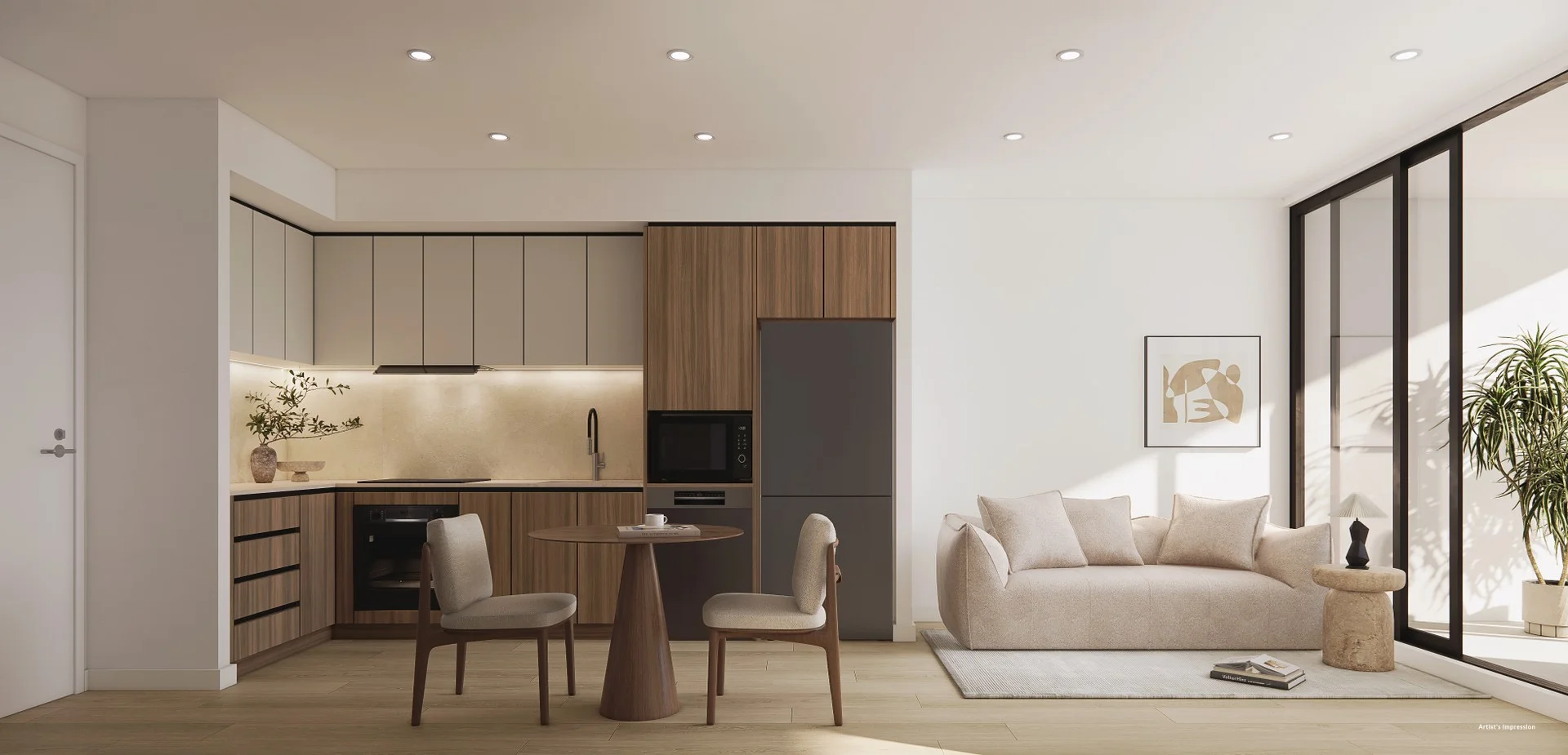 $588,000
Apartment / Unit / Flat
$588,000
Apartment / Unit / Flat
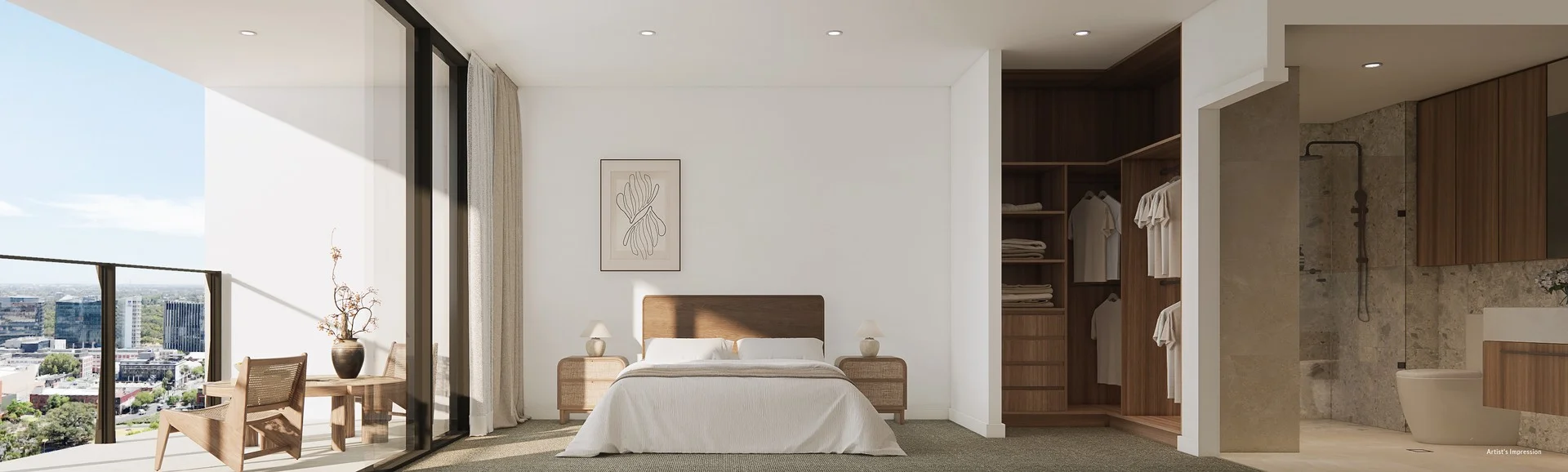 $1,056,000
Apartment / Unit / Flat
$1,056,000
Apartment / Unit / Flat
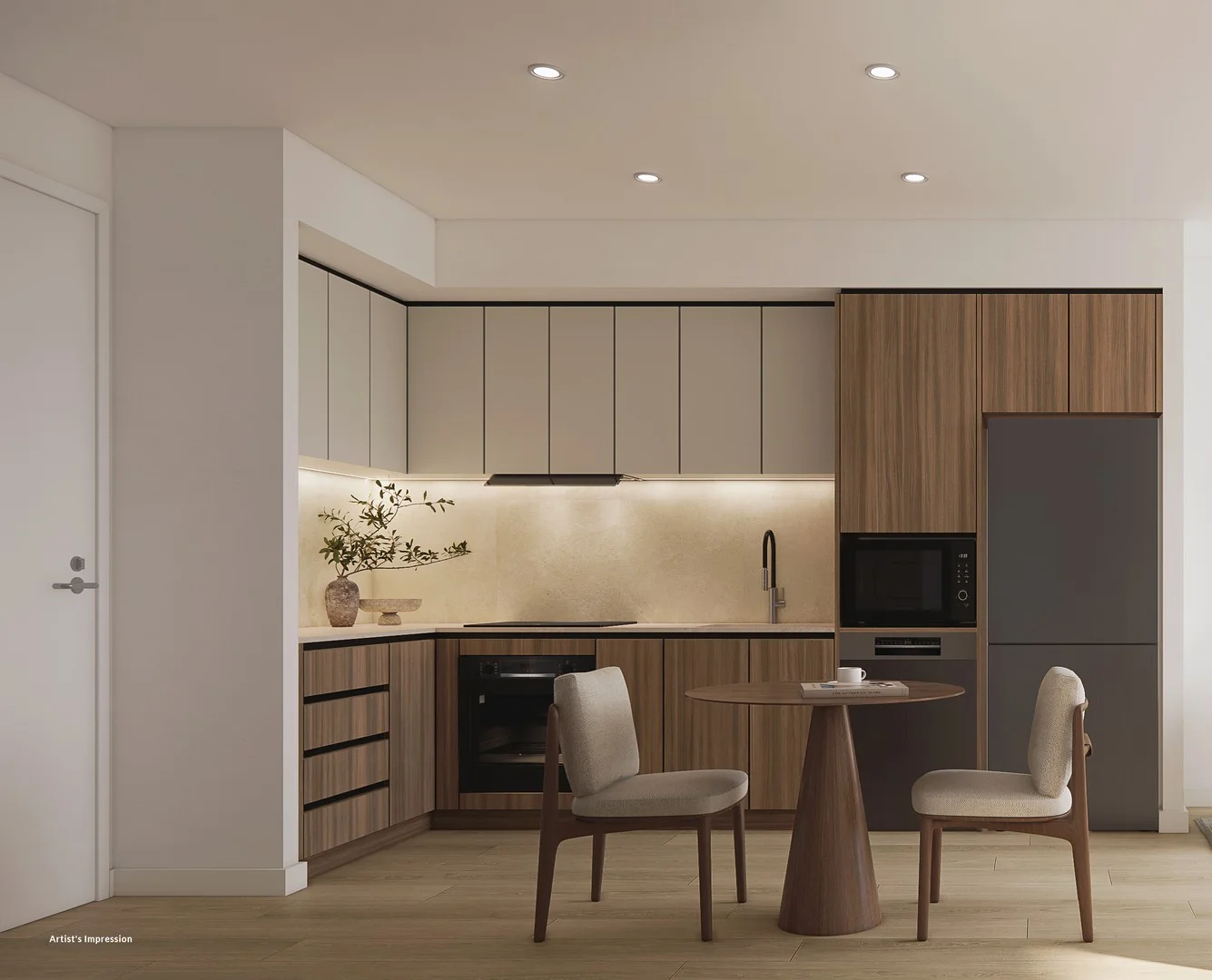 $557,000
Apartment / Unit / Flat
$557,000
Apartment / Unit / Flat
 $775,000
House
$775,000
House
 $545,000
Apartment / Unit / Flat
$545,000
Apartment / Unit / Flat