1. Overview
Henley High School is a public, co-educational high school serving families in Henley Beach and surrounding areas. As a large government secondary school, it offers a broad curriculum designed to support pathways into university, vocational education and training, and employment. The school strives for a balanced environment that supports academics, sport, and the arts, with a focus on student wellbeing and community involvement. Typical class sizes sit in the mid-20s, reflecting a busy but manageable learning environment.
The atmosphere is inclusive and supportive, with a diverse student body and a culture that emphasises belonging, resilience, and participation in a range of school life beyond the classroom.
2. Academics & Learning
- Academic strengths: Strengths commonly highlighted include STEM subjects and English, with opportunities in languages and student leadership pathways. The school supports a broad SACE program to allow multiple post-school routes.
- Special programs: Access to SACE curriculum, vocational/technical education options (VET), and opportunities for extension or accelerated study for eligible students.
- NAPLAN trends: Recent years show stable to improving trends in reading and numeracy relative to state averages, with ongoing focus on lifting achievement across all year levels.
- Student-teacher ratios: Typical ratios are in the mid-teens to low-twenties, varying by subject and year level, with targeted support available where needed.
- Support for diverse learners: Strong framework for EAL and SEN support, with inclusive education practices and dedicated staff to assist diverse learning needs.
3. Sports & Extracurricular Strengths
- Sports offered: A broad program including basketball, football (soccer), cricket, netball, athletics, tennis, swimming and other school-based teams.
- Strong teams or achievements: Competitive school teams with representative opportunities; occasional state-level or inter-school achievements in various sports.
- Music, arts, drama programs: Active music ensembles, choir, performing arts productions, and drama opportunities.
- Clubs: Robotics, chess, coding, debating, science and mathematics clubs, and other interest groups.
- Partnerships: Connections with local clubs, training providers, and inter-school competitions to broaden opportunities beyond the classroom.
4. Wellbeing & Pastoral Care
- Anti-bullying approach: Clear anti-bullying policies with wellbeing supports and a positive behaviour framework to promote respectful interactions.
- House system: House groups contribute to belonging, organisation, and school-wide events and competitions.
- Counsellors / wellbeing officers: On-site counselling and wellbeing staff are available to support students’ emotional and social needs.
- Transition support for new students: Induction programs, orientation activities, and buddy systems help new students settle in smoothly.
5. Facilities
- Sports grounds
- Libraries
- Science labs
- Music/performing arts centres
- Tech/innovation labs
- Cafeteria
- Updated playgrounds
6. School Values & Community Culture
- School values / mission: A focus on respect, inclusion, excellence, and community involvement.
- Leadership style: Collaborative and student-centred with opportunities for student voices in decision-making and school life.
- Behaviour expectations: Clear behavioural codes emphasising responsibility, respect, and integrity.
- Community reputation: Viewed positively within the local community for a balanced approach to academics, wellbeing, and activities.
- Diversity & inclusion: Active commitment to diversity and inclusive practices across all year levels.
7. School Logistics & Daily Operations
- School hours: Typically a start around 8:30 am and a finish in the mid-afternoon, with breaks between classes.
- Before/after school care: OSHC (out-of-school-hours care) options are available through on-site or affiliated providers.
- Uniform requirements: School uniform required; details provided during enrolment and orientation.
- Transport (train/bus routes): Public transport connections via bus routes and nearby transit options; information on route planning provided by the school or local transport authorities.
- Canteen availability: On-site canteen or tuck shop options available for snacks and meals.
- Fees (low/medium/high ranges): As a public school, core fees are moderate; some activities, trips, or materials may incur additional costs.
8. Enrolment & Admissions
11. What is the enrolment process and timeline?
- Applications are typically processed through the South Australian Department for Education with local intake considerations. Families usually begin by submitting required documentation during the agreed enrolment period, with confirmation of placement following standard timelines set by the school and education department.
12. Is there a waiting list, and how does it work?
- Waiting lists can occur if enrolment demand exceeds vacancies. Priority is usually given to students within the local intake area, with other considerations determined by the school.
13. Are there any entry requirements, tests, or interviews?
- For public high schools, entry is generally based on local eligibility and residency, not entrance tests. Interviews are not routinely required, though information sessions or preliminary discussions may occur for transition or dedicated programs.
14. Does the school accept mid-year transfers?
- Mid-year transfers are possible if vacancies exist; families should contact the school to discuss space and placement requirements.
9. Frequently Asked Questions
- Why Parents Choose This School?
- A balanced emphasis on academics, wellbeing, and extracurriculars; inclusive culture; solid facilities and community reputation.
- What type of student thrives at this school?
- Students who value a broad program, participate in activities, and engage with both academics and school life.
- What opportunities are available for students to extend their skills (academics, sports, arts)?
- A range of extension and enrichment options across STEM, English, languages, leadership, arts, and sports; clubs such as robotics, debating, coding, and more.
- How does the school communicate with parents?
- Through newsletters, emails, parent portals, information evenings, and school social channels.
- What is the school’s approach to teaching and learning?
- Student-centred, curriculum-aligned teaching with opportunities for hands-on learning, collaboration, and inquiry within the SACE framework.
- How does the school support students who need extra academic help?
- Targeted learning support, EAL and SEN services, and access to tutoring or intervention programs as needed.
- What support is available for academic challenges?
- On-site counsellors and learning support staff, plus structured interventions and classroom accommodations.
- What are the class sizes and how much individual attention do students receive?
- Class sizes are generally in the mid-20s, with teacher feedback and targeted support available for students needing extra attention.
- What extracurricular and sports opportunities are available?
- A wide range of sports and clubs, including robotics, chess, coding, debating, arts, and music programs.
- What facilities does the school offer (sports, science, arts)?
- Sports grounds, libraries, science labs, music/performing arts facilities, tech/innovation labs, and a canteen.
- What is the school’s approach to technology and digital learning?
- Emphasis on digital learning and ICT integration within the curriculum, with appropriate devices and resources for students.
- What transport and accessibility options are available?
- Public transport access via bus routes and nearby services; facilities designed to be accessible for students with diverse needs.
- What are typical school fees or additional costs?
- Core education is funded publicly; some activities, trips, or materials may incur additional costs, which families can plan for.
10. Short Pros & Cons list
Pros
- Inclusive, supportive school culture with strong wellbeing focus
- Broad range of academic, sports, and arts programs
- Good facilities across science, arts, and technology
- Active clubs and pathways to leadership, VET, and enrichment
- Strong community engagement and local reputation
Cons
- Large school can mean busy campuses and variable class environments
- Some elective trips or activities may involve additional costs
- Mid-year transfers depend on space; not always guaranteed
- Commute or transport planning needed for families outside core catchment
If you’d like, I can tailor any section to emphasise specific programs or recent developments at Henley High School, once you share any updates from the school or the education department.








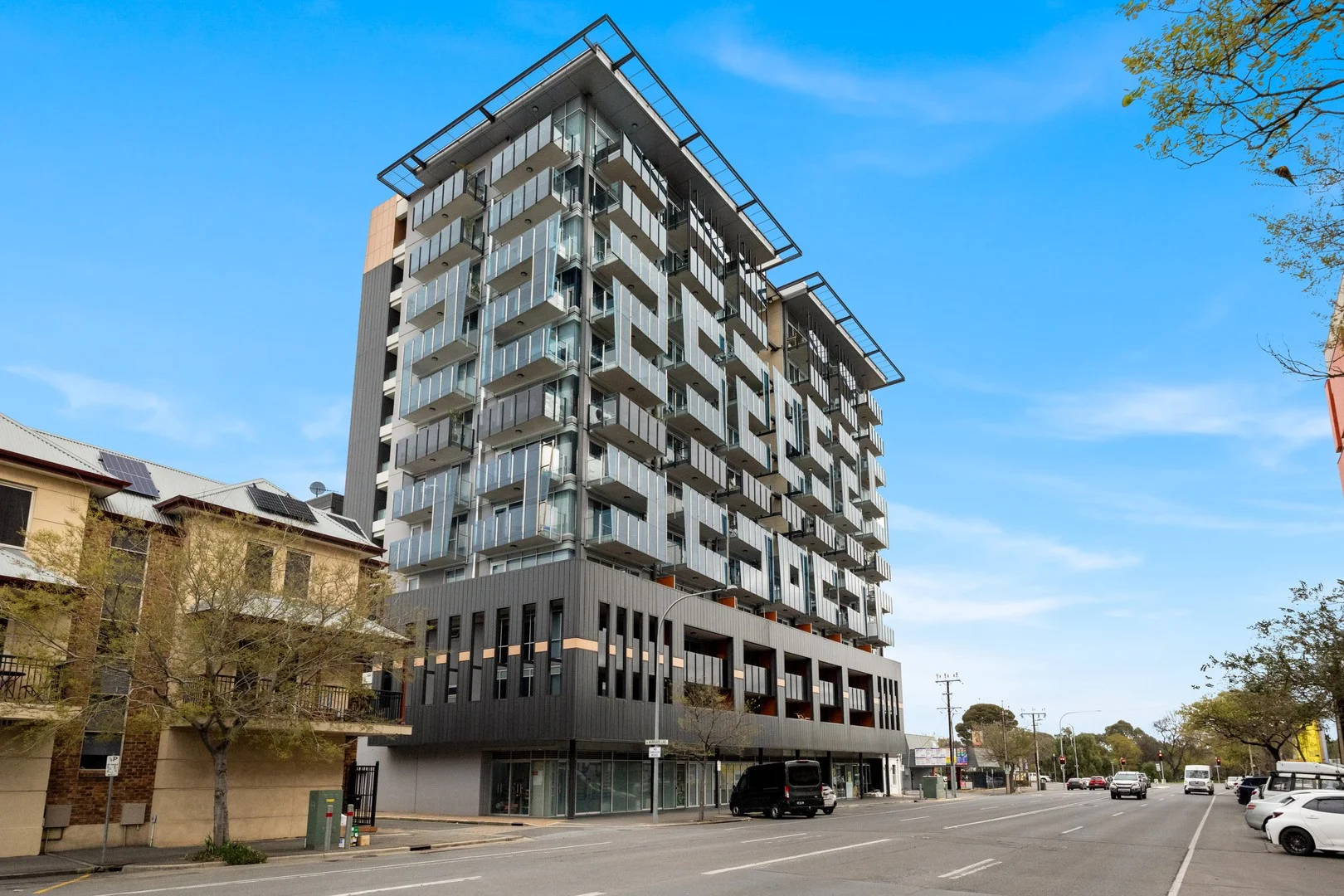 $1,100,000
Apartment / Unit / Flat
$1,100,000
Apartment / Unit / Flat
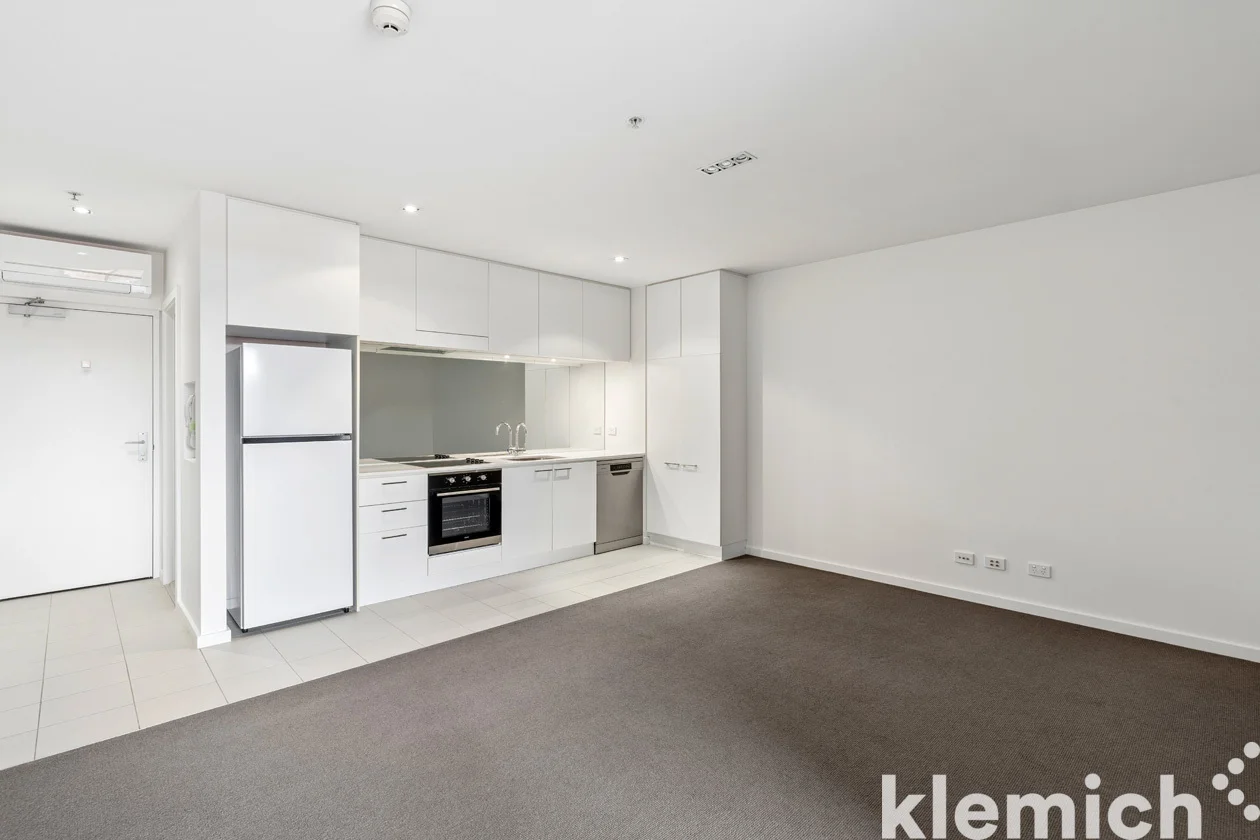 $440,000
Apartment / Unit / Flat
$440,000
Apartment / Unit / Flat
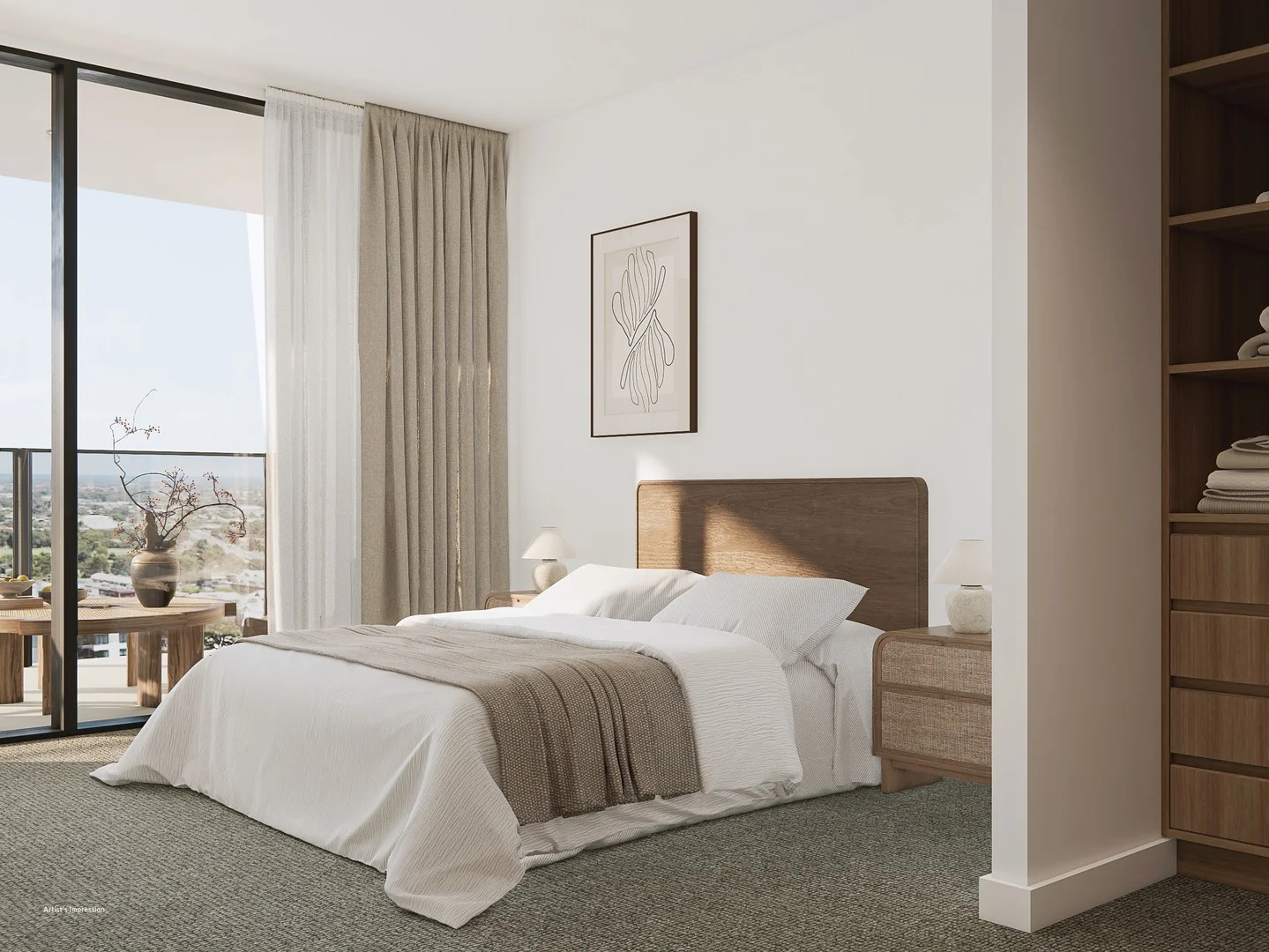 $935,000
Apartment / Unit / Flat
$935,000
Apartment / Unit / Flat
 $588,000
Apartment / Unit / Flat
$588,000
Apartment / Unit / Flat
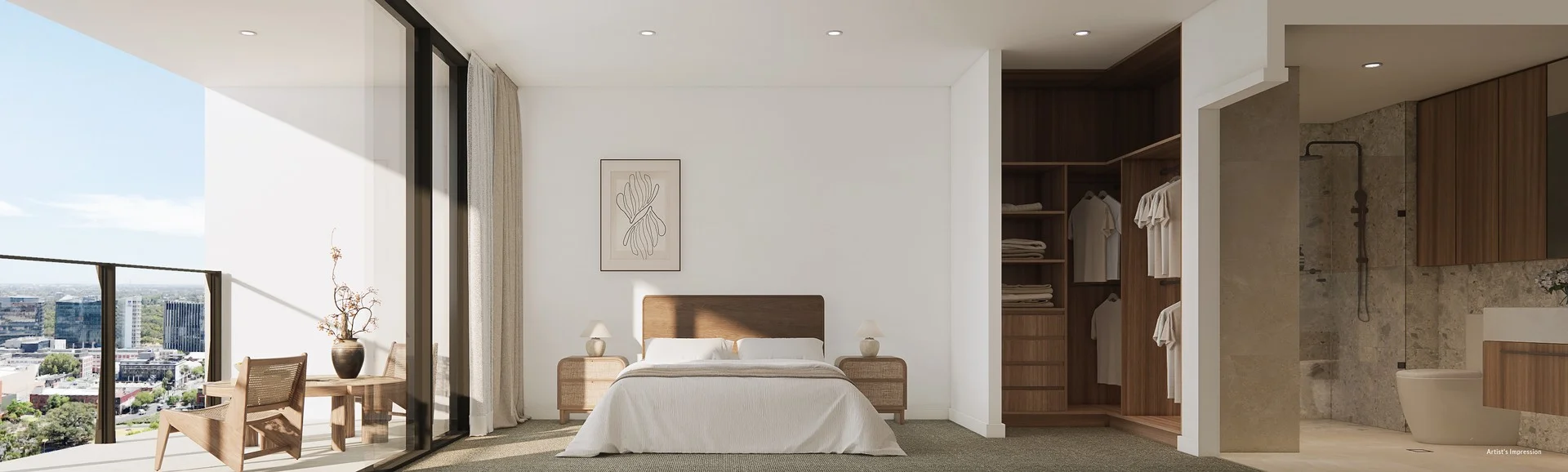 $1,056,000
Apartment / Unit / Flat
$1,056,000
Apartment / Unit / Flat
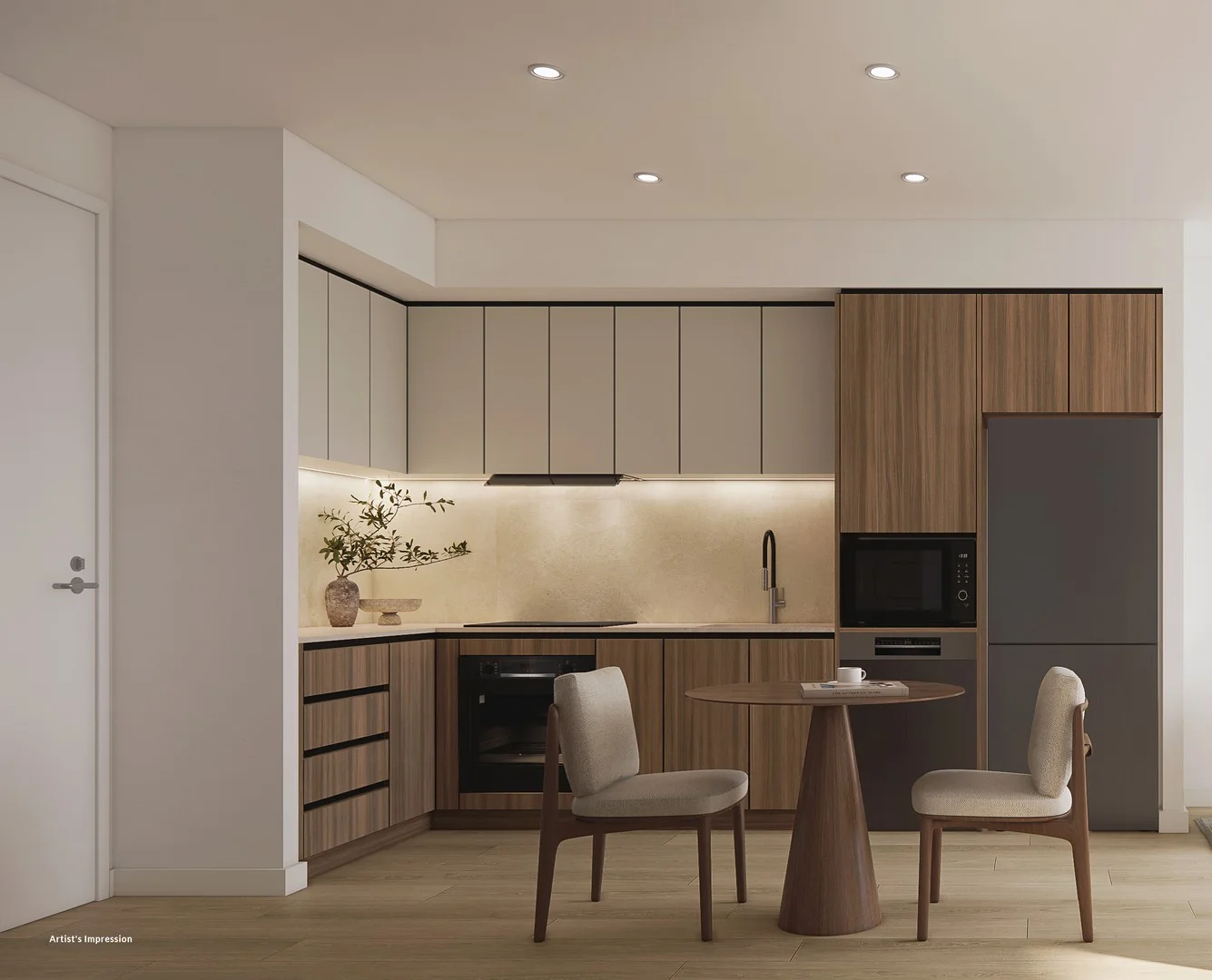 $557,000
Apartment / Unit / Flat
$557,000
Apartment / Unit / Flat
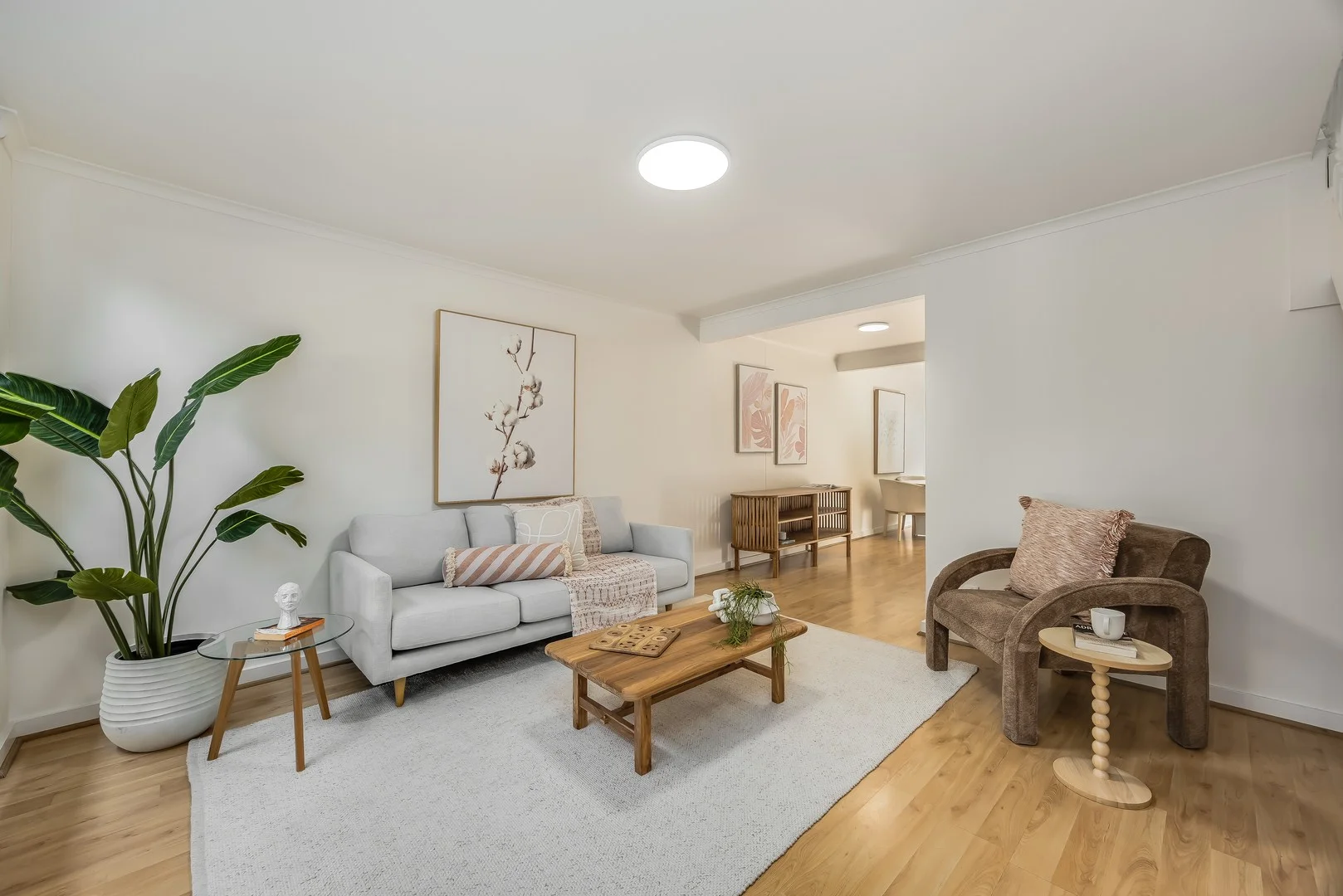 $775,000
House
$775,000
House
 $545,000
Apartment / Unit / Flat
$545,000
Apartment / Unit / Flat