Overview
Geelong Grammar School is a private, independent school in Victoria offering a co-educational K–12 program. It is known for a broad, rigorous curriculum and extensive facilities that support a wide range of interests beyond the classroom. The school generally caters to a large student body with multiple campus settings that promote a cohesive yet diverse community culture. Class sizes are mid-range, designed to balance individualized attention with the benefits of collaborative learning. The atmosphere emphasises academic achievement alongside inclusivity, sports, creative arts, and personal development.
Academics & Learning
- Academic strengths: strong emphasis on both STEM and humanities, with opportunities to develop leadership and language skills through a comprehensive curriculum.
- Special programs: enrichment and acceleration options for motivated students; leadership programs and pathways designed to extend high-achieving learners.
- Support for diverse learners: dedicated support for English as an Additional Language (EAL) learners and students with additional learning needs (SEN), including targeted tutoring and accommodations where appropriate.
- Sports offered: broad program across major team and individual sports suitable for a wide range of interests and abilities (e.g., ball sports, athletics, swimming, and more).
- Strong teams or achievements: competitive participation in interschool events with notable achievements across various disciplines.
- Music, arts, drama programs: robust programs including ensembles, choirs, drama productions, and arts scholarships or showcases.
- Clubs: active robotics, chess, coding, debating, and other academically or creatively focused clubs.
- Partnerships: connections with local academies, clubs, and regional competitions to broaden competitive opportunities and exposure to external events.
Wellbeing & Pastoral Care
- Anti-bullying approach: clear policies and programs focused on a safe, respectful environment for all students.
- House system: a traditional house-based structure supporting pastoral care, belonging, and friendly competition.
- Counsellors / wellbeing officers: access to school counselors and wellbeing staff to support mental health, resilience, and personal development.
- Transition support for new students: formal orientation programs, buddy systems, and ongoing support to help students settle in smoothly.
Facilities
- Sports grounds: extensive outdoor spaces to support team sport and physical education.
- Libraries: well-resourced libraries with study spaces and digital resources.
- Science labs: modern laboratories for hands-on experiments across disciplines.
- Music/performing arts centers: dedicated spaces for music ensembles, drama, and performances.
- Tech/innovation labs: facilities for coding, robotics, and STEM projects.
- Cafeteria: on-site dining options and canteen services.
- Updated playgrounds: modern outdoor play and recreation areas for younger students.
- Values / mission: emphasis on excellence, integrity, respect, service, and personal growth within an Anglican-inspired ethos.
- Leadership style: distributed leadership with active student leadership opportunities and staff mentorship.
- Behaviour expectations: clear codes of conduct and positive behaviour supports embedded in daily school life.
- Community reputation: long-standing, supportive community reputation with strong parent and alumni engagement.
- Diversity & inclusion: commitment to creating an inclusive environment that welcomes students from varied backgrounds and abilities.
School Logistics & Daily Operations
- School hours: typically structured school days with start and finish times consistent across year levels.
- Before/after school care: available options to support families with early drop-offs or late pick-ups.
- Uniform requirements: formal uniform policy applicable across year levels.
- Transport: access to regional bus routes and public transport options; school collaborates with families on travel needs.
- Canteen availability: on-site canteen or dining services for students.
- Fees: positioned in the higher range for private independent schools, reflecting the breadth of facilities and programs offered.
Enrolment & Admissions
- What is the enrolment process and timeline?
- Open enrollment processes typically begin with submitting an expression of interest, followed by information sessions or interviews, and reception of a formal application. Timelines vary by intake year and availability.
- Is there a waiting list, and how does it work?
- Waiting lists are possible when spaces are limited. Applicants may be placed on a waiting list and offered a place as vacancies arise, often prioritized by date of expression of interest and eligibility criteria.
- Are there any entry requirements, tests, or interviews?
- Entry usually involves an application, academic records review, and an interview or assessment to understand fit with the program and pastoral needs. For certain year groups or pathways, there may be additional assessments or checks.
- Does the school accept mid-year transfers?
- Mid-year transfers may be considered depending on space and readiness of the student to integrate into the year group’s program and timetable.
Frequently Asked Questions
- Why Parents Choose This School?
- The school combines strong academics with a supportive community, broad extracurriculars, and a values-driven environment that supports long-term student development.
- What type of student thrives at this school?
- Motivated, curious, and collaborative learners who value both academic rigour and participation in sport, arts, and community life.
- What opportunities are available for students to extend their skills (academics, sports, arts)?
- Enrichment programs, advanced coursework, leadership roles, competitive sports, performing arts ensembles, and dedicated clubs across STEM, arts, and humanities.
- How does the school communicate with parents?
- Regular updates through newsletters, parent portals, email communications, and scheduled meetings or information evenings.
- What is the school’s approach to teaching and learning?
- A balanced approach that emphasises academic excellence, critical thinking, and practical application, with support for diverse learners and opportunities for leadership.
- How does the school support students who need extra academic help?
- Targeted tutoring, EAL and SEN support, and differentiated learning plans coordinated by teaching staff and support teams.
- What support is available for academic challenges?
- Access to teachers, counselors, and learning support staff; specialized programs to address gaps and accelerate progress.
- What extracurricular and sports opportunities are available?
- A wide range of sports, music and drama programs, and clubs such as robotics, chess, coding, and debating.
- What facilities does the school offer (sports, science, arts)?
- Comprehensive facilities including sports grounds, libraries, science labs, performing arts spaces, and technology/innovation labs.
- What is the school’s approach to technology and digital learning?
- Integrated technology in learning with access to digital resources, coding and STEM programs, and opportunities to develop digital literacy.
- What transport and accessibility options are available?
- Regional bus routes and transport options; school supports families in coordinating travel and access.
- What are the typical school fees or additional costs?
- Fees are in the high range for private independent schools, reflecting the breadth of programs, facilities, and services offered.
Short Pros & Cons list
- Private, independent school with a broad K–12 program and extensive facilities.
- Balanced emphasis on academics, arts, sports, and wellbeing.
- Strong support for diverse learners and a comprehensive wellbeing framework.
- Wide range of extracurriculars and clubs; active student leadership opportunities.
- Established community with long-standing reputation and parent engagement.
- Higher fee structure typical of private independent schools.
- Large school environment may require adjustment for some families seeking a smaller community.
- Competitive culture in some programs may feel intense for certain students.
- Admission can be competitive with potential waiting times for limited spaces.







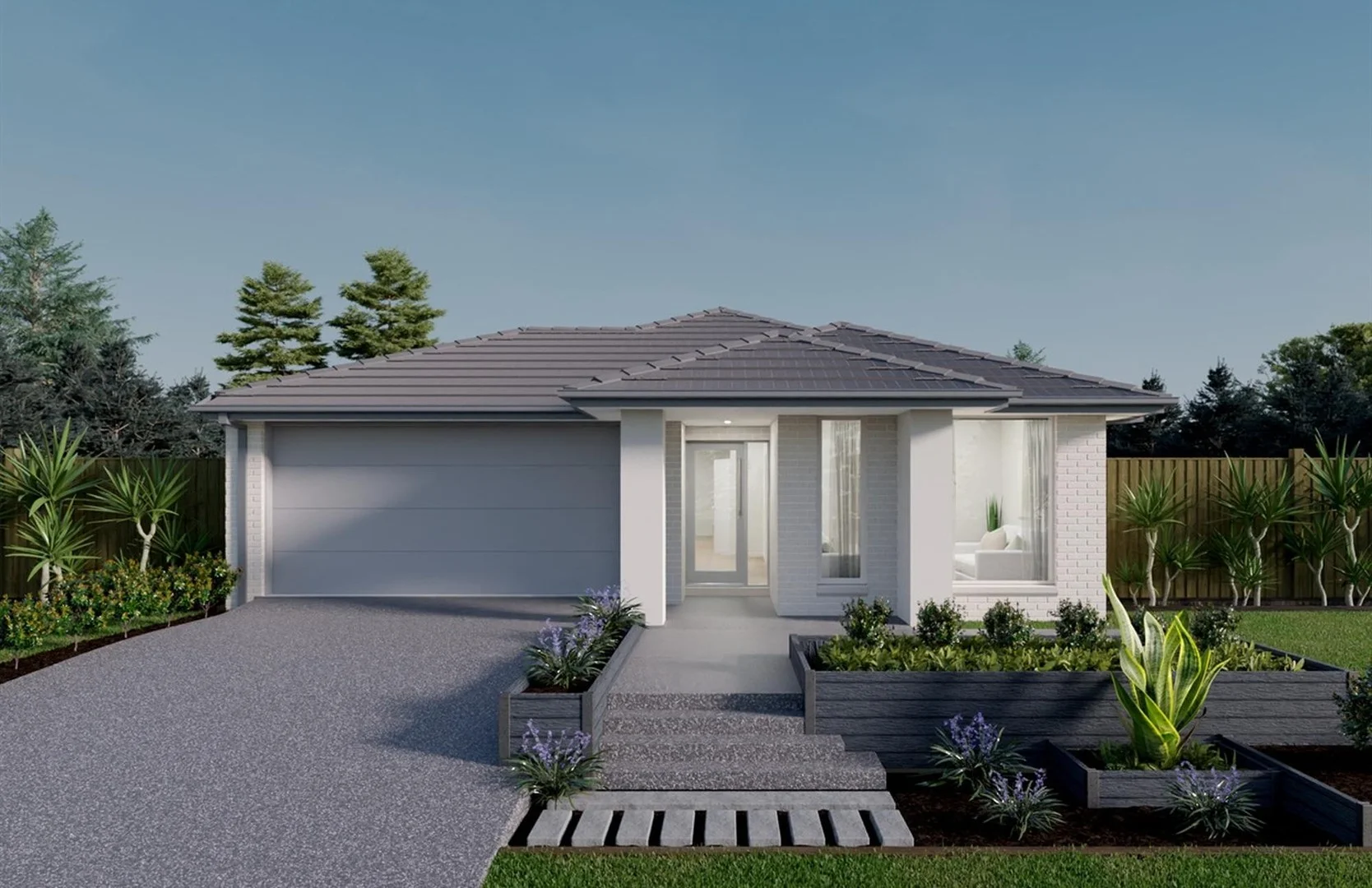 $636,200
propertyType.NEW HOUSE & LAND
$636,200
propertyType.NEW HOUSE & LAND
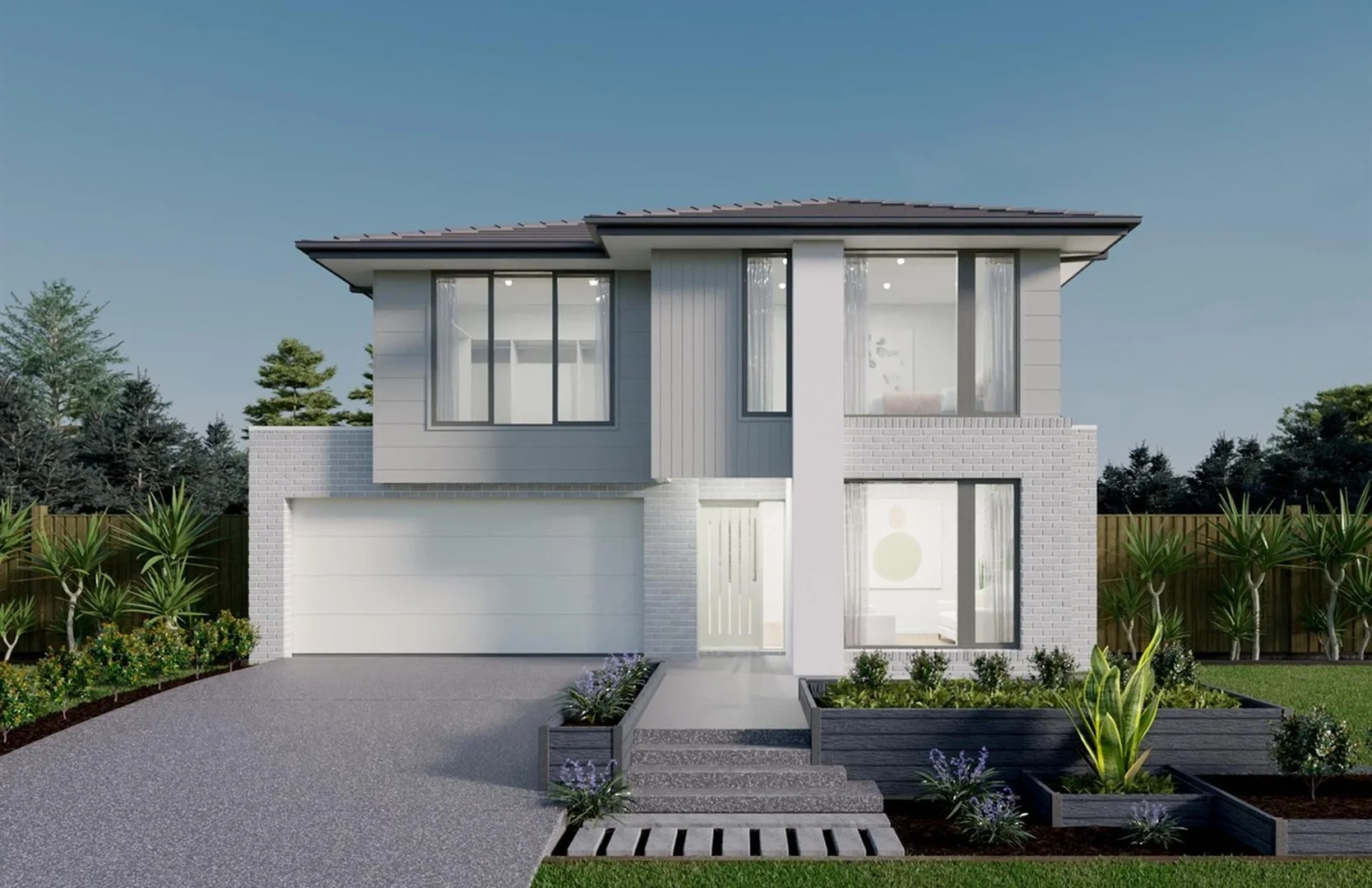 $871,100
propertyType.NEW HOUSE & LAND
$871,100
propertyType.NEW HOUSE & LAND
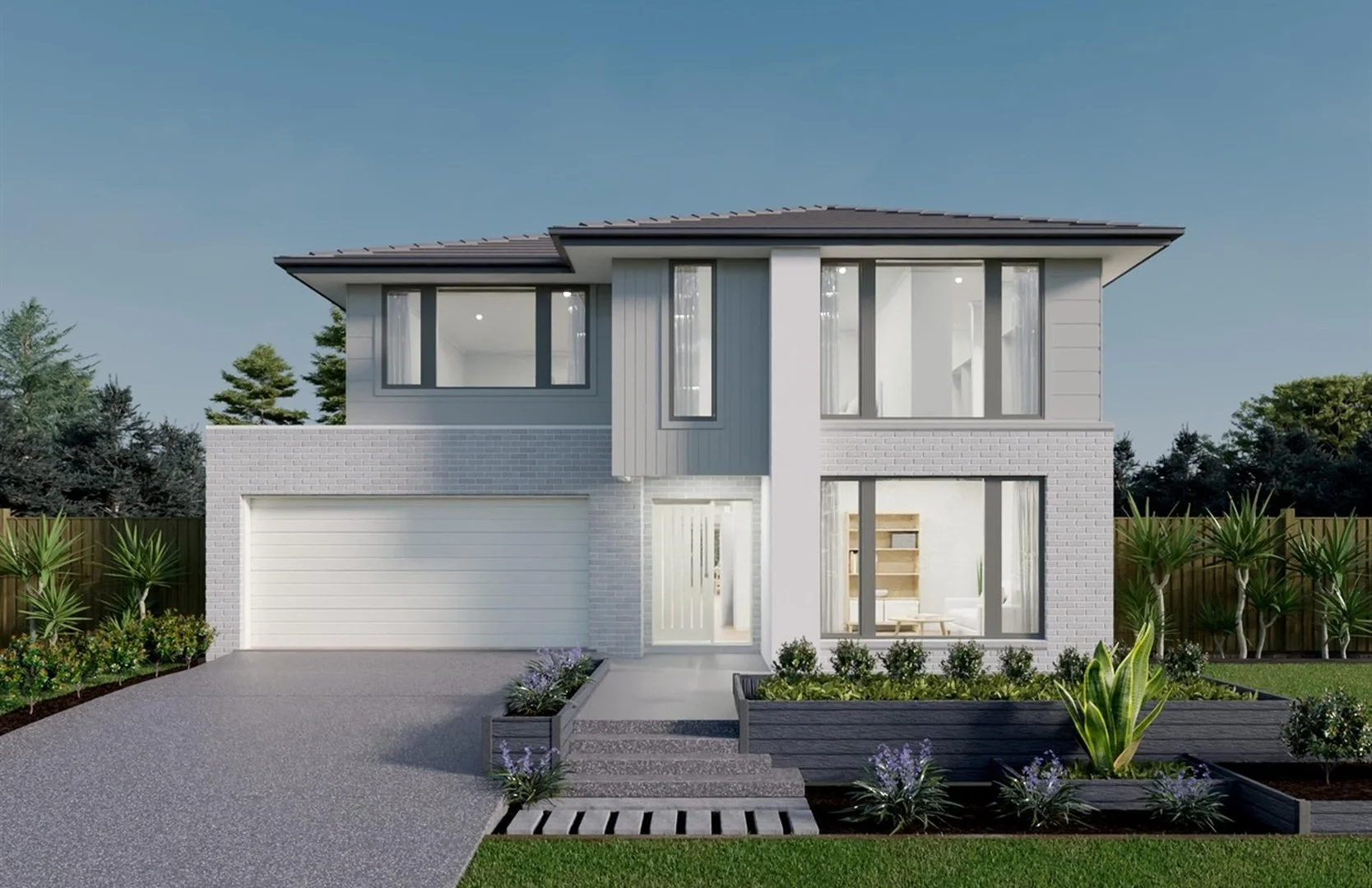 $883,300
propertyType.NEW HOUSE & LAND
$883,300
propertyType.NEW HOUSE & LAND
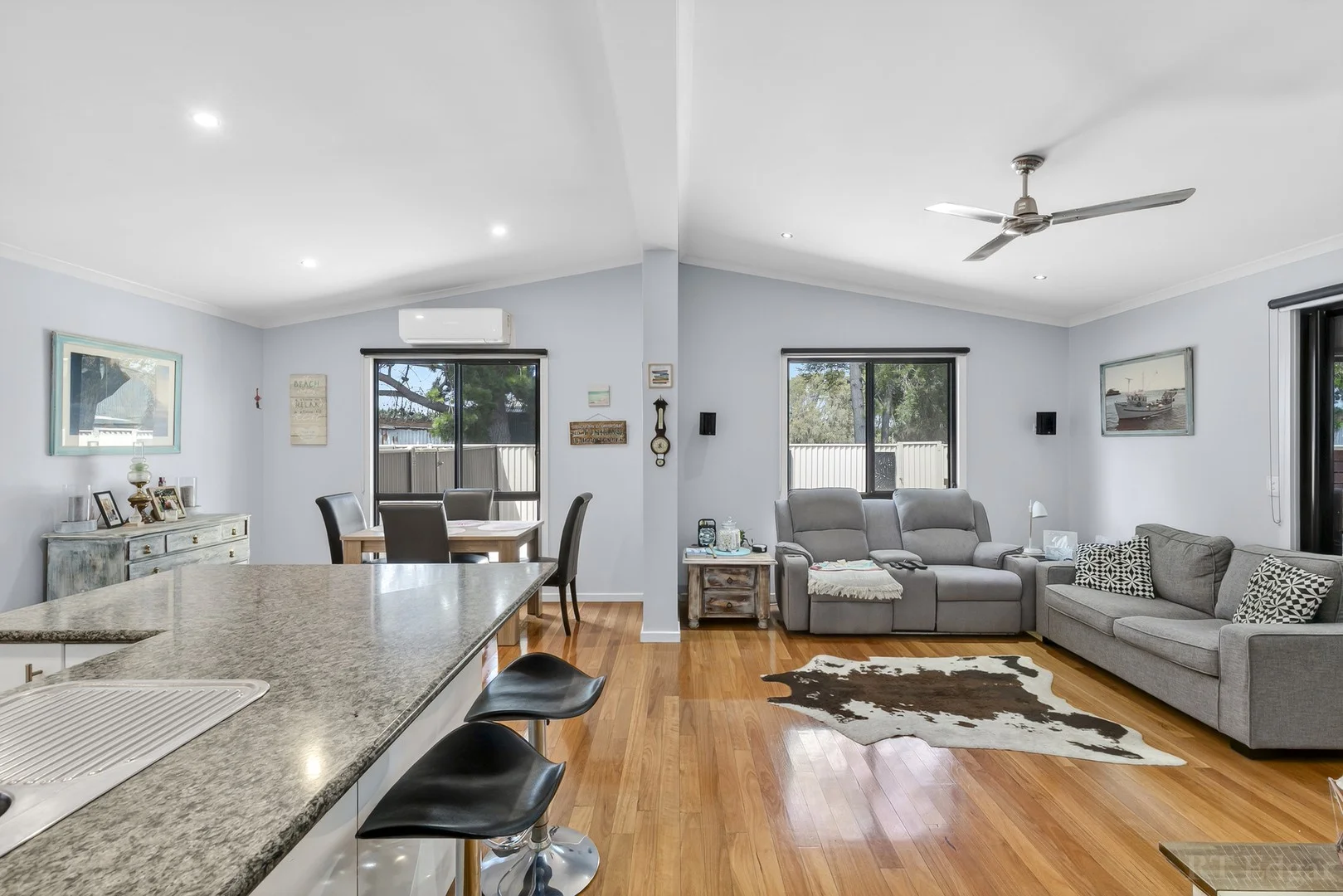 $538,175 - $591,992
Apartment / Unit / Flat
$538,175 - $591,992
Apartment / Unit / Flat
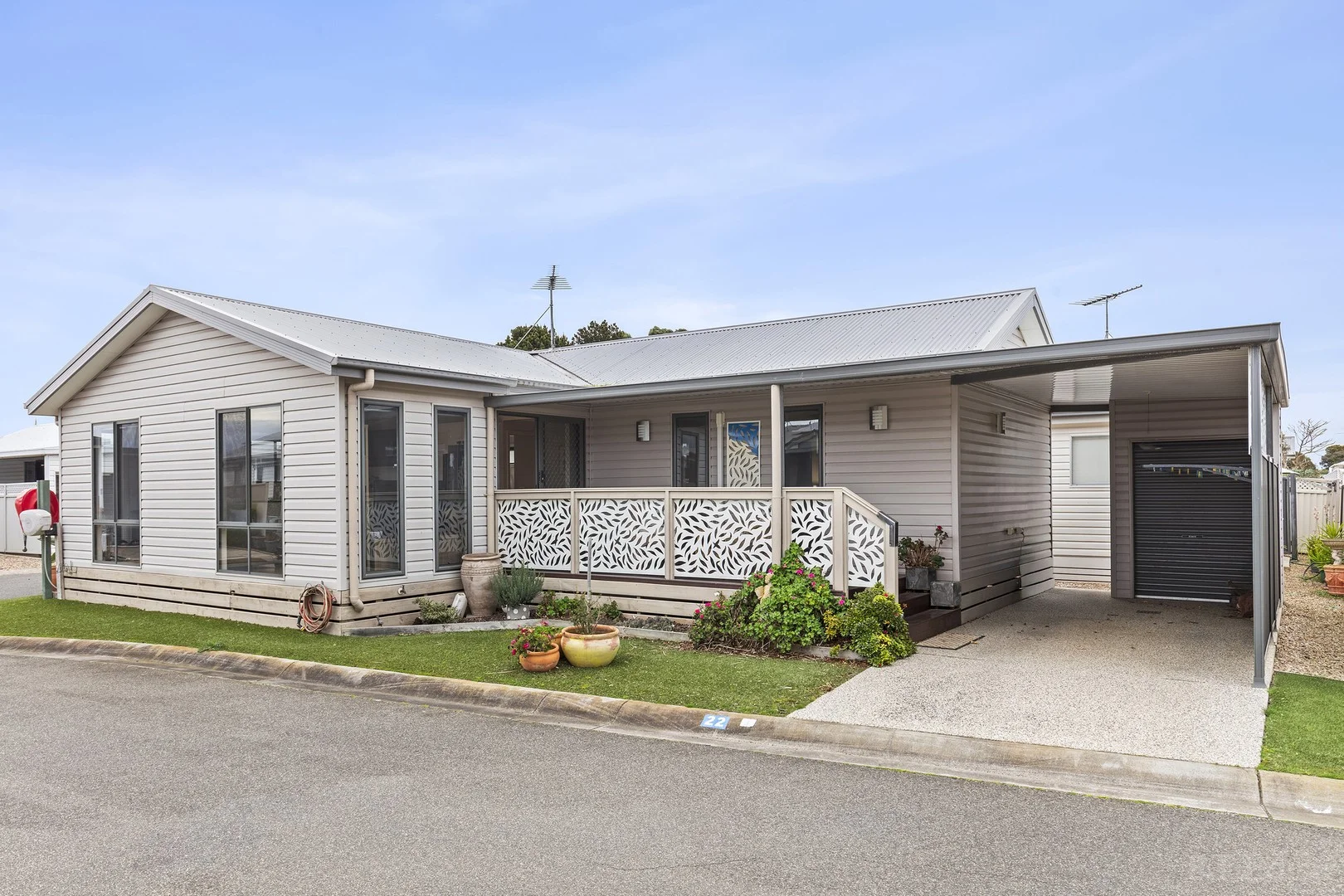 $428,450 - $471,295
House
$428,450 - $471,295
House
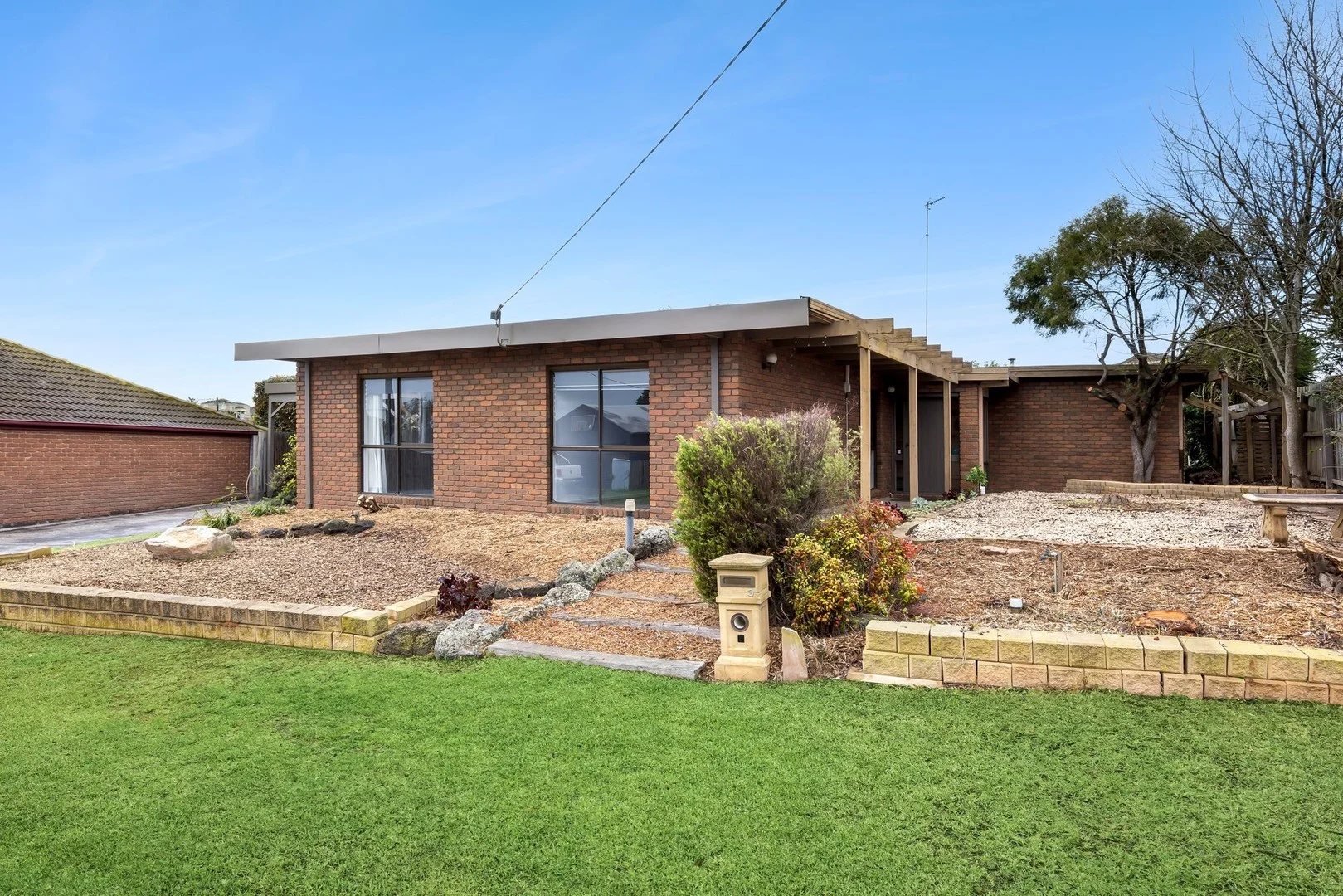 $700,000
House
$700,000
House
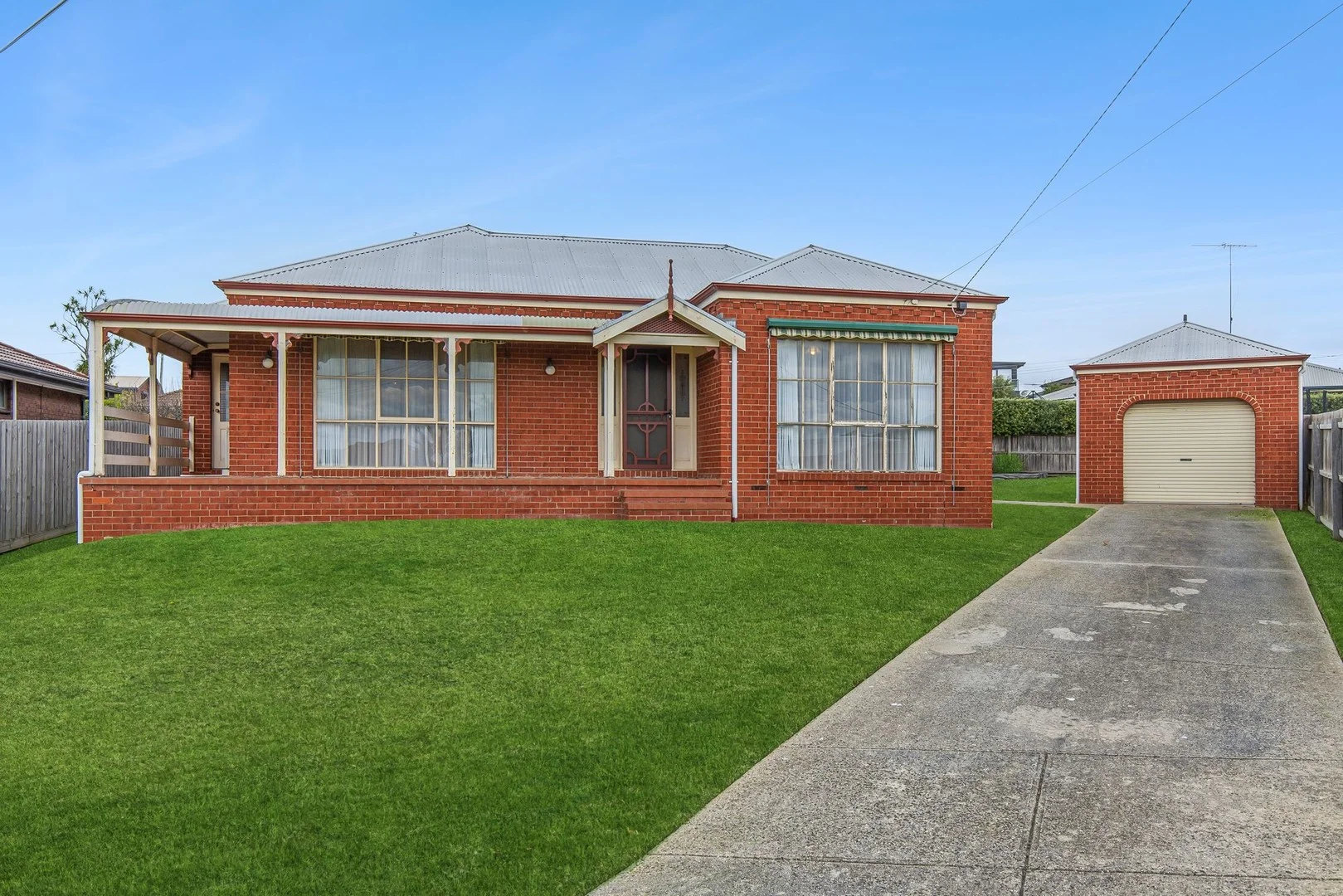 $710,000 - $770,000
House
$710,000 - $770,000
House
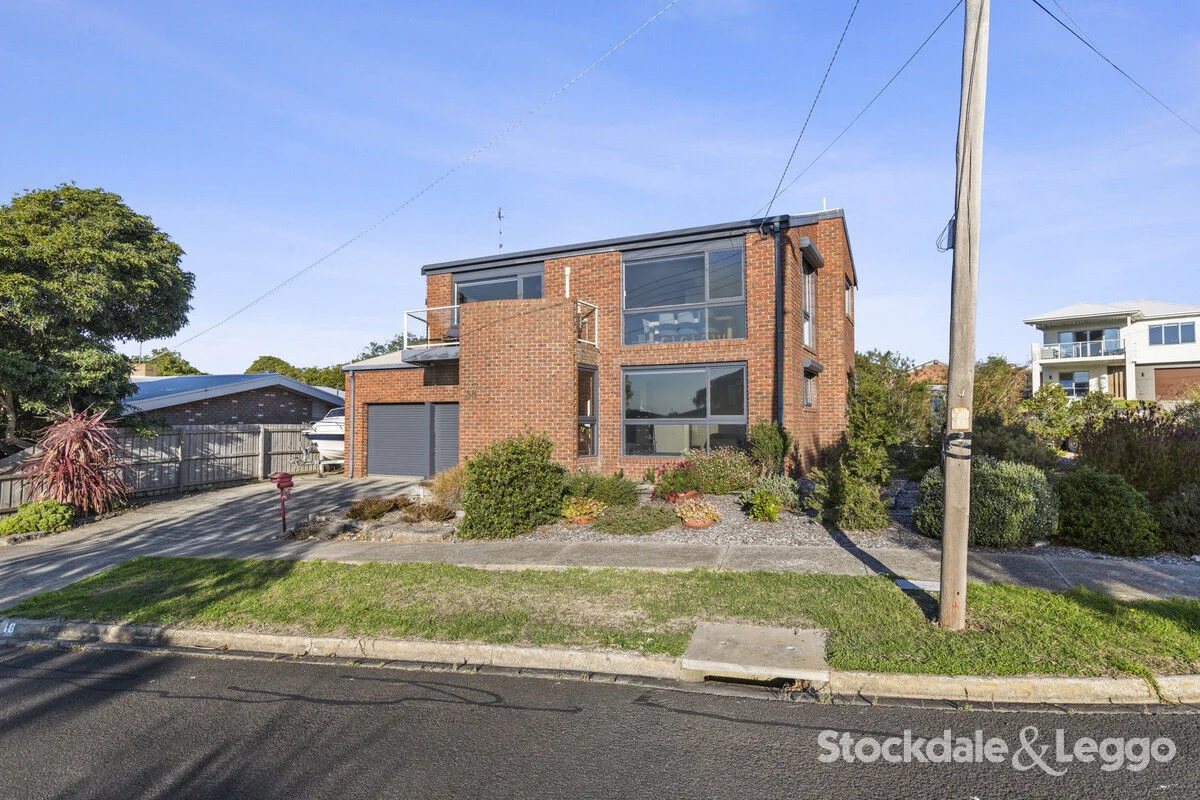 $750,000
House
$750,000
House
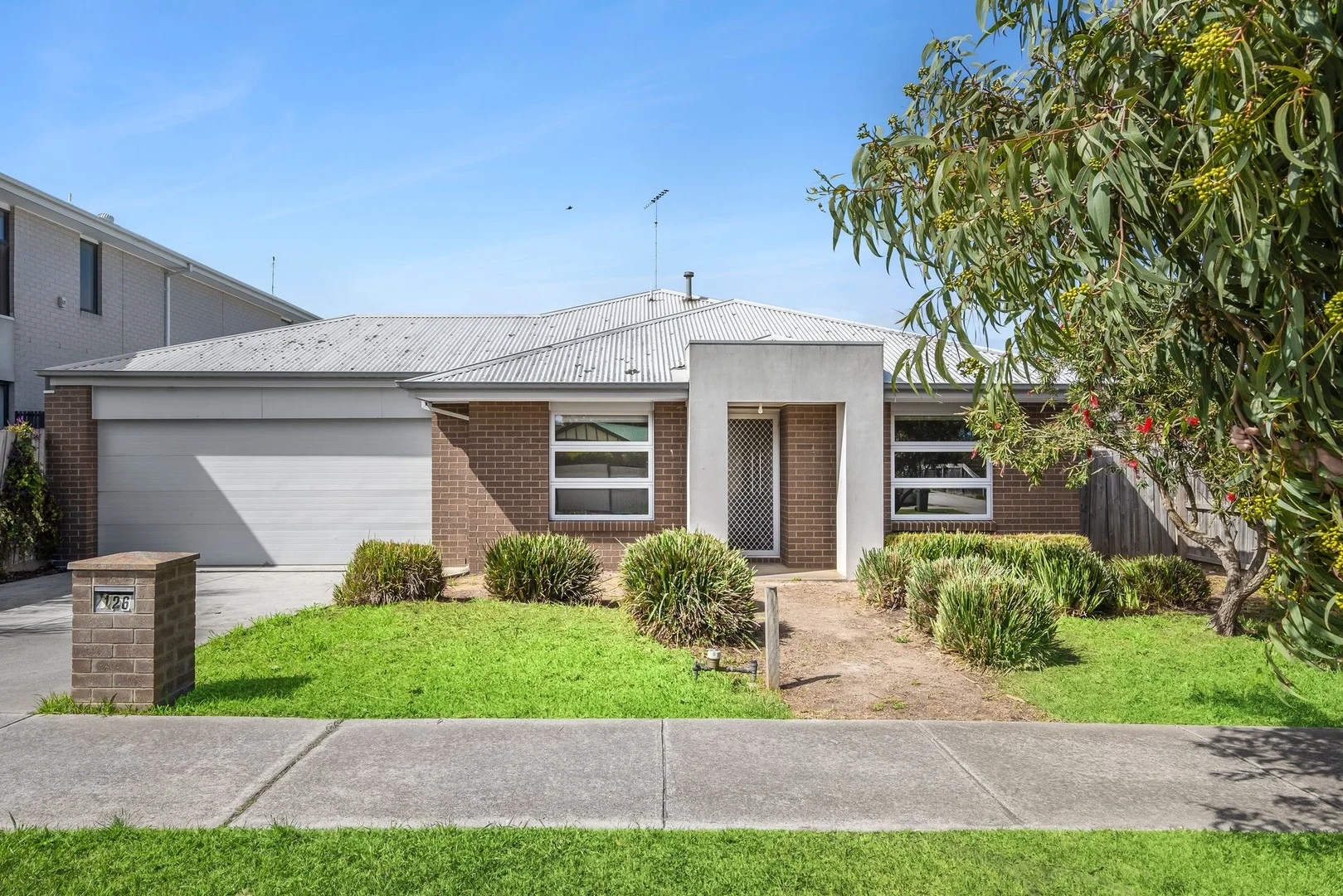 $690,000
House
$690,000
House


