Overview
Lara Secondary College is a public government secondary school serving students in the Lara region. It offers a broad curriculum for Years 7–12 with pathways designed to support academic achievement, practical skills, and personal development. The school aims to provide an inclusive, supportive environment where students are encouraged to try new things, build resilience, and work toward their individual goals.
The college is a medium-sized campus with a diverse student cohort. Class sizes are typically in the low-to-mid 20s, which supports strong teacher-student engagement and plenty of opportunities for individualized help. The atmosphere is generally nurturing and inclusive, with a focus on wellbeing, participation, and community involvement.
Academics & Learning
- Academic strengths: STEM and English are core strengths, with additional emphasis on leadership development and language study integrated into the curriculum.
- Special programs: VCE pathways are available, along with VET and other practical/senior secondary options to support varied pathways into tertiary study or skilled employment.
- Support for diverse learners: Strong EAL and SEN supports, with individualized learning plans and targeted interventions to help students access the curriculum and achieve their goals.
- Sports offered: Football, netball, basketball, cricket, soccer, athletics, swimming, and other inter-school sport options.
- Strong teams or achievements: Active participation in regional competitions with opportunities to contribute to school-level and district-level teams.
- Music, arts, drama programs: Active performing arts programs and opportunities to participate in school productions, ensembles, and recitals.
- Clubs: Robotics, coding, chess, debating, and other interest-based clubs to extend skills outside the classroom.
- Partnerships: Links with local clubs, community organizations, and inter-school competitions to broaden experience and competition opportunities.
Wellbeing & Pastoral Care
- Anti-bullying approach: Clear anti-bullying policies and programs, with staff training and student education to foster a respectful school climate.
- House system: A house or pastoral grouping structure to support belonging, friendly competition, and pastoral care.
- Counsellors / wellbeing officers: Accessible school counsellors and wellbeing staff to support mental health, study skills, and transition needs.
- Transition support for new students: Orientation programs, buddy systems, and targeted supports to help new students settle in quickly and confidently.
Facilities
- Sports grounds: On-site sports facilities suitable for a range of inter-school activities.
- Libraries: A well-equipped library supporting study, research, reading for pleasure, and digital access.
- Science labs: Modern science labs for biology, chemistry, physics, and practical experiments.
- Music/performing arts centers: Space and resources for music, drama, and productions.
- Tech/innovation labs: Computers and design/tech spaces to support digital learning and project work.
- Cafeteria: On-site canteen or food service for students.
- Updated playgrounds: Safe, well-maintained outdoor spaces for breaks and physical activity.
(Facilities are designed to be visually accessible and easy to navigate, helping students feel comfortable and engaged.)
- School values / mission: A focus on respect, responsibility, inclusion, and striving for excellence in learning and personal growth.
- Leadership style: Collaborative and student-centered leadership that involves teachers, staff, and student representatives in decisions affecting school life.
- Behaviour expectations: Clear code of conduct with consistent expectations, positive reinforcement, and restorative practices where needed.
- Community reputation: Recognized for a welcoming, supportive environment and active community involvement.
- Diversity & inclusion: Commitment to creating an inclusive culture with attention to equity and opportunities for all backgrounds.
School Logistics & Daily Operations
- School hours: Standard school day structure with start and finish times aligned to the Victorian school calendar.
- Before/after school care: Availability of supervision or care programs before/after school where possible.
- Uniform requirements: School uniform policy in place; details on acceptable attire are provided by the school.
- Transport: Access to local bus routes and public transport options within the area; guidance is available for families on travel planning.
- Canteen availability: On-site canteen or food service offering meals and snacks.
- Fees: Fees are typically in the low-to-medium range for materials, activities, and elective subjects; families may be able to access item-free schemes or subsidies through the school or local programs.
Enrolment & Admissions
- What is the enrolment process and timeline?
- Enrolment applications are submitted for consideration through the school’s intake process in line with local Department of Education guidelines. Families should prepare the required documentation (proof of identity, residency, immunisation as applicable, and any supporting records). Timelines vary by intake year, so it’s best to check the school’s official enrolment period and submit early to secure a place.
- Is there a waiting list, and how does it work?
- If the school is oversubscribed for a given year level, a waiting list may be established. Placement from the waiting list is typically determined by catchment rules, sibling priority, and vacancies available at the time.
- Are there any entry requirements, tests, or interviews?
- Entry generally relies on standard enrolment documentation and residency requirements. Some year levels or pathways may involve brief information gathering or discussions about student needs and goals, but most enrolments do not require entrance tests. An interview may occur for specific programs or to support transition planning.
- Does the school accept mid-year transfers?
- Mid-year transfers are assessed case-by-case based on vacancies, space in year levels, and the student’s needs. Families seeking mid-year transfers should contact the school directly as early as possible to discuss options and required documentation.
Frequently Ask Questions
- Why Parents Choose This School?
- A welcoming, inclusive culture with a focus on wellbeing and strong academic and practical pathways. Students receive targeted support, and there are opportunities across academics, sports, arts, and clubs.
- What type of student thrives at this school?
- Students who want a balanced, inclusive environment with opportunities to explore a broad curriculum, engage in sport and arts, and receive support for varied learning needs.
- What opportunities are available for students to extend their skills (academics, sports, arts)?
- Access to STEM and English strengths, VCE/VET pathways, leadership opportunities, clubs (robotics, coding, debating), music and performing arts programs, and regional sport competition.
- How does the school communicate with parents?
- Regular updates through newsletters, parent portals, meetings, and informal channels. The school emphasizes clear, timely communication about student progress and events.
- What is the school’s approach to teaching and learning?
- A student-centered approach with a focus on engagement, differentiated instruction, and practical application of knowledge. Emphasis on a well-rounded education, critical thinking, and collaboration.
- How does the school support students who need extra academic help?
- Targeted interventions, EAL/SEN supports, learning plans, access to tutoring or curriculum adjustments, and dedicated staff to assist with study skills and catch-up work.
- What support is available for academic challenges?
- Access to guidance from teachers and wellbeing staff, academic coaching, and tailored supports to help students meet their learning goals.
- How does the school communicate with parents? (duplicate)
- See above; multiple channels used to share progress, events, and important notices.
- What extracurricular and sports opportunities are available?
- A range of sports (team and individual options), music and drama programs, and clubs such as robotics, coding, chess, and debating.
- What facilities does the school offer (sports, science, arts)?
- Sports grounds, libraries, science labs, performing arts spaces, tech/innovation labs, canteen, and updated outdoor spaces.
- What is the school’s approach to technology and digital learning?
- Integration of digital tools to support learning, with computer access and project-based learning across subjects.
- What transport and accessibility options are available?
- Local bus routes and public transport options; school staff can assist families with travel planning and accessibility needs.
- What are the typical school fees or additional costs?
- Fees are generally in the low-to-medium range for materials, activities, and elective subjects; some activities or resources may have additional costs, with options for subsidies or financial assistance where available.
Short Pros & Cons list
- Inclusive, wellbeing-focused learning environment
- Broad curriculum with pathways into VCE, VET, and practical learning
- Active participation in sports, arts, and clubs
- Support for diverse learners (EAL, SEN)
- Modern facilities and accessible campus
- As a medium-sized school, some highly specialized programs may be limited compared to larger city schools
- Travel times for families outside the immediate area
- Some elective materials or activities may carry additional costs beyond standard fees
If you’d like, I can tailor this content further with more precise, school-provided details (e.g., exact intake numbers, current program names, or recent performance trends) once you share the latest official information from Lara Secondary College.









 $883,300
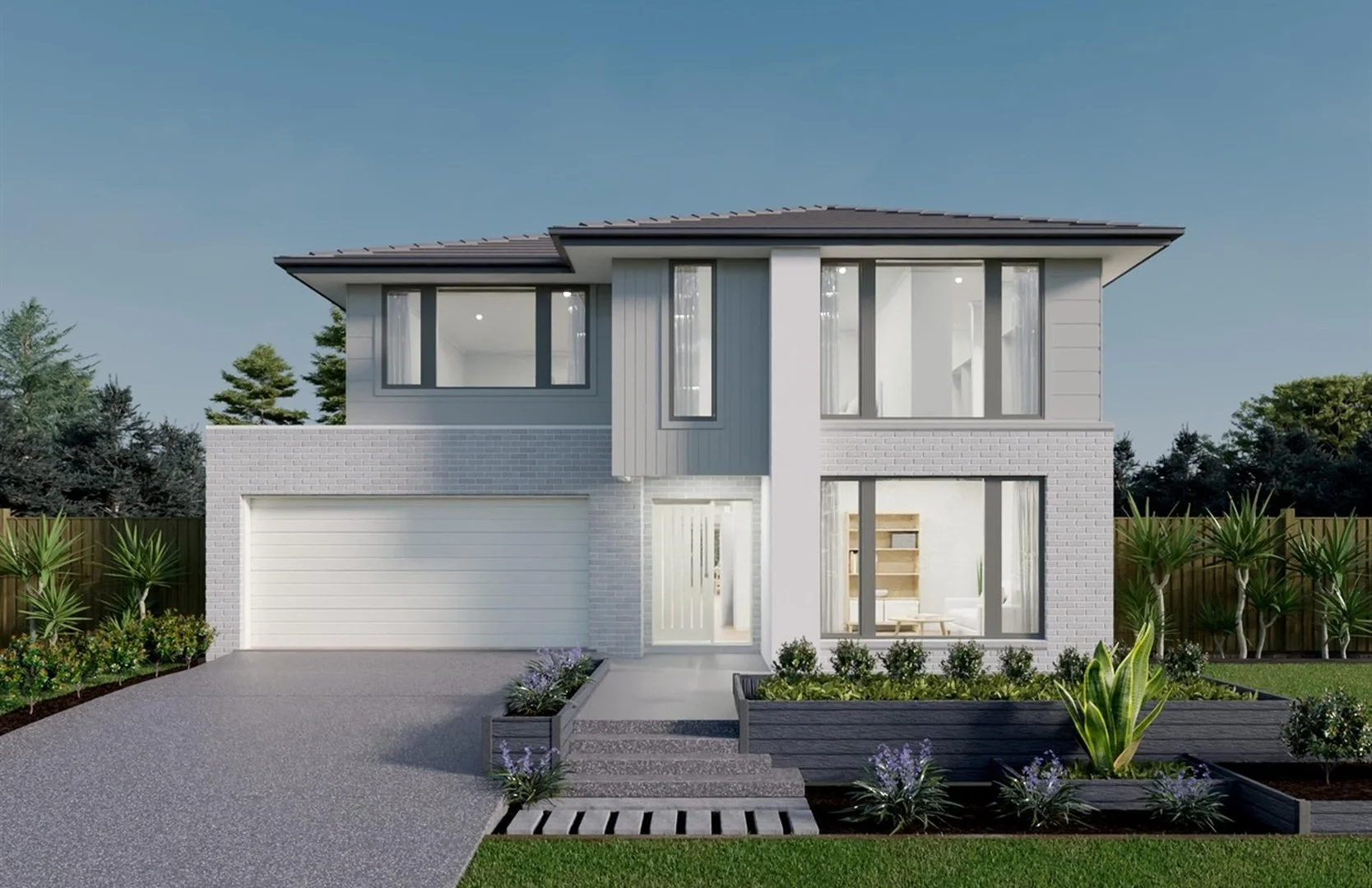
propertyType.NEW HOUSE & LAND
$883,300
propertyType.NEW HOUSE & LAND
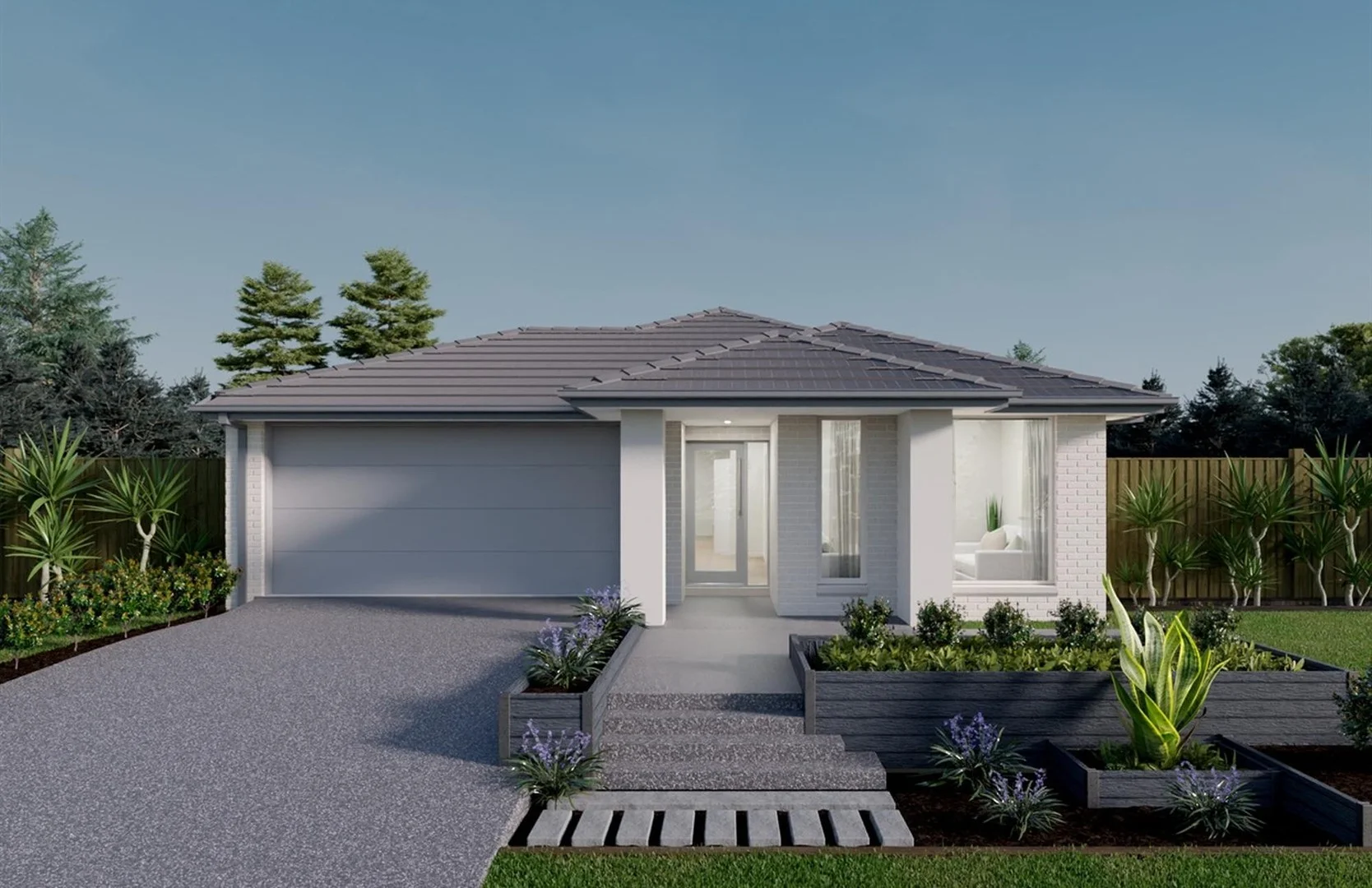 $636,200
propertyType.NEW HOUSE & LAND
$636,200
propertyType.NEW HOUSE & LAND
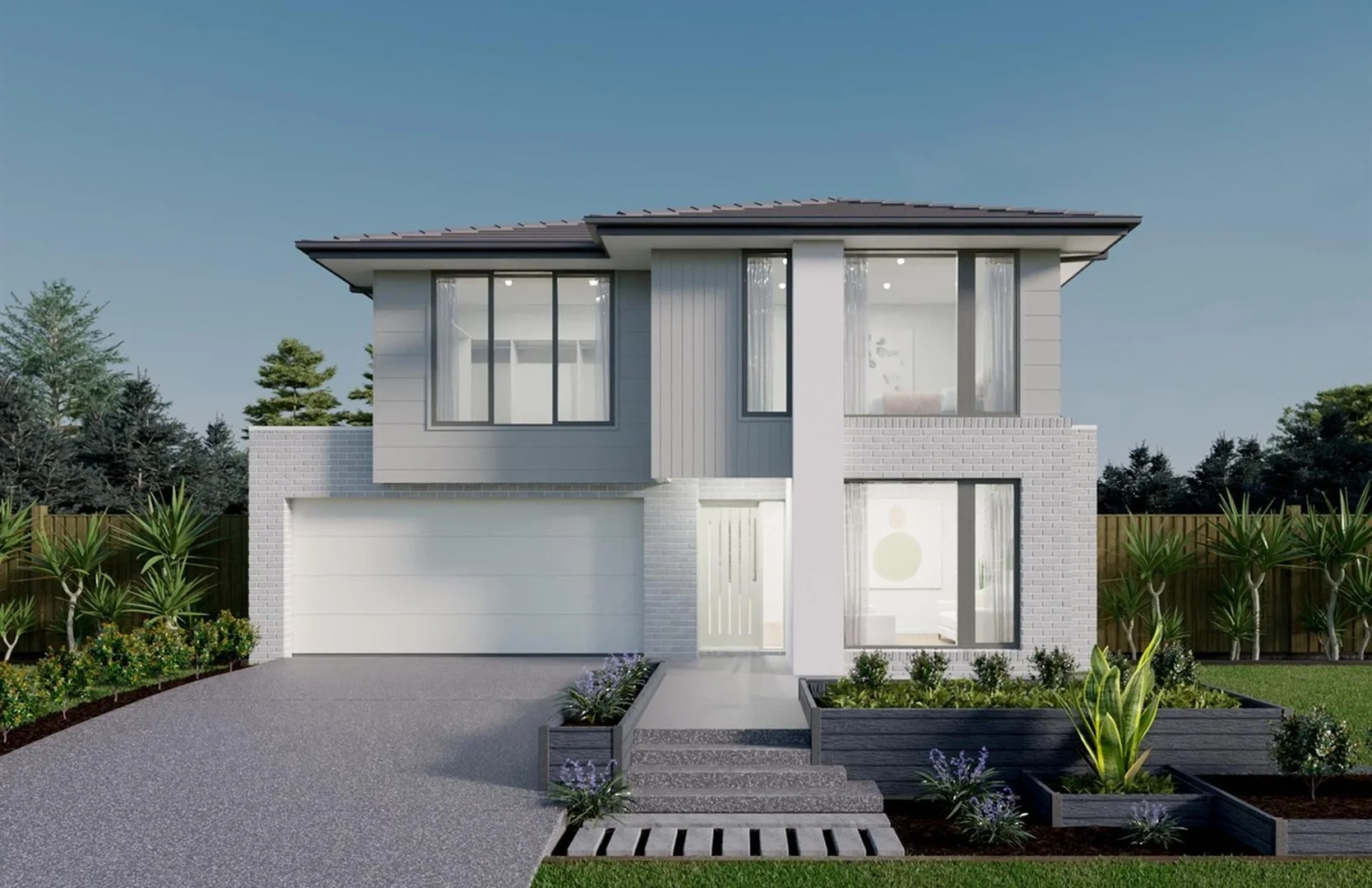 $871,100
propertyType.NEW HOUSE & LAND
$871,100
propertyType.NEW HOUSE & LAND