Overview
Lara Primary School is a public, co-educational primary school serving students in the Lara area. The school emphasises a welcoming, inclusive learning environment where students are supported to grow academically, socially and emotionally. The culture is collaborative and community-focused, with a strong emphasis on student wellbeing and positive relationships between students, families and staff.
- School type: Public
- School size: Medium
- Atmosphere/culture: Inclusive, nurturing, student-centered, community-minded
Academics & Learning
Lara Primary School focuses on foundational learning across literacy and numeracy, with opportunities for curious, engaging inquiry across subjects. The school prioritises strong English and maths learning, supported by a range of targeted strategies to meet diverse learner needs.
- Academic strengths: English and literacy, mathematics, early science inquiry, and digital literacy
- Special programs: Gifted and Talented initiatives, targeted reading support (e.g., literacy intervention programs)
- Support for diverse learners: EAL support, SEN assistance, inclusive education practices, and personalised learning adjustments where needed
Aussie and UK families often look for robust outdoor and creative opportunities, and Lara Primary School offers a well-rounded set of options.
- Sports offered: Athletics, cricket, football (soccer), netball, soccer, cross-country and general PE programs
- Strong teams or achievements: Regular participation in inter-school events and local league gatherings
- Music, arts, drama programs: School choir, instrumental experiences, and annual performance opportunities
- Clubs: Robotics, coding, chess, debating and other STEM/academic clubs
- Partnerships: Connections with local community clubs and regional competitions for enrichment and coaching
Note: Availability can vary by year and cohort; check current offerings with the school.
Wellbeing & Pastoral Care
Student wellbeing is a central focus, with practices to support safe, respectful and resilient learners.
- Anti-bullying approach: Proactive anti-bullying strategies, clear expectations, and restorative practices
- House system: A house structure to foster belonging, with activities and events across houses
- Counsellors / wellbeing officers: Access to school-based wellbeing support for students and families
- Transition support for new students: Buddy programs, orientation activities and targeted transition supports for prep and continuing students
Facilities
Lara Primary School provides a range of facilities designed to support a broad curriculum and engaging learning experiences.
- Sports grounds / play areas
- Libraries
- Science labs
- Music / performing arts spaces
- Tech / innovation spaces
- Cafeteria or canteen facilities
- Updated playgrounds and outdoor learning areas
Visual and functional spaces are arranged to support classroom learning, hands-on activities and student collaboration.
Parents often look for a school’s character and how it treats students and families. Lara Primary School aims to foster positive, respectful, and responsible young people.
- School values / mission: Respect, responsibility, inclusion, and integrity underpin everyday practice
- Leadership style: Collaborative leadership with student voice and staff teamwork
- Behaviour expectations: Clear codes of conduct and consistent routines that promote positive behaviour
- Community reputation: Known for a welcoming, supportive school community with active family involvement
- Diversity & inclusion: Inclusive practices that welcome students from diverse backgrounds
School Logistics & Daily Operations
Clear, predictable routines help families plan each day.
- School hours: Typically a morning-to-afternoon day, with start around 9:00 am and finish around 3:00 pm
- Before/after school care: Often available via external OSHC providers or local arrangements
- Uniform requirements: School uniform policy (specifics provided by the school; generally navy/blue tones with distinctive accents)
- Transport: Local bus routes and walking/cycling opportunities; proximity to community transport options
- Canteen availability: Canteen or snack facilities on site or via approved vendors
- Fees: Voluntary contributions and essential student learning costs; overall costs are typically modest and in line with public primary schools
Note: Details such as exact start times, care arrangements, and uniform specifics may vary; please confirm with the school for current information.
Enrolment & Admissions
- What is the enrolment process and timeline?
- Enrolment generally follows the Victorian public school process. Parents submit an application within the school’s intake window, provide proof of residence, and supply required documentation. The school communicates timelines for prep intake and any available timelines for other year levels.
- Is there a waiting list, and how does it work?
- If year-level places are filled, a waiting list may be established. Places are allocated in line with Department guidelines and local priorities, with ongoing communication from the school about expected timelines.
- Are there any entry requirements, tests, or interviews?
- Public primary schools in Victoria typically do not require standard entry tests. Some programs (e.g., Gifted and Talented pathways) or school-specific transitions may involve interviews or additional assessment, but this varies by year and cohort.
- Does the school accept mid-year transfers?
- Mid-year transfers are considered where space exists and in line with Department policy and local arrangements. Families planning a mid-year move should contact the school promptly to discuss options and required documentation.
Note: Enrolment rules can change; always verify current procedures with the school during the application period.
Frequently Asked Questions
- Why Parents Choose This School?
- A welcoming, inclusive environment with a strong focus on student wellbeing, solid literacy and numeracy foundations, and a supportive community connection.
- What type of student thrives at this school?
- Students who respond well to a nurturing, collaborative classroom culture, who enjoy a balanced approach to academics, sport, and the arts, and who value strong relationships with peers and staff.
- What opportunities are available for students to extend their skills (academics, sports, arts)?
- A range of clubs and programs in coding, robotics, chess, debating; music and performing arts; inter-school sport participation and intramural activities; targeted literacy and numeracy supports and enrichment options.
- How does the school communicate with parents?
- Regular newsletters, meetings, and digital platforms to share updates on learning progress, events, and wellbeing supports. Opportunities to engage through in-person or virtual parent-teacher conferences.
- What is the school’s approach to teaching and learning?
- A student-centered approach with focus on literacy and numeracy foundations, inquiry-based learning opportunities, and differentiation to meet diverse learner needs.
- How does the school support students who need extra academic help?
- Targeted intervention programs, EAL support, SEN assistance, and access to classroom strategies designed to boost learning outcomes.
- What support is available for academic challenges?
- Structured supports such as reading and math interventions, small-group or one-on-one assistance, and collaboration with families to monitor progress.
- What extracurricular and sports opportunities are available?
- A variety of clubs (coding, robotics, chess, debating) and sports (athletics, cricket, netball, football/soccer, cross-country) plus music and drama programs.
- What facilities does the school offer (sports, science, arts)?
- Sports grounds, libraries, science labs, music/performing arts spaces, tech/innovation spaces, and updated playgrounds.
- What is the school’s approach to technology and digital learning?
- Integration of digital literacy into the curriculum, with appropriate technology use, online learning tools and safe, responsible practices.
- What transport and accessibility options are available?
- Local bus routes and walking/cycling paths where possible; school coordinates with families for safe access and transport considerations.
- What are the typical school fees or additional costs?
- Public primary schools typically involve voluntary contributions and essential learning costs; families should expect modest fees for materials and activities beyond core funding.
Short Pros & Cons list
Pros
- Inclusive, supportive learning environment
- Strong focus on literacy and numeracy foundations
- Broad range of extracurriculars (clubs, sports, arts)
- Active emphasis on wellbeing and positive relationships
- Engaged community with opportunities for parent involvement
Cons
- Availability of some programs and clubs can depend on staffing and funding each year
- Transport options may be limited in some parts of the catchment area
- Uniform and material costs, while reasonable, are ongoing considerations for families
If you’d like, I can tailor this content further to reflect more precise, up-to-date details from Lara Primary School or convert it into a compact summary for quick comparison.










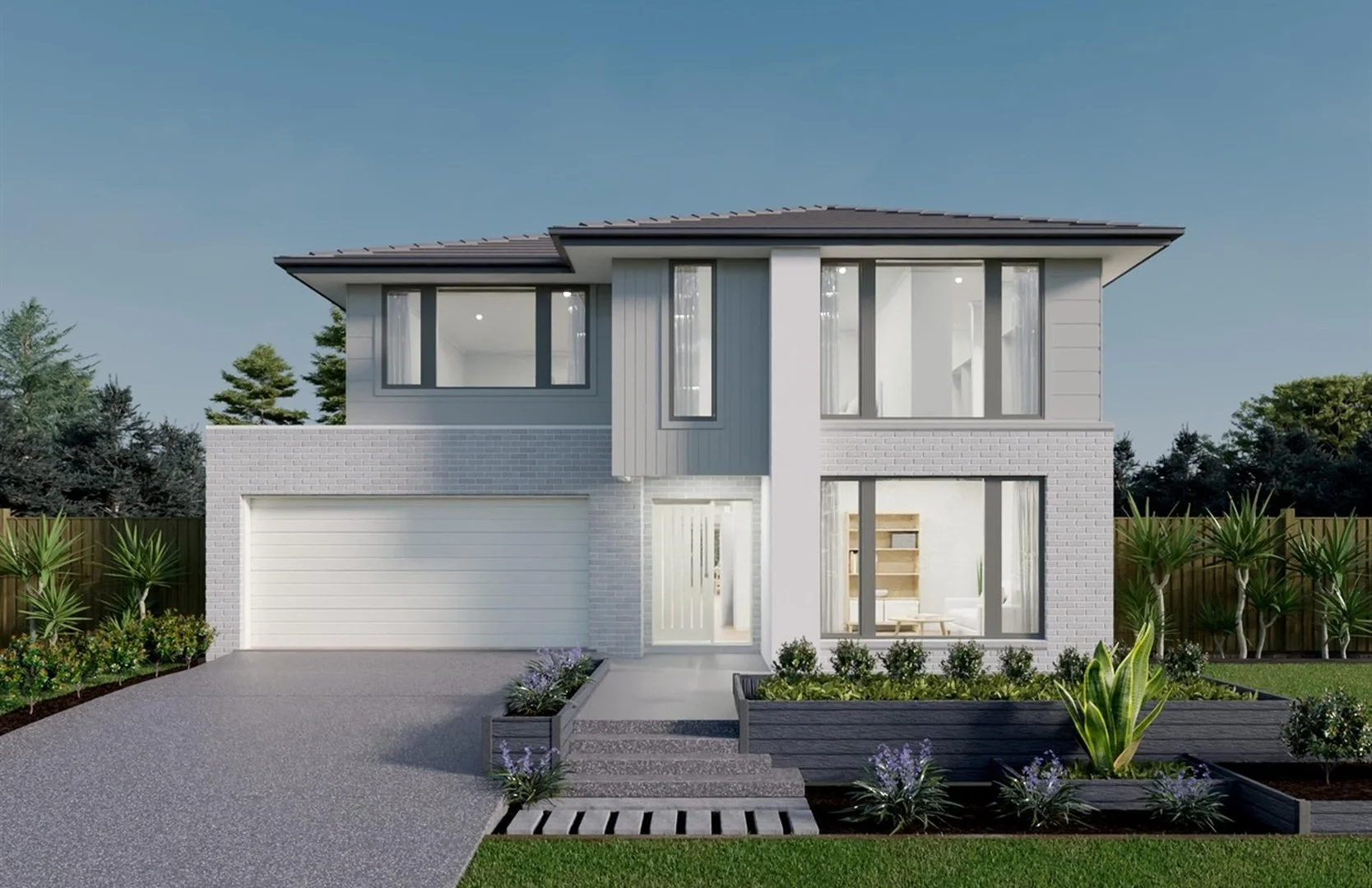 $883,300
propertyType.NEW HOUSE & LAND
$883,300
propertyType.NEW HOUSE & LAND
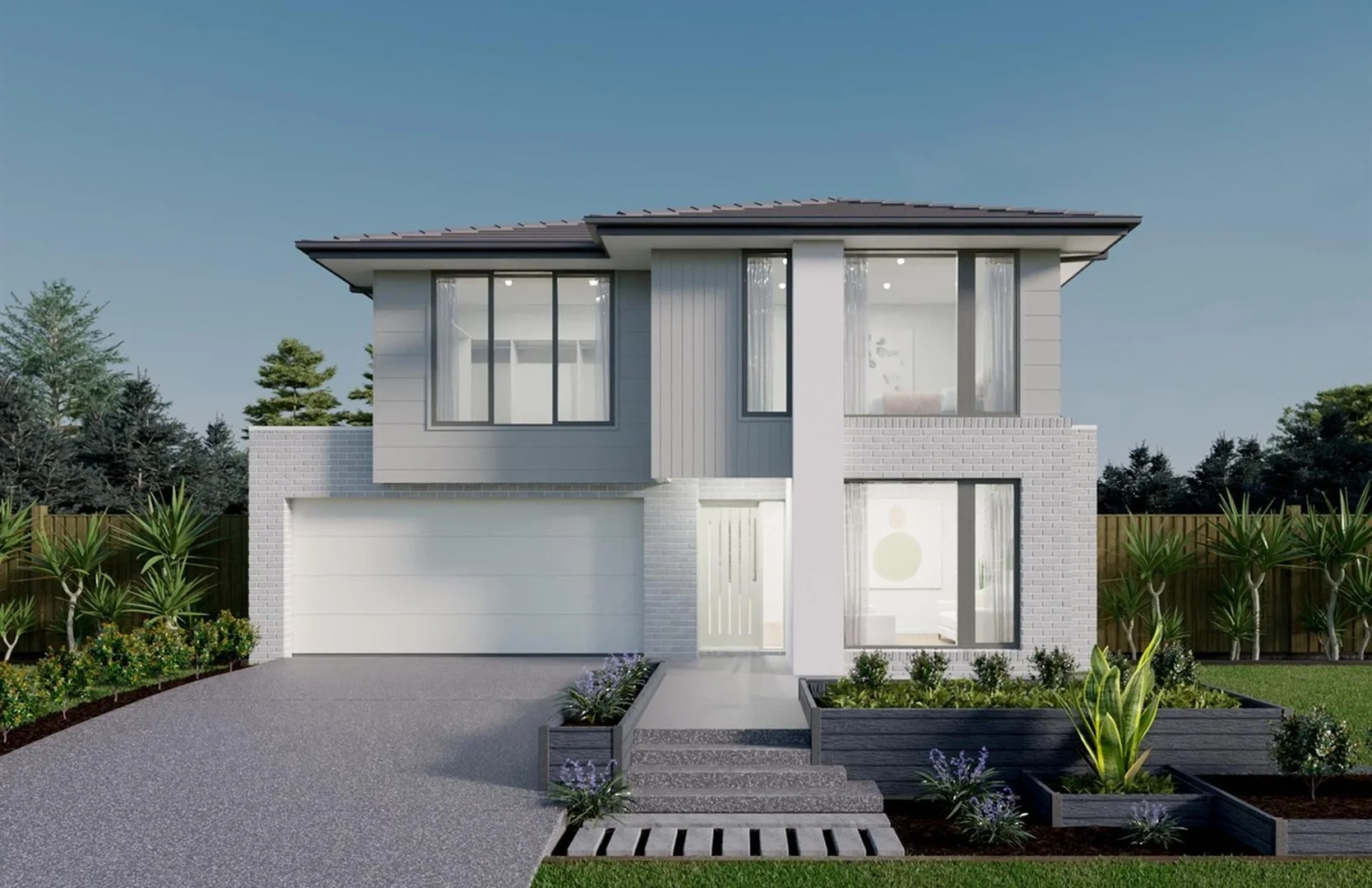 $871,100
propertyType.NEW HOUSE & LAND
$871,100
propertyType.NEW HOUSE & LAND
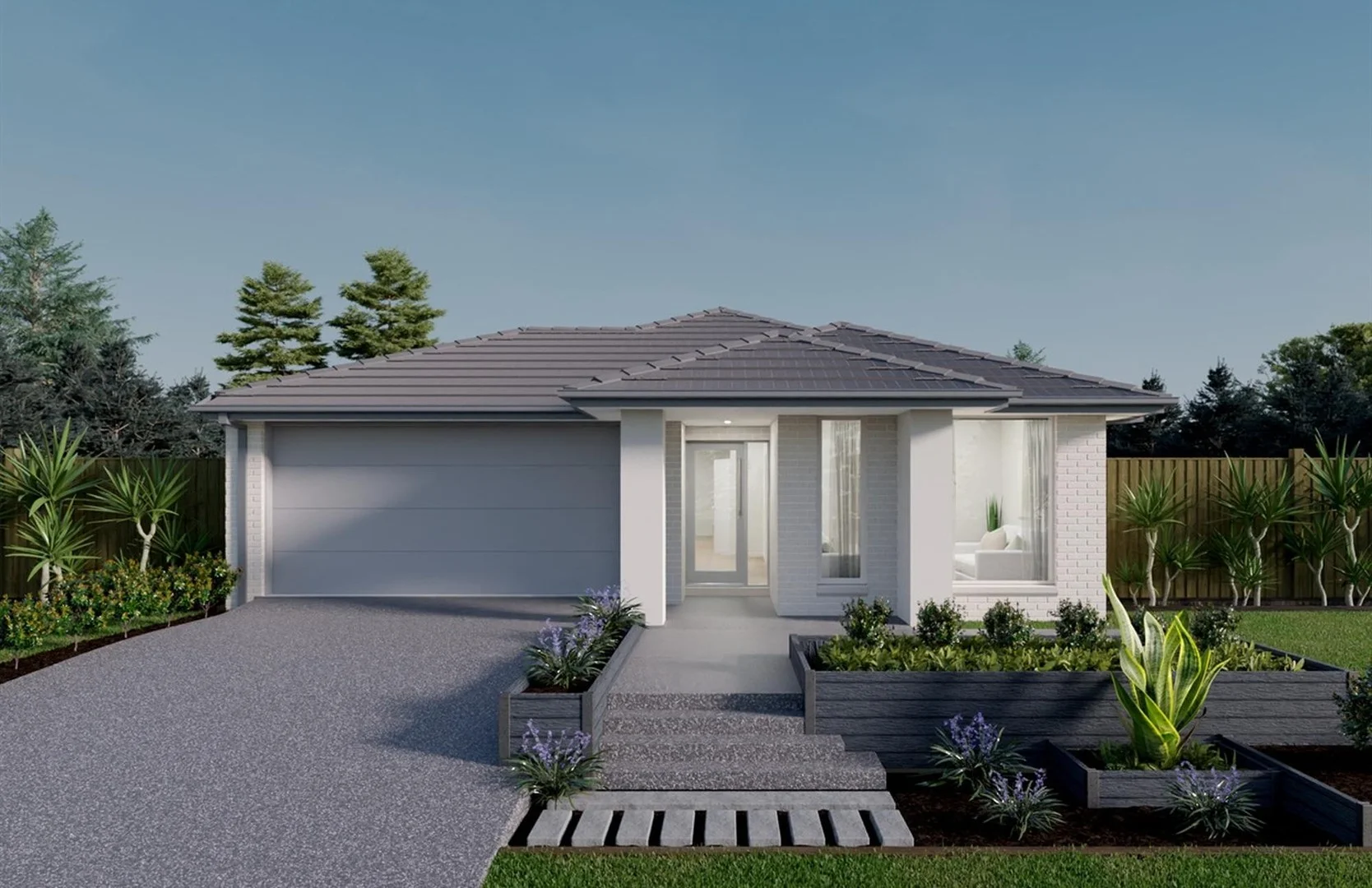 $636,200
propertyType.NEW HOUSE & LAND
$636,200
propertyType.NEW HOUSE & LAND