## 1. Overview
Genazzano FCJ College is a private Catholic independent school for girls, rooted in the FCJ (Faithful Companions of Jesus) tradition. The college combines a strong academic program with a values-based culture, aiming to develop confident, capable young women who contribute to their communities. The school typically serves a medium-sized cohort across multiple year levels, with a focus on personalised learning in a supportive and inclusive environment.
Class sizes are designed to be manageable for strong student-teacher engagement, and the atmosphere emphasises nurture, academic rigor, and community involvement. The school aims to foster a respectful, collaborative culture where students are encouraged to pursue excellence while developing leadership, compassion, and service.
⟲
## 2. Academics & Learning
- Academic strengths: strong emphasis on English, STEM, languages, and literacy; leadership and service learning are integrated into the curriculum.
- Special programs: VCE pathways with opportunities for accelerated subject options; gifted and talented programs; access to enrichment and leadership initiatives.
- NAPLAN trends: positive long-term trends in literacy and numeracy with increasing student achievement across bands over successive years.
- Student-teacher ratios: small-to-medium class sizes with a focus on personalised attention; ratio typically conducive to guided learning and student support.
- Support for diverse learners: dedicated learning diversity team, EAL support, and targeted SEN assistance to help students reach their potential.
⟲
## 3. Sports & Extracurricular Strengths
- Sports offered: netball, basketball, soccer, tennis, volleyball, athletics, swimming, cross-country and more, with opportunities for year-level and club-based participation.
- Strong teams or achievements: competitive participation in regional and state competitions; emphasis on school spirit and teamwork.
- Music, arts, drama programs: robust performing arts departments with regular ensembles, concerts, and theatre productions.
- Clubs: robotics, chess, coding, debating, public speaking, and other academic and interest-based clubs.
- Partnerships: connections with local clubs and regional competitions to broaden opportunities in sport, arts, and STEM activities.
⟲
## 4. Wellbeing & Pastoral Care
- Anti-bullying approach: proactive, values-driven culture with clear policies, student education, and reporting mechanisms; emphasis on respect and inclusion.
- House system: typically a house structure to promote belonging, leadership opportunities, and inter-house events.
- Counsellors / wellbeing officers: on-site counselling and wellbeing support, with programs aimed at resilience, mental health awareness, and coping strategies.
- Transition support for new students: orientation programs, buddy systems, and structured transition activities to help new entrants settle in smoothly.
⟲
## 5. Facilities
- Sports grounds: on-campus facilities suitable for physical education and team practices.
- Libraries: well-equipped library offering a range of print and digital resources.
- Science labs: modern science laboratories supporting practical experiments and inquiry-based learning.
- Music/performing arts centers: dedicated spaces for music, drama, and dance performances.
- Tech/innovation labs: makerspaces or STEM labs supporting coding, robotics, and project-based learning.
- Cafeteria: on-site dining facilities offering healthy meal options.
- Updated playgrounds: modern, safe outdoor spaces for recreation and learning.
⟲
## 6. School Values & Community Culture
- School values / mission: a Catholic, values-driven education emphasizing faith, integrity, service, and community.
- Leadership style: student-centered and collaborative, with student voice actively encouraged through councils and leadership opportunities.
- Behaviour expectations: clear codes of conduct rooted in respect, responsibility, and care for others.
- Community reputation: long-standing, trusted in Melbourne’s eastern suburbs for academic achievement and character development.
- Diversity & inclusion: committed to an inclusive environment with support for students from diverse backgrounds and with varied needs.
⟲
## 7. School Logistics & Daily Operations
- School hours: aligned with the Victorian school day; typical timetable covers morning to afternoon with variations by year level.
- Before/after school care: available on-site or via affiliated programs; additional costs may apply.
- Uniform requirements: formal uniform with guidelines for terms and sports uniform for PE/activities.
- Transport (train/bus routes): accessible via local bus services and nearby train stations; school may offer bus routes for certain suburbs.
- Canteen availability: on-site canteen offering a range of meal and snack options.
- Fees (low/medium/high ranges): fees are in the medium-to-high range, reflecting independent Catholic schooling; inclusive of tuition and levies with variations by year level and program.
⟲
## 8. Enrolment & Admissions
11. What is the enrolment process and timeline?
- Inquiry and information session, online application, submission of required documents (birth certificate, immunisations, previous school reports), and application fees.
- Stage-based assessment or interview, followed by offer of placement if a place is available and criteria are met.
- Enrolment confirmation, payment of acceptance deposit, and provision of health and legal documents to complete the enrolment.
12. Is there a waiting list, and how does it work?
- Yes, there is often a waiting list when places are limited. Offers are allocated based on date of application, interview outcomes, space availability, and alignment with the school’s enrolment criteria.
13. Are there any entry requirements, tests, or interviews?
- Entry typically includes an interview or information session, and may require academic or character references; scholarships or special programs may involve auditions or additional assessments.
14. Does the school accept mid-year transfers?
- Mid-year transfers are possible subject to place availability and completion of the admissions process, including required documentation and any assessment or interview.
⟲
## 9. Frequently Asked Questions
- Why Parents Choose This School?
- What type of student thrives at this school?
- What opportunities are available for students to extend their skills (academics, sports, arts)?
- How does the school communicate with parents?
- What is the school’s approach to teaching and learning?
- How does the school support students who need extra academic help?
- What support is available for academic challenges?
- How does the school communicate with parents? (repeated)
- What are the class sizes and how much individual attention do students receive?
- What extracurricular and sports opportunities are available?
- What facilities does the school offer (sports, science, arts)?
- What is the school’s approach to technology and digital learning?
- What transport and accessibility options are available?
- What are the typical school fees or additional costs?
⟲
## 10. Short Pros & Cons list
- Pros:
- Catholic independent school with a values-driven culture
- Balanced focus on academics, arts, and sport
- Supportive wellbeing and pastoral care
- Small-to-medium class sizes and personalised learning
- Strong sense of community and tradition
- Cons:
- Fees are in the medium-to-high range
- Competitive admissions can mean waiting lists at peak times
- Transport routes may require coordination with public transit or school buses














 $1,250,000
Apartment / Unit / Flat
$1,250,000
Apartment / Unit / Flat
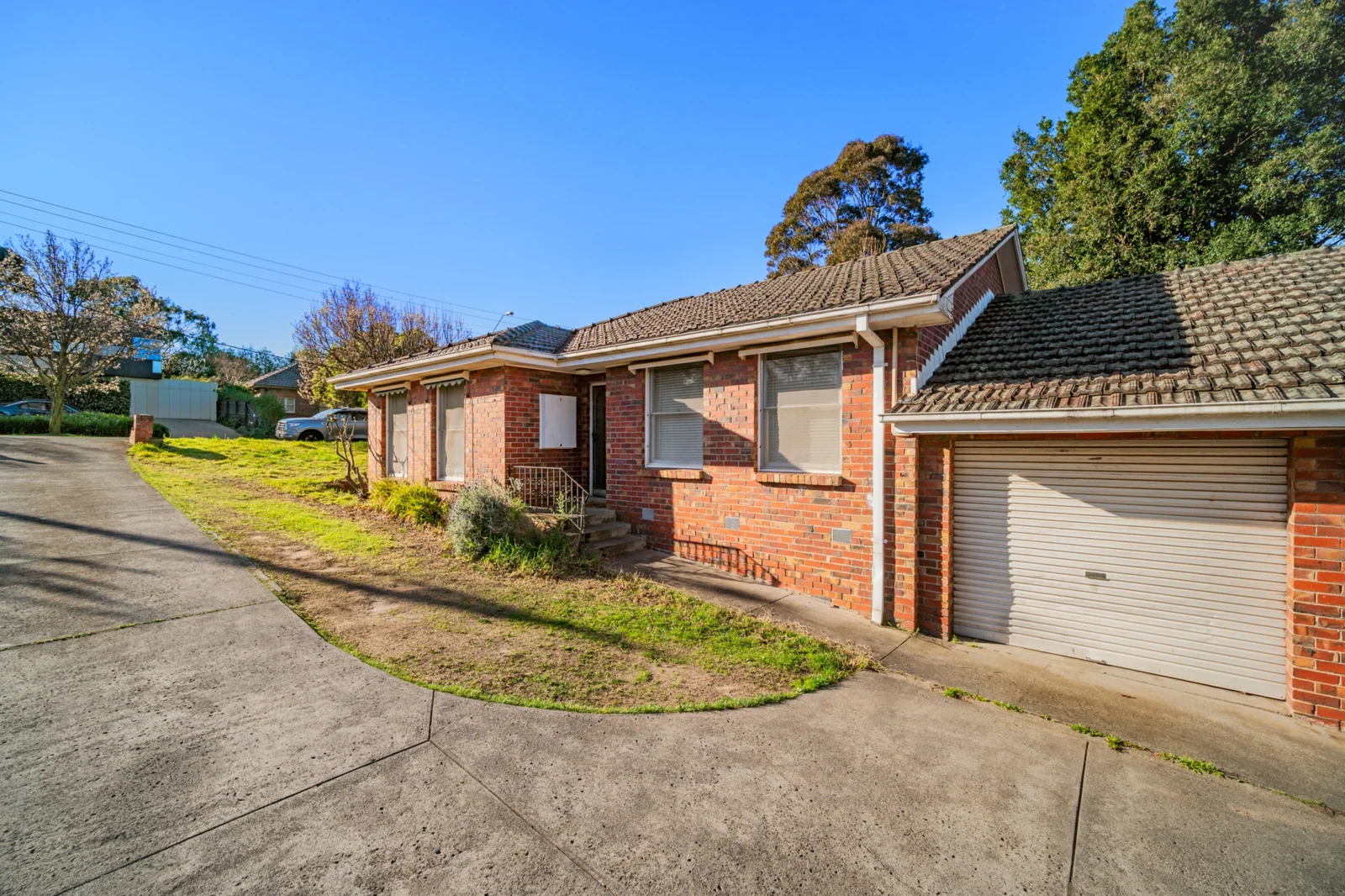 $580
Apartment / Unit / Flat
$580
Apartment / Unit / Flat
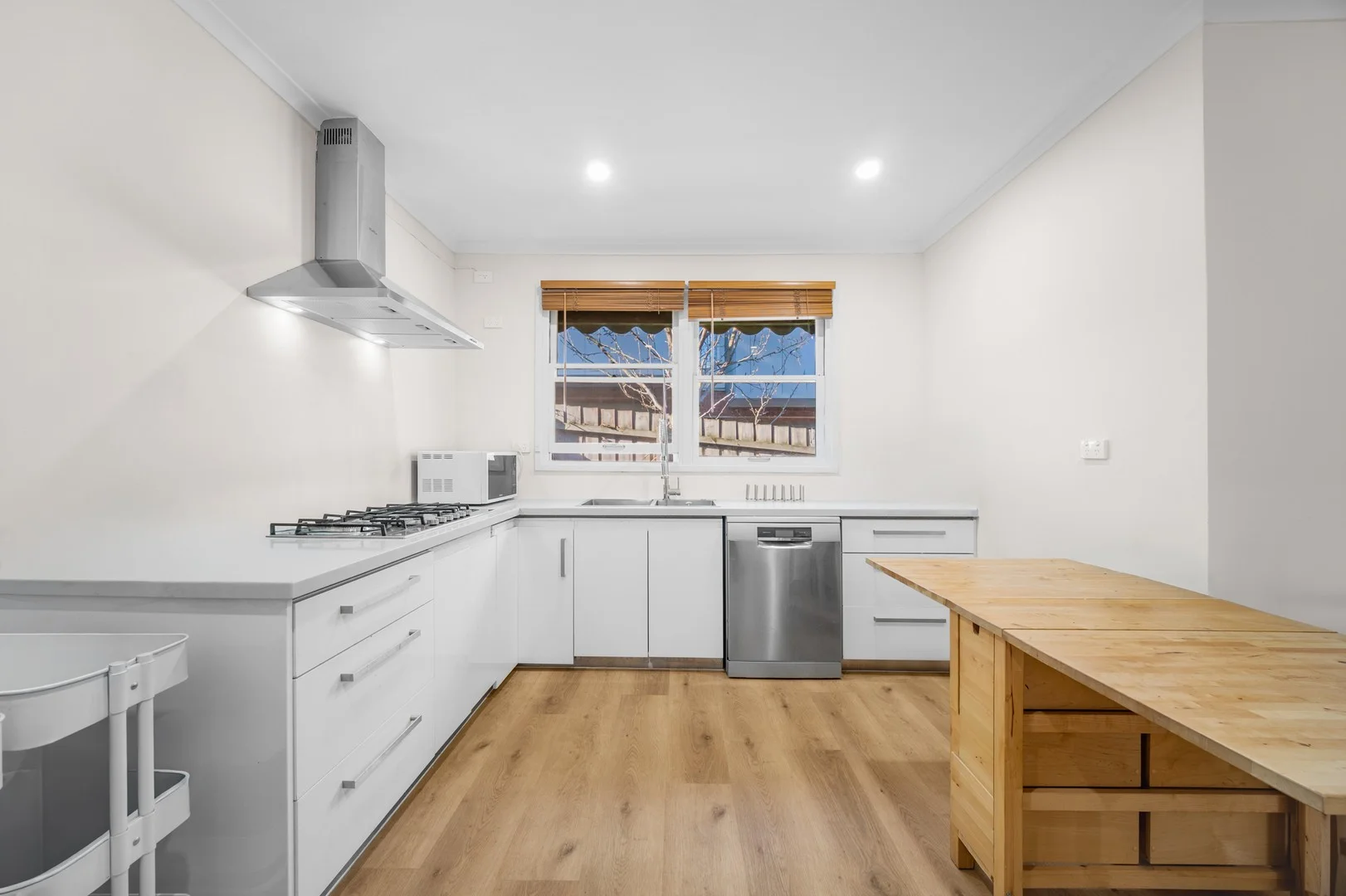 $680
Apartment / Unit / Flat
$680
Apartment / Unit / Flat
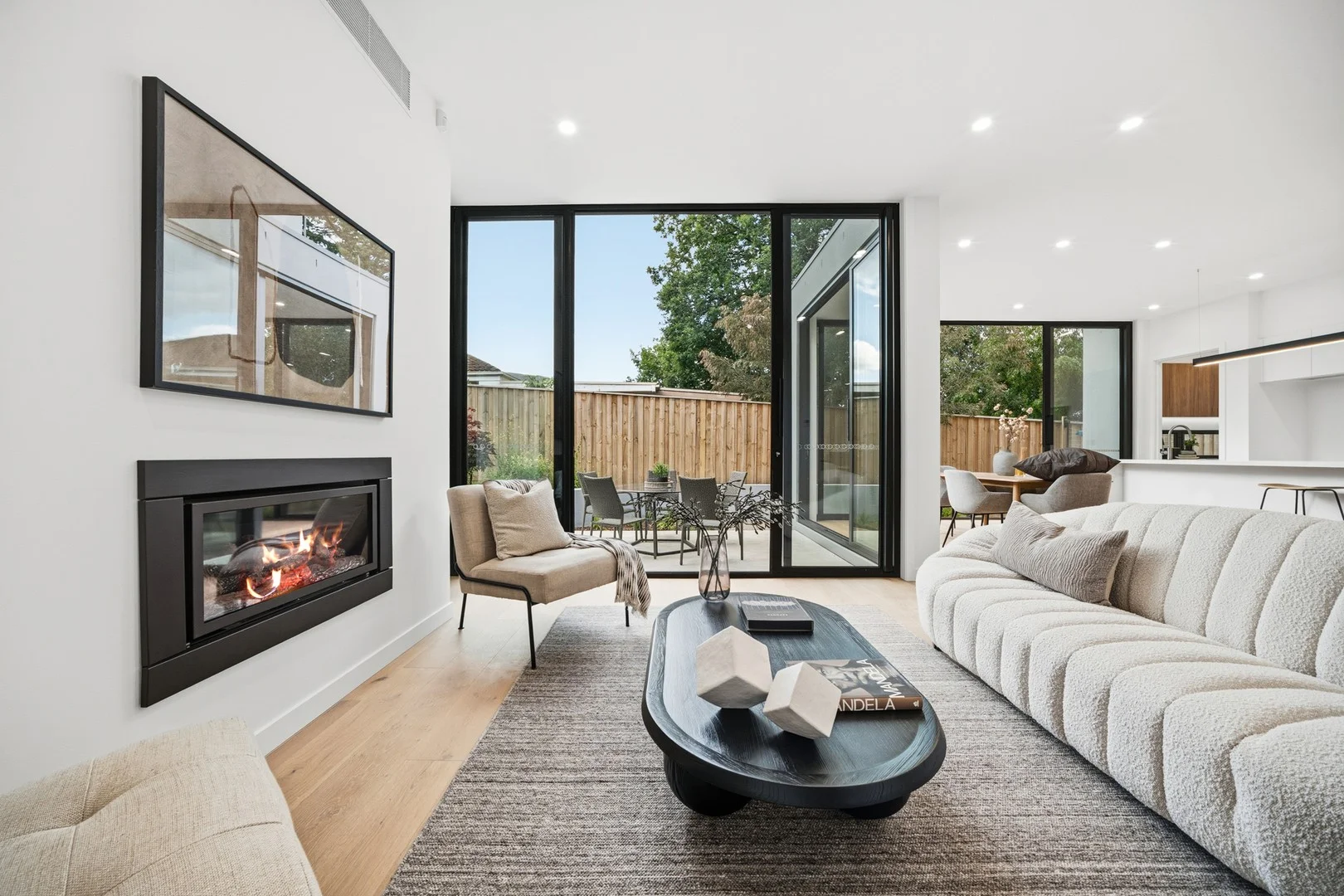 $1,750,000
Townhouse
$1,750,000
Townhouse
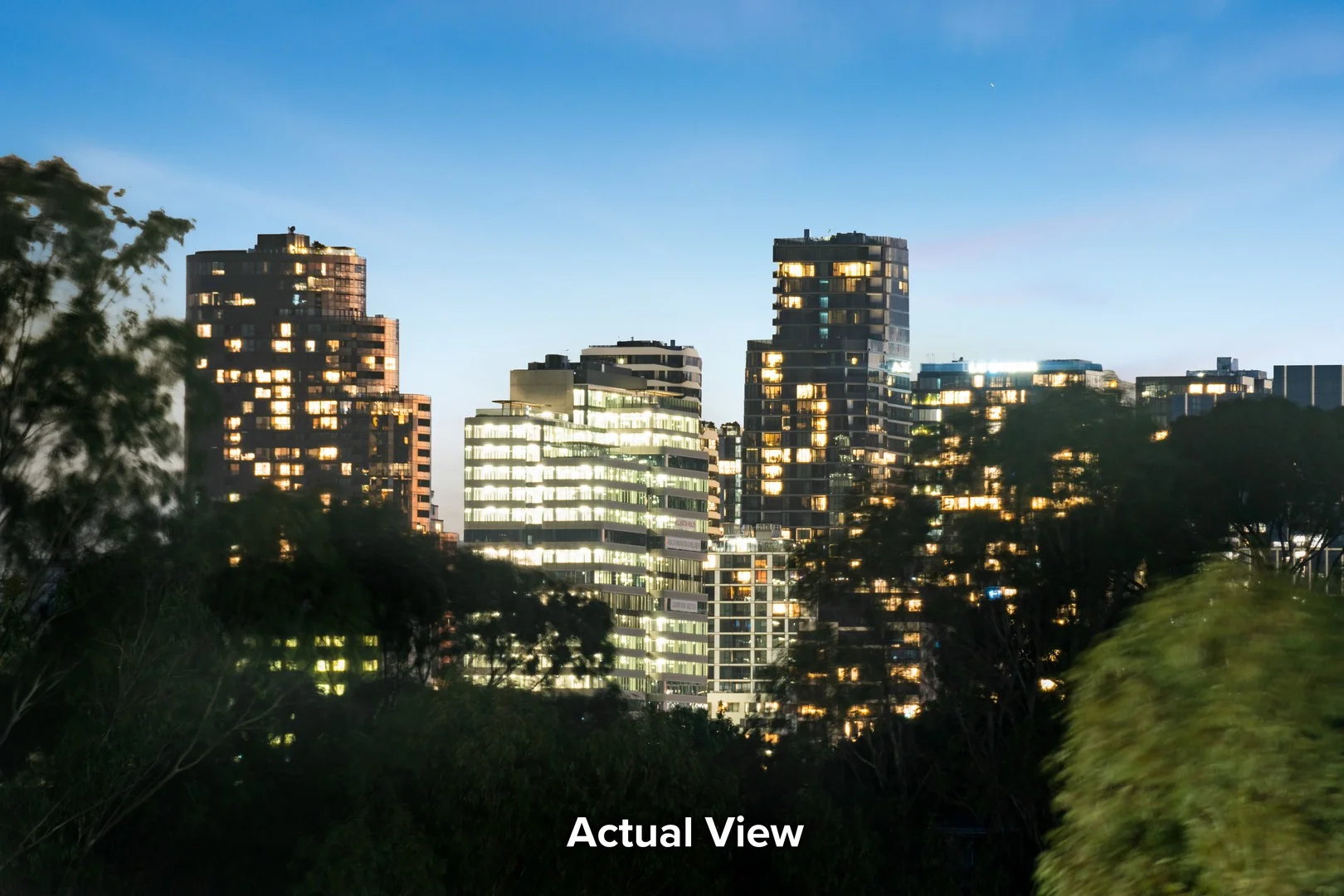 $1,600,000 - $1,750,000
House
$1,600,000 - $1,750,000
House
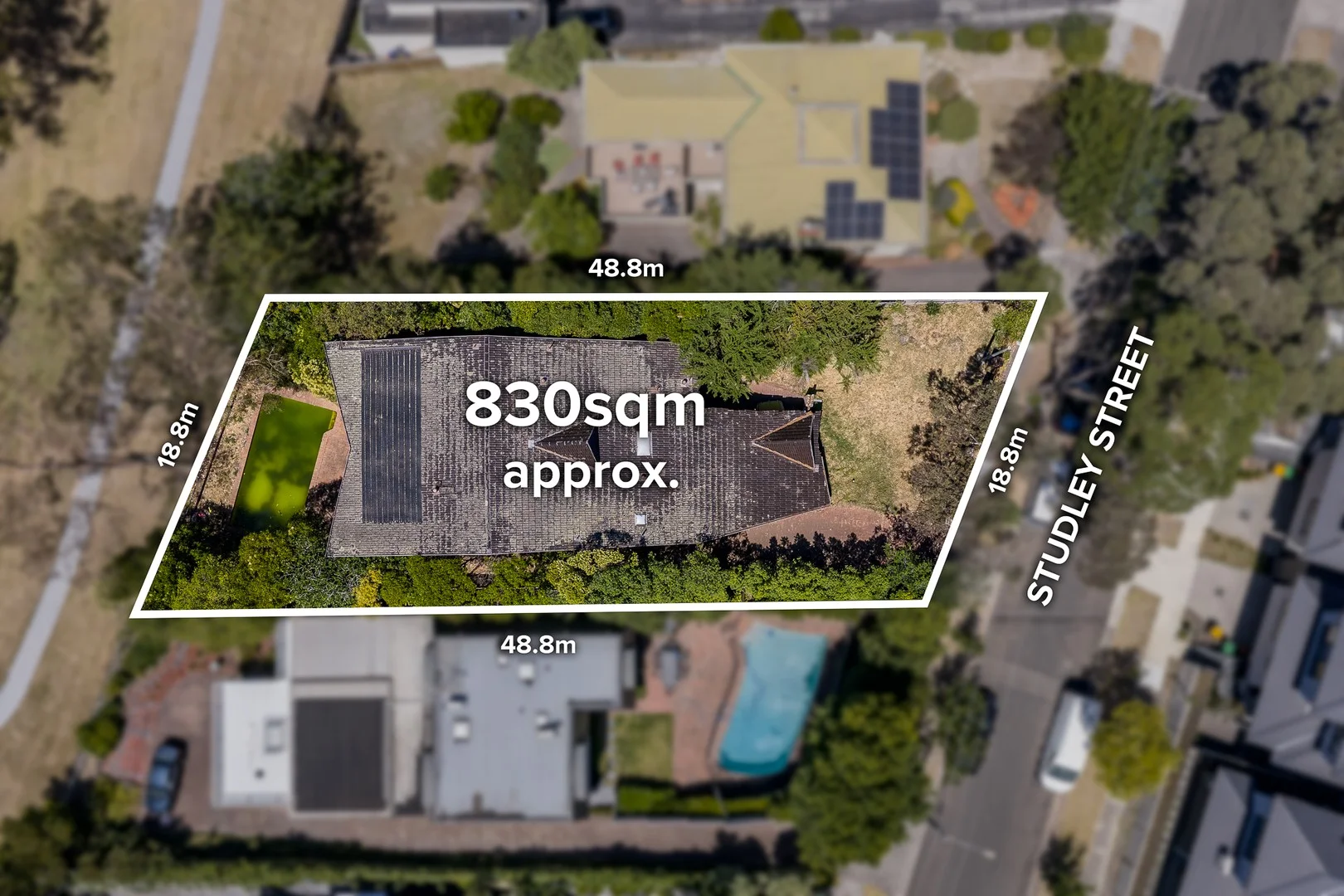 $1,400,000 - $1,500,000
House
$1,400,000 - $1,500,000
House
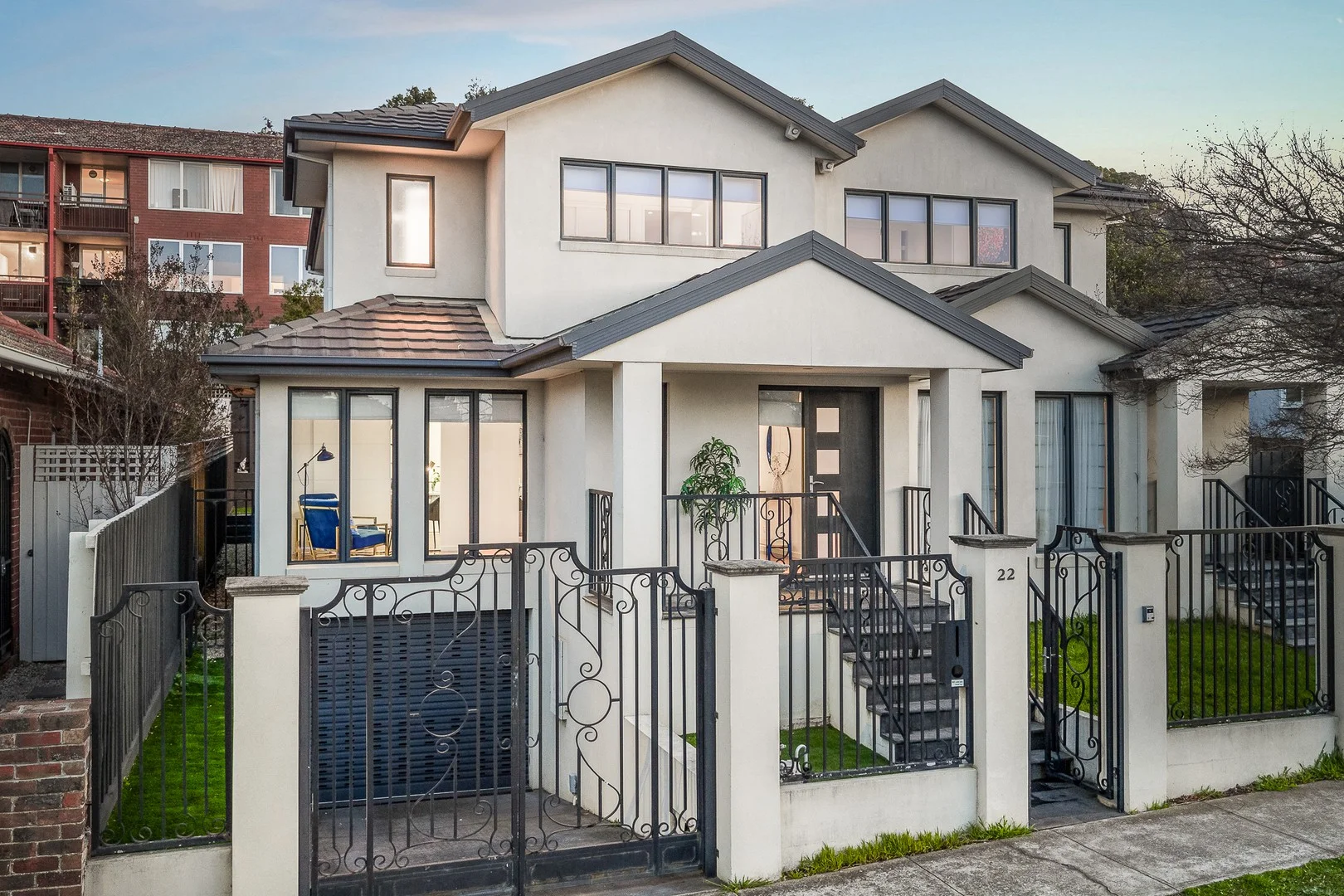 $2,100,000
Townhouse
$2,100,000
Townhouse
 $630,000 - $680,000
Apartment / Unit / Flat
$630,000 - $680,000
Apartment / Unit / Flat
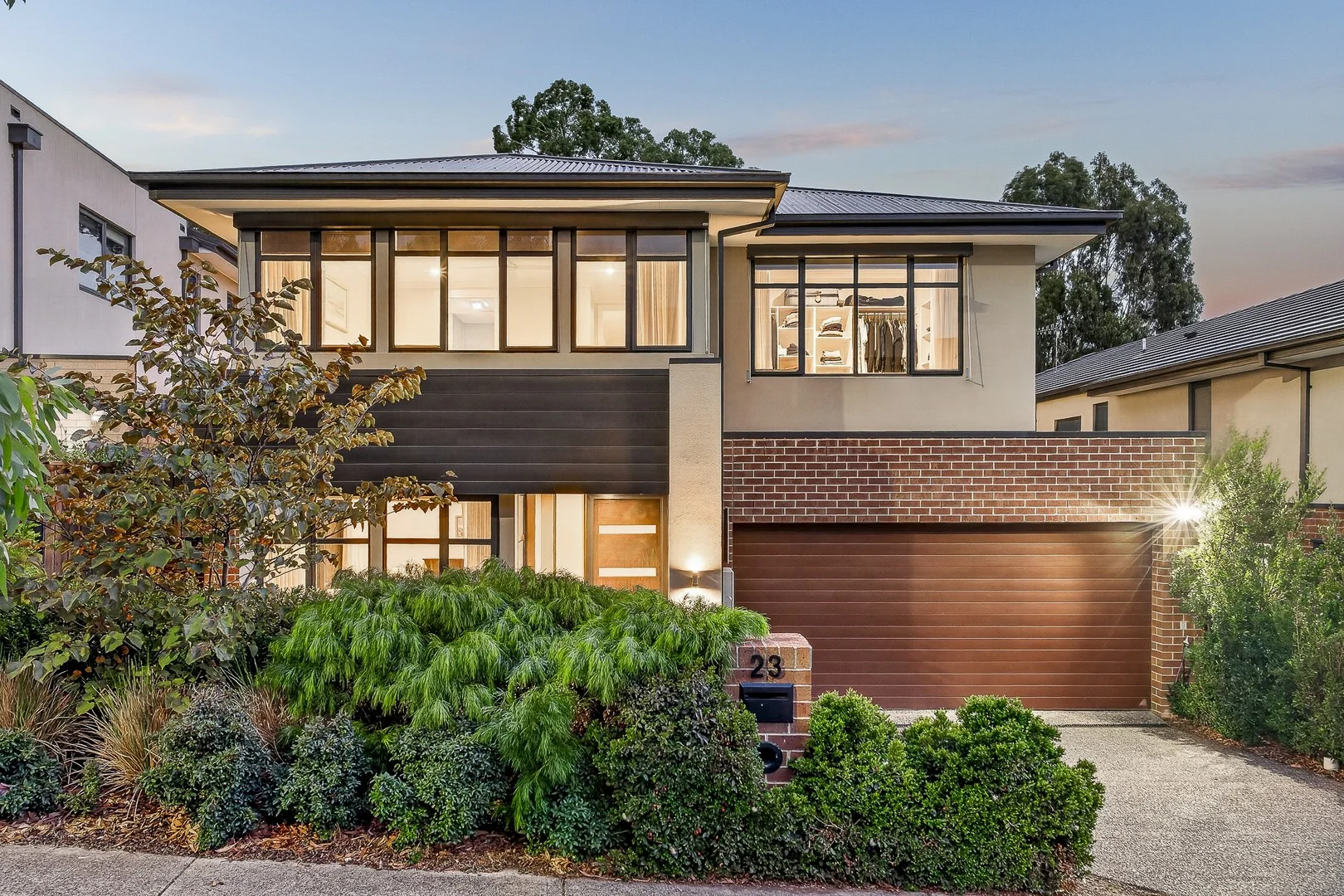 $1,780,000 - $1,880,000
House
$1,780,000 - $1,880,000
House


