## 1. Overview
Carey Baptist Grammar School is a private, independent Anglican day school in Melbourne, offering education from early years through to Year 12. The school is known for its strong sense of community, academic rigour, and broad co-curricular program, designed to prepare students for tertiary study and life beyond school. It is a relatively large school with a diverse student body and a focus on values-based education.
The environment is lively and supportive, with an emphasis on high standards, character development, and inclusivity. Across year levels, students experience a mix of academic challenge, pastoral care, and opportunities to engage in sport, arts, and leadership activities.
## 2. Academics & Learning
- Academic strengths: English and humanities, STEM disciplines, and a broad language program, with pathways that lead to VCE/ATAR outcomes and tertiary entrance.
- Special programs: Broad support for accelerated or gifted/talented learners; opportunities for extended projects and leadership development; focus on holistic progression (academic, creative, and practical skills).
- NAPLAN / trends: Positive trends in literacy and numeracy over recent years, with a continuous emphasis on improving reading, writing, and critical thinking skills.
- Student-teacher ratios: Class sizes typically in the mid-teens to mid-20s, with smaller group support available for targeted learning; overall student-teacher contact aimed at balancing individual attention with collaboration.
- Support for diverse learners: EAL (English as an Additional Language) support, learning support and SEN coordination, and access to specialist staff to assist students with varied needs.
## 3. Sports & Extracurricular Strengths
- Sports offered: A broad range of team and individual sports, including football, cricket, basketball, tennis, swimming, athletics, and other intramural and interschool activities.
- Strong teams or achievements: Consistent participation in interschool competitions with a track record of achieving results across multiple sports.
- Music, arts, drama: Active music programs, ensembles, and drama productions; opportunities to perform at school events and public venues.
- Clubs: Robotics, chess, coding, debating, and other interest-based clubs that foster problem-solving and collaboration.
- Partnerships: Involvement in local competitions and partnerships with community organizations and sport/arts programs to extend opportunities beyond the classroom.
## 4. Wellbeing & Pastoral Care
- Anti-bullying approach: Clear policies and proactive programs to promote respectful behaviour, student safety, and a positive school climate.
- House system: A house-based structure that supports community, competition, and mentorship among students.
- Counsellors / wellbeing officers: Access to school counsellors and wellbeing staff to support mental health, social adjustment, and personal development.
- Transition support for new students: Orientation activities, buddy systems, and targeted support to help new students settle in smoothly.
## 5. Facilities
- Sports grounds: On-site facilities for a range of sports and physical education.
- Libraries: Well-resourced library with print and digital resources to support learning.
- Science labs: Modern laboratories for biology, chemistry, physics, and integrated science programs.
- Music/performing arts centers: Dedicated spaces for music ensembles, theatre, and drama activities.
- Tech/innovation labs: Design, technology, and ICT spaces to support coding, robotics, and project-based learning.
- Cafeteria: On-site dining facilities with meal options for students.
- Updated playgrounds: Well-maintained play and outdoor learning spaces for younger students and recreation for all ages.
## 6. School Values & Community Culture
- Values / mission: A values-driven education grounded in care, responsibility, integrity, and service within an Anglican ethos.
- Leadership style: Collaborative and student-centered, with prominent opportunities for leadership roles across year levels.
- Behaviour expectations: Clear codes of conduct and expectations for respectful, responsible, and ethical behaviour.
- Community reputation: A long-standing Melbourne independent school with a reputation for academic focus, pastoral care, and active community involvement.
- Diversity & inclusion: Commitment to a welcoming environment that supports students from diverse backgrounds and demonstrates inclusive practices.
## 7. School Logistics & Daily Operations
- School hours: Typical school day runs from morning entry through to afternoon dismissal, with variations by year level.
- Before/after school care: Available options for supervision and activities outside standard school hours.
- Uniform requirements: School uniform policy with appropriate dress codes for different year levels and events.
- Transport: Access to school bus services and local public transport options; information on routes and timetables is usually provided by the school.
- Canteen availability: On-site canteen or dining facilities offering meals and snacks.
- Fees: Fees are in the high range for Melbourne independent schools, reflecting comprehensive programs and facilities.
## 8. Enrolment & Admissions
11. What is the enrolment process and timeline?
- Interested families typically start with an enquiry and submit an application form with the required documentation and application fee. The school conducts admissions assessments or interviews as part of the process, followed by notification of outcomes within a specified timeline.
12. Is there a waiting list, and how does it work?
- There may be a waiting list when intake demand exceeds places. The school uses priority considerations (age/year level, siblings, and other criteria) and communicates expected timelines if a place becomes available.
13. Are there any entry requirements, tests, or interviews?
- Entry usually involves an assessment or interview to gauge academic potential, fit with the school’s programs, and alignment with the school’s values. There may be year-specific requirements or testing as part of the process.
14. Does the school accept mid-year transfers?
- Mid-year transfers can be considered if places are available; timing and acceptance depend on vacancies and the applicant’s alignment with curriculum and pastoral considerations.
## 9. Frequently Asked Questions
- Why Parents Choose This School?
- Strong academic programs within a supportive, values-based environment; emphasis on holistic development, leadership opportunities, and a sense of community.
- What type of student thrives at this school?
- Students who are motivated, collaborative, coachable, and engaged in both academics and co-curricular activities.
- What opportunities are available for students to extend their skills (academics, sports, arts)?
- A broad range of programs across STEM, humanities, languages, performing arts, and competitive sports, plus clubs and leadership roles.
- How does the school communicate with parents?
- Regular updates via newsletters, parent portal, emails, and information evenings; open channels with teachers and pastoral staff.
- What is the school’s approach to teaching and learning?
- Inquiry-based and outcomes-focused learning with opportunities for extension, collaboration, and practical applications.
- How does the school support students who need extra academic help?
- Targeted learning support, EAL assistance, and access to counsellors and learning specialists.
- What support is available for academic challenges?
- Additional tutoring, differentiated instruction, and monitoring plans to help students improve.
- How does the school communicate with parents? (duplicate question)
- See above: regular updates via parent portals, newsletters, and direct communication with teachers.
- What are the class sizes and how much individual attention do students receive?
- Class sizes vary by year level, with smaller groups in early years and steps toward larger classes in senior years; overall focus on providing opportunities for individual attention within a collaborative setting.
- What extracurricular and sports opportunities are available?
- A wide array of sports, music, drama, and clubs (robotics, chess, coding, debating) with interschool participation.
- What facilities does the school offer (sports, science, arts)?
- Comprehensive facilities including sports grounds, libraries, science labs, music/performing arts centers, tech/innovation labs, and canteen.
- What is the school’s approach to technology and digital learning?
- Emphasis on digital literacy, responsible use of technology, and integration of ICT across the curriculum.
- What transport and accessibility options are available?
- Information on school transport and nearby public transport options is available through the school; consult for current routes.
- What are the typical school fees or additional costs?
- Fees are in the high range for Melbourne independent schools, with potential additional costs for uniforms, activities, trips, and materials.
## 10. Short Pros & Cons list
- Pros
- Strong academic program with broad subject options and pathways.
- Supportive, values-based environment with robust wellbeing and pastoral care.
- Wide range of co-curriculars (sports, arts, clubs) and leadership opportunities.
- Modern facilities across science, arts, and technology.
- Active community and inclusive culture.
- Cons
- Fees are on the higher end relative to many local options.
- Large school size can mean busier campuses and less one-to-one time in some year levels.
- Availability of highly sought-after year-level places may involve a waiting list.
 $57+
$57+














 $1,250,000
Apartment / Unit / Flat
$1,250,000
Apartment / Unit / Flat
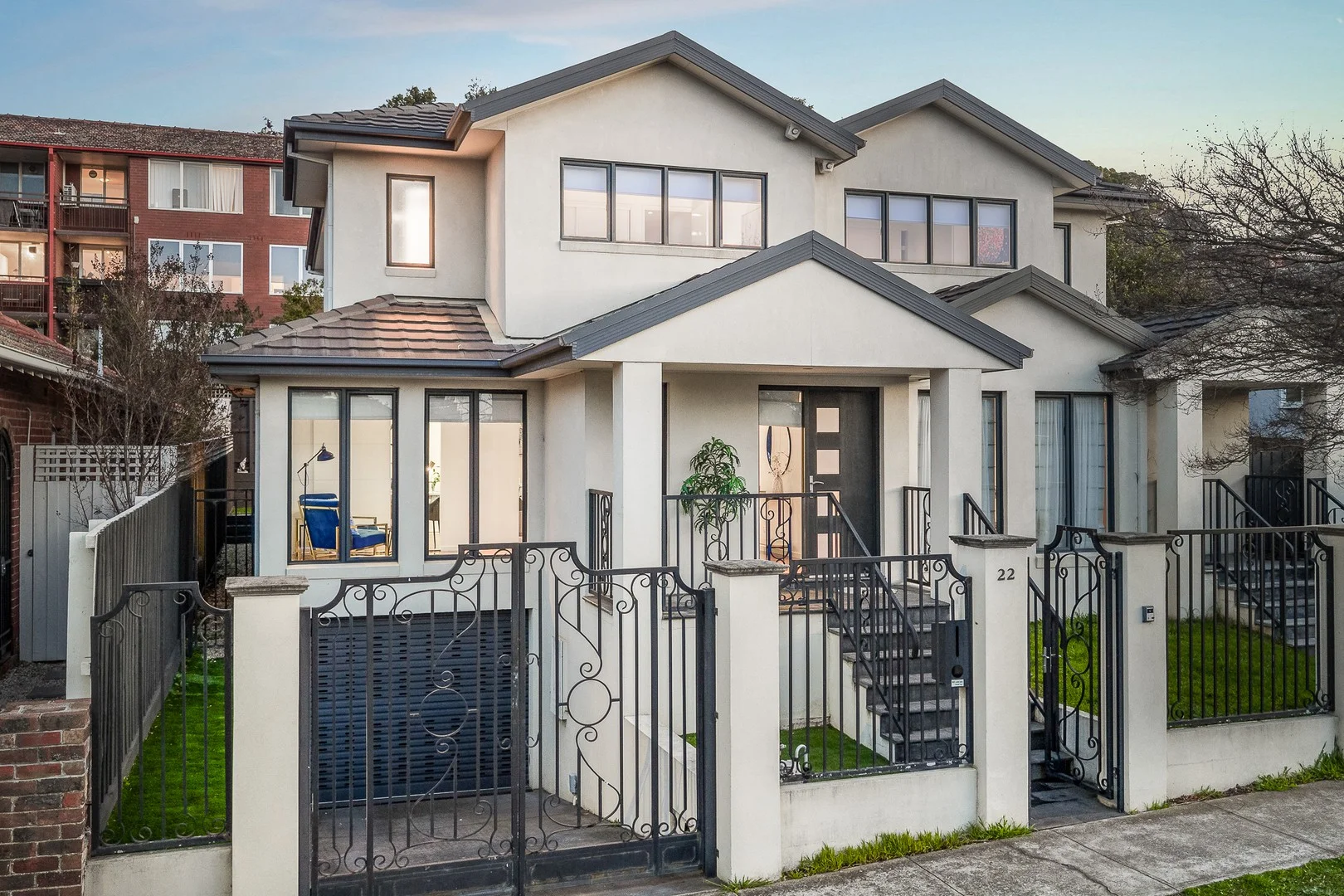 $2,100,000
Townhouse
$2,100,000
Townhouse
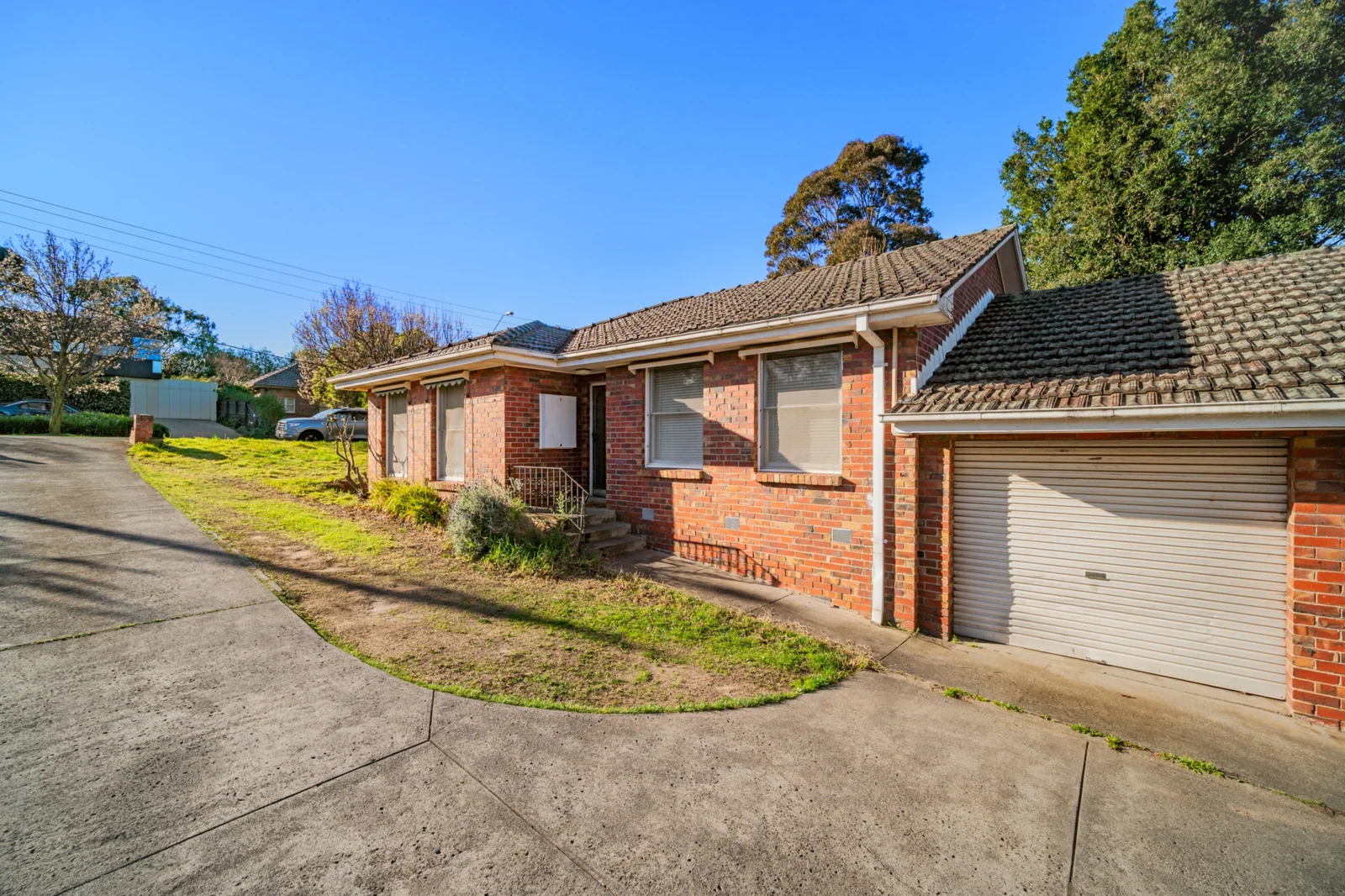 $580
Apartment / Unit / Flat
$580
Apartment / Unit / Flat
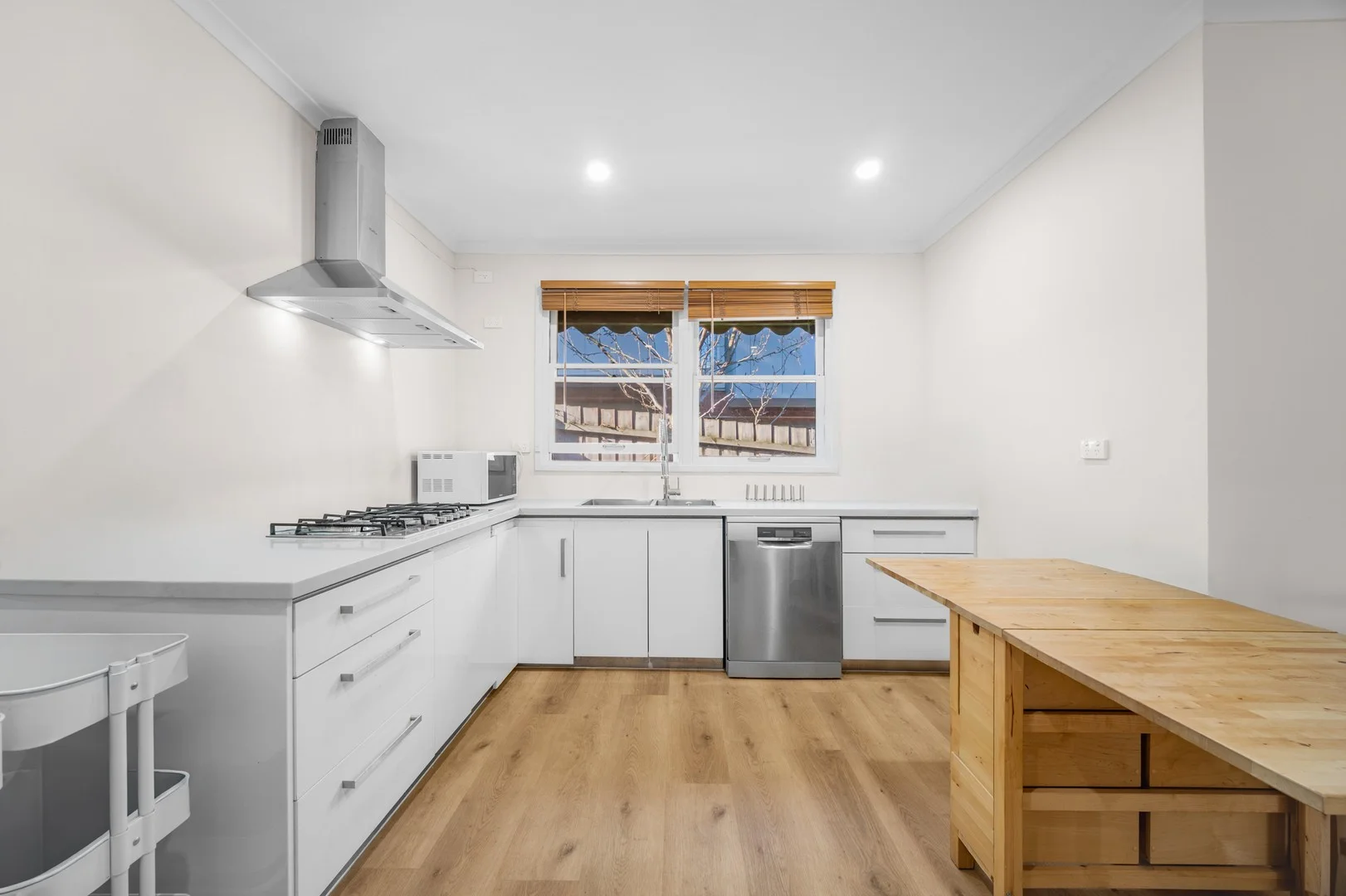 $680
Apartment / Unit / Flat
$680
Apartment / Unit / Flat
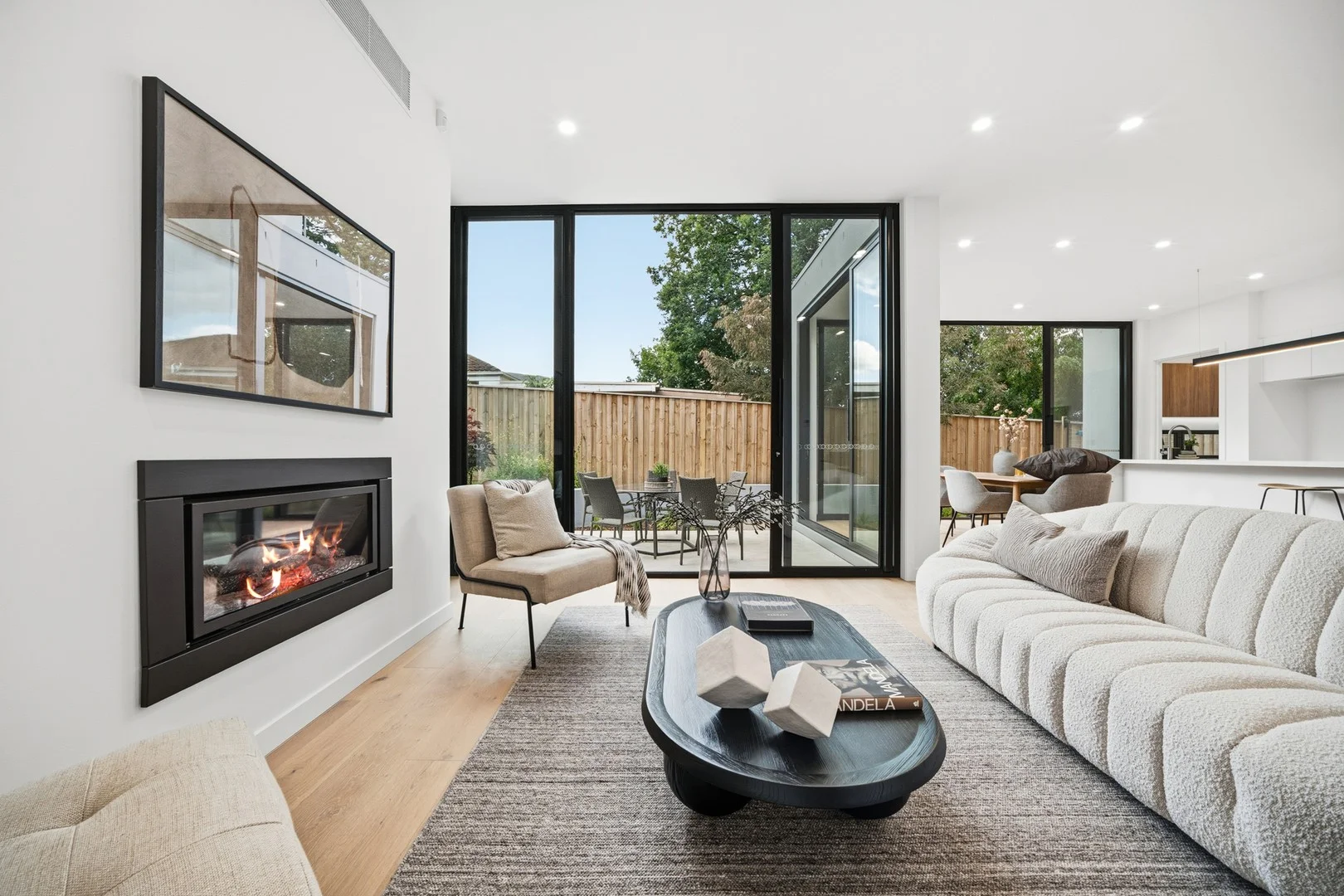 $1,750,000
Townhouse
$1,750,000
Townhouse
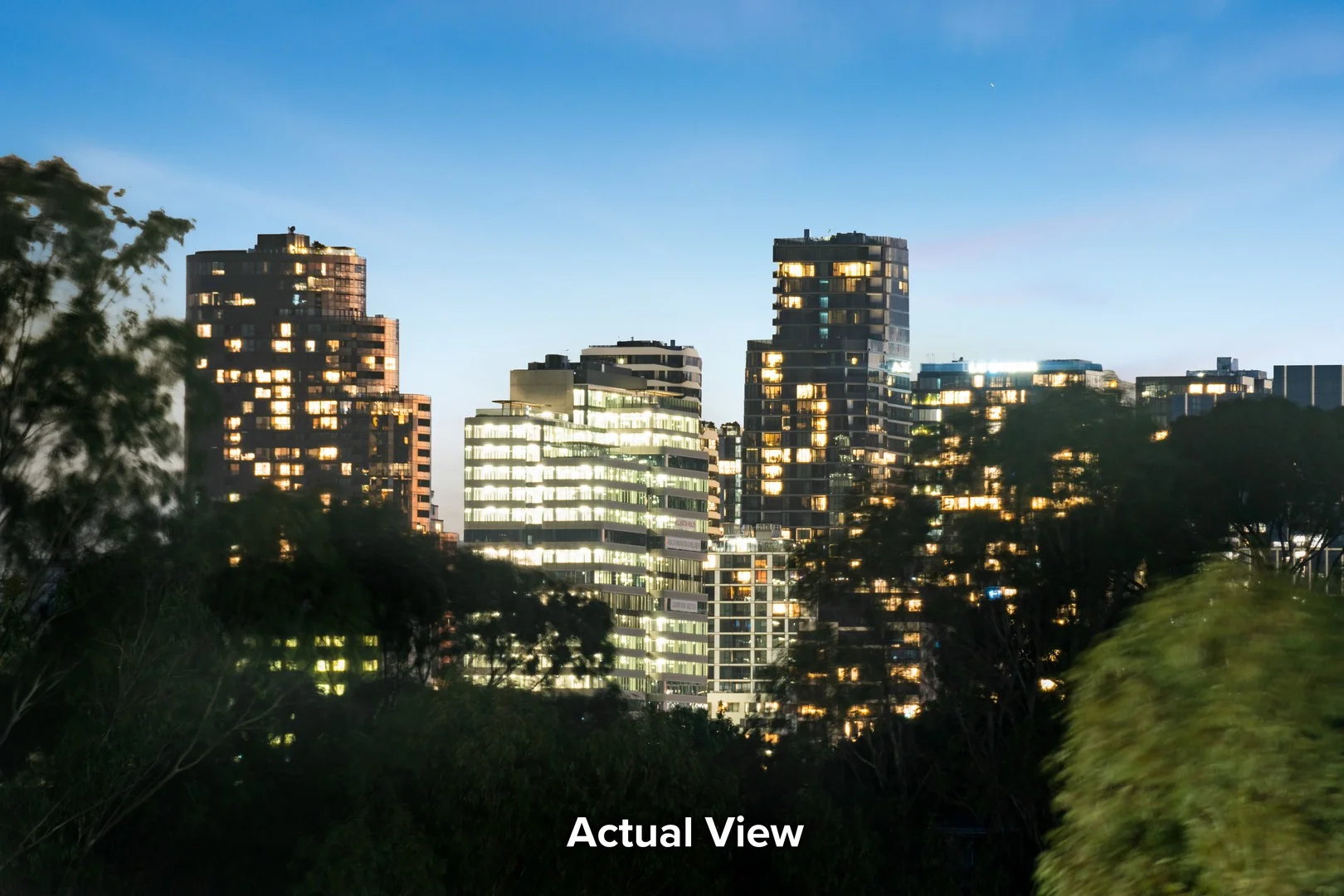 $1,600,000 - $1,750,000
House
$1,600,000 - $1,750,000
House
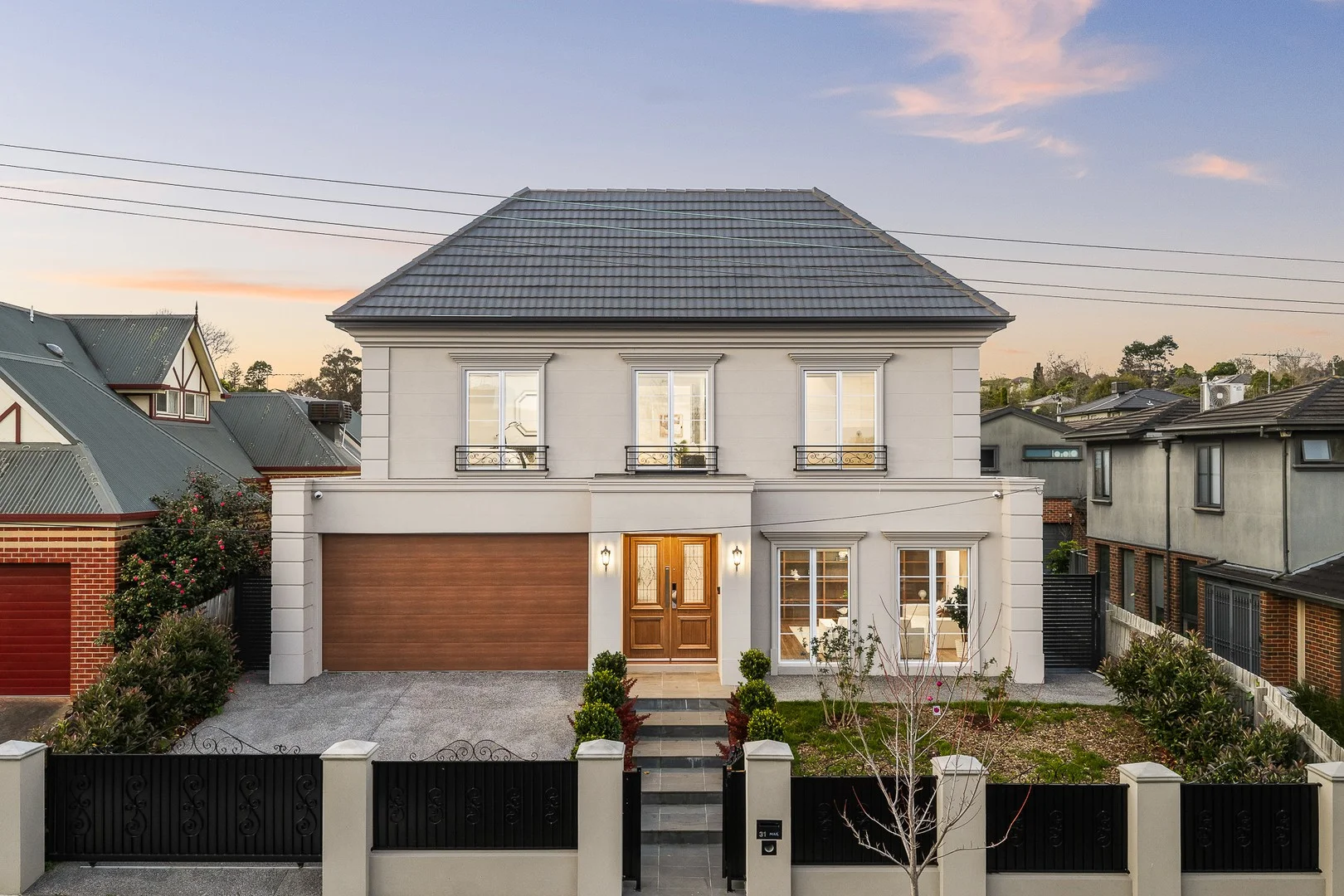 $2,550,000
House
$2,550,000
House
 $630,000 - $680,000
Apartment / Unit / Flat
$630,000 - $680,000
Apartment / Unit / Flat
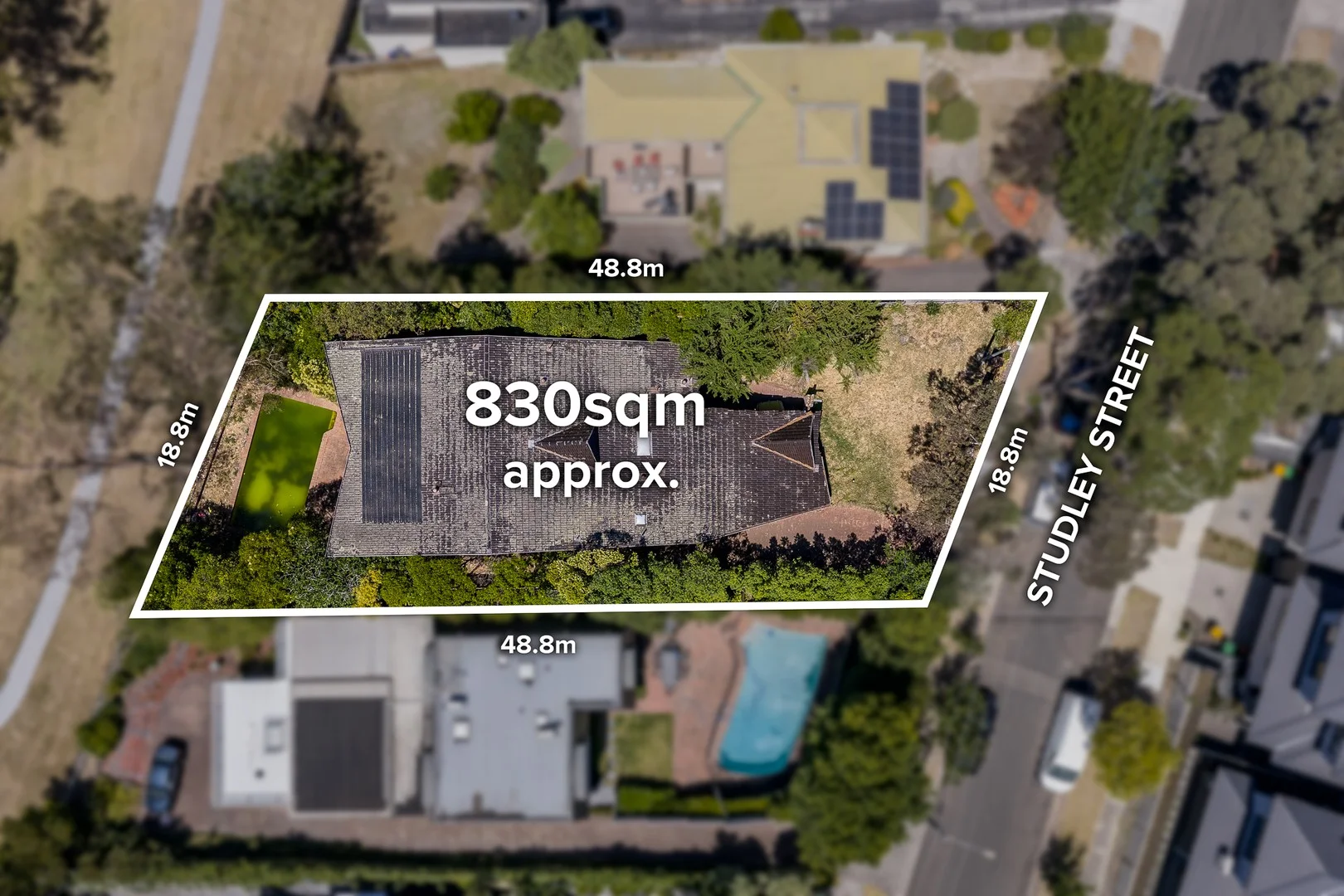 $1,400,000 - $1,500,000
House
$1,400,000 - $1,500,000
House


