## 1. Overview
Hamilton Secondary College is a public, co-educational high school serving families in and around Mitchell Park, South Australia. The school operates with a medium student population and a curriculum designed to support students across academic, practical and social development. Class sizes are typically in the mid-20s, varying by year level and subject. The atmosphere is inclusive and nurturing, with a culture that values academic effort, personal growth and participation in sport and the arts.
- School type: Public
- School size: Medium
- Class size: Typically mid-20s (approx. 22–28 students per class, depending on year/subject)
- Atmosphere/culture: Inclusive, supportive, diverse, academically oriented with opportunities in sport and arts
---
## 2. Academics & Learning
Hamilton Secondary College offers a broad curriculum designed to prepare students for ongoing study, work or vocational pathways.
- Academic strengths: STEM subjects, English and literacy, leadership development, and language learning are emphasized across year levels.
- Special programs: Opportunities for accelerated learning and pathways in vocational education and training (VET) are commonly available; leadership and student voice programs support development beyond the classroom.
- NAPLAN trends: Public reporting shows generally stable to improving performance across reading and writing over time, with maths performance tracked for ongoing improvement.
- Student-teacher ratios: Typical public high school ratios are in the low-to-mid teens to mid-20s per teacher, with variations by subject and year level.
- Support for diverse learners: EAL (English as an Additional Language) support and targeted SEN (Special Educational Needs) assistance are provided to help diverse learners access the curriculum.
---
## 3. Sports & Extracurricular Strengths
A strong focus on well-rounded development means plenty of chances to participate beyond the classroom.
- Sports offered: Common high school offerings such as football (soccer), netball, basketball, cricket, athletics, tennis and other team activities.
- Strong teams or achievements: Active participation in inter-school competitions and local leagues; ongoing opportunities to represent the school in various sports.
- Music, arts, drama programs: Regular music ensembles, choir, drama productions and performing arts activities.
- Clubs: Robotics, chess, coding, debating and other interest-based clubs to develop skills outside core subjects.
- Partnerships: Local community clubs and regional competitions provide additional opportunities for competition, collaboration and real-world experience.
---
## 4. Wellbeing & Pastoral Care
Wellbeing is a key priority, with structures in place to support students’ social and emotional development.
- Anti-bullying approach: Clear policies and proactive programs promote a respectful and safe school environment.
- House system: A house-based structure supports pastoral care, belonging and friendly intra-school competition.
- Counsellors / wellbeing officers: Access to school-based counsellors or wellbeing staff to support students’ mental health and adjustment.
- Transition support for new students: Orientation activities, buddy programs and targeted transition support help new students settle in.
---
## 5. Facilities
Facilities are designed to support learning, creativity and recreation in a visually engaging way.
- Sports grounds: On-site sport courts and fields for PE and inter-school events.
- Libraries: A library space for study, research and reading.
- Science labs: Well-equipped laboratories for practical science work.
- Music/performing arts centers: Areas dedicated to music, drama and performance.
- Tech/innovation labs: Computer labs and spaces for digital learning, coding and projects.
- Cafeteria: On-site canteen or café-style facilities for meals and snacks.
- Updated playgrounds: Safe outdoor spaces for recreation and social time.
---
## 6. School Values & Community Culture
The school aims to cultivate responsible, respectful and capable young people who contribute positively to the broader community.
- School values / mission: Core values often include respect, responsibility, resilience and inclusion.
- Leadership style: Collaborative and student-centered, with opportunities for student voice and leadership roles.
- Behaviour expectations: Clear code of conduct and restorative approaches to discipline.
- Community reputation: Generally seen as a supportive, family-friendly school with a focus on inclusive education.
- Diversity & inclusion: Commitment to welcoming students from diverse backgrounds and ensuring equitable access to opportunities.
---
## 7. School Logistics & Daily Operations
Helpful daily and logistical information to plan around school life.
- School hours: Typical school day aligns with standard SA public school hours (roughly 8:30am to 3:15pm), with variations by year level and timetable.
- Before/after school care: Before and after school care options may be available through school programs or local community services.
- Uniform requirements: School uniform is expected; details cover shirts, bottoms, jumpers and footwear as outlined by the school.
- Transport (train/bus routes): Students commonly travel by bus or public transport; check local routes and school drop-off/pick-up points.
- Canteen availability: On-site canteen or food service available for snacks and meals.
- Fees (low/medium/high ranges): Government public schools generally have modest fees for materials, activities and excursions; specific costs vary by year level and program.
---
## 8. Enrolment & Admissions
Key steps for families considering enrolment.
11. What is the enrolment process and timeline?
- Submit an enrolment application through the relevant Education Department process.
- Provide required documents (proof of identity, proof of address, immunisation records where applicable).
- Complete any school-specific forms and confirm placement timelines (usually well before the start of the school year).
- Attend any induction or orientation sessions if offered.
12. Is there a waiting list, and how does it work?
- Some year levels or popular programs may have limited places; a waiting list can apply in these cases. Placement often depends on date of application and available vacancies.
13. Are there any entry requirements, tests, or interviews?
- For standard enrolment in a public high school, there is typically no entrance exam. Some programs (if offered) may have auditions or selection criteria, but this varies by school and program.
14. Does the school accept mid-year transfers?
- Mid-year transfers can be possible subject to space and compliance with education department procedures; timing and documentation will be guided by the school.
---
## 9. Frequently Asked Questions
- Why Parents Choose This School?
- A welcoming, inclusive environment with a broad curriculum, strong support for diverse learners and opportunities in sport, arts and leadership.
- What type of student thrives at this school?
- Students who engage across academics, sport and clubs; those who value a balanced environment with supportive pastoral care.
- What opportunities are available for students to extend their skills (academics, sports, arts)?
- Accelerated or advanced learning options, VET pathways, leadership programs, and a range of clubs and extracurricular activities in sport, music, drama, coding, robotics and debate.
- How does the school communicate with parents?
- Regular updates through newsletters, emails, parent portals and scheduled parent-teacher meetings; open channels with teachers and pastoral care staff.
- What is the school’s approach to teaching and learning?
- A student-centered approach that emphasizes literacy, numeracy, critical thinking and practical hands-on learning across subjects, with supports for diverse learners.
- How does the school support students who need extra academic help?
- Targeted assistance through learning support staff, EAL/SEN programs and targeted interventions in core subjects.
- What support is available for academic challenges?
- Additional tutoring, after-school help and in-class differentiation guided by teaching staff and learning support teams.
- What extracurricular and sports opportunities are available?
- A broad range of sports (team and individual), music, drama and numerous clubs (robotics, coding, chess, debating) to suit varied interests.
- What facilities does the school offer (sports, science, arts)?
- Sports grounds, libraries, science labs, music/performing arts spaces, tech/innovation labs and a canteen; updated outdoor spaces.
- What is the school’s approach to technology and digital learning?
- Integration of digital tools across subjects, supported by computer labs, coding and digital literacy activities, and opportunities to develop ICT capabilities.
- What transport and accessibility options are available?
- Access to public transport and school bus routes where available; information on options typically provided by the school and local transport authorities.
- What are the typical school fees or additional costs?
- For public schools, fees for materials, activities and excursions are usually modest; specific costs depend on year level and chosen programs.
---
## 10. Short Pros & Cons list
- Pros
- Public, supportive environment with inclusive culture
- Broad academic and extracurricular offerings
- Focus on wellbeing, leadership and student voice
- Access to STEM, arts and VET pathways
- Moderate class sizes and opportunities for individual attention
- Cons
- As a mid-sized public school, some popular programs may have limited spaces
- Transport and commute options may vary by family location
- Uniforms and certain activity costs may be ongoing commitments
If you’d like, I can tailor any section with more specific details you provide (for example, exact program names, current facilities, or recent enrolment policies) to better match Hamilton Secondary College’s current offerings.








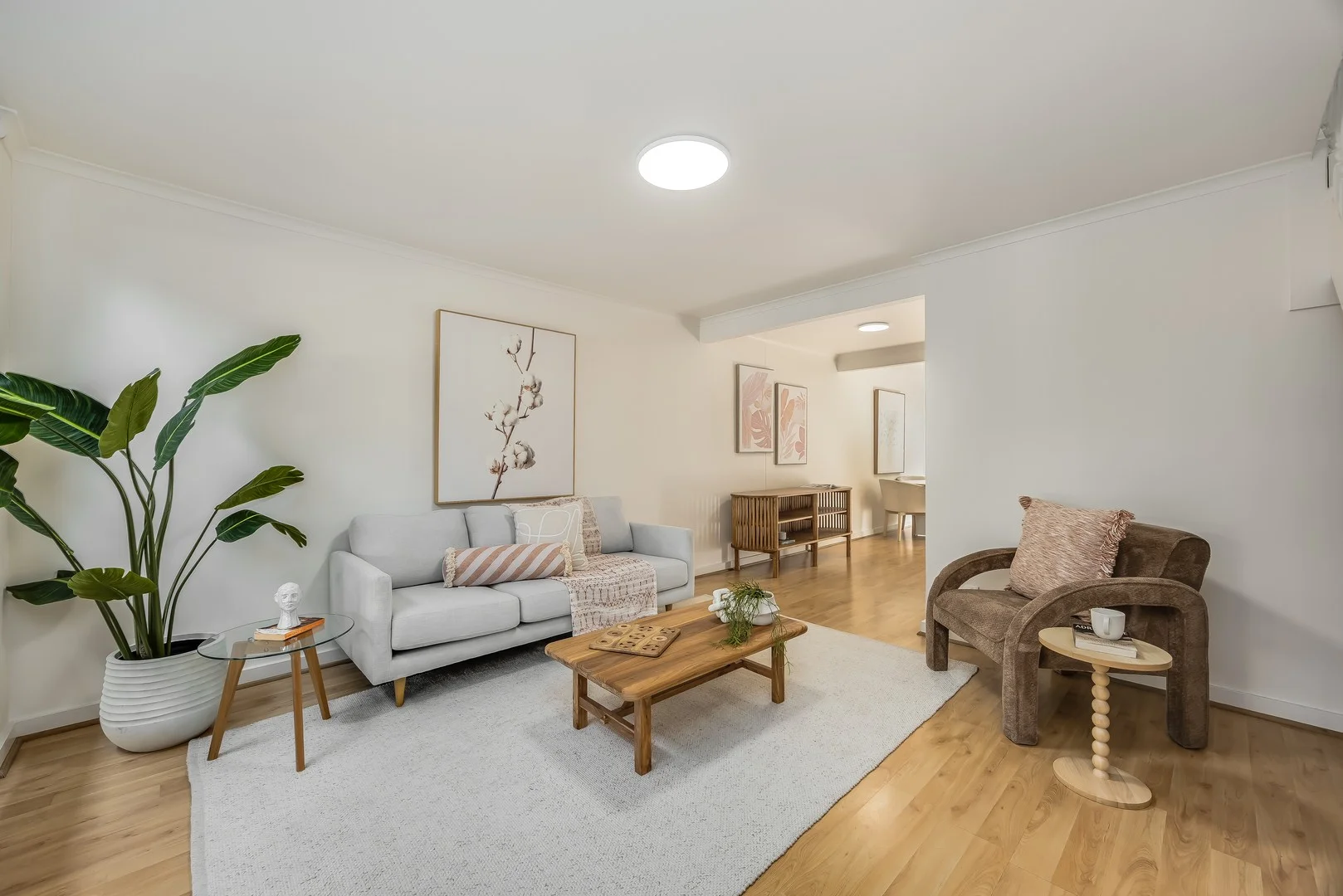 $775,000
House
$775,000
House
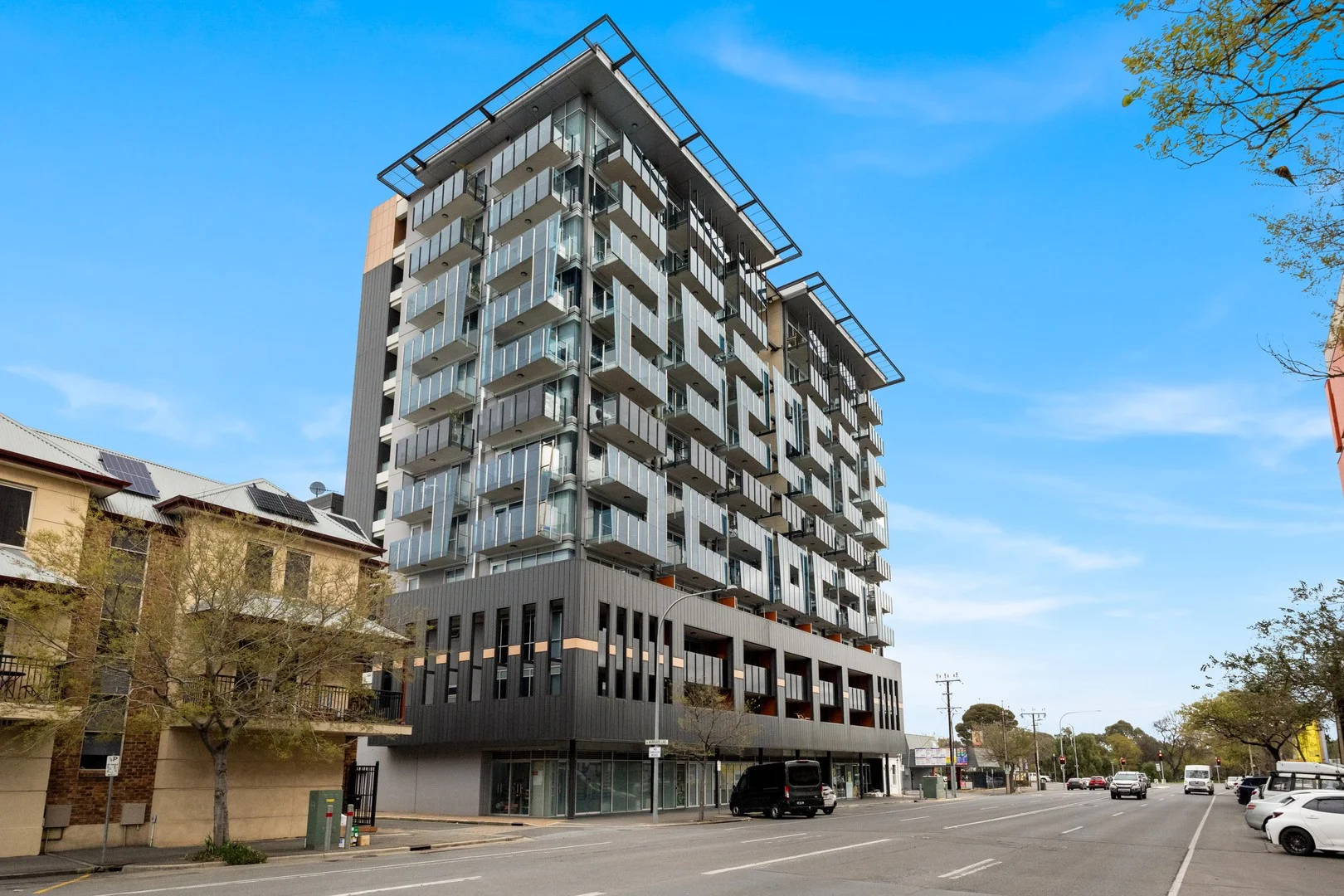 $1,100,000
Apartment / Unit / Flat
$1,100,000
Apartment / Unit / Flat
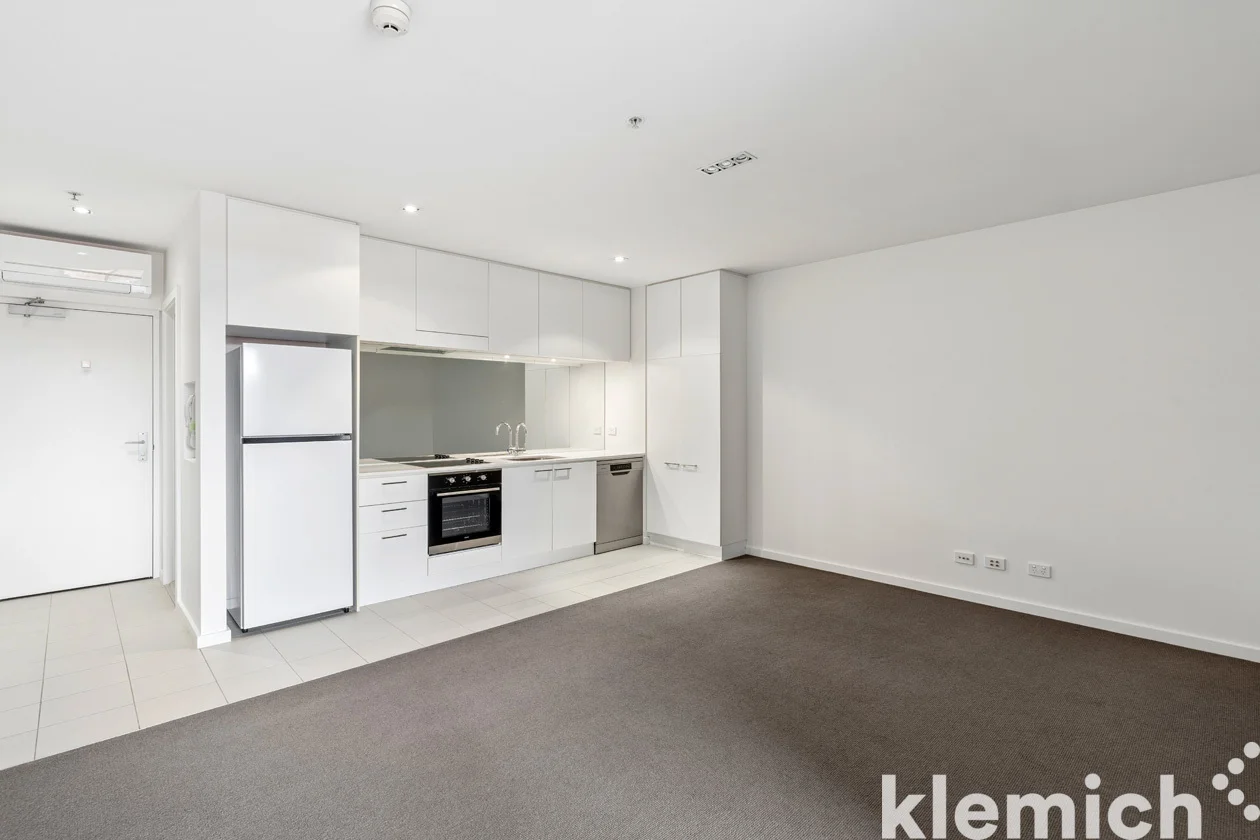 $440,000
Apartment / Unit / Flat
$440,000
Apartment / Unit / Flat
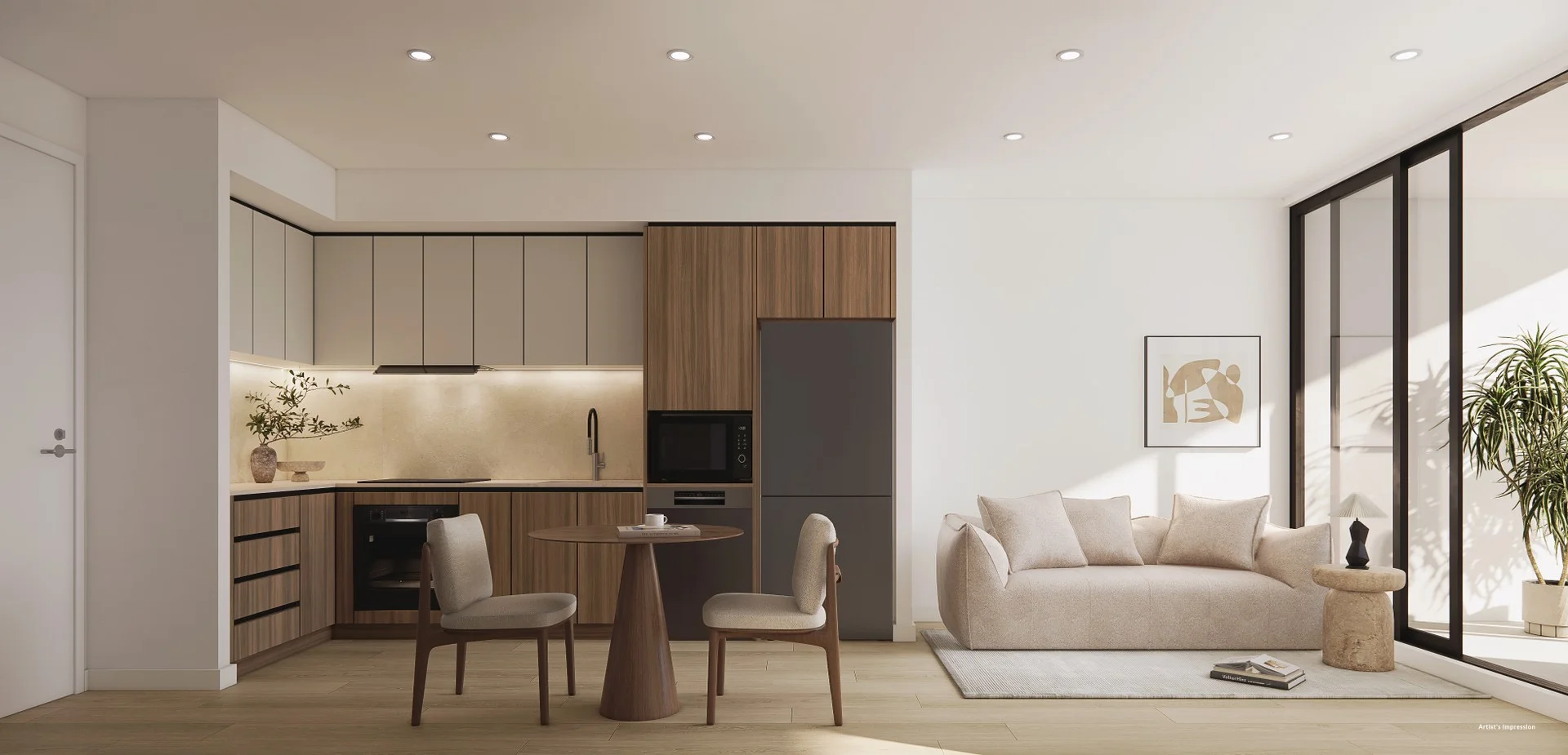 $588,000
Apartment / Unit / Flat
$588,000
Apartment / Unit / Flat
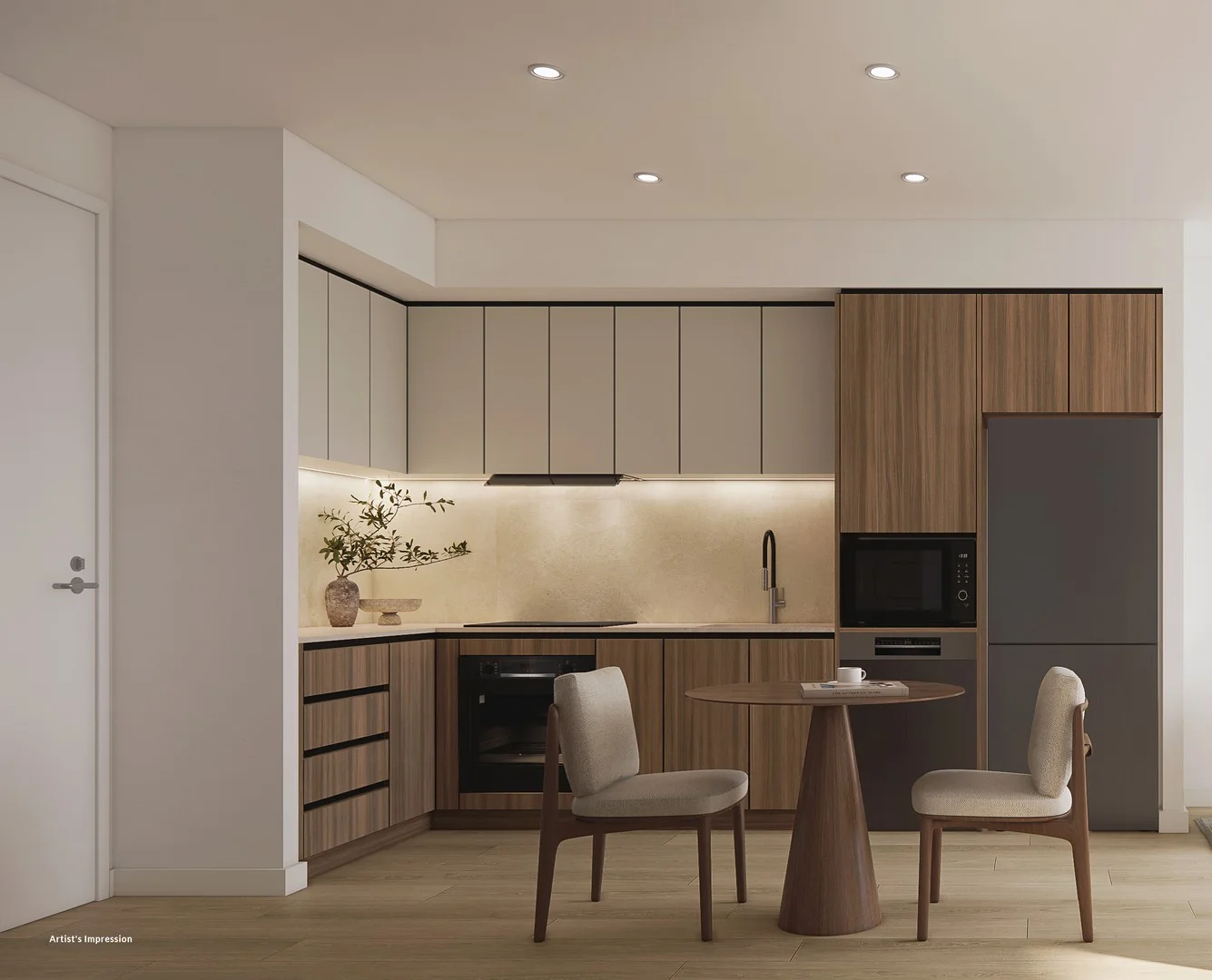 $557,000
Apartment / Unit / Flat
$557,000
Apartment / Unit / Flat
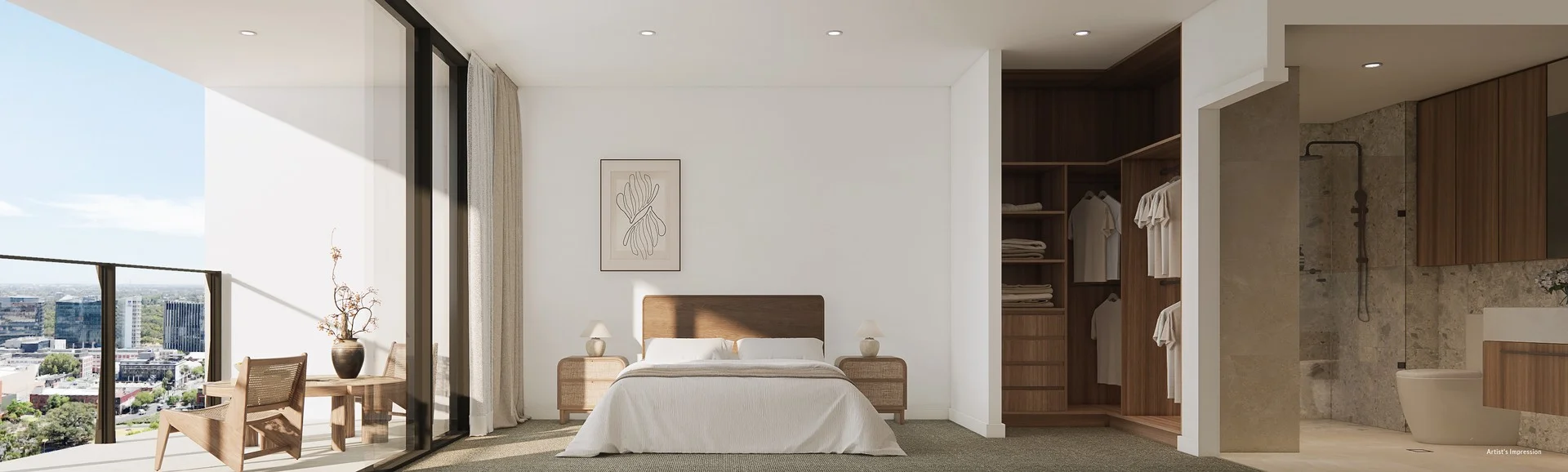 $1,056,000
Apartment / Unit / Flat
$1,056,000
Apartment / Unit / Flat
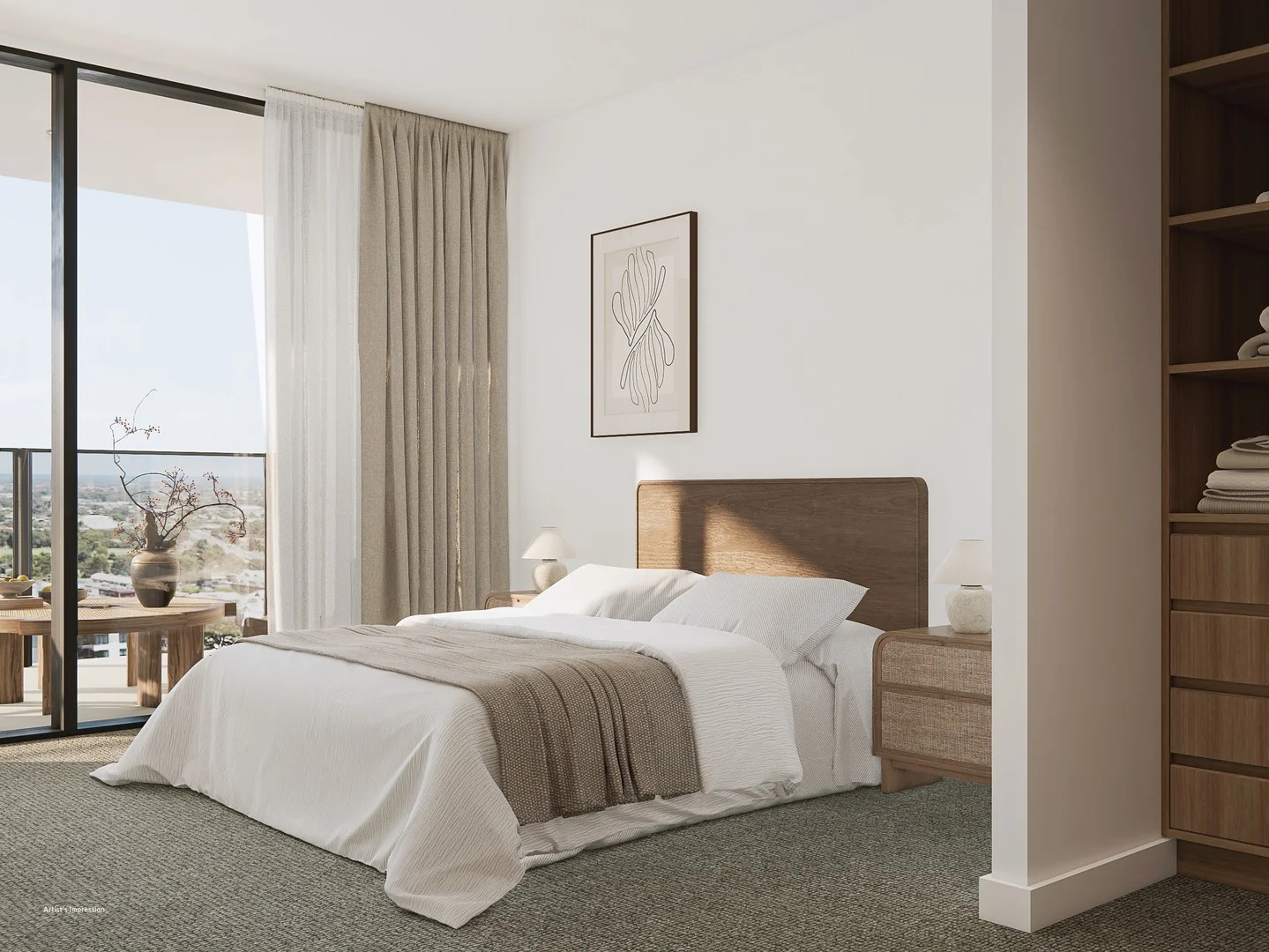 $935,000
Apartment / Unit / Flat
$935,000
Apartment / Unit / Flat
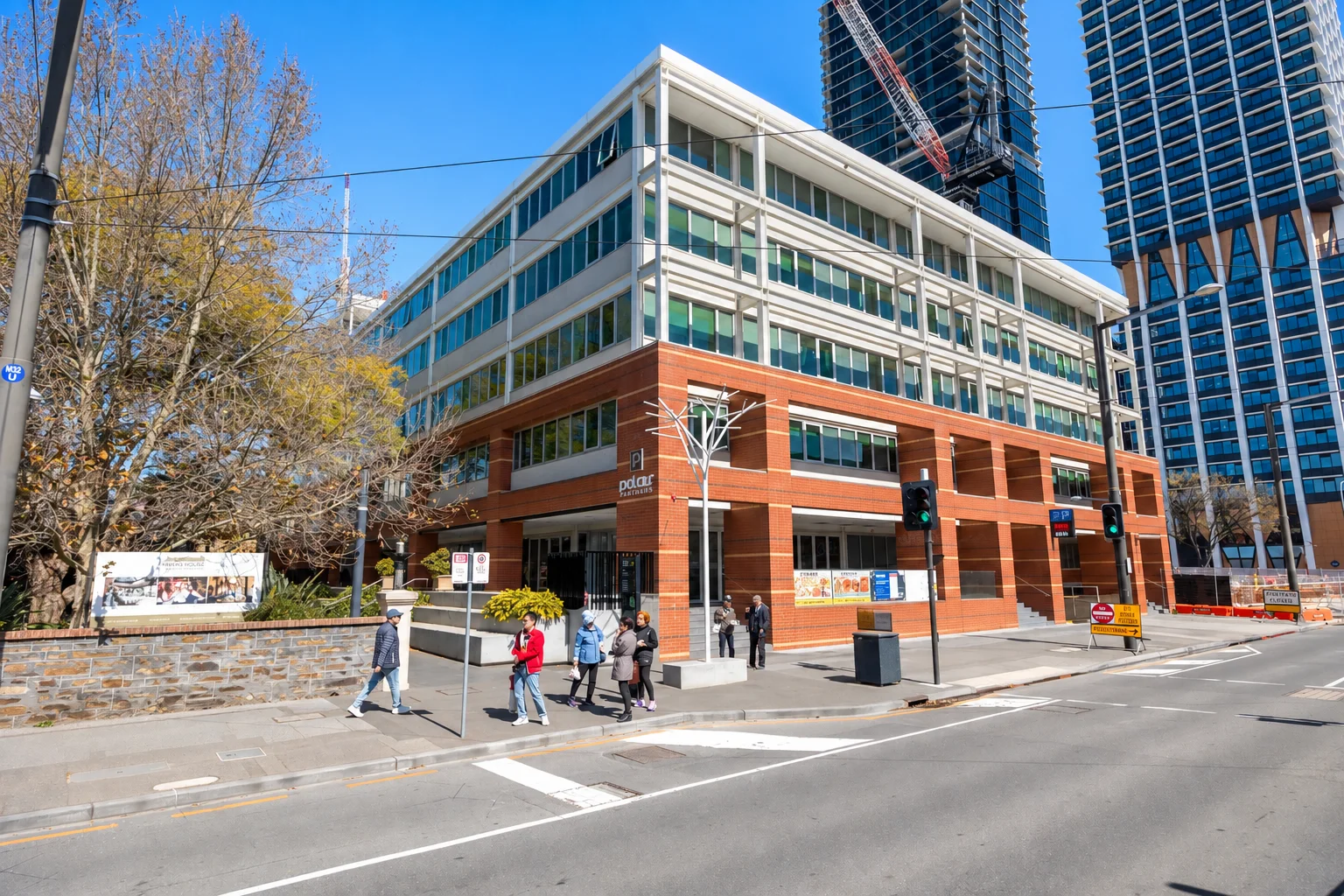 $545,000
Apartment / Unit / Flat
$545,000
Apartment / Unit / Flat