# Overview
Westminster School is an independent/private school in Australia, offering a holistic education that balances academics, character development, and community involvement. The school aims to create a nurturing yet academically rigorous environment that supports students to grow as confident, curious learners.
- School type: independent/private
- School size: medium
- Class size: typically around 18–24 students
- Atmosphere/culture: nurturing, inclusive, academically focused
# Academics & Learning
Westminster School emphasises a broad, strength-based curriculum designed to develop core skills and leadership potential.
- Academic strengths: STEM, English, languages, leadership development, and social sciences
- Special programs: accelerated learning options; gifted and talented pathways; opportunities for project-based and inquiry-driven learning
- NAPLAN / trends: steady progress and positive literacy/numeracy growth trends over recent years
- Student-teacher ratios: around 1:12 (typical range for effective small-group instruction)
- Support for diverse learners: dedicated EAL and SEN support; inclusive education team and targeted intervention when needed
# Sports & Extracurricular Strengths
Extracurriculars are a highlight, with a broad mix of sports, arts, and clubs to suit varied interests.
- Sports offered: athletics, soccer, cricket, basketball, rugby/footy, swimming, tennis, netball
- Strong teams or achievements: competitive teams across main sports with inter-school fixtures and championships
- Music, arts, drama programs: robust performing arts program including choir, instrumental ensembles, and drama productions
- Clubs: robotics, coding, debating, chess, science clubs, robotics competitions
- Partnerships: connections with local clubs, community academies, and inter-school/competitions
# Wellbeing & Pastoral Care
Wellbeing and a supportive culture are central to student success and happiness.
- Anti-bullying approach: clear policies, student-led initiatives, and restorative practices
- House system: house structure that fosters belonging, mentoring, and healthy competition
- Counsellors / wellbeing officers: access to school counsellors and wellbeing staff for students and families
- Transition support for new students: dedicated onboarding, buddy programs, and ongoing adjustment support
# Facilities
Facilities are designed to support learning, creativity, and student wellbeing.
- Sports grounds
- Libraries
- Science labs
- Music/performing arts centers
- Tech/innovation labs
- Canteen
- Updated playgrounds
# School Values & Community Culture
The school emphasises values-driven education and a constructive community culture.
- School values / mission: respect, integrity, empathy, service, and responsibility
- Leadership style: student-centered, mentorship-based with opportunities for leadership roles
- Behaviour expectations: consistent, fair, and restorative approaches
- Community reputation: supportive and inclusive, with strong parental and community involvement
- Diversity & inclusion: active commitment to a diverse and welcoming school community
# School Logistics & Daily Operations
Practical information to help families plan around school routines.
- School hours: typically around 8:30 am–3:30 pm (with variations by year level)
- Before/after school care: available at designated times
- Uniform requirements: defined uniform code (daily and sporting uniforms)
- Transport: school bus routes and public transport options may be available
- Canteen availability: on-site canteen/cafeteria services
- Fees: medium-range, with information provided on enrolment/fee schedules
# Enrolment & Admissions
11. What is the enrolment process and timeline?
12. Is there a waiting list, and how does it work?
13. Are there any entry requirements, tests, or interviews?
14. Does the school accept mid-year transfers?
- 11. What is the enrolment process and timeline?
- Generally, families submit an expression of interest or application, provide required documents, and participate in an interview or assessment window. The timeline often spans several months before the start of the school year, with a formal offer issued upon successful completion of steps.
- 12. Is there a waiting list, and how does it work?
- Yes, there is typically a waiting list. Applications are placed on the list in order of submission and any priority categories. Applicants may be contacted if a vacancy becomes available or if earlier intake rounds occur.
- 13. Are there any entry requirements, tests, or interviews?
- Most commonly, there is an interview and/or assessment appropriate to the year level, along with review of previous school records. Some year levels may include literacy/numeracy checks or short tasks to understand fit and readiness.
- 14. Does the school accept mid-year transfers?
- Mid-year transfers are considered subject to space and alignment with the program. Families should apply as early as possible; there is usually a transfer process involving documentation, a review of records, and a short transition plan.
# Frequently Ask Questions
- “Why Parents Choose This School?”
- Parents select Westminster School for its balanced focus on academics, wellbeing, inclusive culture, and opportunities across sports, arts, and STEM. The supportive environment and clear values help students grow as confident, responsible learners.
- “What type of student thrives at this school?”
- Students who are curious, motivated, collaborative, and open to engaging in a broad range of subjects and activities tend to thrive. The school supports both strong academic pathways and diverse interests through a holistic program.
- “What opportunities are available for students to extend their skills (academics, sports, arts)?”
- Extended academic options (accelerated learning, leadership programs), competitive sports teams, performing arts productions, and a variety of clubs (robotics, coding, debating, chess) provide outlets for deeper skill development.
- “How does the school communicate with parents?”
- Regular parent-teacher communications, progress updates, newsletters, and digital portals are used to share student learning, events, and school news. Open channels with tutors, counsellors, and leadership are encouraged.
- “What is the school’s approach to teaching and learning?”
- The school emphasises inquiry-based and inclusive learning, with evidence-informed practices, differentiation for diverse learners, and opportunities for collaboration, hands-on projects, and real-world connections.
- “How does the school support students who need extra academic help?”
- Targeted interventions, small-group support, tutoring options, and specialist staff (EAL/SEN) work with students to close gaps and build independence.
- “What support is available for academic challenges?”
- Early identification, personalised learning plans, and access to wellbeing and academic support staff help students navigate challenges and stay on track.
- “How does the school communicate with parents?”
- See above: structured updates, digital portals, and regular meetings with teachers and coordinators.
- “What are the class sizes and how much individual attention do students receive?”
- Class sizes typically range around 18–24 students, with additional small-group sessions and targeted supports to maximise individual attention.
- “What extracurricular and sports opportunities are available?”
- A broad spectrum including sports (football/soccer, cricket, basketball, athletics, tennis), music and drama programs, and clubs such as robotics, coding, debating, and chess.
- “What facilities does the school offer (sports, science, arts)?”
- Comprehensive facilities include sports grounds, libraries, science labs, music/performing arts center, tech/innovation labs, a canteen, and updated playgrounds.
- “What is the school’s approach to technology and digital learning?”
- A digitally integrated learning environment with access to devices, educational software, and responsible technology use, aimed at enhancing collaboration and critical thinking.
- “What transport and accessibility options are available?”
- Bus routes and coordination with local transport providers, along with accessibility considerations to support student commuting.
- “What are the typical school fees or additional costs?”
- Fees are within a medium range for independent/private schools, with additional costs for uniforms, activities, and some elective programs; detailed fee schedules are provided during the enrolment process.
# Short Pros & Cons list
- Pros
- Holistic education with strong academics
- Supportive, inclusive culture and wellbeing focus
- Broad range of co-curricular activities (sports, arts, clubs)
- Small to medium class sizes enabling personalised attention
- Clear communication with families and active community involvement
- Cons
- Private/independent school fees may be higher than public options
- Competitive environment in some programs
- Transition periods can be busy during new-year intake
- Availability of certain programs may vary by year level or capacity








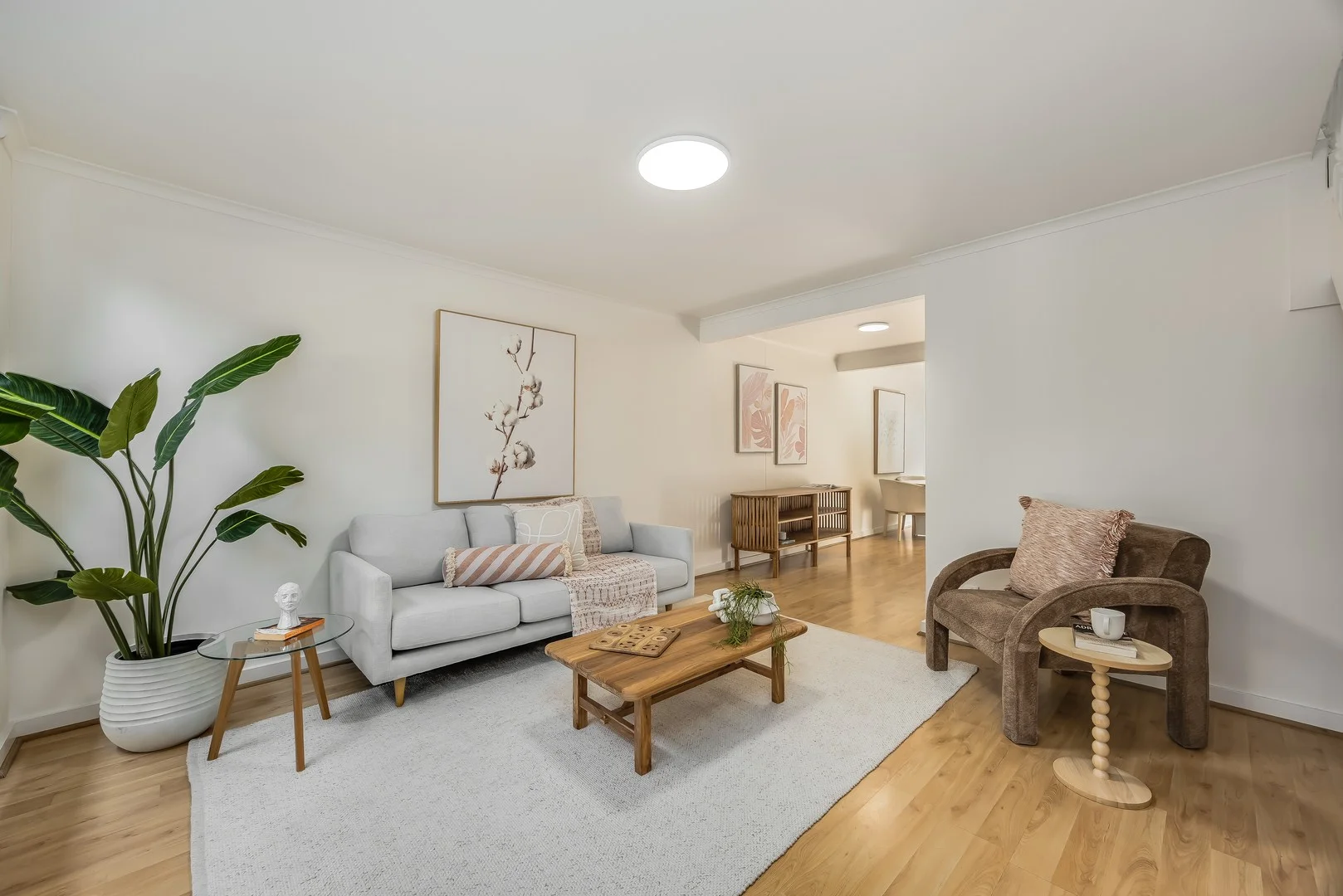 $775,000
House
$775,000
House
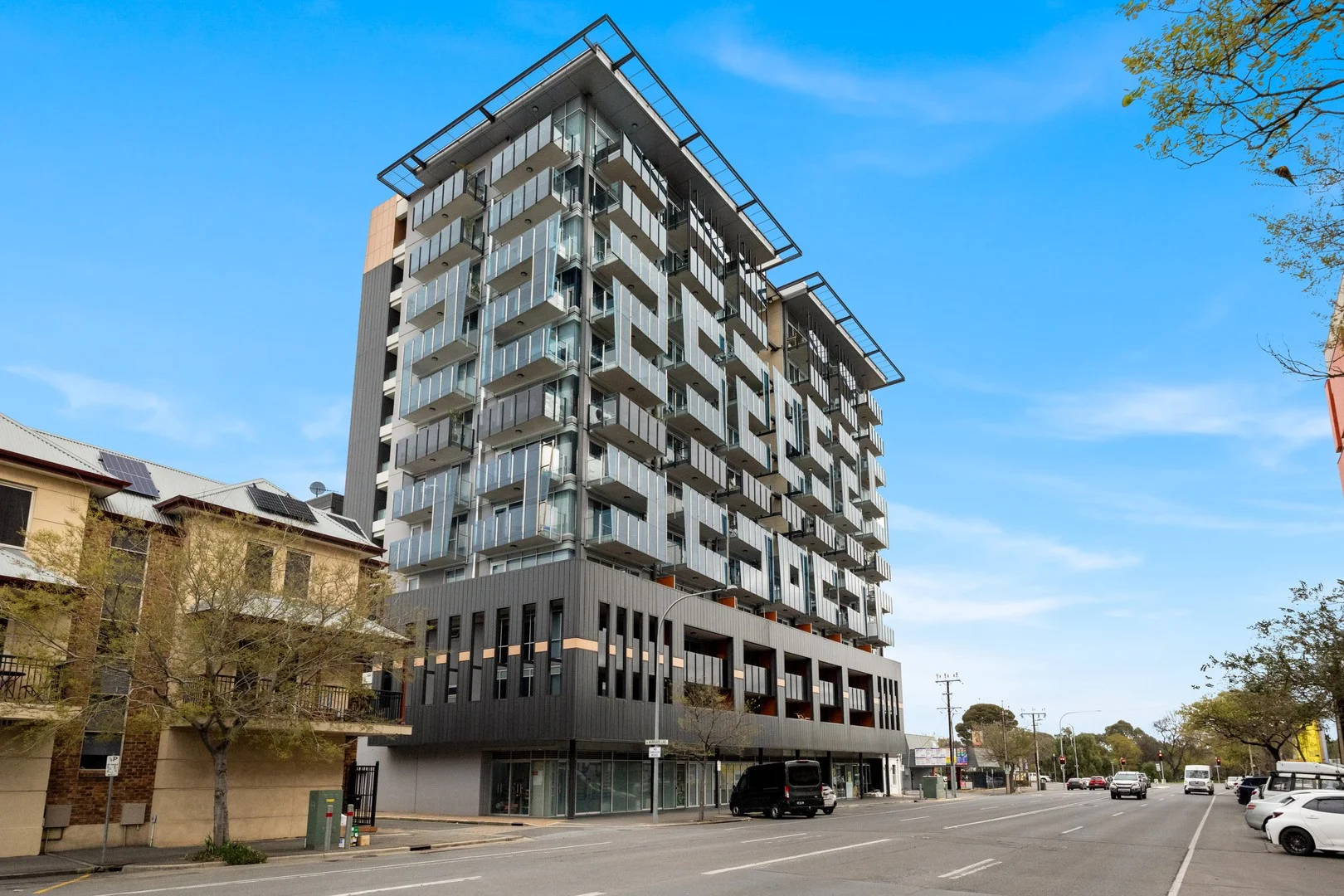 $1,100,000
Apartment / Unit / Flat
$1,100,000
Apartment / Unit / Flat
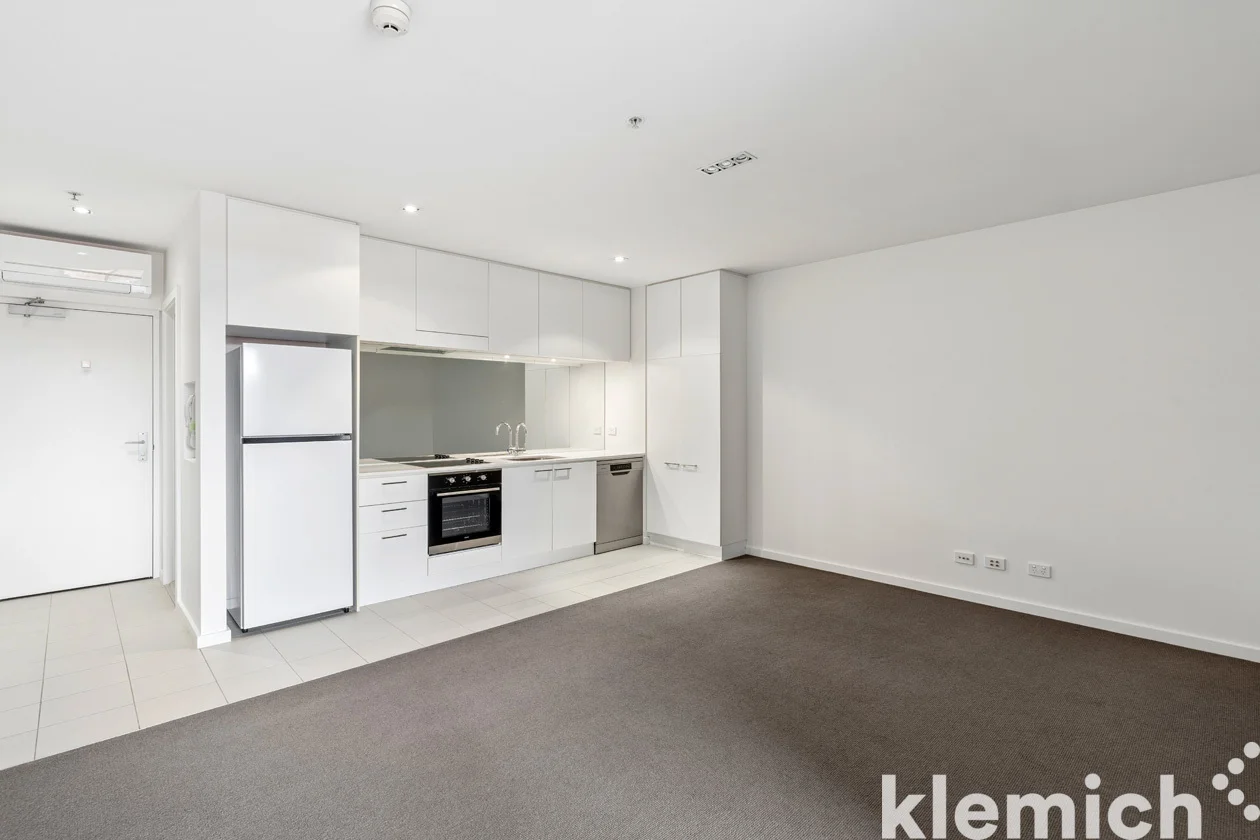 $440,000
Apartment / Unit / Flat
$440,000
Apartment / Unit / Flat
 $588,000
Apartment / Unit / Flat
$588,000
Apartment / Unit / Flat
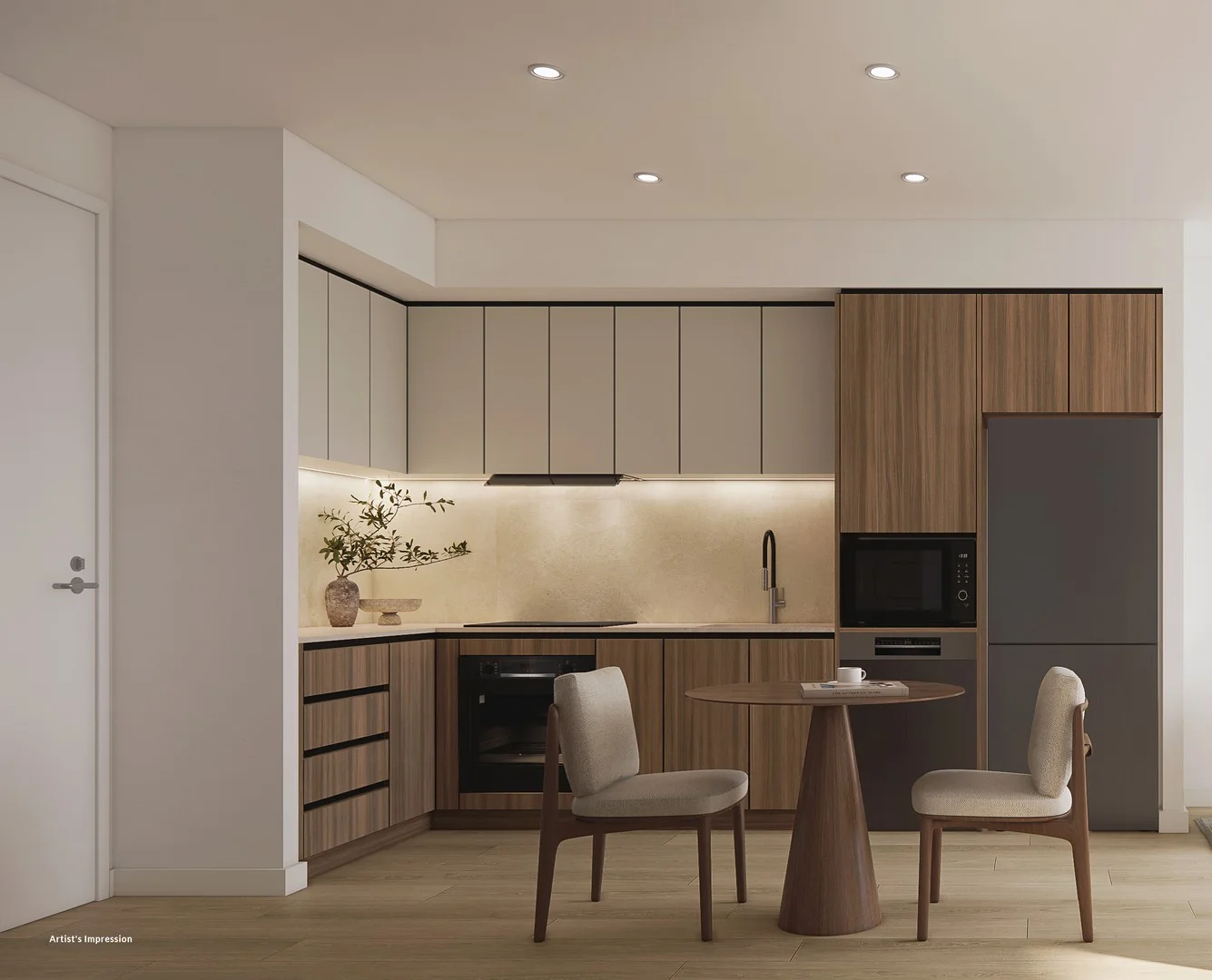 $557,000
Apartment / Unit / Flat
$557,000
Apartment / Unit / Flat
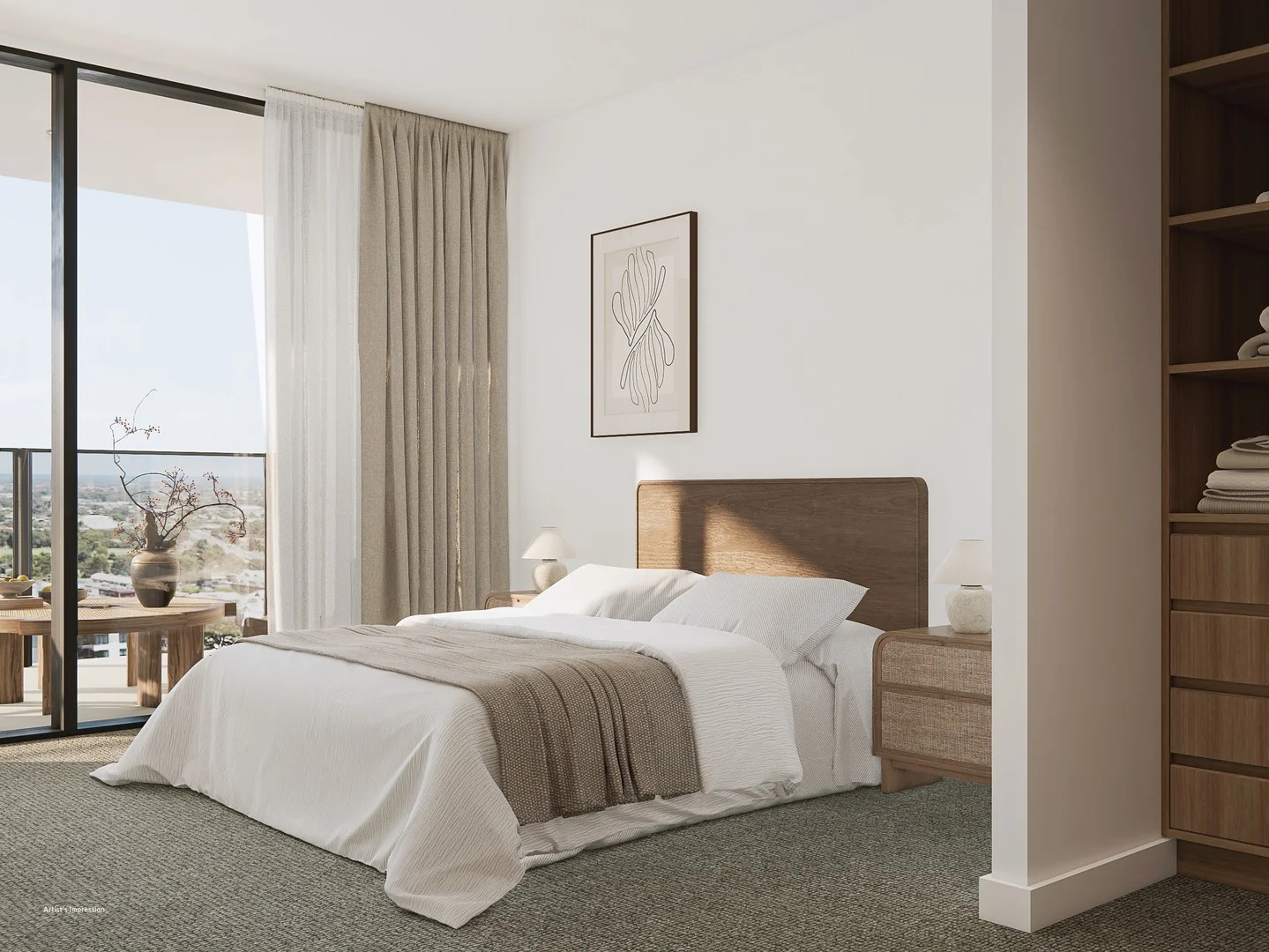 $935,000
Apartment / Unit / Flat
$935,000
Apartment / Unit / Flat
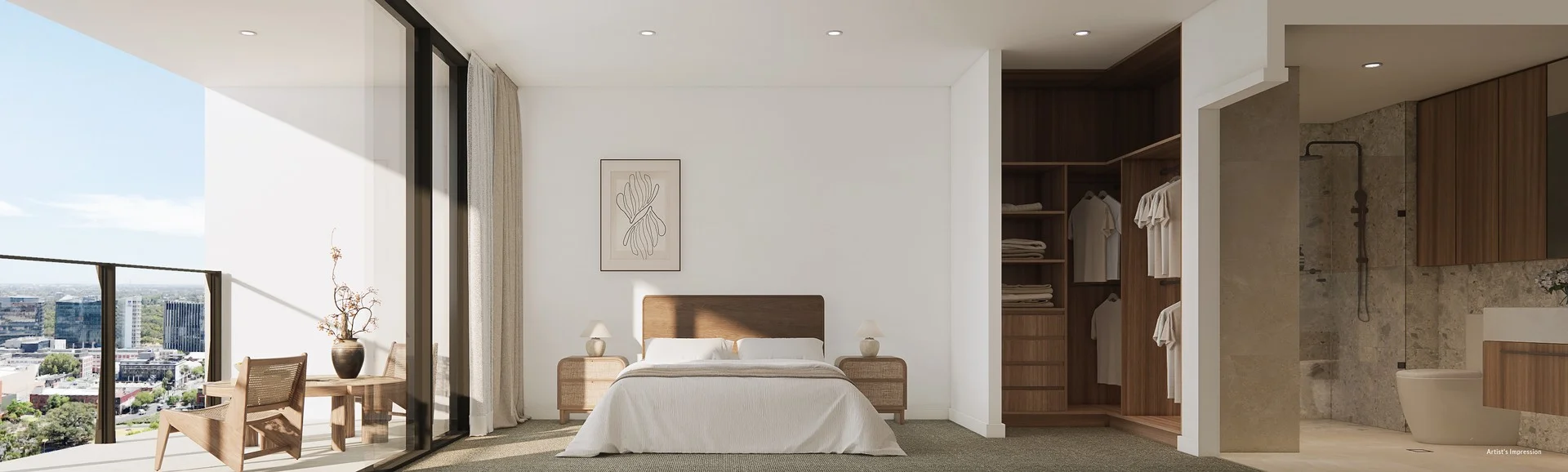 $1,056,000
Apartment / Unit / Flat
$1,056,000
Apartment / Unit / Flat
 $545,000
Apartment / Unit / Flat
$545,000
Apartment / Unit / Flat