## Overview
Sacred Heart College – Champagnat Campus is a Catholic independent secondary school located in Mitchell Park, Adelaide. The campus provides a medium-sized school community that emphasises strong academic pathways within a values-driven, inclusive environment.
Class sizes are typically mid-range, supporting close teacher-student interaction, collaborative learning, and personalised support. The atmosphere is nurturing and community-focused, with a culture that balances academic aspiration with pastoral care and opportunities to participate in a wide range of co-curricular activities.
---
## Academics & Learning
- Academic strengths: strong emphasis on STEM, English and humanities, with opportunities for leadership development and second language study.
- Special programs: pathways for gifted and talented learners, accelerated learning options, and a broad elective program to tailor learning.
- NAPLAN / trends: observed trends over recent years show steady improvements in reading and numeracy with ongoing development in writing and language skills.
- Student-teacher ratios: typically a low-to-mid ratio favorable for individualised attention (roughly around 1:12–1:15).
- Support for diverse learners: comprehensive support for EAL students and students with additional educational needs, including access to SEN services and targeted learning supports.
---
## Sports & Extracurricular Strengths
- Sports offered: basketball, netball, football (soccer), cricket, athletics, swimming, and other team/individual activities aligned with the SA sports calendar.
- Strong teams or achievements: competitive regional participation with emphasis on teamwork, skill development, and sportsmanship; opportunities to compete in local leagues and school events.
- Music, arts, drama programs: robust music ensembles, choir, and drama productions; opportunities to participate in the performing arts across the year.
- Clubs: robotics, coding, chess, debating, and other academic/creative clubs to extend learning beyond the classroom.
- Partnerships: connections with local clubs, associations, and regional competitions to widen pathways in sport, STEM, and the arts.
---
## Wellbeing & Pastoral Care
- Anti-bullying approach: proactive, school-wide anti-bullying culture built on respect, restorative practices, and clear safeguarding policies.
- House system: a house framework to foster belonging, teamwork, and friendly competition across pastoral and extracurricular activities.
- Counsellors / wellbeing officers: access to school counsellors and wellbeing staff to support mental health, study stress, and transition needs.
- Transition support for new students: orientation programs, buddy systems, and ongoing check-ins to help new students settle in.
---
## Facilities
- Sports grounds: well-maintained playing fields and courts for team sport and physical education.
- Libraries: modern libraries with study spaces and digital resources.
- Science labs: well-equipped laboratories supporting practical experiments across disciplines.
- Music/performing arts centers: dedicated spaces for rehearsals, performances, and rehearsals.
- Tech/innovation labs: dedicated spaces for ICT, coding, robotics, and design/technology projects.
- Cafeteria: student dining facilities with healthy options.
- Updated playgrounds: safe, well-maintained outdoor spaces for breaks and recreation.
---
## School Values & Community Culture
- School values / mission: rooted in Catholic values of respect, excellence, compassion, service, and integrity.
- Leadership style: student-centred and collaborative, with teacher mentorship and opportunities for student leadership roles.
- Behaviour expectations: clear codes of conduct centred on respect, responsibility, honesty, and care for others.
- Community reputation: strong sense of community among students, families, and staff, with active parent involvement and community events.
- Diversity & inclusion: inclusive environment that celebrates diversity and supports students from a range of backgrounds and abilities.
---
## School Logistics & Daily Operations
- School hours: typical school day runs during standard daytime hours with a structured timetable.
- Before/after school care: available for families needing extended supervision before or after school.
- Uniform requirements: formal uniform policy with specified dress standards for different year levels.
- Transport (train/bus routes): bus routes and public transport options serve the campus area; arrangements for drop-off/pick-up are provided.
- Canteen availability: on-site canteen or cafeteria services during the day.
- Fees (low/medium/high ranges): fee structure is mid-range for the sector, with details published by the school and available on request.
---
## Enrolment & Admissions
11. What is the enrolment process and timeline?
- Inquiry -> Application -> Documentation submission -> Evidence of eligibility -> Interview or information session (if applicable) -> Offer of enrolment -> Acceptance and enrolment confirmation -> Orientation/matriculation.
12. Is there a waiting list, and how does it work?
- Waiting lists may operate when enrolments reach capacity; priority and placement are typically based on application date, sibling connections, and Catholic education guidelines.
13. Are there any entry requirements, tests, or interviews?
- Common requirements include an application, confirmation of Catholic education alignment, and possibly an interview or information session to assess fit with the school’s ethos and program.
14. Does the school accept mid-year transfers?
- Mid-year transfers are sometimes possible subject to places available, completion of required documentation, and alignment with the school’s timetable and policies.
---
## Frequently Asked Questions
- Why Parents Choose This School?
- What type of student thrives at this school?
- What opportunities are available for students to extend their skills (academics, sports, arts)?
- How does the school communicate with parents?
- What is the school’s approach to teaching and learning?
- How does the school support students who need extra academic help?
- What support is available for academic challenges?
- How does the school communicate with parents? (Yes, repeated for emphasis)
- What are the class sizes and how much individual attention do students receive?
- What extracurricular and sports opportunities are available?
- What facilities does the school offer (sports, science, arts)?
- What is the school’s approach to technology and digital learning?
- What transport and accessibility options are available?
- What are the typical school fees or additional costs?
---
## Short Pros & Cons list
- Pros:
- Catholic, values-based education with a nurturing, inclusive culture
- Moderate class sizes with strong teacher support
- Broad academics plus gifted/accelerated pathways
- Active sports, arts, and clubs with regional opportunities
- Comprehensive wellbeing and transition support
- Cons:
- Fees may be higher than public schools
- Mid-sized campus may have limited specialized facilities compared with larger schools
- Availability of mid-year transfers depends on current capacity









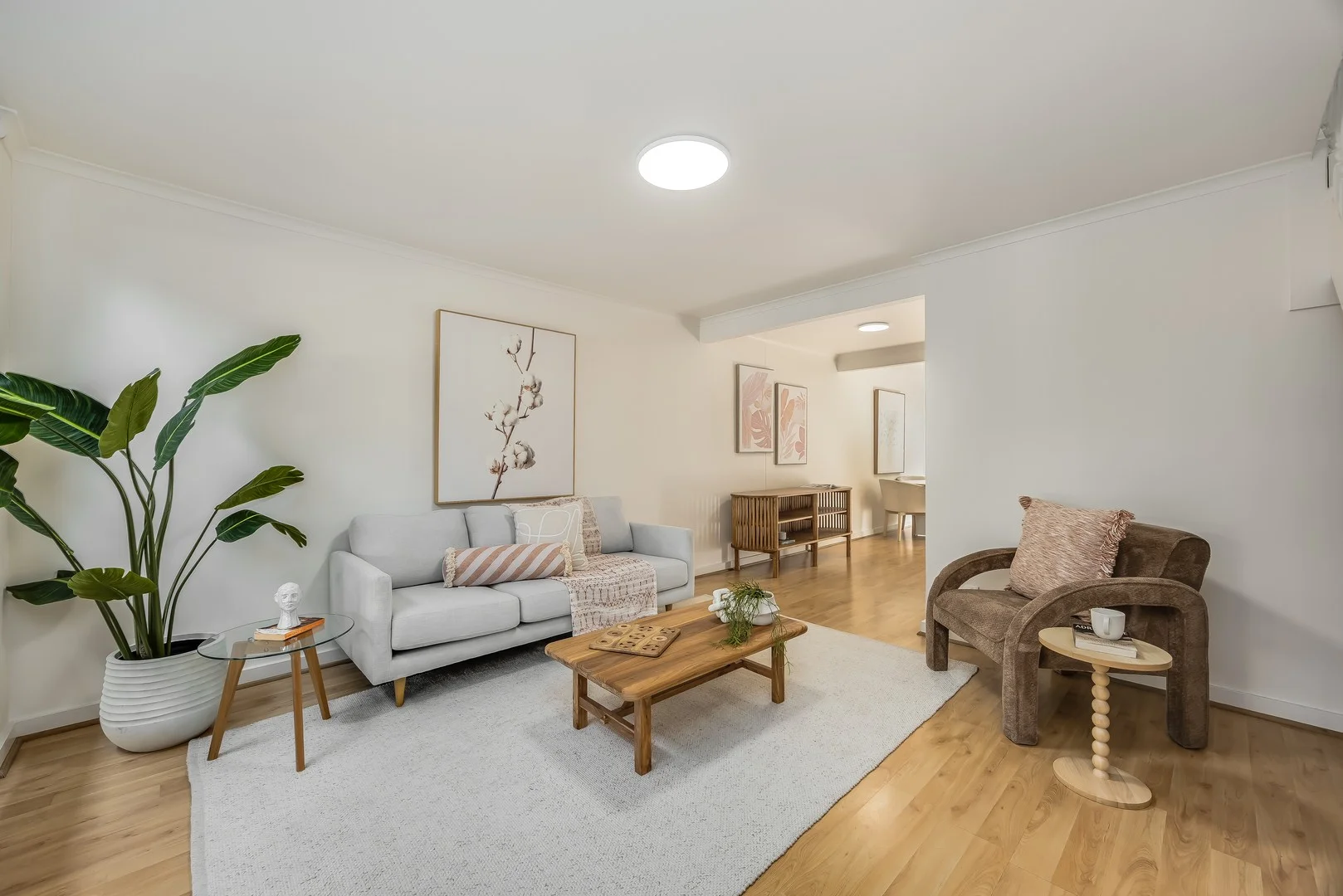 $775,000
House
$775,000
House
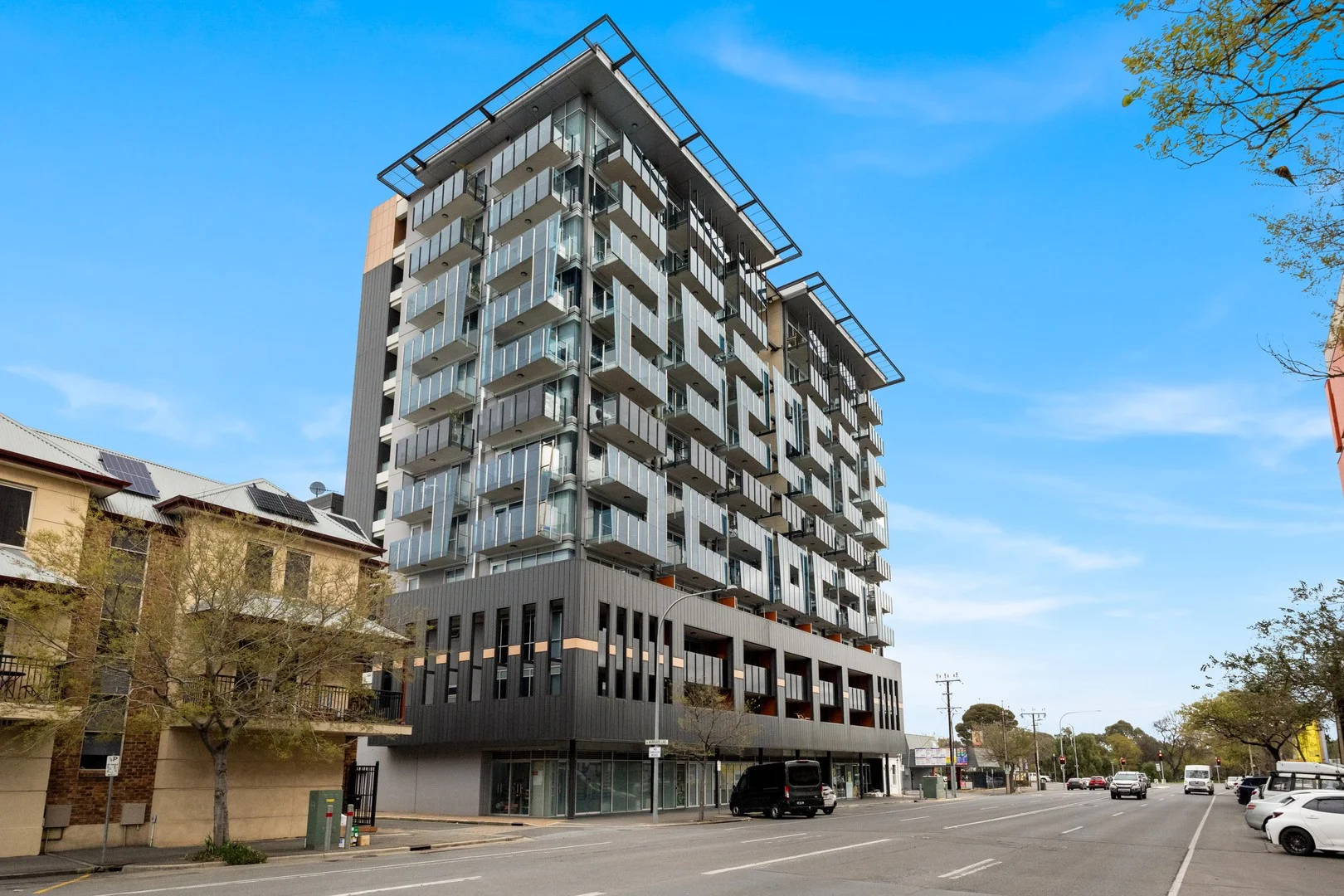 $1,100,000
Apartment / Unit / Flat
$1,100,000
Apartment / Unit / Flat
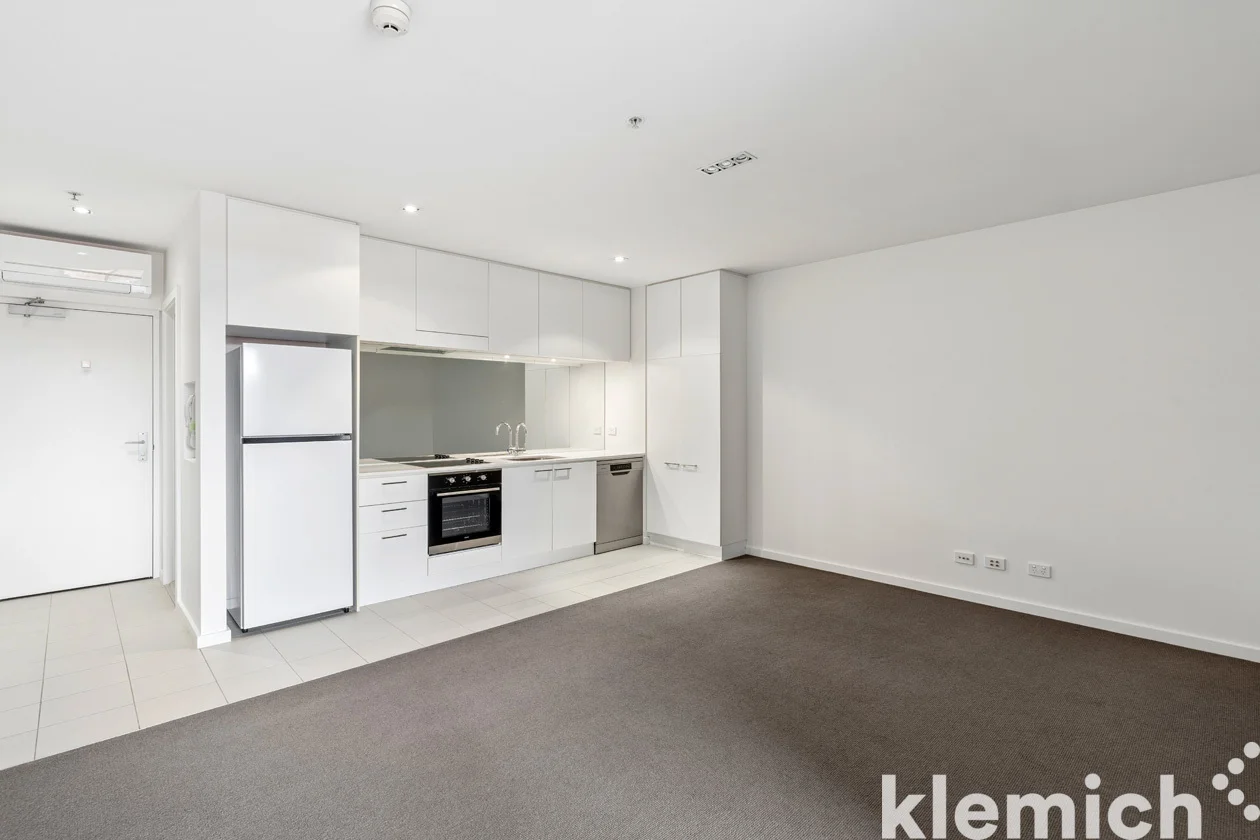 $440,000
Apartment / Unit / Flat
$440,000
Apartment / Unit / Flat
 $935,000
Apartment / Unit / Flat
$935,000
Apartment / Unit / Flat
 $557,000
Apartment / Unit / Flat
$557,000
Apartment / Unit / Flat
 $588,000
Apartment / Unit / Flat
$588,000
Apartment / Unit / Flat
 $1,056,000
Apartment / Unit / Flat
$1,056,000
Apartment / Unit / Flat
 $545,000
Apartment / Unit / Flat
$545,000
Apartment / Unit / Flat