## 1. Overview
Helena College WA is a government school in Western Australia that aims to provide a broad, balanced education within a welcoming and inclusive environment. The school focuses on building strong foundations in literacy and numeracy while offering opportunities across STEM, the arts, and physical education. With a medium-sized enrolment, class sizes are designed to support both collaboration and individual attention, fostering a culture that is as academically focused as it is supportive and community-minded.
Overall, the atmosphere is nurturing and inclusive, with an emphasis on student wellbeing, respectful learning, and active involvement in school life. The school encourages students to develop resilience, teamwork, and leadership skills alongside their academic growth.
## 2. Academics & Learning
- Academic strengths: Core literacy and numeracy, with opportunities to explore STEM, English, and language learning; plus leadership and student voice opportunities through student council or similar programs.
- Special programs: Potential for gifted and talented pathways and accelerated learning options where available.
- NAPLAN trends: Public reporting typically shows stable or improving attainment trends over time in key domains such as reading and numeracy.
- Student-teacher ratios: Designed to provide reasonable contact time and support, enabling more individual feedback within a classroom setting.
- Support for diverse learners: Dedicated support for diverse learners, including targeted assistance for EAL and SEN students, and access to wellbeing and learning support services.
## 3. Sports & Extracurricular Strengths
- Sports offered: A wide range of team and individual sports is generally available, with opportunities to participate in school and regional competitions.
- Strong teams or achievements: Competitive teams and school representation in local leagues or events are typical features.
- Music, arts, drama programs: Active arts programs, including music and drama, with opportunities to perform and participate in productions.
- Clubs: A variety of clubs such as robotics, coding, chess, and debating are commonly offered to extend learning beyond the classroom.
- Partnerships: Co-curricular programs and competitions often involve partnerships with local clubs, associations, and regional events to broaden student experience.
## 4. Wellbeing & Pastoral Care
- Anti-bullying approach: Clear policies and proactive strategies to promote respect, safety, and inclusive behavior.
- House system: Pastoral structures may include house groups or similar frameworks to foster belonging and healthy competition.
- Counsellors / wellbeing officers: Access to school-based counsellors or wellbeing staff to support mental health, resilience, and personal development.
- Transition support for new students: Structured induction and buddy programs to help new students settle in and build connections.
## 5. Facilities
- Sports grounds: On-site sporting fields or courts for training and fixtures.
- Libraries: A library or learning hub supporting reading, research, and digital learning.
- Science labs: Dedicated spaces for practical science activities and experiments.
- Music/performing arts centers: Facilities for music practice, rehearsals, and performances.
- Tech/innovation labs: Areas for coding, robotics, design, and digital projects.
- Cafeteria: On-site canteen or dining facilities for students.
- Updated playgrounds: Safe, age-appropriate play areas and outdoor spaces.
## 6. School Values & Community Culture
- School values / mission: A clear set of values focused on respect, responsibility, integrity, and lifelong learning.
- Leadership style: A collaborative and student-centred approach, with staff aiming to empower students to take initiative and contribute to school life.
- Behaviour expectations: Consistent expectations around conduct, engagement, and courtesy, with a positive behaviour framework.
- Community reputation: A school known for its welcoming culture, strong sense of community, and commitment to student wellbeing.
- Diversity & inclusion: Emphasis on creating an inclusive environment that supports students from diverse backgrounds and with varying needs.
## 7. School Logistics & Daily Operations
- School hours: Typically structured school day with start and finish times suitable for local schedules.
- Before/after school care: Availability of after-school care or supervision options may be offered.
- Uniform requirements: Standard school uniform policy with guidelines for daily wear and special event attire.
- Transport (train/bus routes): Access to public transport links and school-specific bus routes or recommended travel options.
- Canteen availability: On-site canteen or meal provision for students.
- Fees (low/medium/high ranges): As a government school, compulsory fees are generally modest, with additional costs for excursions, materials, and optional activities as applicable.
## 8. Enrolment & Admissions
11. What is the enrolment process and timeline?
- Submit an online or in-person enrolment application, along with required documents (proof of address, birth certificate or identity documents, previous school records if applicable). Some steps may occur in a defined intake window each year (e.g., beginning of term and before the start of the school year).
12. Is there a waiting list, and how does it work?
- Some year levels may have waiting lists depending on enrolment capacity. Applications typically are placed in order of receipt and on the basis of priority factors defined by the school or local education authority.
13. Are there any entry requirements, tests, or interviews?
- Entry requirements generally include documentation and may include discussions or assessments to determine support needs or placement. Interviews are usually focused on easing the transition and understanding student needs rather than being a high-stakes evaluation.
14. Does the school accept mid-year transfers?
- Mid-year transfers are typically considered if there is available capacity and appropriate placement can be found within the current year’s timetable. Parents should contact the school admin as soon as possible to discuss options.
## 9. Frequently Asked Questions
- Why Parents Choose This School?
- A welcoming, inclusive culture with a focus on strong core academics, wellbeing, and broad opportunities across academics, arts, and sport.
- What type of student thrives at this school?
- Students who are engaged, curious, collaborative, and motivated to participate in both classroom learning and co-curricular activities.
- What opportunities are available for students to extend their skills (academics, sports, arts)?
- Access to extended coursework or enrichment in core subjects, participation in sports teams, arts programs, and clubs such as robotics, coding, or debating where offered.
- How does the school communicate with parents?
- Through newsletters, emails, a school portal, parent-teacher interviews, and regular updates on events and student progress.
- What is the school’s approach to teaching and learning?
- Student-centred, evidence-informed teaching focused on literacy and numeracy, with integration of technology and opportunities for collaboration, project work, and practical applications.
- How does the school support students who need extra academic help?
- Targeted learning support, tutoring or small-group instruction, SEN/EAL assistance, and access to wellbeing staff.
- What support is available for academic challenges?
- Early identification, personalised support plans, additional teaching time, and coordination with families to monitor progress.
- How does the school communicate with parents? (Duplicate question)
- See above: newsletters, emails, portal updates, and parent-teacher meetings.
- What are the class sizes and how much individual attention do students receive?
- Class sizes are designed to be manageable to enable both shared learning and individual feedback within the school’s staffing model.
- What extracurricular and sports opportunities are available?
- A range of sports, arts, and clubs offering opportunities to pursue interests beyond the classroom, including science/tech clubs where available.
- What facilities does the school offer (sports, science, arts)?
- Sports grounds, libraries, science labs, music/performing arts spaces, tech/innovation labs, canteen, and updated playgrounds.
- What is the school’s approach to technology and digital learning?
- Integrated digital learning with access to devices and resources to support research, coding, and creative projects.
- What transport and accessibility options are available?
- Public transport access and school-supported routes or guidance, with consideration for accessibility needs within the campus.
- What are the typical school fees or additional costs?
- As a government school, core costs are generally modest; additional costs may apply for uniforms, excursions, and optional activities.
## 10. Short Pros & Cons
Pros
- Inclusive, supportive learning environment
- Broad curriculum with opportunities across academics, arts, and sports
- Focus on student wellbeing and transitions
- Range of extracurricular clubs and activities
- Accessible facilities (library, science labs, performing arts spaces)
Cons
- Class sizes may vary by year level; some cohorts could be larger depending on enrolment
- Availability of some specialized programs or clubs may depend on staffing and funding
- Transport routes and after-school care options vary by location and may require planning
If you’d like, I can tailor these sections more specifically once you provide confirmed details (e.g., exact school type, enrolment size, or any unique programs Helena College WA offers).








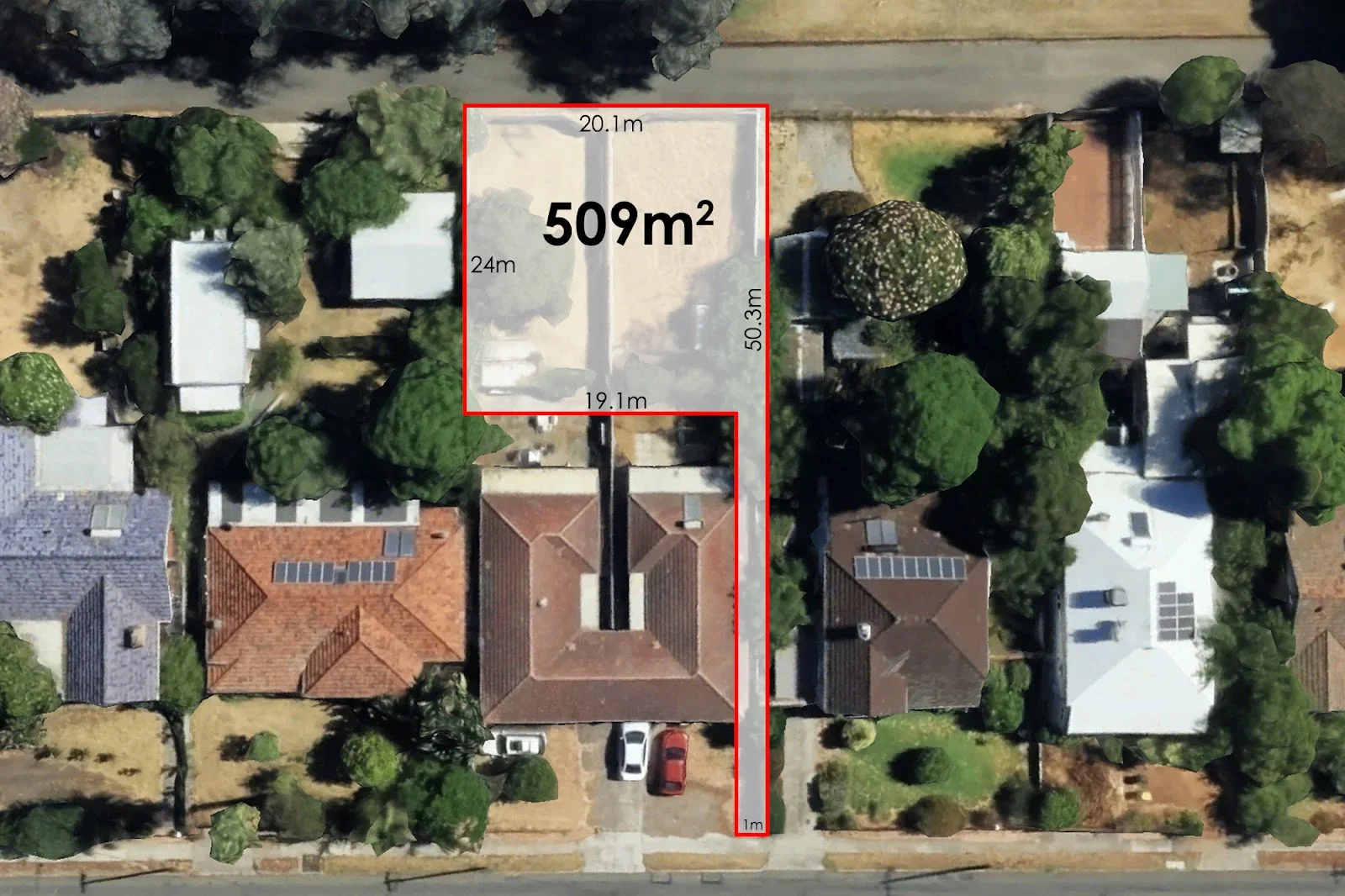 $480,000
Vacant Land
$480,000
Vacant Land
 $899,000 - $943,950
House
$899,000 - $943,950
House
 $1,099,000 - $1,153,950
House
$1,099,000 - $1,153,950
House


