## 1. Overview
Helena Valley Primary School is a public, co-educational primary school (Kindy–Year 6) located in Helena Valley, Western Australia. The school serves a medium-sized student community and aims to provide an inclusive, nurturing environment where children are supported to grow academically, socially, and emotionally.
The school focuses on building solid foundations in literacy and numeracy while promoting digital literacy, physical education, and well-rounded development. The atmosphere is welcoming and community-oriented, with opportunities for student leadership, collaboration, and participation in clubs and teams.
---
## 2. Academics & Learning
- Academic strengths: strong focus on literacy and numeracy, with growing emphasis on STEM and digital learning; leadership development and student voice are encouraged.
- Special programs: enrichment or extension opportunities for talented learners; targeted support and intervention for diverse learners; opportunities to participate in digital literacy and coding activities.
- NAPLAN trends: recent years show stable performance with improvements toward state averages in key areas such as reading and numeracy.
- Student-teacher ratios: generally in the mid-range for public primary schools, with typical class sizes that support individual attention and small-group learning.
- Support for diverse learners: dedicated support for EAL (English as an Additional Language) students and SEN (Special Education Needs) students, including access to support staff and individualized learning plans.
---
## 3. Sports & Extracurricular Strengths
- Sports offered: basketball, netball, football (soccer), cricket, athletics, and swimming activities; regular inter-school events and carnivals.
- Strong teams or achievements: participation in district-level sports events and school-level teams that foster teamwork and competitive spirit.
- Music, arts, drama programs: school-based music program, choir, and drama opportunities; regular performances and productions.
- Clubs: robotics, coding/cross-curricular technology clubs, chess, debating, and other enrichment groups.
- Partnerships: connections with local clubs, district programs, and external competitions to broaden opportunities in sport, arts, and STEM.
Note: This section targets parents of boys aged 10–14 who often skim for competitive teams and clubs.
---
## 4. Wellbeing & Pastoral Care
- Anti-bullying approach: whole-school safety and wellbeing framework with explicit anti-bullying education and clear reporting pathways.
- House system: house groups foster belonging and cross-age activities, teamwork, and school spirit.
- Counsellors / wellbeing officers: access to school-based wellbeing staff to support social and emotional learning and personal development.
- Transition support for new students: orientation activities, buddy programs, and gradual onboarding to help new students settle in.
---
## 5. Facilities
- Sports grounds: well-maintained outdoor spaces for PE and sport.
- Libraries: dedicated library with a range of reading materials and learning resources.
- Science labs: functional science learning spaces to support hands-on experiments.
- Music/performing arts centers: spaces for music, theatre, and performances.
- Tech/innovation labs: spaces for coding, robotics, and project-based learning.
- Cafeteria: on-site canteen offering healthy meal options.
- Updated playgrounds: modern, safe play areas for breaks and outdoor learning.
---
## 6. School Values & Community Culture
- School values / mission: emphasis on respect, responsibility, inclusivity, and collaboration to prepare students for their future.
- Leadership style: participative, with opportunities for student voice and family involvement; staff collaborate with families to support learning.
- Behaviour expectations: positive behaviour framework with clear routines and consequences aligned to school values.
- Community reputation: supportive and family-friendly, with active parent involvement and positive relationships with local communities.
- Diversity & inclusion: commitment to inclusive education and celebrating diverse backgrounds and abilities.
---
## 7. School Logistics & Daily Operations
- School hours: typical school day aligns with Western Australian public school times; exact start and end times may vary by year level.
- Before/after school care: after-school care options are available through local providers or school-approved programs.
- Uniform requirements: school uniform required; details on acceptable attire provided by the school.
- Transport (bus routes): access to local bus routes and public transport; some families rely on walking or car transport.
- Canteen availability: school canteen or lunch facilities offering healthy options.
- Fees (low/medium/high ranges): family-friendly fee structure with compulsory contributions and optional costs for excursions or activities; public primary schools generally have low to moderate ancillary costs.
---
## 8. Enrolment & Admissions
11. What is the enrolment process and timeline?
- Enrolment is coordinated through the WA Department of Education processes. Parents typically complete an enrolment form, provide proof of address, proof of guardianship, birth certificate or age verification, immunisation records, and any other documents requested by the school. The school may provide information on required timelines, including local intake area guidelines and any planned orientation events for new families.
12. Is there a waiting list, and how does it work?
- Depending on capacity and local intake area demand, a waiting list may be used. Placement often prioritises local intake area eligibility and availability. If a waitlist is applicable, the school will communicate expected timelines and offer options as spaces become available.
13. Are there any entry requirements, tests, or interviews?
- Primary enrolment usually does not require entry tests or formal interviews. The school may conduct basic readiness checks for Kindergarten or discuss enrolment details with families. Immunisation documentation and age eligibility are typically required.
14. Does the school accept mid-year transfers?
- Mid-year transfers may be possible if space allows. Parents should contact the school promptly to discuss availability, transfer documentation, and any assessments or records required from the current school.
---
## 9. Frequently Asked Questions
- Why Parents Choose This School?
- Public, inclusive environment with a focus on strong literacy and numeracy, opportunities in sport, arts, and clubs, plus supportive wellbeing programs.
- What type of student thrives at this school?
- Students who respond well to a balanced approach to academics, sport, and the arts; those who value community involvement and supportive peer networks.
- What opportunities are available for students to extend their skills (academics, sports, arts)?
- Enrichment programs, leadership opportunities, coding and robotics clubs, choir and drama, and inter-school sports and competitions.
- How does the school communicate with parents?
- Regular newsletters, parent-teacher meetings, digital portals, and open lines of communication with teachers and support staff.
- What is the school’s approach to teaching and learning?
- Student-centered learning with a focus on literacy, numeracy, and critical thinking; integration of digital literacy and hands-on activities; emphasis on social-emotional learning.
- How does the school support students who need extra academic help?
- Targeted small-group interventions, in-class support from teacher aides, access to specialists, and tailored learning plans.
- What support is available for academic challenges?
- Early identification, plan-driven support, and ongoing progress monitoring through the school’s learning support framework.
- How does the school communicate with parents? (Repeated)
- See above: newsletters, meetings, digital platforms, and direct contact with teachers and administration.
- What are the class sizes and how much individual attention do students receive?
- Class sizes typically fall within the mid-range for public primary schools, with teacher-led instruction and opportunities for small-group or one-on-one support.
- What extracurricular and sports opportunities are available?
- A range of sports (basketball, netball, football/soccer, cricket, athletics, swimming), plus clubs for robotics, coding, chess, debating, and arts programs.
- What facilities does the school offer (sports, science, arts)?
- Sports grounds, library, science labs, music/performing arts spaces, tech/innovation labs, cafeteria, and updated playgrounds.
- What is the school’s approach to technology and digital learning?
- Emphasis on digital literacy and safe, responsible use of technology integrated into learning; access to devices and coding opportunities.
- What transport and accessibility options are available?
- Local bus routes and proximity to public transport; walking or car-based arrangements supported by safe drop-off zones and access.
- What are the typical school fees or additional costs?
- Fees are generally modest for public primary schools, with potential additional costs for excursions, activities, and optional programs.
---
## 10. Short Pros & Cons list
- Pros
- Public, inclusive environment with a strong focus on literacy and numeracy
- Broad range of extracurriculars (sport, arts, clubs)
- Support for diverse learners (EAL, SEN) and wellbeing programs
- Active community involvement and student leadership opportunities
- Modern facilities and dedicated spaces for STEM, arts, and technology
- Cons
- Class sizes and resources can vary by year and intake area
- Transport and commute times depend on location and school catchment
- Some programs may require additional costs for excursions or clubs
- Mid-year transfer availability depends on space and administrative processes
- Details like start/end times and uniform specifics require confirmation with the school







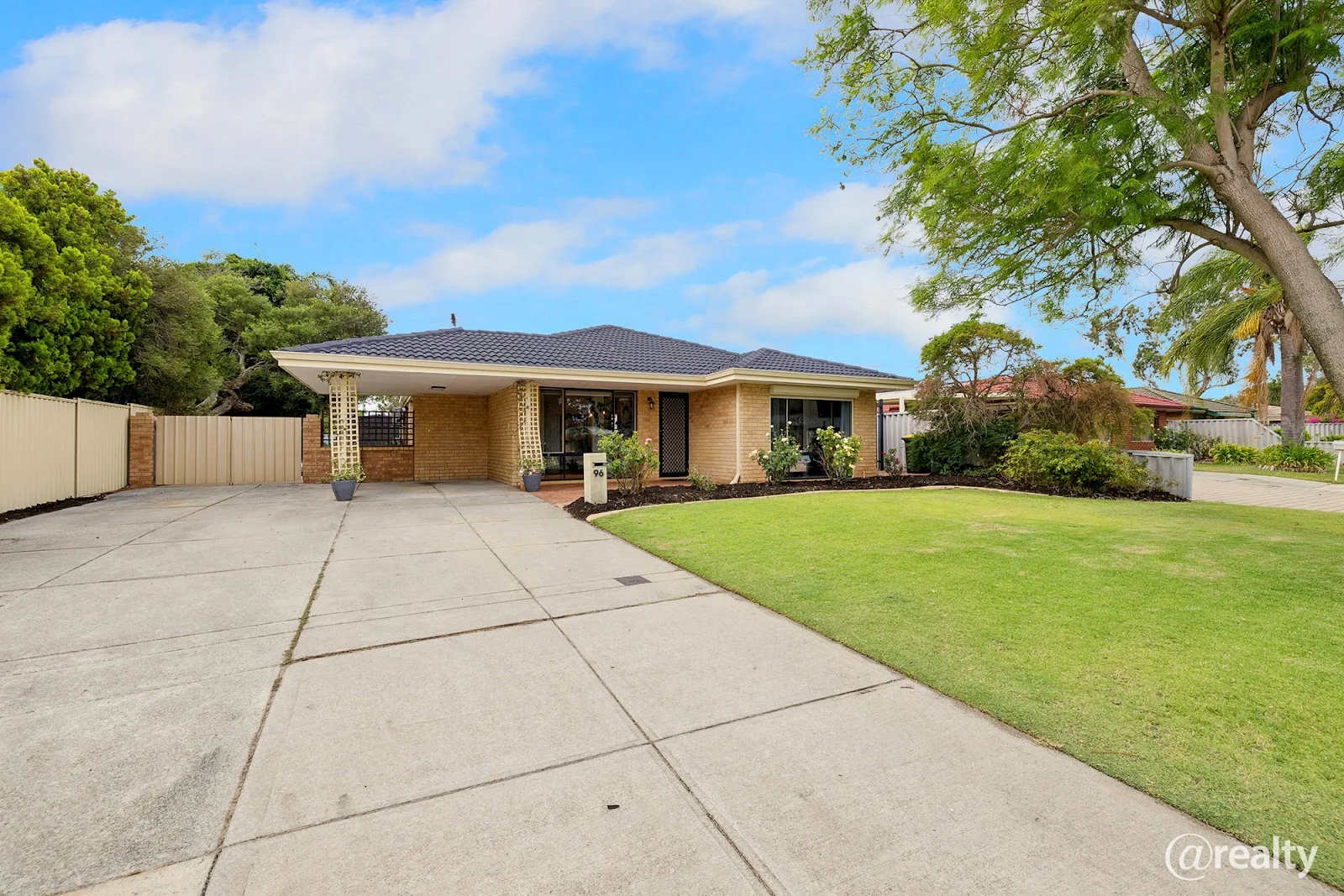 $899,000 - $943,950
House
$899,000 - $943,950
House
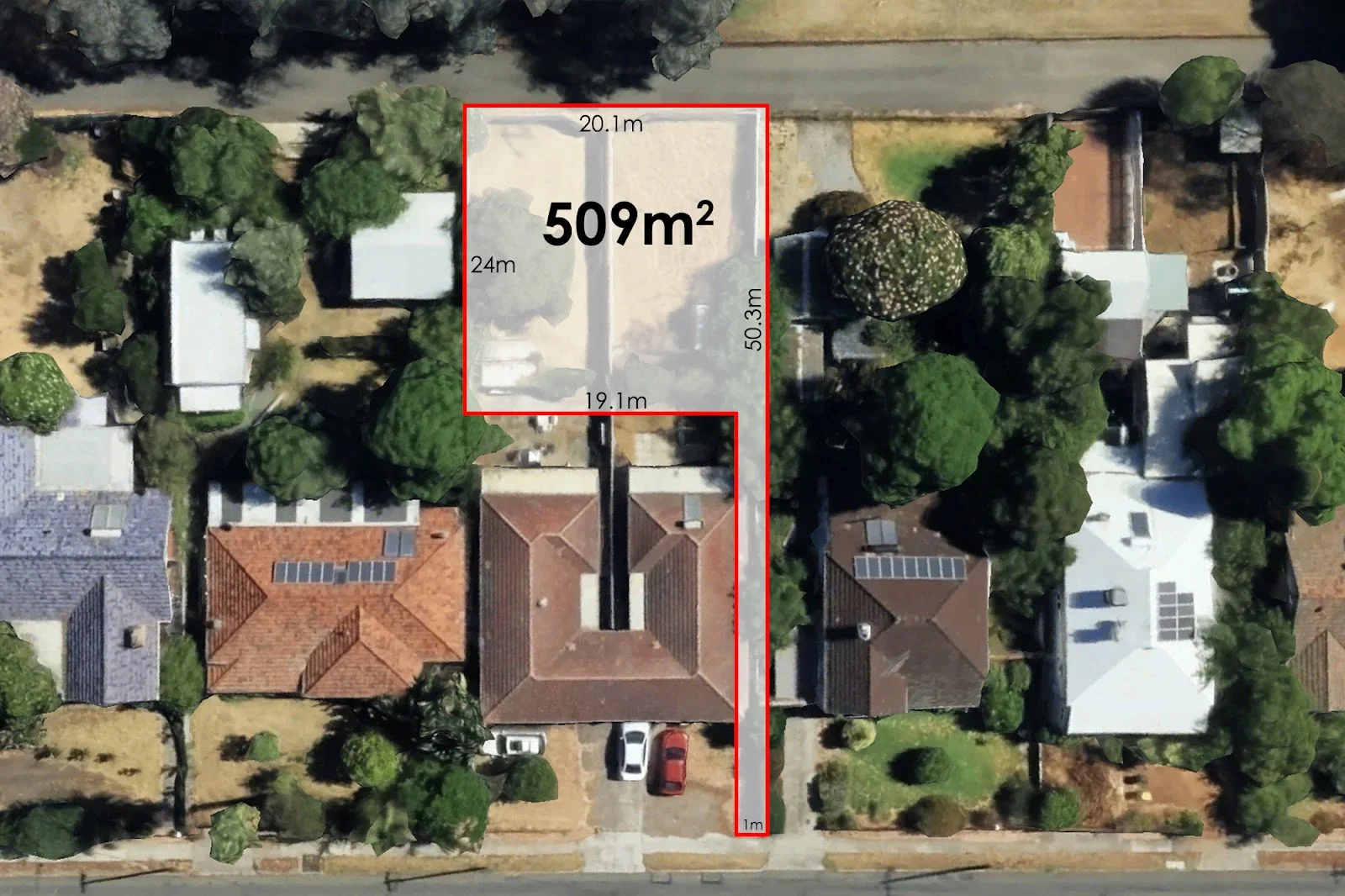 $480,000
Vacant Land
$480,000
Vacant Land
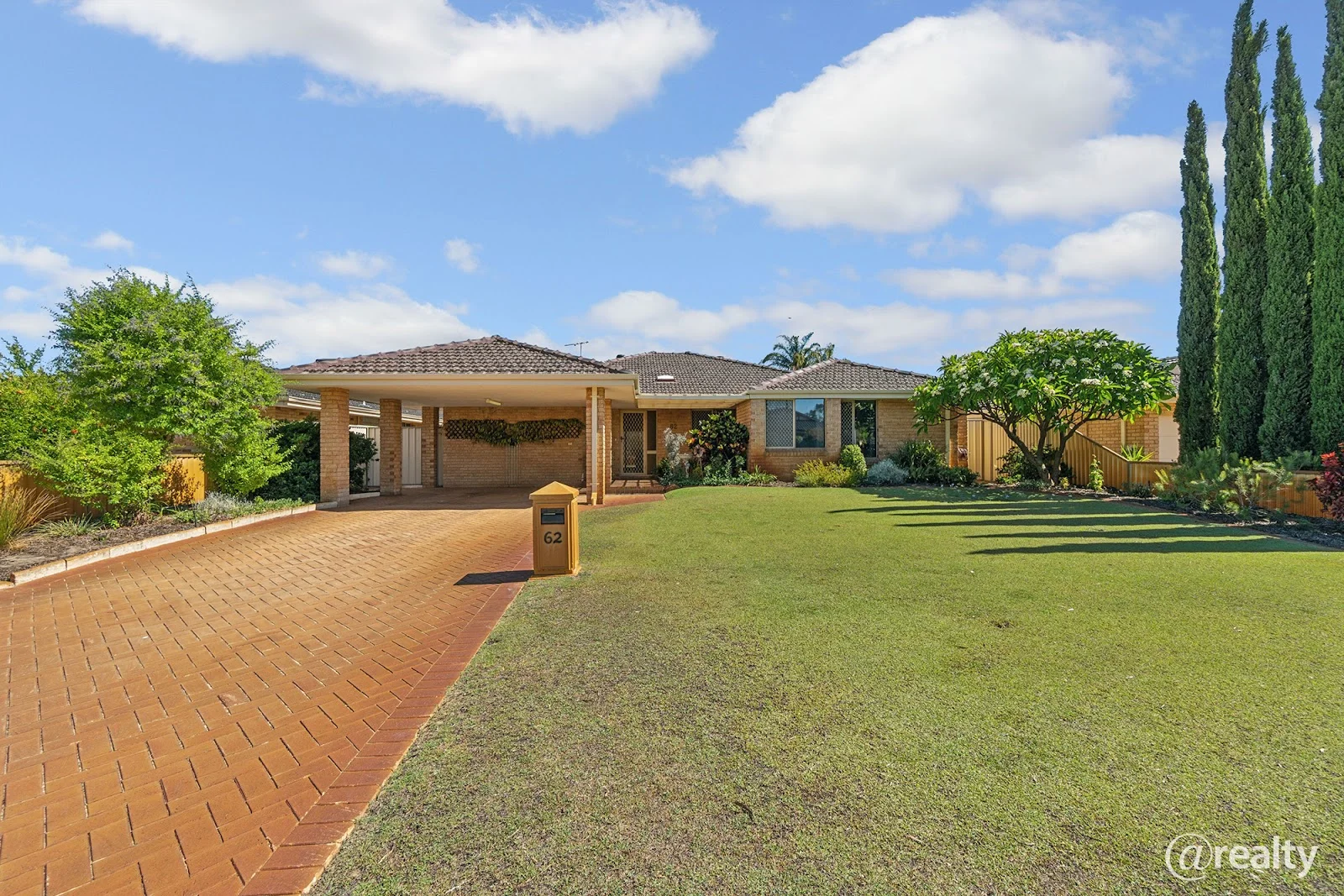 $1,099,000 - $1,153,950
House
$1,099,000 - $1,153,950
House


