Note: This content is intended as a general guide to help families understand what a Montessori-focused independent school like Treetops Montessori WA typically offers. Please verify current details with the school directly for accuracy and any updates.
## 1. Overview (1–2 paragraphs max)
Treetops Montessori WA is a private independent school in Western Australia that follows Montessori pedagogy across early years and primary programs. The school emphasises student-led, hands-on learning in a nurturing, inclusive environment where children develop independence, curiosity and a love of learning. Class sizes are small to medium, with attentive teachers guiding each child through a prepared environment tailored to individual developmental stages.
Overall, the atmosphere is warm and supportive, focusing on holistic development—academic progress, social-emotional growth and practical life skills. The school aims to create a respectful, collaborative culture where students feel valued and empowered to take ownership of their learning.
⸻
## 2. Academics & Learning
- Academic strengths: Montessori-inspired literacy and numeracy foundations built through concrete learning materials, hands-on activities, and self-directed exploration. Emphasis on independent thinking, problem-solving, and practical life skills supports lifelong learning habits. Language development, early STEM concepts and creative inquiry are commonly integrated across subjects.
- Special programs: Montessori pedagogy as the core framework, with opportunities for extension through age-appropriate inquiry, projects and individual/group work. Some schools also offer language exposure, arts integration and science explorations tied to the Montessori material sequence.
- NAPLAN / Ofsted trends: As a private Montessori school in Australia, public NAPLAN trend data may not be published in the same way as government schools. Check with the school for any internal assessments or portfolio-based progress snapshots and any optional, school-specific milestones.
- Student-teacher ratios: Class sizes are designed to be small to medium with strong teacher support. Typical ratios in Montessori settings range from about 1:8 to 1:12, varying by year level and cohort needs.
- Support for diverse learners: A focus on inclusive education with targeted support options. EAL (English as an Additional Language) assistance, SEN (Special Educational Needs) accommodations, and Individual Learning Plans or individualized supports are commonly available within the classroom or via specialist staff.
⸻
## 3. Sports & Extracurricular Strengths
- Sports offered: Regular physical education and opportunities for school-wide or local community sports activities. Availability of team-based games and individual activity options may include athletics, soccer or other field activities, depending on age groups and facilities.
- Strong teams or achievements: Noted achievements may include participation in local inter-school events or age-appropriate competitions. Specific team records or championships should be confirmed with the school.
- Music, arts, drama programs: In keeping with Montessori philosophy, there is typically a strong arts integration strand, with opportunities in music, visual arts, drama and performance that encourage creativity and presentation skills.
- Clubs: Robotics, chess, coding, debating and other inquiry-based or STEM-related clubs are commonly available as after-school options, depending on resources and student interest.
- Partnerships: Possible connections with local community academies, arts groups or sporting clubs to broaden experiences and introduce students to competitions or external programs. Confirm current partnerships with the school.
⸻
## 4. Wellbeing & Pastoral Care
- Anti-bullying approach: A clear anti-bullying policy paired with inclusive practices and restorative approaches to conflict. Ongoing social-emotional learning supports a respectful school climate.
- House system: If used, house groups help foster belonging, leadership, and friendly competition through inter-house activities; if not used, pastoral care focuses on small-group circles and mentor-based support.
- Counsellors / wellbeing officers: A dedicated wellbeing team or school counsellor is typically available to support mental health, resilience, and social development.
- Transition support for new students: Orientation sessions, buddy programs, gradual integration plans and ongoing communication with families help new students settle in smoothly.
⸻
## 5. Facilities
- Sports grounds: Access to outdoor play and sport spaces appropriate for physical education and active play.
- Libraries: A well-equipped library supporting reading, research and a range of literacy activities.
- Science labs: Age-appropriate science spaces and materials aligned with Montessori-provided explorations.
- Music/performing arts centers: Dedicated areas or multi-use spaces for music, drama and performances.
- Tech/innovation labs: Access to technology and hands-on maker spaces or computer/tech resources.
- Cafeteria: On-site dining or meal facilities for students; options may vary by campus.
- Updated playgrounds: Safe, stimulating outdoor play areas designed for early years through primary-age activity.
⸻
## 6. School Values & Community Culture
- School values / mission: Core values often include respect, independence, curiosity, responsibility and cooperation. The mission typically centers on developing confident, self-motivated learners within a supportive community.
- Leadership style: Child-centered and teacher-guided, with emphasis on student autonomy, guided discovery and collaborative learning. Teachers act as facilitators and mentors within a prepared environment.
- Behaviour expectations: Clear expectations around respect, responsibility, kindness and effort; positive behaviour supports and consistent routines across classrooms.
- Community reputation: A close-knit, family-friendly culture common to Montessori settings, with emphasis on individualized learning journeys and parent partnerships.
- Diversity & inclusion: Commitment to inclusive education, respect for diverse backgrounds, and opportunities for all students to participate in learning experiences that suit their developmental needs.
⸻
## 7. School Logistics & Daily Operations
- School hours: Typical school day runs during standard daytime hours; after-hours care may be available.
- Before/after school care: Available in many private settings; confirm availability and costs with the school.
- Uniform requirements: Uniforms or dress code common in private schools; specifics vary by campus.
- Transport (train/bus routes): Public transport access and school shuttle or bus options may be offered; check local routes and schedules.
- Canteen availability: On-site canteen or lunch facilities may be available; sometimes lunch programs operate on a rotating schedule.
- Fees (low/medium/high ranges): Private Montessori fees are typically in the medium to higher range in Australia; exact figures depend on age group, days attended and facilities. Confirm current fee schedules with the school.
⸻
## 8. Enrolment & Admissions
11. What is the enrolment process and timeline?
- Inquiry, application submission, and initial family interview.
- Classroom observations or family consultations may be requested.
- If offered, there is an enrolment agreement and orientation planning; depending on year level, the timeline can span several weeks to months.
12. Is there a waiting list, and how does it work?
- Many independent Montessori schools maintain waiting lists, particularly for popular year levels. Priority may be given to siblings or in-district applicants. The length of time on a waiting list varies by intake and year level.
13. Are there any entry requirements, tests, or interviews?
- Generally an interview with families and observation of the child are part of the process. Some campuses may request informal assessments or prior learning information to inform placement, though standardised testing is not always required.
14. Does the school accept mid-year transfers?
- Mid-year transfers are sometimes possible if there is space and alignment with the Montessori program. Availability, documentation (transcripts, records) and transition planning will be considered.
⸻
## 9. Frequently Ask Questions
- Why Parents Choose This School?
- Families value the Montessori approach for fostering independence, intrinsic motivation, hands-on learning and a nurturing, individualized path for each child.
- What type of student thrives at this school?
- Students who are curious, self-directed, collaborative and respectful; those who benefit from a structured yet flexible environment that supports hands-on learning.
- What opportunities are available for students to extend their skills (academics, sports, arts)?
- A combination of advanced Montessori materials, inquiry-based projects, and enrichment in literacy, math, arts, music and physical education; after-school clubs in robotics, coding, chess and debating; local sports or PE programs.
- How does the school communicate with parents?
- Regular newsletters, parent-teacher conferences, student portfolios or progress reports, online portals, and direct communication with teachers and administrators.
- What is the school’s approach to teaching and learning?
- Student-centered, guided discovery within a prepared Montessori environment; emphasis on independence, hands-on materials, observational assessment and portfolios.
- How does the school support students who need extra academic help?
- Targeted small-group support, differentiated materials within the classroom, and individualized plans or tutoring options as needed.
- What support is available for academic challenges?
- Additional coaching, resource adjustments, and collaboration with families to implement effective strategies and progress monitoring.
- How does the school communicate with parents? (Repeated)
- See above: newsletters, conferences, portals, and direct contact as needed.
- What are the class sizes and how much individual attention do students receive?
- Small to medium class sizes with frequent teacher interaction, individualized work time and teacher observation to tailor learning experiences.
- What extracurricular and sports opportunities are available?
- Arts, music and drama activities; clubs such as robotics, chess, coding and debating; PE and school sports programs, with possibilities for local competitions or collaborations.
- What facilities does the school offer (sports, science, arts)?
- Libraries, science and technology spaces, arts and performing spaces, dedicated learning areas and outdoor play spaces designed to support a holistic curriculum.
- What is the school’s approach to technology and digital learning?
- Integrated technology usage appropriate to age, emphasis on digital citizenship, safe online practices and tools that support inquiry and presentation of student work.
- What transport and accessibility options are available?
- Transport options may include public routes or school shuttle services where available; campus accessibility varies by site—confirm with the school.
- What are typical school fees or additional costs?
- Fees vary by year level and attendance; there may be additional costs for camps, incursions, activities, uniforms or resource fees. Check the current schedule with the school.
⸻
## 10. Short Pros & Cons list
- Pros
- Montessori-aligned, student-centered learning that encourages independence and curiosity.
- Small to medium class sizes with attentive, individualized teacher support.
- Holistic development: academics, social-emotional growth, practical life skills.
- Inclusive environment with potential for diverse learning supports.
- Range of after-school clubs and enrichment activities (e.g., robotics, coding, chess, drama, arts).
- Cons
- Private school fees can be higher than public options.
- Availability of specific clubs, sports or facilities may vary by campus and year level.
- Some families may prefer a more traditional or exam-focused model, which may contrast with Montessori emphasis.
- Transportation options and uniform requirements may add planning considerations.
⸻








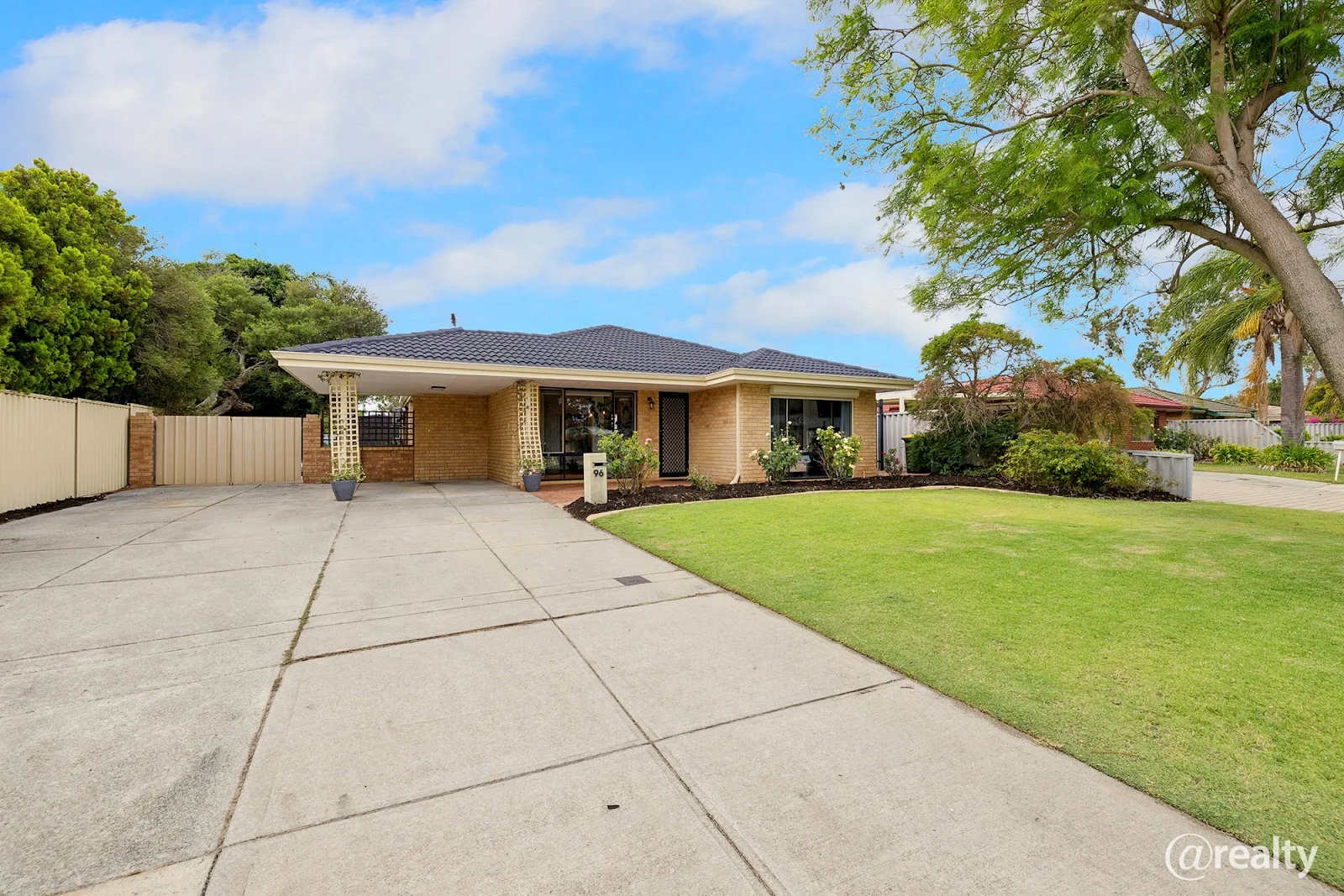 $899,000 - $943,950
House
$899,000 - $943,950
House
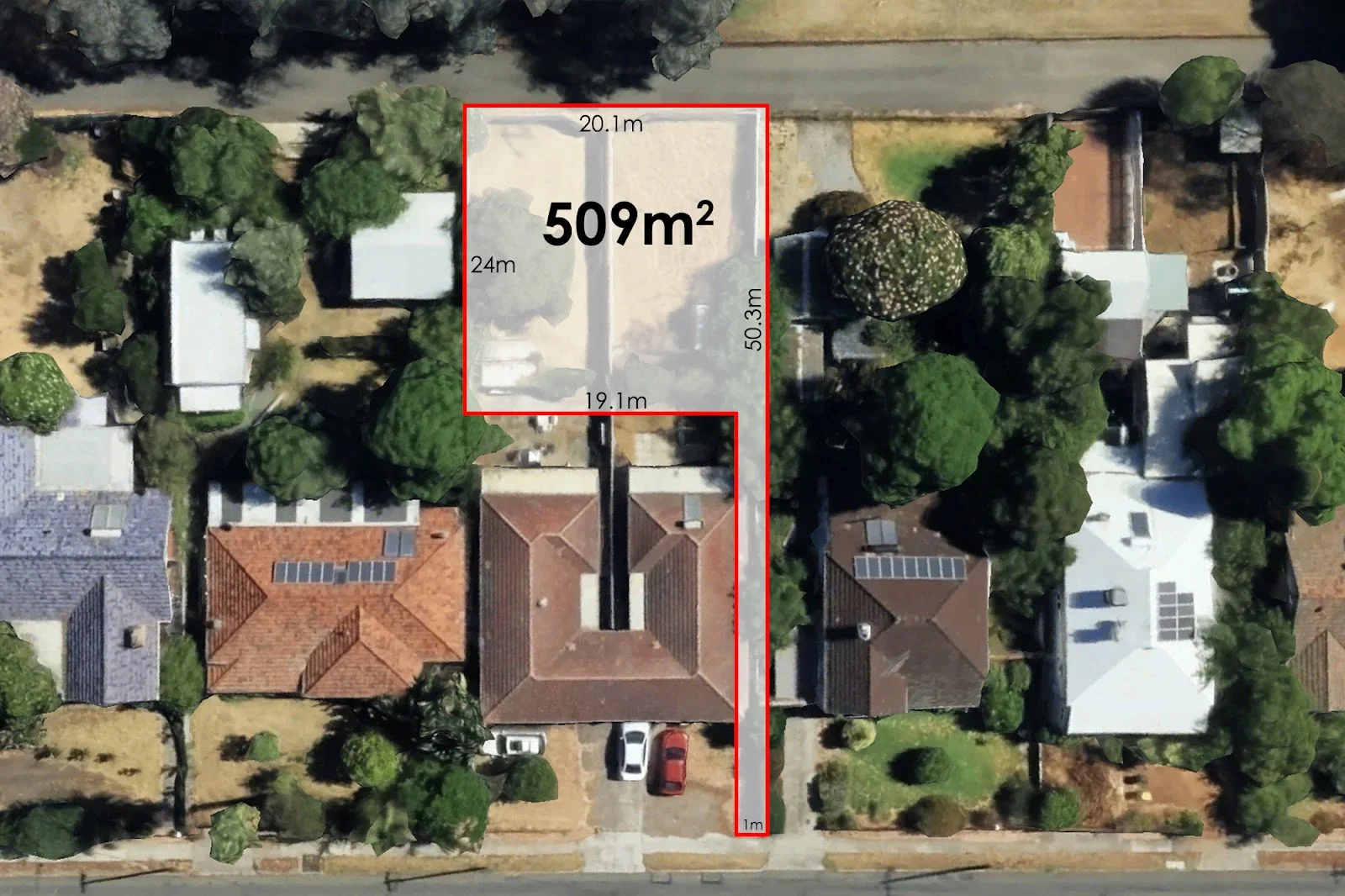 $480,000
Vacant Land
$480,000
Vacant Land
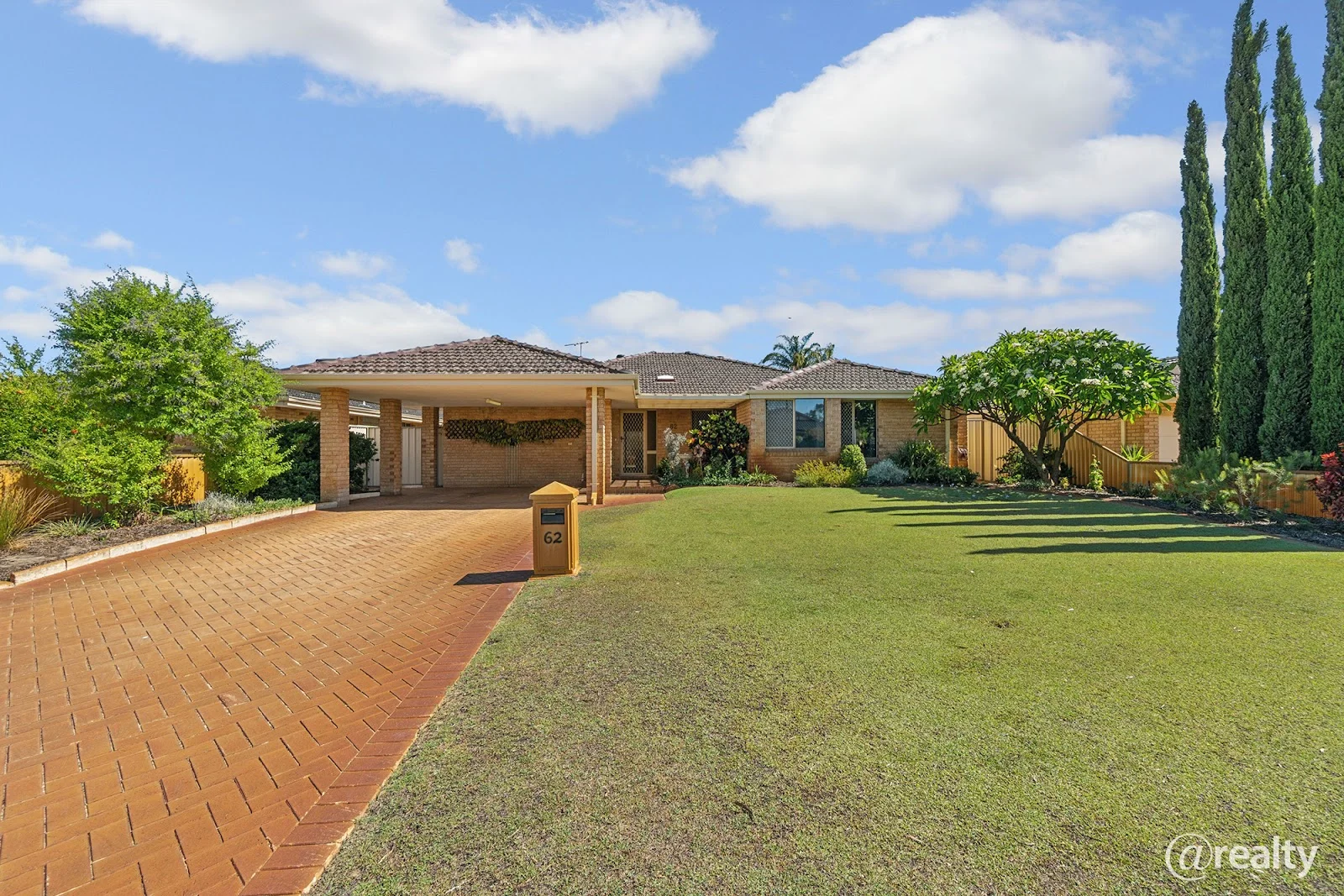 $1,099,000 - $1,153,950
House
$1,099,000 - $1,153,950
House


