## 1. Overview
Gooseberry Hill Primary School is a public WA government school serving students across the primary years in Gooseberry Hill. The school emphasises a welcoming, inclusive environment where students are encouraged to develop academically while building positive social skills and resilience.
- School type: Public
- School size: Small to medium
- Class size: Typically around 22–26 students per class
- Atmosphere/culture: Nurturing, inclusive, values-based, with a focus on student wellbeing and community involvement
## 2. Academics & Learning
Gooseberry Hill Primary prioritises strong literacy and numeracy foundations, with opportunities to explore STEM, the arts, and languages within a supportive framework.
- Academic strengths: Literacy and numeracy foundations; STEM-integrated learning; emphasis on critical thinking and problem-solving; opportunities in leadership development and language exploration.
- Special programs: Gifted and Talented opportunities and accelerated learning options within the school or local network; inquiry-based learning approaches embedded in the curriculum.
- NAPLAN / trends: Historical trends show steady performance in reading and numeracy relative to state averages, with improvements typically seen across year levels as programs mature.
- Student-teacher ratios: Approximately 1 teacher for every 22–25 students, depending on year level and program needs.
- Support for diverse learners: EAL/D support, targeted SEN assistance, learning support staff, and access to specialist staff for inclusive education and individualized plans.
## 3. Sports & Extracurricular Strengths
Australian families often place strong emphasis on sport and clubs, and Gooseberry Hill Primary offers a balanced mix of physical activity and enrichment.
- Sports offered: Soccer, netball, AFL-style activities, cricket, athletics, and general fitness programs.
- Strong teams or achievements: Participation in district inter-school events and local competitions; focus on teamwork, fair play, and skill development.
- Music, arts, drama programs: School choir, instrumental tuition opportunities, classroom drama and performance activities.
- Clubs: Robotics, chess, coding, debating, and other inquiry-based clubs to foster curiosity and problem-solving.
- Partnerships: Connections with local clubs and community organizations for competitions, events, and enrichment experiences.
## 4. Wellbeing & Pastoral Care
Wellbeing sits at the core of daily life at Gooseberry Hill Primary, guiding behavior, transitions, and student confidence.
- Anti-bullying approach: Proactive anti-bullying framework with clear reporting pathways, restorative practices, and a strong emphasis on inclusivity.
- House system: A house-based structure to support belonging, healthy competition, and leadership opportunities.
- Counsellors / wellbeing officers: Access to school counsellors or wellbeing coordinators to support emotional, social, and mental health needs.
- Transition support for new students: Structured orientation, buddy systems, and targeted transition programs to help new students settle in smoothly.
## 5. Facilities
The school’s facilities support a broad curriculum and engaging student experiences.
- Sports grounds
- Libraries
- Science labs
- Music/performing arts centers
- Tech/innovation labs
- Cafeteria
- Updated playgrounds
## 6. School Values & Community Culture
Gooseberry Hill Primary aims to cultivate respectful, responsible, and resilient students who contribute positively to their community.
- School values / mission: Respect, responsibility, resilience, inclusion, and a focus on student voice and growth.
- Leadership style: Collaborative and student-centered, with opportunities for leadership roles and peer mentorship.
- Behaviour expectations: Clear codes of conduct emphasizing positive relationships, integrity, and accountability.
- Community reputation: Known for a welcoming, supportive environment that values diversity and family engagement.
- Diversity & inclusion: Commitment to inclusive practices, accessible learning for all students, and celebrating differences.
## 7. School Logistics & Daily Operations
Practical information helps families plan around school life.
- School hours: Typical start around 8:45am and finish around 3:15pm (adjustments may apply by year level).
- Before/after school care: After-school care options are available through on-site or local providers; some programs run through the P&C or community partners.
- Uniform requirements: School uniform policy in place; details on acceptable items and grooming standards provided by the school.
- Transport (train/bus routes): Public transport options and school bus routes available within the local area; specific routes advised by the school.
- Canteen availability: Canteen services or arrangements through the school or parent committees; healthy options promoted.
- Fees (low/medium/high ranges): Public school fees are generally low with voluntary contributions and charges for activities or materials as applicable.
## 8. Enrolment & Admissions
11. What is the enrolment process and timeline?
- Submit an enrolment application through the WA Department of Education process or the school’s admissions team.
- Provide required documents (proof of address, birth certificate or visa details for non-citizens, immunisation records, preferred year level).
- The school will review the application, confirm space if available, and communicate next steps and timelines for enrolment; orientations or information sessions may be offered.
12. Is there a waiting list, and how does it work?
- Waiting lists may operate if year levels are full. Placement often depends on priority factors (residency within the catchment, sibling attendance, and available spaces). Families on the list are contacted as spots become available.
13. Are there any entry requirements, tests, or interviews?
- Enrolment typically does not require entrance tests for primary years, but may include a discussion or information session, and verification of documents. Some programs or specialty placements may require additional information.
14. Does the school accept mid-year transfers?
- Mid-year transfers are considered based on space availability, enrolment eligibility, and prioritisation of in-catchment students. Parents should contact the school promptly to discuss options and required documentation.
## 9. Frequently Asked Questions
- Why Parents Choose This School?
- A welcoming community, strong focus on literacy and numeracy, supportive staff, and a nurturing environment that emphasises wellbeing and inclusion.
- What type of student thrives at this school?
- Students who respond to a balanced program with solid core skills, opportunities to explore in STEM, arts, and sport, and who value a sense of belonging and positive relationships.
- What opportunities are available for students to extend their skills (academics, sports, arts)?
- Enrichment in literacy and numeracy, STEM activities, gifted/talented opportunities, clubs (robotics, coding, chess, debating), music and drama, and various sport programs and inter-school activities.
- How does the school communicate with parents?
- Regular newsletters, notices via the school portal or email, parent-teacher meetings, and a culture of open channels with teachers and leadership.
- What is the school’s approach to teaching and learning?
- A student-centered, evidence-based approach with emphasis on inquiry, collaboration, and differentiation to meet diverse learning needs.
- How does the school support students who need extra academic help?
- Targeted support through learning intervention, small-group instruction, EAL/D and SEN support staff, and access to specialist teachers as needed.
- What support is available for academic challenges?
- Additional tutoring, differentiated lessons, and a pathways approach to keep students engaged and progressing.
- How does the school communicate with parents? (Repeated)
- See above: newsletters, portals, meetings, and direct communication with teachers and leadership.
- What are the class sizes and how much individual attention do students receive?
- Class sizes typically around 22–26 students, with teacher-led instruction and targeted support to ensure individual attention where needed.
- What extracurricular and sports opportunities are available?
- Clubs (robotics, chess, coding, debating), sports (soccer, netball, AFL, cricket, athletics), and arts/music programs.
- What facilities does the school offer (sports, science, arts)?
- Sports grounds, libraries, science labs, music/performing arts facilities, tech/innovation spaces, a cafeteria, and updated playgrounds.
- What is the school’s approach to technology and digital learning?
- Integration of digital tools to support learning, with age-appropriate use of devices, online resources, and responsible use guidelines.
- What transport and accessibility options are available?
- Local bus routes and public transport options; clear information provided by the school to families about access and accessibility.
- What are the typical school fees or additional costs?
- Public school fees are generally low; there may be voluntary contributions, activity charges, and costs for optional programs or excursions.
## 10. Short Pros & Cons list
- Pros
- Public school with a welcoming, inclusive culture
- Strong focus on literacy and numeracy foundations
- Broad range of clubs and co-curricular activities (robotics, coding, chess, debating)
- Supportive wellbeing framework and house-based community
- Modern facilities supporting science, arts, and technology
- Cons
- Class sizes can be larger in peak periods; occasionally limited specialist facilities compared to larger schools
- Enrolment can be subject to catchment boundaries and space availability
- Public school funding cycles may influence some programs year to year
- Transport options depend on local routes and can require planning for families





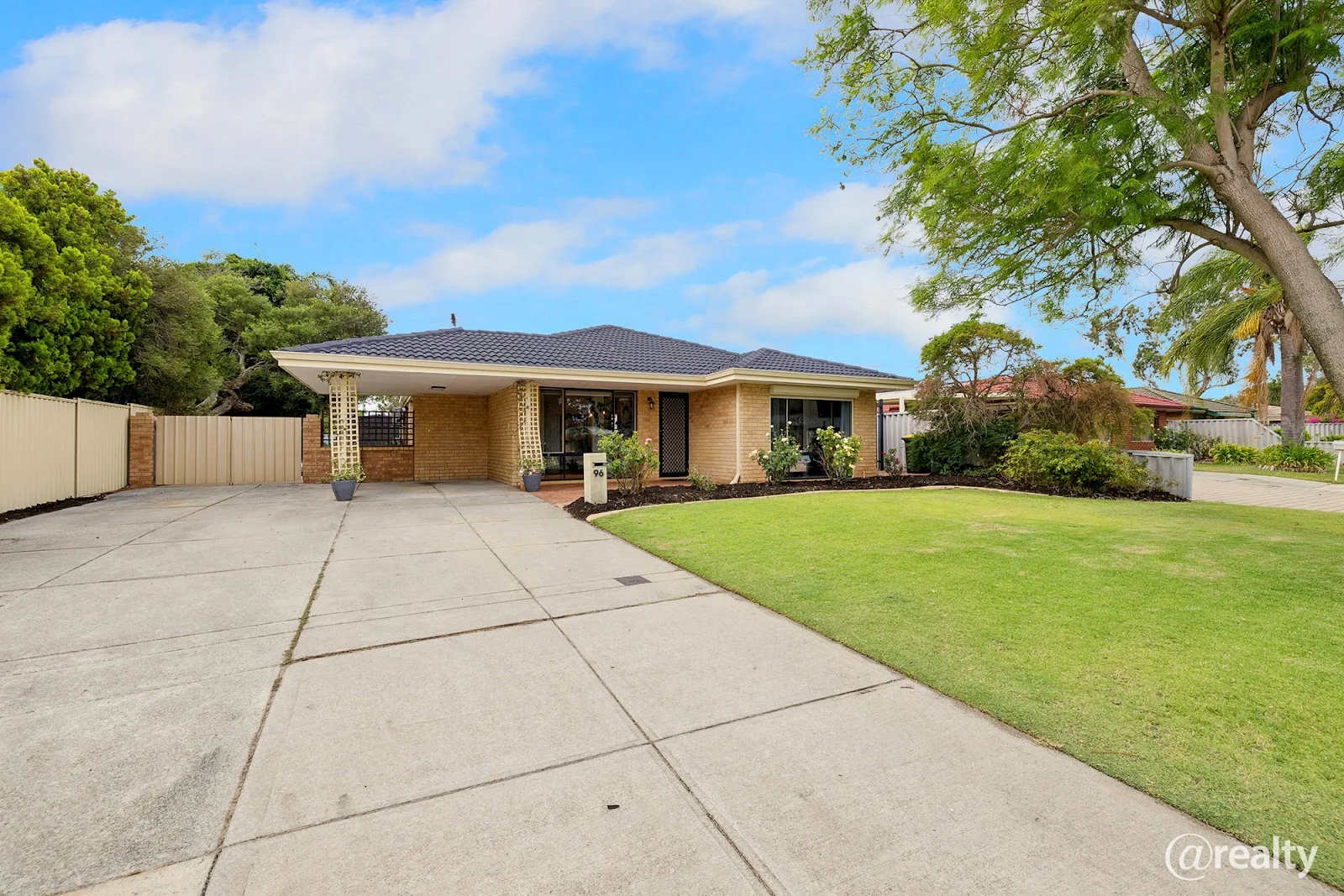 $899,000 - $943,950
House
$899,000 - $943,950
House
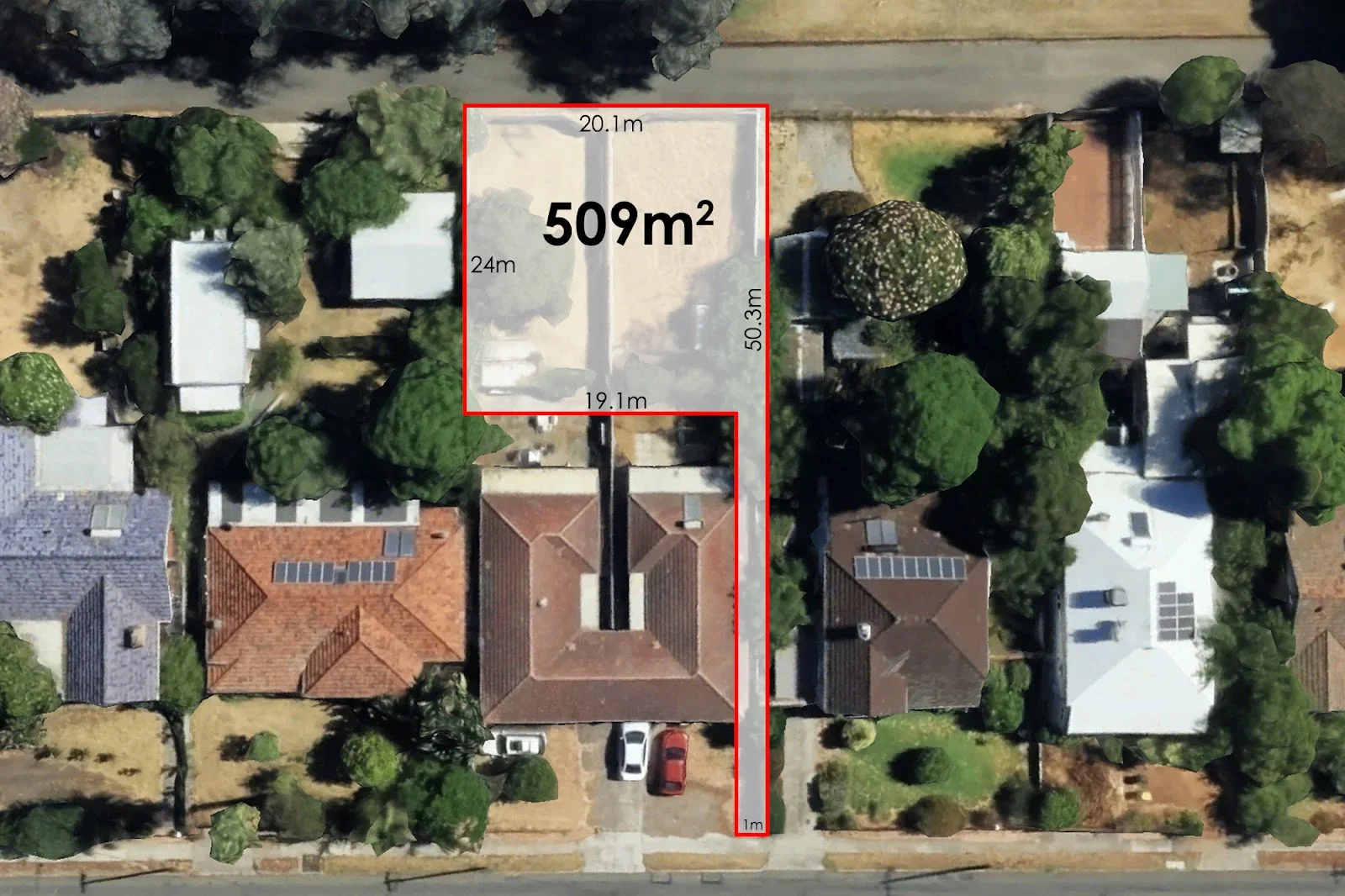 $480,000
Vacant Land
$480,000
Vacant Land
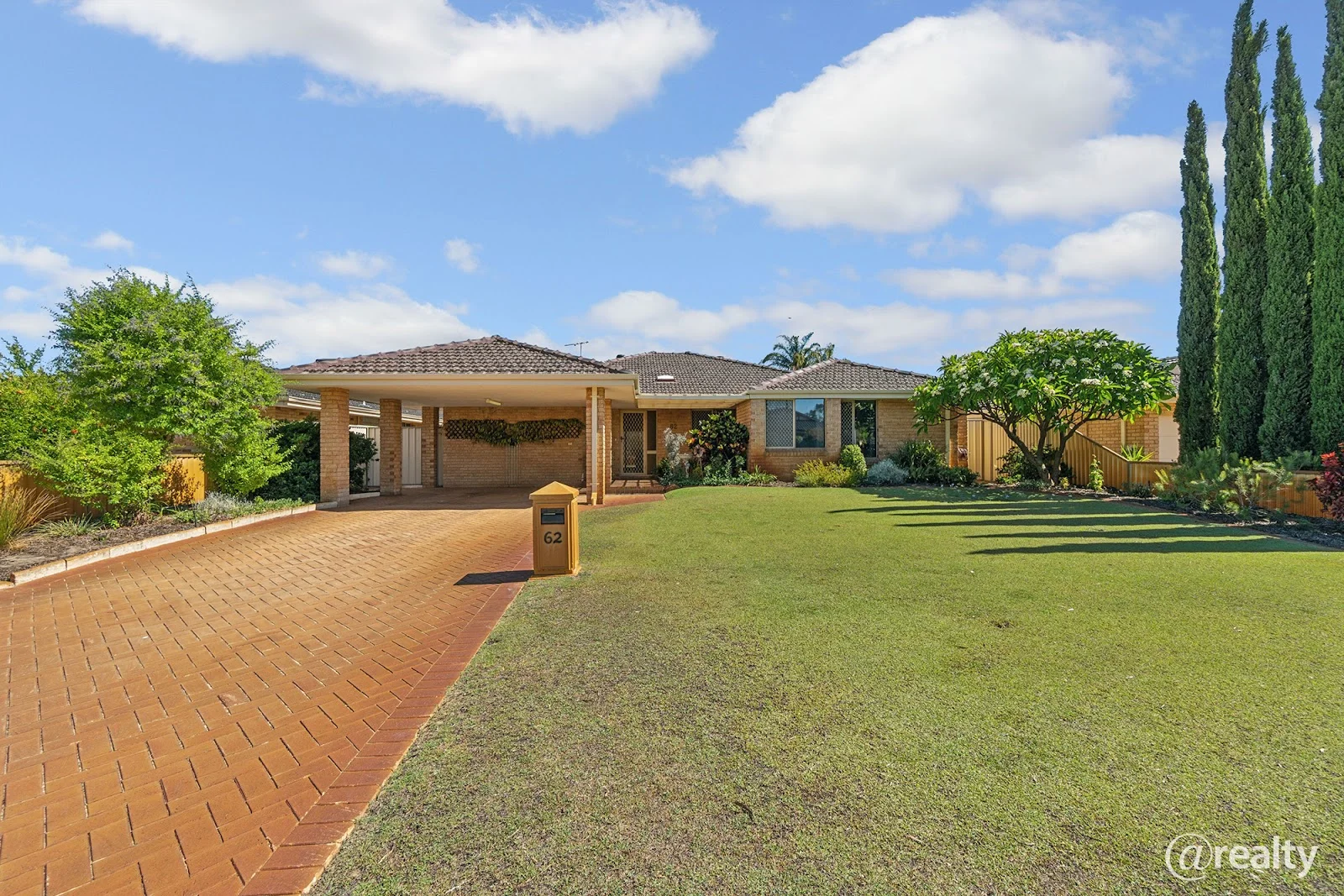 $1,099,000 - $1,153,950
House
$1,099,000 - $1,153,950
House


