Overview
Henley Beach Primary School is a public, co-educational primary school serving families in Henley Beach South, SA. It offers Reception to Year 7 and is part of the South Australian public school system, focused on fostering a welcoming, community-oriented learning environment.
The school is small-to-medium in size, with class sizes typically around 20–25 students. The atmosphere emphasises inclusivity, a nurturing approach to student wellbeing, and strong community involvement, helping students feel safe, supported and engaged in their learning journey.
Academics & Learning
- Academic strengths: Core literacy and numeracy are a priority, with integrated STEM and digital literacy woven into the curriculum to build critical thinking and problem-solving skills. The school supports students across the achievement spectrum, aiming to develop confident readers, writers and communicators.
- Special programs: Opportunities for enrichment and extension for high-achieving students, plus targeted support options to assist students needing additional help. When available, schools may offer gifted/talented pathways and targeted learning experiences.
- Support for diverse learners: Programs and staffing to support EAL (English as an Additional Language) learners and students with SEN (Special Educational Needs), with inclusive practices and appropriate adjustments as needed.
- Sports offered: A broad range of traditional school sports such as soccer/football, netball, cricket, athletics and other team activities, with opportunities for participation in intra- and inter-school events.
- Strong teams or achievements: Active involvement in inter-school competitions and school-level teams, promoting sport, teamwork and school pride.
- Music, arts, drama programs: Access to music programs, school performances and visual/performing arts activities that encourage creativity and self-expression.
- Clubs: Robotics, coding, chess, debating and other clubs that develop critical thinking, collaboration and problem-solving.
- Partnerships: Connections with local community clubs and regional competitions to broaden experiences beyond the classroom.
Wellbeing & Pastoral Care
- Anti-bullying approach: Clear policies and proactive programs focused on respectful behaviour, safe reporting, restorative practices and ongoing student education.
- House system: A house-style structure to foster belonging, peer mentoring and healthy, friendly competition.
- Counsellors / wellbeing officers: Access to school-based wellbeing staff or counsellors to support emotional, social and mental health needs.
- Transition support for new students: Orientation activities, buddy programs and targeted transition support to help new students settle in smoothly.
Facilities
- Sports grounds: Access to outdoor play and sports spaces suitable for a range of activities.
- Libraries: A library that supports reading for pleasure and information literacy.
- Science labs: Science learning spaces that enable hands-on investigations.
- Music/performing arts centers: Flexible spaces or facilities for music, drama and performance.
- Tech/innovation labs: Areas for technology education, coding and creative making.
- Cafeteria: On-site dining facilities or arrangements for lunch and recess.
- Updated playgrounds: Play areas designed for active, social, and imaginative play.
- School values / mission: Emphasis on respectful, curious, responsible learners who contribute to a positive school culture.
- Leadership style: Inclusive leadership with opportunities for student voice and staff collaboration; a focus on shared responsibility.
- Behaviour expectations: Clear expectations around conduct, respect, and safety, supported by consistent routines and positive reinforcement.
- Community reputation: Known for a welcoming, family-friendly atmosphere and strong engagement with local families.
- Diversity & inclusion: Commitment to inclusive practices, welcoming students from diverse backgrounds and abilities.
School Logistics & Daily Operations
- School hours: Typical school day runs through the morning to mid-afternoon with start and finish times aligned to SA public school schedules.
- Before/after school care: Availability of before- and after-school care through school arrangements or approved providers.
- Uniform requirements: School uniform policy, including everyday attire and sun-safety gear (hat), with guidance on colours and approved items.
- Transport (train/bus routes): Access to public transport options and local bus services; standard drop-off/pick-up arrangements.
- Canteen availability: Canteen or lunch-ordering options available for recess and lunch periods.
- Fees (low/medium/high ranges): As a public school, there is no tuition; typical costs relate to uniforms, voluntary contributions, and approved excursions or activities.
Enrolment & Admissions
11) What is the enrolment process and timeline?
- Check eligibility and catchment: Enrolment typically requires residency within the school’s local area or catchment. Out-of-area enrolments may be considered subject to space.
- Submit application: Apply through the Department for Education’s enrolment process for SA public schools, usually well before the start of the school year.
- Documentation: Prepare required documents (identity, proof of address, immunisation records, birth certificate, and any other school-specific forms).
- Timeline: Enrolments are processed in advance of the new school year, with confirmation of placement communicated by the school or Department when space is available.
12) Is there a waiting list, and how does it work?
- Waiting lists may apply when the school reaches capacity. Placement is typically determined by catchment priority, space availability and date of application. Waiting lists are managed by the Department and/or the school.
13) Are there any entry requirements, tests, or interviews?
- For most primary public schools, there are no entrance tests or interviews for standard enrolment. Some programs or out-of-area placements may involve additional checks or meetings, but routine admissions rely on residency, available spaces and required documentation.
14) Does the school accept mid-year transfers?
- Mid-year transfers are possible if there is available capacity. Prospective families should contact the school early to confirm space and complete the standard enrolment process.
Frequently Asked Questions
- Why Parents Choose This School?
- A welcoming, community-focused environment with strong emphasis on literacy, numeracy and well-being; opportunities across academics, sports, arts and clubs; convenient location and supportive staff.
- What type of student thrives at this school?
- Curious, collaborative students who enjoy a balanced program across academics, sport, arts and social activities; those who benefit from supportive teacher attention and inclusive practices.
- What opportunities are available for students to extend their skills (academics, sports, arts)?
- Enrichment or extension opportunities in key subjects, clubs such as robotics and coding, music and drama programs, and participation in inter-school sport.
- How does the school communicate with parents?
- Regular updates via school newsletters, digital platforms, parent-teacher meetings and notifications about events and student progress.
- What is the school’s approach to teaching and learning?
- A balanced, evidence-informed approach that values literacy, numeracy, inquiry-based learning, student engagement and inclusive practices.
- How does the school support students who need extra academic help?
- Targeted support within the classroom, small-group interventions, EAL and SEN support and access to specialist staff as needed.
- What support is available for academic challenges?
- Individual learning plans, focused tutoring or intervention programs, and collaboration with families to set goals and monitor progress.
- How does the school communicate with parents?
- See above: newsletters, apps/portals, meetings and events.
- What extracurricular and sports opportunities are available?
- A range of sports (e.g., team sports and athletics), plus clubs such as robotics, coding, chess and debating, alongside arts and music activities.
- What facilities does the school offer (sports, science, arts)?
- Sports grounds, library, science labs, music/performing arts spaces, tech/innovation labs and well-equipped playgrounds.
- What is the school’s approach to technology and digital learning?
- Integrated digital literacy across the curriculum, use of technology to support learning, and education in responsible digital citizenship.
- What transport and accessibility options are available?
- Local bus routes and public transport options, with standard walking/cycling routes and supportive drop-off/pick-up arrangements.
- What are the typical school fees or additional costs?
- Public schools do not charge tuition; there may be minimal costs for uniforms, voluntary contributions, and activities or excursions.
Short Pros & Cons list
- Public, community-focused school with a nurturing environment
- Broad program offering across academics, sports, arts and clubs
- Strong wellbeing and inclusive practices
- Accessible location with family-friendly facilities
- As a public school, space may limit some advanced or out-of-area placements during peak intake periods
- Specific program availability (e.g., gifted/extended pathways) may vary year to year based on staffing and funding
- Exact schedules, transport options and canteen offerings can change; verify current details with the school
 Free
Free








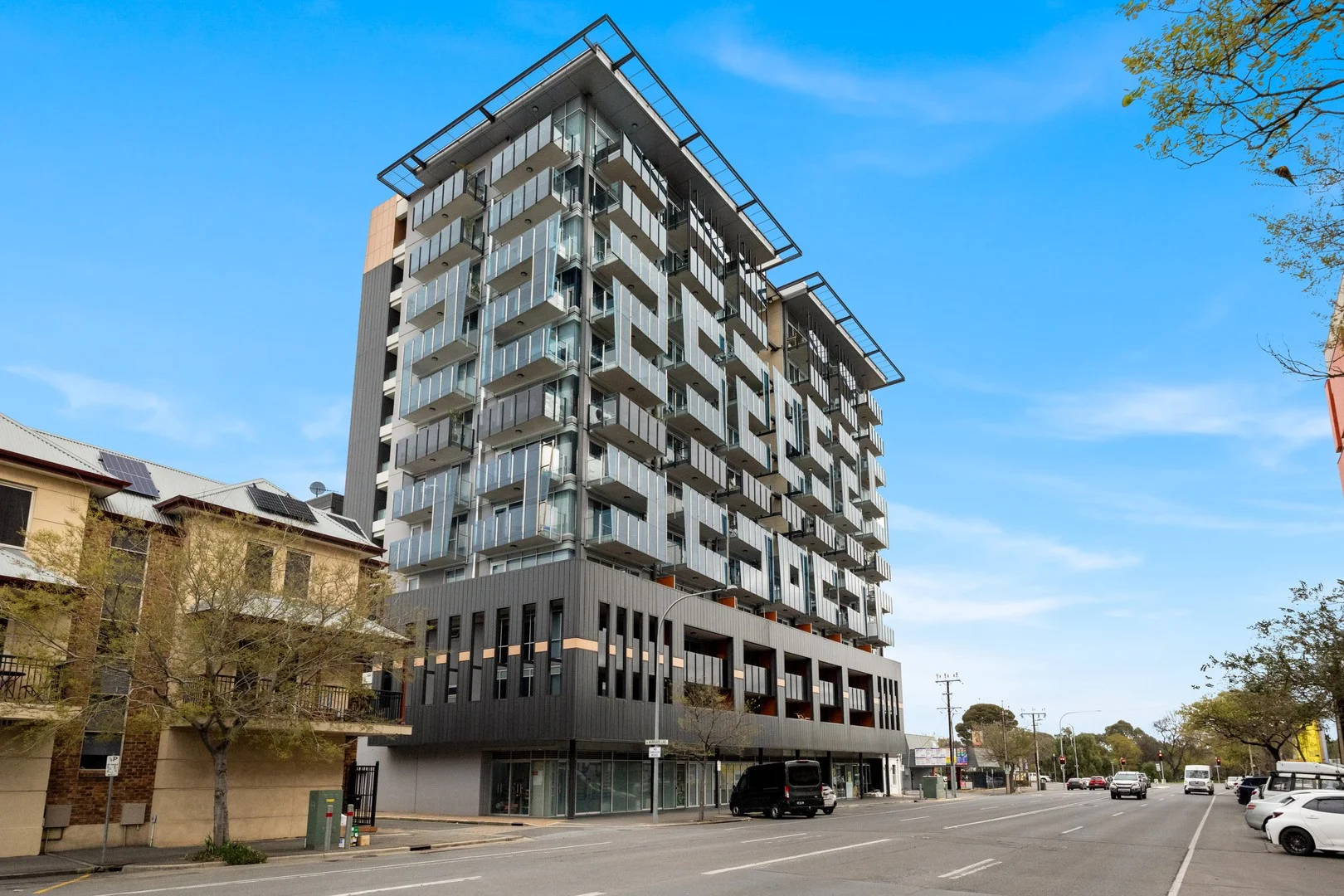 $1,100,000
Apartment / Unit / Flat
$1,100,000
Apartment / Unit / Flat
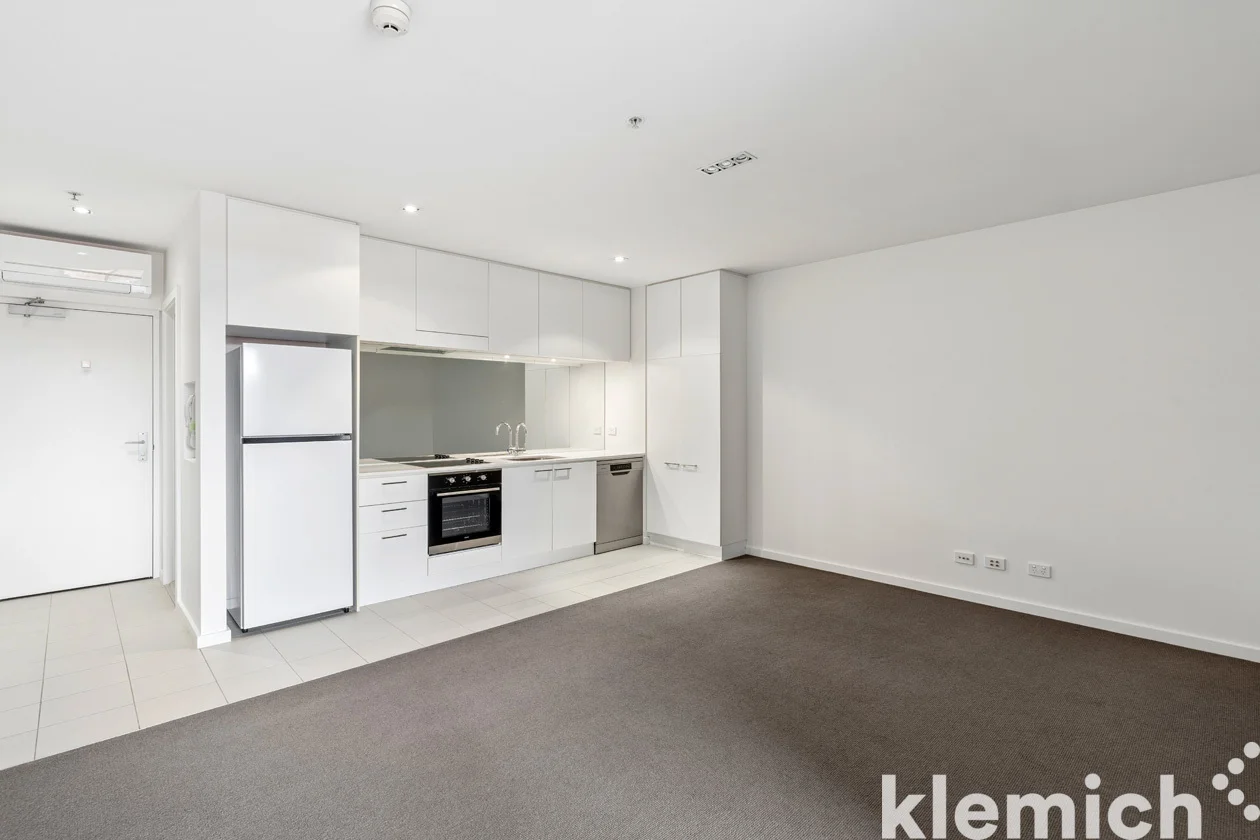 $440,000
Apartment / Unit / Flat
$440,000
Apartment / Unit / Flat
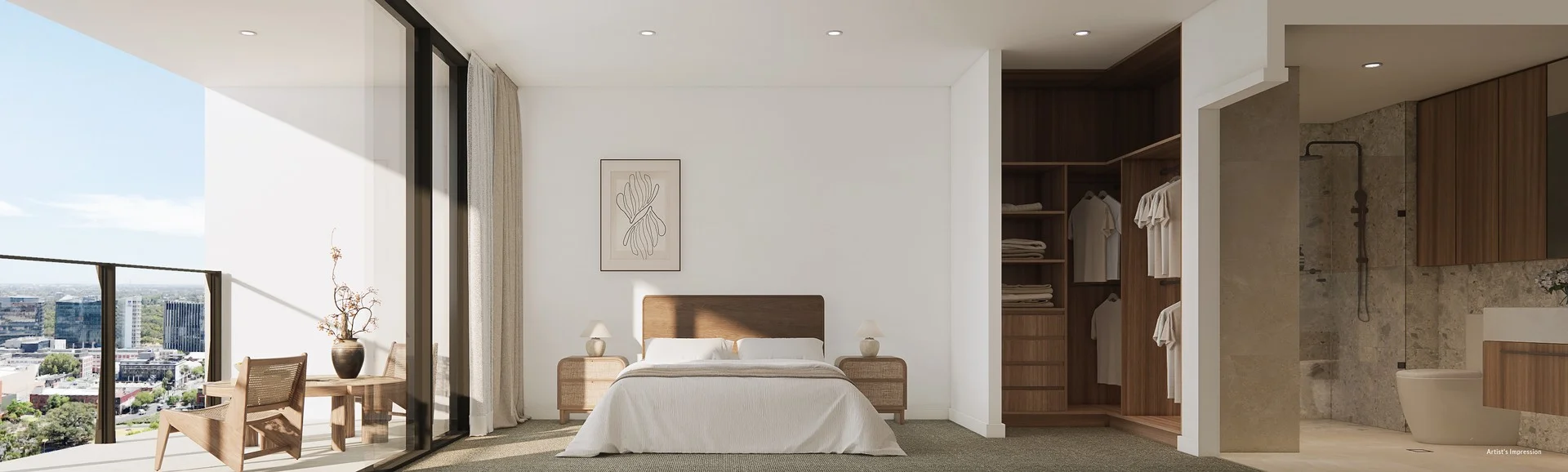 $1,056,000
Apartment / Unit / Flat
$1,056,000
Apartment / Unit / Flat
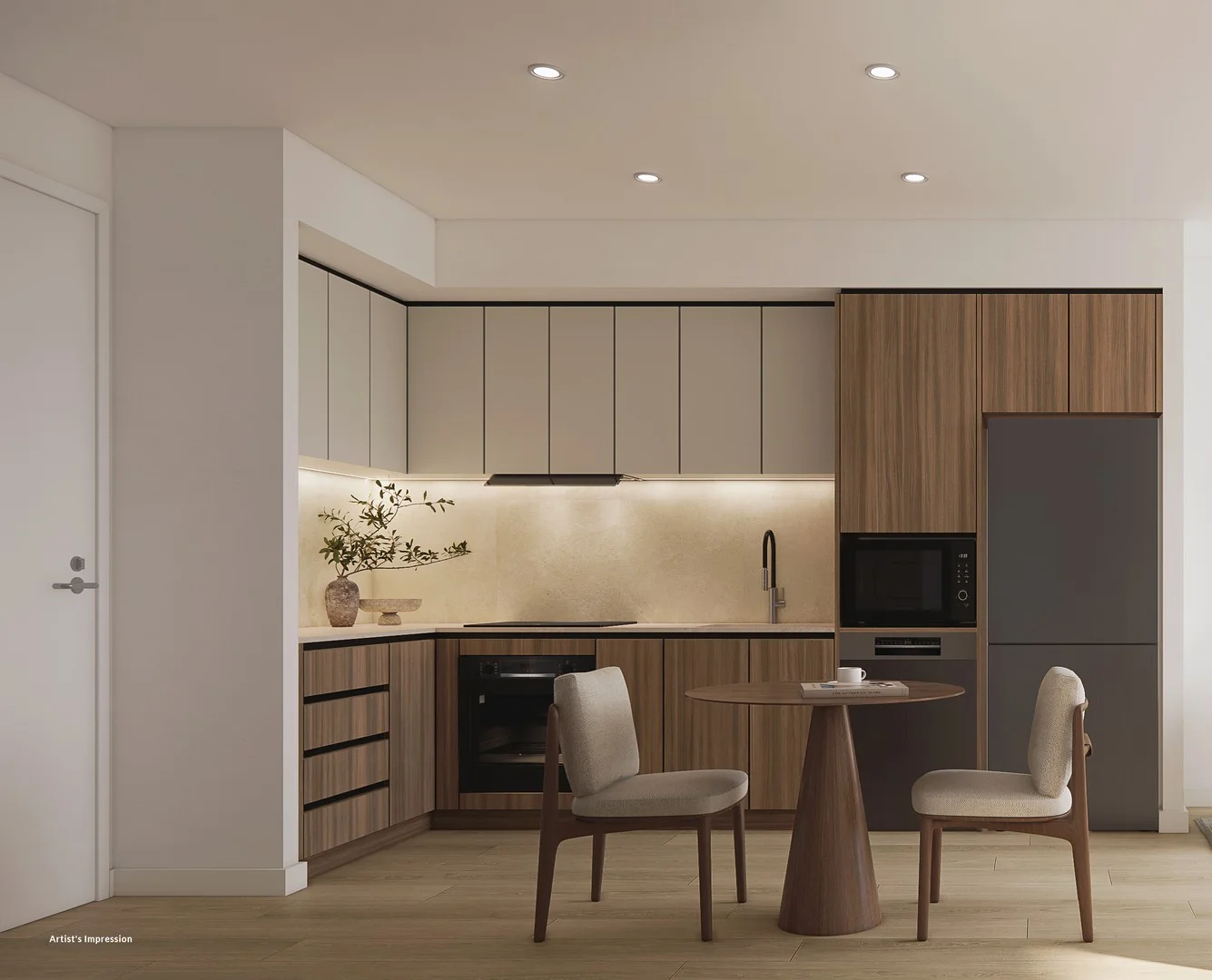 $557,000
Apartment / Unit / Flat
$557,000
Apartment / Unit / Flat
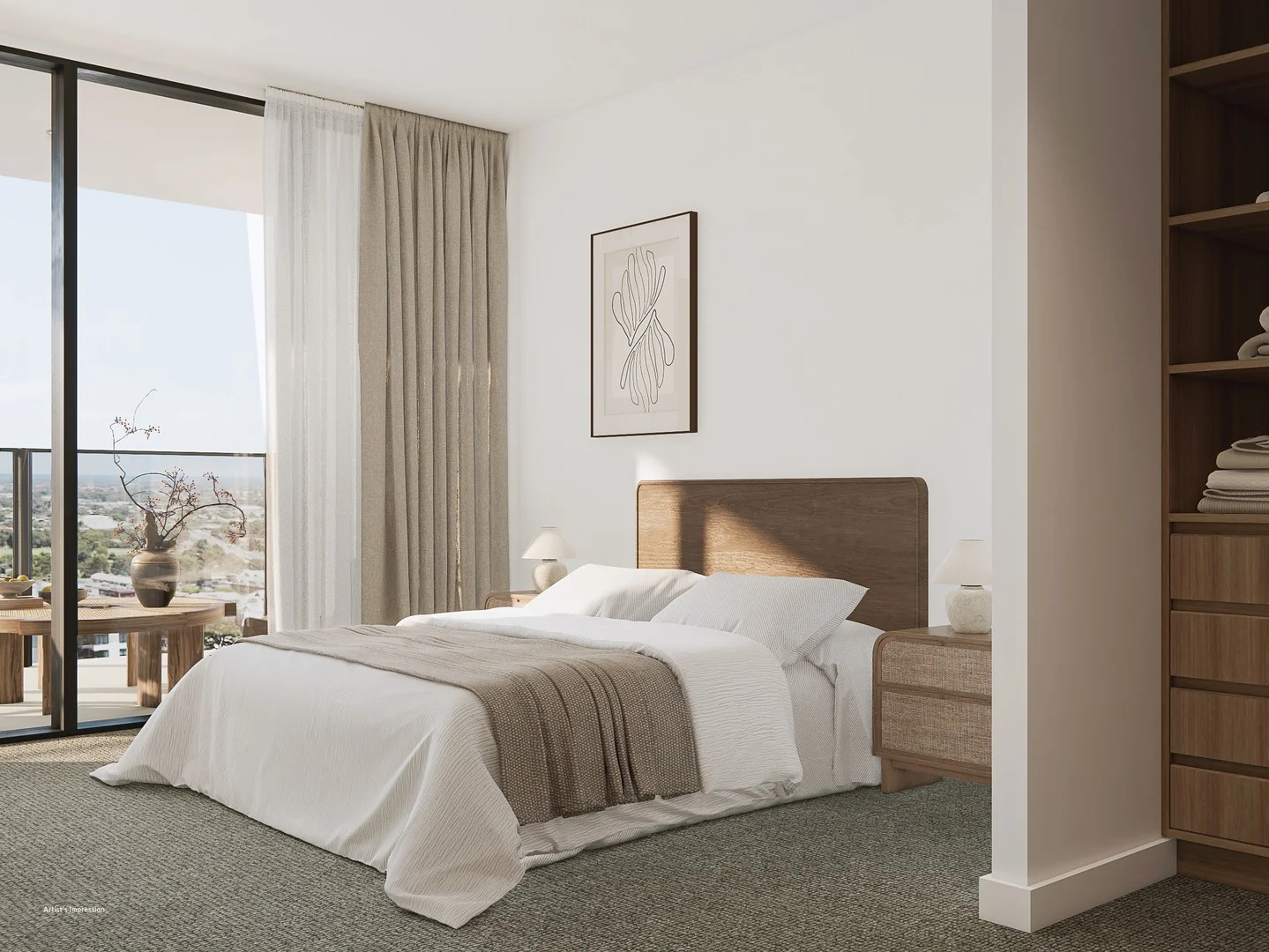 $935,000
Apartment / Unit / Flat
$935,000
Apartment / Unit / Flat
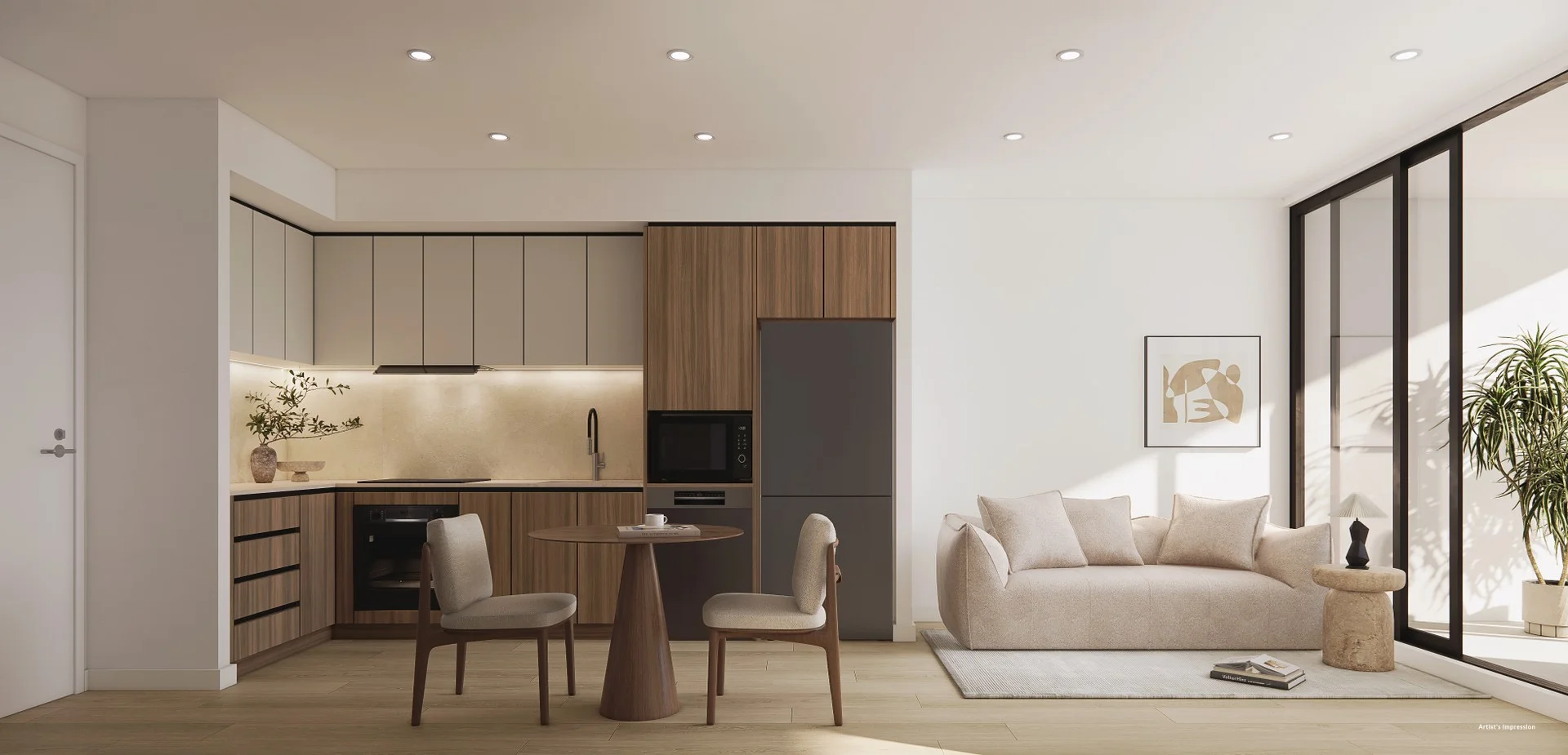 $588,000
Apartment / Unit / Flat
$588,000
Apartment / Unit / Flat
 $775,000
House
$775,000
House
 $545,000
Apartment / Unit / Flat
$545,000
Apartment / Unit / Flat