## 1. Overview
Herne Hill Primary School is a public (government) primary school serving students from the early years through upper primary. The school tends to be medium-sized, with multiple classes across year levels and a focus on a supportive, inclusive community. Class sizes are typically in the 20–25 student range, enabling attentive teaching and strong student–teacher connections. The atmosphere is generally nurturing and community-focused, with an emphasis on academic achievement alongside social development and sport.
The school aims to create a welcoming environment where students feel safe, valued and engaged in their learning. The culture supports student leadership, teamwork and responsible citizenship, with an emphasis on inclusivity and respect for diversity.
---
## 2. Academics & Learning
- Academic strengths: Literacy and numeracy foundations are a core focus, with targeted support and enrichment opportunities to foster growth in English, mathematics and critical thinking. There is an emphasis on STEM-related inquiry and problem-solving, along with opportunities to develop digital literacy and logic skills.
- Special programs: The school provides extension or enrichment activities and opportunities for students to demonstrate leadership and excellence in learning. There are supports in place for varied learner needs to help all students reach their potential.
- NAPLAN / trends: NAPLAN trend data is tracked over time to monitor improvements in literacy and numeracy. Parents can view the school’s trend data through the Department of Education profiles or the school’s annual reporting materials.
- Student–teacher ratios: Class sizes are designed to support effective instruction, with typical primary school ratios around 1:18 to 1:25, depending on year level and staffing.
- Support for diverse learners: EAL/D support is available for students who are learning English as an additional language; SEN and learning adjustments are provided to support students with diverse learning needs.
---
## 3. Sports & Extracurricular Strengths
- Sports offered: A range of primary-school sports is typically available, including team and field sports, running and athletics, swimming (where applicable) and inter-school events.
- Strong teams or achievements: The school often participates in local inter-school events and competitions, with opportunities to join school-based teams and display sportsmanship and teamwork.
- Music, arts, drama: There are music and performing arts opportunities to nurture creativity, stage performance, and music literacy.
- Clubs: Robotics, coding, chess, debating and other clubs are commonly offered to extend learning beyond the classroom and build problem-solving and strategic thinking.
- Partnerships: The school may engage with local clubs and community organizations for competitions, coaching or enrichment programs, supporting students to try new activities and compete with peers regionally.
Most parents in this age group of boys (10–14) often find the balance of sport, arts and academics appealing at this level.
---
## 4. Wellbeing & Pastoral Care
- Anti-bullying approach: The school adopts a whole-school approach to wellbeing and safety, with clear expectations and proactive monitoring to create a respectful environment.
- House system: A house or mentor structure supports belonging, friendly competition, and community-building across year levels.
- Counsellors / wellbeing officers: Access to wellbeing staff or school counsellors helps students with social-emotional learning, stress management and personal concerns.
- Transition support for new students: Structured transition activities help new students settle in, including orientation, buddy systems and targeted teacher support during the first weeks.
This section builds trust by showing a strong commitment to student safety, belonging and emotional health.
---
## 5. Facilities
- Sports grounds: Open playing fields and courts suitable for a range of physical education activities.
- Libraries: A library provides access to books, digital resources and quiet study spaces.
- Science labs: Science learning spaces support hands-on experiments and inquiry-based learning.
- Music/performing arts centers: Dedicated spaces for music practice, drama and performances.
- Tech/innovation labs: Computers or tech spaces support digital literacy, coding and project work.
- Cafeteria: On-site canteen or dining area for daily meals and snacks.
- Updated playgrounds: Modern play areas and outdoor equipment for recreation and physical activity.
Facilities are presented in a clear, visual way to help parents picture daily life at the school.
---
## 6. School Values & Community Culture
- School values / mission: The school promotes core values such as respect, responsibility, resilience and collaboration, guiding student behaviour and learning.
- Leadership style: A collaborative, student-centered leadership approach with opportunities for student voice and leadership roles.
- Behaviour expectations: Clear, consistently applied expectations around conduct, respect for others and responsibility for one’s actions.
- Community reputation: The school is seen as a welcoming, active member of the local education community, valued for its inclusive practices and partnerships.
- Diversity & inclusion: The school supports a diverse student body and strives to ensure all students feel included and supported in their learning journey.
---
## 7. School Logistics & Daily Operations
- School hours: Typical primary school hours align with standard WA schedules, with start and finish times published by the school each year.
- Before/after school care: After-school care or supervision options are often available either on-site or through local providers.
- Uniform requirements: A school uniform is required or strongly encouraged, with guidelines on approved attire and dress codes.
- Transport (train/bus routes): Public transport options (bus routes) serve the school community, with information on routes and schedules provided by the school or local transport authorities.
- Canteen availability: An on-site canteen or snack program is available to students (where applicable).
- Fees (low/medium/high ranges): As a public school, many core costs are covered by the Department of Education, with some optional or voluntary contributions and approved charges for activities or materials.
---
## 8. Enrolment & Admissions
11. What is the enrolment process and timeline?
- Enrolment is managed through the WA Department of Education. Parents typically need to submit an enrolment form within the school’s defined intake period, provide required documentation (e.g., birth certificate, proof of address, immunisation records), and follow the timeline published by the school and district.
12. Is there a waiting list, and how does it work?
- Some intake periods may have waiting lists depending on catchment capacity and year level. Applications are typically ranked by eligibility (e.g., catchment eligibility) and by timing of submission. The school and district provide ongoing updates about waitlist status.
13. Are there any entry requirements, tests, or interviews?
- Entry requirements generally include residency within the school’s catchment area and completion of standard enrolment documentation. Some schools may request brief introductory meetings or orientation to support transition, but formal testing is not typically required for standard primary enrolment.
14. Does the school accept mid-year transfers?
- Mid-year transfers are considered where space allows. Interested families should contact the school as early as possible to discuss availability, placement assessments (if required) and transition planning.
---
## 9. Frequently Asked Questions
- Why Parents Choose This School?
- A welcoming, inclusive learning community with strong literacy and numeracy focus, opportunities for student leadership and a broad range of extracurricular activities.
- What type of student thrives at this school?
- Students who engage in collaborative learning, value social development and want a balanced program across academics, sport and the arts.
- What opportunities are available for students to extend their skills (academics, sports, arts)?
- Enrichment activities in literacy and numeracy, science and technology experiences, sports teams, music and performing arts, and clubs such as robotics, coding, chess and debating.
- How does the school communicate with parents?
- Regular updates through classroom letters, newsletters, the school website or portal, and scheduled meetings. Clear channels exist for parent inquiries and feedback.
- What is the school’s approach to teaching and learning?
- A student-centered approach with focus on essential literacy and numeracy skills, inquiry-based learning, differentiation to meet diverse needs and integration of digital literacy.
- How does the school support students who need extra academic help?
- Targeted interventions, in-class differentiation, and access to learning support staff and EAL/SEN programs where relevant.
- What support is available for academic challenges?
- Additional tutoring or small-group sessions, learning adjustments and monitoring of progress through ongoing assessments.
- How does the school communicate with parents? (Repeat)
- See above: regular updates, meetings, and digital communications.
- What are the class sizes and how much individual attention do students receive?
- Class sizes are typically around 20–25 students, with teachers providing differentiated instruction and opportunities for individual check-ins.
- What extracurricular and sports opportunities are available?
- A range of sports, arts, music and drama, plus clubs such as robotics, coding, chess and debating.
- What facilities does the school offer (sports, science, arts)?
- Sports grounds, library, science labs, music/performing arts spaces, tech/innovation labs, canteen and updated playgrounds.
- What is the school’s approach to technology and digital learning?
- Integration of digital literacy and technology in learning, with access to computers and relevant tech spaces to support coding and research skills.
- What transport and accessibility options are available?
- Public transport options (bus routes) and school-provided information on accessibility and drop-off/pick-up arrangements.
- What are the typical school fees or additional costs?
- Core schooling is funded by the Department of Education; some optional or voluntary contributions and costs for activities, materials, or excursions may apply.
---
## 10. Short Pros & Cons list
- Pros
- Public, inclusive learning environment with focus on literacy, numeracy and student wellbeing.
- Balanced program including academics, sports, arts and technology.
- Support for diverse learners and transition support for new students.
- Range of extracurricular activities and opportunities for student leadership.
- Regular communication with families and active community culture.
- Cons
- As a public school, there may be less customization in class sizes or specialist programs compared to independent options.
- Availability of some programs or clubs may depend on staffing and funding year-to-year.
- Peak contact times can be busy; families may need to plan around school communications and term dates.








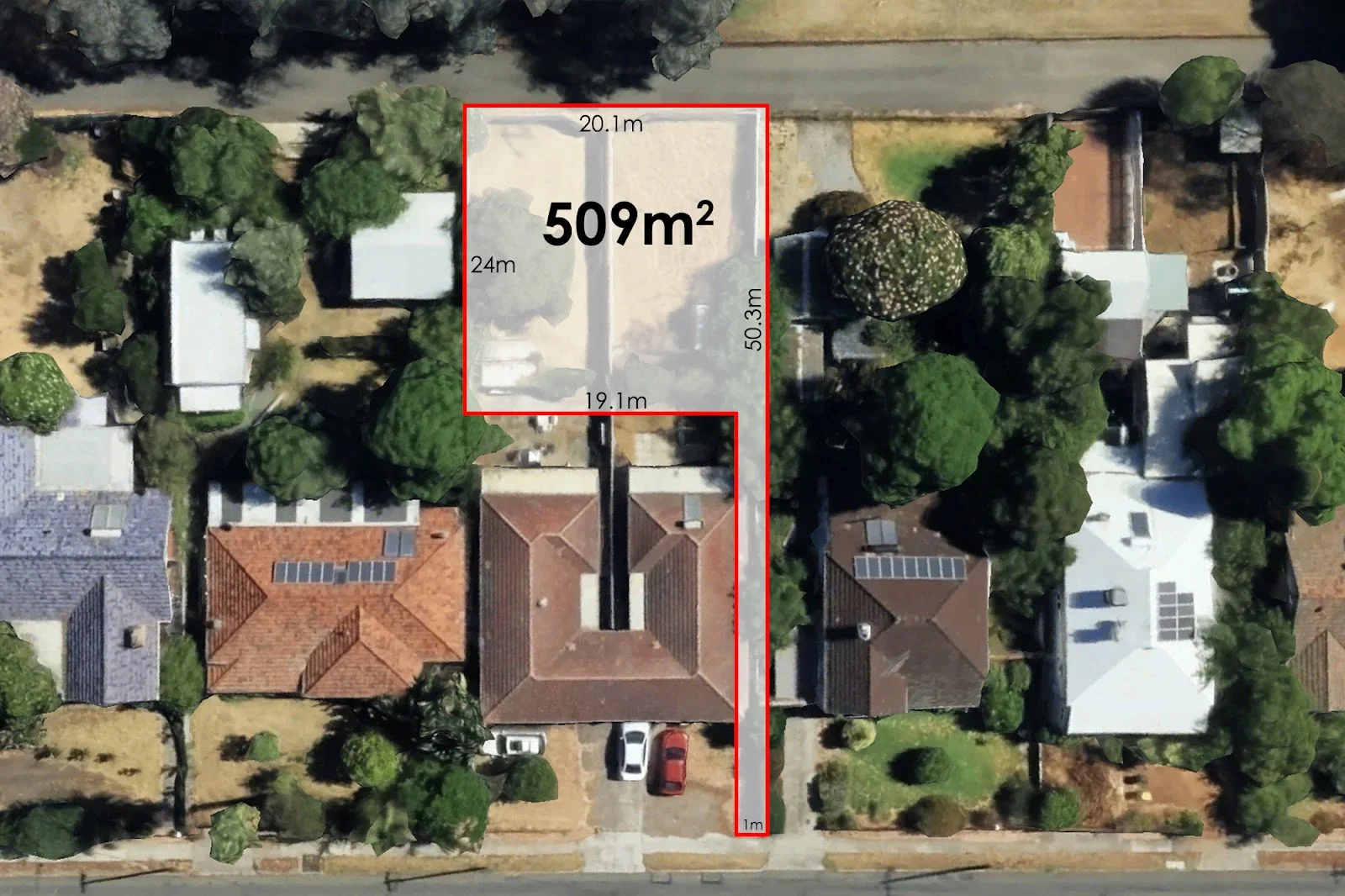 $480,000
Vacant Land
$480,000
Vacant Land
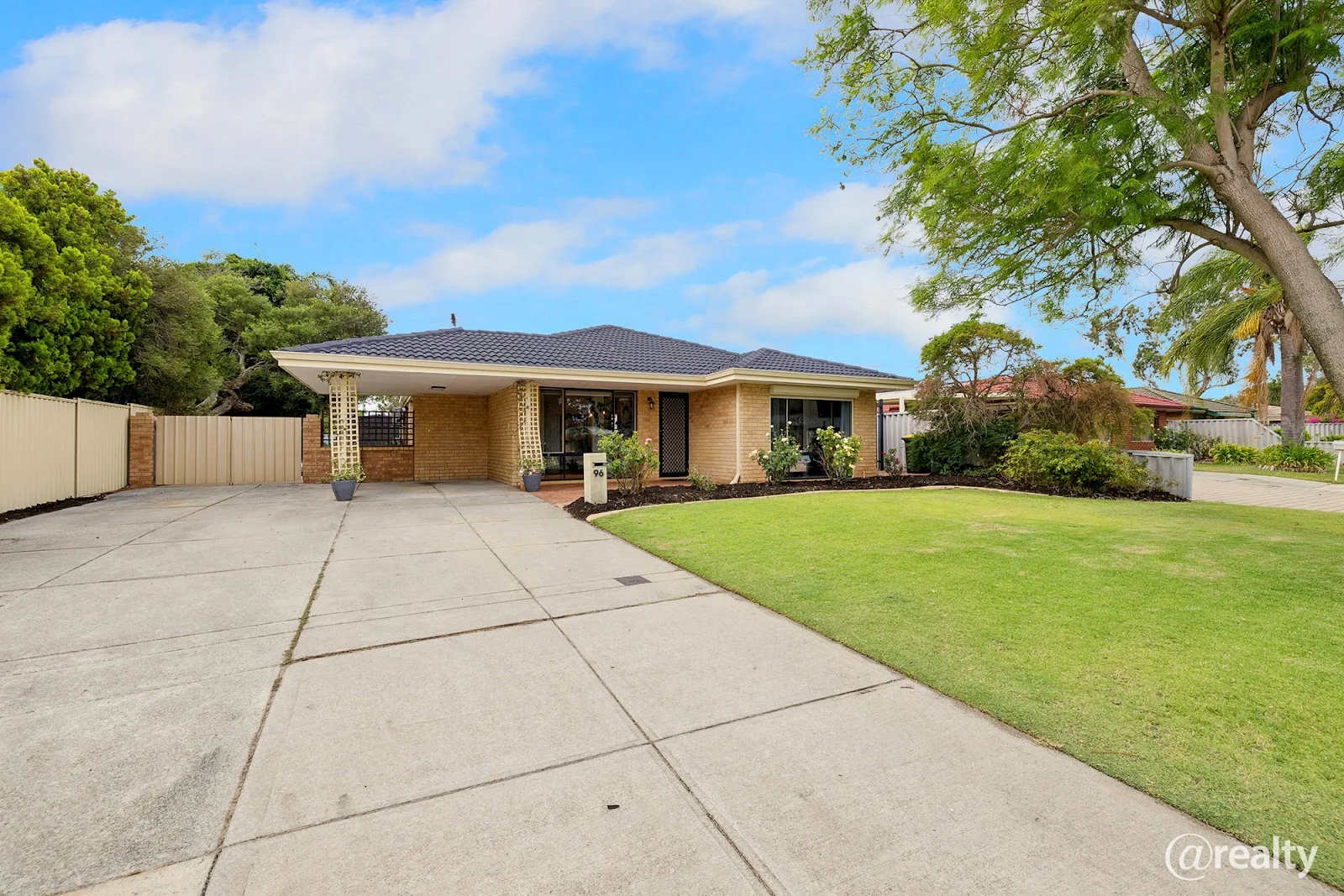 $899,000 - $943,950
House
$899,000 - $943,950
House
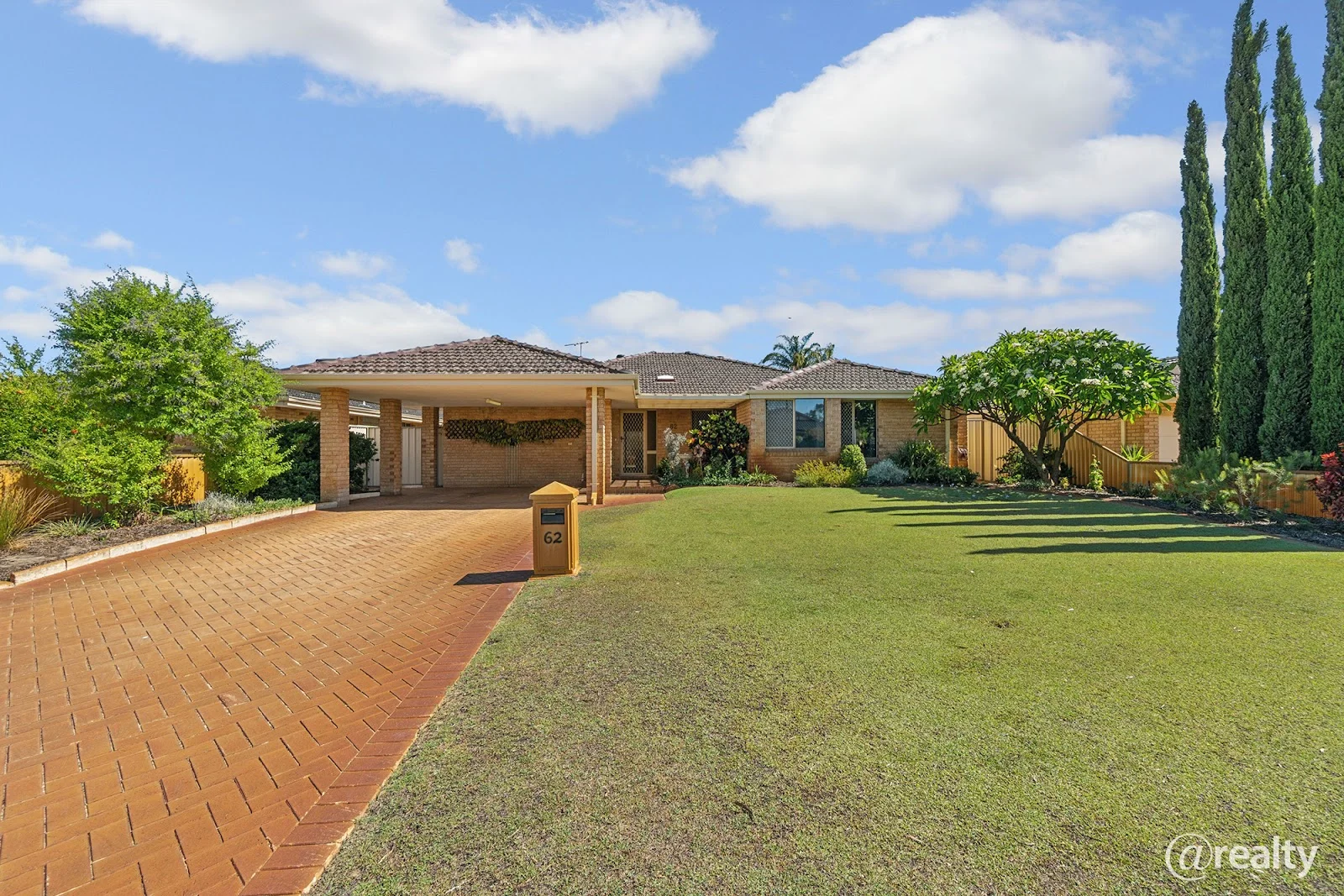 $1,099,000 - $1,153,950
House
$1,099,000 - $1,153,950
House