## Overview
Swan Christian College is an independent Christian school serving students in Middle Swan, Western Australia. It offers a broad P–12 program with a faith-informed approach to learning, leadership and service. The school is typically described as medium-sized, with class configurations that support both collaborative work and individualized attention. The atmosphere is nurturing and inclusive, with a strong sense of community, opportunities for student leadership, and a focus on character development alongside academic achievement.
- School type: Independent Christian
- School size: Medium
- Class size: Approximately 20–24 students in primary; around 20–26 in secondary
- Atmosphere/culture: Nurturing, inclusive, faith-based, student-centered
⸻
## Academics & Learning
Swan Christian College offers a balanced curriculum designed to develop core literacy and numeracy alongside critical thinking, creativity and leadership. The school emphasises academic rigor within a Christian worldview and provides pathways that support students across different post-school goals.
- Academic strengths: English and humanities, science and math foundations, leadership development, and opportunities to engage with languages and digital literacy
- Special programs: Gifted and talented pathways, acceleration options in certain subjects, and senior years planning that aligns with ATAR readiness and vocational education and training (VET) pathways
- NAPLAN trends: Public indicators show steady improvement in literacy and numeracy over recent years, with ongoing focus on growth and skill mastery
- Student-teacher ratios: Generally around 1:14 to 1:18, varying by year level to support both collaboration and individualized support
- Support for diverse learners: EAL assistance, inclusive education practices, targeted learning support and coordination with SEN professionals
⸻
## Sports & Extracurricular Strengths
A key strength for many families, the school offers a broad range of sport and activities to complement academics and faith life. The program supports teamwork, discipline and school pride.
- Sports offered: Soccer (football), basketball, netball, AFL-style activities, cricket, tennis, swimming, athletics, and gym/fitness programs
- Strong teams or achievements: Regular participation in inter-school competitions and local leagues, with a track record of notable involvement and success across multiple sports
- Music, arts, drama programs: Active music ensembles, drama productions and performing arts opportunities
- Clubs: Robotics, chess, coding, debating and other interest-based clubs
- Partnerships: Connections with local sporting academies, community clubs and regional competitions to extend opportunities beyond the campus
⸻
## Wellbeing & Pastoral Care
Wellbeing and pastoral care are central to the school experience, supporting students’ emotional health, resilience and safety.
- Anti-bullying approach: Clear policies, proactive education and restorative practices to address conflict and build respectful relationships
- House system: A house-based structure fosters belonging, friendly competition and peer mentoring
- Counsellors / wellbeing officers: Access to counselling and wellbeing staff to support academic and personal wellbeing
- Transition support: Orientation programs, buddy systems and gradual integration for new students to ease transitions
⸻
## Facilities
The campus emphasizes practical learning spaces and welcoming environments for students.
- Sports grounds: Acres of fields and courts for PE and games
- Libraries: Quiet study areas with access to print and digital resources
- Science labs: Modern laboratories for biology, chemistry and physics
- Music/performing arts centers: Dedicated spaces for rehearsal and performance
- Tech/innovation labs: Creative tech hubs and computer labs
- Cafeteria: On-site dining options and supervision
- Updated playgrounds: Age-appropriate and safe play areas for younger students
⸻
## School Values & Community Culture
Families often associate Swan Christian College with a strong values framework and a supportive school climate.
- School values / mission: Integrated Christian values such as integrity, respect, compassion, responsibility and service within everyday learning
- Leadership style: Servant leadership model with opportunities for student voice and leadership roles
- Behaviour expectations: Clear conduct policies aligned with school values; emphasis on respectful behavior and community care
- Community reputation: Known for a welcoming, faith-based learning community with active family involvement
- Diversity & inclusion: Commitment to a welcoming environment that respects and includes students from varied backgrounds
⸻
## School Logistics & Daily Operations
Helpful logistics to plan around daily school life.
- School hours: Typical day runs roughly from early morning to mid-afternoon, with variation by year level
- Before/after school care: Availability of before/after school care programs
- Uniform requirements: School uniform policy with specified attire for different year levels
- Transport: Local bus routes and drop-off points; accessible campus with parking arrangements
- Canteen availability: On-site canteen or lunch options during the day
- Fees: Fee ranges reflect the private/independent sector; costs vary by year level and activity participation
⸻
## Enrolment & Admissions
11. What is the enrolment process and timeline?
- Applications typically begin with an expression of interest, followed by a formal application, provision of supporting documents, and an interview or assessment. Offers are made subject to space and alignment with the school’s criteria. Once offered, families complete enrolment documentation and payment of any required fees; a placement or orientation session often follows before start.
12. Is there a waiting list, and how does it work?
- Waiting lists are common when year-level spaces are limited. Placement on a waitlist generally depends on year level demand, date of application and availability. Families are informed of their position and expected timelines as spaces open.
13. Are there any entry requirements, tests, or interviews?
- Entry typically includes an interview or discussion with a member of the leadership team, and may include an assessment or review of previous schooling to determine readiness and fit with the school’s program and values.
14. Does the school accept mid-year transfers?
- Mid-year transfers are possible if spaces are available and the transfer aligns with the student’s needs and the school’s curriculum requirements. Prospective families should contact the admissions team to discuss timing, transcripts and placement.
⸻
## Frequently Ask Questions
- Why Parents Choose This School?
- A values-based education with strong pastoral care, supportive learning environment, and a balance of academics, faith and community involvement.
- What type of student thrives at this school?
- Students who are motivated, value community and service, and who respond well to a faith-informed, collaborative learning setting.
- What opportunities are available for students to extend their skills (academics, sports, arts)?
- Extension in academics via gifted/accelerated paths, participation in sports and inter-school competitions, music and drama programs, robotics, coding and debating clubs.
- How does the school communicate with parents?
- Regular newsletters, a parent portal/app, and scheduled meetings; open days and campus events are common; timely updates on student progress.
- What is the school’s approach to teaching and learning?
- A balanced, inquiry-based approach that blends curriculum rigor with character development and Christian worldview integration; differentiation to meet diverse learner needs.
- How does the school support students who need extra academic help?
- Targeted learning support, SEN coordination, EAL assistance and access to tutoring or small-group interventions as needed.
- What support is available for academic challenges?
- Individualized plans, access to specialists and teachers for ongoing assessment and adjustment of learning strategies.
- What are the class sizes and how much individual attention do students receive?
- Class sizes typically range around 20–26 students, with teacher oversight and opportunities for targeted instruction and feedback.
- What extracurricular and sports opportunities are available?
- A broad program of sports (football/soccer, basketball, netball, cricket, tennis, etc.), plus clubs in robotics, chess, coding, debating, and arts activities.
- What facilities does the school offer (sports, science, arts)?
- Modern science labs, libraries, performing arts spaces, tech/innovation labs, sports grounds, and on-site canteen and playground facilities.
- What is the school’s approach to technology and digital learning?
- Emphasis on digital literacy, classroom tech integration, and safe use of technology; devices and resources are used to support learning and collaboration.
- What transport and accessibility options are available?
- Local bus routes and transport options, with campus parking and convenient drop-off/pick-up arrangements.
- What are the typical school fees or additional costs?
- Fees reflect the private/independent sector with annual variations; additional costs may include uniforms, camps, excursions and some activity fees.
⸻
## Short Pros & Cons
- Pros
- Values-based education with strong pastoral care
- Supportive learning environment and community feel
- Balanced focus on academics, arts and sport
- Broad extracurricular options (clubs, robotics, debating, etc.)
- Reasonable class sizes for individualized attention
- Modern facilities and dedicated wellbeing resources
- Cons
- Being a private/independent school, fees are higher than public options
- Religious alignment may not suit families seeking secular schooling
- Space and waitlists can limit mid-year entry opportunities
- Sold-out programs in popular years may limit course choice for some students











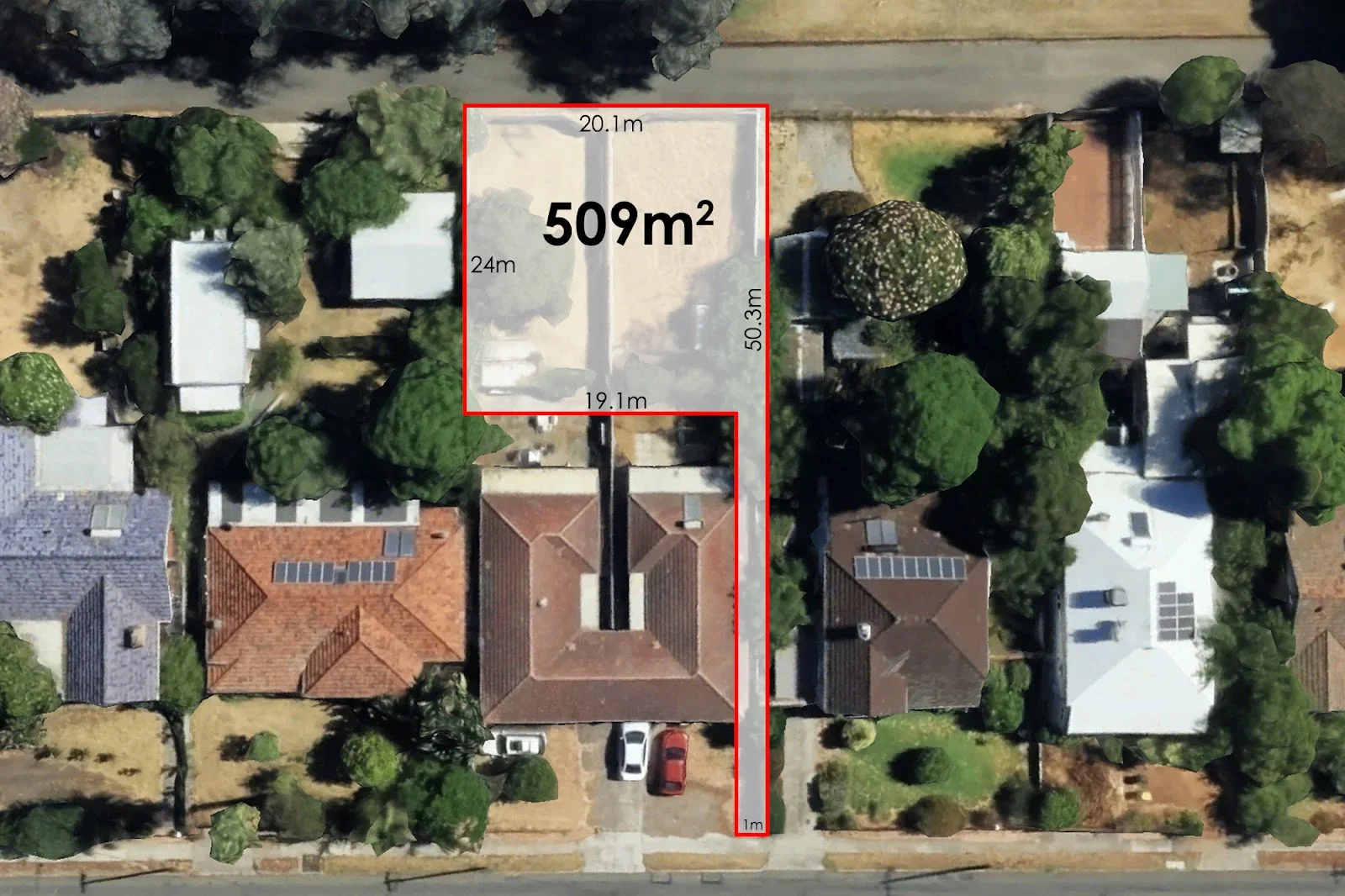 $480,000
Vacant Land
$480,000
Vacant Land
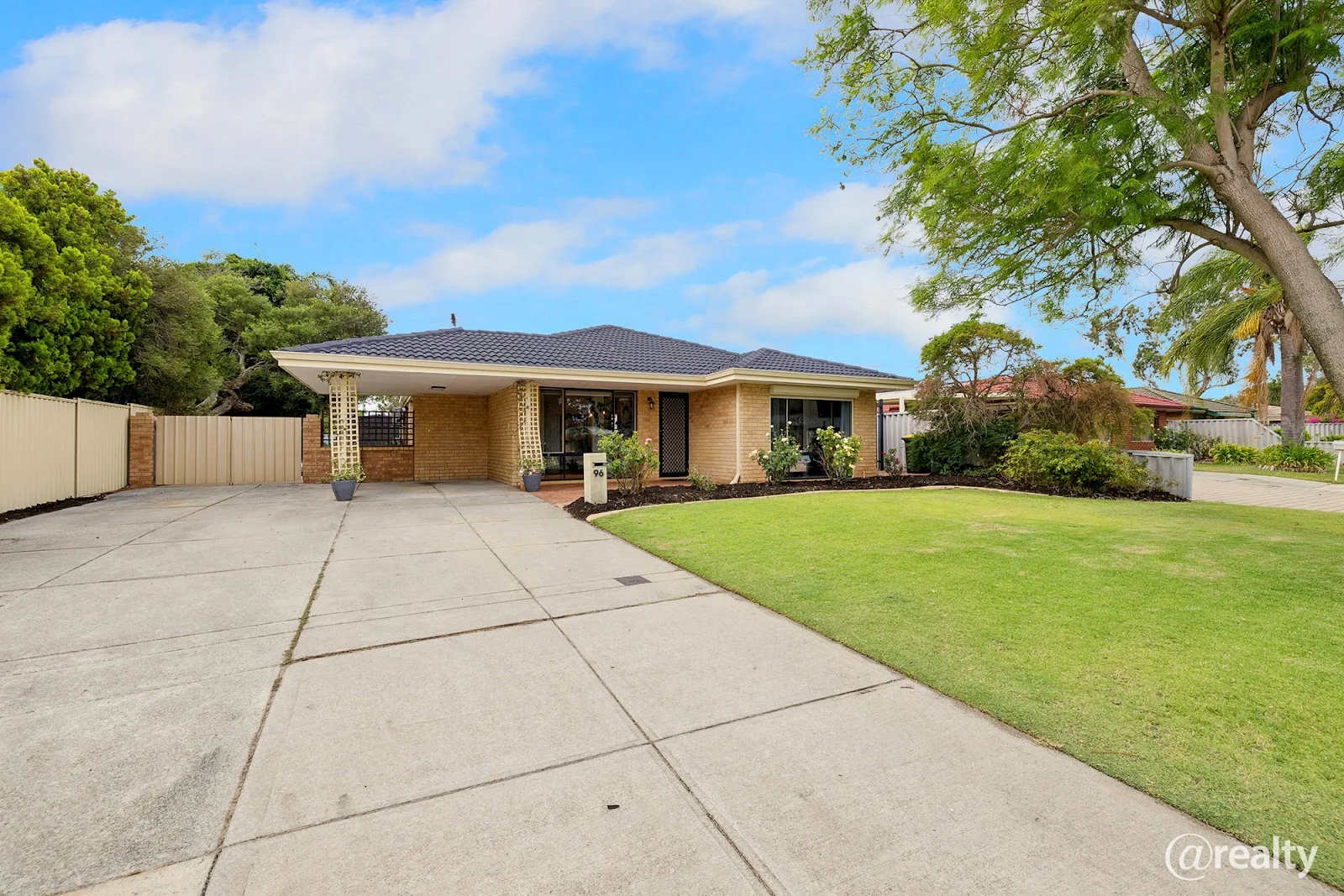 $899,000 - $943,950
House
$899,000 - $943,950
House
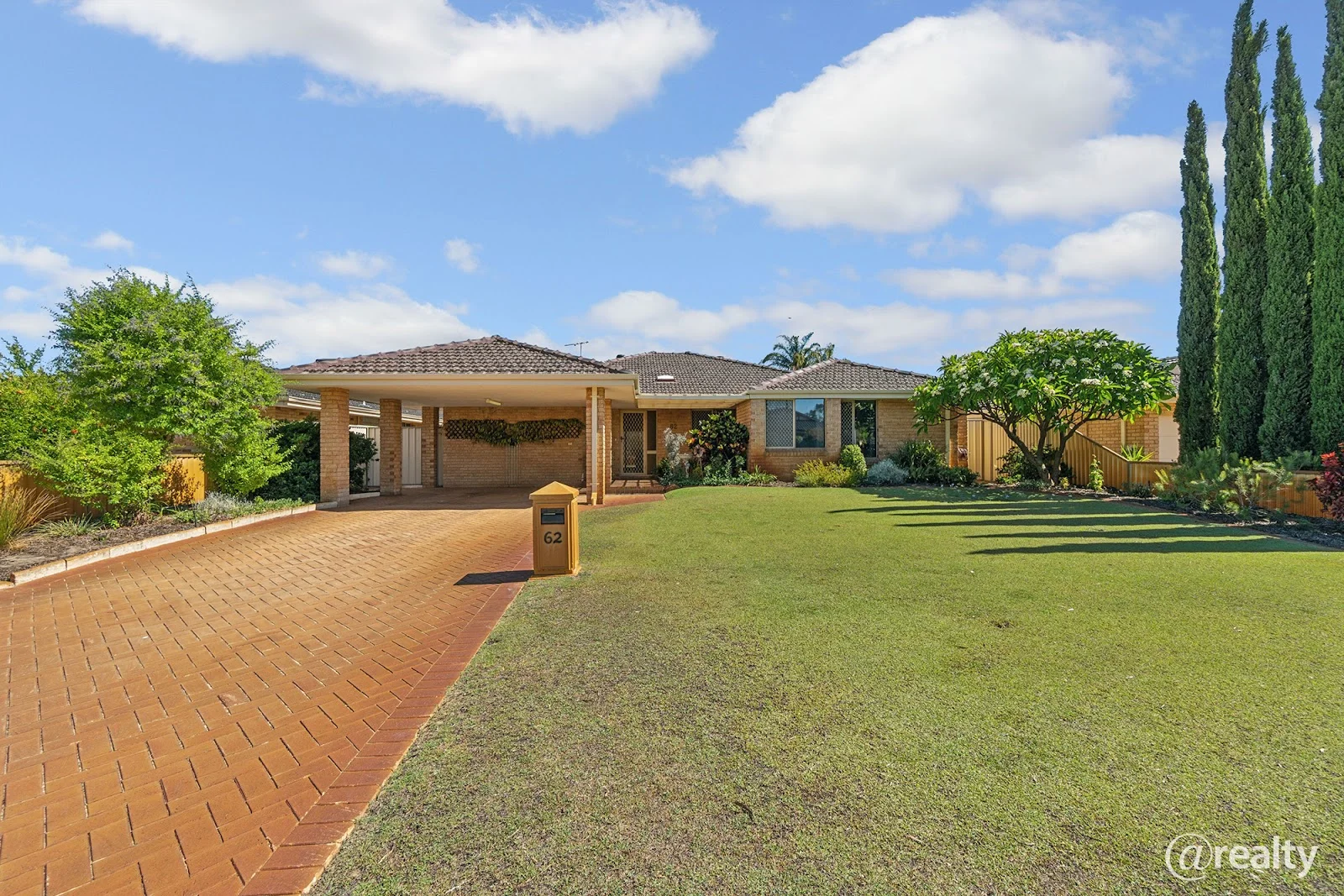 $1,099,000 - $1,153,950
House
$1,099,000 - $1,153,950
House


