## Overview
High Wycombe Primary School is a public primary school in Western Australia serving students from Kindergarten to Year 6. The school fosters a nurturing, inclusive learning community with a strong emphasis on student well-being, collaboration and real-world learning. Classes are medium-sized, typically allowing for individual attention and active participation, with a focus on building positive routines and strong relationships across the school.
⸻
## Academics & Learning
- Academic strengths: English literacy and numeracy fundamentals are prioritised, with a solid focus on STEM learning, digital literacy and opportunities to develop leadership and language skills (LOTE).
- Special programs: Gifted and Talented Education (GATE) and accelerated learning options are available for identified students, along with targeted literacy and numeracy interventions.
- NAPLAN trends: Over recent years, trends show steady improvements in reading and numeracy, with outcomes near or above state averages and continued focus on writing development.
- Student-teacher ratios: Typical class sizes run in the low-to-mid 20s, with strong teacher support across year levels and a reasonable overall teacher-to-student ratio to enable personalized learning.
- Support for diverse learners: EAL support, special needs (SEN) services, inclusive education practices and learning support staff work to provide appropriate adjustments and individualized learning plans.
⸻
## Sports & Extracurricular Strengths
- Sports offered: Athletics, soccer, cricket, football, netball, cross-country and aquatic programs are commonly available, with opportunities to participate in district-level events.
- Strong teams or achievements: Interschool and district competitions are a regular focus; the school often recognises student achievement through sports carnivals and inter-school teams.
- Music, arts, drama programs: Active music groups and drama performances throughout the year, with opportunities to participate in school concerts and events.
- Clubs: Robotics, coding, chess and debating clubs are commonly offered, along with other enrichment activities during lunch or after school.
- Partnerships: Collaborations with local sporting clubs and community arts programs support broader opportunities and competitions.
⸻
## Wellbeing & Pastoral Care
- Anti-bullying approach: A clear anti-bullying policy with a whole-school approach, supported by restorative practices and consistent routines.
- House system: Students are grouped into houses for coordinated events, debates, sports days and leadership activities, fostering school spirit and belonging.
- Counsellors / wellbeing officers: A dedicated wellbeing team (counsellor and/or wellbeing staff) provides social-emotional support and proactive well-being programs.
- Transition support for new students: Buddy programs, orientation activities and targeted transition support help new students settle in smoothly.
⸻
## Facilities
- Sports grounds
- Libraries
- Science labs
- Music/performing arts centers
- Tech/innovation labs
- Cafeteria
- Updated playgrounds
⸻
## School Values & Community Culture
- School values / mission: Emphasis on respect, responsibility, integrity, resilience and collaboration; a focus on daily actions that reflect the school’s shared mission.
- Leadership style: Distributed leadership with opportunities for student leadership and teacher-led initiatives; collaborative decision-making where appropriate.
- Behaviour expectations: Clear, consistently applied expectations backed by positive reinforcement and restorative practices.
- Community reputation: Strong involvement from families and the local community, with open channels for parent participation and feedback.
- Diversity & inclusion: Commitment to equity and inclusive practices, welcoming students from diverse backgrounds and providing support as needed.
⸻
## School Logistics & Daily Operations
- School hours: Typical daily schedule runs with start and finish times aligned to WA public school norms; specifics are available from the current year timetable.
- Before/after school care: Options are available through approved external providers in coordination with the school.
- Uniform requirements: School uniform policy applies; items usually include a polo or shirt, shorts/skirt and appropriate footwear, with seasonal adjustments.
- Transport (train/bus routes): Access via local bus routes and public transport; drop-off/pick-up zones are arranged for safety and efficiency.
- Canteen availability: Canteen or canteen services operate on school days with healthy meal and snack options.
- Fees (low/medium/high ranges): Public school contributions are modest and optional extras may be available; families should check the current fee schedule for specifics.
⸻
## Enrolment & Admissions
11. What is the enrolment process and timeline?
- Enrolments are managed through the Western Australian Department of Education in conjunction with the school. Families submit an enrolment form with required documents (proof of address, identity, immunisation records, birth certificate) and complete any local intake requirements. Offers and placement information are typically communicated ahead of the new school year, with timelines published by the school each year.
12. Is there a waiting list, and how does it work?
- Some year levels or intake periods may receive more applications than vacancies, resulting in a waiting list. Priority is generally given to students residing in the school’s catchment area, with governance and vacancy-based decisions guiding placements.
13. Are there any entry requirements, tests, or interviews?
- Primary school entry usually does not require academic testing, but some programs (e.g., Gifted and Talented Education) may involve additional assessments or eligibility criteria. In some cases, schools may conduct brief interviews or information sessions for families enrolling in specific programs or transitioning from other systems.
14. Does the school accept mid-year transfers?
- Mid-year transfers are considered if vacancies exist. Families should contact the school as early as possible to discuss availability and required documentation.
⸻
## Frequently Asked Questions
- Why Parents Choose This School?
- A strong sense of community, supportive staff, a focus on well-being and inclusivity, solid academic foundations and opportunities across sports, arts and clubs.
- What type of student thrives at this school?
- Curious, collaborative and motivated learners who value community, consistent routines and opportunities to participate in a range of activities.
- What opportunities are available for students to extend their skills (academics, sports, arts)?
- Extension programs (e.g., Gifted and Talented options), leadership roles, code/robotics clubs, debating, music and drama programs, and competitive sports pathways.
- How does the school communicate with parents?
- Regular newsletters, emails, school app or portal updates, and scheduled parent-teacher meetings. Quick responses are encouraged through these channels.
- What is the school’s approach to teaching and learning?
- Student-centered, differentiated instruction with emphasis on literacy, numeracy, inquiry-based learning and real-world applicability.
- How does the school support students who need extra academic help?
- Targeted literacy and numeracy interventions, learning support assistants, EAL/SEN services and personalised learning plans.
- What support is available for academic challenges?
- Additional tutoring and small-group intervention, progress monitoring and collaboration with families to adjust learning goals.
- How does the school communicate with parents? (duplicate)
- See above: newsletters, apps, meetings and direct contact with teachers.
- What are the class sizes and how much individual attention do students receive?
- Class sizes generally run in the low-to-mid 20s, with individual attention supported by teaching staff and learning supports.
- What extracurricular and sports opportunities are available?
- Athletics, team sports, clubs such as robotics, coding, chess and debating, plus music and drama programs.
- What facilities does the school offer (sports, science, arts)?
- A range of facilities including sports grounds, libraries, science labs, a music/performing arts center, tech/innovation labs and canteen, plus updated playgrounds.
- What is the school’s approach to technology and digital learning?
- Integration of digital literacy across curriculum, use of age-appropriate devices and online learning tools, with emphasis on safe, responsible use.
- What transport and accessibility options are available?
- Access via local bus routes and public transport; designated drop-off/pick-up zones and accessible facilities where applicable.
- What are the typical school fees or additional costs?
- Public school fees are modest; there are voluntary contributions and optional activities that may incur costs. Check the current year’s schedule for specifics.
⸻
## Short Pros & Cons
- Pros
- Inclusive, nurturing environment with strong wellbeing supports
- Solid academic foundation with opportunities for gifted/accelerated learning
- Active extracurriculars across sports, arts and clubs
- Supportive community and clear communication channels
- Range of facilities and modern learning spaces
- Cons
- As a medium-sized public school, there may be waiting lists for popular year levels or programs
- Uniforms and elective costs can add to annual expenses, though still modest
- Availability of some specialized facilities or programs may vary by year and intake
⸻













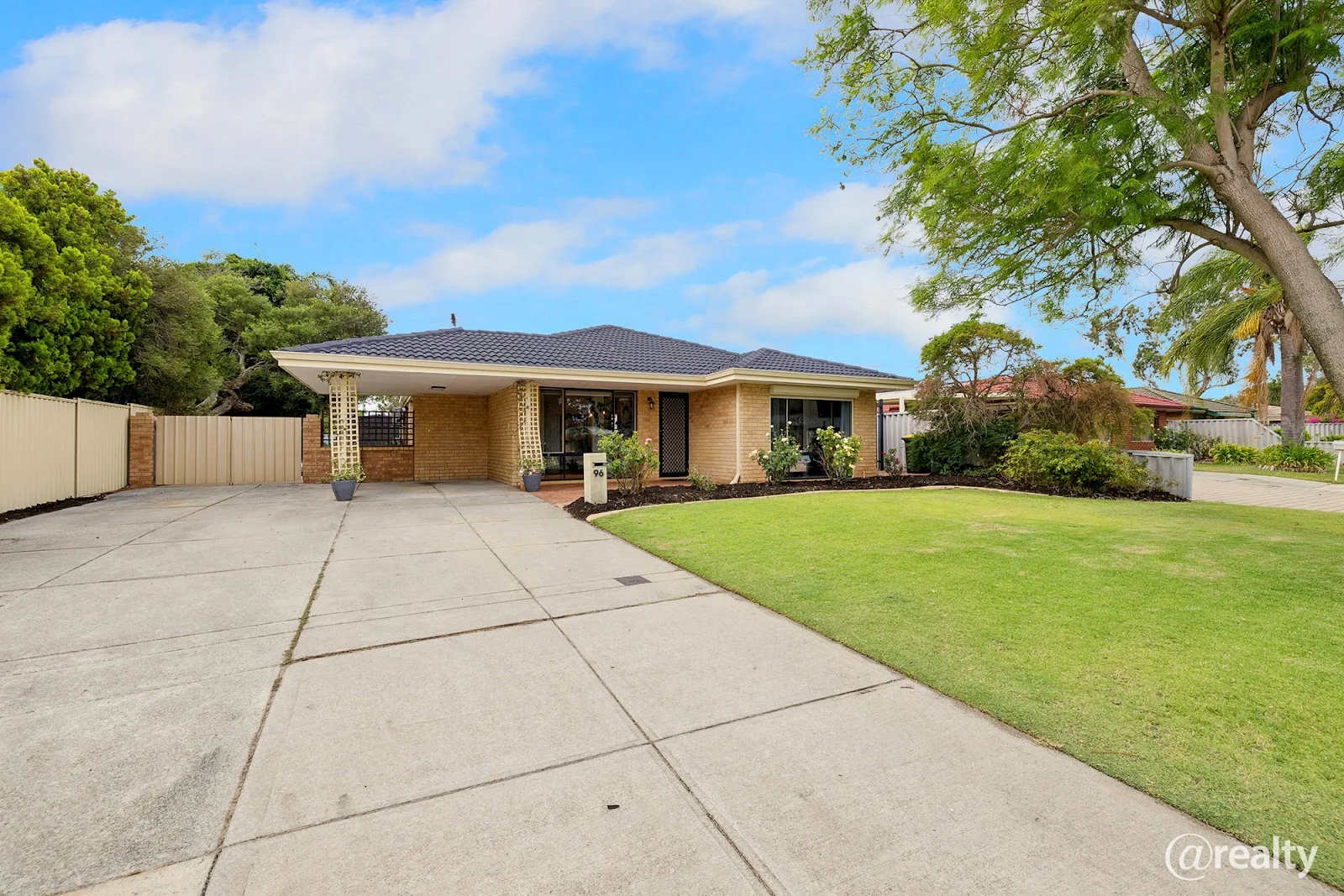 $899,000 - $943,950
House
$899,000 - $943,950
House
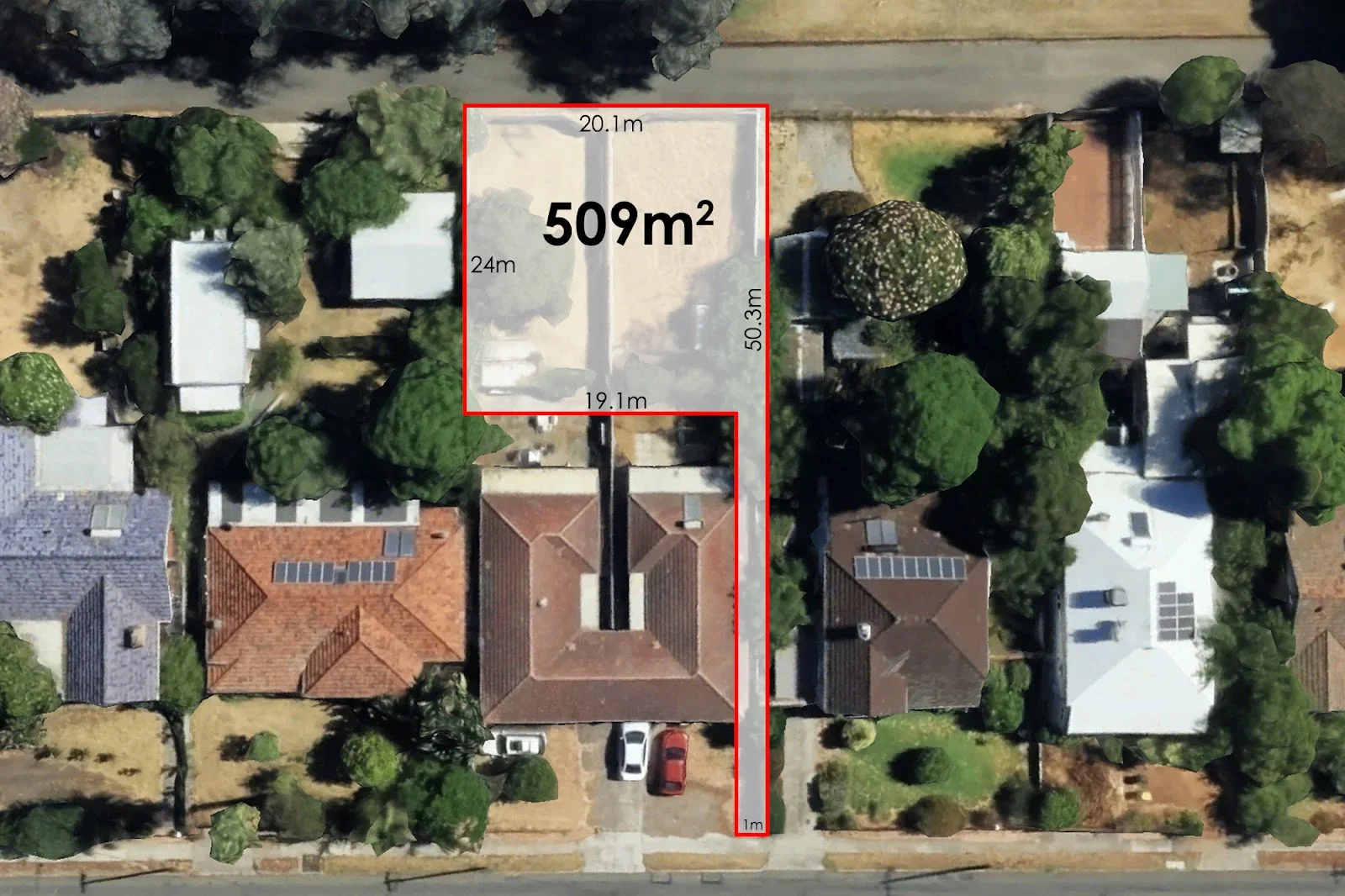 $480,000
Vacant Land
$480,000
Vacant Land
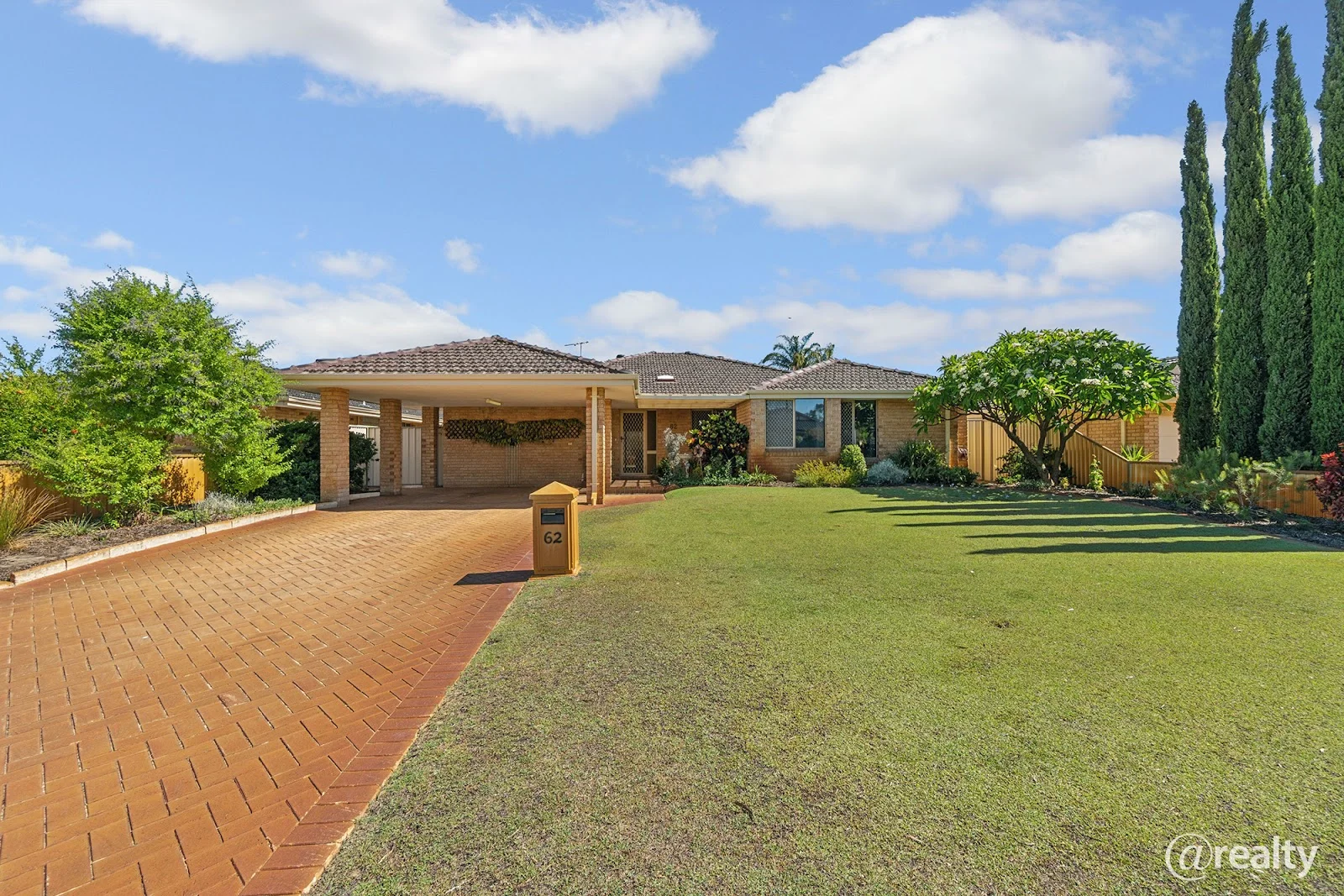 $1,099,000 - $1,153,950
House
$1,099,000 - $1,153,950
House
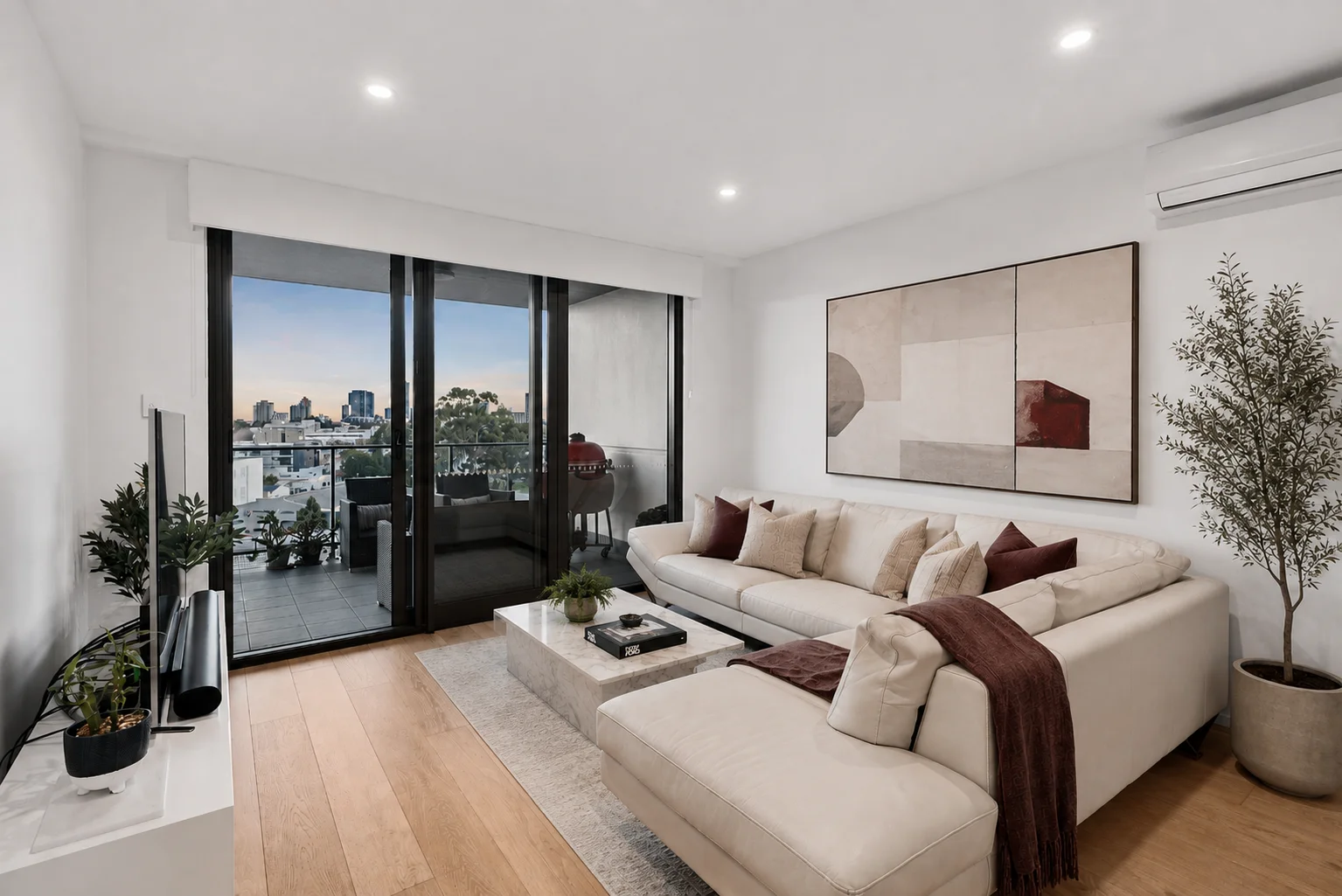 $700,000
Apartment / Unit / Flat
$700,000
Apartment / Unit / Flat
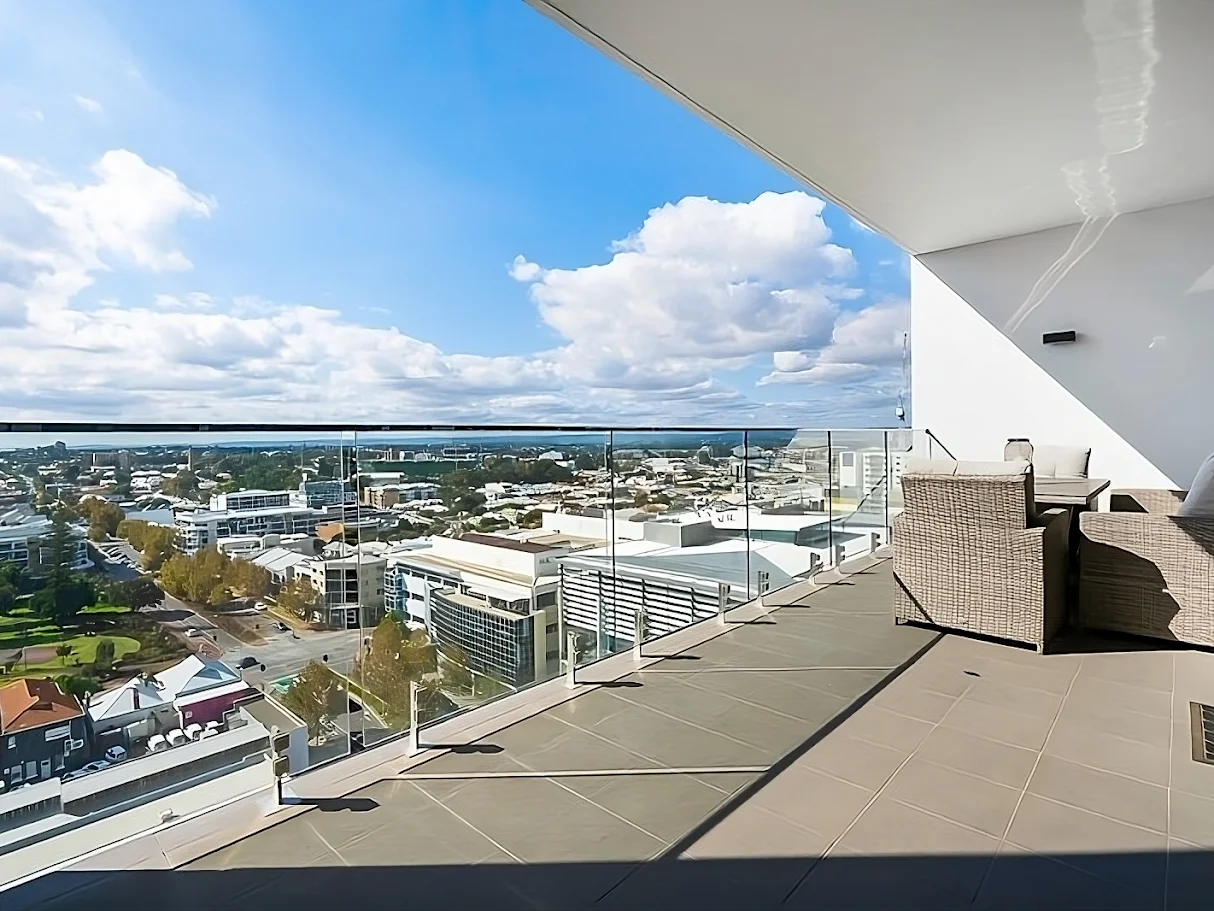 $580,000
Apartment / Unit / Flat
$580,000
Apartment / Unit / Flat
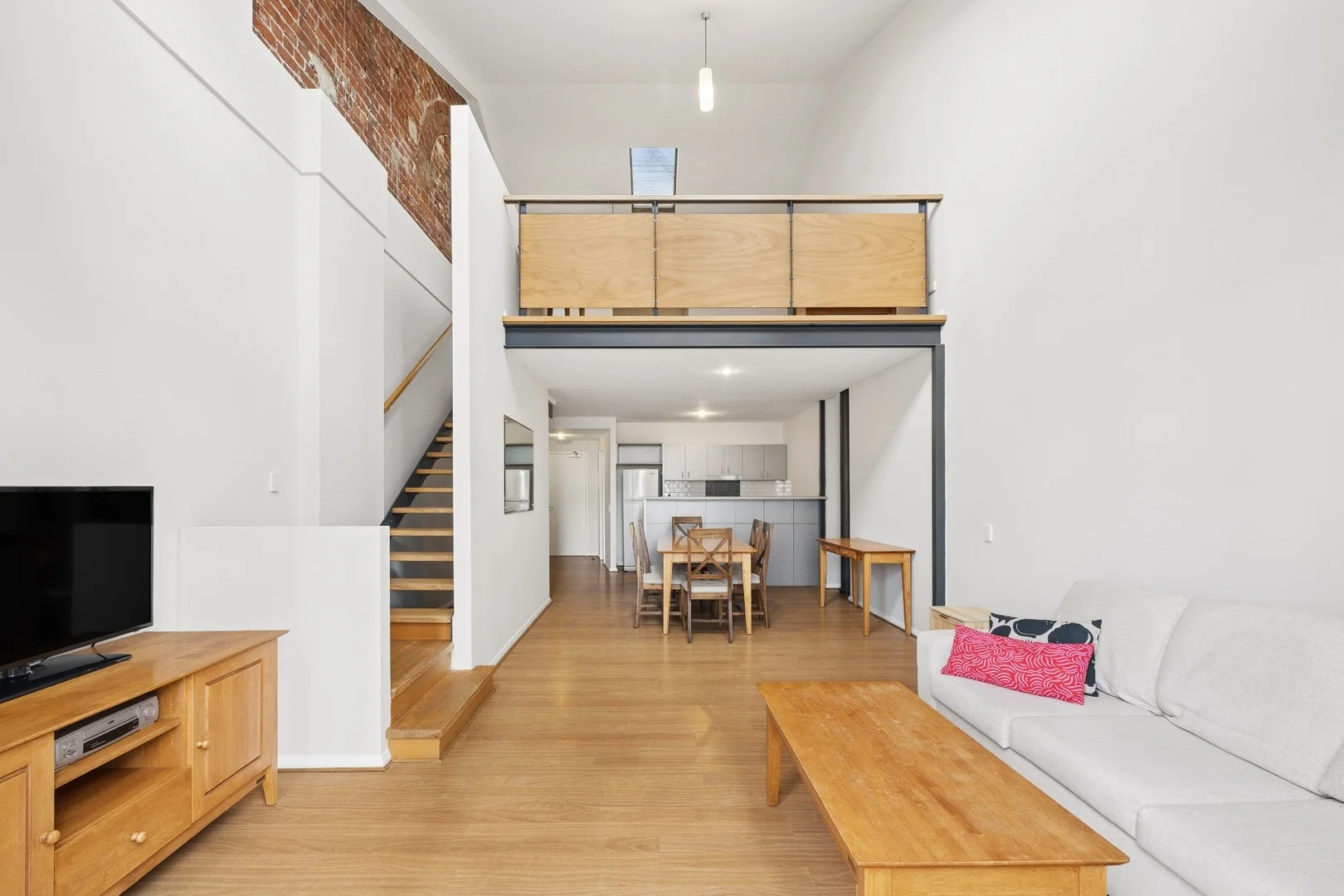 $549,000
Apartment / Unit / Flat
$549,000
Apartment / Unit / Flat


