## 1. Overview
Maida Vale Primary School is a public primary school serving families in the Maida Vale area of Western Australia. It generally offers a community-focused environment with a emphasis on student well-being, inclusion, and active learning.
- School type: Public
- School size: Medium
- Class size: Typically around 20–26 students per class, varying by year level
- Atmosphere/culture: Inclusive, nurturing, and academically engaged, with a vibe that supports student wellbeing and community involvement
## 2. Academics & Learning
- Academic strengths: Core literacy and numeracy are priorities, with opportunities to engage in STEM activities, and programs designed to support student leadership and independent thinking.
- Special programs: Gifted and talented pathways and support for accelerated learning are commonly available where appropriate; access to targeted enrichment and extension opportunities may be offered.
- NAPLAN trends: Trends tend to show stable or gradually improving performance across year levels, with ongoing focus on improving writing and numeracy over time.
- Student-teacher ratios: Typical primary ratios around 1 teacher for about 20–25 students, with specialist teachers for subjects such as art, music, PE, and possible language specialists.
- Support for diverse learners: EAL/D support for students whose first language is not English; inclusive education provisions and adjustments for students with additional learning needs (SEN), with access to support staff as required.
## 3. Sports & Extracurricular Strengths
- Sports offered: A range of in-school and inter-school activities, including common primary-school sports and physical education programs.
- Strong teams or achievements: Participation in district or inter-school events; emphasis on teamwork, fair play, and personal improvement.
- Music, arts, drama programs: Music and performing arts opportunities are typically available, including opportunities to participate in school ensembles or productions.
- Clubs: Robotics, coding, chess, and debating programs are commonly offered or available through after-school clubs or school initiatives.
- Partnerships: Involvement in local clubs, community organizations, and district-level competitions to extend opportunities beyond the classroom.
## 4. Wellbeing & Pastoral Care
- Anti-bullying approach: Clear anti-bullying policies, positive behaviour frameworks, and whole-school wellbeing initiatives to promote respectful interactions.
- House system: A house-based structure is often used to foster belonging, teamwork, and healthy competition.
- Counsellors / wellbeing officers: Access to school wellbeing staff or a counsellor to support student social-emotional health.
- Transition support for new students: Orientation activities, buddy systems, and transition supports to help new students settle in.
## 5. Facilities
- Sports grounds: Accessible outdoor play and sport spaces suitable for PE and outdoor activities.
- Libraries: On-site library with resources to support reading and research.
- Science labs: Dedicated spaces or science-centric resources to support hands-on learning.
- Music/performing arts centers: Areas or rooms designated for music and drama activities.
- Tech/innovation labs: Access to technology-rich learning environments or makerspace offerings.
- Cafeteria: On-site canteen or lunch program supporting student meals.
- Updated playgrounds: Well-maintained outdoor play areas with age-appropriate equipment.
## 6. School Values & Community Culture
- School values / mission: Emphasis on respect, responsibility, inclusion, and a supportive learning community.
- Leadership style: Student voice and leadership opportunities are encouraged; collaborative and inclusive leadership among staff.
- Behaviour expectations: Clear behavioural expectations linked to the school's values, with consistent reinforcement and positive reinforcement strategies.
- Community reputation: Strong ties with families and local community; reputation for a welcoming, supportive atmosphere.
- Diversity & inclusion: Commitment to welcoming students from diverse backgrounds; inclusive practices in classroom and school life.
## 7. School Logistics & Daily Operations
- School hours: Typical primary school day structure (start mid-morning to mid-afternoon; exact times may vary by year level).
- Before/after school care: OSHC or community-based programs may be available to extend care beyond school hours.
- Uniform requirements: WA public schools generally require a school uniform; details provided by the school on colors and items.
- Transport (train/bus routes): Bus routes and public transport access are available in the broader Kalamunda/Maida Vale area; specific routes depend on catchment and year level.
- Canteen availability: Canteen or lunch program options are commonly offered.
- Fees (low/medium/high ranges): Public primary schools in WA have low to moderate costs for excursions, materials, and activities; voluntary contributions or activity fees may apply.
## 8. Enrolment & Admissions
- 11. Enrolment process and timeline: Enrolments are typically processed through the local catchment processes with applications submitted to the school; timelines align with WA public school intakes and term schedules.
- 12. Waiting list and how it works: If the school reaches capacity, a waiting list may operate with priority given to catchment students, siblings, and availability.
- 13. Entry requirements, tests, or interviews: Generally, standard entry does not require entrance tests; interviews are rare and usually not required for standard enrolment, though schools may request information to support placement.
- 14. Mid-year transfers: Mid-year transfers may be possible depending on space and enrollment priorities; contact the school to discuss availability and documentation.
## 9. Frequently Asked Questions
- Why Parents Choose This School?
- A welcoming, inclusive environment with a focus on literacy, numeracy, wellbeing, and student development; strong community involvement and support services.
- What type of student thrives at this school?
- Students who value a balanced approach to academics, sports, arts, and social development; those who respond to a supportive, collaborative learning culture.
- What opportunities are available for students to extend their skills (academics, sports, arts)?
- Enrichment programs in STEM, reading and writing support, gifted/extension pathways, music and arts participation, and after-school clubs (robotics, coding, chess, debating) plus inter-school sports.
- How does the school communicate with parents?
- Regular updates through newsletters, emails, school portals, parent-teacher interviews, and event notices; a focus on transparent two-way communication.
- What is the school’s approach to teaching and learning?
- Student-centered learning with a mix of explicit instruction, inquiry-based activities, and differentiation to meet diverse needs; emphasis on growth mindset and wellbeing.
- How does the school support students who need extra academic help?
- Targeted intervention, SEN supports, EAL/D services, reading and numeracy supports, and access to specialist teachers where available.
- What support is available for academic challenges?
- Additional tutoring or small-group instruction, progress monitoring, and collaboration with families to set learning goals.
- How does the school communicate with parents? (Repeated)
- See above: newsletters, portals, meetings, and notifications; consistent channels for updates.
- What are the class sizes and how much individual attention do students receive?
- Class sizes typical for WA primary schools (approximately 20–26 students per class) with teacher planning time and opportunities for targeted feedback and small-group instruction.
- What extracurricular and sports opportunities are available?
- A range of sports, arts and music programs, and after-school clubs such as robotics, coding, chess, and debating; participation in local and district competitions where available.
- What facilities does the school offer (sports, science, arts)?
- Sports grounds, library, science resources or labs, music/performing arts spaces, and technology-enabled learning areas, plus a canteen and play areas.
- What is the school’s approach to technology and digital learning?
- Integration of digital tools to support learning, with opportunities for coding, research, and responsible use of technology within the curriculum.
- What transport and accessibility options are available?
- Access to bus routes and public transport within the area; school facilities accommodate students with standard accessibility needs as per local arrangements.
- What are typical school fees or additional costs?
- Public primary schools have low to moderate costs for activities and excursions; many items are covered by standard funding, with additional costs for specific programs or events.
## 10. Short Pros & Cons list
- Pros
- Public school with a community-focused approach and emphasis on wellbeing
- Inclusive culture that supports diverse learners
- Balanced focus on academics, arts, and physical activity
- Range of after-school clubs and enrichment opportunities
- Access to specialist staff and supportive transition programs
- Cons
- Class sizes may vary by year level; some cohorts may be larger
- Availability of certain programs may depend on funding and staffing at any given time
- Transport options depend on location and may require coordination with local routes
- As a public school, some facilities or programs may differ in scope compared with private or independent options
Notes:
- The above content reflects a typical profile for a WA public primary school and is intended for parents evaluating options. For precise details (current enrolment processes, specific programs, exact facilities, and latest policies), please confirm with the Maida Vale Primary School administration or the local education authority.












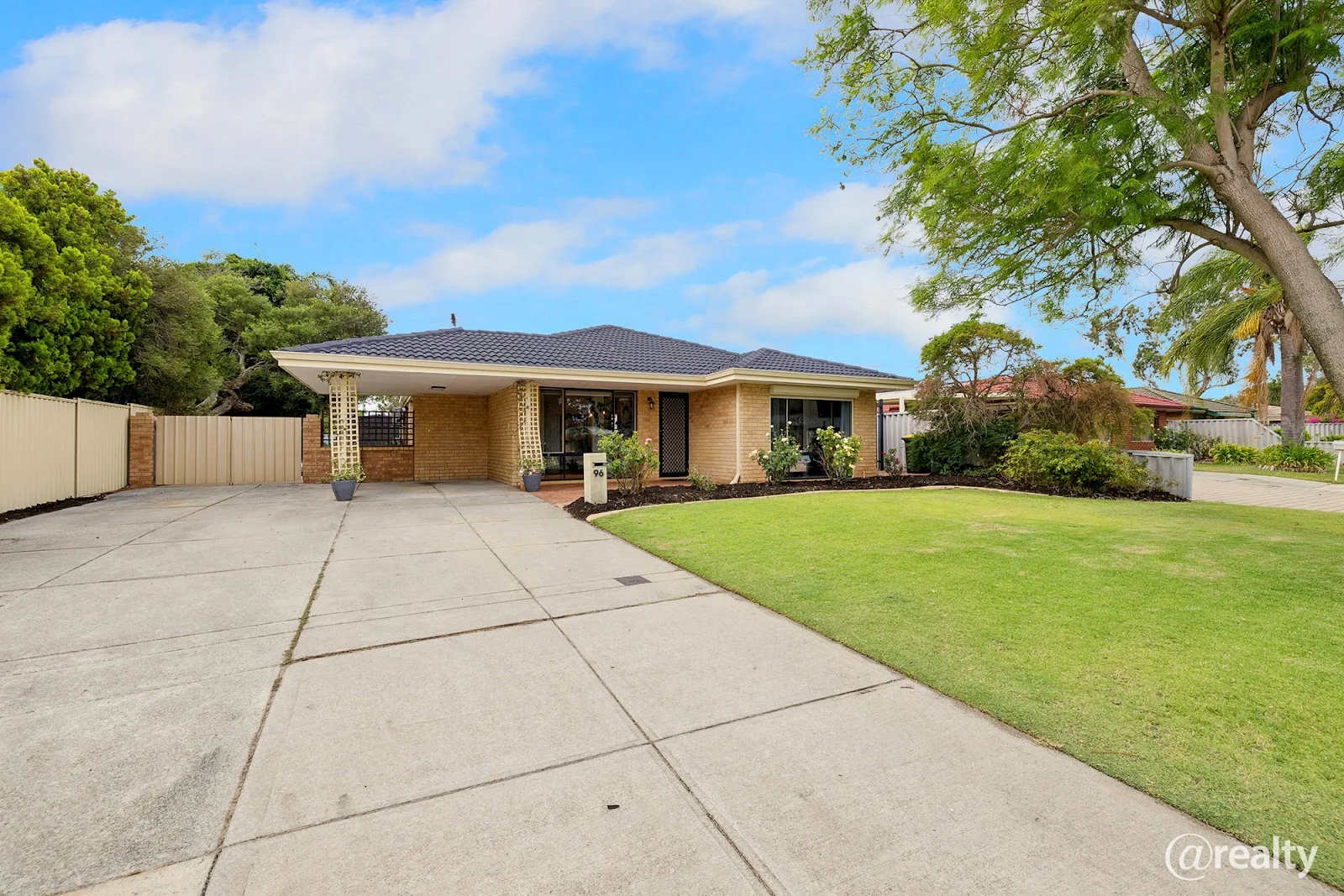 $899,000 - $943,950
House
$899,000 - $943,950
House
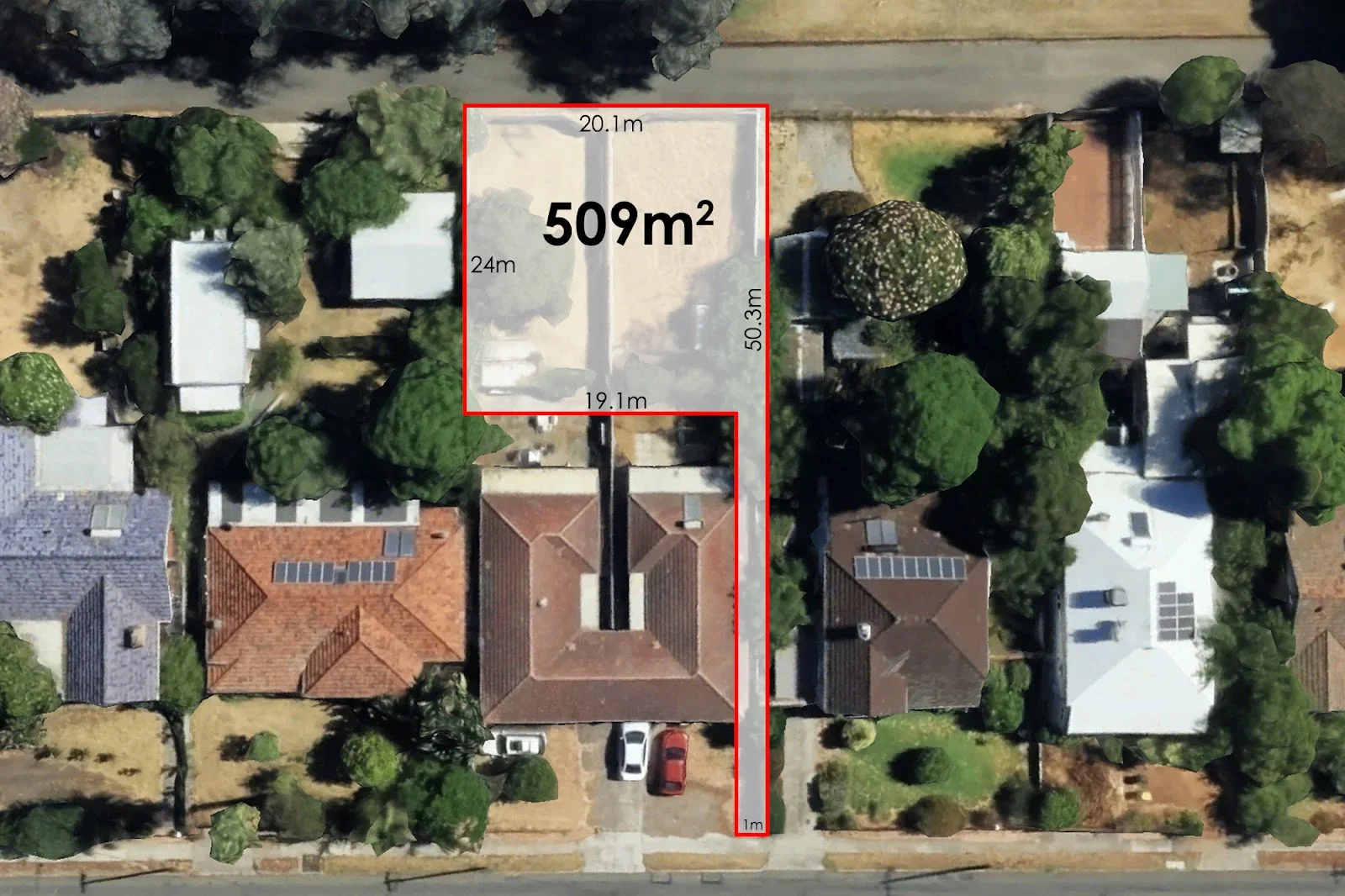 $480,000
Vacant Land
$480,000
Vacant Land
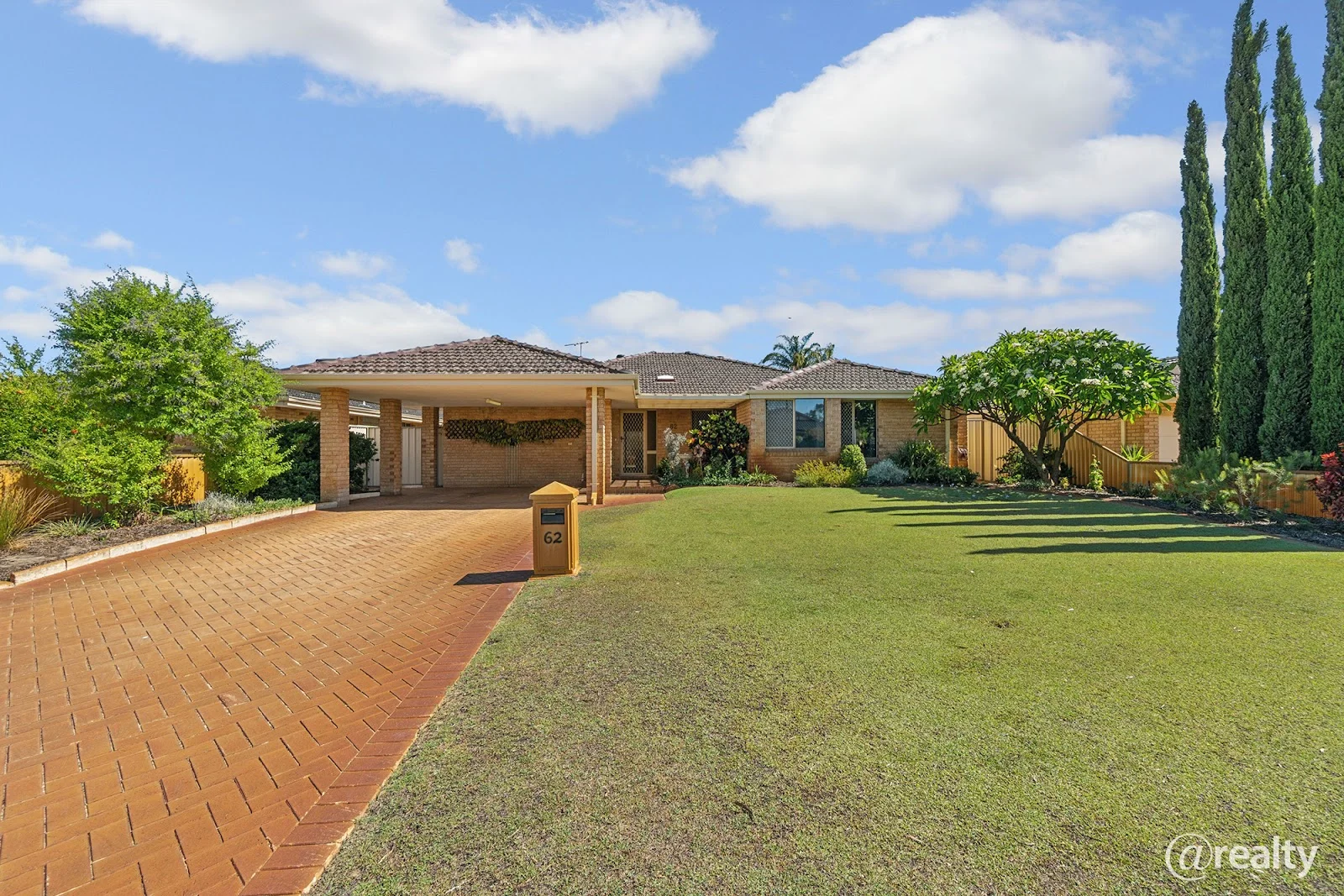 $1,099,000 - $1,153,950
House
$1,099,000 - $1,153,950
House