## 1. Overview
Matthew Gibney Catholic Primary School in High Wycombe, WA is a Catholic primary school that focuses on a values-based education within a small to medium community. The school emphasizes a nurturing, inclusive atmosphere where students are encouraged to grow academically and socially with strong support from staff and families. Class sizes are paired with a close-knit culture, helping pupils receive individual attention within a faith-centred environment.
- School type: Catholic
- School size: small to medium
- Class size: typically around 20–25 students per class (varies by year level)
- Atmosphere/culture: nurturing, inclusive, values-driven, community-focused
---
## 2. Academics & Learning
Matthew Gibney Catholic Primary supports core literacy and numeracy, with a faith-informed curriculum that integrates ICT and across-curriculum skills. The school aims to develop well-rounded learners through engaged teaching and opportunities to explore creativity, critical thinking and problem-solving.
- Academic strengths: literacy and numeracy foundations, faith-based curriculum integration, ICT and digital literacy
- Special programs: religious education embedded in daily learning; potential gifted/talented or acceleration options may be available depending on year level and cohort needs
- NAPLAN / trends: public trend data is typically published separately; check the school’s annual report or WA Department data for year-to-year trends in reading, writing, spelling and numeracy
- Student-teacher ratios: typical WA primary ratios; smaller class units with instruction and some learning support available
- Support for diverse learners: arrangements for EAL and SEN support; learning support team to assist students needing additional help and targeted interventions
---
## 3. Sports & Extracurricular Strengths
The school offers a range of sports and extracurricular activities suitable for boys aged 10–14 and beyond, with a focus on participation, teamwork and personal growth.
- Sports offered: common WA primary options such as soccer, Australian rules football, basketball, netball, athletics and cricket; involvement in inter-school events
- Strong teams or achievements: opportunities to compete in district/inter-school competitions; some year groups may achieve recognition in their respective divisions
- Music, arts, drama programs: active music and performing arts offerings; drama and school performances are typical components
- Clubs: robotics, coding, chess, debating and other interests may be available
- Partnerships: ties with local clubs, associations and inter-school programs for broader competition and development
---
## 4. Wellbeing & Pastoral Care
Wellbeing and pastoral programs are a focus to foster a safe, respectful school community.
- Anti-bullying approach: proactive, relationship-focused strategies; codes of conduct aligned with school values
- House system: house-based activities and competitions to promote belonging and leadership
- Counsellors / wellbeing officers: access to support staff for student wellbeing and transition needs
- Transition support: orientation activities, buddy systems and targeted transition programs for new students
---
## 5. Facilities
The school’s facilities are designed to support a balanced curriculum and engaging student life, with spaces for learning, recreation and creative expression.
- Sports grounds
- Libraries
- Science labs
- Music/performing arts centers
- Tech/innovation labs
- Canteen
- Updated playgrounds
---
## 6. School Values & Community Culture
Parents often look for schools with clear values and a strong community.
- School values / mission: faith-centered education emphasizing respect, compassion, responsibility and service
- Leadership style: collaborative, with opportunities for student voice and leadership in appropriate contexts
- Behaviour expectations: positive behaviour framework aligned with school values; consistent, age-appropriate discipline
- Community reputation: supportive, welcoming Catholic community with an emphasis on family involvement
- Diversity & inclusion: inclusive environment that welcomes families from diverse backgrounds and supports equitable access to learning
---
## 7. School Logistics & Daily Operations
Practical daily operations help families plan around school life.
- School hours: typical day runs within standard WA primary schedules (e.g., start around morning entry and finish mid-to-late afternoon)
- Before/after school care: available or on-site arrangements may exist through approved providers
- Uniform requirements: school uniform policy with prescribed attire; details provided by the school
- Transport: local bus routes or drop-off/pick-up arrangements; access to public transport options may be available
- Canteen availability: on-site canteen or lunch program options
- Fees: fees and charges vary; typically mid-range for Catholic primary schools and subject to annual changes
---
## 8. Enrolment & Admissions
Enrolment processes are designed to welcome new families while managing seating and community fit.
- What is the enrolment process and timeline?: submit an enrolment form and required documents; timelines differ by year and intake periods; may include interviews or information sessions; offers are made subject to availability
- Is there a waiting list, and how does it work?: waiting lists are common; priority may be given to local catchment families or sibling applicants; families are kept informed of status
- Are there any entry requirements, tests, or interviews?: typically includes documentation (birth certificate, immunisation records); some years may involve conversations or informal discussions rather than formal tests
- Does the school accept mid-year transfers?: mid-year transfers may be possible if there is space; processes involve coordination with the school and placement planning
---
## 9. Frequently Ask Questions
- Why Parents Choose This School?
- A values-based Catholic environment, supportive community, focus on individual growth, and a nurturing atmosphere that supports both learning and character development.
- What type of student thrives at this school?
- Students who value community, respect, and active participation in both academics and school life; those who respond well to a close-knit, faith-informed environment.
- What opportunities are available for students to extend their skills (academics, sports, arts)?
- Extension in core subjects, involvement in sports teams, music and performing arts, and a range of clubs (robotics, coding, chess, debating) and inter-school competitions.
- How does the school communicate with parents?
- Through newsletters, emails, school apps or portals, parent-teacher interviews, and regular updates about events and student progress.
- What is the school’s approach to teaching and learning?
- A balanced, inclusive approach with an emphasis on literacy, numeracy, faith-integrated learning, differentiation, and student engagement.
- How does the school support students who need extra academic help?
- Learning support teams, targeted interventions, small-group assistance, and access to SEN/EAL support as needed.
- What support is available for academic challenges?
- Individualized plans, ongoing assessment, and collaboration with families to implement suitable supports and adjustments.
- How does the school communicate with parents? (duplicate)
- See above: newsletters, portals, meetings and timely updates.
- What are the class sizes and how much individual attention do students receive?
- Class sizes are typically around 20–25 students; teachers provide instruction with some level of individual or small-group attention, supplemented by learning support when available.
- What extracurricular and sports opportunities are available?
- A range of sports (e.g., football, basketball, netball, athletics), music and arts programs, and clubs such as robotics, coding, chess and debating; participation often includes inter-school events.
- What facilities does the school offer (sports, science, arts)?
- Sports grounds, libraries, science labs, music/performing arts spaces, tech/innovation labs, canteen and updated play areas.
- What is the school’s approach to technology and digital learning?
- Integration of technology across the curriculum, digital literacy and citizenship, potentially computer labs or device-based learning aligned with age-appropriate programs.
- What transport and accessibility options are available?
- Local transport options and school-based arrangements, with typical drop-off/pick-up pathways; accessibility considerations guided by school facilities and local arrangements.
- What are typical school fees or additional costs?
- Fees vary by year and program; families should consult the school’s current fee schedule and uniform costs for accurate budgeting.
---
## 10. Short Pros & Cons list
- Pros
- Catholic values-based education in a nurturing, close-knit community
- Small to medium class sizes with opportunities for individual attention
- Range of sports, arts and clubs supporting holistic development
- Active wellbeing, pastoral care, and transition support
- Strong focus on inclusion, faith, and community involvement
- Cons
- As a smaller school, the breadth of selective programs or specialist offerings may be more limited than larger campuses
- Availability of certain accelerations or niche programs can vary by cohort and year level
- Specific facilities and programs may change over time; confirm current offerings with the school
- Fees and uniform costs are an ongoing consideration for families; confirm current charges with the school

 $23+
$23+









 $480,000
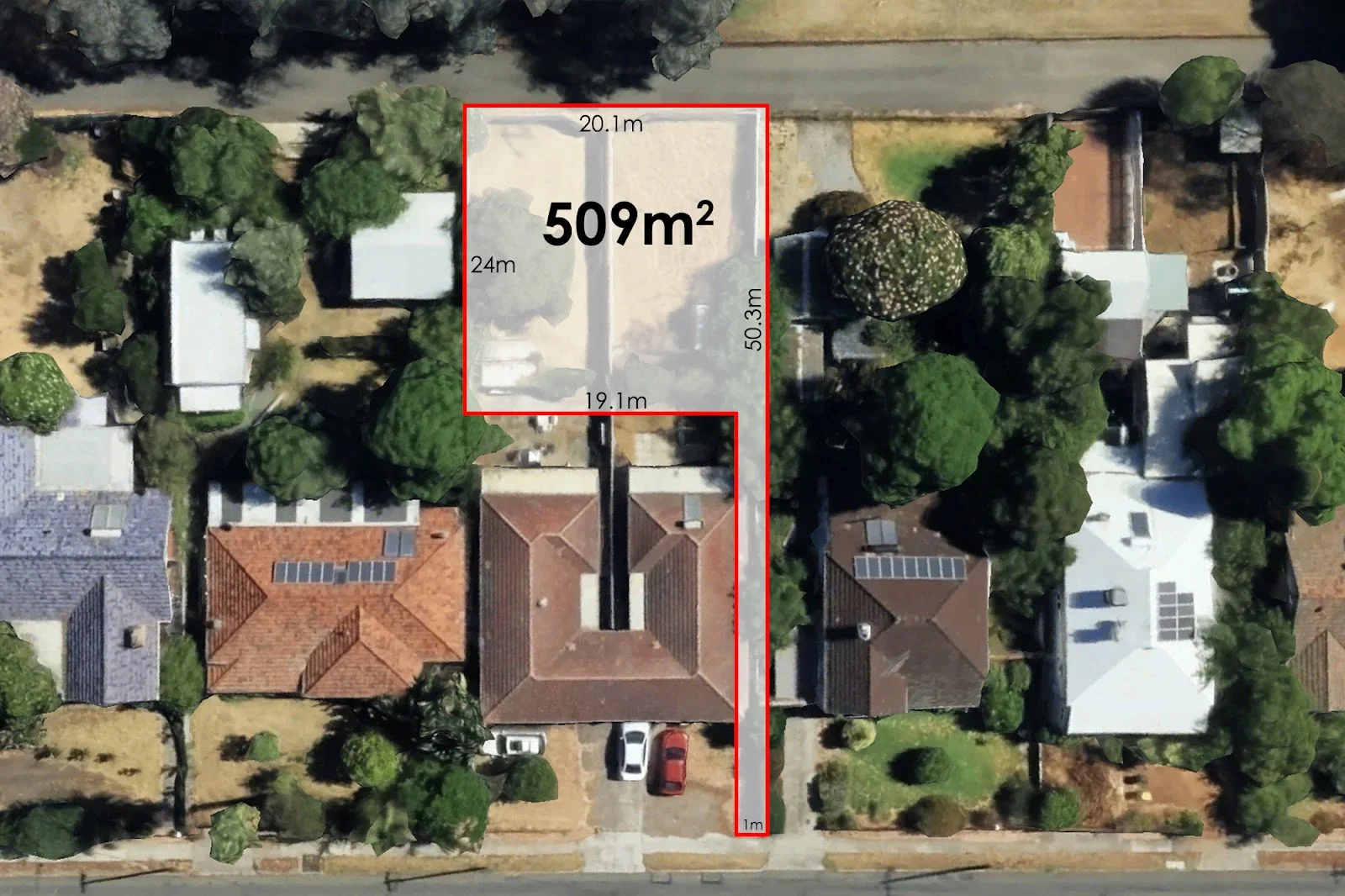
Vacant Land
$480,000
Vacant Land
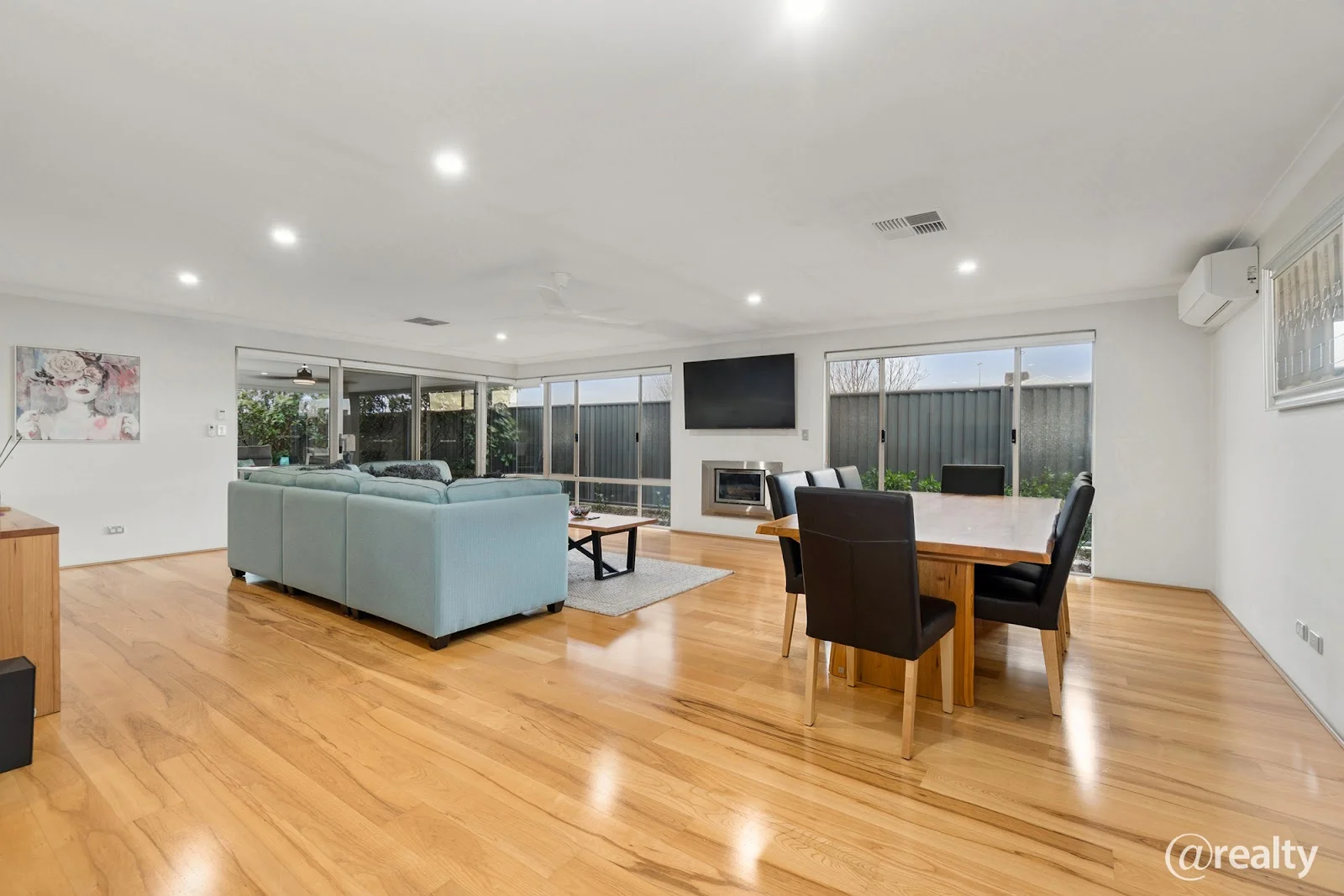 $1,030,000
House
$1,030,000
House
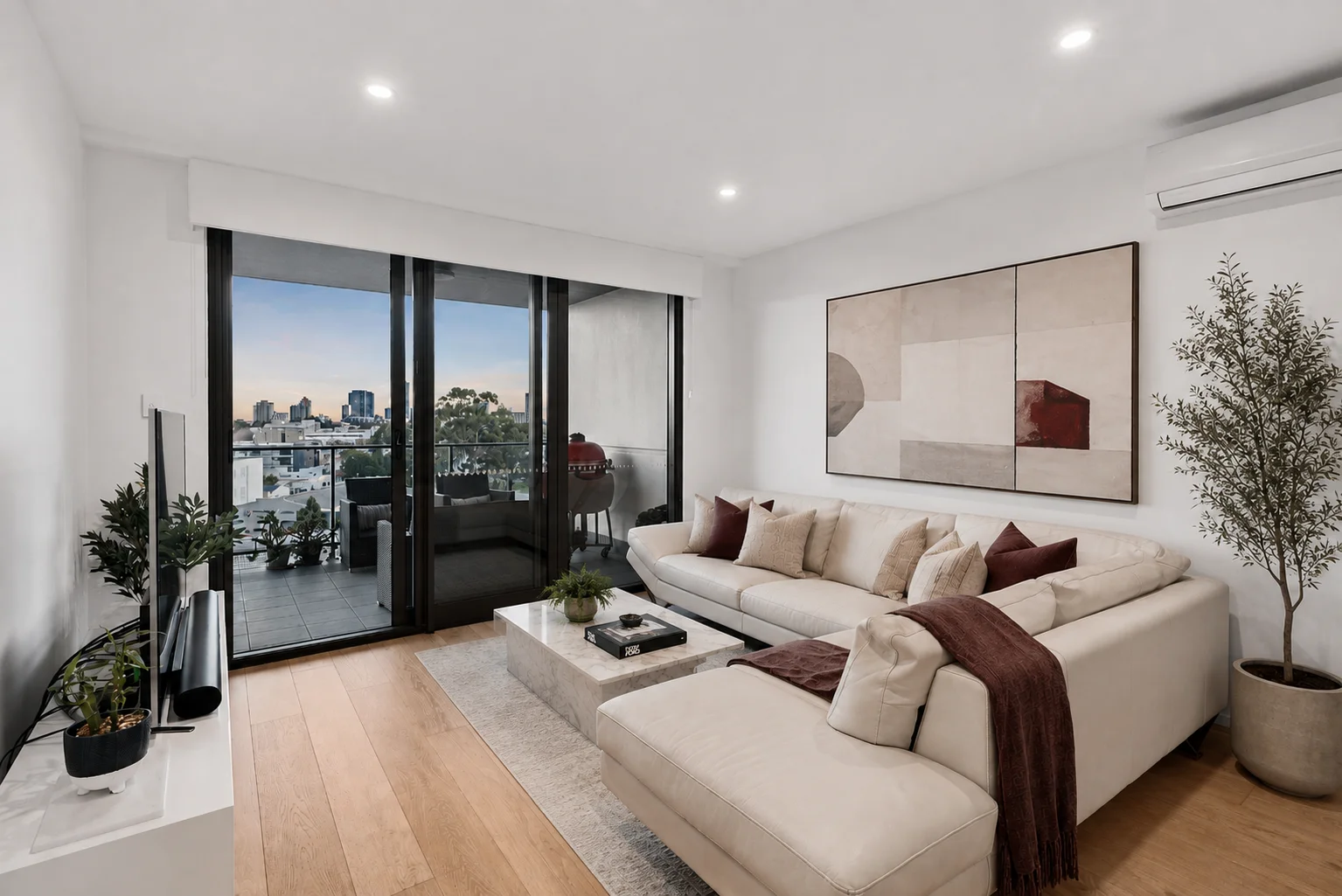 $700,000
Apartment / Unit / Flat
$700,000
Apartment / Unit / Flat
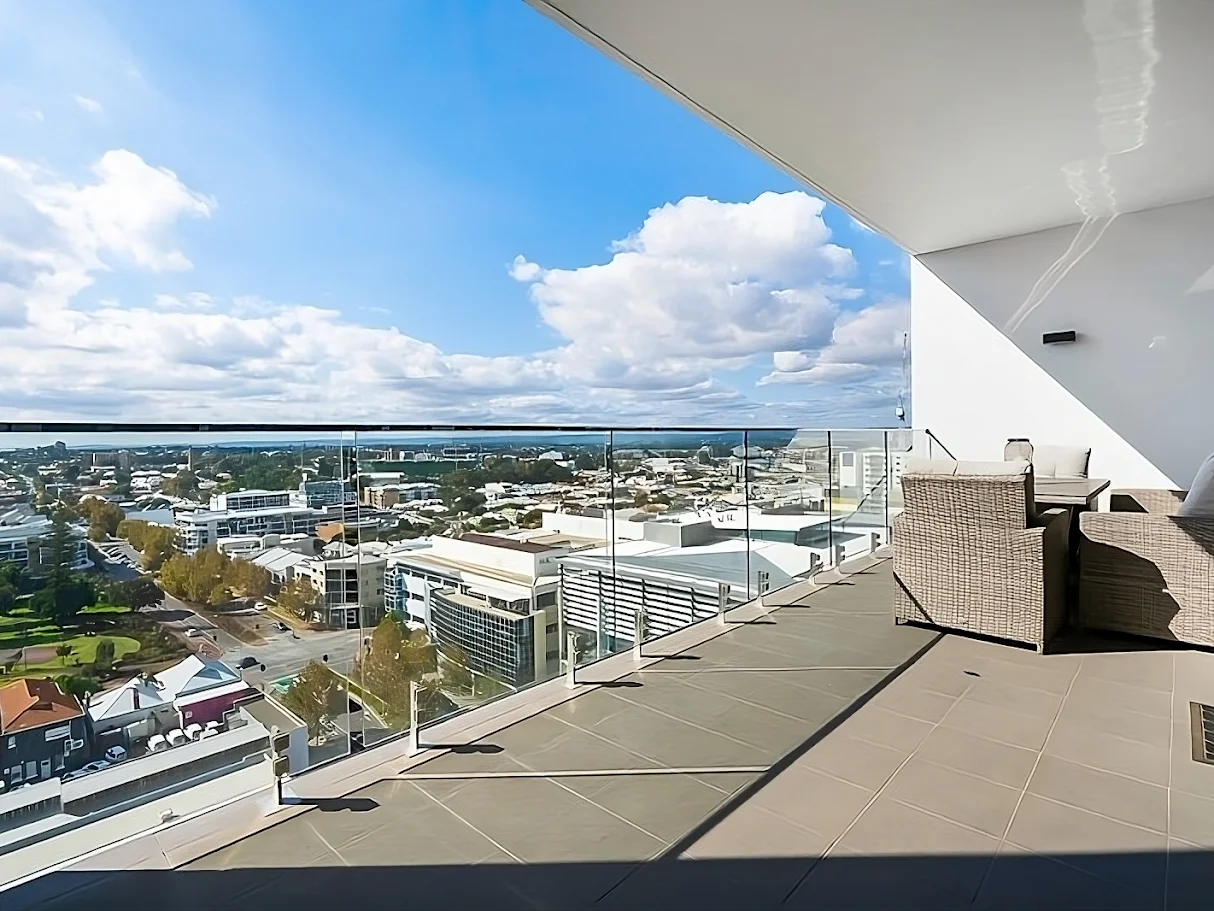 $580,000
Apartment / Unit / Flat
$580,000
Apartment / Unit / Flat
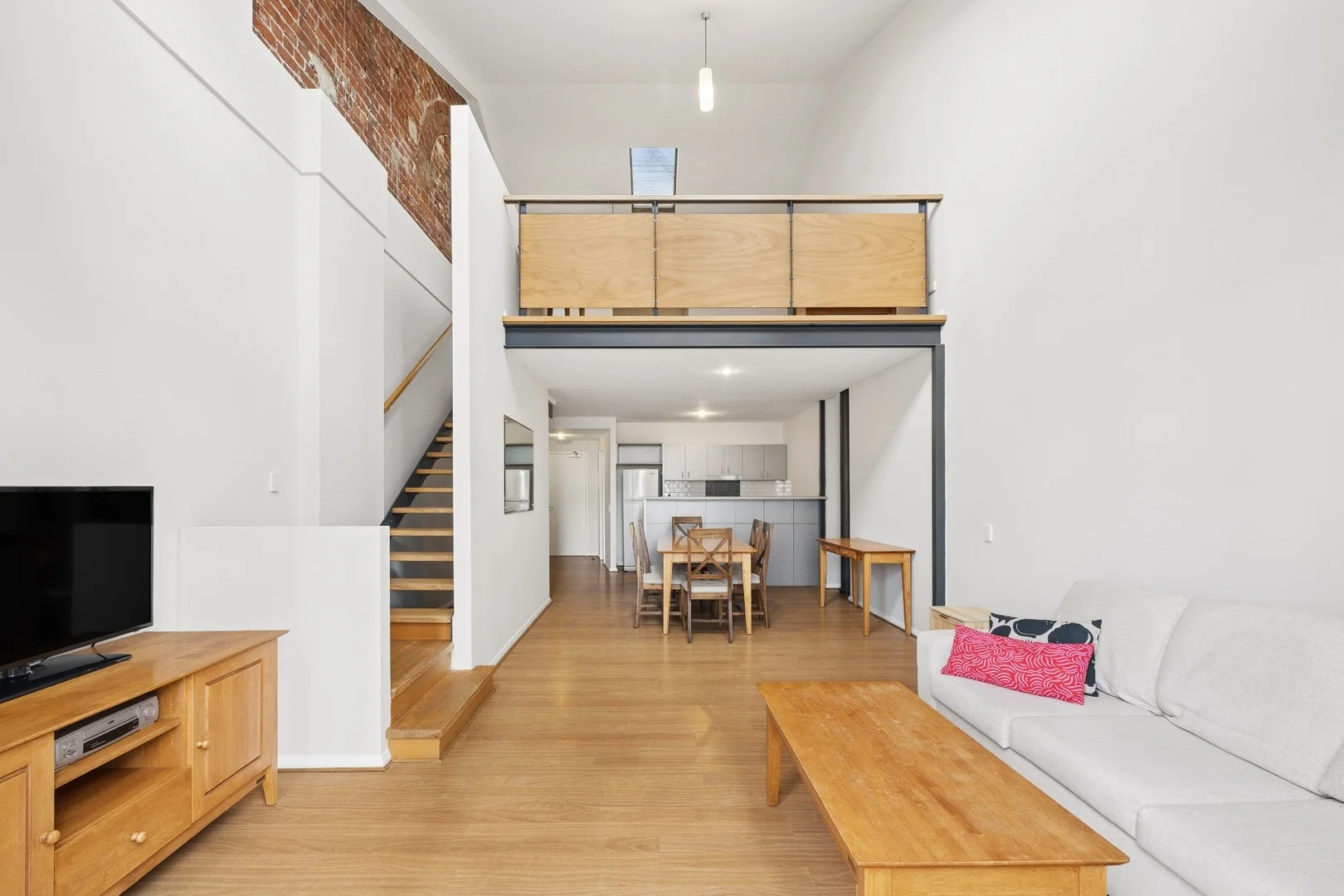 $549,000
Apartment / Unit / Flat
$549,000
Apartment / Unit / Flat